
...

Place To Visit And Things To Do In Gurdaspur

Punjab, India
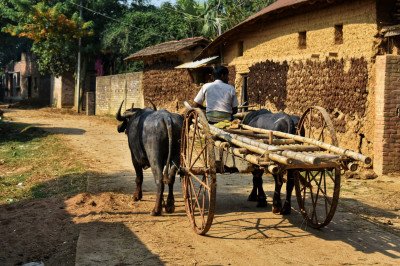
Historical Background: Gurdaspur was founded by Mahant Guriya Das in the 17th Century and has been a witness to several major historical events of the Mughal and Sikh eras. Spiritual Importance: The city is renowned because Guru Nanak Dev Ji got married here at Batala, making it a primary pilgrimage site for devotees worldwide. Geographical Significance: It is nestled between the rivers Beas and Ravi, providing fertile lands that represent the heart of Punjab's agricultural excellence and lush greenery. Cultural Heritage: The local life here is deeply rooted in traditional Punjabi values, where folk music, Bhangra, and the spirit of community service in Langar are daily sights.

Things To Do

Card image cap
Chat Patt Bani

@@Historical Significance of Chat Patt Bani: This site is deeply rooted in the history of the 18th-century Sikh struggle. It served as a natural hideo...

@@Historical Significance of Chat Patt Bani: This site is deeply rooted in the history of the 18th-century Sikh struggle. It served as a natural hideout for Sikh warriors during the guerrilla warfare against Mughal forces. The dense foliage of the Jharoli forest provided a strategic advantage, allowing the "Misls" to regroup and launch surprise attacks. The area is tranquil today, but it whispers stories of bravery and survival. Visitors can feel the spiritual energy that lingers in this ancient woodland, which has remained largely untouched by modern urbanization. It is a place of reflection and historical reverence for those interested in the martial history of Punjab. @@Nature and Serenity: Beyond its history, it is a haven for biodiversity. The forest is home to various local bird species and indigenous trees. It offers a peaceful escape from the bustling city life of Gurdaspur. Travelers often come here to find solace in the green canopy. The "Bani" or forest is considered a living monument to the resilience of the local ecosystem. It represents the harmony between nature and human history, where the trees themselves are witnesses to the past.
Card image cap
Chhota Ghallughara Martyrs Memorial

@@The Great Tragedy: This memorial commemorates the "Chhota Ghallughara" (Minor Holocaust) of 1746, where thousands of Sikhs were martyred by Mughal f...

@@The Great Tragedy: This memorial commemorates the "Chhota Ghallughara" (Minor Holocaust) of 1746, where thousands of Sikhs were martyred by Mughal forces under Yahya Khan. It is a somber reminder of the sacrifices made for religious freedom. The site is spread across a large area, featuring an auditorium, a museum, and a towering memorial structure. The museum houses paintings and artifacts that narrate the harrowing tale of the siege in the marshes of Kahnuwan. It serves as an educational hub for the younger generation to learn about the bravery of leaders like Sukha Singh and Mehtab Singh. The atmosphere is one of deep respect and solemnity, designed to evoke a sense of pride and sorrow simultaneously.
Card image cap
Dera Baba Nanak Town

@@The Land of Guru Nanak: Dera Baba Nanak is one of the most sacred towns in Sikhism, located on the banks of the Ravi River. It is where Guru Nanak D...

@@The Land of Guru Nanak: Dera Baba Nanak is one of the most sacred towns in Sikhism, located on the banks of the Ravi River. It is where Guru Nanak Dev Ji spent the last 18 years of his life, practicing agriculture and preaching the oneness of God. The town is home to several historic Gurdwaras, most notably Gurdwara Sri Darbar Sahib. It has gained international prominence due to the Kartarpur Corridor, which connects this town to Gurdwara Darbar Sahib in Pakistan. The town exudes a spiritual vibe, with the sound of Gurbani echoing through the narrow streets. It is a pilgrimage site that attracts people from all faiths seeking peace and divine blessings. The local culture is deeply intertwined with the teachings of the first Guru.
Card image cap
Gurdwara Ghallughara Sahib

@@The Marshland Sanctuary: This Gurdwara is built at the site of the Kahnuwan Chhamb (marshy forest) where the Sikh forces took refuge during the 1746...
@@The Marshland Sanctuary: This Gurdwara is built at the site of the Kahnuwan Chhamb (marshy forest) where the Sikh forces took refuge during the 1746 genocide. Unlike the modern memorial nearby, this is a purely religious site focused on prayer and remembrance. The Chhamb was once a dense, watery thicket that provided a natural defense against the Mughal cavalry. Today, the Gurdwara stands as a beacon of faith, surrounded by agricultural fields that were once the site of intense struggle. Pilgrims come here to pay their respects to the "Shaheeds" (martyrs) who chose death over renouncing their faith. The Sarovar (holy tank) here is believed to have healing properties and provides a calm center for the complex.
Card image cap
Gurudwara at village Gurdas Nangal

Gurudwara Gurdas Nangal is a site of immense bravery where Baba Banda Singh Bahadur and his Sikh warriors fought the Mughal forces in 1715. The site ...

Gurudwara Gurdas Nangal is a site of immense bravery where Baba Banda Singh Bahadur and his Sikh warriors fought the Mughal forces in 1715. The site marks the location of an old fortress or Garhi where the Sikh army was besieged for over eight months by a massive Mughal force led by Abdus Samad Khan. During this period, the soldiers faced extreme starvation but refused to surrender their faith or spirit. Eventually, the fortress was breached, and Baba Banda Singh Bahadur along with hundreds of followers were captured and taken to Delhi. This village is synonymous with the sacrifice and the initial establishment of a sovereign Sikh state. Visitors today come here to pay homage to the warrior who first challenged the Mughal authority effectively in Punjab. The peaceful village atmosphere contrasts with the intense history of the battle that once took place on these very grounds. The Gurudwara serves as a lighthouse of inspiration for the Khalsa Panth, reminding everyone of the price paid for religious freedom. Local legends also speak of the divine strength exhibited by the Sikhs during the long siege. The complex houses various memorials that narrate the sequence of events leading to the capture. It is a place where history feels alive in every corner.
Card image cap
Gurudwara Chola Sahib

Gurudwara Chola Sahib is a highly revered shrine located in the town of Dera Baba Nanak. It is famous for housing a precious relic: the Chola Sahib, ...

Gurudwara Chola Sahib is a highly revered shrine located in the town of Dera Baba Nanak. It is famous for housing a precious relic: the Chola Sahib, a sacred robe worn by Guru Nanak Dev Ji during his travels to Arab countries. This robe was brought back from Balkh Bukhara by Baba Kabli Mal, a descendant of the Guru. The robe is intricately embroidered and is said to have verses from the Quran and other spiritual symbols woven into it, signifying the Guru's message of universal brotherhood. Thousands of pilgrims visit every year to have a glimpse or "Darshan" of this holy garment. The Gurudwara was built to preserve this legacy and has since become a major center for Sikh pilgrimage. The town itself is situated on the banks of the Ravi River, very close to the international border with Pakistan. The spiritual aura of the place is enhanced by the continuous chanting of hymns. The site where the Gurudwara stands is historically linked to the Guru’s family, who settled here after his fourth Udasi. It is managed by the SGPC and remains a focal point for the Vaisakhi celebrations in the region.
Card image cap
Gurudwara Sri Darbar Sahib

Gurudwara Sri Darbar Sahib at Dera Baba Nanak is one of the most significant sites in Sikhism. It was built to commemorate the place where Guru Nanak...

Gurudwara Sri Darbar Sahib at Dera Baba Nanak is one of the most significant sites in Sikhism. It was built to commemorate the place where Guru Nanak Dev Ji settled after his first Udasi in 1515. The site is located on the bank of the Ravi River. It is believed that the Guru's family, including his wife Mata Sulakhni and sons, lived here while the Guru established the city of Kartarpur on the opposite bank. After the Guru passed away in 1539, his son Baba Sri Chand brought his ashes to this side of the river and built a memorial, which eventually grew into this magnificent Gurudwara. The shrine is a symbol of the Guru's transition from a world traveler to a settled householder and teacher. The atmosphere here is one of deep devotion, with the sound of the Ravi flowing nearby. It serves as a bridge between the Indian and Pakistani sides of the Sikh heartland. The complex is vast and includes several smaller memorials related to the Guru's life. It is also the place where Maharaja Ranjit Singh used to visit frequently, contributing significantly to its beautification.
Card image cap
Gurudwara Theh Garhi Baba Banda Singh Bahadur

Gurudwara Theh Garhi is specifically located at the archaeological site where the fortress (Garhi) of Baba Banda Singh Bahadur once stood in the vill...

Gurudwara Theh Garhi is specifically located at the archaeological site where the fortress (Garhi) of Baba Banda Singh Bahadur once stood in the village of Gurdas Nangal. The word "Theh" refers to an ancient mound or ruins. This site is distinct because it directly occupies the ground where the 1715 siege reached its tragic end. It was here that the Sikh army, reduced to walking skeletons due to lack of food, was finally overwhelmed by the Mughal forces. The Gurudwara is a relatively modern construction that serves as a memorial to the thousands of Sikhs who were martyred during the siege. The site is imbued with a sense of solemnity and pride. Visitors can see the remains of the old mud walls in some parts of the mound. This place is essential for those who want to understand the military history of the Sikhs and the strategic challenges faced by Banda Singh Bahadur. The shrine is surrounded by peaceful agricultural land, offering a quiet space for reflection on the themes of sacrifice and freedom. It is a major stop for the annual religious marches that trace the path of the Sikh warriors.
Card image cap
Kabootri Darwaza

Kabootri Darwaza is one of the historic gates of the old city of Gurdaspur. While many of the city's ancient gates have been lost to time, Kabootri D...

Kabootri Darwaza is one of the historic gates of the old city of Gurdaspur. While many of the city's ancient gates have been lost to time, Kabootri Darwaza remains a bustling landmark, though it is now more famous as a food and shopping hub than a defensive structure. The name "Kabootri" literally translates to "pigeon," and the gate was historically a place where birds would congregate. Today, it serves as the entrance to the heart of the old market, known for its narrow lanes and traditional shops. The area is a paradise for food lovers, offering the most authentic Punjabi street food, from spicy Chat to the famous Gurdaspuri Kulchas. It represents the living heritage of the city, where the old-world charm meets modern commerce. The gate itself has undergone several renovations, but it still stands as a sentinel of the city's past. For a tourist, visiting Kabootri Darwaza is essential to experience the local culture, the vibrant colors of Punjabi textiles, and the legendary hospitality of the local vendors. It is the busiest part of the city, especially during the evening hours when the food stalls are in full swing.
Card image cap
Kartarpur Corridor

@@The Kartarpur Corridor Details: The Kartarpur Corridor is a historic border crossing connecting the Dera Baba Nanak shrine in India to Gurdwara Darb...

@@The Kartarpur Corridor Details: The Kartarpur Corridor is a historic border crossing connecting the Dera Baba Nanak shrine in India to Gurdwara Darbar Sahib in Pakistan. This sacred passage allows Indian pilgrims to visit the final resting place of Guru Nanak Dev Ji, the founder of Sikhism, without a visa. The site is situated on the banks of the Ravi River and represents a monumental bridge of peace between two nations. For decades, devotees could only view the distant white dome through binoculars from the Indian side. Since its inauguration in November 2019, it has become a beacon of hope and religious freedom for millions. The corridor is managed by a state-of-the-art Integrated Check Post (ICP) featuring modern facilities for pilgrims. Visiting this place is an emotional journey that transcends political boundaries. The atmosphere is charged with devotion, as people from all walks of life gather to seek blessings. It is a symbol of the "Sarbat da Bhala" (welfare of all) philosophy taught by the Great Guru. The corridor marks the spot where the Guru spent the last 18 years of his life, practicing farming and establishing the first Sikh commune.
Card image cap
Kathlaur Kushlian Wildlife Sanctuary

@@Sanctuary Landscape and Wildlife: Kathlaur Kushlian Wildlife Sanctuary is a sprawling protected area of over 1,800 Acres located near the confluence...

@@Sanctuary Landscape and Wildlife: Kathlaur Kushlian Wildlife Sanctuary is a sprawling protected area of over 1,800 Acres located near the confluence of the Beas and Ravi rivers. Established in 2007, it is one of the youngest and most successful conservation stories in Punjab. The sanctuary is a dense jungle of Shisham and Khair trees, providing a natural habitat for various deer species. It is particularly famous for its population of Chital (Spotted Deer), Sambar, and Hog Deer. The area was once a hunting ground for local royalty but is now a sanctuary where nature thrives undisturbed. The seasonal rivers flowing through the forest create a unique wetland ecosystem during the rains. It serves as a vital corridor for migratory birds traveling from the Himalayas to the plains. The silence of the forest is only broken by the calls of the Peacocks and the rustling of leaves. It is a perfect getaway for those looking to escape the urban noise and reconnect with the wild.
Card image cap
Keshopur-Miani Community Reserve

@@The Wetland Ecosystem: Keshopur-Miani Community Reserve is a unique 850-Acre wetland that holds the title of being India's first-ever community rese...

@@The Wetland Ecosystem: Keshopur-Miani Community Reserve is a unique 850-Acre wetland that holds the title of being India's first-ever community reserve. This means the land is owned by five local villages but protected by the forest department. It is a mosaic of freshwater marshes, ponds, and agricultural wetlands. Every winter, it becomes a temporary home to over 20,000 Migratory Birds flying from Siberia and Central Asia. The reserve is vital for maintaining the groundwater table of the Gurdaspur region. The locals cultivate Lotus and Water Chestnut in the shallow waters, creating a beautiful harmony between human livelihood and nature conservation. It is a designated Ramsar Site, recognizing its international ecological importance. The air here is filled with the chirping of ducks, geese, and cranes. It provides a rare opportunity to see how traditional farming and wildlife protection can coexist peacefully. The wetland is a "living laboratory" for ecologists and a peaceful retreat for soul-seekers.
Card image cap
Mahakaleshwar Temple

@@Ancient Temple History: The Mahakaleshwar Temple in Kalanaur is a unique archaeological and spiritual site. Unlike most Shiva temples where the Shiv...

@@Ancient Temple History: The Mahakaleshwar Temple in Kalanaur is a unique archaeological and spiritual site. Unlike most Shiva temples where the Shivling is vertical, here the Shivling is Horizontal, lying flat on the ground. According to local legends, the temple dates back to the era of the Mahabharata, and it is believed that the Pandavas visited this spot during their exile. The temple gained immense prominence during the reign of Maharaja Ranjit Singh, who was a frequent visitor. The site is situated near the spot where the Mughal Emperor Akbar was crowned. The horizontal position of the deity is said to represent the "Nirvana" or the absolute stillness of time. The temple complex is serene, surrounded by ancient trees and a small pond. Devotees believe that offering water to this horizontal lingam brings immediate peace and solves complex life problems. It is a hidden gem of Punjab's religious landscape, often overshadowed by larger cities but holding deep mystical power.
Card image cap
Pandori Dham

@@Historical Spiritual Center: Pandori Dham, also known as Thakurdwara Bhagwan Narainji, is one of the most significant Hindu religious establishments...

@@Historical Spiritual Center: Pandori Dham, also known as Thakurdwara Bhagwan Narainji, is one of the most significant Hindu religious establishments in North India. Founded in the 16th Century by Shri Bhagwan Ji, it belongs to the Ramanandi Sampradaya of the Bairagi sect. The Dham is recognized as one of the 52 Vaishnav Dvaras (gateways) in India. It has a rich history of royal patronage from Mughal Emperor Jahangir to Maharaja Ranjit Singh. Legend says that Jahangir once tested the spiritual power of the Mahant by offering him poison, which the saint drank without harm, leading the Emperor to become a devotee. The complex is a vast spread of temples, gardens, and a sacred pond. It serves as a center for Vedic learning and community service. The atmosphere is deeply meditative, with the sound of peacocks and temple bells echoing through the groves. It is not just a temple but a living museum of the syncretic culture of Punjab, where Hindu and Sikh traditions often blend beautifully.
Card image cap
Pul Bhaut Patan

@@Historical Significance and Legend : Pul Bhaut Patan is an ancient bridge of immense historical value located in the Gurdaspur district of Punjab. I...

@@Historical Significance and Legend : Pul Bhaut Patan is an ancient bridge of immense historical value located in the Gurdaspur district of Punjab. It is believed to have been constructed during the Mughal or early Sikh era to facilitate travel across a seasonal stream or an old course of the Beas River. The name 'Patan' historically refers to a ferry crossing point, indicating that this bridge replaced an older water-crossing system used by traders and local villagers for centuries. This site served as a vital link between the industrial town of Batala and the surrounding rural territories, ensuring the smooth flow of goods and military movements during times of conflict. The bridge stands as a silent witness to the changing dynasties of the Majha region and represents the engineering prowess of past generations who mastered the art of building durable masonry structures. Today, the area remains a peaceful retreat away from the city's hustle, offering a glimpse into the rustic lifestyle of Punjab. Visitors often find themselves mesmerized by the quiet flow of water and the surrounding green fields that paint a picture of timelessness. The site is not just a piece of infrastructure but a cultural landmark that connects the present generation with its ancestral roots. Local folklore often associates the bridge with various historical figures who traversed these paths while expanding their influence across northern India. Despite the passage of centuries, the core structure remains remarkably intact, showcasing the strength of traditional lime-and-brick construction techniques. It is a place where history breathes through the stones and the air carries stories of ancient caravans and warriors. The surrounding landscape is particularly beautiful during the harvest season when the golden wheat fields provide a stunning contrast to the weathered red bricks of the bridge. For those interested in heritage and rural tourism, Pul Bhaut Patan offers an authentic experience that is hard to find in more commercialized tourist spots. It is a reminder of the strategic importance of Gurdaspur in the broader history of the Indian subcontinent.
Card image cap
Shri Bawa Lal Ji Temple

@@The Spiritual Legacy of Dhianpur Dham : Shri Bawa Lal Ji Temple, popularly known as Dhianpur Dham, is one of the most revered Hindu pilgrimage sites...

@@The Spiritual Legacy of Dhianpur Dham : Shri Bawa Lal Ji Temple, popularly known as Dhianpur Dham, is one of the most revered Hindu pilgrimage sites in Punjab. The temple is dedicated to Bawa Lal Dayal Ji, a 14th-century saint who was a contemporary of Guru Nanak Dev Ji and was deeply respected for his spiritual wisdom. Born in Kasur, the saint eventually chose the serene surroundings of Dhianpur to establish his ashram in 1495, naming it after his beloved disciple Dhyan Das. The temple serves as the headquarters of the Bawa Lal Sampradaya and attracts lakhs of devotees from across the globe who seek mental peace and divine blessings. The spiritual aura of the place is palpable, with the rhythmic chanting of hymns and the smell of incense filling the air throughout the day. Historical records mention that even the Mughal Prince Dara Shikoh visited Bawa Lal Ji several times to discuss spiritual philosophy and seek guidance during his personal crises. The temple complex is situated on a hillock, providing a panoramic view of the lush greenery that surrounds the village, creating a perfect environment for meditation and prayer. It is believed that the saint performed intense penance here, and his spiritual energy continues to protect and guide his followers. The main shrine houses the sacred Samadhi (memorial) of the saint, where devotees offer prayers and perform circumambulations. The temple is particularly famous for its inclusive philosophy, welcoming people from all walks of life, regardless of their caste or creed. The tradition of Langar (community kitchen) is followed strictly here, serving free meals to thousands of visitors daily as a symbol of equality and service. Over the centuries, the temple has grown into a massive complex with modern facilities, yet it retains its ancient charm and sanctity. For many families in the region, a visit to Dhianpur is a mandatory part of their religious life, especially during major festivals and anniversaries. The history of the temple is documented in various medieval texts, highlighting its importance in the Bhakti movement. It stands as a beacon of light, promoting the message of universal love, peace, and devotion to the Almighty.
Card image cap
Sri Namdev Durbar

@@The Abode of Bhagat Namdev Ji : Sri Namdev Durbar in Ghoman is a significant religious site dedicated to Bhagat Namdev Ji, a prominent saint of the ...

@@The Abode of Bhagat Namdev Ji : Sri Namdev Durbar in Ghoman is a significant religious site dedicated to Bhagat Namdev Ji, a prominent saint of the Bhakti movement whose hymns are included in the Guru Granth Sahib. Although born in Maharashtra, Bhagat Namdev Ji spent the last 18 to 20 years of his life in this small village of Gurdaspur, spreading the message of divine love and equality. The Durbar marks the spot where he meditated and eventually breathed his last in 1350. The site is a beautiful blend of Hindu and Sikh traditions, reflecting the universal appeal of the saint's teachings. The gurdwara complex, also known as Tapiana Sahib, is meticulously maintained and serves as a center for spiritual learning and community service. Every year, thousands of pilgrims from Maharashtra and Punjab travel to Ghoman to pay their respects, creating a unique cultural bridge between the two states. The atmosphere inside the Durbar is incredibly serene, with the continuous recitation of Gurbani and Bhajans creating a meditative environment. The presence of an old Thara Sahib (platform) and a statue of the saint adds to the historical and religious depth of the place. Bhagat Namdev Ji is remembered for his miraculous deeds and his firm belief that God resides in every heart, a message that continues to resonate with modern visitors. The town of Ghoman itself was founded by the saint, making it a place of great historical importance for both the Sikh community and the followers of the Varkari sect. The architectural beauty of the shrine, combined with its deep spiritual roots, makes it a must-visit destination for anyone exploring the heritage of Punjab. The site also features a sacred Sarovar (pool) where devotees take a holy dip to cleanse their souls. The preservation of 13th-century religious inscriptions at the site provides valuable insights into the linguistic and cultural history of the region. For the locals, the Durbar is the heart of their village, a place that brings the community together in times of joy and sorrow. It stands as a testament to the fact that spiritual wisdom transcends geographical boundaries and language barriers.
Card image cap
Takht-i-Akbari

@@The Historic Coronation Site of the Great Mughal : Takht-i-Akbari is a monument of immense national importance located in the historic town of Kalan...

@@The Historic Coronation Site of the Great Mughal : Takht-i-Akbari is a monument of immense national importance located in the historic town of Kalanaur. It is the exact location where the 13-year-old Akbar was crowned the Emperor of Hindustan on February 14, 1556, following the sudden demise of his father, Humayun. At the time, Akbar and his guardian Bairam Khan were camped in Kalanaur while pursuing the Afghan rebel Sikandar Shah Suri. Upon hearing the news of the King's death in Delhi, Bairam Khan realized the urgency of the situation and hastily arranged for a coronation ceremony to secure the throne. A simple yet dignified masonry platform was constructed in the middle of a vast field to serve as the imperial throne. This event marked the beginning of one of the most glorious and influential reigns in world history, as Akbar went on to expand the Mughal Empire and promote a policy of religious tolerance. Today, the site is protected by the Archaeological Survey of India (ASI) and serves as a poignant reminder of the humble beginnings of a great ruler. The platform is surrounded by lush wheat fields, creating a tranquil and somewhat isolated atmosphere that allows visitors to reflect on the weight of history. Walking on the same grounds where the young prince was transformed into an emperor is a surreal experience for history enthusiasts. The site is relatively understated compared to the grand palaces of Agra or Delhi, but its historical significance is unparalleled. It represents the transition of power and the birth of the 'Great Mughal' era that shaped the destiny of the Indian subcontinent for centuries. The local villagers take great pride in this heritage, often sharing stories passed down through generations about the imperial camp. The area around the platform still retains some ruins of the old Akbari Masjid, which was built later to commemorate the event. Visiting Takht-i-Akbari is like stepping back in time to a moment of great uncertainty and royal destiny. It is a site that every student of Indian history should visit to understand the strategic importance of the Punjab frontier in the Mughal administrative system. The simplicity of the brick platform stands in stark contrast to the later architectural extravaganzas of the Mughal dynasty, highlighting the pragmatic nature of Bairam Khan's leadership.
Show All

Gurdaspur Itineray And Cost:-

Information about New and Updated Locations() of Punjab Has Been Added :-
Card subtitle

Note:-

Information provided here in good Faith and for reference only.

All information and pictures will be updated soon, please keep visiting.

Near Places

...
Abohar

Some quick example text to build on the card title and make up the bulk of the card's content.

Go somewhere
...
Amritsar

Some quick example text to build on the card title and make up the bulk of the card's content.

Go somewhere
...
Anandpur Sahib

Some quick example text to build on the card title and make up the bulk of the card's content.

Go somewhere
...
Batala

Some quick example text to build on the card title and make up the bulk of the card's content.

Go somewhere
...
Bathinda

Some quick example text to build on the card title and make up the bulk of the card's content.

Go somewhere
...
Faridkot

Some quick example text to build on the card title and make up the bulk of the card's content.

Go somewhere
...
Fatehgarh Sahib

Some quick example text to build on the card title and make up the bulk of the card's content.

Go somewhere
...
Fazilka

Some quick example text to build on the card title and make up the bulk of the card's content.

Go somewhere
...
Firozpur

Some quick example text to build on the card title and make up the bulk of the card's content.

Go somewhere
...
Gurdaspur

Some quick example text to build on the card title and make up the bulk of the card's content.

Go somewhere
in Other Cities