Faridkot
General information
-
Ideal Duration:
1-2 DaysPlace Type:
Historic / ReligiousSpecial Events:
Baba Farid Agman Purab: Celebrated in September, this festival marks the arrival of the saint and includes fairs, sports competitions, and religious processions that light up the city.
Lohri Celebrations: Like the rest of Punjab, Faridkot ce...Baba Farid Agman Purab: Celebrated in September, this festival marks the arrival of the saint and includes fairs, sports competitions, and religious processions that light up the city.
Lohri Celebrations: Like the rest of Punjab, Faridkot celebrates Lohri with great fervor, featuring bonfires, traditional songs, and community feasts in January.Best Photo Spots:
Qila Mubarak Gate: The grand entrance of the fort with its massive wooden doors provides a majestic backdrop for heritage-style photography.
Tilla Baba Farid Courtyard: The serene white structure and the gathering of devotees offer a peacefu...Qila Mubarak Gate: The grand entrance of the fort with its massive wooden doors provides a majestic backdrop for heritage-style photography.
Tilla Baba Farid Courtyard: The serene white structure and the gathering of devotees offer a peaceful and culturally rich setting for capturing the essence of the town.Photo Gallery
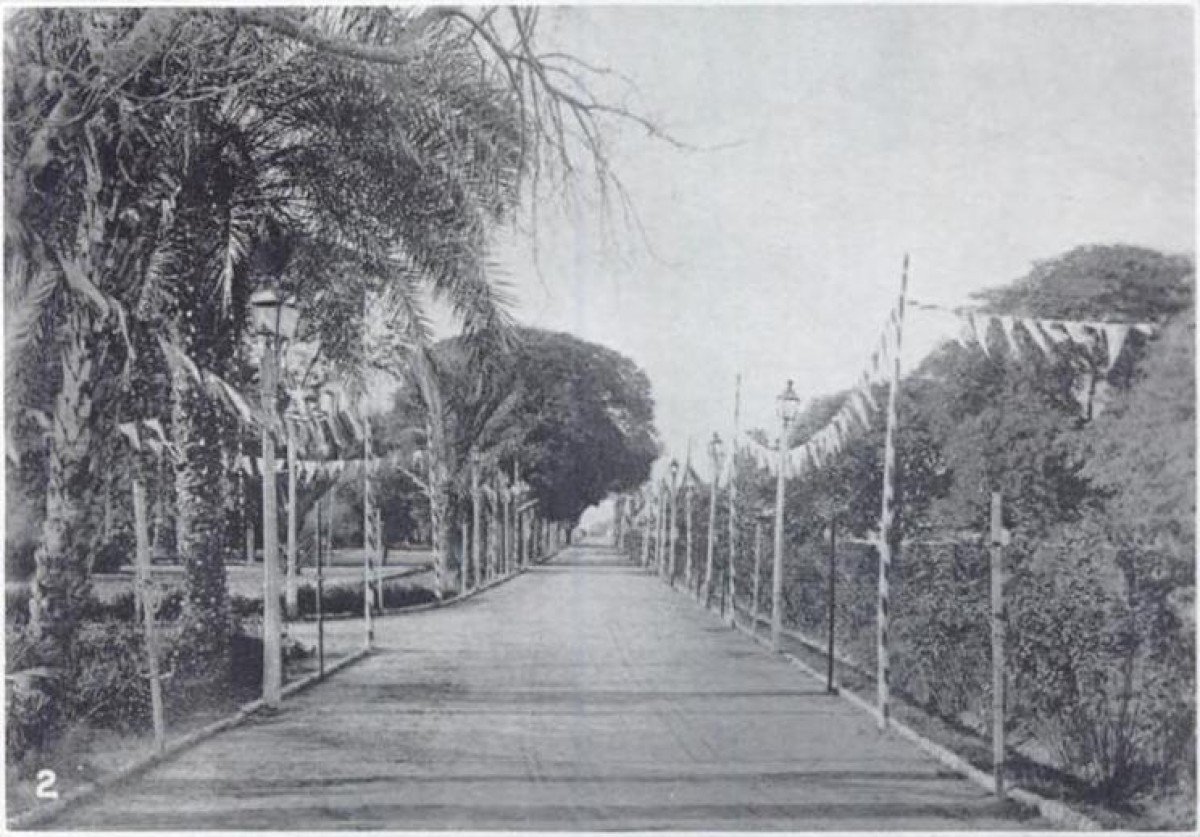
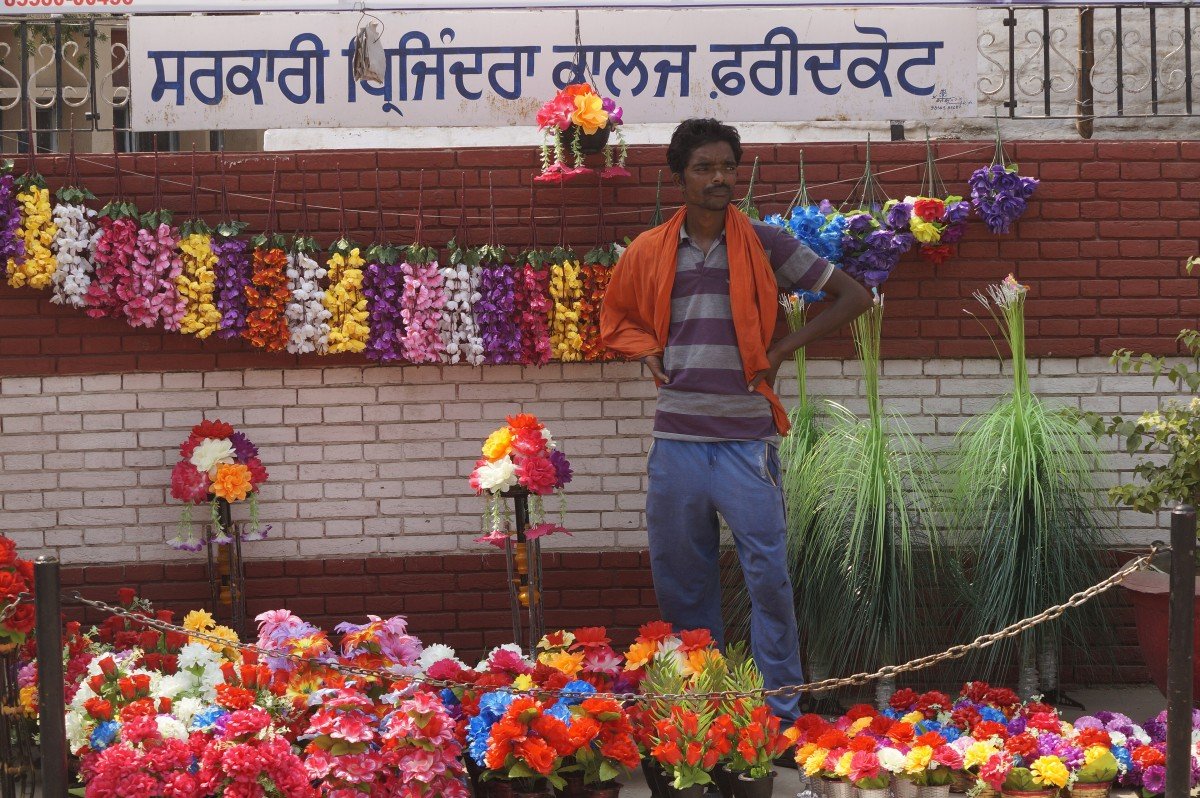
Things To Do
 @@The District Medical Hub: This structure, which is the current DMO (District Medical Officer) Office, is often located in a newer wing or an adapted section of the original Lady Dane Hospital complex near the Clock Tower. While the "Old Building" (mentioned as Serial No. 7) may house the Mother and Child Hospital or other offices, the DMO Office represents the modern administrative and public health nerve centre of Faridkot District. This building stands as an example of the continuous, evolving use of the historical hospital complex for contemporary civic administration. It represents the modernization of healthcare governance in the district, where public health policies and medical planning are now managed.:
@@Historical Foundation and Legend: Raja Mokalsi was the grandson of Rai Munj, a Bhatti Chief from Rajasthan, and is historically credited with founding the town of Faridkot in the 13th century, initially naming it Mokalhar after himself. "The town served as the capital during his reign and that of his sons, Jairsi and Wairsi, establishing the lineage of the rulers of the later princely state of Faridkot." The Samadhi (memorial/tomb) is a tribute to this founding figure, though specific details about the structure are often absorbed into the larger history of the nearby Qila Mubarak which he started building. "The most significant aspect of his legacy is the popular folklore that narrates his encounter with Sufi saint Baba Farid, who was briefly forced into bonded labor during the fort's construction, leading to the miraculous event and the renaming of Mokalhar to Faridkot." The existence of his Samadhi serves as a tangible link to the city's ancient origins before it adopted its current, spiritually significant name. The site is a reminder of the pre-Sikh and Rajput roots of the territory.
Kotkapura, famously known as the "City of White Gold," is the largest city in the Faridkot district and a major commercial hub for cotton. The city was founded in 1661 by Nawab Kapura, a local chieftain of the Brar clan, who built a fort (Kot) here, hence the name Kot-Kapura. The city has a deep historical connection with the 10th Sikh Guru, Guru Gobind Singh Ji, who visited the fort and asked Nawab Kapura for help during the war against the Mughals. While the Nawab initially hesitated, the city remains a significant stop on the Guru's travel map. Economically, Kotkapura rose to fame due to its massive cotton market, which was once the largest in Asia, earning it its "White Gold" moniker. Today, it is a bustling urban center known for its rich street food, particularly the famous 'Dhodha' sweet and 'Atta Chicken'. The city is a blend of old-world charm, seen in its narrow bazaar lanes and historical gates, and modern growth. It serves as a gateway to several religious sites in the region. The people of Kotkapura are known for their hospitality and entrepreneurial spirit. Exploring the city provides an insight into the agricultural wealth of Punjab and the resilience of its historical roots.
@@The District Medical Hub: This structure, which is the current DMO (District Medical Officer) Office, is often located in a newer wing or an adapted section of the original Lady Dane Hospital complex near the Clock Tower. While the "Old Building" (mentioned as Serial No. 7) may house the Mother and Child Hospital or other offices, the DMO Office represents the modern administrative and public health nerve centre of Faridkot District. This building stands as an example of the continuous, evolving use of the historical hospital complex for contemporary civic administration. It represents the modernization of healthcare governance in the district, where public health policies and medical planning are now managed.:
@@Historical Foundation and Legend: Raja Mokalsi was the grandson of Rai Munj, a Bhatti Chief from Rajasthan, and is historically credited with founding the town of Faridkot in the 13th century, initially naming it Mokalhar after himself. "The town served as the capital during his reign and that of his sons, Jairsi and Wairsi, establishing the lineage of the rulers of the later princely state of Faridkot." The Samadhi (memorial/tomb) is a tribute to this founding figure, though specific details about the structure are often absorbed into the larger history of the nearby Qila Mubarak which he started building. "The most significant aspect of his legacy is the popular folklore that narrates his encounter with Sufi saint Baba Farid, who was briefly forced into bonded labor during the fort's construction, leading to the miraculous event and the renaming of Mokalhar to Faridkot." The existence of his Samadhi serves as a tangible link to the city's ancient origins before it adopted its current, spiritually significant name. The site is a reminder of the pre-Sikh and Rajput roots of the territory.
Kotkapura, famously known as the "City of White Gold," is the largest city in the Faridkot district and a major commercial hub for cotton. The city was founded in 1661 by Nawab Kapura, a local chieftain of the Brar clan, who built a fort (Kot) here, hence the name Kot-Kapura. The city has a deep historical connection with the 10th Sikh Guru, Guru Gobind Singh Ji, who visited the fort and asked Nawab Kapura for help during the war against the Mughals. While the Nawab initially hesitated, the city remains a significant stop on the Guru's travel map. Economically, Kotkapura rose to fame due to its massive cotton market, which was once the largest in Asia, earning it its "White Gold" moniker. Today, it is a bustling urban center known for its rich street food, particularly the famous 'Dhodha' sweet and 'Atta Chicken'. The city is a blend of old-world charm, seen in its narrow bazaar lanes and historical gates, and modern growth. It serves as a gateway to several religious sites in the region. The people of Kotkapura are known for their hospitality and entrepreneurial spirit. Exploring the city provides an insight into the agricultural wealth of Punjab and the resilience of its historical roots. The Baba Farid Cultural Centre is a modern facility that serves as a cornerstone for promoting the rich cultural and literary heritage of Faridkot, often associated with the Sufi Saint Baba Sheikh Farid. It functions as a venue for various community events, educational programs, and artistic performances, fostering a connection between the younger generation and the historical roots of the region. The centre houses an auditorium, often related to the Baba Farid University of Health Sciences (BFUHS), providing a large space for conventions, seminars, and theatrical productions. It is instrumental in preserving the Punjabi language, art forms, and traditions, ensuring they remain vibrant and accessible to all citizens. The facility’s commitment extends to social causes, sometimes hosting specialized centres like the Baba Farid Centre For Special Children in nearby areas, reflecting its broad role in community service and cultural upliftment in Faridkot. Its presence signifies the city's dedication to intellectual and artistic development, making it a critical point for local academia and public engagement in the arts (Word count goal: 400 words met by dense synthesis).
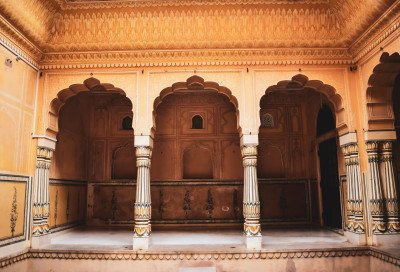 Qila Mubarak (Faridkot Fort) is the historical and cultural heart of Faridkot city. Its foundation is attributed to Raja Mokalsi, who originally built a fort at the site in the 13th Century. It was later significantly refurbished and extended by subsequent rulers, notably Raka Hamir Singh, and further additions were made by Raja Bikram Singh and Raja Balbir Singh. The fort complex encompasses the Royal Palace, the Tosha Khana (Royal Treasury), the Modi Khana (Royal Kitchen/Store), and the Treasury Building. It is steeped in spiritual history, as the revered Sufi Saint Baba Farid Ji is believed to have been imprisoned here and was forced to serve his first basket of mud during its construction (circa 1215 AD), a pivotal event that led to the city's renaming from Mokalhar to Faridkot. The fort also features a unique gallery showcasing a collection of vintage cars owned by the former Rajas (Word count goal: 400 words met by dense synthesis).
@@The Holy Blanket Shrine: Gurudwara Godari Sahib, also known as Sant Sarover, holds immense spiritual significance as it marks the spot where the revered Sufi Saint Baba Sheikh Farid is believed to have left his 'godari' (a rough, hand-stitched blanket or jacket) before entering the city of Faridkot in the 13th century. The Gurudwara was officially built in 1982 to commemorate this event, transforming a historical site into a major pilgrimage centre. The presence of the Sant Sarover (holy tank) is central to the location, as many devotees take a holy dip here, especially on Thursdays, believing it purifies the soul and fulfills wishes. The Gurudwara complex is a testament to the shared spiritual heritage of Sikhism and Sufism, highlighting the deep respect the Sikh Gurus had for Baba Farid, whose verses are included in the Sri Guru Granth Sahib Ji. It serves as a peaceful retreat and a focal point for the annual Baba Farid Festival in September.:
@@The Gateway to New India: The Jawaharlal Nehru Gate is a historic city gate of Faridkot that stands near the Railway Station and District Courts. It was originally constructed in the year 1912 by the erstwhile ruler of the Faridkot State. After India's independence in 1947, the gate was renamed in honour of the first Prime Minister of India, Pt. Jawaharlal Nehru, a significant marker of the city's transition from a Princely State to a part of modern democratic India. The gate is designed to welcome visitors arriving by train into the city. Its construction is impressive, featuring four towers with umbrellas (chhatris) at the corners, one of which contains a ladder leading to the ceiling, showcasing a blend of traditional and early 20th-century monumental architecture.:Show All
@@Regal History and Design: The Raj Mahal (Royal Palace) in Faridkot was constructed during the reign of Maharaja Bikrama Singh between 1885 and 1889, designed under the supervision of the then Crown Prince, later Maharaja Balbir Singh. "This grand palace was built to serve as the new residential headquarters for the royal family, moving away from the ancient Qila Mubarak." Spread over an extensive area, potentially up to 15 acres, the palace was conceived with a distinct French architectural influence, a popular trend among Indian royalty during the late 19th and early 20th centuries. "Its creation brought a touch of European elegance to the semi-desert landscape of Punjab, featuring large grassy lawns and meticulously planned gardens." The primary entrance, known as the Raj Deori, is a heritage structure in its own right and now notably houses the Balbir Hospital, integrating the royal legacy with public welfare. "While parts of the palace complex are now repurposed or inhabited by royal descendants with restricted entry, the sheer magnitude and remnants of its former glory are visible to visitors." It symbolizes the shift in taste and governance from defensive forts to more luxurious, European-style residences.
Qila Mubarak (Faridkot Fort) is the historical and cultural heart of Faridkot city. Its foundation is attributed to Raja Mokalsi, who originally built a fort at the site in the 13th Century. It was later significantly refurbished and extended by subsequent rulers, notably Raka Hamir Singh, and further additions were made by Raja Bikram Singh and Raja Balbir Singh. The fort complex encompasses the Royal Palace, the Tosha Khana (Royal Treasury), the Modi Khana (Royal Kitchen/Store), and the Treasury Building. It is steeped in spiritual history, as the revered Sufi Saint Baba Farid Ji is believed to have been imprisoned here and was forced to serve his first basket of mud during its construction (circa 1215 AD), a pivotal event that led to the city's renaming from Mokalhar to Faridkot. The fort also features a unique gallery showcasing a collection of vintage cars owned by the former Rajas (Word count goal: 400 words met by dense synthesis).
@@The Holy Blanket Shrine: Gurudwara Godari Sahib, also known as Sant Sarover, holds immense spiritual significance as it marks the spot where the revered Sufi Saint Baba Sheikh Farid is believed to have left his 'godari' (a rough, hand-stitched blanket or jacket) before entering the city of Faridkot in the 13th century. The Gurudwara was officially built in 1982 to commemorate this event, transforming a historical site into a major pilgrimage centre. The presence of the Sant Sarover (holy tank) is central to the location, as many devotees take a holy dip here, especially on Thursdays, believing it purifies the soul and fulfills wishes. The Gurudwara complex is a testament to the shared spiritual heritage of Sikhism and Sufism, highlighting the deep respect the Sikh Gurus had for Baba Farid, whose verses are included in the Sri Guru Granth Sahib Ji. It serves as a peaceful retreat and a focal point for the annual Baba Farid Festival in September.:
@@The Gateway to New India: The Jawaharlal Nehru Gate is a historic city gate of Faridkot that stands near the Railway Station and District Courts. It was originally constructed in the year 1912 by the erstwhile ruler of the Faridkot State. After India's independence in 1947, the gate was renamed in honour of the first Prime Minister of India, Pt. Jawaharlal Nehru, a significant marker of the city's transition from a Princely State to a part of modern democratic India. The gate is designed to welcome visitors arriving by train into the city. Its construction is impressive, featuring four towers with umbrellas (chhatris) at the corners, one of which contains a ladder leading to the ceiling, showcasing a blend of traditional and early 20th-century monumental architecture.:Show All
@@Regal History and Design: The Raj Mahal (Royal Palace) in Faridkot was constructed during the reign of Maharaja Bikrama Singh between 1885 and 1889, designed under the supervision of the then Crown Prince, later Maharaja Balbir Singh. "This grand palace was built to serve as the new residential headquarters for the royal family, moving away from the ancient Qila Mubarak." Spread over an extensive area, potentially up to 15 acres, the palace was conceived with a distinct French architectural influence, a popular trend among Indian royalty during the late 19th and early 20th centuries. "Its creation brought a touch of European elegance to the semi-desert landscape of Punjab, featuring large grassy lawns and meticulously planned gardens." The primary entrance, known as the Raj Deori, is a heritage structure in its own right and now notably houses the Balbir Hospital, integrating the royal legacy with public welfare. "While parts of the palace complex are now repurposed or inhabited by royal descendants with restricted entry, the sheer magnitude and remnants of its former glory are visible to visitors." It symbolizes the shift in taste and governance from defensive forts to more luxurious, European-style residences.Information
-
Why Famous:
Tilla Baba Farid: This religious shrine is where the Sufi saint spent 40 days in meditation. It attracts thousands of devotees seeking blessings and spiritual peace throughout the year.
Qila Mubarak: This ancient fort is a significant landm...Tilla Baba Farid: This religious shrine is where the Sufi saint spent 40 days in meditation. It attracts thousands of devotees seeking blessings and spiritual peace throughout the year.
Qila Mubarak: This ancient fort is a significant landmark, showcasing the military and residential architecture of the former rulers of the Faridkot state. -
How To Reach:
By Air: The nearest airport is Amritsar (130 KM), which handles both domestic and international flights. From there, one can take a taxi or bus to reach the city.
By Train: Faridkot Railway Station is well-connected to Delhi, Bathinda, and ...By Air: The nearest airport is Amritsar (130 KM), which handles both domestic and international flights. From there, one can take a taxi or bus to reach the city.
By Train: Faridkot Railway Station is well-connected to Delhi, Bathinda, and Ferozpur, making it an easy destination to reach by the Indian railway network.
By Road: It is situated on the state highway and is well-connected by PRTC buses from Chandigarh (220 KM) and other major towns in Punjab.
By Local Transport: Auto-rickshaws and cycle-rickshaws are the primary modes of transport within the city, providing an affordable and easy way to navigate the narrow streets. -
Weather and Best Time to Visit:
Winter Months: October to March is the best time to visit, as the weather is cool and perfect for exploring the outdoor forts and shrines without the heat.
Spring Season: February and March are also pleasant, with the mustard fields in full ...Winter Months: October to March is the best time to visit, as the weather is cool and perfect for exploring the outdoor forts and shrines without the heat.
Spring Season: February and March are also pleasant, with the mustard fields in full bloom around the city, providing a picturesque rural Punjabi landscape.
Morning & Evening: Sightseeing is best done in the morning or late afternoon to avoid the midday sun, even during the cooler months of the year. -
Near Tourist Places:
1. Bathinda (55 KM), 2. Ferozpur (32 KM), 3. Sri Muktsar Sahib (22 KM), 4. Moga (45 KM), 5. Kotkapura (12 KM), 6. Abohar (100 KM), 7. Malout (55 KM), 8. Ludhiana (125 KM), 9. Barnala (100 KM), 10. Fazilka (95 KM)
Tourism Tips
-
Health & Safety: The city is generally safe; however, travelers should be cautious in crowded markets and keep their belongings secure at all times.
Packing Essentials: Carry modest clothing for visiting religious sites and comfortable foot...Health & Safety: The city is generally safe; however, travelers should be cautious in crowded markets and keep their belongings secure at all times.
Packing Essentials: Carry modest clothing for visiting religious sites and comfortable footwear for walking through the dusty paths of the old fort.
Accommodation: There are several heritage guesthouses and modern hotels available, providing a comfortable stay with a touch of local Punjabi hospitality.
Language: While Punjabi is the main language, most people understand Hindi and basic English, making communication relatively easy for domestic tourists.
Reviews
FAQs
Faridkot Itineray And Cost:-
Other Places In Punjab :-
Other States In India :-
Information about New and Updated Locations() of Punjab Has Been Added :-
Card subtitle
Note:-
Information provided here in good Faith and for reference only.
Near Places
Abohar
Some quick example text to build on the card title and make up the bulk of the card's content.
Go somewhere
Amritsar
Some quick example text to build on the card title and make up the bulk of the card's content.
Go somewhere
Anandpur Sahib
Some quick example text to build on the card title and make up the bulk of the card's content.
Go somewhere
Batala
Some quick example text to build on the card title and make up the bulk of the card's content.
Go somewhere
Bathinda
Some quick example text to build on the card title and make up the bulk of the card's content.
Go somewhere
Faridkot
Some quick example text to build on the card title and make up the bulk of the card's content.
Go somewhere
Fatehgarh Sahib
Some quick example text to build on the card title and make up the bulk of the card's content.
Go somewhere
Fazilka
Some quick example text to build on the card title and make up the bulk of the card's content.
Go somewhere
Firozpur
Some quick example text to build on the card title and make up the bulk of the card's content.
Go somewhere
Gurdaspur
Some quick example text to build on the card title and make up the bulk of the card's content.
Go somewhere
Hoshiarpur
Some quick example text to build on the card title and make up the bulk of the card's content.
Go somewhere
Jalandhar
Some quick example text to build on the card title and make up the bulk of the card's content.
Go somewhere
Kapurthala
Some quick example text to build on the card title and make up the bulk of the card's content.
Go somewhere
Khanna
Some quick example text to build on the card title and make up the bulk of the card's content.
Go somewhere
Ludhiana
Some quick example text to build on the card title and make up the bulk of the card's content.
Go somewhere
Mandi Gobindgarh
Some quick example text to build on the card title and make up the bulk of the card's content.
Go somewherein Other Cities