

Batala
General information
-
Ideal Duration:
1 DayPlace Type:
Industrial & HeritageEntry Fees:
Religious Sites: No entry fee is charged at Gurudwaras or Temples. You are free to make donations at your own discretion. Respectful behavior and modest dressing are mandatory.
Heritage Sites: Sites like the Tomb of Shamsher Khan and the J...Religious Sites: No entry fee is charged at Gurudwaras or Temples. You are free to make donations at your own discretion. Respectful behavior and modest dressing are mandatory.
Heritage Sites: Sites like the Tomb of Shamsher Khan and the Jal Mahal currently do not have a formal ticketing system, but it is always good to check with local authorities for any changes.Timing:
Regular Timings: Gurudwaras are open from 4:30 AM to 9:30 PM. Markets typically function from 10:00 AM to 8:00 PM. Foundries and factories usually operate during standard daylight hours.
Ideal Visit Time: The best time to visit the shrines...Regular Timings: Gurudwaras are open from 4:30 AM to 9:30 PM. Markets typically function from 10:00 AM to 8:00 PM. Foundries and factories usually operate during standard daylight hours.
Ideal Visit Time: The best time to visit the shrines is early morning for the morning prayers. For heritage sites, the late afternoon (3:00 PM to 5:00 PM) offers the best lighting for exploration.Special Events:
Babe-da-Viah: The most significant event, celebrating Guru Nanak's wedding. It includes a massive procession (Nagar Kirtan) from Sultanpur Lodhi to Batala and is attended by lakhs of devotees.
Kartik Purnima Mela: A large fair held at Achal...Babe-da-Viah: The most significant event, celebrating Guru Nanak's wedding. It includes a massive procession (Nagar Kirtan) from Sultanpur Lodhi to Batala and is attended by lakhs of devotees.
Kartik Purnima Mela: A large fair held at Achaleshwar Dham in November. It features religious ceremonies, traditional sports, and a vibrant market, drawing people from all over the district.Best Photo Spots:
Kandh Sahib at Night: The Gurudwara is beautifully lit up, especially during festivals. The white marble and golden domes glow, making for a spectacular spiritual and architectural photograph.
Hazira Exterior: The octagonal structure of the...Kandh Sahib at Night: The Gurudwara is beautifully lit up, especially during festivals. The white marble and golden domes glow, making for a spectacular spiritual and architectural photograph.
Hazira Exterior: The octagonal structure of the tomb provides interesting angles for photography. The surrounding greenery and the aged brick texture are perfect for heritage-themed photoshoots.
Industrial Landscapes: The sparks from the iron foundries and the massive gears of the machine tools offer a unique subject for industrial and documentary photography enthusiasts.Photo Gallery
Things To Do
 @@The Grandest Gate: Sheran Wala Darwaja (Lion's Gate) is arguably the most imposing and well-known of the original 12 historical gates of Batala. Its name, 'Lion's Gate,' suggests its importance, perhaps a main entrance or a gate known for a battle fought there. @@Defensive Structure: Like the other gates, it was part of the walled city's fortification, likely constructed during the Mughal period and maintained through the Sikh Empire. The name often signifies strength, valor, or its use during the reign of the 'Lion of Punjab,' Maharaja Ranjit Singh. @@Historical Landmark: It stands today as a significant, relatively intact historical landmark, marking the boundary of the inner city and serving as a crucial junction on a major road that leads out of the old town area.:
@@Historical Context: The Kali Mata Mandir, locally known as Kali Dwara Mandir, is one of the oldest and most important Hindu temples in Batala. It is dedicated to Goddess Kali, a fierce aspect of Shakti or the Divine Mother. While the exact date of the original foundation is lost to antiquity, the temple is believed to have existed in some form since the city's early history, possibly pre-dating the Mughal fortifications. Its location within the old city walls suggests its importance as a center of religious life for the Hindu community during the turbulent times of the Mughal and subsequent Sikh periods.@@Religious Importance: The temple is a vital center for Shakti worship in the region. Devotees visit for Darshan (viewing of the deity) and to offer prayers, particularly on Tuesdays and Saturdays, which are considered auspicious for Goddess Kali. The powerful spiritual atmosphere attracts a steady flow of pilgrims seeking blessings and fulfillment of wishes. The temple is known for its intense, devotional rituals.
@@Historical Significance: The Achli Gate is one of the ten to twelve original gates of the ancient walled city of Batala, established by Rai Chand Bhati in 1465 AD or later fortified during the Mughal era by Shamsher Khan. The gate was an important military and commercial checkpoint, controlling traffic towards Achal Sahib, a sacred spot. It symbolizes the city's historical importance as a major urban center in the pre-Amritsar era. The original gates, including Achli Gate, played a vital role in defending the city and regulating trade. The current structure is mostly a remnant of the historical gateway, providing a glimpse into the Mughal-era town planning and fortification techniques. Its location helped monitor movement from the northern agricultural and commercial routes, making it strategically significant for defense and taxation purposes. Today, it serves as a silent reminder of Batala's past glory as a fortified city.@@Remnants and Present Day: Today, the original gate structure is largely lost, with only a few brick pillars or inscribed plaques marking the historic spot. The surrounding area is now a bustling local market and residential zone, but the place name remains significant in the local vernacular. The government has attempted to identify and preserve such remnants as part of the city's heritage. The original structure would have been built of Nanakshahi bricks, common in Sikh and Mughal architecture in Punjab.
@@Historical Narrative: This shrine is dedicated to the memory of Haqiqat Rai, a young boy who became a symbol of courage and religious steadfastness in the 18th century. At the age of 12, he was executed in Lahore for refusing to renounce his faith after a dispute with his classmates. His body was brought back or commemorated here in Batala, his birthplace. The shrine serves as a poignant reminder of the sacrifices made during a turbulent period in Indian history. It is a place of pilgrimage for those who admire his bravery and devotion. The atmosphere is solemn and spiritual, with many visitors coming to pay their respects and seek inspiration from his life story. The shrine is maintained by local trusts and is a key part of the city's cultural identity. Over the years, the site has been renovated, but it still retains its historical essence. It stands as a bridge between the Hindu and Sikh communities, both of whom revere his memory.
@@The Grandest Gate: Sheran Wala Darwaja (Lion's Gate) is arguably the most imposing and well-known of the original 12 historical gates of Batala. Its name, 'Lion's Gate,' suggests its importance, perhaps a main entrance or a gate known for a battle fought there. @@Defensive Structure: Like the other gates, it was part of the walled city's fortification, likely constructed during the Mughal period and maintained through the Sikh Empire. The name often signifies strength, valor, or its use during the reign of the 'Lion of Punjab,' Maharaja Ranjit Singh. @@Historical Landmark: It stands today as a significant, relatively intact historical landmark, marking the boundary of the inner city and serving as a crucial junction on a major road that leads out of the old town area.:
@@Historical Context: The Kali Mata Mandir, locally known as Kali Dwara Mandir, is one of the oldest and most important Hindu temples in Batala. It is dedicated to Goddess Kali, a fierce aspect of Shakti or the Divine Mother. While the exact date of the original foundation is lost to antiquity, the temple is believed to have existed in some form since the city's early history, possibly pre-dating the Mughal fortifications. Its location within the old city walls suggests its importance as a center of religious life for the Hindu community during the turbulent times of the Mughal and subsequent Sikh periods.@@Religious Importance: The temple is a vital center for Shakti worship in the region. Devotees visit for Darshan (viewing of the deity) and to offer prayers, particularly on Tuesdays and Saturdays, which are considered auspicious for Goddess Kali. The powerful spiritual atmosphere attracts a steady flow of pilgrims seeking blessings and fulfillment of wishes. The temple is known for its intense, devotional rituals.
@@Historical Significance: The Achli Gate is one of the ten to twelve original gates of the ancient walled city of Batala, established by Rai Chand Bhati in 1465 AD or later fortified during the Mughal era by Shamsher Khan. The gate was an important military and commercial checkpoint, controlling traffic towards Achal Sahib, a sacred spot. It symbolizes the city's historical importance as a major urban center in the pre-Amritsar era. The original gates, including Achli Gate, played a vital role in defending the city and regulating trade. The current structure is mostly a remnant of the historical gateway, providing a glimpse into the Mughal-era town planning and fortification techniques. Its location helped monitor movement from the northern agricultural and commercial routes, making it strategically significant for defense and taxation purposes. Today, it serves as a silent reminder of Batala's past glory as a fortified city.@@Remnants and Present Day: Today, the original gate structure is largely lost, with only a few brick pillars or inscribed plaques marking the historic spot. The surrounding area is now a bustling local market and residential zone, but the place name remains significant in the local vernacular. The government has attempted to identify and preserve such remnants as part of the city's heritage. The original structure would have been built of Nanakshahi bricks, common in Sikh and Mughal architecture in Punjab.
@@Historical Narrative: This shrine is dedicated to the memory of Haqiqat Rai, a young boy who became a symbol of courage and religious steadfastness in the 18th century. At the age of 12, he was executed in Lahore for refusing to renounce his faith after a dispute with his classmates. His body was brought back or commemorated here in Batala, his birthplace. The shrine serves as a poignant reminder of the sacrifices made during a turbulent period in Indian history. It is a place of pilgrimage for those who admire his bravery and devotion. The atmosphere is solemn and spiritual, with many visitors coming to pay their respects and seek inspiration from his life story. The shrine is maintained by local trusts and is a key part of the city's cultural identity. Over the years, the site has been renovated, but it still retains its historical essence. It stands as a bridge between the Hindu and Sikh communities, both of whom revere his memory.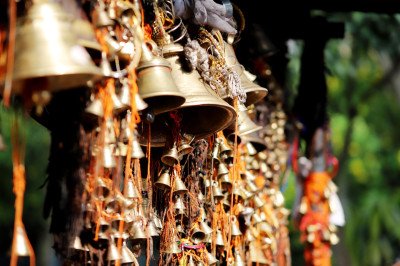 The Achaleshwar Temple is a monumental site dedicated to Lord Shiva and his son, Lord Kartikeya. Legend says that after losing a race around the world to Ganesha, a disappointed Kartikeya came here for penance. To appease him, Lord Shiva along with 33 crore deities descended to this spot, making it one of the most spiritually charged locations in India. The temple is built amidst a vast sacred pond where devotees take a holy dip to wash away sins. It serves as a bridge between the Satya Yuga and the modern era, holding deep significance for Hindu pilgrims who believe that the divine energy of all gods resides here permanently. The atmosphere is filled with the scent of incense and the sound of bells, offering a profound sense of peace to every visitor.
@@Spiritual and Historical Heritage: Named after Mata Sulakhni Ji, the wife of Guru Nanak Dev Ji, who was married in Batala in 1487 AD. This gate is one of the surviving entrances to the old walled city, marking a route of historical significance, possibly the direction taken by the bride or the groom's procession. @@Location Significance: Located on the Beas Road in the Umarpura area, it stands as a monument to the city's strong connection to the founder of the Sikh faith. It's a key marker in the city's historical layout, reminding visitors of the old fortifications. @@Condition and Restoration: The gate, like many old city structures, is subject to the wear and tear of time and is now integrated into a busy urban environment, symbolizing the endurance of Batala's history amid modernization.:
@@Park Overview and Location: Fish Park is a popular urban park located in the quiet Civil Lines area of Gurdaspur city, which serves as a major recreational and family spot for residents of the entire Gurdaspur district, including Batala. Though not in Batala itself, it is the most prominent park in the region often sought by Batala residents. The park is characterized by its lush green lawns, well-maintained walking tracks, and a variety of trees and plants. It serves as an essential 'green lung' for the district capital, providing a much-needed escape from the urban hustle and bustle. The park's name, possibly linked to a nearby fisheries department or decorative fish pond, contributes to its unique local identity.@@Community Hub: The park functions as a central community hub, especially for morning walkers, fitness enthusiasts, and families. It is a venue for various informal social gatherings, children's play, and light exercise. Its importance lies in providing a free, safe, and accessible outdoor space for public well-being and recreation. The park often features dedicated children's play areas, open-air gym equipment, and sufficient seating for relaxation.Show All
Gurudwara Achal Sahib is a historical site marking the visit of Guru Nanak Dev Ji during the Shivratri fair. It was here that the Guru had a famous spiritual discourse with the Siddh-Yogis (ascetics). The Yogis, proud of their supernatural powers, tried to intimidate the Guru with miracles, but Nanak taught them that true power lies in the Name of God and humble service. Another legend associated with this place is the Kikkar Tree. It is said the Guru used a small twig (datan) and planted it; when people complained that it was a thorny tree, he blessed it to bear fruit throughout the year. The Gurudwara stands as a symbol of the victory of simple faith over complex ritualism. It is located directly across from the Achaleshwar Hindu temple, symbolizing the communal harmony and interfaith dialogue that defines the spiritual landscape of Punjab.
The Achaleshwar Temple is a monumental site dedicated to Lord Shiva and his son, Lord Kartikeya. Legend says that after losing a race around the world to Ganesha, a disappointed Kartikeya came here for penance. To appease him, Lord Shiva along with 33 crore deities descended to this spot, making it one of the most spiritually charged locations in India. The temple is built amidst a vast sacred pond where devotees take a holy dip to wash away sins. It serves as a bridge between the Satya Yuga and the modern era, holding deep significance for Hindu pilgrims who believe that the divine energy of all gods resides here permanently. The atmosphere is filled with the scent of incense and the sound of bells, offering a profound sense of peace to every visitor.
@@Spiritual and Historical Heritage: Named after Mata Sulakhni Ji, the wife of Guru Nanak Dev Ji, who was married in Batala in 1487 AD. This gate is one of the surviving entrances to the old walled city, marking a route of historical significance, possibly the direction taken by the bride or the groom's procession. @@Location Significance: Located on the Beas Road in the Umarpura area, it stands as a monument to the city's strong connection to the founder of the Sikh faith. It's a key marker in the city's historical layout, reminding visitors of the old fortifications. @@Condition and Restoration: The gate, like many old city structures, is subject to the wear and tear of time and is now integrated into a busy urban environment, symbolizing the endurance of Batala's history amid modernization.:
@@Park Overview and Location: Fish Park is a popular urban park located in the quiet Civil Lines area of Gurdaspur city, which serves as a major recreational and family spot for residents of the entire Gurdaspur district, including Batala. Though not in Batala itself, it is the most prominent park in the region often sought by Batala residents. The park is characterized by its lush green lawns, well-maintained walking tracks, and a variety of trees and plants. It serves as an essential 'green lung' for the district capital, providing a much-needed escape from the urban hustle and bustle. The park's name, possibly linked to a nearby fisheries department or decorative fish pond, contributes to its unique local identity.@@Community Hub: The park functions as a central community hub, especially for morning walkers, fitness enthusiasts, and families. It is a venue for various informal social gatherings, children's play, and light exercise. Its importance lies in providing a free, safe, and accessible outdoor space for public well-being and recreation. The park often features dedicated children's play areas, open-air gym equipment, and sufficient seating for relaxation.Show All
Gurudwara Achal Sahib is a historical site marking the visit of Guru Nanak Dev Ji during the Shivratri fair. It was here that the Guru had a famous spiritual discourse with the Siddh-Yogis (ascetics). The Yogis, proud of their supernatural powers, tried to intimidate the Guru with miracles, but Nanak taught them that true power lies in the Name of God and humble service. Another legend associated with this place is the Kikkar Tree. It is said the Guru used a small twig (datan) and planted it; when people complained that it was a thorny tree, he blessed it to bear fruit throughout the year. The Gurudwara stands as a symbol of the victory of simple faith over complex ritualism. It is located directly across from the Achaleshwar Hindu temple, symbolizing the communal harmony and interfaith dialogue that defines the spiritual landscape of Punjab.Information
-
Why Famous:
Guru Nanak's Wedding: The city is globally famous as the site of Guru Nanak Dev's marriage. The annual Babe-da-Viah festival is a massive celebration that brings the whole city to life.
Machine Tool Industry: Batala is famous across India a...Guru Nanak's Wedding: The city is globally famous as the site of Guru Nanak Dev's marriage. The annual Babe-da-Viah festival is a massive celebration that brings the whole city to life.
Machine Tool Industry: Batala is famous across India as a premier hub for the manufacturing of cast iron and machine tools, earning it a significant place in the country's industrial map.
Achaleshwar Dham: This ancient temple is famous as one of the few shrines dedicated to Lord Kartikeya in northern India, attracting devotees during the annual Kartik Purnima fair. -
Architecture:
Mughal Influence: The Hazira of Shamsher Khan is a classic Mughal octagonal tomb built with small burnt bricks. It features arched entrances and a large dome, with the interiors once decorated with vibrant frescoes and floral motifs.
Sikh Palac...Mughal Influence: The Hazira of Shamsher Khan is a classic Mughal octagonal tomb built with small burnt bricks. It features arched entrances and a large dome, with the interiors once decorated with vibrant frescoes and floral motifs.
Sikh Palace Design: The Maharaja Sher Singh Palace (Jal Mahal) is an elegant structure set within a water tank, showcasing the Sikh adaptation of Mughal garden-palace architecture. It features arched corridors and a central pavilion designed for leisure and meetings.
Religious Architecture: Gurudwara Kandh Sahib is a modern multi-story structure built in white marble, featuring a gold-plated dome. The architectural focus is on the preservation of the ancient mud wall, which is encased in glass for public viewing. -
How To Reach:
By Air: The nearest airport is Amritsar International Airport, about 45 KM away. From the airport, one can easily find taxis or buses that take about an hour to reach Batala.
By Train: Batala Junction is well-connected to Amritsar, Pathanko...By Air: The nearest airport is Amritsar International Airport, about 45 KM away. From the airport, one can easily find taxis or buses that take about an hour to reach Batala.
By Train: Batala Junction is well-connected to Amritsar, Pathankot, and Jammu. Regular local and express trains make it an easy destination to reach by the extensive Indian rail network.
By Road: It is situated on the road connecting Amritsar and Pathankot. Frequent bus services from Amritsar, Jalandhar, and Gurdaspur make road travel very convenient and affordable.
By Local Transport: Auto-rickshaws and cycle-rickshaws are the most common way to get around. Since the town is relatively small, most major attractions are within a short rickshaw ride from the station or bus stand. -
Weather and Best Time to Visit:
Winter (Oct to Mar): This is the ideal time as the weather is pleasant for walking around and visiting the various sites. The major festivals of Babe-da-Viah and Kartik Purnima also fall in this period.
Spring: The months of February and Ma...Winter (Oct to Mar): This is the ideal time as the weather is pleasant for walking around and visiting the various sites. The major festivals of Babe-da-Viah and Kartik Purnima also fall in this period.
Spring: The months of February and March are also beautiful as the surrounding mustard fields are in full bloom, providing a scenic backdrop to your journey to the city. -
Near Tourist Places:
1. Amritsar (38 KM), 2. Gurdaspur (35 KM), 3. Pathankot (75 KM), 4. Qadian (18 KM), 5. Dera Baba Nanak (35 KM), 6. Jalandhar (90 KM), 7. Kalanaur (25 KM), 8. Dhariwal (20 KM), 9. Mukerian (55 KM), 10. Hoshiarpur (100 KM)
Tourism Tips
-
Health and Safety: Stick to bottled water and freshly cooked food at reputed dhabas. The city is generally safe, but be cautious of heavy traffic and moving machinery when walking near the industrial zones.
Packing Essentials: Carry a heads...Health and Safety: Stick to bottled water and freshly cooked food at reputed dhabas. The city is generally safe, but be cautious of heavy traffic and moving machinery when walking near the industrial zones.
Packing Essentials: Carry a headscarf for Gurudwaras and dress in layers if visiting in winter. Comfortable shoes are necessary as the streets in the old city can be uneven and narrow.
Accommodation: Batala has several budget hotels and guesthouses. For a wider range of luxury options, many tourists prefer staying in Amritsar and making a day trip to Batala due to its proximity.
Local Interaction: The people of Batala are very friendly and proud of their industrial and religious heritage. Don't hesitate to ask for directions or recommendations for the best local food spots.
Reviews
FAQs
Batala Itineray And Cost:-
Information about New and Updated Locations() of Punjab Has Been Added :-
Card subtitle
Note:-
Information provided here in good Faith and for reference only.
All information and pictures will be updated soon, please keep visiting.
Near Places

Abohar
Some quick example text to build on the card title and make up the bulk of the card's content.
Go somewhere
Amritsar
Some quick example text to build on the card title and make up the bulk of the card's content.
Go somewhere
Anandpur Sahib
Some quick example text to build on the card title and make up the bulk of the card's content.
Go somewhere
Batala
Some quick example text to build on the card title and make up the bulk of the card's content.
Go somewhere
Bathinda
Some quick example text to build on the card title and make up the bulk of the card's content.
Go somewhere
Faridkot
Some quick example text to build on the card title and make up the bulk of the card's content.
Go somewhere
Fatehgarh Sahib
Some quick example text to build on the card title and make up the bulk of the card's content.
Go somewhere
Fazilka
Some quick example text to build on the card title and make up the bulk of the card's content.
Go somewhere
Firozpur
Some quick example text to build on the card title and make up the bulk of the card's content.
Go somewhere
Gurdaspur
Some quick example text to build on the card title and make up the bulk of the card's content.
Go somewherein Other Cities