
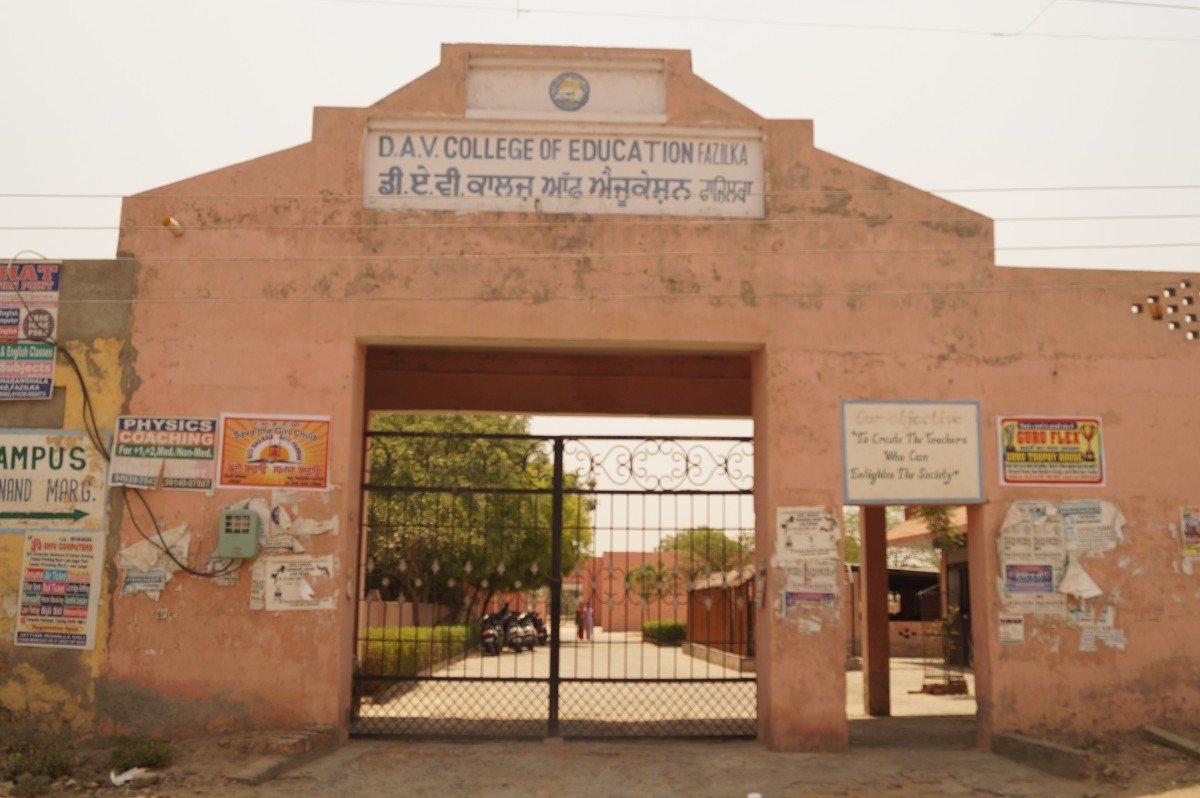
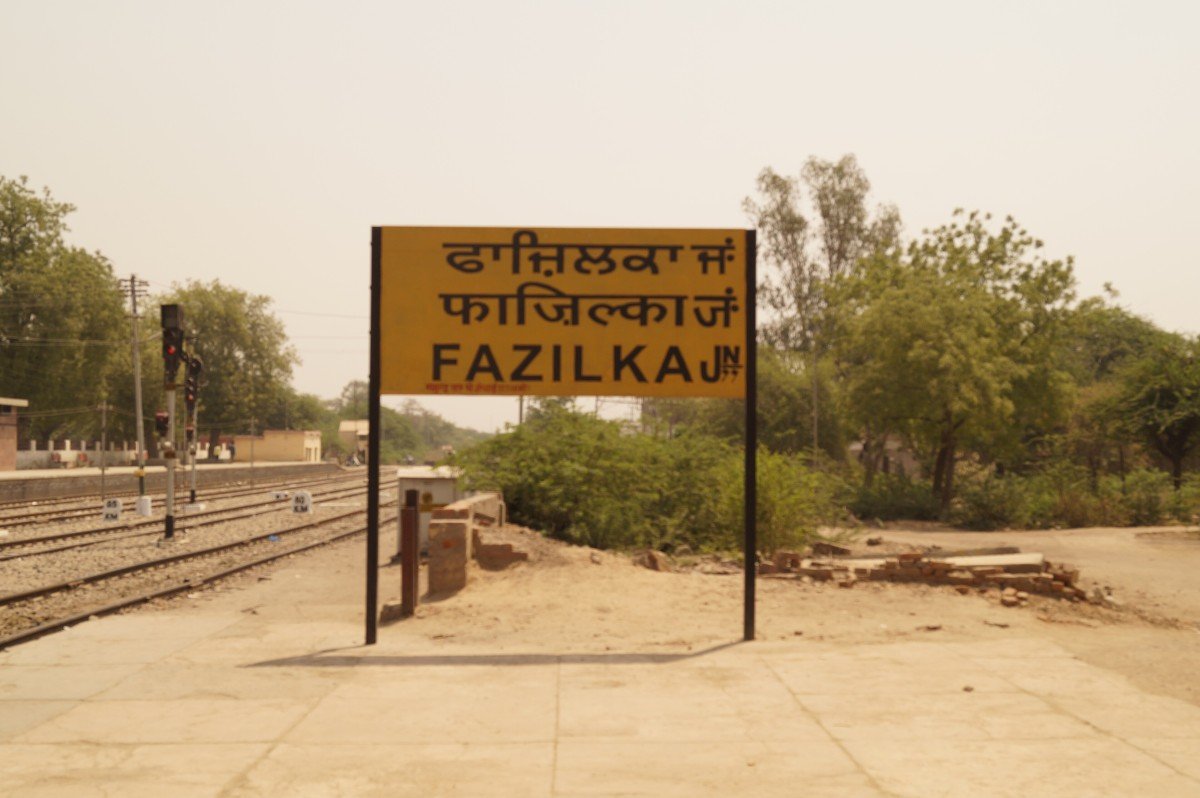
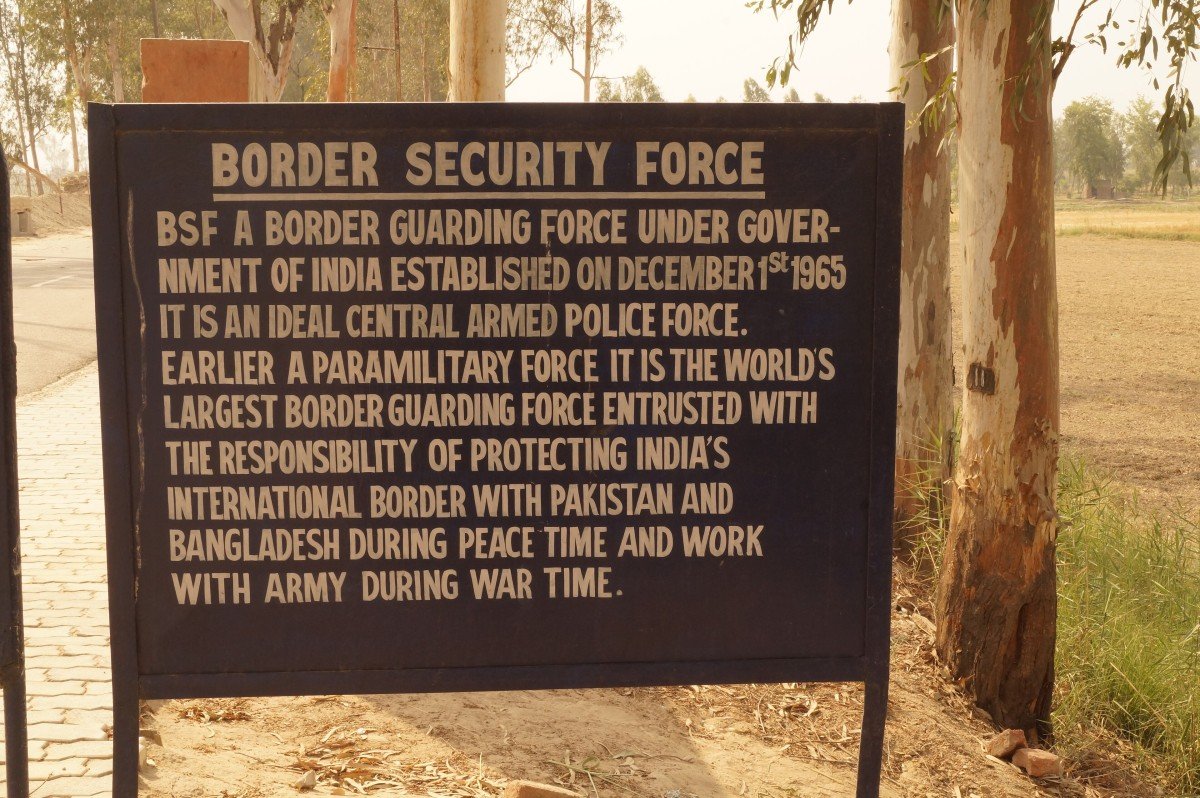
Fazilka
General information
-
Ideal Duration:
1 DayPlace Type:
Border / NatureSpecial Events:
Fazilka Heritage Festival: This annual event celebrates the town's history, folk music, and traditional crafts, bringing together artists and performers from across the state.
Baisakhi Fair: The harvest festival is celebrated with great joy,...Fazilka Heritage Festival: This annual event celebrates the town's history, folk music, and traditional crafts, bringing together artists and performers from across the state.
Baisakhi Fair: The harvest festival is celebrated with great joy, featuring traditional dances and local fairs where farmers gather to celebrate their hard work.Best Photo Spots:
Sadqi Border Gate: The sunset view at the border with the soldiers in their ceremonial dress provides a powerful and patriotic subject for photography.
Blackbucks in Fields: Capturing the sleek Blackbucks against the green or golden agricult...Sadqi Border Gate: The sunset view at the border with the soldiers in their ceremonial dress provides a powerful and patriotic subject for photography.
Blackbucks in Fields: Capturing the sleek Blackbucks against the green or golden agricultural fields of the Bishnoi villages is a dream for wildlife photographers.Photo Gallery
Things To Do
 The Barki Memorial is a solemn tribute dedicated to the brave soldiers of the 7 Infantry Division who made the ultimate sacrifice during the 1965 Indo-Pak War. Specifically, it commemorates the victory at the Battle of Barki, where Indian forces successfully captured the strategic village of Barki near Lahore. This memorial stands as a symbol of the indomitable spirit and raw courage of the Indian Army. It was inaugurated in 1969 by Lt. Gen. H.K. Sibal to ensure that the tales of heroism remain etched in the nation's memory. The site serves as a bridge between the past and the present, inviting citizens to reflect on the cost of freedom. Visitors often feel a profound sense of patriotism while walking through the manicured gardens that surround the central structure. It is not just a monument but a sanctuary of peace and historical learning for students and history buffs alike. The memorial effectively preserves the military legacy of the region, making it a cornerstone of Punjab's war history.
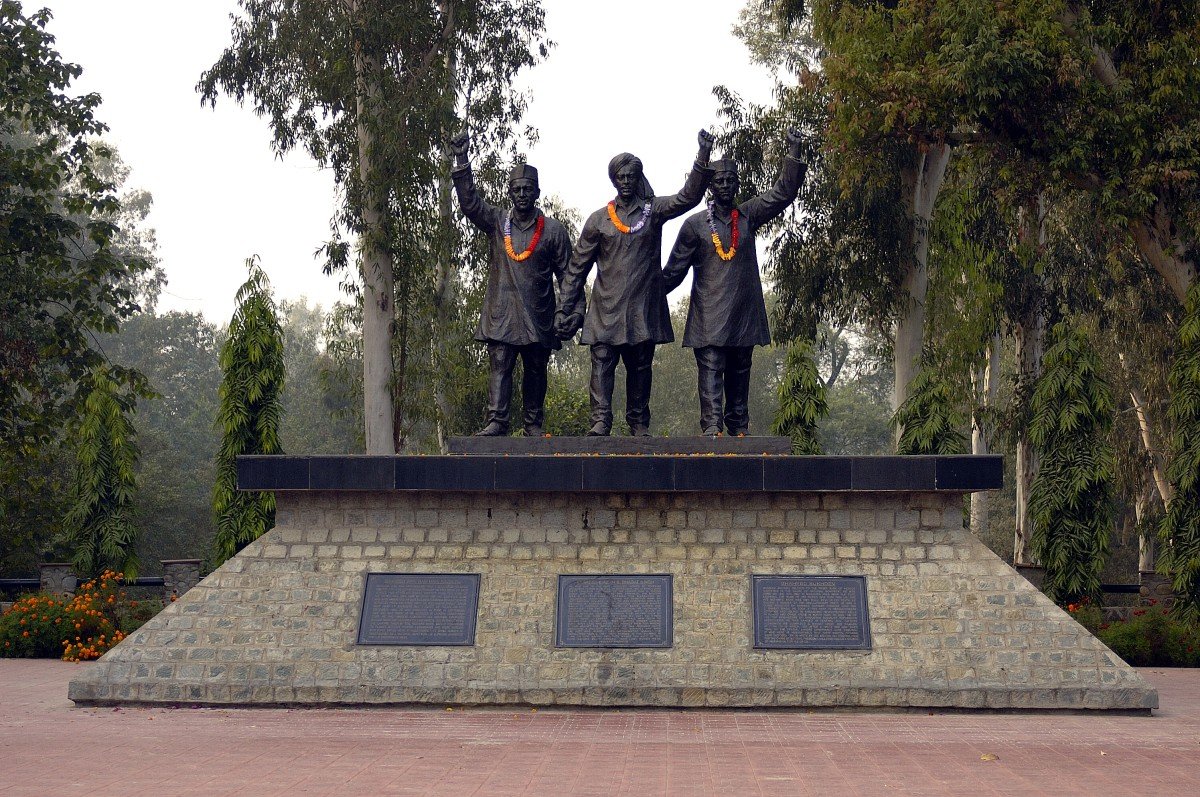
The Hussainiwala Border Gate is a site of immense patriotic fervor located on the banks of the Sutlej River. It is most famous for being the place where the legendary freedom fighters Bhagat Singh, Rajguru, and Sukhdev were unceremoniously cremated by the British in 1931. The gate serves as a bridge between the two nations, India and Pakistan, and is part of the Ferozepur district though closely associated with Fazilka travelers. Visitors come here to pay their respects at the National Martyrs Memorial, which stands as a silent witness to the sacrifice of those who fought for India's independence. The atmosphere here is charged with emotion, especially during the sunset hours. Historically, this land was part of Pakistan until 1962, when it was exchanged for 12 villages near the Sulemanki headworks. Today, it remains a symbol of the complex history and shared heritage of the Punjab region. The area is surrounded by lush greenery and the sound of the flowing river, providing a serene backdrop to the historical gravity of the monuments. It is a place where every brick tells a story of bravery, sacrifice, and the enduring spirit of the Indian people. Tourists often feel a deep sense of pride while walking through the grand gates that lead to the international boundary.
The Barki Memorial is a solemn tribute dedicated to the brave soldiers of the 7 Infantry Division who made the ultimate sacrifice during the 1965 Indo-Pak War. Specifically, it commemorates the victory at the Battle of Barki, where Indian forces successfully captured the strategic village of Barki near Lahore. This memorial stands as a symbol of the indomitable spirit and raw courage of the Indian Army. It was inaugurated in 1969 by Lt. Gen. H.K. Sibal to ensure that the tales of heroism remain etched in the nation's memory. The site serves as a bridge between the past and the present, inviting citizens to reflect on the cost of freedom. Visitors often feel a profound sense of patriotism while walking through the manicured gardens that surround the central structure. It is not just a monument but a sanctuary of peace and historical learning for students and history buffs alike. The memorial effectively preserves the military legacy of the region, making it a cornerstone of Punjab's war history.
The Hussainiwala Border Gate is a site of immense patriotic fervor located on the banks of the Sutlej River. It is most famous for being the place where the legendary freedom fighters Bhagat Singh, Rajguru, and Sukhdev were unceremoniously cremated by the British in 1931. The gate serves as a bridge between the two nations, India and Pakistan, and is part of the Ferozepur district though closely associated with Fazilka travelers. Visitors come here to pay their respects at the National Martyrs Memorial, which stands as a silent witness to the sacrifice of those who fought for India's independence. The atmosphere here is charged with emotion, especially during the sunset hours. Historically, this land was part of Pakistan until 1962, when it was exchanged for 12 villages near the Sulemanki headworks. Today, it remains a symbol of the complex history and shared heritage of the Punjab region. The area is surrounded by lush greenery and the sound of the flowing river, providing a serene backdrop to the historical gravity of the monuments. It is a place where every brick tells a story of bravery, sacrifice, and the enduring spirit of the Indian people. Tourists often feel a deep sense of pride while walking through the grand gates that lead to the international boundary. @@Modern Recreational Hub: The New Sukna Lake in Fazilka is a recently developed man-made reservoir designed to provide a serene escape for the city's residents and tourists. Inspired by the famous Sukhna Lake in Chandigarh, this water body serves as a vital center for leisure and social gatherings. The lake is surrounded by a well-paved walking track, lush green lawns, and seating areas where people can relax and enjoy the view. It has significantly improved the local microclimate and provides a habitat for various local bird species. The lake area is often bustling with activity in the mornings and evenings, as fitness enthusiasts use the track for jogging and yoga. It represents the modernization of Fazilka and its commitment to creating sustainable public spaces. The calm waters of the lake reflect the clear sky, making it a picturesque spot for families to spend their weekends.
This Gurudwara is a central spiritual hub for the residents of Fazilka. It is dedicated to the eternal Guru, the Guru Granth Sahib Ji. The shrine provides a peaceful retreat from the bustling markets of the border town. It is known for its inclusive atmosphere where people of all faiths are welcome to seek blessings and participate in the Langar (community kitchen). The Gurudwara plays a vital role in social welfare, often organizing medical camps and educational workshops for the local community. The architecture is modern yet deeply rooted in Sikh traditions, with a beautiful white dome that glows at night. The morning and evening prayers (Gurbani) are broadcasted, filling the nearby streets with a sense of calm. For a traveler, it offers a glimpse into the selfless service and deep devotion that characterizes Punjabi culture. It is not just a place of worship but a community center that keeps the traditions of the "City of Love" (Fazilka) alive.
@@Modern Recreational Hub: The New Sukna Lake in Fazilka is a recently developed man-made reservoir designed to provide a serene escape for the city's residents and tourists. Inspired by the famous Sukhna Lake in Chandigarh, this water body serves as a vital center for leisure and social gatherings. The lake is surrounded by a well-paved walking track, lush green lawns, and seating areas where people can relax and enjoy the view. It has significantly improved the local microclimate and provides a habitat for various local bird species. The lake area is often bustling with activity in the mornings and evenings, as fitness enthusiasts use the track for jogging and yoga. It represents the modernization of Fazilka and its commitment to creating sustainable public spaces. The calm waters of the lake reflect the clear sky, making it a picturesque spot for families to spend their weekends.
This Gurudwara is a central spiritual hub for the residents of Fazilka. It is dedicated to the eternal Guru, the Guru Granth Sahib Ji. The shrine provides a peaceful retreat from the bustling markets of the border town. It is known for its inclusive atmosphere where people of all faiths are welcome to seek blessings and participate in the Langar (community kitchen). The Gurudwara plays a vital role in social welfare, often organizing medical camps and educational workshops for the local community. The architecture is modern yet deeply rooted in Sikh traditions, with a beautiful white dome that glows at night. The morning and evening prayers (Gurbani) are broadcasted, filling the nearby streets with a sense of calm. For a traveler, it offers a glimpse into the selfless service and deep devotion that characterizes Punjabi culture. It is not just a place of worship but a community center that keeps the traditions of the "City of Love" (Fazilka) alive.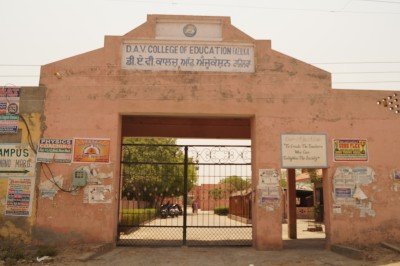 Multani Gate is perhaps the most historically significant gateway in Fazilka, as it was named after the city of Multan (now in Pakistan). In the pre-partition era, this gate marked the beginning of the trade route that led towards the southwest, connecting the wool merchants of Fazilka with the markets of Multan and beyond. The gate was a hub of activity where caravans would gather before embarking on their long journeys across the plains. Architecturally, it was designed to be wide enough to accommodate large carts and livestock, reflecting its role as a commercial portal. Today, the Multani Gate area is a vibrant marketplace, known for its traditional snacks, sweets, and handcrafted goods. The gate itself has undergone various renovations over the years, but it still retains its old-world charm and serves as a landmark for both locals and tourists. Walking through Multani Gate is like stepping back in time, as the surrounding architecture features traditional brickwork and carved wooden doors characteristic of old Punjabi towns. It remains a symbol of the town's historical prosperity and its strategic importance as a link between different regions of the Indian subcontinent before the borders were drawn in 1947.
The Fazilka War Memorial, also known as Shaheedon Ki Samadh, is a deeply revered site managed by the Fazilka War Memorial Welfare Society. It stands as a testament to the heroism of the 67 Infantry Brigade during the 1971 Indo-Pak War. When the Pakistani army launched an offensive to capture Fazilka, Indian soldiers fought tooth and nail to defend the town. The memorial is unique because it houses the mass cremation site of 82 martyrs who died on the battlefield. The local residents of Fazilka share a special bond with this site, often referring to the martyrs as the "Saviors of the City." The museum on-site displays personal belongings of soldiers, including letters and photographs, making it a very emotional experience. It serves as a reminder of the unity between the civilians and the military. Visiting here is a rite of passage for every local student and a must for any patriotic traveler. The sprawling lawns and the silence of the countryside add to the gravity of the memorial.
Multani Gate is perhaps the most historically significant gateway in Fazilka, as it was named after the city of Multan (now in Pakistan). In the pre-partition era, this gate marked the beginning of the trade route that led towards the southwest, connecting the wool merchants of Fazilka with the markets of Multan and beyond. The gate was a hub of activity where caravans would gather before embarking on their long journeys across the plains. Architecturally, it was designed to be wide enough to accommodate large carts and livestock, reflecting its role as a commercial portal. Today, the Multani Gate area is a vibrant marketplace, known for its traditional snacks, sweets, and handcrafted goods. The gate itself has undergone various renovations over the years, but it still retains its old-world charm and serves as a landmark for both locals and tourists. Walking through Multani Gate is like stepping back in time, as the surrounding architecture features traditional brickwork and carved wooden doors characteristic of old Punjabi towns. It remains a symbol of the town's historical prosperity and its strategic importance as a link between different regions of the Indian subcontinent before the borders were drawn in 1947.
The Fazilka War Memorial, also known as Shaheedon Ki Samadh, is a deeply revered site managed by the Fazilka War Memorial Welfare Society. It stands as a testament to the heroism of the 67 Infantry Brigade during the 1971 Indo-Pak War. When the Pakistani army launched an offensive to capture Fazilka, Indian soldiers fought tooth and nail to defend the town. The memorial is unique because it houses the mass cremation site of 82 martyrs who died on the battlefield. The local residents of Fazilka share a special bond with this site, often referring to the martyrs as the "Saviors of the City." The museum on-site displays personal belongings of soldiers, including letters and photographs, making it a very emotional experience. It serves as a reminder of the unity between the civilians and the military. Visiting here is a rite of passage for every local student and a must for any patriotic traveler. The sprawling lawns and the silence of the countryside add to the gravity of the memorial.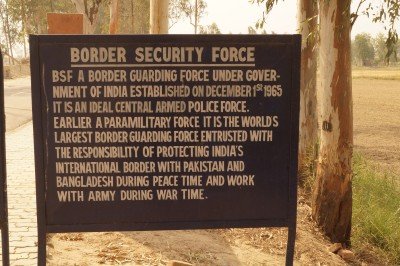 JCP Sadqi, also known as the Sadiqi border, is the local counterpart to the famous Wagah border and is located just a short drive from Fazilka. It is a unique tourist destination where the Border Security Force (BSF) and the Pakistan Rangers conduct a daily Beating Retreat ceremony. Unlike Wagah, Sadqi offers a more intimate and less commercialized experience, allowing visitors to stand much closer to the zero line. The border is strategically important due to its proximity to the Sulemanki Headworks in Pakistan. Before the partition of 1947, this was a major trade route connecting Fazilka to Sindh and Multan. The town of Fazilka itself was once the largest wool market in undivided Punjab, and Sadqi was the gateway for this commerce. Today, the site serves as a poignant reminder of the division of Punjab, with families from both sides often gathering to wave at each other across the fence. The Asafwala War Memorial is nearby, honoring the soldiers who defended this sector during the 1971 Indo-Pak War. A visit to Sadqi provides a profound look into the lives of border residents and the military personnel who guard the nation's frontiers day and night.Show All
@@Spiritual and Heritage Center: Shri Pothimala Sahib is a historical building of immense religious significance located in the village of Guru Harsahai. It was founded by Guru Jiwan Mal, a descendant of the fourth Sikh Guru, Guru Ram Das Ji, in the mid-18th century. The name "Pothi Mala" refers to the sacred relics preserved here: a 'Pothi' (handwritten book) and a 'Mala' (rosary) believed to have belonged to Guru Nanak Dev Ji, the founder of Sikhism. This site is unique as it represents a blend of Sikh, Hindu, and Sufi traditions, reflecting the pluralistic culture of the Punjab region. The walls of the building are adorned with beautiful frescoes depicting scenes from Indian mythology, folk tales, and the lives of the Gurus. For centuries, it has served as the seat of the Gaddi Nashin (spiritual leader) of the Sodhi family. The atmosphere inside the complex is one of deep tranquility and ancient wisdom, attracting researchers and devotees alike.
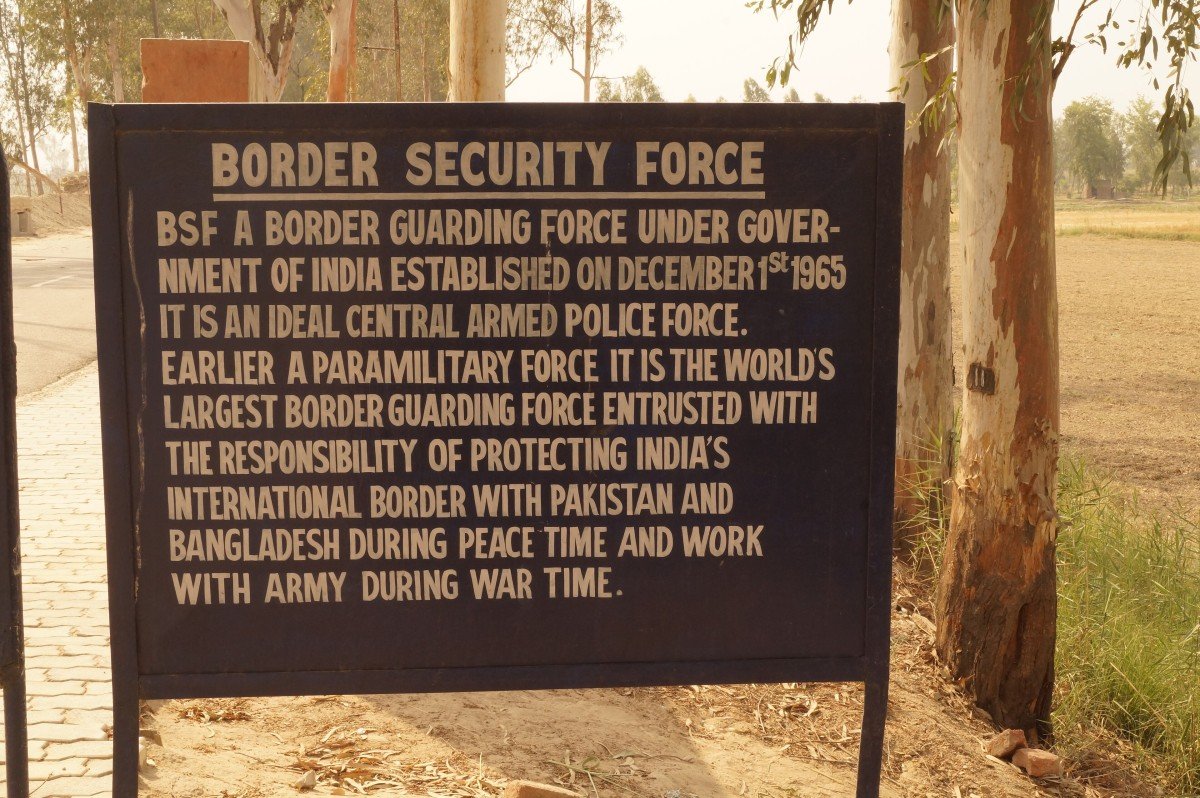
JCP Sadqi, also known as the Sadiqi border, is the local counterpart to the famous Wagah border and is located just a short drive from Fazilka. It is a unique tourist destination where the Border Security Force (BSF) and the Pakistan Rangers conduct a daily Beating Retreat ceremony. Unlike Wagah, Sadqi offers a more intimate and less commercialized experience, allowing visitors to stand much closer to the zero line. The border is strategically important due to its proximity to the Sulemanki Headworks in Pakistan. Before the partition of 1947, this was a major trade route connecting Fazilka to Sindh and Multan. The town of Fazilka itself was once the largest wool market in undivided Punjab, and Sadqi was the gateway for this commerce. Today, the site serves as a poignant reminder of the division of Punjab, with families from both sides often gathering to wave at each other across the fence. The Asafwala War Memorial is nearby, honoring the soldiers who defended this sector during the 1971 Indo-Pak War. A visit to Sadqi provides a profound look into the lives of border residents and the military personnel who guard the nation's frontiers day and night.Show All
@@Spiritual and Heritage Center: Shri Pothimala Sahib is a historical building of immense religious significance located in the village of Guru Harsahai. It was founded by Guru Jiwan Mal, a descendant of the fourth Sikh Guru, Guru Ram Das Ji, in the mid-18th century. The name "Pothi Mala" refers to the sacred relics preserved here: a 'Pothi' (handwritten book) and a 'Mala' (rosary) believed to have belonged to Guru Nanak Dev Ji, the founder of Sikhism. This site is unique as it represents a blend of Sikh, Hindu, and Sufi traditions, reflecting the pluralistic culture of the Punjab region. The walls of the building are adorned with beautiful frescoes depicting scenes from Indian mythology, folk tales, and the lives of the Gurus. For centuries, it has served as the seat of the Gaddi Nashin (spiritual leader) of the Sodhi family. The atmosphere inside the complex is one of deep tranquility and ancient wisdom, attracting researchers and devotees alike.Information
-
Why Famous:
Asafwala War Memorial: This site commemorates the brave soldiers who fought in the 1971 Indo-Pak war. It is a place of great national pride and solemnity for all visitors.
Sulemanki Headworks: Located on the Sutlej River, this historical ir...Asafwala War Memorial: This site commemorates the brave soldiers who fought in the 1971 Indo-Pak war. It is a place of great national pride and solemnity for all visitors.
Sulemanki Headworks: Located on the Sutlej River, this historical irrigation site provides beautiful views of the river and is a key spot for understanding the region's water management. -
How To Reach:
By Air: The nearest airport is Bathinda (90 KM), which has limited flights, or Amritsar (200 KM) for better connectivity across India and abroad.
By Train: Fazilka Railway Station is a terminal station connected to Ferozpur and Abohar, with ...By Air: The nearest airport is Bathinda (90 KM), which has limited flights, or Amritsar (200 KM) for better connectivity across India and abroad.
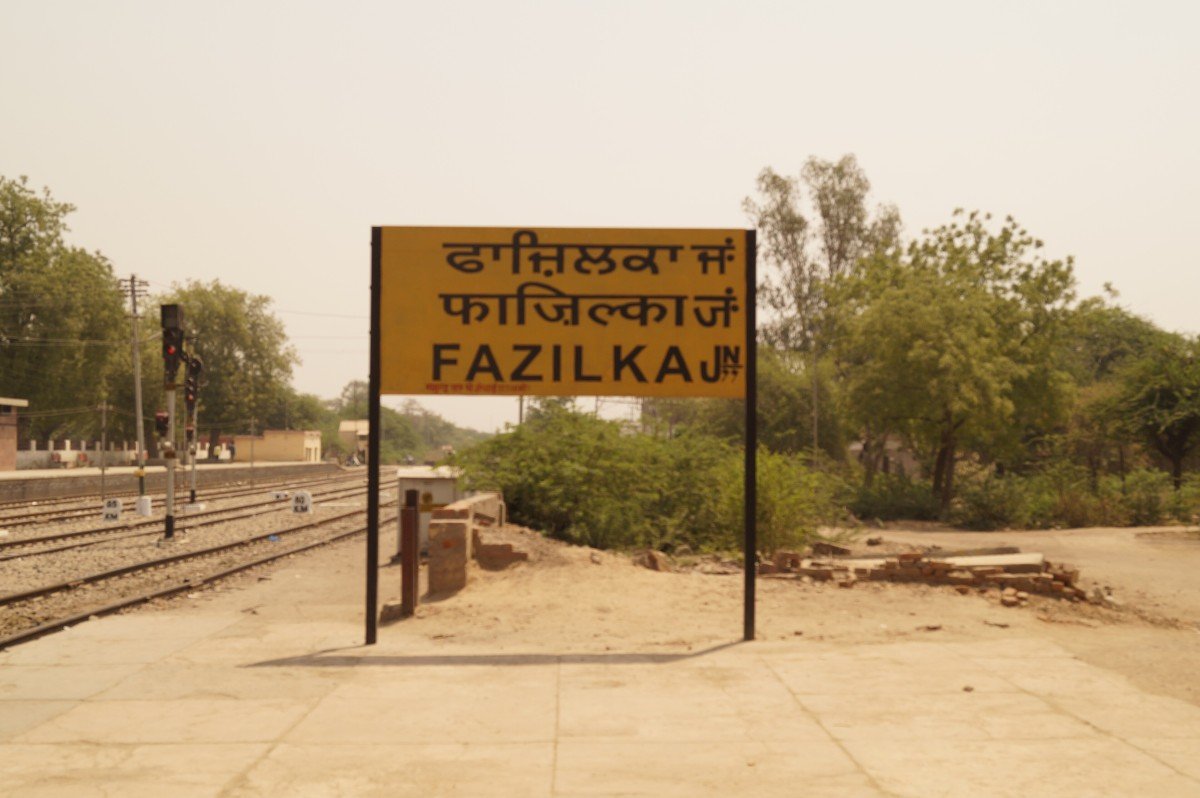
By Train: Fazilka Railway Station is a terminal station connected to Ferozpur and Abohar, with regular passenger trains serving the local region.
By Road: It is well-connected by road to Ferozpur (85 KM) and Malout (50 KM) via state buses and private taxis that run frequently throughout the day.
By Local Transport: Cycle-rickshaws are the most common way to get around the town center, while taxis can be hired for trips to the border or nearby villages. -
Weather and Best Time to Visit:
Winter Months: November to February is the best time, as the weather is pleasant for outdoor activities and viewing migratory birds in the wetlands.
Early Spring: March is also a good time to visit before the intense summer heat begins, with...Winter Months: November to February is the best time, as the weather is pleasant for outdoor activities and viewing migratory birds in the wetlands.
Early Spring: March is also a good time to visit before the intense summer heat begins, with the fields looking vibrant and the weather being quite comfortable.
Afternoon: The late afternoon is the best time for the border ceremony, providing a cooler atmosphere and better lighting for pictures. -
Near Tourist Places:
1. Abohar (32 KM), 2. Ferozpur (85 KM), 3. Sri Muktsar Sahib (50 KM), 4. Malout (50 KM), 5. Sadqi Border (14 KM), 6. Bathinda (95 KM), 7. Jalalabad (35 KM), 8. Ganganagar (50 KM), 9. Faridkot (95 KM), 10. Hanumangarh (100 KM)
Tourism Tips
-
Health & Safety: The town is close to the border, so it is important to carry identity proof and avoid straying into restricted military zones without permission.
Packing Tips: Carry binoculars for bird watching and comfortable cotton clothe...Health & Safety: The town is close to the border, so it is important to carry identity proof and avoid straying into restricted military zones without permission.
Packing Tips: Carry binoculars for bird watching and comfortable cotton clothes for the day, with light woolens for the chilly winter evenings.
Accommodation: There are a few decent budget hotels and government rest houses in the town that provide basic amenities for a comfortable stay.
Local Etiquette: Respect the local Bishnoi community's traditions regarding wildlife; they are very protective of the animals and the environment.
Reviews
FAQs
Fazilka Itineray And Cost:-
Other Places In Punjab :-
Other States In India :-
Information about New and Updated Locations() of Punjab Has Been Added :-
Card subtitle
Note:-
Information provided here in good Faith and for reference only.
Near Places
Abohar
Some quick example text to build on the card title and make up the bulk of the card's content.
Go somewhere
Amritsar
Some quick example text to build on the card title and make up the bulk of the card's content.
Go somewhere
Anandpur Sahib
Some quick example text to build on the card title and make up the bulk of the card's content.
Go somewhere
Batala
Some quick example text to build on the card title and make up the bulk of the card's content.
Go somewhere
Bathinda
Some quick example text to build on the card title and make up the bulk of the card's content.
Go somewhere
Faridkot
Some quick example text to build on the card title and make up the bulk of the card's content.
Go somewhere
Fatehgarh Sahib
Some quick example text to build on the card title and make up the bulk of the card's content.
Go somewhere
Fazilka
Some quick example text to build on the card title and make up the bulk of the card's content.
Go somewhere
Firozpur
Some quick example text to build on the card title and make up the bulk of the card's content.
Go somewhere
Gurdaspur
Some quick example text to build on the card title and make up the bulk of the card's content.
Go somewhere
Hoshiarpur
Some quick example text to build on the card title and make up the bulk of the card's content.
Go somewhere
Jalandhar
Some quick example text to build on the card title and make up the bulk of the card's content.
Go somewhere
Kapurthala
Some quick example text to build on the card title and make up the bulk of the card's content.
Go somewhere
Khanna
Some quick example text to build on the card title and make up the bulk of the card's content.
Go somewhere
Ludhiana
Some quick example text to build on the card title and make up the bulk of the card's content.
Go somewhere
Mandi Gobindgarh
Some quick example text to build on the card title and make up the bulk of the card's content.
Go somewherein Other Cities