Bathinda
General information
-
Ideal Duration:
1 to 2 DaysPlace Type:
Historic & IndustrialSpecial Events:
Baisakhi at Damdama Sahib: This is the largest event in the region, attracting lakhs of people in April. It marks the harvest and the founding of the Khalsa with massive prayers and celebrations.
Maiser Khana Mela: Held twice a year in Octo...Baisakhi at Damdama Sahib: This is the largest event in the region, attracting lakhs of people in April. It marks the harvest and the founding of the Khalsa with massive prayers and celebrations.
Maiser Khana Mela: Held twice a year in October and April, this fair is a vibrant display of local faith and culture, with thousands of devotees visiting the temple of the Goddess.Best Photo Spots:
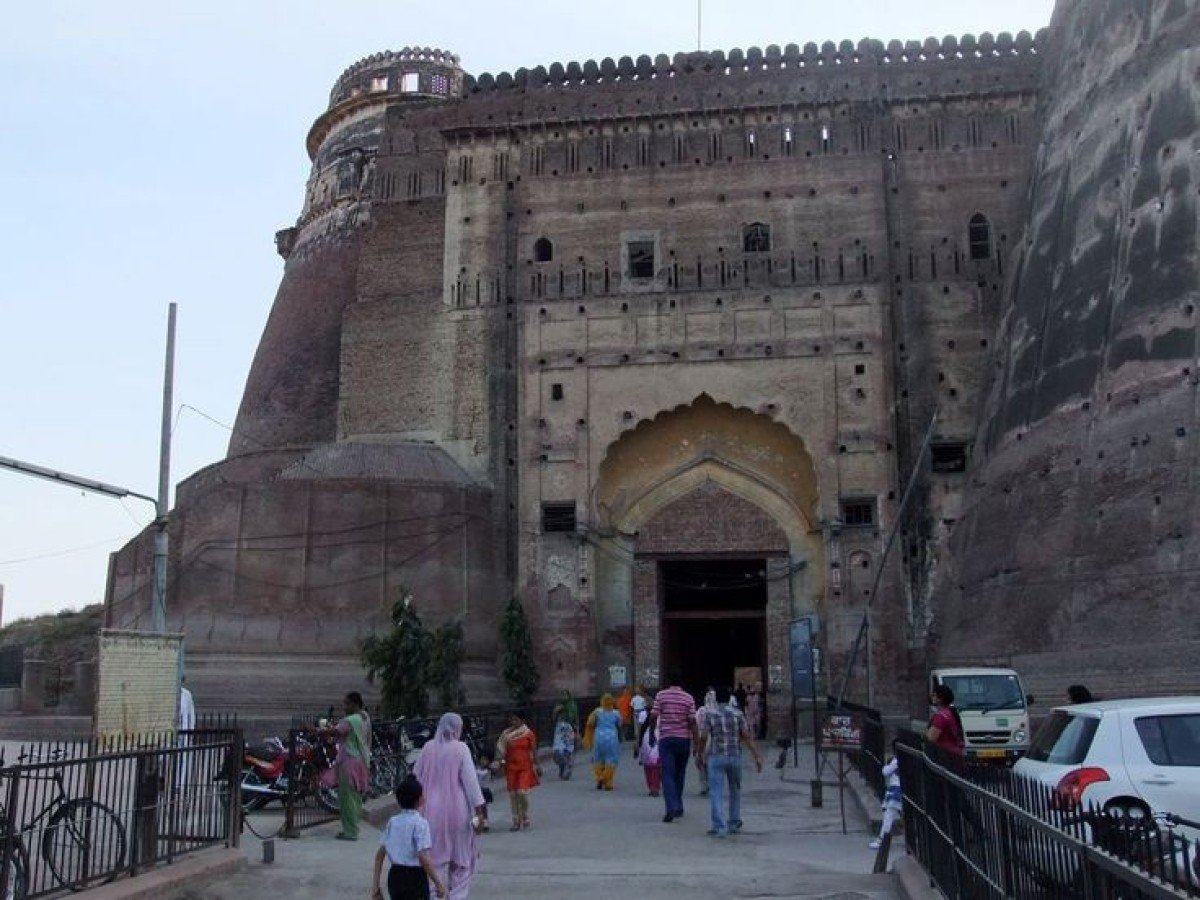
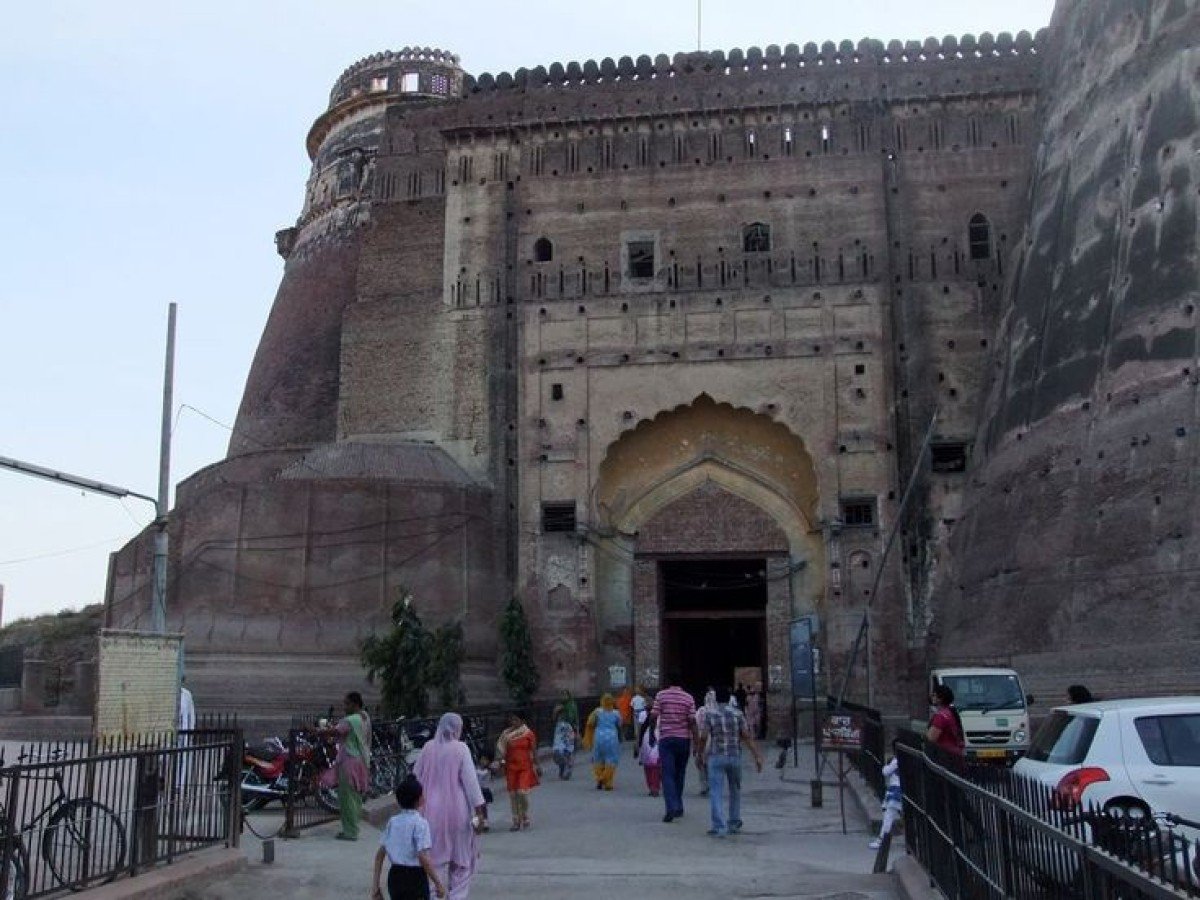
Qila Mubarak Bastions: The ancient, weathered walls of the fort against the setting sun provide a dramatic and historical backdrop for photography. The textures of the old bricks are a delight for detail shots.
Thermal Plant Lakes: The refl...Qila Mubarak Bastions: The ancient, weathered walls of the fort against the setting sun provide a dramatic and historical backdrop for photography. The textures of the old bricks are a delight for detail shots.
Thermal Plant Lakes: The reflection of the cooling towers in the lake water, especially during the golden hour, creates a unique industrial-meets-nature landscape photograph.
Damdama Sahib Complex: The grand white architecture of the Takht and the colorful crowds of pilgrims provide endless opportunities for capturing the spiritual essence of Punjab.Photo Gallery
Things To Do
 Takht Sri Damdama Sahib is one of the five Takhts (Seats of Temporal Authority) of Sikhism, making it one of the most sacred places in the world for the Sikh community. It is situated in the town of Talwandi Sabo. The word 'Damdama' literally means a resting place, and it refers to the period in 1705 when Guru Gobind Singh Ji, the tenth Guru, stayed here for over nine months after fighting several battles against the Mughals. During his stay, he compiled the final, full version of the Sri Guru Granth Sahib Ji, adding the hymns of his father, Guru Tegh Bahadur Ji. Because of the intense literary and spiritual work done here, the Guru blessed the place as 'Guru Ki Kashi', envisioning it as a great center of learning. The complex is not just a temple but a vast institution that oversees religious and social matters for the region. The atmosphere is charged with a deep sense of devotion, with continuous Gurbani recitation. It serves as the headquarters of the Nihang Sikhs, who can often be seen in their traditional blue attire, guarding the sanctity of the Takht.
 @@Introduction to Bathinda Park (General Area):** Bathinda Park refers to a large recreational zone encompassing green spaces, lawns, and the nearby zoological area, often conflated with Chetak Park and the Mini Zoo. It serves as a prime escape from the urban hustle, a place for morning jogs, evening strolls, and family picnics. The general park area is characterized by its expansive open spaces and well-maintained flora, offering a healthy environment for physical and mental relaxation. It is a vital green lung for the city, popular among locals and a pleasant stop for tourists seeking a quiet afternoon. The large green cover contributes significantly to the local environment, making it a cooler spot during the peak summer months. It often includes facilities like a children's play area and walking/jogging tracks. The park's development is part of a larger initiative to promote public green spaces in Bathinda. It is a testament to the city's focus on providing quality community areas for its residents. Its proximity to other major attractions makes it a convenient visit. @@Amenities and Layout:** The park's layout is generally open, featuring large grassy fields, shaded seating areas, and paved pathways for exercise. Amenities include basic rest facilities and dedicated zones for children's activities. The ambiance is peaceful, especially during the early morning hours.
@@Introduction to Rose Garden, Bathinda:** The Rose Garden in Bathinda is a vast, dedicated botanical garden renowned for its extensive collection of varied species and colors of roses, spanning a massive area, often cited as 10 acres (approx. 40,000 sq. m). It is a well-maintained, lush green oasis and one of the city's most popular recreational and picnic spots. The garden is strategically located near the Thermal Power Plant, providing a contrast between industrial structure and natural beauty. @@Variety and Peak Bloom:** The garden’s main attraction is the sheer variety of roses. The best time to witness the full, spectacular bloom is during the mild winter months, specifically November to March, when the cool weather is most conducive to flowering. It is a favored spot for morning walkers, nature lovers, and tourists seeking a pleasant half-day excursion. The garden also features general green lawns and a small children's area.
@@Sufi Saint and History: The Mazaar of Peer Haji Rattan is a revered shrine dedicated to the Sufi saint Peer Haji Rattan, who is believed to have been a disciple of the famous Sufi saint Hazrat Baba Farid. The shrine is centuries old and serves as a profound testament to the rich Sufi traditions prevalent in Punjab. Peer Haji Rattan was a well-traveled man, having completed the Islamic pilgrimage of Hajj (hence 'Haji'), and his core message centered on peace, unity, and respect across different faiths, which greatly resonated with the region's spiritual ethos. @@Interfaith Significance: The most unique aspect of the Mazaar is its role as a powerful symbol of communal harmony. It is historically significant because it is believed that Guru Nanak Dev Ji, the founder of Sikhism, visited Haji Rattan, and their meeting was marked by mutual respect. Furthermore, the shrine complex houses not only the Mazaar (tomb) of the Sufi saint but also a Gurdwara (Gurdwara Haji Rattan) and a Hindu temple, all co-existing within the same complex. @@Cultural Importance: The site draws visitors and pilgrims from all religious backgrounds (Muslims, Sikhs, and Hindus), who come to pay respects, seek blessings, and immerse themselves in the tranquil, inclusive atmosphere. The tomb itself is symbolically situated between the other places of worship, underscoring its bridging role between the religions of Punjab.
Nanaksar Sarover is a deeply spiritual and tranquil water body located within the holy complex of Talwandi Sabo. It holds immense historical significance as it is believed to be associated with the visit of the first Sikh Guru, Guru Nanak Dev Ji, in 1510 AD during his second missionary journey (Udasi). The serene waters of the sarovar are not just a physical feature but a spiritual reservoir where devotees take a holy dip to cleanse their souls. The environment surrounding the sarovar is filled with the rhythmic chanting of Gurbani, creating an atmosphere of divine peace. Over the centuries, the area has been developed into a beautiful pilgrimage site that serves as a beacon of the Sikh faith and philosophy of equality. Pilgrims from all over the world visit this sarovar to seek blessings and find inner stillness amidst the bustling life of Punjab. The site is meticulously maintained by the local community and religious organizations, ensuring that the sanctity and purity of the water remain intact for generations to come. It serves as a reminder of the timeless teachings of Guru Nanak Dev Ji, emphasizing the importance of meditation and selfless service.
@@Introduction to Bathinda Park (General Area):** Bathinda Park refers to a large recreational zone encompassing green spaces, lawns, and the nearby zoological area, often conflated with Chetak Park and the Mini Zoo. It serves as a prime escape from the urban hustle, a place for morning jogs, evening strolls, and family picnics. The general park area is characterized by its expansive open spaces and well-maintained flora, offering a healthy environment for physical and mental relaxation. It is a vital green lung for the city, popular among locals and a pleasant stop for tourists seeking a quiet afternoon. The large green cover contributes significantly to the local environment, making it a cooler spot during the peak summer months. It often includes facilities like a children's play area and walking/jogging tracks. The park's development is part of a larger initiative to promote public green spaces in Bathinda. It is a testament to the city's focus on providing quality community areas for its residents. Its proximity to other major attractions makes it a convenient visit. @@Amenities and Layout:** The park's layout is generally open, featuring large grassy fields, shaded seating areas, and paved pathways for exercise. Amenities include basic rest facilities and dedicated zones for children's activities. The ambiance is peaceful, especially during the early morning hours.
@@Introduction to Rose Garden, Bathinda:** The Rose Garden in Bathinda is a vast, dedicated botanical garden renowned for its extensive collection of varied species and colors of roses, spanning a massive area, often cited as 10 acres (approx. 40,000 sq. m). It is a well-maintained, lush green oasis and one of the city's most popular recreational and picnic spots. The garden is strategically located near the Thermal Power Plant, providing a contrast between industrial structure and natural beauty. @@Variety and Peak Bloom:** The garden’s main attraction is the sheer variety of roses. The best time to witness the full, spectacular bloom is during the mild winter months, specifically November to March, when the cool weather is most conducive to flowering. It is a favored spot for morning walkers, nature lovers, and tourists seeking a pleasant half-day excursion. The garden also features general green lawns and a small children's area.
@@Sufi Saint and History: The Mazaar of Peer Haji Rattan is a revered shrine dedicated to the Sufi saint Peer Haji Rattan, who is believed to have been a disciple of the famous Sufi saint Hazrat Baba Farid. The shrine is centuries old and serves as a profound testament to the rich Sufi traditions prevalent in Punjab. Peer Haji Rattan was a well-traveled man, having completed the Islamic pilgrimage of Hajj (hence 'Haji'), and his core message centered on peace, unity, and respect across different faiths, which greatly resonated with the region's spiritual ethos. @@Interfaith Significance: The most unique aspect of the Mazaar is its role as a powerful symbol of communal harmony. It is historically significant because it is believed that Guru Nanak Dev Ji, the founder of Sikhism, visited Haji Rattan, and their meeting was marked by mutual respect. Furthermore, the shrine complex houses not only the Mazaar (tomb) of the Sufi saint but also a Gurdwara (Gurdwara Haji Rattan) and a Hindu temple, all co-existing within the same complex. @@Cultural Importance: The site draws visitors and pilgrims from all religious backgrounds (Muslims, Sikhs, and Hindus), who come to pay respects, seek blessings, and immerse themselves in the tranquil, inclusive atmosphere. The tomb itself is symbolically situated between the other places of worship, underscoring its bridging role between the religions of Punjab.
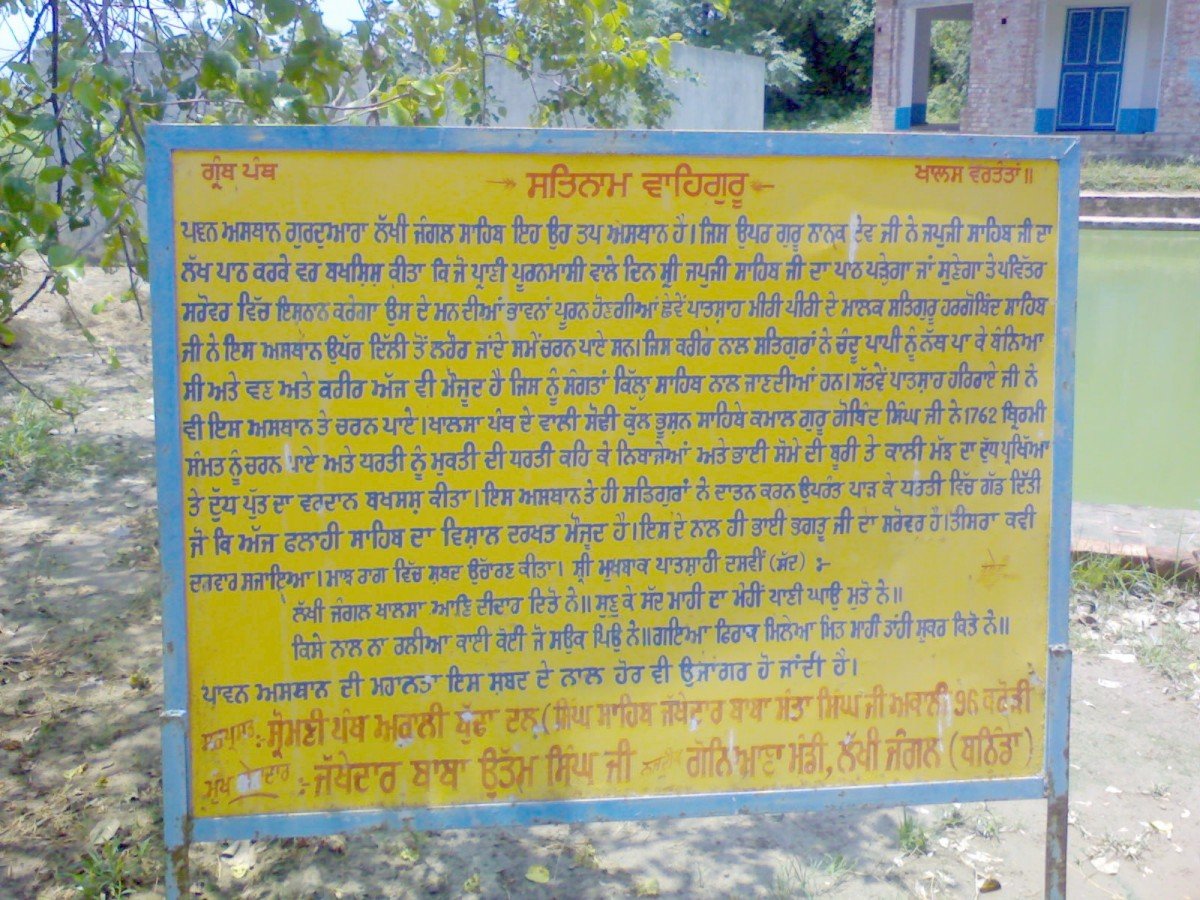
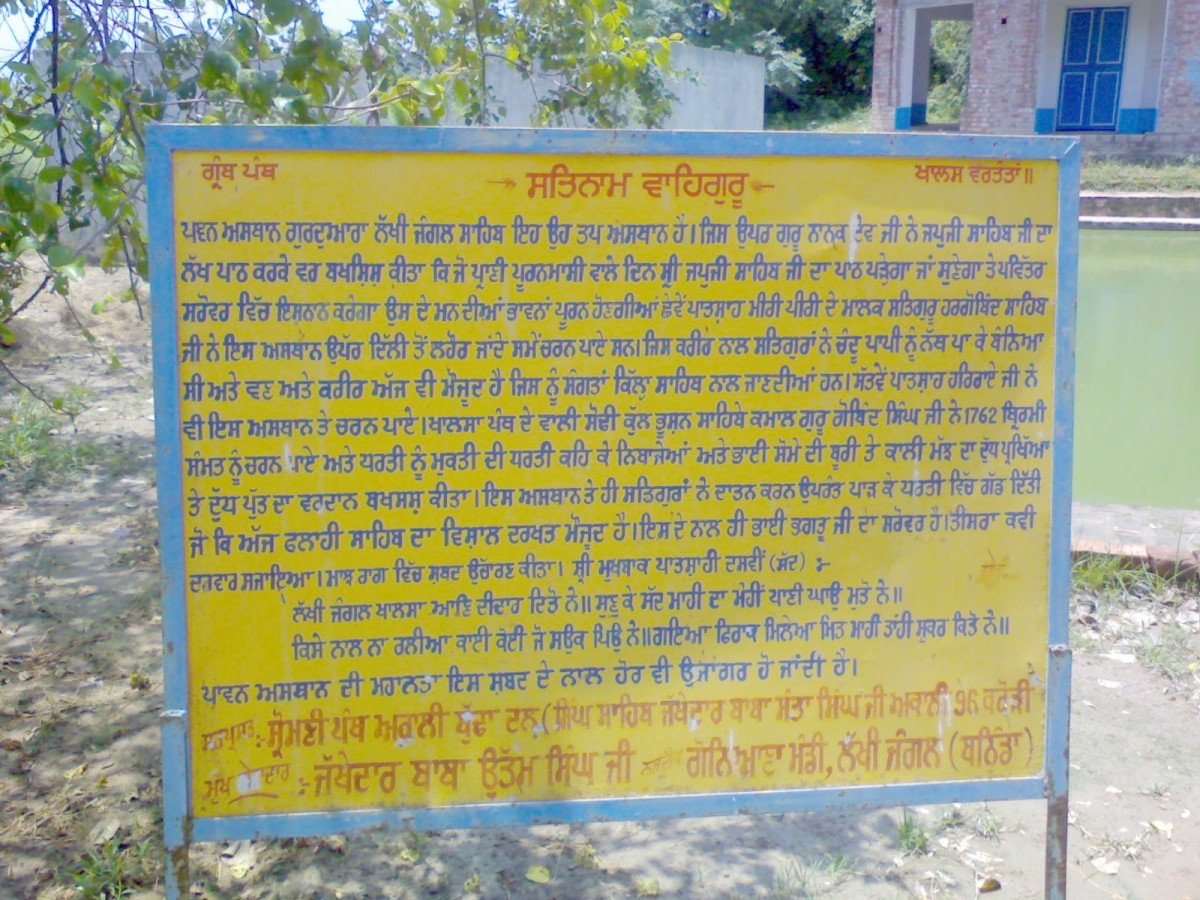
Nanaksar Sarover is a deeply spiritual and tranquil water body located within the holy complex of Talwandi Sabo. It holds immense historical significance as it is believed to be associated with the visit of the first Sikh Guru, Guru Nanak Dev Ji, in 1510 AD during his second missionary journey (Udasi). The serene waters of the sarovar are not just a physical feature but a spiritual reservoir where devotees take a holy dip to cleanse their souls. The environment surrounding the sarovar is filled with the rhythmic chanting of Gurbani, creating an atmosphere of divine peace. Over the centuries, the area has been developed into a beautiful pilgrimage site that serves as a beacon of the Sikh faith and philosophy of equality. Pilgrims from all over the world visit this sarovar to seek blessings and find inner stillness amidst the bustling life of Punjab. The site is meticulously maintained by the local community and religious organizations, ensuring that the sanctity and purity of the water remain intact for generations to come. It serves as a reminder of the timeless teachings of Guru Nanak Dev Ji, emphasizing the importance of meditation and selfless service.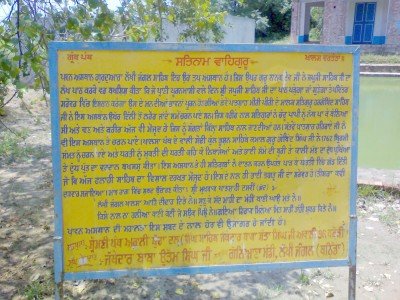 @@Introduction to Lakhi Jungle:** Lakhi Jungle is a sacred and historic forest area, primarily renowned for the Gurudwara Lakhi Jungle Sahib. Its name, which literally means "Forest of One Hundred Thousand," is derived from the legend that Guru Nanak Dev Ji, the founder of Sikhism, recited the holy paths of Japji Sahib here a hundred thousand times. This makes it an incredibly important pilgrimage site for Sikhs. The area was once a dense, expansive woodland, and today, the Gurudwara complex and its surrounding environment maintain a powerful spiritual and tranquil aura. @@Historical Significance:** The site was also graced by the presence of the Tenth Sikh Guru, Guru Gobind Singh Ji, who held a 'Kavi Darbar' (a congregation of poets and scholars) here in 1705 after the Battle of Muktsar. A Falahi tree, believed to have grown from a twig planted by him, still stands. The combination of its association with two major Gurus elevates its status to a profound spiritual and historical landmark in Punjab.
@@Establishment and Area: The Bird Sanctuary Bir Talab is more formally known as the Mini Zoo Cum Deer Safari Bir Talab, established in 1978 within the larger Bir Talab Block Protected Forest, which spans approximately 161 acres. The zoo and deer safari area itself covers about 10.40 hectares (25 acres). Initially managed by the Red Cross Society, it was later adopted by the Punjab Forest & Wildlife Preservation Department in 1982, reflecting its long-standing commitment to conservation and education. @@Ecosystem and Objectives: The sanctuary's main objective is to promote wildlife conservation, environmental education, and breeding programs for various species, particularly the endangered ones. It is designed to allow certain animals, most notably various deer species, to roam freely in a large, designated safari area, mimicking their natural habitat as closely as possible, making it a key center for regional ecological study. @@Experience: Visitors are offered a chance to see a wide variety of animals and birds in a relatively natural and well-maintained environment. It provides a much-needed green space and an excellent opportunity for children and adults to connect with nature, learn about different animal species, and understand the importance of biodiversity.Show All
@@Introduction to Lakhi Jungle:** Lakhi Jungle is a sacred and historic forest area, primarily renowned for the Gurudwara Lakhi Jungle Sahib. Its name, which literally means "Forest of One Hundred Thousand," is derived from the legend that Guru Nanak Dev Ji, the founder of Sikhism, recited the holy paths of Japji Sahib here a hundred thousand times. This makes it an incredibly important pilgrimage site for Sikhs. The area was once a dense, expansive woodland, and today, the Gurudwara complex and its surrounding environment maintain a powerful spiritual and tranquil aura. @@Historical Significance:** The site was also graced by the presence of the Tenth Sikh Guru, Guru Gobind Singh Ji, who held a 'Kavi Darbar' (a congregation of poets and scholars) here in 1705 after the Battle of Muktsar. A Falahi tree, believed to have grown from a twig planted by him, still stands. The combination of its association with two major Gurus elevates its status to a profound spiritual and historical landmark in Punjab.
@@Establishment and Area: The Bird Sanctuary Bir Talab is more formally known as the Mini Zoo Cum Deer Safari Bir Talab, established in 1978 within the larger Bir Talab Block Protected Forest, which spans approximately 161 acres. The zoo and deer safari area itself covers about 10.40 hectares (25 acres). Initially managed by the Red Cross Society, it was later adopted by the Punjab Forest & Wildlife Preservation Department in 1982, reflecting its long-standing commitment to conservation and education. @@Ecosystem and Objectives: The sanctuary's main objective is to promote wildlife conservation, environmental education, and breeding programs for various species, particularly the endangered ones. It is designed to allow certain animals, most notably various deer species, to roam freely in a large, designated safari area, mimicking their natural habitat as closely as possible, making it a key center for regional ecological study. @@Experience: Visitors are offered a chance to see a wide variety of animals and birds in a relatively natural and well-maintained environment. It provides a much-needed green space and an excellent opportunity for children and adults to connect with nature, learn about different animal species, and understand the importance of biodiversity.Show All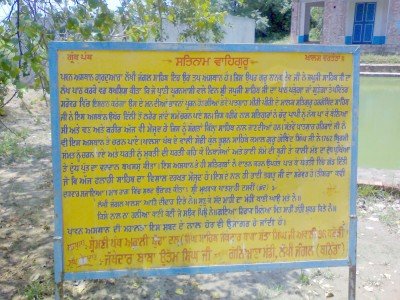 Chill-O-Thrill Fun Park is the premier amusement and water park in the Bathinda region, providing a modern recreational hub for residents and tourists alike. Located in Bhucho Mandi, it is a sprawling complex designed to offer a "chilling" escape from the intense heat of the North Indian summers. The park features a wide array of attractions, including high-speed water slides, a massive wave pool, and a dedicated kids' play zone. It is the only full-scale water park in the vicinity, making it a high-traffic destination during the months of May and June. Beyond the water activities, the park also houses land-based amusement rides like merry-go-rounds, a mini train, and various thrill rides for adults. The facility is well-equipped with modern amenities such as clean changing rooms, secure lockers, and a multi-cuisine food court that serves popular Punjabi snacks. It has become a favorite spot for school picnics and corporate day-outs due to its capacity to handle large groups. The park maintains high safety standards with lifeguards stationed at every pool and ride. Whether you want to experience an adrenaline rush on the "Tornado" slide or just lounge in the lazy river, Chill-O-Thrill provides a comprehensive entertainment package for all age groups.
Information
-
Why Famous:
Qila Mubarak: Famous for its 1600-year history and the story of Razia Sultan. It is the oldest surviving fort in India and a monument of national importance.
Takht Sri Damdama Sahib: Famous as the place where the final version of the Sikh h...Qila Mubarak: Famous for its 1600-year history and the story of Razia Sultan. It is the oldest surviving fort in India and a monument of national importance.
Takht Sri Damdama Sahib: Famous as the place where the final version of the Sikh holy book was compiled. It is one of the five holiest sites in Sikhism, attracting global pilgrims.
City of Lakes: Bathinda is famous for its large artificial lakes that offer boating and scenic views, a rarity in the semi-arid landscape of southern Punjab. -
How To Reach:
By Air: The Bathinda Airport has limited flights, mainly connecting to Delhi. For more options, travelers use the Chandigarh or Amritsar airports, both about 3-4 hours away by road.
By Train: Bathinda Junction is a major rail hub. It is we...By Air: The Bathinda Airport has limited flights, mainly connecting to Delhi. For more options, travelers use the Chandigarh or Amritsar airports, both about 3-4 hours away by road.
By Train: Bathinda Junction is a major rail hub. It is well-connected to Delhi, Mumbai, Jaipur, and Chandigarh via regular superfast and express trains, making rail the most convenient option.
By Road: The city is connected via NH-7 and NH-54. Regular AC and non-AC buses run from all major cities in Punjab, Haryana, and Rajasthan. The road network is excellent for private cars as well.
By Local Transport: Auto-rickshaws and E-rickshaws are the lifeline of city transport. They are cheap and readily available for navigating to any part of the city from the railway station or bus stand. -
Weather and Best Time to Visit:
Winter (Oct to Mar): This is the best time to visit as the weather is cool and pleasant. This period also hosts most of the major religious and cultural festivals, providing a rich travel experience.
Summer (Apr to Jun): Summers can be very...Winter (Oct to Mar): This is the best time to visit as the weather is cool and pleasant. This period also hosts most of the major religious and cultural festivals, providing a rich travel experience.
Summer (Apr to Jun): Summers can be very hot, with temperatures often crossing 45°C. If visiting during this time, keep your outdoor activities limited to early mornings or late evenings. -
Near Tourist Places:
1. Talwandi Sabo (28 KM), 2. Muktsar (50 KM), 3. Faridkot (65 KM), 4. Abohar (75 KM), 5. Mansa (55 KM), 6. Barnala (65 KM), 7. Ferozepur (110 KM), 8. Sirsa (80 KM), 9. Ganganagar (100 KM), 10. Ludhiana (145 KM)
Tourism Tips
-
Health and Safety: Stay hydrated and protect yourself from the sun during the day. The city is safe for tourists, but always be aware of your surroundings in crowded markets and railway stations.
Packing Essentials: Pack comfortable cotton ...Health and Safety: Stay hydrated and protect yourself from the sun during the day. The city is safe for tourists, but always be aware of your surroundings in crowded markets and railway stations.
Packing Essentials: Pack comfortable cotton clothes for the day and a light jacket for winter nights. A headscarf is necessary for Gurudwaras. Good walking shoes are essential for exploring the large fort complex.
Accommodation: Bathinda offers a wide range of accommodation, from luxury hotels like Comfort Inn to budget-friendly guesthouses near the railway station. It's a major commercial hub, so booking in advance is wise.
Local Etiquette: When visiting Qila Mubarak, do not litter or deface the ancient walls. In Gurudwaras, maintain the sanctity by following the rules of head-covering and shoe-removal.
Reviews
FAQs
Bathinda Itineray And Cost:-
Other Places In Punjab :-
Other States In India :-
Information about New and Updated Locations() of Punjab Has Been Added :-
Card subtitle
Note:-
Information provided here in good Faith and for reference only.
Near Places
Abohar
Some quick example text to build on the card title and make up the bulk of the card's content.
Go somewhere
Amritsar
Some quick example text to build on the card title and make up the bulk of the card's content.
Go somewhere
Anandpur Sahib
Some quick example text to build on the card title and make up the bulk of the card's content.
Go somewhere
Batala
Some quick example text to build on the card title and make up the bulk of the card's content.
Go somewhere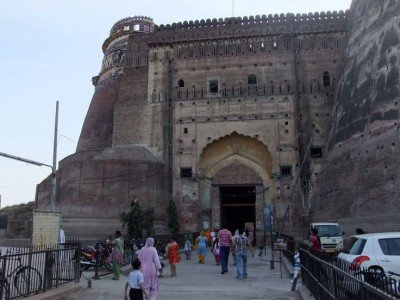
Bathinda
Some quick example text to build on the card title and make up the bulk of the card's content.
Go somewhere
Faridkot
Some quick example text to build on the card title and make up the bulk of the card's content.
Go somewhere
Fatehgarh Sahib
Some quick example text to build on the card title and make up the bulk of the card's content.
Go somewhere
Fazilka
Some quick example text to build on the card title and make up the bulk of the card's content.
Go somewhere
Firozpur
Some quick example text to build on the card title and make up the bulk of the card's content.
Go somewhere
Gurdaspur
Some quick example text to build on the card title and make up the bulk of the card's content.
Go somewhere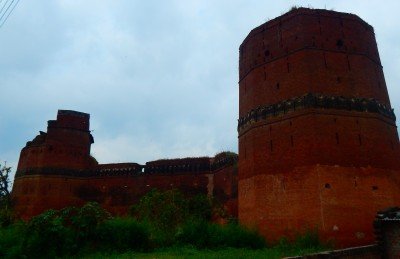
Hoshiarpur
Some quick example text to build on the card title and make up the bulk of the card's content.
Go somewhere
Jalandhar
Some quick example text to build on the card title and make up the bulk of the card's content.
Go somewhere
Kapurthala
Some quick example text to build on the card title and make up the bulk of the card's content.
Go somewhere
Khanna
Some quick example text to build on the card title and make up the bulk of the card's content.
Go somewhere
Ludhiana
Some quick example text to build on the card title and make up the bulk of the card's content.
Go somewhere
Mandi Gobindgarh
Some quick example text to build on the card title and make up the bulk of the card's content.
Go somewherein Other Cities