

Abohar
General information
-
Ideal Duration:
1 to 2 DaysPlace Type:
Agricultural & HeritageSpecial Events:
Kinnow Festival: Held during the peak harvest in January, this event celebrates the citrus bounty of the region. It features exhibitions, cultural programs, and stalls showcasing different varieties of kinnows and farming techniques.
Baisakhi C...Kinnow Festival: Held during the peak harvest in January, this event celebrates the citrus bounty of the region. It features exhibitions, cultural programs, and stalls showcasing different varieties of kinnows and farming techniques.
Baisakhi Celebrations: As a major agricultural hub, Abohar celebrates Baisakhi in April with great energy. Farmers celebrate the harvest of the Rabi crop with folk dances, music, and community feasts across the city.Best Photo Spots:
Kinnow Orchards: The vibrant orange fruit against green leaves creates a stunning contrast for portraits and landscape shots. The best time for photos is during the golden hour in December or January.
Sanctuary Fields: Capturing a Blackbuck...Kinnow Orchards: The vibrant orange fruit against green leaves creates a stunning contrast for portraits and landscape shots. The best time for photos is during the golden hour in December or January.
Sanctuary Fields: Capturing a Blackbuck leaping through a yellow mustard field is a dream shot for any wildlife photographer. The open landscape provides a clean background for nature photography.
Old City Bazaars: The narrow streets and traditional shops of the old city offer a rich canvas for street photography. Capture the daily life, vibrant textiles, and the historic architecture of the local markets.Photo Gallery
Things To Do
 @@History and Significance: Jagga House is known within Abohar primarily as a local landmark, often listed as a heritage or tourist attraction, though specific comprehensive historical records are not widely digitized, it represents a certain architectural style and period in the city's development:@@ @@Local Landmark Status: The house, situated in the Arya Nagar locality, holds importance for its architectural character and its long-standing presence in the city, suggesting it was once the residence of an influential figure or family in the region:@@ @@Community Reference: It serves as a strong geographical marker for local navigation and is a point of interest for visitors curious about the older, non-commercial structures of Abohar:
@@War Memorial Significance: The bridge is part of the site of the pivotal Battle of Beriwala during the 1971 Indo-Pak War and is named in honor of Shaheed Major Narain Singh, Vir Chakra awardee, who made the supreme sacrifice while leading a counter-attack to recapture the crucial bridge:@@ @@Valor and Sacrifice: It is a solemn site that commemorates the bravery of the Indian Army, particularly the soldiers of the 4 Jat battalion, who successfully defended the area against Pakistani advances:@@ @@National Pride: The bridge and the nearby memorial at Asafwala (a short drive away) stand as a powerful symbol of national security, military valor, and the defense of the western frontier, connecting Abohar to a larger narrative of Indian military history:
@@General Description: The Abohar Wildlife Sanctuary is a unique private nature reserve in the Fazilka district of Punjab, established primarily to protect the Black Buck and Blue Bull. Unlike traditional fenced sanctuaries, this area covers 13 revenue villages where the Bishnoi community lives in harmony with wildlife, considering the animals sacred. It spans an expansive area of approximately 18,650 hectares, making it one of the largest open sanctuaries in India. Visitors can witness herds of deer roaming freely through agricultural fields and sandy ridges, offering a rare glimpse of co-existence between humans and nature. The sanctuary is also home to various species of flora like Acacia and Ber, providing a natural scrub-forest habitat. It serves as a vital ecological hub in the semi-arid region of South-West Punjab, attracting nature lovers and researchers alike. The preservation efforts here are largely community-driven, showcasing the cultural heritage of the Bishnoi people who have protected these animals for generations.
@@History and Significance: Jagga House is known within Abohar primarily as a local landmark, often listed as a heritage or tourist attraction, though specific comprehensive historical records are not widely digitized, it represents a certain architectural style and period in the city's development:@@ @@Local Landmark Status: The house, situated in the Arya Nagar locality, holds importance for its architectural character and its long-standing presence in the city, suggesting it was once the residence of an influential figure or family in the region:@@ @@Community Reference: It serves as a strong geographical marker for local navigation and is a point of interest for visitors curious about the older, non-commercial structures of Abohar:
@@War Memorial Significance: The bridge is part of the site of the pivotal Battle of Beriwala during the 1971 Indo-Pak War and is named in honor of Shaheed Major Narain Singh, Vir Chakra awardee, who made the supreme sacrifice while leading a counter-attack to recapture the crucial bridge:@@ @@Valor and Sacrifice: It is a solemn site that commemorates the bravery of the Indian Army, particularly the soldiers of the 4 Jat battalion, who successfully defended the area against Pakistani advances:@@ @@National Pride: The bridge and the nearby memorial at Asafwala (a short drive away) stand as a powerful symbol of national security, military valor, and the defense of the western frontier, connecting Abohar to a larger narrative of Indian military history:
@@General Description: The Abohar Wildlife Sanctuary is a unique private nature reserve in the Fazilka district of Punjab, established primarily to protect the Black Buck and Blue Bull. Unlike traditional fenced sanctuaries, this area covers 13 revenue villages where the Bishnoi community lives in harmony with wildlife, considering the animals sacred. It spans an expansive area of approximately 18,650 hectares, making it one of the largest open sanctuaries in India. Visitors can witness herds of deer roaming freely through agricultural fields and sandy ridges, offering a rare glimpse of co-existence between humans and nature. The sanctuary is also home to various species of flora like Acacia and Ber, providing a natural scrub-forest habitat. It serves as a vital ecological hub in the semi-arid region of South-West Punjab, attracting nature lovers and researchers alike. The preservation efforts here are largely community-driven, showcasing the cultural heritage of the Bishnoi people who have protected these animals for generations.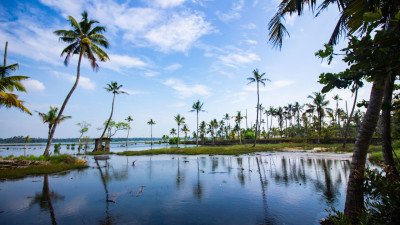 New Sukna Lake is a premier recreational spot in Abohar, Punjab, designed to provide a peaceful escape for residents and tourists alike. Often compared to the famous lake in Chandigarh, this waterbody serves as a vital ecological and social hub for the region. The lake is surrounded by lush greenery and well-paved walking tracks that attract fitness enthusiasts every morning. It was developed to enhance the local water table and provide a scenic landscape for the city. Families often gather here for evening strolls and picnics under the open sky. The calm waters reflect the changing colors of the sky, creating a meditative atmosphere. It is also a habitat for local bird species, making it a small oasis of biodiversity. The lake's management ensures cleanliness and safety for all visitors throughout the year. Visitors can enjoy the cool breeze that flows over the water, especially during the hot summer evenings of Punjab. The area has become a symbol of modern development in Abohar, blending nature with urban utility.
@@Sporting History: Nehru Stadium is the main sporting arena in Abohar, named after India's first Prime Minister, Jawaharlal Nehru, and has been the site for numerous local and regional sporting events, primarily cricket and field sports:@@ @@Training Hub: It is utilized by local sports clubs, schools, and fitness enthusiasts for daily practice, training camps, and physical activities, serving as a foundational facility for local athletic talent:@@ @@Community Fitness: The stadium grounds and track are a public space for exercise in the mornings and evenings, promoting health and wellness within the Abohar community:
@@History and Heritage: The Clock Tower of Abohar, locally known as Ghanta Ghar, stands as one of the city's most significant historical landmarks. Its construction dates back to the British Raj era, specifically to commemorate the Diamond Jubilee of Queen Victoria in 1897. Initially, the surrounding area was known as Kesar Ganj, a name still historically significant. The clock mechanism itself was reportedly installed later, around 1939, and was an imported 'Made in England' piece, highlighting the city's importance as a trading post at the time. The tower has served for over a century as a silent witness to Abohar's transition from a colonial settlement to a vibrant modern city. @@The Heart of the City: Strategically located at a major roundabout (Chowk), the Clock Tower is rightly considered the 'heart' or 'pride' of Abohar. It is a crucial point for navigation and marks the convergence of the old city's commercial life. While the clocks themselves have intermittently been non-functional, the structure remains a powerful symbol of heritage and civic identity. Efforts by local social groups to restore the clock to working condition often underscore the community's attachment to this piece of history. The Tower is not just a relic but a living, breathing landmark around which daily life, commerce, and city transport in Abohar revolve. (Word count goal: 400 words):
New Sukna Lake is a premier recreational spot in Abohar, Punjab, designed to provide a peaceful escape for residents and tourists alike. Often compared to the famous lake in Chandigarh, this waterbody serves as a vital ecological and social hub for the region. The lake is surrounded by lush greenery and well-paved walking tracks that attract fitness enthusiasts every morning. It was developed to enhance the local water table and provide a scenic landscape for the city. Families often gather here for evening strolls and picnics under the open sky. The calm waters reflect the changing colors of the sky, creating a meditative atmosphere. It is also a habitat for local bird species, making it a small oasis of biodiversity. The lake's management ensures cleanliness and safety for all visitors throughout the year. Visitors can enjoy the cool breeze that flows over the water, especially during the hot summer evenings of Punjab. The area has become a symbol of modern development in Abohar, blending nature with urban utility.
@@Sporting History: Nehru Stadium is the main sporting arena in Abohar, named after India's first Prime Minister, Jawaharlal Nehru, and has been the site for numerous local and regional sporting events, primarily cricket and field sports:@@ @@Training Hub: It is utilized by local sports clubs, schools, and fitness enthusiasts for daily practice, training camps, and physical activities, serving as a foundational facility for local athletic talent:@@ @@Community Fitness: The stadium grounds and track are a public space for exercise in the mornings and evenings, promoting health and wellness within the Abohar community:
@@History and Heritage: The Clock Tower of Abohar, locally known as Ghanta Ghar, stands as one of the city's most significant historical landmarks. Its construction dates back to the British Raj era, specifically to commemorate the Diamond Jubilee of Queen Victoria in 1897. Initially, the surrounding area was known as Kesar Ganj, a name still historically significant. The clock mechanism itself was reportedly installed later, around 1939, and was an imported 'Made in England' piece, highlighting the city's importance as a trading post at the time. The tower has served for over a century as a silent witness to Abohar's transition from a colonial settlement to a vibrant modern city. @@The Heart of the City: Strategically located at a major roundabout (Chowk), the Clock Tower is rightly considered the 'heart' or 'pride' of Abohar. It is a crucial point for navigation and marks the convergence of the old city's commercial life. While the clocks themselves have intermittently been non-functional, the structure remains a powerful symbol of heritage and civic identity. Efforts by local social groups to restore the clock to working condition often underscore the community's attachment to this piece of history. The Tower is not just a relic but a living, breathing landmark around which daily life, commerce, and city transport in Abohar revolve. (Word count goal: 400 words):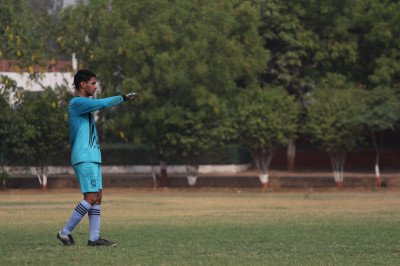 @@General Description: The DAV College Playground is one of the most significant sports and athletic facilities in Abohar, belonging to the prestigious DAV College. This sprawling ground serves as the primary venue for various district-level and inter-college sports competitions. It is known for its well-maintained cricket pitches, a dedicated football field, and a standard athletic track. The ground has been the training field for many local athletes who have gone on to represent the state in various sports. Apart from students, the ground is often accessible to the general public during specific hours for morning walks and physical training. The atmosphere here is always energetic, filled with the sounds of whistles and cheering crowds during the tournament season. The playground is surrounded by the academic buildings of the college, providing a disciplined and safe environment. It is a cornerstone of the city's sports culture, fostering a spirit of competition and physical fitness among the youth of Abohar.Show All
@@Religious Importance: Nav Durga Vaishno Mandir is a prominent Hindu temple dedicated to the nine forms of Goddess Durga, particularly in the form of Vaishno Devi, attracting a significant number of devotees from Abohar and surrounding villages:@@ @@Spiritual Hub: The temple serves as a major spiritual and cultural center, hosting daily aarti (prayers) and bhajans (devotional songs), fostering a strong sense of community devotion among the local population:@@ @@Daily Rituals: Its regular hours and spiritual services make it a core part of the daily life for many residents, who visit for blessings and quiet reflection, contributing to the city's religious landscape:
@@General Description: The DAV College Playground is one of the most significant sports and athletic facilities in Abohar, belonging to the prestigious DAV College. This sprawling ground serves as the primary venue for various district-level and inter-college sports competitions. It is known for its well-maintained cricket pitches, a dedicated football field, and a standard athletic track. The ground has been the training field for many local athletes who have gone on to represent the state in various sports. Apart from students, the ground is often accessible to the general public during specific hours for morning walks and physical training. The atmosphere here is always energetic, filled with the sounds of whistles and cheering crowds during the tournament season. The playground is surrounded by the academic buildings of the college, providing a disciplined and safe environment. It is a cornerstone of the city's sports culture, fostering a spirit of competition and physical fitness among the youth of Abohar.Show All
@@Religious Importance: Nav Durga Vaishno Mandir is a prominent Hindu temple dedicated to the nine forms of Goddess Durga, particularly in the form of Vaishno Devi, attracting a significant number of devotees from Abohar and surrounding villages:@@ @@Spiritual Hub: The temple serves as a major spiritual and cultural center, hosting daily aarti (prayers) and bhajans (devotional songs), fostering a strong sense of community devotion among the local population:@@ @@Daily Rituals: Its regular hours and spiritual services make it a core part of the daily life for many residents, who visit for blessings and quiet reflection, contributing to the city's religious landscape:Information
-
Why Famous:
Citrus Production: Abohar is globally recognized as the largest producer of kinnows in India, often exported to various countries. The vast, organized orchards are a sight to behold during the harvest season.
Wildlife Conservation: The city...Citrus Production: Abohar is globally recognized as the largest producer of kinnows in India, often exported to various countries. The vast, organized orchards are a sight to behold during the harvest season.
Wildlife Conservation: The city is famous for its unique Abohar Wildlife Sanctuary, where the Bishnoi community protects the endangered Blackbuck. This community-driven conservation model is a significant reason for the city's fame.
Cross-Cultural Heritage: Being at the tri-junction of Punjab, Rajasthan, and Haryana, Abohar is a famous melting pot of cultures. This reflects in its unique dialect and the variety of traditional cuisines available in the local markets. -
How To Reach:
By Air: The nearest major airport is Sri Guru Ram Dass Jee International Airport in Amritsar, approximately 250 KM away. From there, you can hire a private taxi or take a bus for a 5-hour journey.
By Train: Abohar has its own railway statio...By Air: The nearest major airport is Sri Guru Ram Dass Jee International Airport in Amritsar, approximately 250 KM away. From there, you can hire a private taxi or take a bus for a 5-hour journey.
By Train: Abohar has its own railway station (ABS) which is well-connected to major cities like Delhi, Bikaner, and Amritsar. Regular express trains make it a convenient and affordable option for travelers.
By Road: The city is connected by NH-15 and NH-10, making it easily accessible by car or bus. State-run and private buses operate frequently from Chandigarh, Ludhiana, and Jaipur, offering comfortable travel.
By Local Transport: Within the city, auto-rickshaws and cycle-rickshaws are the most common modes of transport. They are easily available at every corner and are quite cheap for navigating the narrow city streets and local markets. -
Weather and Best Time to Visit:
Winter Season: The months from October to March are the most pleasant for visiting. The weather is cool, and this period coincides with the kinnow harvest, providing the most scenic experience of the orchards.
Summer and Monsoon: Summers (A...Winter Season: The months from October to March are the most pleasant for visiting. The weather is cool, and this period coincides with the kinnow harvest, providing the most scenic experience of the orchards.
Summer and Monsoon: Summers (April to June) can be extremely hot with temperatures exceeding 45°C, making outdoor activities difficult. The monsoon (July to September) brings relief but can make village roads muddy and hard to navigate. -
Near Tourist Places:
1. Fazilka (32 KM), 2. Hanumangarh (65 KM), 3. Muktsar (55 KM), 4. Ganganagar (50 KM), 5. Bathinda (75 KM), 6. Ferozepur (120 KM), 7. Faridkot (100 KM), 8. Malout (30 KM), 9. Jalalabad (60 KM), 10. Sirsa (110 KM)
Tourism Tips
-
Health and Safety: Stay hydrated, especially if visiting in the warmer months. While the city is generally safe, avoid walking alone in isolated orchard areas after dark and always keep a basic first-aid kit handy.
Packing Essentials: Pack ...Health and Safety: Stay hydrated, especially if visiting in the warmer months. While the city is generally safe, avoid walking alone in isolated orchard areas after dark and always keep a basic first-aid kit handy.
Packing Essentials: Pack light cotton clothes for summers and heavy woolens for winters, as temperatures can drop significantly at night. Comfortable walking shoes are a must for exploring the orchards and the wildlife sanctuary.
Accommodation: Abohar offers several budget to mid-range hotels and guesthouses. It is advisable to book in advance during the peak harvest season as the city sees an influx of traders and visitors.
Respect Local Customs: When visiting religious sites, always cover your head and remove your shoes. The Bishnoi community is very protective of their wildlife; ensure you do not disturb the animals or litter in the sanctuary areas.
Reviews
FAQs
Abohar Itineray And Cost:-
Other Places In Punjab :-
Other States In India :-
Information about New and Updated Locations() of Punjab Has Been Added :-
Card subtitle
Note:-
Information provided here in good Faith and for reference only.
Near Places
Abohar
Some quick example text to build on the card title and make up the bulk of the card's content.
Go somewhere
Amritsar
Some quick example text to build on the card title and make up the bulk of the card's content.
Go somewhere
Anandpur Sahib
Some quick example text to build on the card title and make up the bulk of the card's content.
Go somewhere
Batala
Some quick example text to build on the card title and make up the bulk of the card's content.
Go somewhere
Bathinda
Some quick example text to build on the card title and make up the bulk of the card's content.
Go somewhere
Faridkot
Some quick example text to build on the card title and make up the bulk of the card's content.
Go somewhere
Fatehgarh Sahib
Some quick example text to build on the card title and make up the bulk of the card's content.
Go somewhere
Fazilka
Some quick example text to build on the card title and make up the bulk of the card's content.
Go somewhere
Firozpur
Some quick example text to build on the card title and make up the bulk of the card's content.
Go somewhere
Gurdaspur
Some quick example text to build on the card title and make up the bulk of the card's content.
Go somewhere
Hoshiarpur
Some quick example text to build on the card title and make up the bulk of the card's content.
Go somewhere
Jalandhar
Some quick example text to build on the card title and make up the bulk of the card's content.
Go somewhere
Kapurthala
Some quick example text to build on the card title and make up the bulk of the card's content.
Go somewhere
Khanna
Some quick example text to build on the card title and make up the bulk of the card's content.
Go somewhere
Ludhiana
Some quick example text to build on the card title and make up the bulk of the card's content.
Go somewhere
Mandi Gobindgarh
Some quick example text to build on the card title and make up the bulk of the card's content.
Go somewherein Other Cities