

Fatehgarh Sahib
General information
-
Ideal Duration:
1 DayPlace Type:
Religious / HistoricalSpecial Events:
Shaheedi Jor Mela: Held in December, this massive gathering commemorates the martyrdom of the Sahibzadas with religious discourses, community service, and thousands of devotees.
Baisakhi: Celebrated in April, the festival marks the harvest s...Shaheedi Jor Mela: Held in December, this massive gathering commemorates the martyrdom of the Sahibzadas with religious discourses, community service, and thousands of devotees.
Baisakhi: Celebrated in April, the festival marks the harvest season and the birth of the Khalsa, with vibrant celebrations and special prayers at the Gurdwara.Best Photo Spots:
Gurdwara Domes: The white marble domes against a clear blue sky provide a serene and majestic subject for architectural photography.
Mughal Archways: The ruined arches of Aam Khas Bagh offer framed views and interesting shadows, perfect for ...Gurdwara Domes: The white marble domes against a clear blue sky provide a serene and majestic subject for architectural photography.
Mughal Archways: The ruined arches of Aam Khas Bagh offer framed views and interesting shadows, perfect for artistic and historical photography.Photo Gallery
Things To Do
 @@The Significance of Fatehgarh Sahib: This is the main shrine where the two younger sons of Guru Gobind Singh Ji were bricked alive. The name Fatehgarh means "Town of Victory," signifying the spiritual victory over tyranny. The main hall is built over the foundation of the wall where the children were martyred. It is one of the most important pilgrimage sites for Sikhs globally. The complex is always bustling with devotees who come to pay their respects. The daily prayers and Kirtan create a powerful vibration that touches every soul. The Langar hall here serves thousands of people every day without any discrimination. It is a place that teaches equality, sacrifice, and the power of faith.
@@History of Sacrifice: This revered Sikh shrine marks the site where Guru Gobind Singh's two youngest sons, Sahibzada Zorawar Singh and Sahibzada Fateh Singh, aged 9 and 6, were cruelly bricked alive in 1705 on the orders of Wazir Khan, the Mughal Governor of Sirhind.: @@Symbol of Courage: It is one of the most significant sites in Sikh history, commemorating their unwavering faith and supreme sacrifice.: @@The Complex: The main complex contains several smaller Gurdwaras, including Gurudwara Bhora Sahib (the exact execution spot) and Gurudwara Burj Mata Gujri (where Mata Gujri, their grandmother, was imprisoned). The historical event led to the conquest of Sirhind by Banda Singh Bahadur in 1710.:
The Aam Khaas Bagh is a magnificent Mughal-era complex that served as a highway inn for both royalty and the common public. Initially built by Emperor Akbar and later expanded by Shah Jahan and Jahangir, it reflects the grandeur of 17th-century landscape design. The name literally translates to "Public and Private Garden," signifying its dual purpose as a rest house for travelers and a palatial retreat for the emperors. During its peak, the garden was a lush oasis featuring flowing water channels, orchards, and sophisticated cooling systems that provided a respite from the harsh Indian summers. It witnessed the passage of history as Mughal forces and later Sikh warriors moved across the fertile plains of Punjab. Today, the site is maintained by the Archaeological Survey of India and remains a pivotal landmark for history enthusiasts. Visitors can still see the remnants of the once-vast fountains and the intricate plumbing that was ahead of its time. The garden's layout is divided into distinct sections that showcase the hierarchy of Mughal society through stone and soil. It stands as a silent witness to the rise and fall of empires in the historic town of Sirhind. Many locals visit the grounds for morning walks, keeping the spirit of the "Aam" (public) aspect of the park alive even centuries later.
@@The Significance of Fatehgarh Sahib: This is the main shrine where the two younger sons of Guru Gobind Singh Ji were bricked alive. The name Fatehgarh means "Town of Victory," signifying the spiritual victory over tyranny. The main hall is built over the foundation of the wall where the children were martyred. It is one of the most important pilgrimage sites for Sikhs globally. The complex is always bustling with devotees who come to pay their respects. The daily prayers and Kirtan create a powerful vibration that touches every soul. The Langar hall here serves thousands of people every day without any discrimination. It is a place that teaches equality, sacrifice, and the power of faith.
@@History of Sacrifice: This revered Sikh shrine marks the site where Guru Gobind Singh's two youngest sons, Sahibzada Zorawar Singh and Sahibzada Fateh Singh, aged 9 and 6, were cruelly bricked alive in 1705 on the orders of Wazir Khan, the Mughal Governor of Sirhind.: @@Symbol of Courage: It is one of the most significant sites in Sikh history, commemorating their unwavering faith and supreme sacrifice.: @@The Complex: The main complex contains several smaller Gurdwaras, including Gurudwara Bhora Sahib (the exact execution spot) and Gurudwara Burj Mata Gujri (where Mata Gujri, their grandmother, was imprisoned). The historical event led to the conquest of Sirhind by Banda Singh Bahadur in 1710.:
The Aam Khaas Bagh is a magnificent Mughal-era complex that served as a highway inn for both royalty and the common public. Initially built by Emperor Akbar and later expanded by Shah Jahan and Jahangir, it reflects the grandeur of 17th-century landscape design. The name literally translates to "Public and Private Garden," signifying its dual purpose as a rest house for travelers and a palatial retreat for the emperors. During its peak, the garden was a lush oasis featuring flowing water channels, orchards, and sophisticated cooling systems that provided a respite from the harsh Indian summers. It witnessed the passage of history as Mughal forces and later Sikh warriors moved across the fertile plains of Punjab. Today, the site is maintained by the Archaeological Survey of India and remains a pivotal landmark for history enthusiasts. Visitors can still see the remnants of the once-vast fountains and the intricate plumbing that was ahead of its time. The garden's layout is divided into distinct sections that showcase the hierarchy of Mughal society through stone and soil. It stands as a silent witness to the rise and fall of empires in the historic town of Sirhind. Many locals visit the grounds for morning walks, keeping the spirit of the "Aam" (public) aspect of the park alive even centuries later.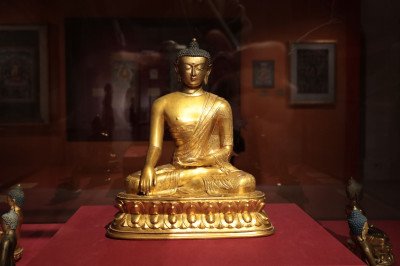 The Sanghol Archaeological Museum, also known as Uchha Pind, is one of the most significant archaeological sites in India, offering a profound journey through five thousand years of human history. Established in 1990, the museum was built to house the staggering volume of artifacts unearthed during excavations that began in the 1960s. The site is a rare archaeological treasure that showcases a continuous sequence of cultures starting from the Late Harappan period through the Kushan, Gupta, and Mughal eras. The museum’s collection is world-renowned, particularly for its Buddhist heritage, including a magnificent stupa complex and over 100 exquisitely carved stone railings and pillars belonging to the Mathura School of Art. Visitors can explore galleries filled with ancient pottery, terra cotta figurines, coins from various dynasties, and jewelry that provide a window into the socio-economic life of ancient Punjab. The museum serves as an educational hub, preserving the legacy of a settlement that was once a thriving trade and religious center on the ancient silk route. Its location atop a high mound (Uchha Pind) adds a layer of mystery and grandeur to the visitor experience, making it a must-visit for history enthusiasts and scholars alike.
@@The Legacy of the Cold Tower: This place is known as the "Cold Tower" because it was designed to stay cool during the scorching summer months. However, the Mughal governor Wazir Khan used it as a prison during the peak of winter. Mata Gujri Ji and her young grandsons were kept here without any blankets or heating. The extreme cold was meant to break their spirit and force them to convert. Instead, it became a symbol of their unwavering faith and mental strength. Today, pilgrims enter this space with heavy hearts and deep respect for the suffering endured here. The structure stands as a witness to the dark days of 1704. It is an essential stop for anyone wishing to understand Sikh resilience.
@@Historical Role: This 17th-century residence, also known as Jahaz Mahal or Jahaz Haveli (Ship Mansion), belonged to Diwan Todar Mal, a wealthy merchant who served as a minister under the Mughal Governor Wazir Khan.: @@Act of Devotion: It is famously associated with the selfless act of Diwan Todar Mal, an Oswal Jain, who risked his position and wealth to purchase the land required for the cremation of the three martyrs, Mata Gujri and the two younger Sahibzadas.: @@Significance: The Haveli is a physical remnant of the area's Mughal era, but its fame in Sikh history is derived from its owner's extraordinary display of faith and human compassion during a time of terror and oppression.:
Known popularly as Jahaj Haveli due to its unique architectural resemblance to a ship, this 17th-century mansion belonged to Diwan Todar Mal. He was a wealthy Jain merchant and a Diwan in the court of Nawab Wazir Khan. In Sikh history, his name is etched in gold for his act of supreme courage and charity. When the younger Sahibzadas and Mata Gujri were martyred, the Nawab refused to give land for their cremation unless the ground was covered with gold coins (Ashrafis) placed vertically. Diwan Todar Mal did not hesitate and spent his entire fortune to buy the small patch of land, making it the most expensive land transaction in history. This haveli, once a grand residence with fountains and a reception area, now stands in ruins as a testament to his sacrifice. After his act of defiance, he and his family had to flee the city to escape the Nawab's wrath, and the haveli fell into decay. Today, the SGPC and the Punjab Government are working to restore the structure. The red Sirhindi bricks and the crumbling arches still whisper stories of the Diwan's nobility. It is a site that bridges the gap between different faiths, showing how humanity transcends religious boundaries. Visitors come here to pay their respects to the man who ensured a dignified farewell for the martyrs. The haveli is located just outside the main city, providing a hauntingly beautiful glimpse into the Mughal-era domestic architecture.Show All
The Tombs of Nabis at Bras represent a fascinating and somewhat mysterious chapter of the religious history of Punjab. The word "Nabi" refers to a prophet or a favorite of Allah, and this site is dedicated to eleven such holy figures. According to local lore and historical excavations, eleven human skeletons of extraordinary size were found at this site, leading to the belief that they belonged to ancient prophets. Subsequently, eleven tombs were constructed on a high, raised platform to honor them. A unique cultural tradition exists in the village of Bras because of this site: the local residents, out of deep respect for the Nabis, do not build double-storied houses or sleep in upper portions, as they believe no one should reside at a height greater than the resting place of the prophets. The site is also historically linked to Sheikh Ahmad Faruqi Sirhindi, who is said to have imparted spiritual knowledge to the villagers here. The atmosphere at Bras is one of profound silence and antiquity, far removed from the modern city life. It is a place where oral traditions, archaeology, and faith converge, making it a unique "offbeat" destination for those looking to explore the deeper, lesser-known spiritual roots of the Fatehgarh Sahib district.
The Sanghol Archaeological Museum, also known as Uchha Pind, is one of the most significant archaeological sites in India, offering a profound journey through five thousand years of human history. Established in 1990, the museum was built to house the staggering volume of artifacts unearthed during excavations that began in the 1960s. The site is a rare archaeological treasure that showcases a continuous sequence of cultures starting from the Late Harappan period through the Kushan, Gupta, and Mughal eras. The museum’s collection is world-renowned, particularly for its Buddhist heritage, including a magnificent stupa complex and over 100 exquisitely carved stone railings and pillars belonging to the Mathura School of Art. Visitors can explore galleries filled with ancient pottery, terra cotta figurines, coins from various dynasties, and jewelry that provide a window into the socio-economic life of ancient Punjab. The museum serves as an educational hub, preserving the legacy of a settlement that was once a thriving trade and religious center on the ancient silk route. Its location atop a high mound (Uchha Pind) adds a layer of mystery and grandeur to the visitor experience, making it a must-visit for history enthusiasts and scholars alike.
@@The Legacy of the Cold Tower: This place is known as the "Cold Tower" because it was designed to stay cool during the scorching summer months. However, the Mughal governor Wazir Khan used it as a prison during the peak of winter. Mata Gujri Ji and her young grandsons were kept here without any blankets or heating. The extreme cold was meant to break their spirit and force them to convert. Instead, it became a symbol of their unwavering faith and mental strength. Today, pilgrims enter this space with heavy hearts and deep respect for the suffering endured here. The structure stands as a witness to the dark days of 1704. It is an essential stop for anyone wishing to understand Sikh resilience.
@@Historical Role: This 17th-century residence, also known as Jahaz Mahal or Jahaz Haveli (Ship Mansion), belonged to Diwan Todar Mal, a wealthy merchant who served as a minister under the Mughal Governor Wazir Khan.: @@Act of Devotion: It is famously associated with the selfless act of Diwan Todar Mal, an Oswal Jain, who risked his position and wealth to purchase the land required for the cremation of the three martyrs, Mata Gujri and the two younger Sahibzadas.: @@Significance: The Haveli is a physical remnant of the area's Mughal era, but its fame in Sikh history is derived from its owner's extraordinary display of faith and human compassion during a time of terror and oppression.:
Known popularly as Jahaj Haveli due to its unique architectural resemblance to a ship, this 17th-century mansion belonged to Diwan Todar Mal. He was a wealthy Jain merchant and a Diwan in the court of Nawab Wazir Khan. In Sikh history, his name is etched in gold for his act of supreme courage and charity. When the younger Sahibzadas and Mata Gujri were martyred, the Nawab refused to give land for their cremation unless the ground was covered with gold coins (Ashrafis) placed vertically. Diwan Todar Mal did not hesitate and spent his entire fortune to buy the small patch of land, making it the most expensive land transaction in history. This haveli, once a grand residence with fountains and a reception area, now stands in ruins as a testament to his sacrifice. After his act of defiance, he and his family had to flee the city to escape the Nawab's wrath, and the haveli fell into decay. Today, the SGPC and the Punjab Government are working to restore the structure. The red Sirhindi bricks and the crumbling arches still whisper stories of the Diwan's nobility. It is a site that bridges the gap between different faiths, showing how humanity transcends religious boundaries. Visitors come here to pay their respects to the man who ensured a dignified farewell for the martyrs. The haveli is located just outside the main city, providing a hauntingly beautiful glimpse into the Mughal-era domestic architecture.Show All
The Tombs of Nabis at Bras represent a fascinating and somewhat mysterious chapter of the religious history of Punjab. The word "Nabi" refers to a prophet or a favorite of Allah, and this site is dedicated to eleven such holy figures. According to local lore and historical excavations, eleven human skeletons of extraordinary size were found at this site, leading to the belief that they belonged to ancient prophets. Subsequently, eleven tombs were constructed on a high, raised platform to honor them. A unique cultural tradition exists in the village of Bras because of this site: the local residents, out of deep respect for the Nabis, do not build double-storied houses or sleep in upper portions, as they believe no one should reside at a height greater than the resting place of the prophets. The site is also historically linked to Sheikh Ahmad Faruqi Sirhindi, who is said to have imparted spiritual knowledge to the villagers here. The atmosphere at Bras is one of profound silence and antiquity, far removed from the modern city life. It is a place where oral traditions, archaeology, and faith converge, making it a unique "offbeat" destination for those looking to explore the deeper, lesser-known spiritual roots of the Fatehgarh Sahib district.Information
-
Why Famous:
Martyrdom Site: The town is famous for the Gurdwara Jyoti Sarup, where the last rites of the younger Sahibzadas were performed. It is a place of deep emotional significance for Sikhs.
Aam Khas Bagh: This Mughal-era garden is famous for its ...Martyrdom Site: The town is famous for the Gurdwara Jyoti Sarup, where the last rites of the younger Sahibzadas were performed. It is a place of deep emotional significance for Sikhs.
Aam Khas Bagh: This Mughal-era garden is famous for its advanced water cooling system and ruins that show the grandeur of Mughal lifestyle and engineering in Punjab. -
How To Reach:
By Air: The closest airport is Chandigarh (50 KM), from where one can easily hire a taxi or take a state bus to reach Fatehgarh Sahib.
By Train: Sirhind Junction is the nearest major railway station, situated on the main Delhi-Amritsar line,...By Air: The closest airport is Chandigarh (50 KM), from where one can easily hire a taxi or take a state bus to reach Fatehgarh Sahib.
By Train: Sirhind Junction is the nearest major railway station, situated on the main Delhi-Amritsar line, with frequent trains connecting to all major cities.
By Road: It is well-connected by National Highway 1, with regular bus services from Ludhiana (45 KM), Patiala (30 KM), and Chandigarh.
By Local Transport: Taxis and auto-rickshaws are readily available for moving between the different historical sites scattered around the town of Sirhind. -
Weather and Best Time to Visit:
Winter Season: October to March is perfect for visiting, especially December if you wish to witness the solemnity of the Shaheedi Jor Mela.
Spring Season: February is beautiful when the gardens are in bloom and the weather is mild, making it...Winter Season: October to March is perfect for visiting, especially December if you wish to witness the solemnity of the Shaheedi Jor Mela.
Spring Season: February is beautiful when the gardens are in bloom and the weather is mild, making it ideal for walking through the archaeological sites.
Evening Visits: The Gurdwara is beautifully illuminated in the evenings, providing a calm and reflective environment for visitors and pilgrims. -
Near Tourist Places:
1. Patiala (30 KM), 2. Ludhiana (45 KM), 3. Chandigarh (45 KM), 4. Sanghol (15 KM), 5. Khanna (12 KM), 6. Ambala (50 KM), 7. Nabha (55 KM), 8. Rupnagar (40 KM), 9. Anandpur Sahib (85 KM), 10. Mandi Gobindgarh (8 KM)
Tourism Tips
-
Health & Safety: The town is very peaceful; visitors should dress respectfully (covering their heads) when entering any Gurdwara or religious site.
Packing Tips: Carry a scarf or handkerchief to cover your head, and remember to remove your ...Health & Safety: The town is very peaceful; visitors should dress respectfully (covering their heads) when entering any Gurdwara or religious site.
Packing Tips: Carry a scarf or handkerchief to cover your head, and remember to remove your shoes before entering the temple premises.
Accommodation: There are several Sarais (inns) run by the Gurdwara committee for pilgrims, along with budget hotels in the nearby town of Sirhind.
Local Food: Don't miss the local Punjabi dhabas on the highway, which serve authentic and delicious North Indian food at very reasonable prices.
Reviews
FAQs
Fatehgarh Sahib Itineray And Cost:-
Other Places In Punjab :-
Other States In India :-
Information about New and Updated Locations() of Punjab Has Been Added :-
Card subtitle
Note:-
Information provided here in good Faith and for reference only.
Near Places
Abohar
Some quick example text to build on the card title and make up the bulk of the card's content.
Go somewhere
Amritsar
Some quick example text to build on the card title and make up the bulk of the card's content.
Go somewhere
Anandpur Sahib
Some quick example text to build on the card title and make up the bulk of the card's content.
Go somewhere
Batala
Some quick example text to build on the card title and make up the bulk of the card's content.
Go somewhere
Bathinda
Some quick example text to build on the card title and make up the bulk of the card's content.
Go somewhere
Faridkot
Some quick example text to build on the card title and make up the bulk of the card's content.
Go somewhere
Fatehgarh Sahib
Some quick example text to build on the card title and make up the bulk of the card's content.
Go somewhere
Fazilka
Some quick example text to build on the card title and make up the bulk of the card's content.
Go somewhere
Firozpur
Some quick example text to build on the card title and make up the bulk of the card's content.
Go somewhere
Gurdaspur
Some quick example text to build on the card title and make up the bulk of the card's content.
Go somewhere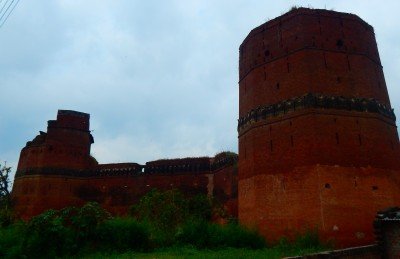
Hoshiarpur
Some quick example text to build on the card title and make up the bulk of the card's content.
Go somewhere
Jalandhar
Some quick example text to build on the card title and make up the bulk of the card's content.
Go somewhere
Kapurthala
Some quick example text to build on the card title and make up the bulk of the card's content.
Go somewhere
Khanna
Some quick example text to build on the card title and make up the bulk of the card's content.
Go somewhere
Ludhiana
Some quick example text to build on the card title and make up the bulk of the card's content.
Go somewhere
Mandi Gobindgarh
Some quick example text to build on the card title and make up the bulk of the card's content.
Go somewherein Other Cities