...

Place To Visit And Things To Do In Hajo

Assam, India
Comprehensive Insight into Hajo: Hajo is an ancient and extremely significant pilgrimage center located on the northern banks of the Brahmaputra River in the Kamrup district of Assam. Located about 24 KM from the city of Guwahati, it is globally renowned for being a unique site where three major wor ld religions—Hinduism, Islam, and Buddhism—coexist in perfect harmony. The town is dotted with numerous ancient temples, mosques, and shrines that date back several centuries, making it a focal point for history enthusiasts and pilgrims alike. The most famous landmark is the Hayagriva Madhava Temple, which is revered by Hindus as a shrine to Lord Vishnu and by Buddhists who believe it to be the site where Lord Buddha attained Parinirvana. Another major site is Powa Mecca, a mosque believed to be built with soil from the holy city of Mecca, holding immense spiritual value for the Muslim community. The name Hajo is shrouded in mythological legends, with some texts suggesting it was the capital of ancient kingdoms. Beyond its religious identity, Hajo is famous for its thriving Bell Metal industry, where local artisans have practiced traditional metal casting for generations. The town's geography is characterized by small hillocks like Monikut, Nilachal, and Garurachal, providing scenic views of the surrounding plains and the river. Visiting Hajo offers a profound look into the syncretic culture of Assam, where people of different faiths share sacred spaces and celebrate festivals together. The atmosphere is thick with the scent of incense and the sound of prayer bells, creating a spiritual aura that is hard to find elsewhere. It serves as a living museum of medieval Assamese history and religious architecture.

Things To Do

Card image cap
Alaboi Hills

Alaboi Hills is a site of immense historical significance located in the Pacharia region near Hajo. It is famously known for the Battle of Alaboi fou...
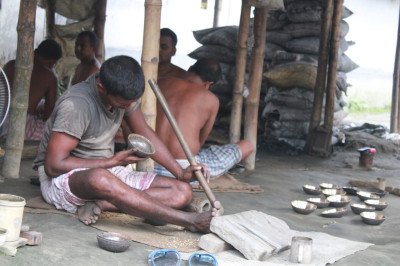
Alaboi Hills is a site of immense historical significance located in the Pacharia region near Hajo. It is famously known for the Battle of Alaboi fought in 1669 between the Ahom Kingdom and the Mughals. This location serves as a silent witness to the bravery of the Assamese soldiers who fought valiantly against the invading forces. Visitors come here to pay their respects to the martyrs and to understand the strategic military history of the Brahmaputra valley. The rolling hills offer a peaceful atmosphere today, contrasting with its violent past. It is an ideal spot for history buffs and those seeking a quiet retreat into nature. The landscape is dotted with greenery and offers a glimpse into the rural life of Assam. Local legends often narrate tales of the fierce 10,000 soldiers who fell in a single day here. This place is not just a hill but a symbol of regional pride and resistance.
Card image cap
Bell Metal Industry Workshop

The Bell Metal Industry Workshop in Kalitakuchi is a living testament to the age-old metal craft tradition of Assam. While Sarthebari is widely known ...
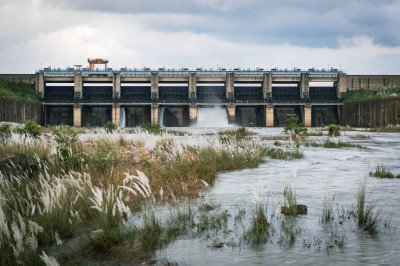
The Bell Metal Industry Workshop in Kalitakuchi is a living testament to the age-old metal craft tradition of Assam. While Sarthebari is widely known as the hub of the bell metal industry, Hajo is particularly noted for its concentration of brass and bell metal cottage industries, historically practiced by communities like the Maria of Muslimpatty. The craft involves creating utensils, artifacts, and ceremonial items from bell metal, an alloy of copper and tin. A visit to this workshop offers a rare glimpse into the arduous, manual process that has remained largely unchanged for centuries. Artisans, often referred to as 'Kahar' or 'Orja', work together in small units, where the sound of continuous hammering is a signature element of the village's ambiance. This hammering shapes the molten alloy into final products like the traditional 'Xorai' (a platter or tray mounted on a base), 'Kahi' (dish), and 'Bati' (bowl). The entire process, from melting the raw materials to the final intricate polishing, is done without modern machinery, emphasizing the high skill and inherited knowledge of the craftsmen. The bell metal products are deeply intertwined with Assamese culture, used in religious ceremonies, festivals like Bihu, and as symbols of honor and hospitality. The industry not only provides a livelihood to numerous families but also preserves a crucial part of Assam's cultural and artistic heritage, making the workshop a significant cultural attraction in Hajo. Tourists and researchers are drawn to the location to witness the traditional technology and the dedication of the artisans. The continuation of this craft in Kalitakuchi highlights Hajo's historical role as a center of learning and culture. The items produced here are heavier and more durable than their machine-made counterparts, valued for their purity, traditional design, and believed medicinal properties. The workshop, therefore, is more than just a production unit; it is a repository of history and traditional metallurgy.
Card image cap
Dampur Pahar View

Dampur Pahar is a breathtaking viewpoint located in the Dampur area of Hajo. This hill offers a panoramic view of the Brahmaputra River and the surro...

Dampur Pahar is a breathtaking viewpoint located in the Dampur area of Hajo. This hill offers a panoramic view of the Brahmaputra River and the surrounding lush green valleys. It is a favorite spot for nature lovers and photography enthusiasts who want to capture the vastness of the river. The hill is relatively easy to climb and provides a refreshing escape from the city noise. During the monsoon, the view of the rising river levels from the top is spectacular. The area is also known for its proximity to local fishing communities. Visitors often come here for weekend picnics and to enjoy the cool breeze that blows from the water. The sunset from Dampur Pahar is considered one of the best in the Hajo region. It is a place where the sky meets the earth in a brilliant display of colors.
Card image cap
Deva Bhavana

Deva Bhavana, also popularly known as the Ganesha Temple, is a pivotal Hindu shrine in the sacred town of Hajo, Assam. Hajo is famous for being a uniq...

Deva Bhavana, also popularly known as the Ganesha Temple, is a pivotal Hindu shrine in the sacred town of Hajo, Assam. Hajo is famous for being a unique confluence of three religions—Hinduism, Buddhism, and Islam—and Deva Bhavana stands as an important element of the Pancha Tirtha, or five sacred sites, in the area. The temple is dedicated to Lord Ganesha, the elephant-headed god revered as the remover of obstacles. The existing structure was constructed by the Ahom King Pramatta Singha in 1744 AD. However, the temple's history is much older, as it is built around a colossal, naturally formed rock that strikingly resembles a reclining elephant. A large image of Lord Ganesha has been carved out of this elephant-shaped rock, making the idol and the temple itself unique in its composition and form. The name Deva Bhavana literally translates to "House of Gods" or "Abode of Deities." According to ancient local legends and traditions, this spot was historically considered the meeting place for all the Hindu deities of the region on special occasions, thus cementing its spiritual significance as a central hub for divine consultation. Visiting Deva Bhavana is often considered the traditional starting point for a pilgrimage to the other temples in Hajo, emphasizing its importance in the local religious hierarchy. The peaceful and serene environment of the temple complex offers a tranquil retreat for devotees and tourists alike. The simplicity of its architecture, combined with the profound religious belief associated with it, makes Deva Bhavana a fascinating spot. It is a place where history, folklore, and devotion intertwine, giving visitors a deep sense of the ancient spiritual heritage of Assam. The temple is situated in a slightly more level area compared to the hilltop temples like Hayagriva Madhava and Kedareswar, making it easily accessible for all visitors. This shrine is a proud testament to the royal patronage of the Ahom dynasty and the enduring religious practices of the region.
Card image cap
Dhoparguri Satra

The Dhoparguri Satra is a deeply revered socio-religious and cultural institution in Hajo, founded in 1587 A.D. by Mahapurusha Madhavdeva, the greates...

The Dhoparguri Satra is a deeply revered socio-religious and cultural institution in Hajo, founded in 1587 A.D. by Mahapurusha Madhavdeva, the greatest disciple of the 15th-16th century Assamese saint and reformer Srimanta Sankardeva. The Satra is a monastic center dedicated to the Ekasarana Dharma (Neo-Vaishnavism) tradition of Assam. It represents the spiritual and cultural legacy of Madhavdeva and his teacher, playing a crucial role in disseminating the Vaishnavite philosophy in the region. Unlike some other religious sites in Hajo which represent a confluence of multiple faiths, Dhoparguri Satra is specifically known as the sole major Vaishnavite religious attraction in the town, strictly adhering to the principles established by Srimanta Sankardeva. The Satra was initially quite small, reportedly starting as a three-room structure, but has expanded over the centuries to include various holy spots like Gokrana, Vikrana, and Swargdwar, signifying different sacred elements of the belief system. It was established with Lakshmikanta as its first Acharya (head preceptor). The main place of worship within the Satra is the Namghar, a communal prayer hall. The philosophy promoted here emphasizes devotion (Bhakti) to a single God, Lord Krishna (often referred to as Madhava or Vishnu), through the chanting of His name (Naam), and the performance of religious drama and music (Bhaona and Ankiya Naat). The Satra serves not just as a religious center but also as a hub for traditional Assamese art, music, and social harmony, attracting thousands of devotees annually, especially from Assam and neighboring states.
Card image cap
Dimu

Dimu is a charming locality situated near Hajo that is known for its rural beauty and cultural roots. It serves as a bridge between the traditional l...

Dimu is a charming locality situated near Hajo that is known for its rural beauty and cultural roots. It serves as a bridge between the traditional lifestyles of Kamrup and the modernizing fringes of the district. The area is characterized by vast paddy fields, small water bodies, and a very peaceful village atmosphere. Visitors often pass through Dimu while traveling to other major shrines in Hajo, but it is a destination in itself for those who love "slow travel." The local people are very hospitable and deeply connected to their traditional Assamese customs. Dimu is also known for its small local markets where fresh organic produce is sold. The landscape changes beautifully with the seasons, from the bright green of the planting season to the golden hues of harvest. It offers a soul-soothing experience for those tired of urban congestion.
Card image cap
Ganesh Bigrah Temple

The Ganesh Bigrah Temple in Hajo is a unique and ancient shrine dedicated to Lord Ganesha. It is situated at the foot of the Madanachal Hill, very cl...
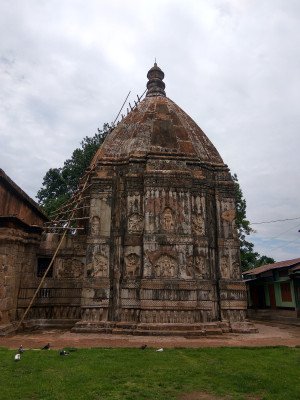
The Ganesh Bigrah Temple in Hajo is a unique and ancient shrine dedicated to Lord Ganesha. It is situated at the foot of the Madanachal Hill, very close to the Kedareswara Temple. The main deity is not a separate idol but is carved directly onto a massive natural boulder. This "Bigrah" or image is believed to have manifested naturally, and the temple was built around it. The temple is a significant part of the five main pilgrimage sites in Hajo. It attracts devotees from all over the state, especially during auspicious days. The atmosphere is filled with the scent of incense and the sound of bells. The temple complex is surrounded by large trees, providing a cool and shaded environment for prayer. It is an essential stop for anyone performing the full pilgrimage circuit of Hajo. The simplicity of the temple adds to its spiritual power and ancient charm.
Card image cap
Hayagriva Madhava Temple

The Hayagriva Madhava Temple is a highly revered Hindu shrine located on the beautiful Manikut Hill in the town of Hajo, Assam. Dedicated to Lord Vish...

The Hayagriva Madhava Temple is a highly revered Hindu shrine located on the beautiful Manikut Hill in the town of Hajo, Assam. Dedicated to Lord Vishnu in his unique form of Hayagriva (the horse-headed deity, a symbol of knowledge and wisdom), the temple is a significant pilgrimage center for Hindus, particularly Vaishnavites, and holds immense spiritual importance for Buddhists as well. The current magnificent stone structure was constructed in 1583 AD by the Koch King Raghudeva Narayan, replacing an earlier temple that possibly dated back to the 6th or 10th-11th centuries under the Pala dynasty. This layered history makes it a fascinating site for archaeologists and historians. The main deity, the image of Hayagriva Madhava, is often likened to the idol of Lord Jagannath in Puri, Odisha, reinforcing its status as a major regional pilgrimage site. The syncretic nature of the temple is one of its defining features. For Hindus, it is a key Vaishnavite centre. For Buddhists from countries like Tibet and Bhutan, it is believed to be the spot where the Buddha attained Mahaparinirvana (Nirvana), and they often worship the main idol as a form of the Buddha. This peaceful coexistence of faiths on a single hilltop is a powerful testament to the region's cultural harmony. The temple complex includes a staircase leading up the hill, providing panoramic views of the surrounding landscape and the town of Hajo. At the base of the hill is the ancient Madhab Pukhuri (pond), home to a population of massive, sacred, and protected freshwater turtles. The temple's overall serene atmosphere, combined with its historical depth and architectural grandeur, makes it one of the most prominent spiritual destinations in North-East India.
Card image cap
Joy Durga Temple

The Joy Durga Temple is a revered Hindu temple dedicated to Goddess Durga, the manifestation of supreme energy and power, often depicted with ten arms...

The Joy Durga Temple is a revered Hindu temple dedicated to Goddess Durga, the manifestation of supreme energy and power, often depicted with ten arms. It stands as a significant religious landmark within the spiritual confluence of Hajo. The temple's construction is attributed to the powerful Ahom King Lakshminath Singha around the year 1774 A.D., which places it in the late medieval period of Assamese history. The primary deity housed within the sanctum sanctorum is a beautiful, striking stone image of Goddess Durga with ten arms, positioned on her altar. This ten-armed form is known as Mahishasuramardini or Dashabhuja Durga, the slayer of the buffalo demon. The temple is one of the important shrines that form part of the larger religious landscape of Hajo, which is often referred to as Panchatirtha (Five Pilgrimage Sites), although the term sometimes primarily refers to the Vaishnavite and Shaivite temples. The temple's establishment under the Ahom patronage highlights the continued tradition of Shaktism (worship of the Mother Goddess) in the region alongside Vaishnavism and Shaivism. Devotees visit the temple throughout the year to seek the blessings of the fierce yet compassionate Mother Goddess. The atmosphere around the temple is typically peaceful and pious, offering a sense of spiritual tranquility amidst the daily rituals and prayers. The structural integrity and the maintenance of the temple over centuries reflect its deep cultural and religious importance to the people of Assam.
Card image cap
Kalitakuchi

Kalitakuchi is a serene and historically significant village area nestled within the Hajo region of Assam. Unlike the nearby major pilgrimage sites li...

Kalitakuchi is a serene and historically significant village area nestled within the Hajo region of Assam. Unlike the nearby major pilgrimage sites like the Hayagriva Madhava Temple or Powa Mecca, Kalitakuchi is celebrated not for a single monument but for its tranquil, rustic environment that perfectly captures the essence of rural Assamese life. The name itself suggests a locality, and it's a prominent area on local maps and in the hearts of people who appreciate the unspoiled beauty of the region. The village is located in the Borni area, making it an excellent spot for those looking to experience the authentic Assamese countryside. The entire landscape is characterized by lush greenery, widespread paddy fields, and traditional Assamese-style homes (Assamese Xosa). The atmosphere here is a stark contrast to the bustle of the nearby town or the city of Guwahati. It is a place where time seems to slow down, allowing visitors to connect with nature and the local culture. Its proximity to the Brahmaputra River belt suggests it may also be considered a riverine viewpoint or a gateway to exploring the local water bodies, known as Beels, which are crucial to the region’s ecology. The area around Kalitakuchi has historically been a settlement of great importance due to its strategic location in the Kamrup district, which has always been a center for culture and trade. Local traditions, simple lifestyles, and the warm hospitality of the villagers define the experience. It serves as an ideal retreat for those seeking peace and a glimpse into the unadulterated rural life of Assam. Visitors often come here to enjoy the quietude and the vibrant green backdrop, particularly after the monsoon season when the fields are at their most brilliant. The importance of the area lies in its representation of the cultural and agricultural heritage of Hajo, forming a vital part of the district's social fabric.
Card image cap
Kalitakuchi Hajo

Kalitakuchi is a scenic village near Hajo that serves as a cornerstone of Assamese rural craftsmanship and serene riverine landscapes. It is primaril...
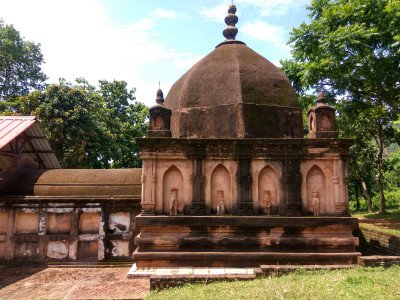
Kalitakuchi is a scenic village near Hajo that serves as a cornerstone of Assamese rural craftsmanship and serene riverine landscapes. It is primarily known for its thriving traditional industries where generations of artisans have perfected the art of bell metal work and silk weaving. The village offers a deep dive into the authentic soul of Assam, away from the commercial noise of the cities. Visitors can witness the rhythmic sound of hammers shaping glowing metal and the delicate clatter of handlooms weaving golden Muga silk. The proximity to the Brahmaputra river adds a layer of natural beauty to the industrial charm of the village. It is a place where time seems to slow down, allowing for a genuine connection with the local community and their ancient skills. The lush greenery surrounding the village provides a perfect backdrop for a peaceful day trip. Historically, this region has been part of the vital trade routes of ancient Kamrup. Today, it stands as a living museum of heritage and hard work.
Card image cap
Kamesware Temple

The Kamesware Temple is an ancient and highly revered Hindu shrine in Hajo, dedicated to Lord Shiva. It is believed to have been constructed during th...

The Kamesware Temple is an ancient and highly revered Hindu shrine in Hajo, dedicated to Lord Shiva. It is believed to have been constructed during the reign of the powerful Ahom King Pramatta Singha in 1744 CE. While originally a Shiva temple, it is also associated with Lord Ganesha as it enshrines a giant, elephant-shaped natural rock figure of the deity, which is one of the temple's most unique features. The temple is a fine example of the archaeological beauty and the late medieval architectural style of Assam. Located on the Madanchala hill, the temple offers a serene and peaceful environment, providing visitors with a beautiful view of the surrounding countryside. Its religious and historical significance draws pilgrims and tourists alike. The presence of both Lord Shiva (the main deity, with a Shivlinga that reportedly resembles the one at Kedarnath) and the elephant-shaped Ganesha idol highlights the blend of different Hindu traditions within the complex. It stands as a testament to the cultural patronage of the Ahom rulers in the region. The temple is one of the many ancient sites in Hajo, a town famous for being a confluence of multiple religions. The tranquil setting and historical depth make a visit to Kamesware Temple a spiritually enriching experience.
Card image cap
Kanai Barashi Rock Inscription

The Kanai Barashi Rock Inscription is one of the most significant archaeological sites in Assam, providing a stone-etched window into the medieval hi...

The Kanai Barashi Rock Inscription is one of the most significant archaeological sites in Assam, providing a stone-etched window into the medieval history of the region. Located on the northern bank of the Brahmaputra, these inscriptions date back to the 13th century and 17th century. The most famous among them records the defeat of the Turkish invader Muhammad-i-Bakhtiyar in 1206 AD by the King of Kamarupa. This site is not just a historical marker but also a linguistic treasure, as it contains some of the earliest specimens of the Assamese script. The boulders are situated in a serene environment, overlooking the mighty river, making it a place of both intellectual and aesthetic interest. For history buffs, it represents the resilience of the ancient Kamarupa kingdom against foreign invasions. The inscriptions are written in a mix of Sanskrit and early Assamese, providing vital clues to the evolution of the regional language. Despite its immense value, the site remains relatively quiet, offering a meditative atmosphere for those who visit. It is protected by the State Archaeology Department.
Card image cap
Kaziranga National Park

Kaziranga National Park is a UNESCO World Heritage Site and the crown jewel of India's wildlife conservation efforts. While located a few hours' driv...

Kaziranga National Park is a UNESCO World Heritage Site and the crown jewel of India's wildlife conservation efforts. While located a few hours' drive from Hajo, it is the most significant destination for any traveler visiting the region. Spanning across the floodplains of the Brahmaputra river, it is home to two-thirds of the world's great one-horned rhinoceros population. The park is a tapestry of tall elephant grass, marshlands, and dense tropical moist broadleaf forests. Beyond the rhino, it hosts a high density of tigers, though they are elusive. It is also a sanctuary for wild water buffalo, swamp deer, and elephants. Birdwatchers find it a paradise with hundreds of species including the Great Indian Hornbill. The park's success story in poaching prevention is celebrated globally. Visiting Kaziranga is not just a safari; it is an immersive experience in a prehistoric landscape that has remained largely unchanged. The conservation efforts here involve a deep synergy between the forest department and local communities. A trip here is essential to understand the biological diversity of Assam.
Card image cap
Kedareswar Temple

Kedareswar Temple, situated atop the Madanachala Hill, is one of the most revered Shiva temples in Assam and forms part of the "Pancha Tirtha" of Haj...
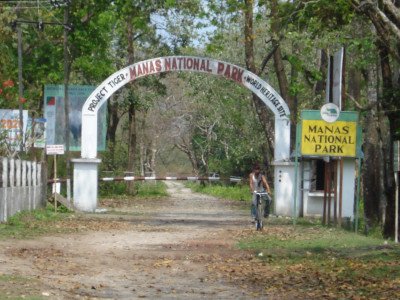
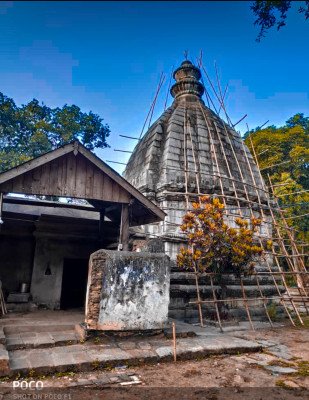
Kedareswar Temple, situated atop the Madanachala Hill, is one of the most revered Shiva temples in Assam and forms part of the "Pancha Tirtha" of Hajo. The temple is dedicated to Lord Shiva and is famous for enshrining a massive stone Shivalinga known as the "Swayambhu Linga" (self-manifested). Legend has it that the Linga is in the form of 'Ardhanarishwara' (half male, half female). The temple's location provides a panoramic view of the surrounding plains and the Brahmaputra river in the distance. Historically, it was rebuilt by the Ahom King Rajeswar Singha in 1753 after the original structure suffered damage. The atmosphere is deeply spiritual, filled with the scent of incense and the sound of temple bells. Devotees from across the country climb the stone steps to seek blessings. The temple is not only a religious site but also an architectural marvel that showcases the fusion of medieval Assamese and North Indian temple styles. It is a place where history, faith, and nature converge seamlessly.
Card image cap
Manas National Park

Manas National Park is a premier wildlife destination situated at the foothills of the Eastern Himalayas in Assam. Spanning approximately 950 SQ KM, ...
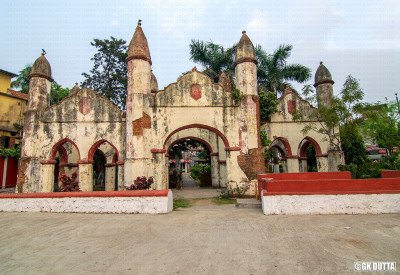
Manas National Park is a premier wildlife destination situated at the foothills of the Eastern Himalayas in Assam. Spanning approximately 950 SQ KM, this UNESCO World Heritage Site is famous for its unique landscape consisting of tropical evergreen forests and alluvial grasslands. The park is a critical habitat for endangered species like the Pygmy Hog, Golden Langur, and Hispid Hare. Flowing through the heart of the park is the Manas River, which also marks the international boundary between India and Bhutan. Visitors are treated to a stunning view of the Bhutan Hills in the background, creating a picturesque wilderness setting that is hard to find elsewhere. The park serves as a Tiger Reserve, Elephant Reserve, and Biosphere Reserve, ensuring the protection of the Big Five of Manas. Its vast savannahs and dense riverine forests provide a sanctuary for over 450 species of birds, making it a haven for ornithologists. The history of the park dates back to its days as a royal hunting ground for the Cooch Behar family. Today, it stands as a symbol of conservation success, having recovered from periods of civil unrest to become a thriving ecosystem. The tranquility of the park and its less commercialized atmosphere offer an authentic experience of the wild. Whether it is the sighting of a One-Horned Rhino or the sound of the Great Hornbill, Manas never fails to amaze.
Card image cap
Northbrook Gate

Northbrook Gate is a historic colonial monument located on the banks of the Brahmaputra River in Guwahati. Built in 1874, it was constructed to welco...
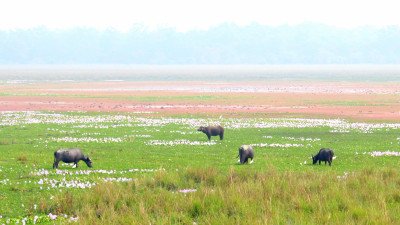
Northbrook Gate is a historic colonial monument located on the banks of the Brahmaputra River in Guwahati. Built in 1874, it was constructed to welcome Lord Northbrook, the then Viceroy of India, during his visit to the city. The gate is a unique example of Indo-Gothic architecture and is the only surviving brick structure of its kind from the colonial era in Assam. It is strategically placed near Sukreswar Ghat, the point where the Viceroy’s ship anchored after traveling from Calcutta. Historically, it has also been a witness to the visit of Lord Curzon in 1900 and was the site where the ashes of Mahatma Gandhi were kept before their immersion in the river. The structure stands as a silent sentinel to the city's transformation over the last century. Despite facing years of neglect, it has been restored to its former glory by the Archaeological Survey of India. The gate is surrounded by a small park, making it a peaceful spot amidst the bustling Panbazar area. Its red brick facade and elegant arches offer a stark contrast to the modern buildings nearby. For history buffs, it serves as a portal into the administrative past of the British Raj in Northeast India. The proximity to the river adds a scenic charm, especially during the evening hours.
Card image cap
Pobitora Wildlife Sanctuary

Pobitora Wildlife Sanctuary is a small but incredibly significant wildlife reserve located in the Morigaon district of Assam. It is world-famous for ...
Pobitora Wildlife Sanctuary is a small but incredibly significant wildlife reserve located in the Morigaon district of Assam. It is world-famous for having the highest density of the Greater One-Horned Rhinoceros on the planet. Covering an area of only 38.8 SQ KM, it provides a more intimate wildlife experience compared to the larger Kaziranga. The sanctuary is situated in the floodplains of the Brahmaputra River, which results in a rich landscape of marshes, grasslands, and water bodies. This habitat is not only perfect for rhinos but also supports a large population of Asiatic Water Buffaloes, Wild Boars, and Leopards. For bird lovers, Pobitora is often called the 'Bharatpur of the East' because it attracts thousands of migratory birds during the winter months. The sanctuary is adjacent to the village of Mayong, which is historically known as the cradle of black magic in India. This adds a layer of mystery and intrigue to a visit to Pobitora. The forest department manages both jeep and elephant safaris, allowing tourists to get very close to the rhinos in their natural habitat. The small size of the park almost guarantees a rhino sighting within the first few minutes of the safari. It serves as an excellent day-trip destination from Guwahati or Hajo. The conservation efforts here by the local community and forest officials have seen the rhino population grow steadily over the years.
Card image cap
Powa Mecca

Powa Mecca is a revered Muslim pilgrimage site situated atop the Garurachal Hill in Hajo, Assam. The name itself, where 'Powa' (or 'Poa') translates t...

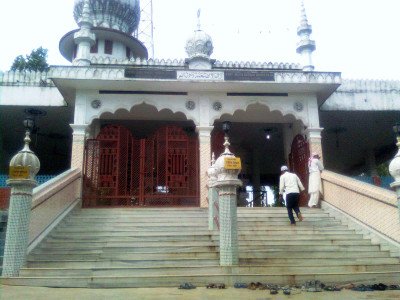
Powa Mecca is a revered Muslim pilgrimage site situated atop the Garurachal Hill in Hajo, Assam. The name itself, where 'Powa' (or 'Poa') translates to one-fourth in Assamese, signifies its spiritual importance: it is widely believed that offering prayers here confers one-fourth of the spiritual merit obtained from a pilgrimage to the holy city of Mecca in Saudi Arabia. This sanctity stems from the belief that the mosque was constructed using soil brought directly from Mecca. The site is primarily the burial place (tomb) of the revered Muslim preacher, Pir Giasuddin Auliya, who is credited as the pioneer of Islam in this region of Northeast India. The present mosque structure was built in 1657 AD by Mir Lutfullah-i-Shiraji (or Sujauddin Mohammed Shah in some accounts) during the reign of the famous Mughal Emperor Shah Jahan. The location directly overlooks the famous Hayagriva Madhava Temple, emphasizing Hajo's unique confluence of different faiths—Hinduism, Buddhism, and Islam—in one spiritual town. It's a place where devotees from all communities visit, highlighting the spirit of communal harmony prevalent in Assam. The mosque's historical significance and its association with Pir Giasuddin Auliya make it a focal point for Muslim pilgrims across Assam and the entire region, especially during religious festivals and the full moon day of the Assamese month of Jaistha when Hindu pilgrims also visit the nearby temples. The tranquility and the historical narrative associated with the soil of Mecca make it an essential stop for both religious seekers and history enthusiasts exploring Hajo.
Card image cap
Powa Mecca Mosque

@@Powa Mecca Mosque Details: Powa Mecca Mosque is a highly revered Islamic shrine situated atop the scenic Garurachal Hill in the historic town of Haj...

@@Powa Mecca Mosque Details: Powa Mecca Mosque is a highly revered Islamic shrine situated atop the scenic Garurachal Hill in the historic town of Hajo. The name "Powa" literally translates to "one-fourth" in the local Assamese language, and it is widely believed that by visiting this sacred mosque, a devotee gains one-fourth of the spiritual merit or blessings associated with a pilgrimage to the holy city of Mecca in Saudi Arabia. This belief stems from the fascinating legend that the foundation of the mosque was laid using a handful of soil brought specifically from Mecca itself. The site serves as the final resting place of the esteemed Sufi saint, Pir Giasuddin Aulia, who is credited with being a pioneer in spreading the message of Islam across this region of Northeast India. Built in 1657 AD during the illustrious reign of the Mughal Emperor Shahjahan, the mosque stands as a testament to the religious harmony and cultural synthesis that defines the state of Assam. Thousands of pilgrims, belonging to various faiths including Islam and Hinduism, climb the hill throughout the year to offer their prayers and seek divine blessings at this tranquil sanctuary. The atmosphere at the top of the hill is incredibly peaceful, providing a perfect escape from the hustle and bustle of city life. From the courtyard of the mosque, visitors are treated to a breathtaking panoramic view of the surrounding lush green landscape and the winding Brahmaputra River. The mosque is not just a place of worship but also a significant historical monument that showcases the architectural prowess of the Mughal era in the eastern part of India. The trek up the hill, while moderately steep, is an experience in itself, with well-paved paths and the chirping of birds accompanying the pilgrims on their spiritual journey. It remains a cornerstone of the multi-religious identity of Hajo, standing alongside ancient temples and Buddhist sites.
Card image cap
Ramdia Gate

@@Ramdia Gate Details: Ramdia Gate is a significant historical and cultural landmark located at the threshold of the vibrant village of Ramdia, which ...

@@Ramdia Gate Details: Ramdia Gate is a significant historical and cultural landmark located at the threshold of the vibrant village of Ramdia, which is situated very close to the ancient pilgrimage town of Hajo. This gate serves as a symbolic entry point to a community that has been the heart of the traditional silk weaving and bell-metal industries in Assam for generations. While the gate itself may appear as a simple structure to the casual observer, it holds immense pride for the local residents as it represents the gateway to a village known for its skilled artisans and deep-rooted heritage. The village of Ramdia is often visited by tourists who are exploring the religious circuit of Hajo, as it offers a glimpse into the rural life and traditional crafts of the Assamese people. Historically, the area around the gate has seen the passage of many travelers and scholars who came to study the unique cultural blend of the region. The gate stands as a silent witness to the evolution of the village from a quiet agrarian settlement to a bustling center of craft and commerce. Visitors passing through this gate are immediately greeted by the rhythmic sound of handlooms, as almost every household in the village is involved in the meticulous art of weaving Muga and Pat silk. The area surrounding the gate is often used for local gatherings and small markets where artisans display their exquisite creations. For those interested in the history of the Kamrup district, the Ramdia Gate acts as a starting point for a journey into the soul of rural Assam. It is a place where the past and present coexist, and the warm hospitality of the villagers begins right from this landmark. Exploring the vicinity of the gate allows travelers to see the intricate work of bell-metal workers who create traditional utensils and religious artifacts that are sold across the state. The gate is not just a physical barrier but a cultural icon that invites people to experience the authentic traditions and lifestyle of the local community.
Card image cap
Saraighat Bridge

@@Saraighat Bridge Details: The Saraighat Bridge is an iconic double-decker rail-cum-road bridge that spans the mighty Brahmaputra River, serving as a...
@@Saraighat Bridge Details: The Saraighat Bridge is an iconic double-decker rail-cum-road bridge that spans the mighty Brahmaputra River, serving as a vital link between the northeastern states and the rest of mainland India. Inaugurated in the year 1963 by the then Prime Minister of India, Pandit Jawaharlal Nehru, the bridge is a masterpiece of modern engineering and a symbol of regional connectivity. It was the very first bridge to be built across the Brahmaputra River, which is known for its massive width and unpredictable currents. The bridge holds significant historical value as it is named after the historic Battle of Saraighat fought in 1671, where the Ahom General Lachit Borphukan successfully defended the region against the invading Mughal forces. The bridge consists of two levels; the lower deck is dedicated to a railway track, while the upper deck features a two-lane roadway for vehicular traffic. For many travelers entering the Northeast by train or road, the sight of the Saraighat Bridge is the first true welcome to the majestic beauty of Assam. The view from the bridge, especially during sunrise or sunset, is absolutely spectacular, offering a wide perspective of the shimmering river waters and the distant hills. Over the decades, it has stood as a resilient structure, weathering numerous monsoons and high-intensity floods. Due to its strategic and economic importance, it is often referred to as the "lifeline" of the Northeast. In recent years, a second bridge, known as the New Saraighat Bridge, has been constructed alongside the old one to ease the heavy traffic flow. However, the original Saraighat Bridge remains the most beloved landmark for the locals, carrying with it the stories of bravery and progress. It is not just a piece of infrastructure but a monument of national pride that showcases the capability of Indian engineers in the early years of independence. A walk or a slow drive across the bridge provides a sense of the sheer scale of the Brahmaputra, making it a must-visit spot for anyone traveling between Guwahati and Hajo.
Card image cap
Shri Kedar Temple

The Kedareswar Temple, also called Shri Kedar Temple, is a revered medieval Hindu shrine dedicated to Lord Shiva. It stands majestically atop the Mada...

The Kedareswar Temple, also called Shri Kedar Temple, is a revered medieval Hindu shrine dedicated to Lord Shiva. It stands majestically atop the Madanachala Hill in the ancient pilgrimage town of Hajo, Assam. The current structure was primarily built by the famous Ahom King Rajeswar Singha in 1753 AD. This temple is considered one of the most important historical and religious sites in the region. Its greatest significance lies in its central object of worship: the Shivalinga. This Linga is a Swayambhu, meaning it is self-manifested or self-originated, not crafted by human hands, making it exceptionally sacred. Furthermore, this Swayambhu Linga is unique because it is believed to represent the Ardhanariswara form of Lord Shiva, which is a composite form of Shiva and his consort Parvati, symbolizing the union of male and female energies (Shiva and Shakti). This unique characteristic attracts pilgrims and devotees from across India, especially during festivals like Mahashivaratri. Hajo itself is an ancient, secular town where Hindu, Buddhist, and Muslim shrines coexist peacefully, highlighting a beautiful cultural blend in Assam's history. The temple's location on the hill offers a peaceful, spiritual retreat with a stunning panoramic view of the surrounding plains and the Brahmaputra valley. Its serene simplicity, combined with its profound spiritual and historical importance, makes it a must-visit for both pilgrims and history enthusiasts. The temple continues to be an active center for daily worship and rituals, upholding the rich spiritual legacy of the Ahom era and the greater Hindu faith in the Northeast. (400 words)
Show All

Note:-

Information provided here in good Faith and for reference only.

All information and pictures will be updated soon, please keep visiting.

Near Places
...
Agnigarh

Some quick example text to build on the card title and make up the bulk of the card's content.

Go somewhere
...
Barpeta

Some quick example text to build on the card title and make up the bulk of the card's content.

Go somewhere
...
Bhalukpong

Some quick example text to build on the card title and make up the bulk of the card's content.

Go somewhere
...
Dibrugarh

Some quick example text to build on the card title and make up the bulk of the card's content.

Go somewhere
...
Digboi

Some quick example text to build on the card title and make up the bulk of the card's content.

Go somewhere
...
Diphu

Some quick example text to build on the card title and make up the bulk of the card's content.

Go somewhere
...
Dispur

Some quick example text to build on the card title and make up the bulk of the card's content.

Go somewhere
...
Exploring Guwahati

Some quick example text to build on the card title and make up the bulk of the card's content.

Go somewhere
...
Goalpara

Some quick example text to build on the card title and make up the bulk of the card's content.

Go somewhere
...
Guwahati

Some quick example text to build on the card title and make up the bulk of the card's content.

Go somewhere
in Other Cities