
...

Place To Visit And Things To Do In Junagadh

Gujarat, India
Junagadh, literally meaning "Old Fort," is a historically rich city in Gujarat, nestled at the foot of the sacred Girnar Hills. It boasts a captivating blend of ancient history, diverse architecture, and spiritual significance. From the ancient rock edicts of Emperor Ashoka to grand mausoleums of t he Nawabs, Junagadh has been ruled by various empires and dynasties, each leaving an indelible mark on its landscape. It served as the capital of the princely state of Junagadh and is famous for its intricate historical monuments, vibrant bazaars, and its proximity to the Gir National Park, the last abode of the Asiatic Lion. The city's cultural tapestry is woven with threads of Hindu, Buddhist, Jain, and Muslim heritage, offering a unique journey through time.

Things To Do

Card image cap
Ayurvedic College and Hospital

Junagadh, with its ancient roots and connection to traditional practices, is also home to an Ayurvedic College and Hospital. Ayurveda, an ancient Ind...

Junagadh, with its ancient roots and connection to traditional practices, is also home to an Ayurvedic College and Hospital. Ayurveda, an ancient Indian system of medicine, is a holistic healing science that emphasizes balancing the body, mind, and spirit for overall well-being. The presence of an Ayurvedic college and hospital in Junagadh signifies the city's commitment to preserving and promoting this traditional healing system, alongside modern healthcare. These institutions typically serve a dual purpose: education and treatment. The college trains future Ayurvedic practitioners (Vaidyas), offering academic programs that delve into the vast knowledge base of Ayurvedic texts, herbal medicine, diagnostic methods, and therapeutic procedures. The hospital, on the other hand, provides Ayurvedic healthcare services to the public. It offers a range of treatments, including Panchakarma (detoxification therapies), herbal remedies, dietary recommendations, and lifestyle counseling, all based on Ayurvedic principles. Patients from various ailments seek natural and holistic approaches to their health. The environment in such hospitals is often designed to be calming and conducive to healing, emphasizing natural elements and a serene atmosphere. They often have herb gardens on their premises, cultivating various medicinal plants used in Ayurvedic formulations. Visiting an Ayurvedic college and hospital in Junagadh can be an insightful experience for those interested in alternative medicine, traditional Indian healing practices, and holistic health. While not a typical tourist attraction, it offers a glimpse into a profound aspect of Indian culture and provides an opportunity to learn about ancient wisdom applied to modern health challenges. It can also serve as a resource for those seeking authentic Ayurvedic treatments or consultations.
Card image cap
Bhavnath Mahadev Temple

The Bhavnath Mahadev Temple is a revered ancient Hindu temple dedicated to Lord Shiva, strategically located at the foothills of the majestic Girnar ...

The Bhavnath Mahadev Temple is a revered ancient Hindu temple dedicated to Lord Shiva, strategically located at the foothills of the majestic Girnar Hills, near the sacred Damodar Kund. This temple is not just a place of worship but a focal point for one of Gujarat's most unique and vibrant annual festivals, the Maha Shivratri Mela. The temple's serene setting, surrounded by the natural beauty of the Girnar forests, adds to its spiritual allure. While the exact origins of the temple are shrouded in antiquity, it is believed to be very old and has been a site of continuous worship for centuries. The architecture is traditional, reflecting the local style of temple construction. The main deity, a Shiva Lingam, is housed in the sanctum sanctorum, drawing thousands of devotees who come to offer prayers and seek blessings from Lord Shiva. The temple complex is usually well-maintained, offering a peaceful environment for spiritual contemplation. However, the temple truly comes alive during the Maha Shivratri Mela, a grand five-day festival held annually in the Hindu month of Magha (usually February or March). This festival is particularly famous for the procession of the Naga Sadhus (naked ascetics), who arrive at the temple from various parts of India. They bathe in the sacred Mrigi Kund (a small pool near the temple, believed to have purifying powers) before proceeding to the temple for the midnight maha puja (grand worship) on the night of Shivratri. The mela attracts a huge number of pilgrims, tourists, and cultural enthusiasts who come to witness this extraordinary spectacle and experience the unique spiritual fervor. The Bhavnath Mahadev Temple, thus, represents a significant blend of religious tradition, ascetic practices, and vibrant cultural celebration, making it a powerful spiritual landmark in Junagadh.
Card image cap
Buddhist Caves

@@The Junagadh Buddhist Cave Groups are not natural caverns but sophisticated rock-cut structures dating back to the 2nd century BCE. These caves are ...

@@The Junagadh Buddhist Cave Groups are not natural caverns but sophisticated rock-cut structures dating back to the 2nd century BCE. These caves are divided into three distinct groups: the Khapra Kodiya Caves, the Baba Pyare Caves, and the most famous Upperkot Caves. Carved during the reign of Emperor Ashoka and the Satavahanas, they served as monasteries (Viharas) and prayer halls (Chaityas) for Buddhist monks. The Upperkot group is particularly impressive, featuring a two-story structure with deep water tanks and beautifully carved pillars. The architecture reflects a transition from simple rock shelters to elaborate monastic complexes. These caves were strategically located near the ancient trade routes, making Junagadh a center for Buddhist learning and culture. The walls of the caves still bear faint inscriptions and decorative motifs that provide insights into the life of monks two millennia ago. Walking through these cool, shaded chambers offers a stark contrast to the bustling city outside. The caves are a testament to the religious tolerance of the region, where Buddhism once flourished alongside Hinduism and Jainism. They are an essential stop for anyone interested in archaeology and the ancient history of Western India.
Card image cap
Darbar Hall Museum

@@The Darbar Hall Museum is a grand repository of the 19th-century Nawabs' treasures, housed within the historic Taj Manzil building. This museum serv...

@@The Darbar Hall Museum is a grand repository of the 19th-century Nawabs' treasures, housed within the historic Taj Manzil building. This museum serves as a time capsule, preserving the opulent lifestyle of the Babi rulers who once governed the princely state of Junagadh. It exhibits approximately 2,900 artifacts, ranging from silver thrones and diamond-woven carpets to royal palanquins and howdahs. The museum is renowned for its vast collection of paintings, including a peculiar gallery dedicated to the last Nawab’s numerous pet dogs. Each room tells a story of the cultural fusion between Indian traditions and European influences that defined the era. Visitors can witness the "Darbar" or court setting, where the kings held their official meetings with high-ranking officials. The museum is a must-visit for history enthusiasts who wish to delve into the pre-independence royalty of Gujarat. It provides a comprehensive look at the weaponry, costumes, and daily objects used by the royal family, reflecting the wealth and artistic taste of the Nawabs. The museum is centrally located, making it an easy stop for tourists exploring the heart of the city.
Card image cap
Dataar Hills (Datar Tekri)

Dataar Hills, also known as Datar Tekri, is a significant spiritual site near Junagadh, renowned for its association with the Sufi saint Jamialshah D...

Dataar Hills, also known as Datar Tekri, is a significant spiritual site near Junagadh, renowned for its association with the Sufi saint Jamialshah Datar and revered by both Muslims and Hindus. The hill is characterized by its distinct conical shape and its prominence in the landscape south of the city. While Girnar Hills draw pilgrims for Hindu and Jain faiths, Dataar Hills attracts a diverse group of devotees seeking blessings and spiritual solace at the shrine of the revered saint. The ascent to the shrine involves climbing approximately 3,000 steps, a less arduous but equally fulfilling journey compared to Girnar. The path is well-maintained and offers scenic views of the surrounding plains and the city of Junagadh. The shrine, or dargah, of Jamialshah Datar is located at the summit, a place of deep devotion and reverence. The atmosphere at the top is exceptionally peaceful, often filled with the soft chanting of prayers and the serene ambiance of devotion. Visitors come to offer chadars (ornate cloths), incense, and prayers, seeking fulfillment of wishes and spiritual upliftment. The Dataar Hills are also known for their unique spiritual confluence, where both Hindu and Muslim devotees visit the shrine, symbolizing communal harmony and shared reverence for the saint. This syncretic tradition is a beautiful aspect of Gujarat's cultural fabric. Beyond its spiritual significance, Dataar Hills also offers natural beauty. The trek provides opportunities for moderate exercise and fresh air, culminating in panoramic views from the summit. The experience of ascending Dataar Hills is one of quiet contemplation, cultural insight, and a connection with a spiritual tradition that transcends religious boundaries. It offers a contrasting yet equally enriching pilgrimage experience compared to the grander Girnar Hills, highlighting the diverse spiritual tapestry of Junagadh.
Card image cap
Dattatreya Temple

@@The Dattatreya Temple is perched on the highest peak of the Girnar Hills, standing as a beacon of spirituality for millions of devotees. It is dedic...

@@The Dattatreya Temple is perched on the highest peak of the Girnar Hills, standing as a beacon of spirituality for millions of devotees. It is dedicated to Lord Dattatreya, who is considered the incarnation of the Hindu trinity—Brahma, Vishnu, and Shiva. According to legend, Lord Dattatreya performed rigorous penance at this very spot for 24 years, making it a "Siddha Kshetra" or a land of spiritual power. The temple houses the "Charan Paduka" (footprints) of the deity, which are worshipped with great fervor. Reaching the temple is a feat of physical endurance and faith, as it requires climbing approximately 10,000 stone steps from the base at Bhavnath Taleti. For those unable to trek, a modern ropeway service now provides access to the Ambika peak, reducing the remaining climb significantly. The atmosphere at the summit is ethereal, often covered in mist, providing a sense of being above the clouds. Pilgrims often chant "Digambara, Digambara, Sripada Vallabha Digambara" as they ascend. The temple is not just a religious site but a place where one can experience profound silence and a panoramic view of the entire Saurashtra region. It remains a focal point for the "Naga Sadhus" during the Maha Shivratri festival.
Card image cap
Durbar Hall Museum (Junagadh Museum)

The Durbar Hall Museum, also known simply as the Junagadh Museum, is a significant cultural institution that offers a fascinating glimpse into the ri...

The Durbar Hall Museum, also known simply as the Junagadh Museum, is a significant cultural institution that offers a fascinating glimpse into the rich history and opulent lifestyle of the erstwhile princely state of Junagadh. Housed within the former palace of the Nawabs, the museum preserves and displays a remarkable collection of artifacts that reflect the artistic, political, and social heritage of the region, particularly during the rule of the Babi Nawabs. The museum is a treasure trove for history buffs and art enthusiasts. The museum's collection is diverse and well-curated, spread across several galleries that showcase different aspects of Junagadh's past. A major highlight is the Durbar Hall itself, which was once the grand ceremonial hall where the Nawabs held court. This hall is preserved with its original furnishings, chandeliers, thrones, and portraits of the Nawabs, evoking the grandeur of the royal era. Other galleries house an impressive array of royal artifacts, including elaborate silver ornaments, intricately carved wooden furniture, and weaponry used by the Nawabs and their armies. The museum also features a rich collection of paintings, including miniature paintings, portraits, and scenes depicting the life and times of the Nawabs. Textiles, ranging from royal costumes to everyday fabrics, provide insight into the craftsmanship of the region. Additionally, there are sections dedicated to archeological findings from the region, showcasing ancient pottery, sculptures, and inscriptions that predate the Nawab era. The museum also contains a remarkable collection of palanquins and carriages used by the royal family, offering a unique perspective on their mode of transport. The Durbar Hall Museum not only educates visitors about the history of Junagadh but also provides a rare opportunity to appreciate the artistic patronage and lifestyle of the Nawabs, whose influence shaped the city's cultural landscape for centuries. It's an essential stop for anyone wishing to delve deeper into Junagadh's regal past and its artistic legacy.
Card image cap
Gayatri Temple (Gayatri Mandir)

The Gayatri Temple in Junagadh, dedicated to Goddess Gayatri, holds a significant place in the spiritual landscape of the city, particularly for devo...
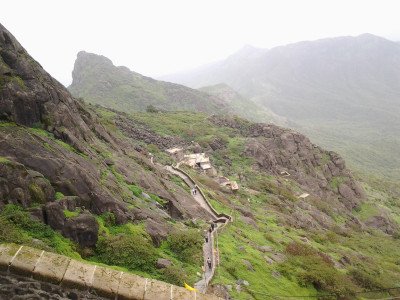
The Gayatri Temple in Junagadh, dedicated to Goddess Gayatri, holds a significant place in the spiritual landscape of the city, particularly for devotees who revere Gayatri as the universal Mother Goddess, the source of all knowledge, and the embodiment of the sacred Gayatri Mantra. While not as historically ancient as some of Junagadh's other religious sites, this temple has gained prominence as a peaceful center for devotion and spiritual contemplation. The temple's architecture is generally contemporary, often featuring vibrant colors and depictions of Goddess Gayatri with her five heads and ten arms, symbolizing her omnipresence and her power to grant all desires. The idols of the goddess are beautifully adorned, inspiring deep reverence among devotees. The temple's atmosphere is characterized by tranquility and spiritual energy, making it an ideal place for meditation and prayer. Regular aartis (devotional rituals involving lamps and hymns) and chanting of the Gayatri Mantra are performed throughout the day, filling the air with divine vibrations and creating a serene ambiance. Many devotees believe that chanting the Gayatri Mantra in the presence of the goddess brings wisdom, enlightenment, and positive energy. The temple serves as a hub for various spiritual and community activities. It often hosts religious discourses, yoga sessions, and cultural events, fostering a sense of community among its followers. The well-maintained premises and peaceful surroundings offer a welcoming environment for all visitors. For those seeking spiritual solace, a quiet moment of reflection, or an opportunity to observe Hindu devotional practices, the Gayatri Temple in Junagadh offers a profound experience. It represents the enduring power of faith and the quiet yet vibrant spiritual life that permeates Junagadh, away from its more famous historical landmarks.
Card image cap
Girnar Hill

@@Introduction to Girnar: Girnar, also known as Girinagar or Revatak Parvata, is a group of sacred mountains considered older than the Himalayas, loca...

@@Introduction to Girnar: Girnar, also known as Girinagar or Revatak Parvata, is a group of sacred mountains considered older than the Himalayas, located near the city of Junagadh. It holds profound religious significance for both Hindus and Jains, making it one of the most important pilgrimage sites in Gujarat and India. The climb involves over 10,000 stone steps to reach the highest temples, representing a significant test of faith and endurance for devotees.@@Religious Significance for Hindus: For Hindus, the mountain is strongly associated with the Nath sect and Shiva devotees. The highest peak is home to the shrine of Dattatreya, a three-faced incarnation of the divine Trinity (Brahma, Vishnu, and Shiva), which attracts pilgrims seeking spiritual merit. The presence of the Bhavnath Mahadev Temple at the foothills marks the site of the annual Maha Shivratri Mela. The first peak houses the Amba Mata Temple, where newlyweds traditionally come to worship for a happy married life.@@Religious Significance for Jains: For Jains, Girnar is one of the five major Tirthas. It is considered the Nirvana Bhumi (salvation ground) of the 22nd Tirthankara, Lord Neminatha. A cluster of beautiful Jain temples, including the ancient Temple of Neminath built in the 11th century and the Mallinath Temple from 1177 AD, are situated about two-thirds of the way up the mountain. These temples are architectural marvels and draw followers from the Shwetambar and Digambar traditions.@@Geological and Natural Heritage: Geologically, Girnar is a complex formation of igneous rocks, offering a dramatic rise from the plains of Junagadh. It is surrounded by the dense Gir Forest, which is the exclusive habitat of the Asiatic Lion. The combination of lush greenery, ancient temples, and challenging topography makes the mountain range a unique hub of religious activity, trekking, and nature observation, providing a majestic backdrop to the city of Junagadh. The area's biodiversity is also a major draw, integrating the spiritual with the natural world.
Card image cap
Girnar Hills

@@The Girnar Hills are an ancient volcanic mountain range that predates the Himalayas, serving as a massive spiritual and natural landmark in Gujarat....
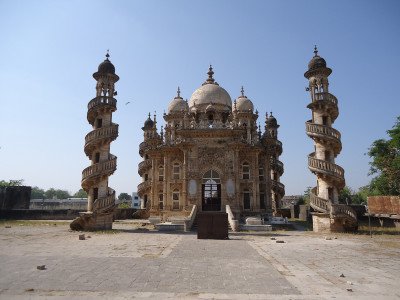
@@The Girnar Hills are an ancient volcanic mountain range that predates the Himalayas, serving as a massive spiritual and natural landmark in Gujarat. This range consists of five main peaks, with the highest being Gorakhnath at 3,672 feet above sea level. For Hindus, the hills are the abode of Lord Dattatreya and the site of the sacred Bhavnath temple; for Jains, it is the Nirvana Kshetra of the 22nd Tirthankara, Lord Neminath. The entire mountain is dotted with 866 temples, ranging from small shrines to massive marble complexes. The landscape is a mix of rugged cliffs, dense forests, and holy water bodies like the Damodar Kund. The hills are also a biodiversity hotspot, home to various medicinal plants and wildlife, including leopards and rare birds. The climb to the top involves a staircase of 10,000 steps, a journey that thousands of pilgrims undertake daily. The Girnar ropeway, one of Asia's longest, has recently transformed the tourism experience by offering a quick 10-minute ascent to the Ambaji peak. Whether you are a trekker seeking adventure, a photographer chasing sunrises, or a devotee seeking blessings, the Girnar Hills offer a profound experience. The hills also host the annual Lili Parikrama, where people walk 36 KMs around the base through the forest.
Card image cap
Jama Masjid

@@History and Conversion: The Jama Masjid in Junagadh is a historical building located within the ancient walls of the Uparkot Fort, a site that has s...

@@History and Conversion: The Jama Masjid in Junagadh is a historical building located within the ancient walls of the Uparkot Fort, a site that has seen centuries of changing political and religious rule. It is believed to have originally been a palace or a Hindu temple before its conversion into a mosque, a common historical practice in the region, which occurred during the time of the Sultans of Gujarat after the fort was captured from the local Chudasama rulers. Its current form dates largely from the 15th century and reflects the powerful military and architectural legacy of the Gujarat Sultanate.@@Architectural Significance: The mosque's structure is a fascinating blend of architectural elements, indicating its layered history. While it functions as a mosque with typical Islamic features like a large courtyard and prayer hall, its construction bears a resemblance to a fortified structure. The pillars inside the prayer hall are notably Hindu or Jain in origin, being re-used or converted from the earlier structure, which contributes to its unique aesthetic. The blend of Hindu/Jain pillar carvings with later Islamic arches and domes creates a distinct and powerful religious edifice within a military setting.@@Function and Importance: Today, the Jama Masjid is a protected monument, primarily functioning as a heritage site for tourists visiting the Uparkot Fort. While it is a place of worship, its historical and architectural value is its main draw. It symbolizes the cultural and political changes that swept across Junagadh over the centuries, standing as a tangible link between the Hindu/Jain rule of the Chudasama dynasty and the later Islamic rule of the Sultans and Nawabs. The sheer scale and antiquity of the structure make it a compelling stop within the fort's vast complex, offering a quiet, contemplative space amidst the ruins.@@A Center of Historical Power: Its location at the highest point of the city, inside the strategically important fort, emphasizes its role not just as a religious building but as a political and military asset. The mosque's presence inside the fort meant that the ruling power’s spiritual and temporal authority was physically manifested at the heart of the city's defenses, giving it a commanding view and a historical gravitas.
Card image cap
Jami Masjid (within Uparkot Fort)

The Jami Masjid, located prominently within the ancient Uparkot Fort in Junagadh, is a significant historical and architectural structure that embodi...
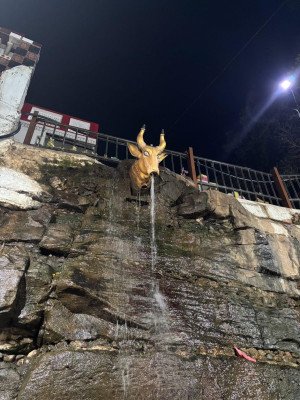
The Jami Masjid, located prominently within the ancient Uparkot Fort in Junagadh, is a significant historical and architectural structure that embodies the city's layered past. Originally believed to have been a Hindu temple, it was converted into a mosque during the reign of Mahmud Begada, the Sultan of Gujarat, after he captured Junagadh and renamed it Mustafabad in the late 15th century. This transformation is a common feature in the architectural history of many Indian cities, reflecting periods of conquest and the subsequent imposition of new religious and political hegemonies. Despite its conversion, the Jami Masjid retains elements of its original Hindu temple architecture, which are often visible in the pillars, carvings, and base structures, providing a fascinating blend of Hindu and Islamic styles. The mosque features a large prayer hall, supported by numerous pillars, some of which are clearly re-purposed from the earlier temple. The intricate carvings on these pillars, depicting Hindu deities or mythological scenes, stand in stark contrast to the Islamic elements added later, such as the mihrab (prayer niche) and the minbar (pulpit). The overall design reflects the utilitarian needs of a mosque while incorporating existing structural strengths and decorative elements. The mosque serves as a powerful reminder of Junagadh's successive rulers and the cultural amalgamation that occurred over centuries. It provides a tangible link to the city's transition from a Hindu-ruled stronghold to a part of the Gujarat Sultanate. While it may not possess the grand scale of some other prominent mosques in India, its historical context and the visible evidence of architectural syncretism make it a compelling site for those interested in medieval Indian history, religious transitions, and architectural adaptation. Visitors to Uparkot Fort will inevitably pass through or near the Jami Masjid, making it an essential stop for understanding the fort's complete historical narrative.
Card image cap
Jatashankar Mahadev Temple

@@Location and Spiritual Setting: The Jatashankar Mahadev Temple is a serene and ancient cave shrine dedicated to Lord Shiva, nestled on the lower slo...

@@Location and Spiritual Setting: The Jatashankar Mahadev Temple is a serene and ancient cave shrine dedicated to Lord Shiva, nestled on the lower slopes of the Girnar Hill in the Bhavnath area. Its location is a natural wonder, situated amidst the dense forest, requiring a short but steep climb and trek to reach. The temple is one of the many important religious sites that dot the Girnar mountain range, offering a quieter, more nature-focused spiritual experience compared to the massive temple complexes higher up.@@The Legend of Shiva: The temple gets its name, Jatashankar, from the tangled hair (Jata) of Lord Shiva (Shankar). According to local belief and legend, a continuous stream of water, often a small, perennial waterfall, flows near the temple. This water is metaphorically linked to the divine river Ganga flowing from Shiva's locks, making the site highly sacred and a symbol of Shiva's presence within the wild, natural world. Devotees visit here to seek blessings and perform rituals for Lord Shiva.@@Natural Beauty and Trekking Experience: The journey to the temple is an essential part of the visit. It involves climbing approximately 450 stone steps and a trek of about 20?30 minutes through the forest. The path is scenic, especially during the Monsoon season (June to September) when the surrounding vegetation is lush and the nearby waterfall is in full flow. The peaceful jungle environment and the sound of the cascading water enhance the meditative and spiritual atmosphere of the shrine, making it a favorite spot for nature lovers and moderate trekkers.@@Community and Philanthropy: The temple is maintained by a local trust and an accompanying ashram. The trust is often involved in charitable activities, such as providing free food (Annakshetra) during festivals and maintaining water tanks for the local wildlife, particularly monkeys and birds. This sense of community and service adds a layer of spiritual commitment to the site beyond the temple structure itself, emphasizing the ethos of selflessness and environmental care.
Card image cap
Junagadh Buddhist Caves (Bava Pyara Caves & Khapra Kodia Caves)

The Buddhist Caves of Junagadh are ancient rock-cut cave complexes that bear testimony to the flourishing Buddhist monastic traditions in Gujarat fro...

The Buddhist Caves of Junagadh are ancient rock-cut cave complexes that bear testimony to the flourishing Buddhist monastic traditions in Gujarat from the 2nd century BCE to the 5th century CE. While often collectively referred to as "Junagadh Buddhist Caves," there are primarily three distinct groups located around the Uparkot Fort area: the Bava Pyara Caves, the Khapra Kodia Caves, and the Uparkot Caves (which are actually within the Uparkot Fort itself, already discussed in the fort details). These caves served as dwelling places (viharas), prayer halls (chaityas), and meditation chambers for Buddhist monks, carved meticulously out of solid rock. The Bava Pyara Caves are perhaps the oldest, dating back to the 2nd-3rd century BCE, showing early Buddhist monastic architecture. This complex is a group of caves carved into three tiers, featuring intricately carved gateways, pillars, and small cells. The architecture exhibits a blend of Indian and possibly Hellenistic influences, reflecting the trade connections of the time. The caves are relatively simple but elegant, primarily serving as living quarters for monks. The Khapra Kodia Caves are a more austere and possibly older set of caves, dating back to the 3rd-4th century BCE during the Mauryan period. These caves are unique for their "khapra kodia" or "roof of pots" structure, which refers to the barrel-vaulted roofs of some of the chambers, resembling inverted pots. They are believed to be among the earliest monastic caves in India, offering insights into the very nascent stages of rock-cut architecture. The caves were likely used for monsoon retreats by Buddhist monks. These caves highlight a distinct period of Buddhist presence in Junagadh before the flourishing of Jainism and Hinduism. They demonstrate the skill of ancient artisans in carving into natural rock, creating habitable and sacred spaces. Visiting these ancient caves is a journey into India's early religious history and provides a quiet, contemplative experience, away from the bustling city. They offer a unique perspective on the spread of Buddhism in Western India and the architectural evolution of monastic complexes.
Card image cap
Junagadh Clock Tower

The Junagadh Clock Tower is a prominent architectural landmark and a historical symbol of the city's colonial and princely past. While precise constr...

The Junagadh Clock Tower is a prominent architectural landmark and a historical symbol of the city's colonial and princely past. While precise construction dates can sometimes vary depending on the historical record, many such clock towers across India were built during the British Raj or by princely states under British influence, serving both as symbols of modernity and as functional timekeepers for the public. The Junagadh Clock Tower stands as a majestic structure, typically characterized by its multi-tiered design, intricate carvings, and a large clock face on each of its four sides, making it visible from various parts of the surrounding area. Architecturally, the Junagadh Clock Tower often showcases a blend of European (Victorian or Gothic Revival) and Indian architectural elements, a common feature in colonial-era public buildings. Its robust construction, often using local sandstone or brick, speaks to the craftsmanship of the period. More than just a time-telling device, the clock tower served as a central meeting point for residents, a landmark for navigation, and a symbol of civic pride. It would have been the heartbeat of the bustling market or administrative area it was situated in, witnessing countless daily activities and historical events unfold beneath its gaze. Even today, despite the prevalence of personal timekeeping devices, the Clock Tower retains its charm and significance as a heritage structure. It stands as a reminder of Junagadh's rich history, its administrative past, and the architectural legacy left by its rulers. For tourists, it's a popular photographic spot and an excellent point of reference for exploring the old city and its vibrant bazaars. Its presence contributes to the historical ambiance of Junagadh's urban core, adding a touch of old-world charm to the bustling modern city.
Card image cap
Junagadh Zoo & Wildlife Rescue Centre (Sakkarbaug)

The Junagadh Zoo, officially known as Sakkarbaug Zoological Park, was established in 1863 by the Nawab of Junagadh, making it one of India's oldest z...
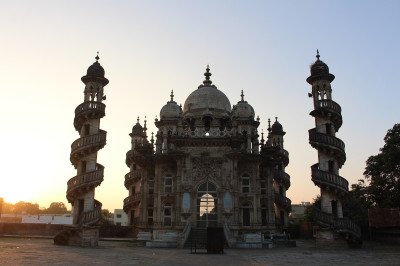
The Junagadh Zoo, officially known as Sakkarbaug Zoological Park, was established in 1863 by the Nawab of Junagadh, making it one of India's oldest zoos and a pioneering institution in wildlife conservation. Spanning over approximately 200 acres, it's not just a public attraction but a vital center for breeding endangered species and a wildlife rescue and rehabilitation facility. Its primary global recognition comes from its pivotal role in the conservation of the endangered Asiatic Lion (Panthera leo persica), the last surviving population of which is found exclusively in Gujarat's Gir Forest. Sakkarbaug Zoo operates a dedicated breeding program for Asiatic Lions, and many lions released into the Gir National Park trace their lineage back to this zoo. This makes it an indispensable component of the Asiatic Lion Conservation Project. Visitors to the zoo have a unique opportunity to observe these majestic big cats in spacious enclosures that simulate their natural habitat. Beyond the lions, the zoo houses a diverse collection of other wild animals native to India and beyond, including tigers, leopards, various species of deer (like Sambar, Chital), antelopes (like Nilgai, Blackbuck), wolves, jackals, various species of birds, and reptiles. Each enclosure is designed with animal welfare in mind, ensuring a naturalistic and enriching environment. The zoo also incorporates a Natural History Museum within its premises, which features taxidermied animals, skeletal remains, and informative exhibits on the region's biodiversity, adding to the educational value of the visit. As a wildlife rescue center, it plays a crucial role in rescuing injured or displaced wild animals from the surrounding areas, providing them with necessary veterinary care and rehabilitation. Sakkarbaug Zoo is a testament to Junagadh's historical commitment to wildlife preservation and its ongoing efforts in ecological balance. It offers an engaging and educational experience for families, wildlife enthusiasts, and conservationists, providing a close encounter with some of India's most iconic wildlife, particularly the magnificent Asiatic Lion.
Card image cap
Mahabat Maqbara

@@History and Purpose: The Mahabat Maqbara, which literally means the Mausoleum of Mahabat, is the grand resting place of Nawab Mahabat Khan II of Jun...
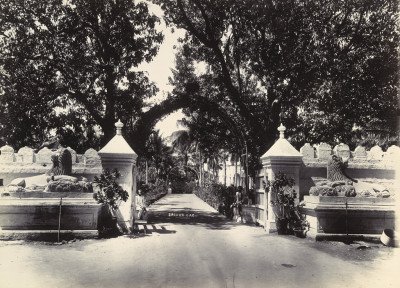
@@History and Purpose: The Mahabat Maqbara, which literally means the Mausoleum of Mahabat, is the grand resting place of Nawab Mahabat Khan II of Junagadh. Its construction was initiated by Mahabat Khan II in 1878 and was completed by his successor, Bahadur Khanji, in 1892. It stands as one of the most significant architectural legacies of the Nawab dynasty that ruled Junagadh until 1947. The complex also houses the adjacent, equally exquisite mausoleum of the Nawab's Wazir (Chief Minister), Bahauddinbhai Hasainbhai, which is often mistakenly grouped with the main maqbara.@@Architectural Fusion: The monument is famous worldwide for its utterly unique and elaborate architectural style, which is an audacious blend of Indo-Islamic and Gothic/European influences. This style, known as Indo-Saracenic or Indo-Gothic, was popular during the late 19th century under British influence but is executed here with a flair that is distinctively local. The intricate stone carvings, the elaborate arches, and the highly original minarets make it one of the most photographed and distinct buildings in Gujarat.@@Symbol of the Nawab's Era: The Maqbara is not just a tomb but a powerful symbol of the wealth, artistic patronage, and cultural fusion of the final decades of the Nawab rule. It represents a period of openness to European artistic ideas while maintaining a deep reverence for Islamic traditions. Despite the turbulent political context of the time, the building stands as an enduring monument to the grandeur and ambition of the local rulers of Junagadh.@@Present Day Status: Today, the Mahabat Maqbara is a protected heritage site, attracting architecture students, photographers, and general tourists. It is situated in a relatively busy area of the old city but maintains a surprising sense of quiet dignity within its compound walls. The main structure is well-maintained, but the smaller surrounding tombs and buildings in the compound show signs of age, providing a poignant contrast to the magnificence of the main mausoleum.
Card image cap
Moti Baug

@@History and Founding: Moti Baug (Moti Garden) is a beautiful, expansive botanical garden located within the campus of the Junagadh Agricultural Univ...

@@History and Founding: Moti Baug (Moti Garden) is a beautiful, expansive botanical garden located within the campus of the Junagadh Agricultural University (JAU). Its history is closely tied to the ruling family of Junagadh. It was established by Nawab Muhammad Mahabat Khanji III in the late 19th or early 20th century. The garden is historically significant because it was named in memory of the Nawab's beloved pet dog, Moti, demonstrating the personal touch of the rulers in their civic projects.@@Integration with Agricultural University: In 1960, a substantial part of the original garden was allocated for the establishment of the Junagadh Agricultural College, which later grew into the Junagadh Agricultural University. This integration means that Moti Baug serves a dual purpose: it is a public recreational park and also an essential botanical and research resource for the university's agriculture and botany departments. This gives the park a scientific as well as a historical dimension.@@Natural Features: The Baug is known for its lush, well-maintained greenery, offering a welcome respite from the city's hustle. It houses a wide variety of flora, including dense groves of Banyan and other large indigenous trees, providing extensive shade. A prominent feature is a lake or pond, sometimes referred to as Pari Talav (Fairy Pond) by locals, which adds to the serene, surreal view of the garden, attracting local birdlife and providing a tranquil setting for visitors.@@Current Use: Today, Moti Baug is a central hub for the local community's health and leisure activities. It is exceptionally popular among locals for morning and evening walks, jogging, and light exercise. It also serves as a favorite family picnic spot, especially on weekends, due to its peaceful environment, ample green space, and designated recreational areas.
Card image cap
Mount Girnar Ropeway (Udan Khatola)

The Mount Girnar Ropeway, officially known as "Udan Khatola" (meaning "flying palanquin"), is a monumental feat of engineering and a game-changer for...
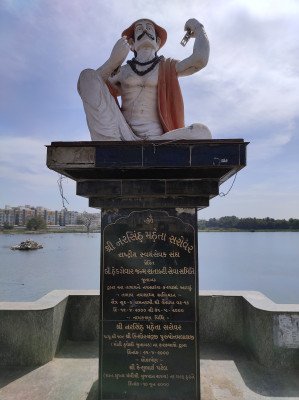
The Mount Girnar Ropeway, officially known as "Udan Khatola" (meaning "flying palanquin"), is a monumental feat of engineering and a game-changer for pilgrims and tourists visiting the sacred Girnar Hills. Inaugurated in 2020, it is the longest ropeway in Asia, stretching over 2.3 kilometers from the base of Girnar (Girnar Taleti) to the Ambaji Temple on one of the higher peaks. This modern aerial tramway has revolutionized access to the revered temples on Girnar, traditionally reached only by climbing nearly 10,000 steps. The ropeway consists of multiple cabins (gondolas) that offer a comfortable, swift, and breathtaking journey up the hill. The ride provides unparalleled panoramic views of the entire Junagadh city, the sprawling Girnar forest, the distant Gir National Park, and the majestic landscape of the Saurashtra region. As the cabin ascends, passengers can observe the ancient Jain temples nestled on the slopes below, the lush greenery, and the diverse rock formations of the hills. The experience is not just about convenience but also about the spectacular vistas it offers, making the arduous climb accessible to a wider range of visitors, including the elderly, children, and those with physical limitations. The ropeway significantly reduces the travel time to the upper temples, allowing pilgrims to complete their spiritual journey with greater ease and comfort. It has also boosted tourism to Junagadh, drawing more visitors who might have previously been deterred by the challenging climb. The base station at Girnar Taleti is well-equipped with ticket counters, waiting areas, and other facilities. The Mount Girnar Ropeway is a modern marvel that beautifully complements the ancient spiritual heritage of Girnar, offering an unforgettable experience that blends convenience, breathtaking scenery, and spiritual pilgrimage.
Card image cap
Narsinh Mehta Lake

@@History and Spiritual Naming: Narsinh Mehta Lake, also known locally as Narsinh Mehta Talav, is a significant man-made lake located near the heart o...

@@History and Spiritual Naming: Narsinh Mehta Lake, also known locally as Narsinh Mehta Talav, is a significant man-made lake located near the heart of Junagadh city. It is named in honor of the revered 15th-century saint-poet, Narsinh Mehta, a towering figure in Gujarati literature and a devoted follower of Lord Krishna (Vaishnavism). The naming pays tribute to his spiritual legacy, as he is believed to have conducted many of his religious discourses and composed his famous devotional songs (Bhajans) near the site, particularly at the nearby Narsinh Mehta Choro.@@Rejuvenation and Current Form: While the lake has ancient origins, its current form and surrounding infrastructure are the result of modern rejuvenation and beautification projects undertaken by the municipal corporation to transform it into a major civic and recreational asset. It now features well-paved walking paths (promenades), seating areas, and lighting, blending its historical and spiritual importance with modern urban planning requirements.@@Recreational and Natural Appeal: The lake is a tranquil, picturesque spot, offering a panoramic view of the dramatic Girnar Hill in the background, a feature that significantly adds to its scenic beauty. It has become a cherished recreational hub for the city, attracting visitors who come for leisurely walks, boating, and enjoying the fresh air. Due to its location on a migratory bird path and its water source, it also serves as an important habitat for local and migratory bird species, especially during the Winter months.@@Cultural Significance: The lake is a focal point of cultural pride in Junagadh. It represents the city's deep connection to its spiritual and poetic heritage, serving as a reminder of Narsinh Mehta's teachings on devotion, social equality, and his timeless contributions to Gujarati culture. Its serene environment encourages reflection and is a popular gathering spot for devotional singing and local community events.
Card image cap
Narsinh Mehta no Choro

Narsinh Mehta no Choro is a place of profound spiritual and historical significance in Junagadh, closely associated with the revered 15th-century Guj...
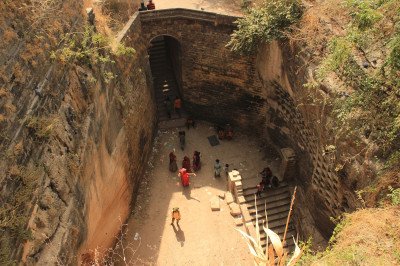
Narsinh Mehta no Choro is a place of profound spiritual and historical significance in Junagadh, closely associated with the revered 15th-century Gujarati poet-saint Narsinh Mehta. A "choro" literally means a platform or an open space, and this particular spot is believed to be the very place where Narsinh Mehta, a devout devotee of Lord Krishna and a pioneering figure in Gujarati literature, held his spiritual gatherings, composed his devotional hymns (bhajans), and performed his kirtans (devotional chanting). His life was marked by unwavering faith, simplicity, and a profound connection with the divine, often depicted as Lord Krishna himself responding to his ardent devotion. The site is not a grand temple but a simple, open platform with a small shrine, reflecting the saint's humble life and philosophy. It exudes a deep sense of peace and sanctity. Devotees and admirers of Narsinh Mehta visit this place to pay their respects, soak in the spiritual ambiance, and recall the miraculous events associated with his life. Narsinh Mehta is particularly famous for his prabhatiya (morning hymns) like "Vaishnava Jana To," which Mahatma Gandhi adopted as his favorite bhajan, elevating Narsinh Mehta's philosophy of universal humanism and non-violence to a global stage. The Choro stands as a tangible link to the saint's earthly presence, a place where his spiritual energy is still palpable. It serves as a reminder of the Bhakti movement's profound impact on Gujarati culture and literature. Often, you might find local musicians or devotees performing Narsinh Mehta's bhajans, adding to the spiritual atmosphere. For those interested in Indian spirituality, devotional poetry, and the history of the Bhakti movement, Narsinh Mehta no Choro offers a quiet and meaningful pilgrimage. It?s a place to reflect on the power of faith and the enduring legacy of a saint whose timeless verses continue to inspire millions.
Card image cap
Navghan Kuwo

@@History and Founding: The Navghan Kuwo (or Navghan Kuva) is one of the oldest and most remarkable historical stepwells in Gujarat, located within th...
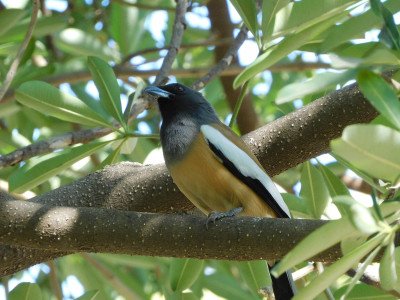
@@History and Founding: The Navghan Kuwo (or Navghan Kuva) is one of the oldest and most remarkable historical stepwells in Gujarat, located within the fortified walls of the ancient Uparkot Fort in Junagadh. It is believed to have been constructed in the 11th century during the reign of the Chudasama dynasty, possibly by Raja Navghan. Its primary function was to provide a crucial, perennial water source that could sustain the fort's inhabitants and military during long and protracted sieges, a testament to the strategic importance of water in medieval fortress defense.@@The Rock-Cut Engineering Marvel: What sets the Navghan Kuwo apart from most other stepwells (Vavs) in Gujarat is its unique construction method. It is largely hewn out of the soft rock of the plateau on which the fort stands. Unlike other wells that are structurally built up using masonry in excavated shafts, this one was carved directly into the bedrock. This rock-cut technique showcases the exceptional engineering skills of the 11th-century artisans and stonemasons, who managed to create a deep, spiral shaft within solid stone.@@Structural Features: The well descends to a depth of approximately 52 meters (?170 feet) to reach the permanent water table. The path down is a flight of narrow, spiraling stairs that encircle the shaft, a very uncommon design for stepwells, which usually feature linear paths and pillared landings. The deep well shaft is only partially lined with masonry, with the majority of the structure being the original carved rock, emphasizing its rugged, functional nature.@@Symbol of Endurance: The well is a powerful symbol of the fort's enduring resilience. Its ability to provide water in times of distress was the key factor that allowed the Uparkot Fort to withstand multiple, lengthy sieges by invading armies. Its name and legacy are intertwined with the history of the Chudasama kings and their military prowess, making it a critical historical landmark beyond its architectural merit.
Card image cap
Sakkarbaug Zoological Garden

@@The Historical Zoo: Sakkarbaug Zoological Garden, often called the Junagadh Zoo, is a pivotal institution, having been established in 1863 by the Mo...

@@The Historical Zoo: Sakkarbaug Zoological Garden, often called the Junagadh Zoo, is a pivotal institution, having been established in 1863 by the Mohabat Khanji Babi-II of the Junagadh State, making it one of India's oldest and a key center for wildlife conservation. It spans approximately 84 hectares (210 acres) and plays a critical role in the captive breeding program for the critically endangered Asiatic Lion, whose last wild population resides in the nearby Gir Forest. The zoo’s primary mission extends beyond exhibition to preserving this majestic species, having bred nearly 150 lions by 2008. @@Conservation Efforts and Diverse Fauna: Beyond the Asiatic Lion, the zoo is home to a rich collection of over 1400 animals, including 700 mammalian species, 115 reptiles, and 200 birds. Notable inhabitants include the Indian Leopard, Bengal Tiger, Blackbuck, Chousingha (Four-horned Antelope), and, uniquely for an Indian zoo, African Cheetahs, acquired through an exchange program in 2009. This commitment to maintaining a diverse gene pool and participating in international wildlife exchanges underscores its significance as a major zoological facility. @@Visitor Experience: The zoo is a major tourist attraction, receiving over a million visitors annually. It offers an educational experience, featuring a natural history museum opened in 2003 with skeletons and specimens of local fauna. While continuous efforts are made to upgrade enclosures, the vast expanse provides a habitat close to nature for many species. It serves as an essential preliminary stop for visitors heading to the Gir National Park, providing guaranteed sightings of the Asiatic Lion and other rare species, reinforcing its status as a vital part of Junagadh's heritage and ecological efforts.
Card image cap
Sakkarbaug Zoological Park

The Sakkarbaug Zoological Park, often simply called Sakkarbaug Zoo, is one of India's oldest and most historically significant zoos, established in 1...

The Sakkarbaug Zoological Park, often simply called Sakkarbaug Zoo, is one of India's oldest and most historically significant zoos, established in 1863 by the then Nawab of Junagadh. Spread over approximately 200 acres, it plays a crucial role in wildlife conservation, particularly as a breeding center for endangered species, most notably the Asiatic Lion. The zoo's primary mission extends beyond public display to scientific research, conservation breeding programs, and public education on wildlife. The Sakkarbaug Zoo is renowned globally for its conservation efforts for the Asiatic Lion (Panthera leo persica), which is endemic only to the Gir Forest region of Gujarat. It serves as a rescue and breeding center for these majestic big cats, and many lions sighted in Gir National Park are descendants of those bred at Sakkarbaug. Visitors have the unique opportunity to see these magnificent creatures up close in specially designed enclosures that mimic their natural habitat. Besides the Asiatic Lion, the zoo houses a diverse collection of other wild animals, including tigers, leopards, various species of deer, antelopes, wolves, jackals, and a wide array of birds, reptiles, and primates. The enclosures are spacious and designed to provide a natural environment for the animals, prioritizing their welfare. The zoo also features a dedicated Natural History Museum within its premises, which exhibits skeletal remains, taxidermied animals, and informative displays about the region's biodiversity. This museum enhances the educational value of the visit, offering insights into the local ecosystem. Sakkarbaug Zoo is not just an attraction for entertainment; it is a vital center for wildlife research and education, contributing significantly to the conservation of endangered species. For families, wildlife enthusiasts, and anyone interested in seeing the iconic Asiatic Lion, Sakkarbaug Zoological Park offers an informative and engaging experience, making it a prominent highlight of a visit to Junagadh.
Card image cap
Science Center (Junagadh)

The Science Center in Junagadh, similar to others across India, aims to popularize science and technology among the masses, especially students. It s...

The Science Center in Junagadh, similar to others across India, aims to popularize science and technology among the masses, especially students. It serves as an interactive hub for learning and discovery, offering a hands-on approach to understanding complex scientific concepts. Unlike traditional museums with static exhibits, a science center focuses on engaging visitors through interactive models, experiments, and demonstrations, making the learning process both fun and effective. While specific details about "Junagadh Science Center" can sometimes overlap with the "Science Museum" mentioned earlier (as the museum often contains a science center component or interactive galleries), the core purpose remains to inspire scientific curiosity. Such centers typically feature galleries dedicated to various scientific disciplines like physics, chemistry, biology, space science, and environmental science. They might have sections on human anatomy, energy, light, sound, and simple machines, all presented in an understandable and engaging format. Many exhibits allow visitors to press buttons, turn cranks, or manipulate objects to observe scientific principles in action. Some science centers also have a planetarium or a space theatre that offers immersive shows about the cosmos, providing an awe-inspiring experience of stars, planets, and galaxies. These centers are often equipped with workshops for scientific activities, laboratories for experiments, and a dedicated team of educators who conduct demonstrations and guide visitors. The Science Center in Junagadh contributes significantly to promoting scientific literacy and critical thinking among the youth. It's a valuable resource for educational trips and a fascinating place for anyone, regardless of age, to explore the wonders of the natural and technological world in an interactive and memorable way.
Card image cap
Science Museum (Junagadh)

The Science Museum in Junagadh, while perhaps not as grand as some metropolitan science centers, holds the distinction of being Gujarat's first and o...

The Science Museum in Junagadh, while perhaps not as grand as some metropolitan science centers, holds the distinction of being Gujarat's first and only privately owned science museum. This initiative aims to make scientific principles accessible and engaging for visitors of all ages, particularly students. It emphasizes hands-on learning and interactive exhibits, moving away from traditional static displays, to foster curiosity and understanding of scientific phenomena. The museum features over 60 interactive science projects, each designed to demonstrate a specific scientific fact or principle. These exhibits cover a range of subjects, from physics and chemistry to biology and technology, allowing visitors to experiment and explore concepts directly. The emphasis on visitor-managed projects means that learning becomes an active and enjoyable process, encouraging critical thinking and problem-solving skills. Beyond the main interactive exhibits, the museum also houses a small aquarium, which provides a glimpse into aquatic life and ecosystems, adding a biological dimension to the scientific exploration. Another unique feature is an open-air garden restaurant within the museum premises, which serves a variety of dishes including Punjabi and South Indian cuisine, making it a convenient stop for refreshments during a visit. The Science Museum in Junagadh contributes significantly to informal science education in the region, serving as a valuable resource for schools, families, and individuals interested in expanding their scientific knowledge in a fun and interactive way. It?s a great option for a family outing, especially with children, providing both entertainment and educational value.
Card image cap
Shree Swaminarayan Mandir (Junagadh)

The Shree Swaminarayan Mandir in Junagadh is a prominent and revered Hindu temple belonging to the Swaminarayan Sampradaya, a distinct Vaishnavite se...
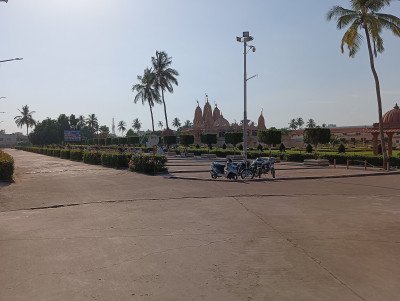
The Shree Swaminarayan Mandir in Junagadh is a prominent and revered Hindu temple belonging to the Swaminarayan Sampradaya, a distinct Vaishnavite sect. This magnificent temple holds immense historical and spiritual significance as it was personally ordered to be built by Swaminarayan Bhagwan himself, the founder of the Swaminarayan faith. The foundation stone was laid in 1826 AD by Gunatitanand Swami, in the presence of Swaminarayan's senior disciples, and the installation of the deities (Prana Pratishtha) was performed by Swaminarayan on May 1, 1828. This makes it one of the earliest and most important temples of the Swaminarayan sect. The temple's architecture is grand and aesthetically pleasing, featuring traditional Hindu temple design with five spires (shikhars) and numerous intricate sculptures and carvings. The main deities installed in the inner sanctum are Shri Ranchhodrai (Lord Krishna) and Trikamrai, while in the eastern wing, Radha Raman Dev and Harikrishna Maharaj are worshipped. The western side houses idols of Siddheswar Mahadev (Lord Shiva), Parvati, Ganesha, and Nandishwar, showcasing the inclusive nature of the Swaminarayan philosophy which respects all deities. The temple complex is a vibrant hub of religious activities, including daily aartis, bhajans, and spiritual discourses. It attracts a large number of devotees, particularly during major Hindu festivals like Janmashtami, Radhashtami, Holi, and Diwali, when the temple is beautifully decorated and special events are organized. The temple is also known for its peaceful atmosphere, serving as a center for meditation and spiritual learning for saints, monks, and devotees. The cleanliness and well-maintained premises add to the serene ambiance. For visitors, the Shree Swaminarayan Mandir offers a profound spiritual experience, allowing them to witness the devotional practices of the Swaminarayan faith and appreciate the intricate artistry of its architecture. It's a testament to the enduring spiritual heritage of Gujarat and the significant role of the Swaminarayan sect in shaping the region's religious landscape.
Card image cap
Shri Swaminarayan Mandir

@@Establishment and History: The Shri Swaminarayan Mandir in Junagadh is a deeply significant and ancient shrine of the Swaminarayan Sampraday, person...
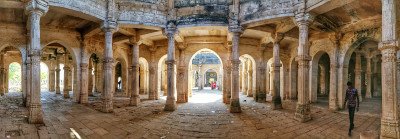
@@Establishment and History: The Shri Swaminarayan Mandir in Junagadh is a deeply significant and ancient shrine of the Swaminarayan Sampraday, personally ordered to be built by Bhagwan Swaminarayan (also known as Sahajanand Swami) himself. The foundation stone was laid in 1826 AD by Gunatitanand Swami, and the deities were installed by Swaminarayan on May 1, 1828, making it one of the earliest and most important temples in the sect. The land for this massive structure was generously donated by King Hemantsinh of Panchala. @@The Deities: The main sanctum houses the divine idols of Shri Ranchhodrai and Trikamrai. In the eastern wing, Radharaman Dev and Harikrishna Maharaj are worshipped, while the western side is dedicated to Siddheswar Mahadev, Parvati, and Ganesha. The temple is also known as Shri Radha Ramana Temple. @@Spiritual Significance: It is a paramount pilgrimage site, particularly because it marks the final resting place (Samadhi Sthan) of Gunatitanand Swami, the first spiritual successor and revered figure of the sect. This makes it a place of intense devotion and spiritual retreat, drawing thousands of followers from all over the world, especially during major festivals like Janmashtami and Holi. @@Atmosphere and Role: Beyond its religious function, the temple complex acts as a spiritual and cultural hub, maintaining a serene and disciplined atmosphere. It is a testament to the early spread of the Swaminarayan Sampraday in the Saurashtra region of Gujarat, continuing to uphold the spiritual and social teachings of Bhagwan Swaminarayan through daily rituals, aarti, and community service.
Card image cap
Uparkot Fort

@@Historical Origin and Significance: Uparkot Fort is an ancient citadel with ramparts that are believed to date back to the Mauryan Empire, founded b...

@@Historical Origin and Significance: Uparkot Fort is an ancient citadel with ramparts that are believed to date back to the Mauryan Empire, founded by Chandragupta around 319 BC. Its name literally means "upper fort" and it sits on a plateau in the middle of Junagadh. It served as a strategic defense point, witnessing and successfully withstanding an astonishing 16 sieges, with one legendary siege lasting 12 years. The fort has been modified and extended by subsequent rulers, including the Chudasama dynasty and the Solanki rulers, leaving a rich, layered history within its walls. @@The Ramparts and Cannons: In places, the defensive ramparts reach over 20 meters high. A key historical remnant is the massive, 17-foot-long and 4-foot 8-inch round bronze cannon known as "Nilam Top" or "Navghan Cannon", brought from Diu after the Ottoman Turks were defeated in the mid-16th century. The cannon symbolizes the fort's strategic military importance. @@Contents Within the Walls: The fort complex is not just a wall; it is a city in itself, housing several historical attractions, including the ancient Buddhist Caves (Khapara Kodiya Caves and Baba Pyare Caves), the Jama Masjid (a former palace or temple converted into a mosque), and two magnificent, rock-cut step-wells, the Adi Kadi Vav and Navghan Kuvo, all of which contribute to its status as a major archaeological site.
Card image cap
Upperkot Buddhist Caves (Re-emphasizing as part of Uparkot)

The Buddhist Caves within the Uparkot Fort are an integral and fascinating part of the fort's ancient history, showcasing the significant presence of...

The Buddhist Caves within the Uparkot Fort are an integral and fascinating part of the fort's ancient history, showcasing the significant presence of Buddhism in Junagadh during its early periods. These caves are distinct from the Bava Pyara and Khapra Kodia Caves, as they are carved directly into the rock face within the fort walls, providing a unique glimpse into monastic life within a fortified settlement. Dating back primarily to the 2nd-3rd century CE, these rock-cut structures served as monasteries (viharas) and meditation chambers for Buddhist monks. The Uparkot Caves are characterized by their simple yet elegant design. They consist of a series of rooms, cells, and courtyards, all carved out of the living rock. The most impressive feature is often a large, pillar-supported hall or a chaitya (prayer hall), which would have been the central gathering place for monks. The pillars are typically adorned with intricate carvings, including Buddhist symbols, floral motifs, and sometimes figures of Buddha or Bodhisattvas. The rock-cut beds within some cells suggest their use as living quarters for the ascetics. The smooth, polished surfaces of some of the caves indicate the high level of craftsmanship of the artisans. The presence of these caves within a defensive fort suggests that Buddhist monasteries enjoyed royal patronage and possibly protection during those times. These caves offer a tranquil and contemplative atmosphere, allowing visitors to imagine the lives of the monks who once meditated and studied here. They provide a vital archaeological link to Junagadh's pre-medieval past and its diverse religious landscape. Exploring these caves provides a unique perspective on the city's ancient history and the enduring legacy of Buddhism in the region, showcasing how different cultures and religions thrived simultaneously within its ancient confines.
Show All

Note:-

Information provided here in good Faith and for reference only.

All information and pictures will be updated soon, please keep visiting.

Near Places

...
Ahmedabad (Amdavad)

Some quick example text to build on the card title and make up the bulk of the card's content.

Go somewhere
...
Ahmedabad

Some quick example text to build on the card title and make up the bulk of the card's content.

Go somewhere
...
Bhuj

Some quick example text to build on the card title and make up the bulk of the card's content.

Go somewhere
...
Chotila

Some quick example text to build on the card title and make up the bulk of the card's content.

Go somewhere
...
Dahod

Some quick example text to build on the card title and make up the bulk of the card's content.

Go somewhere
...
Dandi

Some quick example text to build on the card title and make up the bulk of the card's content.

Go somewhere
...
Dwarka

Some quick example text to build on the card title and make up the bulk of the card's content.

Go somewhere
...
Exploring Rajkot

Some quick example text to build on the card title and make up the bulk of the card's content.

Go somewhere
...
Gandhinagar

Some quick example text to build on the card title and make up the bulk of the card's content.

Go somewhere
...
Jamnagar

Some quick example text to build on the card title and make up the bulk of the card's content.

Go somewhere
in Other Cities