
...

Place To Visit And Things To Do In Kendrapada

Odisha, India
About Kendrapada: Kendrapada is a coastal district known as the "Tulasi Khetra" of Odisha. It is home to the famous Baladevjew Temple, which is a major pilgrimage site. The region is also famous for its vast mangrove forests and wildlife. It offers a blend of deep spirituality and raw natural wonder s. Spiritual Significance: The city is dedicated to Lord Baladev, the elder brother of Lord Jagannath. The temple rituals and traditions are very similar to those in Puri. It is considered one of the five most sacred kshetras in Odisha. Pilgrims visit throughout the year for divine blessings. Wild Beauty: The Bhitarkanika National Park is the jewel of this district. It is one of the largest mangrove ecosystems in India and a Ramsar site. The park is famous for its giant salt-water crocodiles and diverse birdlife. It is a paradise for nature and wildlife enthusiasts. Coastal Charm: With the Bay of Bengal on one side, it has many beautiful beaches. Gahirmatha is the world's largest nesting ground for Olive Ridley turtles. The sight of thousands of turtles coming to the shore is magical. It is a land of rivers, creeks, and lush greenery.

Things To Do

Card image cap
Aul Palace

Aul Palace, also known as Killa Aul, is a majestic historical landmark established in 1590 AD by Raja Ram Chandra Deb. This palace serves as a living...

Aul Palace, also known as Killa Aul, is a majestic historical landmark established in 1590 AD by Raja Ram Chandra Deb. This palace serves as a living testimony to the royal legacy of Odisha, surviving through the eras of the Mughals, Marathas, and the British. Spread across a massive 40-acre estate, the palace complex remains the residence of the current descendant of the Gajapati lineage. The structure is enveloped by the serene waters of the Kharasrota River, providing a picturesque and defensive backdrop typical of medieval forts. Visitors can explore various sections like the Ranimahal (Queen’s palace), Ghodashala (stables), and beautiful Pramoda Udyan (pleasure gardens). The palace reflects a deep sense of history, housing ancient artifacts and preserving the traditional customs of the Aul royalty. It offers a rare glimpse into the princely lifestyle that once governed the coastal regions of Odisha. The atmosphere is tranquil, making it an ideal spot for history buffs and those looking to experience the grandeur of the past. The palace has also opened its doors as a heritage homestay, allowing guests to live like royalty. This preservation of heritage ensures that the stories of the Kalinga kings continue to inspire future generations.
Card image cap
Badakandha Salt Factory Ruins

The Badakandha Salt Factory Ruins stand as a hauntingly beautiful reminder of the colonial industrial era in Odisha. During the British Raj, this reg...

The Badakandha Salt Factory Ruins stand as a hauntingly beautiful reminder of the colonial industrial era in Odisha. During the British Raj, this region was a major hub for salt production due to its proximity to the sea and saline river waters. The ruins consist of large brick structures, storage vats, and the remains of the administrative buildings used by the British officials. Salt was a precious commodity, and the monopoly held by the British here was a significant point of contention during the freedom struggle. Today, the structures are overgrown with vegetation, creating a "lost world" aesthetic that attracts photographers and historians. The site is located near the coast, where the air still carries a salty tang. Walking through the ruins, one can see the massive walls that once housed thousands of bags of salt ready for export. The factory was eventually abandoned as modern production methods took over and the coastline shifted. It serves as a silent witness to the economic exploitation of the region during the 19th century. The site is relatively isolated, offering a peaceful atmosphere for reflection. It is an important site for understanding the local history of Mahakalapada and its role in the maritime trade of the Bay of Bengal. The brickwork and layout provide clues about the industrial architecture of that time, which was designed to withstand the harsh coastal weather and corrosive salt environment.
Card image cap
Bagagahana Bird Sanctuary

Bagagahana Bird Sanctuary is a world-renowned heronry located deep within the Bhitarkanika National Park. It is a seasonal home to over 170 species o...
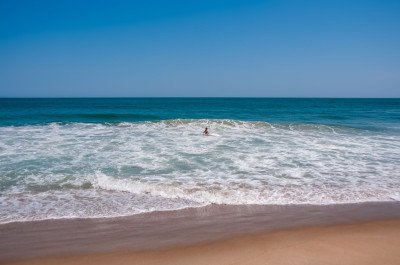
Bagagahana Bird Sanctuary is a world-renowned heronry located deep within the Bhitarkanika National Park. It is a seasonal home to over 170 species of birds, making it a paradise for ornithologists and nature lovers. The sanctuary is spread across a large patch of mangrove forest near the confluence of the Brahmani and Baitarani rivers. Every year, thousands of resident and migratory birds arrive here for nesting and breeding. The most dominant species is the Asian Openbill Stork, which builds its nests in the Guan, Bani, and Kerua trees. The sight of thousands of birds tending to their chicks amidst the lush green mangroves is truly breathtaking. Apart from storks, one can spot Egrets, Herons, Kingfishers, and Sea Eagles. The sanctuary is part of a Ramsar site, highlighting its international ecological importance. Access to Bagagahana is primarily by boat, adding an adventurous element to the visit. The sound of thousands of birds chirping fills the air, creating a natural symphony that is unforgettable. The conservation efforts here have ensured a safe haven for these avian species. Tourists are required to maintain silence and follow eco-friendly practices to avoid disturbing the nesting birds. The sanctuary provides an immersive experience into the wild heart of Odisha’s coast. It is a must-visit for anyone traveling to Bhitarkanika for its unique biodiversity and scenic beauty.
Card image cap
Barunei Beach

Barunei Beach, also locally known as Chandrabhan, is one of the most pristine and secluded beaches in the Kendrapada district. Unlike the crowded bea...
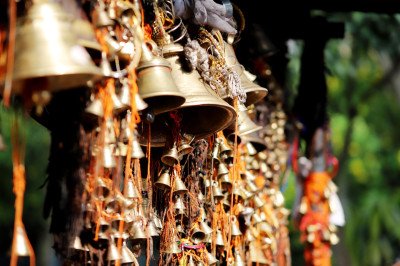
Barunei Beach, also locally known as Chandrabhan, is one of the most pristine and secluded beaches in the Kendrapada district. Unlike the crowded beaches of Puri, this stretch of coastline offers absolute tranquility and untouched natural beauty. The beach is characterized by its vast expanse of golden sand, gentle waves, and a backdrop of casuarina plantations that provide a green fringe to the blue sea. It is a place where one can walk for miles without seeing another person, making it a perfect retreat for those seeking peace. The beach is also ecologically significant, as it lies close to the nesting grounds of the Olive Ridley turtles. The sea here is relatively shallow, making it safe for wading, though visitors should always be cautious of tides. Local fishermen can often be seen launching their traditional boats into the surf, offering a glimpse into the coastal life of Odisha. The name Chandrabhan is associated with local folklore, adding a layer of cultural mystery to the site. The lack of commercialization means there are no permanent shops or resorts on the sand, preserving its raw appeal. It is an ideal spot for meditation, long walks, and enjoying the raw power of the Bay of Bengal. The air is fresh and filled with the scent of salt and pine. For travelers who value solitude over luxury, Barunei Beach is a hidden treasure waiting to be discovered.
Card image cap
Barunei Temple

The Barunei Temple in Kendrapada is a significant religious site dedicated to Goddess Barunei, the presiding deity of the region. While often confuse...

The Barunei Temple in Kendrapada is a significant religious site dedicated to Goddess Barunei, the presiding deity of the region. While often confused with the temple in Khordha, this local shrine holds deep spiritual value for the people of the coastal districts. The temple is situated in a tranquil setting, surrounded by ancient trees and small water bodies. The deity is considered a form of Shakti, believed to protect the villagers from the vagaries of the sea and natural disasters. The architecture follows the classic Kalinga style, though on a smaller, more intimate scale. Inside the sanctum, the idols of Goddess Barunei and Karunei are worshipped together. The temple complex is a hub of local culture, where traditional festivals are celebrated with ancient rituals. Pilgrims visit the temple to seek blessings for a prosperous harvest and safety during sea voyages. The atmosphere is filled with the scent of incense and the sound of temple bells, providing a meditative environment. The temple also has historical links to the local kings who patronized the shrine. Visiting this temple offers a deep insight into the rural religious life of Odisha, where faith is closely tied to nature and the elements. The surrounding area is lush and green, making the walk to the temple a pleasant experience. It is a place where time seems to slow down, allowing for a genuine spiritual connection.
Card image cap
Batighar

The Batighar lighthouse, known historically as the False Point Lighthouse, stands as a monumental sentinel at the mouth of the Mahanadi river. Establ...

The Batighar lighthouse, known historically as the False Point Lighthouse, stands as a monumental sentinel at the mouth of the Mahanadi river. Established in the early 19th Century, this structure was the first of its kind on the eastern coast of India, designed to prevent maritime disasters caused by ships mistaking the Mahanadi delta for the Hooghly river mouth. The area surrounding it was once a dense hunting ground for the Kujanga Kings, known as Kaudia Dwip. Today, it remains an operational marvel managed by the Directorate General of Lighthouses and Lightships. The landscape is characterized by a mix of tidal rivers, mangrove fringes, and historical remnants that tell the story of British maritime expansion. Visitors must cross the Kharinasi river via boat to reach this secluded spot, adding a sense of adventure to the journey. The lighthouse has witnessed major cyclones and the evolution of navigation technology from coconut oil lamps to modern metal halide lamps. Its isolation has preserved its vintage charm, making it a pilgrimage for history enthusiasts. The surrounding village of Batighar is a quiet settlement where the rhythm of life is dictated by the tides and the flashing light of the tower. It serves as a living museum of the colonial era's engineering prowess.
Card image cap
Bhitarkanika National Park

Bhitarkanika National Park is a world-renowned Ramsar site and a unique biodiversity hotspot located in the deltaic region of the Brahmani and Baitar...
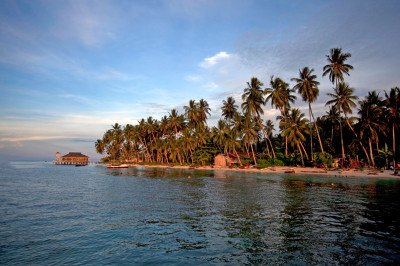
Bhitarkanika National Park is a world-renowned Ramsar site and a unique biodiversity hotspot located in the deltaic region of the Brahmani and Baitarani rivers. Spanning 672 Square Kilometers, it boasts the second-largest mangrove ecosystem in India. The park is a maze of tidal creeks, mudflats, and dense greenery, providing a habitat for the endangered Saltwater Crocodile (Crocodylus porosus). Historically, this region was the hunting reserve of the Kanika Kings, which helped preserve its wild character before it was declared a sanctuary in 1975. It is home to over 215 species of birds, including eight varieties of kingfishers and numerous migratory species that arrive from Siberia and Central Asia during winter. The park is also famous for its White Crocodiles, which are a rare genetic variation. The interaction between the land and the sea here creates a dynamic ecosystem where mangroves like Hental and Sundari thrive. Visitors experience the park primarily via boat safaris, drifting through narrow channels where crocodiles can be seen basking on the banks. The silence of the forest is only broken by the calls of birds and the rhythmic movement of water. It is a critical protector of the Odisha coastline against tsunamis and cyclones, acting as a natural buffer.
Card image cap
Chandrabhanu River Island

Chandrabhanu River Island is a picturesque riverine getaway located on the Brahmani river. This hidden spot is known for its tranquil atmosphere and ...
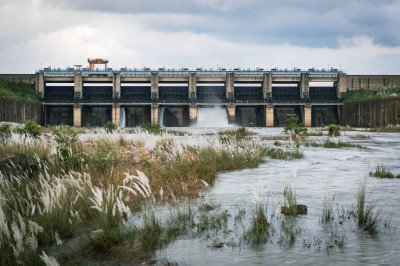
Chandrabhanu River Island is a picturesque riverine getaway located on the Brahmani river. This hidden spot is known for its tranquil atmosphere and lush surroundings, offering a perfect escape from the urban noise of Kendrapada. The island is formed by the bifurcating waters of the river, creating a secluded landmass that is often used by locals for picnics and weekend retreats. The island's geography features sandy shores, local shrubs, and views of the expansive riverbed which changes character with the seasons. During the post-monsoon months, the greenery is vibrant, while summer reveals large sandbars perfect for walking. It is an "off-the-beaten-path" destination where one can witness the authentic rural life of Odisha, with fishermen casting nets and cattle grazing along the banks. There are no major commercial developments here, which adds to its raw, natural appeal. Visitors often come here to enjoy the breeze and the sunset, which paints the river in shades of gold and orange. The island represents the riverine culture of the district, where life is deeply connected to the Brahmani and Baitarani river systems. It is an ideal spot for those who appreciate silence and minimalist natural beauty.
Card image cap
Damgmal Jetty

Damgmal Jetty (often spelled Dangamal) is the primary operational hub and entry point for tourists exploring the core area of Bhitarkanika National P...

Damgmal Jetty (often spelled Dangamal) is the primary operational hub and entry point for tourists exploring the core area of Bhitarkanika National Park. It serves as the vital link between the mainland and the dense mangrove forests. The jetty is where the Forest Department's motorboats are docked and where the majority of wildlife safaris commence. More than just a transit point, the area around the jetty houses the Crocodile Breeding and Research Centre, where visitors can see crocodiles of all sizes, from tiny hatchlings to massive adults. The jetty itself is a floating structure designed to rise and fall with the high and low tides of the Baitarani river system. The surrounding area is beautifully landscaped with nature trails, Interpretation Centres, and eco-tourism cottages. Historically, this was a strategic point for the Kanika Estate kings. Today, it is a bustling center for conservationists and tourists alike. Standing on the jetty, one can often see spotted deer coming to the water's edge on the opposite bank or crocodiles surfacing nearby. It is the starting point for the famous boat journey to Bird Island and Habalikhati. The atmosphere at the jetty is one of anticipation, as travelers board boats to venture into the "Mini Amazon."
Card image cap
Dera

Dera is a vital transit village and a scenic locality situated on the outskirts of the Bhitarkanika Wildlife Sanctuary. It serves as a gateway for tr...

Dera is a vital transit village and a scenic locality situated on the outskirts of the Bhitarkanika Wildlife Sanctuary. It serves as a gateway for travelers moving toward the deeper forest zones of Dangamal and Gupti. The area is characterized by vast stretches of paddy fields, traditional Odia mud houses with thatched roofs, and a network of small canals that feed into the larger river systems. Historically, Dera has been a settlement for people whose lives are intricately tied to the forest and the river. It offers a glimpse into the "slow life" of coastal Odisha, where agriculture and small-scale fishing are the mainstays. For tourists, Dera is an excellent place to pause and experience rural hospitality. The landscape is dotted with coconut groves and palm trees, providing a quintessential tropical vibe. It is also a strategic location for many eco-resorts and budget guest houses that cater to wildlife enthusiasts. The village is known for its peaceful environment, far removed from the commercial bustle, making it an ideal base for those who want to explore the sanctuary without staying inside the core forest area. The local markets in and around Dera are great for finding fresh local produce and traditional snacks like Chhena Poda.
Card image cap
Gahirmatha Marine Sanctuary

Gahirmatha Marine Sanctuary is a globally renowned ecological wonder located in the Kendrapada district of Odisha. It was officially declared a marin...

Gahirmatha Marine Sanctuary is a globally renowned ecological wonder located in the Kendrapada district of Odisha. It was officially declared a marine sanctuary in September 1997 to protect the endangered Olive Ridley sea turtles. Spanning an area of approximately 1,435 square kilometers, it serves as the most significant nesting ground for these marine creatures in the world. The sanctuary extends from the Dhamra River mouth to the Brahmani River mouth, encompassing a vast stretch of the Bay of Bengal coastline. Every year, hundreds of thousands of turtles migrate from the South Pacific Ocean to this specific beach for mass nesting, a phenomenon known as Arribada. This natural spectacle turns the beach into a living carpet of turtles, attracting researchers, conservationists, and nature lovers from across the globe. Apart from turtles, the sanctuary is home to diverse marine life, including dolphins, crocodiles, and various species of migratory birds. The ecosystem is dominated by dense mangrove forests and intricate river systems that provide a fertile breeding ground for numerous aquatic species. Visiting Gahirmatha offers a profound connection with nature's ancient cycles and highlights the importance of marine conservation. It is managed by the Wildlife Division of the Forest Department, ensuring the protection of this fragile habitat from human interference and industrial threats. :
Card image cap
Garh Samanta

Garh Samanta is a place of immense historical and intellectual pride located in the Kendrapada district. It is famously associated with the legendary...

Garh Samanta is a place of immense historical and intellectual pride located in the Kendrapada district. It is famously associated with the legendary astronomer Mahamahopadhyaya Chandrasekhara Singha Harichandana Mahapatra Samanta, popularly known as Pathani Samanta. This site marks the ancestral roots and the cultural legacy of the scholar who authored the Siddhanta Darpana, a monumental work in Indian astronomy. The area is dotted with old ruins, traditional Odia homesteads, and a serene atmosphere that reflects the simplicity of the great scientist's life. The landscape is characterized by lush greenery and proximity to the coastal wetlands, providing a peaceful environment for history buffs. Local legends speak of the royal patronage that supported the arts and sciences in this region for centuries. Today, it stands as a testament to the scientific temperament of ancient Odisha, where observations of celestial bodies were made using simple instruments. The site is a pilgrimage for students of science and history who wish to pay homage to the "Galileo of Odisha." Visitors can explore the nearby temples and the traditional architectural styles that have been preserved by the local community. The place serves as an inspiration, reminding the world of the intellectual prowess that thrived in the rural heartlands of Kendrapada. :
Card image cap
Habalikhati Sea Beach

Habalikhati Sea Beach is an unexplored, pristine stretch of golden sand located within the Bhitarkanika wildlife division of Kendrapada. It is one of...

Habalikhati Sea Beach is an unexplored, pristine stretch of golden sand located within the Bhitarkanika wildlife division of Kendrapada. It is one of the few places in India where one can experience true isolation and tranquility, away from the commercial noise of typical tourist beaches. Accessible primarily by a boat ride through the mangrove-laden creeks followed by a walk through the dense Hental forest, the journey to the beach is as enchanting as the destination itself. The beach is famous for its shimmering green waters and the soft, white sand that stretches for miles. It serves as a secondary nesting ground for Olive Ridley turtles and is also a habitat for diverse wildlife like spotted deer, wild boars, and monitors. The Habalikhati Nature Camp, managed by the forest department, offers a unique stay experience right on the edge of the Bay of Bengal. Staying here allows visitors to witness breathtaking sunrises and sunsets in total silence, save for the roar of the waves. The ecosystem is a delicate balance of marine and terrestrial life, making it a paradise for eco-tourists and nature photographers. The lack of permanent concrete structures ensures that the natural beauty remains untainted. It is a place for those who seek to reconnect with themselves and nature in its purest form, offering a soul-stirring experience that lingers long after the visit. :
Card image cap
Hukitola Island

Hukitola Island is home to a magnificent 19th-century colonial structure that serves as a silent witness to Odisha's maritime history. Built in 1866-...

Hukitola Island is home to a magnificent 19th-century colonial structure that serves as a silent witness to Odisha's maritime history. Built in 1866-67 during the devastating Naanka famine, the building was designed by British engineer J. Huki Walker as a warehouse to store rice imported from Burma. Located on the remote Jambu Island, the structure is a masterpiece of Victorian engineering, featuring a unique rainwater harvesting system that provided fresh water to its occupants in the middle of the sea. The building is constructed with laterite stones brought from the ruins of Barabati Fort in Cuttack. Its architecture was specifically designed for the coastal climate, with cross-ventilation systems that kept the grain fresh for months. During World War II, it served as a strategic naval base for the British. Today, the island is uninhabited, and the warehouse stands as a hauntingly beautiful monument surrounded by dense mangroves and the Bay of Bengal. The journey to Hukitola involves a scenic boat ride through the Mahanadi delta, offering views of the vast estuarine ecosystem. It has become a popular spot for history enthusiasts and eco-tourists who want to explore the intersection of colonial heritage and natural beauty. The site has been recently restored by INTACH, preserving its arches and unique roof design for future generations to admire. :
Card image cap
Jambu Island

Jambu Island is a large, strategically located landmass in the Mahanadi delta region of Kendrapada. It serves as a vital hub for the local fishing in...

Jambu Island is a large, strategically located landmass in the Mahanadi delta region of Kendrapada. It serves as a vital hub for the local fishing industry and is the primary gateway for reaching the historic Hukitola warehouse. The island is surrounded by the sea on one side and a network of river channels on the others, creating a unique brackish water ecosystem. The Jambu Sea Beach is a vast, sandy expanse that remains largely untouched by mass tourism. It offers a rugged and authentic coastal experience, where one can see hundreds of traditional fishing boats lined up along the shore. The village on the island is a melting pot of cultures, with many inhabitants having ancestral roots in Bengal and other coastal regions. The landscape is dominated by mangrove forests, coconut groves, and salt pans. Visitors to Jambu get a firsthand look at the lives of the coastal fishing communities, their traditional methods of drying fish, and their resilient lifestyle. The island's proximity to the deep sea makes it an excellent spot for observing the power of the tides. While it lacks luxury amenities, the raw beauty of the sunset over the estuarine waters and the hospitality of the local people make it a memorable offbeat destination. It is a place where the rhythm of life is dictated by the sea tides and the fishing seasons. :
Card image cap
Kakata Pura

Kakata Pura is widely revered for its ancient Maa Mangala Temple, located on the banks of the sacred Prachi River. This site holds immense spiritual ...
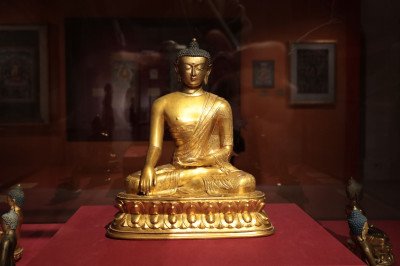
Kakata Pura is widely revered for its ancient Maa Mangala Temple, located on the banks of the sacred Prachi River. This site holds immense spiritual significance for the people of Odisha as it is intrinsically linked to the Navakalebara ritual of Lord Jagannath in Puri. When the search for the sacred Neem trees (Daru) begins for the new idols of the Holy Trinity, the priests come here to seek divine guidance from the Goddess. The atmosphere is filled with a sense of ancient mysticism and deep-rooted faith that transcends generations. Visitors often find solace in the rhythmic chanting of hymns and the serene flow of the nearby river. The temple complex is a hub of cultural activity, where traditional Odia customs are preserved with great fervor and dedication. It serves as a bridge between the coastal heritage and the mainstream Jagannath culture. The history of the place is intertwined with local legends that speak of the Goddess protecting the region from natural calamities. Pilgrims believe that a visit here is incomplete without offering prayers for a safe journey ahead. The local community is deeply involved in the temple's daily rituals, making it a living monument of Odia spirituality. Exploring the nearby Prachi valley reveals many other minor shrines and archaeological ruins.
Card image cap
Kanika Palace Museum

Kanika Palace is a magnificent historical edifice that serves as a silent witness to the aristocratic grandeur of the Bhanja dynasty. Built over a ce...

Kanika Palace is a magnificent historical edifice that serves as a silent witness to the aristocratic grandeur of the Bhanja dynasty. Built over a century ago by Raja Rajendra Narayan Bhanja Deo, the palace is an architectural marvel that blends Indian aesthetics with colonial influences. A significant portion of this sprawling estate has been converted into a museum, housing an impressive collection of royal artifacts. One of the most famous exhibits is the world’s largest crocodile skeleton, which draws researchers and curious tourists alike. The museum also displays antique furniture, vintage photographs, and traditional weapons used by the royal guards. The palace is surrounded by lush greenery and sits near the banks of the Baitarani and Kharasrota rivers, offering a scenic and tranquil atmosphere. Visitors can walk through the corridors that once echoed with the footsteps of royalty and admire the intricate woodwork and Belgian glass windows. The estate reflects the wealth and cultural patronage of the local rulers who played a key role in the regional history. The museum serves as an educational hub for those interested in the socio-political history of Odisha during the British era. The preservation of these artifacts allows for a rare glimpse into the luxurious lifestyle of the 19th-century Odia kings.
Card image cap
Kodandaram Temple

The Kodandaram Temple in Indupur is a significant spiritual landmark dedicated to Lord Rama, who is worshipped here as Kodandaram (Rama with the bow)...

The Kodandaram Temple in Indupur is a significant spiritual landmark dedicated to Lord Rama, who is worshipped here as Kodandaram (Rama with the bow). This temple is deeply cherished by the local community and is known for its serene atmosphere and spiritual vibrancy. Legend has it that the temple was established centuries ago, and the deities are believed to be highly responsive to the prayers of the faithful. The sanctum sanctorum houses beautiful idols of Lord Rama, Goddess Sita, and Lord Lakshmana, all depicted in a graceful and divine posture. The temple complex is a center for various religious activities, especially those related to the Ramayana. Devotees from all over the district visit this shrine to seek blessings for family welfare and protection. The architecture, while simple compared to the larger cathedrals of Odisha, carries a distinct charm that reflects the local craftsmanship of the era. The temple also plays a vital role in preserving traditional Odia bhajan and kirtan cultures, with daily performances echoing through the halls. During the Ram Navami festival, the entire village of Indupur transforms into a festive hub, with thousands of pilgrims arriving to witness the special rituals. The temple’s location in a rural setting adds to its charm, providing a peaceful escape from the noisy city life. It serves as a spiritual anchor for the region, fostering a sense of peace and brotherhood among the visitors.
Card image cap
Lakshmi Varaha Jew Temple

The Lakshmi Varaha Jew Temple in Aul is one of the most significant Vaishnavite shrines in Odisha, dedicated to the Varaha (Boar) incarnation of Lord...

The Lakshmi Varaha Jew Temple in Aul is one of the most significant Vaishnavite shrines in Odisha, dedicated to the Varaha (Boar) incarnation of Lord Vishnu. Unlike many other Varaha temples where the Lord is depicted with Bhudevi, here he is worshipped alongside his consort Lakshmi. The temple has a fascinating history dating back over 500 years. According to local legend, the deity was originally in Jajpur but moved to Aul following the dream of a local king who was a great devotee. The current structure was renovated in the 20th century by the Aul royal family, who still oversee the temple’s traditions. The idol of Lord Varaha is carved from a single piece of dark stone and is a masterpiece of ancient sculpture. The temple is situated on the banks of the Brahmani River, providing a serene and picturesque backdrop. It is considered a very powerful spot for those seeking protection and prosperity. The rituals performed here are unique and strictly follow the Pancharatra system of worship. During major festivals like Makar Sankranti, the temple sees a massive influx of devotees from across the state. The complex also houses several smaller shrines dedicated to different forms of Vishnu and Shiva, signifying a synthesis of various cults. The spiritual energy of the place, combined with its historical ties to the local royalty, makes it a must-visit destination.
Card image cap
Lalitgiri Buddhist Complex

Lalitgiri is one of the most important Buddhist archaeological sites in India, forming a part of the famous "Diamond Triangle" of Odisha. Dating back...

Lalitgiri is one of the most important Buddhist archaeological sites in India, forming a part of the famous "Diamond Triangle" of Odisha. Dating back to the 1st century AD, this complex was a major center of the Mahayana and Vajrayana sects of Buddhism. The site is spread across a hillock and contains the ruins of several monasteries, stupas, and a massive Chaityagriha. One of the most historic discoveries made here was the finding of sacred relics, believed to be those of Lord Buddha, enclosed in gold and silver caskets within a stone stupa. This discovery placed Lalitgiri on the global map for Buddhist pilgrims and historians. The site also features a modern museum that houses an incredible collection of stone sculptures, including colossal Buddha figures and intricate carvings of Tara and Avalokitesvara. Walking through the ruins, one can sense the intellectual and spiritual energy that once filled this ancient university. The peaceful environment, surrounded by green hills, offers a stark contrast to the busy towns nearby. Archaeologists believe that Lalitgiri was once connected to other major Buddhist sites like Ratnagiri and Udayagiri via a network of scholars and monks. The site provides deep insights into the evolution of Buddhist art and architecture in eastern India. It is a place where history, art, and spirituality converge in a breathtaking landscape.
Card image cap
Maa Gojabayani Temple

@@ Historical Context: The Maa Gojabayani Temple is a legendary shrine located in the serene village of Baghadia. @@ Divine Legend: It is dedicated to...

@@ Historical Context: The Maa Gojabayani Temple is a legendary shrine located in the serene village of Baghadia. @@ Divine Legend: It is dedicated to Goddess Durga, known here as Gojabayani, where "Go" represents cow and "Jabayani" means warrior goddess. @@ Unique Rituals: The temple is famous for its unconventional "Macha Ghanta" (fish curry) offerings, specifically on Tuesdays and Thursdays. @@ Community Faith: Local devotees believe the Goddess has miraculous healing powers to cure diseases and fulfill heartfelt wishes of the poor. @@ Landscape: The temple is surrounded by lush green paddy fields and jackfruit trees, providing a peaceful rural atmosphere for spiritual seekers.
Card image cap
Matia Mangala Temple

@@ Spiritual Significance: Matia Mangala Temple is a highly revered shrine dedicated to Goddess Mangala, situated on the tranquil banks of the Brahman...

@@ Spiritual Significance: Matia Mangala Temple is a highly revered shrine dedicated to Goddess Mangala, situated on the tranquil banks of the Brahmani River. @@ Atmosphere: This place is known for its quietude and "Shanti" (peace), making it a perfect spot for meditation and deep spiritual reflection. @@ Local Folklore: The locals hold an unwavering faith that the deity protects the region from natural calamities and ensures the prosperity of farmers. @@ Sacred Pitha: It is considered a significant "Shakti Pitha" in the district where traditional Odia rituals are performed with great Vedic precision. @@ Natural Beauty: The temple complex is surrounded by dense greenery and the flowing river, creating a picturesque setting for visitors.
Card image cap
Padinipal Bridge

@@ Landmark Overview: The Padinipal Bridge is a vital infrastructure project and a popular sightseeing spot for locals in the Kendrapara district. @@ ...

@@ Landmark Overview: The Padinipal Bridge is a vital infrastructure project and a popular sightseeing spot for locals in the Kendrapara district. @@ Strategic Importance: This bridge connects various rural pockets of Padanipal and Aul, facilitating trade and daily commuting over the river. @@ Scenic Views: It offers breathtaking panoramic views of the river during the monsoon when the water level rises and the greenery is lush. @@ Modern Development: It stands as a symbol of modern engineering in the district, significantly reducing travel time for the people of Kendrapara. @@ Evening Hangout: In recent years, it has become a favorite spot for youngsters and families to enjoy the cool evening breeze.
Card image cap
Paradeep Port

@@ Industrial Pride: Paradeep Port is one of the oldest and largest major seaports on the eastern coast of India, serving global trade. @@ Historical ...

@@ Industrial Pride: Paradeep Port is one of the oldest and largest major seaports on the eastern coast of India, serving global trade. @@ Historical Foundation: The foundation stone was laid by Pandit Jawaharlal Nehru in January 1962, and it was founded by Biju Patnaik. @@ Commercial Hub: It handles millions of tonnes of cargo like coal and iron ore, acting as a lifeline for the economy of Odisha state. @@ Natural Confluence: The port is uniquely located at the point where the Mahanadi River meets the vast waters of the Bay of Bengal. @@ Maritime Legacy: It showcases the rich maritime history of ancient Kalinga, once known for its brave sea voyagers and global trade links.
Card image cap
Pentha Sea Beach

@@ Coastal Beauty: Pentha Sea Beach is a hidden treasure of Kendrapara, known for its golden sands and the melodious sound of roaring waves. @@ Enviro...

@@ Coastal Beauty: Pentha Sea Beach is a hidden treasure of Kendrapara, known for its golden sands and the melodious sound of roaring waves. @@ Environment: The beach is part of the Gahirmatha Marine Sanctuary zone and is famous for its dense pine forests and mangrove vegetation. @@ Eco-Tourism: It serves as the venue for the famous Eco Retreat festival, offering luxury camping experiences right on the sandy seashore. @@ Wildlife Connect: Visitors can often spot thousands of red crabs crawling on the shore and, occasionally, the rare Olive Ridley turtles nesting nearby. @@ Serenity: Unlike other crowded beaches, Pentha offers a secluded environment where one can witness spectacular sunrises over the horizon.
Card image cap
Rajkanika Palace

Rajkanika Palace, also known as Kanika Rajbati, is a magnificent historical landmark situated in the Rajkanika block of Kendrapara. Built by the visi...

Rajkanika Palace, also known as Kanika Rajbati, is a magnificent historical landmark situated in the Rajkanika block of Kendrapara. Built by the visionary King Rajendra Narayan Bhanja Deo, this palace serves as a testament to the opulence and cultural richness of the Kanika dynasty. The estate is uniquely positioned between the Kharasrota and Baitarani rivers, creating a scenic and strategic layout. The palace grounds span over 4 acres and feature a massive structure that rises to a height of 75 feet. Inside, the palace houses a museum that is a treasure trove for history enthusiasts, containing rare war equipment, royal palanquins, and vintage furniture. One of the most famous exhibits is the world's largest crocodile skull, which draws visitors from all over the world. The royal family’s legacy is preserved through intricate paintings, traditional dresses, and a variety of weapons used during the colonial and pre-independence eras. The palace remains a significant cultural hub, often visited by researchers and tourists looking to understand the administrative and social history of Odisha's princely states. The serene atmosphere and the grand scale of the building reflect the architectural ambition of the 19th-century Odia kings. Visitors can explore the various sections of the palace, including the main living quarters and the public courts where the King held audience. The historical importance of Rajkanika is also linked to the local freedom struggle, as the royal family played a dual role in local governance and resistance. Today, the palace stands as one of the best-preserved royal residences in the coastal belt of Odisha. Exploring the corridors of this palace feels like a journey back in time, offering a glimpse into the lavish lifestyles of the erstwhile rulers. The museum's collection of stuffed animals, including an elephant skull and a tiger, highlights the hunting traditions of the past. The intricate woodwork on the ceilings and the stained-glass windows add to the aesthetic charm of the interiors. It is a must-visit for anyone interested in the heritage of the Kalinga region.
Card image cap
Sakhibata

Sakhibata is a unique and spiritual destination located in Bilabalarampur, just a short distance from the heart of Kendrapara. The centerpiece of thi...

Sakhibata is a unique and spiritual destination located in Bilabalarampur, just a short distance from the heart of Kendrapara. The centerpiece of this location is a massive, 500-year-old banyan tree that spreads across approximately 1.3 acres of land. This ancient tree is not just a botanical marvel but a deeply revered religious site, featuring over 600 aerial trunks and sub-trunks that create a forest-like canopy. According to local legend, during the 18th century, when Muslim invaders attacked the Shri Baladev Jew Temple, the holy idols were brought here and hidden within the dense branches of this tree to protect them from destruction. This historical event earned the place its name and its status as a "Gupta Kshetra" or hidden sacred zone. A small, ancient temple dedicated to Lord Baladev Jew is nestled beneath the tree, where devotees offer prayers and perform rituals. The site is a perfect blend of natural wonder and religious heritage, attracting both nature lovers and pilgrims throughout the year. The government of Odisha has officially recognized it as a tourist spot due to its ecological and historical significance. Walking under the vast network of trunks provides a sense of peace and tranquility that is hard to find elsewhere. The tree is believed to have a spiritual aura, and many locals believe that the tree itself acts as a witness (Sakhi) to the divine activities of the Lord. The area is surrounded by lush greenery, making it an ideal spot for meditation and quiet reflection. During festivals, the entire area under the tree is decorated, and the sound of bells and chants fills the air. It is a place where the lines between nature and divinity blur, offering a unique experience to every visitor. The massive size of the tree is a sight to behold, and it serves as a natural habitat for various birds and small animals. Visiting Sakhibata is essential for anyone exploring the spiritual landscape of Kendrapara.
Card image cap
Shri Baladev Jew Temple

Shri Baladev Jew Temple is the most significant religious landmark in the Kendrapara district, often referred to as the Tulasi Khetra. Dedicated to L...

Shri Baladev Jew Temple is the most significant religious landmark in the Kendrapara district, often referred to as the Tulasi Khetra. Dedicated to Lord Baladev (Balarama), the elder brother of Lord Jagannath, this temple is considered one of the primary "Kshetras" in Odisha, alongside Puri and Konark. The temple complex is a sprawling 3-acre area that houses the main deities: Lord Baladev, Lord Jagannath, and Goddess Subhadra. Unlike the wooden idols in Puri, the deity of Lord Baladev here is known as "Manibigraha" and is not subject to the Nabakalebara (renewal) rituals. The history of the temple is deeply rooted in local legend; it is believed that Lord Balarama killed the demon Kendarasura here and married his daughter Tulasi, giving the place its name. The current structure was built around 1700 AD by the King of Kujanga, Gopinath Narendra, after the original temple was destroyed during the reign of Aurangzeb. The temple is a masterpiece of Odia architecture, featuring several distinct sections like the Bada Deula, Jagamohan, and Nata Mandir. The rituals here are strictly Vaishnavite, avoiding any Tantric influences, making it a pure center of devotion. The temple's most famous offering is the Rasabali, a delicious sweet made of deep-fried cheese soaked in thickened milk, which has been granted a GI Tag. Thousands of devotees flock to the temple daily, especially during the annual Rathajatra, where the deities are carried in the massive Brahma Taladhwaja chariot. The temple complex also includes a beautiful garden and several smaller shrines dedicated to other gods and goddesses. It is a place of immense spiritual energy and historical importance, serving as the cultural heartbeat of the Kendrapara region. For any traveler, a visit to this temple offers a profound insight into the religious traditions and the architectural brilliance of ancient Odisha.
Show All

Kendrapada Itineray And Cost:-

Information about New and Updated Locations() of Odisha Has Been Added :-
Card subtitle

Note:-

Information provided here in good Faith and for reference only.

All information and pictures will be updated soon, please keep visiting.

Near Places

...
Angul

Some quick example text to build on the card title and make up the bulk of the card's content.

Go somewhere
...
Balasore

Some quick example text to build on the card title and make up the bulk of the card's content.

Go somewhere
...
Bargarh

Some quick example text to build on the card title and make up the bulk of the card's content.

Go somewhere
...
Baripada

Some quick example text to build on the card title and make up the bulk of the card's content.

Go somewhere
...
Berhampur

Some quick example text to build on the card title and make up the bulk of the card's content.

Go somewhere
...
Bhadrak

Some quick example text to build on the card title and make up the bulk of the card's content.

Go somewhere
...
Bhubaneswar

Some quick example text to build on the card title and make up the bulk of the card's content.

Go somewhere
...
Chandipur

Some quick example text to build on the card title and make up the bulk of the card's content.

Go somewhere
...
Cuttack

Some quick example text to build on the card title and make up the bulk of the card's content.

Go somewhere
...
Daringbadi

Some quick example text to build on the card title and make up the bulk of the card's content.

Go somewhere
in Other Cities