
...

Place To Visit And Things To Do In Khandala

Maharashtra, India
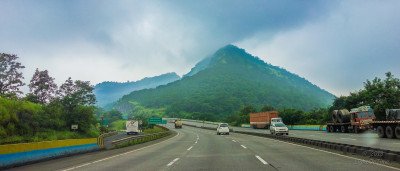
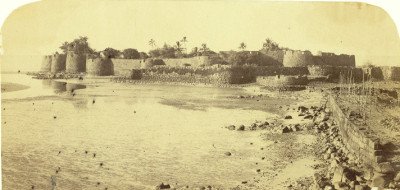
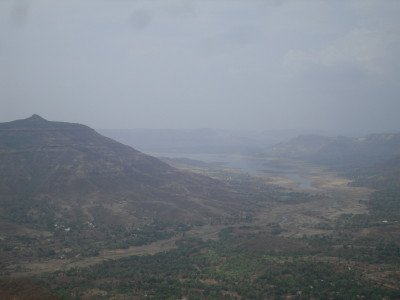
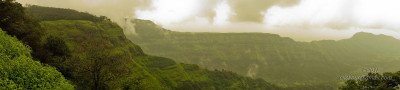
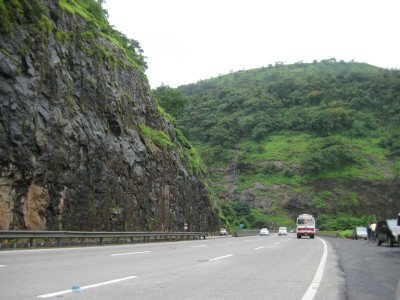
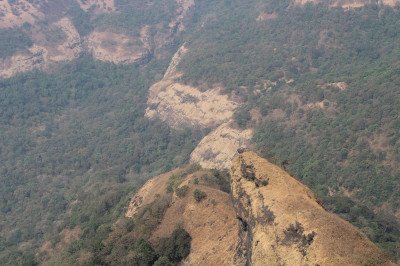
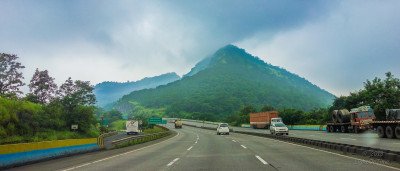
Topic: Hill Retreat: Khandala is one of the most famous hill stations in India, immortalized in Bollywood songs and known for its pleasant weather throughout the year. Perched at an altitude of approximately 550 meters, it offers breathtaking views of deep valleys, grassy hills, and sparkling lakes . It is situated on the western slopes of the Sahyadri range and serves as a major pitstop on the busy Mumbai-Pune corridor. The town is synonymous with tranquility, mist, and the aroma of freshly made Chikki. Topic: Historical Context: Historically, Khandala was a significant location during the Maratha-British wars due to its strategic position overlooking the Bhor Ghat pass. Today, it has evolved into a premier luxury destination with high-end resorts and private bungalows. The town is famous for its "points" or viewing decks that offer majestic vistas of the Duke's Nose and the Amrutanjan Point. It provides a quick escape for those looking to breathe fresh mountain air without traveling too far from the major metropolitan hubs.

Things To Do

Card image cap
Amrutanjan Point

@@Geographical Significance and Scenic Beauty: Amrutanjan Point is a prominent, easily accessible viewpoint located at the very start of the descent o...
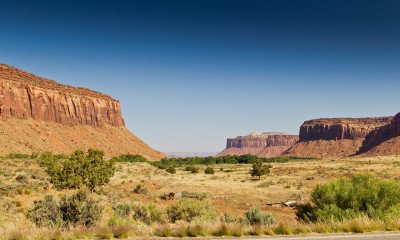
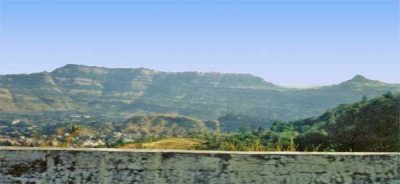
@@Geographical Significance and Scenic Beauty: Amrutanjan Point is a prominent, easily accessible viewpoint located at the very start of the descent of the Khandala Ghat section on the Mumbai-Pune Expressway. It is essentially a strategically located clearing that offers a breathtaking, unobstructed, and panoramic view of the vast valley below, the winding road network, and the distinct Duke's Nose rock formation. The name is derived from the large Amrutanjan advertisement hoarding that was historically present near the spot. It serves as a favored resting spot for travelers commuting between Mumbai and Pune, providing an immediate escape into nature's grandeur. The flat, open space allows for safe parking and enjoyment of the misty ambiance, especially during the monsoon. @@Aerial View of Khopoli Town: A key highlight is the magnificent aerial perspective of the industrial town of Khopoli nestled in the Konkan plains at the base of the ghats, contrasting sharply with the raw, untouched beauty of the Sahyadri mountains. The location's altitude provides clear views of the distant landscape.
Card image cap
Bairamji Point

Bairamji Point is one of Khandala's serene and less-frequented viewpoints, offering a tranquil escape from the more bustling tourist spots. Unlike th...

Bairamji Point is one of Khandala's serene and less-frequented viewpoints, offering a tranquil escape from the more bustling tourist spots. Unlike the dramatic cliffs of Duke's Nose or the popular Echo Point at Tiger's Leap, Bairamji Point provides a quieter, more contemplative experience with nature. It's often discovered by those exploring the old Mumbai-Pune Highway, a route that winds through some of Khandala's most scenic landscapes. The viewpoint offers a picturesque vista of the verdant valleys, the undulating Sahyadri hills, and, in the distance, glimpses of the sprawling plains below. The charm of Bairamji Point lies in its peaceful ambiance. It s an ideal spot for visitors who prefer solitude and wish to immerse themselves in the natural beauty without the crowds. The air here is fresh and invigorating, especially in the early mornings or late afternoons, making it perfect for a leisurely stroll or a quiet moment of reflection. During the monsoon season, the surroundings of Bairamji Point burst into life with an abundance of greenery, and distant waterfalls can often be seen cascading down the slopes, enhancing the already captivating scenery. The mist that frequently descends upon the hills adds a mystical quality to the landscape, creating a photographer's delight. While there are typically no major facilities or commercial establishments at this point, its raw, untouched beauty is its primary appeal. It's a reminder of Khandala's understated elegance, a place where one can truly connect with the natural world and appreciate the subtle shifts in light and landscape throughout the day. For those looking to discover a hidden gem and enjoy the Western Ghats in their quiet splendor, Bairamji Point offers a memorable and rejuvenating experience.
Card image cap
Bhedsa Caves

The Bhedsa Caves are a remarkable group of ancient Buddhist rock-cut caves, dating back to the 1st century BCE. These historical caves offer a fascin...

The Bhedsa Caves are a remarkable group of ancient Buddhist rock-cut caves, dating back to the 1st century BCE. These historical caves offer a fascinating glimpse into India's rich Buddhist heritage and ancient monastic life. While slightly less famous than the nearby Karla or Bhaja Caves, Bhedsa holds its own unique charm with its intricate carvings, architectural significance, and relatively preserved stupas. The complex comprises two main caves: a large Chaityagriha (prayer hall) and a Vihara (monastery). The Chaityagriha is particularly noteworthy for its grand dimensions and the presence of a beautiful stupa at its far end. The facade of the Chaityagriha features intricate carvings, depicting various Buddhist symbols and motifs, though some have weathered over centuries. One of the most striking features of Bhedsa is its wooden architecture replicated in stone particularly the ribbed patterns on the ceiling of the Chaityagriha, designed to mimic wooden beams, showcasing the incredible skill of ancient artisans. The pillars within the prayer hall are also adorned with exquisite carvings of animals and human figures, adding to the aesthetic appeal. The Vihara cave, though smaller, would have served as living quarters for the monks. To reach the caves, visitors typically undertake a short uphill trek, which adds an element of adventure to the historical exploration. The path winds through lush greenery, particularly vibrant during the monsoon, offering scenic views of the surrounding countryside. This journey to the caves allows for a deeper appreciation of the secluded environment where these ancient monastic communities thrived. Bhedsa Caves provide a tranquil and historically rich experience, allowing visitors to step back in time and marvel at the architectural prowess and spiritual dedication of the early Buddhist era. It's an essential visit for history buffs, archaeology enthusiasts, and anyone interested in India's diverse cultural tapestry.
Card image cap
Bhor Ghat

@@Historical and Engineering Marvel: Bhor Ghat, also known as Bor Ghat or Bhore Ghaut, is a mountain pass that holds immense historical and engineerin...

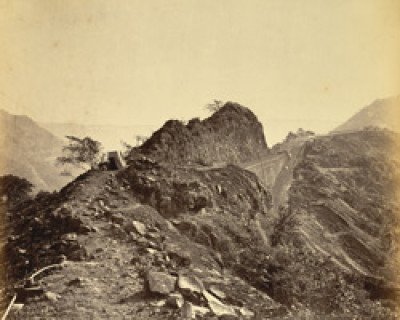
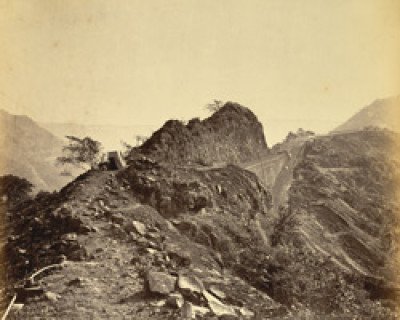
@@Historical and Engineering Marvel: Bhor Ghat, also known as Bor Ghat or Bhore Ghaut, is a mountain pass that holds immense historical and engineering significance. It is one of the crucial connections between the Deccan Plateau (Pune) and the Konkan Coast (Mumbai), carving a path through the massive Sahyadri mountain range. The sheer scale of the construction, especially the railway line which was completed in 1863 by the British to facilitate trade and movement, is a testament to 19th-century engineering prowess. The pass has been a major trade route since ancient times, later adapted for modern road and rail networks. @@A Symbiotic Network of Transport: Today, the ghat is defined by three parallel transport corridors: the historic railway line (Mumbai-Chennai mainline), the old Mumbai-Pune Highway (NH-48), and the modern Mumbai-Pune Expressway (Yashwantrao Chavan Mumbai-Pune Expressway). Driving through the ghat offers varying, spectacular views of deep valleys, tunnels, and numerous cascading waterfalls during the monsoon. The experience of ascending or descending the ghat is a major attraction in itself, with its thrilling hairpin bends and rapid change in altitude.
Card image cap
Canyon Valley

@@Geological Formation and River Source: Canyon Valley, often referred to as Ulhas Valley or the 'Valley of Shadows' (a different location, though som...
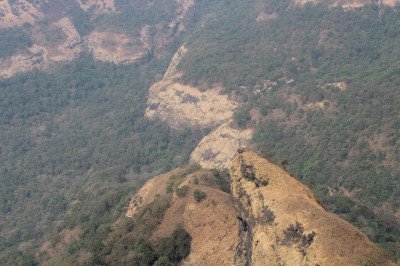
@@Geological Formation and River Source: Canyon Valley, often referred to as Ulhas Valley or the 'Valley of Shadows' (a different location, though sometimes confused), is a dramatic, deep gorge carved by the Ulhas River as it begins its journey down to the Konkan coast. The river originates in the hills of the Khandala-Lonavala region, and the valley represents the stunning initial section where the water cuts through the hard basalt rock of the Western Ghats. The depth and narrowness of the gorge create a micro-climate with massive waterfalls during the monsoon season. @@Trekking and Adventure Hub: This valley is primarily famous as a challenging destination for serious trekkers and adventure sports enthusiasts, particularly for waterfall rappelling, stream walking, and canyoning (waterfall descending). The main trek involves a steep descent into the valley floor, following the river stream, and navigating rocky patches. It offers a raw, untouched nature experience that is significantly more demanding than the popular viewpoints. The dense forest cover and sheer cliff walls make it a visually spectacular and isolated location, contrasting with the commercialized areas of Khandala.
Card image cap
Duke's Nose

@@Distinctive Geological Landmark: Duke's Nose, or Nagphani (meaning 'Cobra's Hood' in Marathi), is arguably the most recognizable natural landmark in...
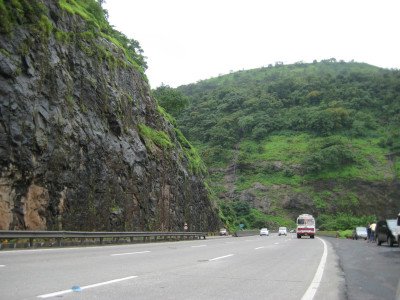
@@Distinctive Geological Landmark: Duke's Nose, or Nagphani (meaning 'Cobra's Hood' in Marathi), is arguably the most recognizable natural landmark in the Khandala-Lonavala region. It is a massive, distinctive cliff that juts out dramatically from the main body of the Sahyadri range, resembling a cobra's hood or, historically, the nose of the Duke of Wellington. The peak is a prominent feature visible from many other viewpoints, including Amrutanjan Point and Khandala Ghat View Point. The view from the top is a spectacular 360-degree panorama of the Bhor Ghat and the surrounding plains. @@Trekking and Adventure Paradise: The peak is a mecca for adventure sports, attracting thousands of trekkers, hikers, and rock climbers every year. The trek starts near Kurvande Village and is a moderately challenging, rewarding climb through dense forest. Rock climbing and rappelling are organized on the near-vertical cliff face, offering an unparalleled adrenaline rush for experienced enthusiasts. The serene atmosphere at the summit, contrasted with the thrill of the climb, makes it a unique tourist destination.
Card image cap
Khandala Ghat View Point

@@The Quintessential Roadside View: The Khandala Ghat View Point is a highly popular, easily accessible roadside stop along the Mumbai-Pune Highway (N...

@@The Quintessential Roadside View: The Khandala Ghat View Point is a highly popular, easily accessible roadside stop along the Mumbai-Pune Highway (NH-48), providing a stunning panoramic vista of the deep valley (often called Tiger Valley or Tiger's Leap valley) that plunges into the Konkan plains. It is frequently confused with Amrutanjan Point but is located further into the ghat section. The viewpoint offers a clear perspective of the Western Ghats' steep descent, with the highway snaking below, and is a mandatory stop for most travelers. @@Observation of Tiger's Leap Feature: From this point, one can get a great view of the unique rock formation called Tiger's Leap (which is a sheer cliff), or simply enjoy the sight of waterfalls cascading down the immense rock faces during the monsoon. The area is characterized by open flat spaces, numerous food stalls, and vendors selling local Lonavala Chikki (brittle) and hot snacks, creating a vibrant, yet scenic, pit stop atmosphere. The view is best during the cooler parts of the day when the air is clear.
Card image cap
Khandala Lake

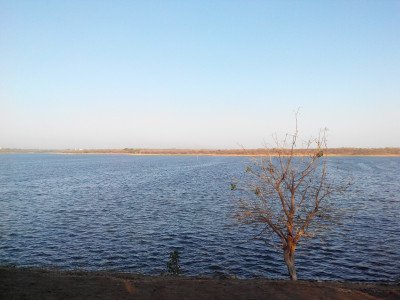
@@The Serene Artificial Lake: Khandala Lake is a relatively small, beautiful, artificial water body located near Kune Village on the old Mumbai-Pune h...

@@The Serene Artificial Lake: Khandala Lake is a relatively small, beautiful, artificial water body located near Kune Village on the old Mumbai-Pune highway. Surrounded by lush, verdant hills of the Sahyadri mountains, the lake offers a serene and calm environment away from the noise of the main road. The main activity is boating, which provides a unique perspective of the surrounding natural beauty. The lake is particularly enchanting during the monsoon and immediate post-monsoon periods when the surrounding hills are at their greenest and the water level is highest. @@Leisure and Picnic Spot: Functioning primarily as a picnic spot and a leisure activity center, the lake is highly popular with families and couples looking for a relaxing hour or two. The calm waters and picturesque setting create a perfect backdrop for photography and simple relaxation. Unlike the dam reservoirs, this is a dedicated recreational lake, with well-maintained boating facilities and necessary safety equipment provided on site. Local vendors often set up stalls to sell refreshments to visitors.
Card image cap
Khandala Tunnel (Viewpoint)

The Khandala Tunnel, specifically referring to the area around the numerous railway and road tunnels that punctuate the Khandala Ghat, serves as an i...

The Khandala Tunnel, specifically referring to the area around the numerous railway and road tunnels that punctuate the Khandala Ghat, serves as an informal but captivating viewpoint. It's not a single designated tourist spot with amenities, but rather a collection of vantage points where travelers can pause to appreciate the engineering marvel of the tunnels themselves, juxtaposed with the dramatic natural landscape of the Sahyadris. The construction of these tunnels, particularly for the historic Mumbai-Pune railway line, was a monumental engineering feat of the 19th century, cutting through hard rock to connect the Konkan coast with the Deccan plateau. From various points near these tunnels, particularly on the Old Mumbai-Pune Highway, visitors can witness trains emerging from or disappearing into the dark maw of the mountains, a fascinating sight for railway enthusiasts. The roar of the train echoing through the valley and the sight of its lights piercing the darkness of the tunnel offer a unique urban-meets-nature experience. The surrounding area is characterized by steep hillsides, rocky outcrops, and dense vegetation. During the monsoon, the rocks often drip with water, and small waterfalls cascade down, adding to the dramatic scenery around the tunnel entrances. The mist and fog that frequently shroud the ghats during the rainy season lend a mysterious and ethereal quality to the entire scene. These informal viewpoints near the tunnels provide a raw, untouched perspective of Khandala's rugged beauty and its crucial role as a passage through the Western Ghats. It's a place where one can feel the history of transportation, appreciate the challenges overcome by early engineers, and simply enjoy the untamed natural environment. While lacking formal facilities, the sheer power of the landscape and the sight of the tunnels carving their way through the mountains make it a memorable, albeit brief, stop for those traveling through Khandala.
Card image cap
Khandala Valley View Point

The Khandala Valley View Point isn't a single, named monument but rather refers to several designated or informal spots throughout Khandala that offe...

The Khandala Valley View Point isn't a single, named monument but rather refers to several designated or informal spots throughout Khandala that offer sweeping, unobstructed vistas of the vast valley that stretches out beneath the hill station. Khandala, by its very nature, is perched on the edge of the Sahyadri Ghats, providing numerous opportunities to gaze into the deep ravines and across the rolling hills. These viewpoints are often less developed than famous spots like Tiger's Leap, offering a more natural and serene experience. From these various "Valley View Points," visitors can witness the majestic scale of the Western Ghats, with their ancient rock formations, dense forests, and the meandering rivers in the distance. The view typically encompasses layers of hills fading into the horizon, creating a stunning sense of depth and perspective. During the dry season, the valley might present a rugged, earthy panorama, while in the monsoon, it transforms into an intensely green spectacle, with clouds often descending into the valley, creating a dramatic and ethereal landscape. The sight of mist swirling around the peaks and settling in the crevices of the valley is a particularly enchanting experience, offering breathtaking photographic opportunities. These spots are ideal for quiet contemplation, deep breathing, and simply appreciating the sheer power and beauty of nature. They are easily accessible by car, allowing for spontaneous stops. Local vendors sometimes set up small stalls, offering a warm cup of tea or fresh corn, enhancing the experience of enjoying the vista. While many tourists flock to the more famous spots, exploring these general "Valley View Points" allows for a more personalized and often more peaceful connection with Khandala's natural grandeur, making every turn in the road a potential discovery of a new, awe-inspiring scene.
Card image cap
Korigad Fort

Korigad Fort is a majestic hill fort standing at an elevation of approximately 923 meters (3,028 feet) above sea level, making it a prominent landmar...

Korigad Fort is a majestic hill fort standing at an elevation of approximately 923 meters (3,028 feet) above sea level, making it a prominent landmark in the Sahyadri range. This fort is a popular trekking destination, particularly favored by beginners and those looking for a relatively easy yet rewarding hike. Korigad's history dates back to the 17th century when it was one of the many forts held by Chhatrapati Shivaji Maharaj. Its strategic location allowed it to serve as a watchtower and defense post, guarding the trade routes in the region. The trek to Korigad Fort is relatively straightforward, with a well-defined path leading to the top. The ascent typically takes about 1.5 to 2 hours, making it an excellent one-day trek. The trail passes through dense forests, offering picturesque views of the surrounding valleys and the expansive Aamby Valley City below. During the monsoon season, the entire path is enveloped in lush greenery, with numerous small streams and waterfalls appearing, making the experience even more refreshing and scenic. The fort's plateaued summit is quite vast and includes several ancient structures. Key attractions on top include a temple dedicated to Korai Devi (the fort's patron goddess), several small ponds or water cisterns (known as "ghai"), and remnants of old fortifications, including bastions and gates. The perimeter wall of the fort is largely intact, allowing visitors to walk around and enjoy 360-degree panoramic views of the adjacent forts like Ghangad and Tailbaila, as well as the plains. The unhindered views from the top, combined with the historical significance and the invigorating trek, make Korigad Fort a compelling destination for nature lovers, history enthusiasts, and adventure seekers alike, providing a perfect escape into the natural and historical heartland of Maharashtra.
Card image cap
Kune Church

@@Historical and Spiritual Landmark: Kune Church, officially known as St. Joseph's Church, is a small, historic place of worship located in the heart ...
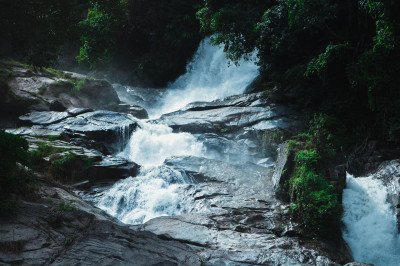
@@Historical and Spiritual Landmark: Kune Church, officially known as St. Joseph's Church, is a small, historic place of worship located in the heart of the Kune Village area, close to the famous Kune Falls. It stands out as a serene spiritual landmark amidst the natural beauty and adventure spots of Khandala. The church has served the local Christian community for many decades, offering a peaceful sanctuary for prayer and reflection. It is a structure that reflects the quiet historical presence of the community in this hill station. @@A Blend of History and Nature: The simplicity of its architecture, combined with its location set against a backdrop of lush green hills, makes it a picturesque and calming spot to visit. It is often used as a convenient and well-known landmark for visitors seeking the nearby Kune Falls. Visitors often stop here for a brief moment of quietude, appreciating the historical context and the spiritual peace it offers, providing a contrast to the bustling viewpoints and trekking trails. Its relatively untouched surroundings contribute to its charm as a quiet, reflective spot.
Card image cap
Kune Falls

@@Natural Spectacle: Kune Falls is a majestic three-tiered waterfall, the 14th highest in India, cascading from a height of about 200m into a beautifu...

@@Natural Spectacle: Kune Falls is a majestic three-tiered waterfall, the 14th highest in India, cascading from a height of about 200m into a beautiful valley. It is located between Lonavala and Khandala in the Western Ghats. The surrounding area is a vast expanse of lush greenery, especially vibrant during the monsoon. The falls are divided into two sections, with the highest drop being about 100 meters. The base of the falls forms a natural pool, making it a popular spot for picnics and bathing. The mist and the roar of the water create a refreshing and invigorating atmosphere, a perfect escape from city life. It is particularly renowned for its accessibility and picturesque setting.
Card image cap
Lohagad Fort (Base Area & Views)

Lohagad Fort, meaning "Iron Fort," is one of Maharashtra's most historically significant and popular hill forts. While the trek to the fort itself is...

Lohagad Fort, meaning "Iron Fort," is one of Maharashtra's most historically significant and popular hill forts. While the trek to the fort itself is a major draw, even the base area and the views it offers from Khandala's vicinity are worth acknowledging as distinct "places." The fort's unique shape, resembling a scorpion's tail (Vinchu Kata), and its rich history spanning multiple dynasties from the Satavahanas to the Marathas and Mughals make it a captivating landmark. Chhatrapati Shivaji Maharaj held this fort for a significant period, making it a crucial part of the Maratha Empire's legacy. From various points in Khandala and on the old Mumbai-Pune Highway, particularly near the Malavli exit, one can catch impressive distant views of Lohagad Fort perched majestically atop its hill. The fort's robust stone walls and formidable gates are discernible even from afar, hinting at its strategic importance. The base village of Lohagadwadi, the starting point for the trek, itself offers a glimpse into rural Maharashtrian life and provides a tangible connection to the fort's ancient past. The area around the base is often dotted with small local eateries serving authentic Maharashtrian snacks and meals, a perfect stop before or after a hike. During the monsoon, the landscape around Lohagad transforms into a verdant tapestry. The hills are cloaked in emerald green, and numerous seasonal waterfalls cascade down, creating a spectacular backdrop for the fort. The cloud cover and mist often lend a mystical aura to the entire region, making the views from the base incredibly picturesque. For those not inclined to undertake the full trek to the summit, simply appreciating Lohagad Fort's imposing presence from the road or a nearby viewpoint, perhaps while enjoying a cup of local tea, provides a fulfilling experience of Khandala's natural beauty and historical grandeur. It underscores the fort's enduring presence as a sentinel of the Sahyadris.
Card image cap
Monkey Hill

Monkey Hill, while not a conventional public tourist spot with open access, is a significant geographical feature and a viewpoint associated with the...

Monkey Hill, while not a conventional public tourist spot with open access, is a significant geographical feature and a viewpoint associated with the Khandala region, primarily known for its connection to the Indian Naval Ship (INS) Shivaji, a premier technical training establishment of the Indian Navy. The hill is part of the extensive terrain used by the naval base for training and exercises, and its name likely comes from the prevalent monkey population in the surrounding forested areas. Historically and geographically, Monkey Hill offers some of the highest vantage points in the immediate vicinity of Khandala, providing strategic views of the lush valleys, the winding railway tracks (including parts of the famous reversing station mechanism), and the vast expanse of the Sahyadri ranges. During the monsoon, this area becomes particularly picturesque, with dense fog rolling in, covering the peaks, and numerous seasonal waterfalls cascading down the slopes. The military presence means that public access to the absolute summit is restricted. However, glimpses of its scenic beauty and the surrounding landscapes can be enjoyed from certain points on the periphery or from routes that lead towards the naval base. For instance, the old railway line passes close to this area, offering unique perspectives. The mention of Monkey Hill often evokes a sense of both natural grandeur and national defense, blending the serene beauty of the Western Ghats with the disciplined environment of a naval training facility. While a direct tourist visit to the peak is not feasible for the general public, its presence defines a significant portion of the Khandala landscape and offers a unique narrative within the region's diverse attractions.
Card image cap
Monkey Point

@@Natural Viewpoint: Monkey Point is a popular scenic viewpoint located right along the Old Mumbai-Pune Highway, known for its beautiful valley vistas...

@@Natural Viewpoint: Monkey Point is a popular scenic viewpoint located right along the Old Mumbai-Pune Highway, known for its beautiful valley vistas of the Western Ghats. The point gets its name from the high number of monkeys often seen in the vicinity, which are attracted by tourist activity. It offers a spectacular panoramic view of the surrounding hills, especially the deep gorge and the railway line below, which snakes through the mountains. It's a key stop for travelers, particularly for a quick photo break or to enjoy the sunset. The view is incredibly misty during the monsoon, adding a mysterious charm to the landscape.
Card image cap
Rajmachi Garden / Rajmachi Point

Rajmachi Garden, often referred to interchangeably with Rajmachi Point, is a popular and easily accessible viewpoint located strategically on the old...

Rajmachi Garden, often referred to interchangeably with Rajmachi Point, is a popular and easily accessible viewpoint located strategically on the old Mumbai-Pune Highway (NH4) between Khandala and Lonavala. This well-maintained public garden serves as an excellent recreational spot and offers breathtaking panoramic views of the historic Rajmachi Fort, which stands majestically amidst the Sahyadri mountains, and the expansive valley below. The fort, comprising two distinct fortifications Shrivardhan and Manaranjan is a significant historical landmark and a popular trekking destination. From Rajmachi Garden, visitors can enjoy a distant yet clear view of these twin forts, perched atop the rugged hills. The garden itself is designed for relaxation, featuring manicured lawns, colorful flowerbeds, and seating areas, making it a pleasant stop for families, couples, and tourists seeking a moment of peace amidst nature. Children can enjoy the open spaces and play areas, while adults can simply sit back and admire the stunning scenery. One of the most captivating sights from Rajmachi Garden is the view of the Mumbai-Pune Expressway, a modern engineering marvel, winding its way through the verdant valley. The contrast between the ancient fort, the natural landscape, and the contemporary highway provides a unique visual experience. During the monsoon season, Rajmachi Garden becomes particularly enchanting. The entire landscape is drenched in vibrant greens, with numerous seasonal waterfalls visible in the distance, and the entire area often enveloped in a dreamy mist. The cool, fresh air and the sounds of nature contribute to a soothing and rejuvenating atmosphere. Local vendors are typically present, offering hot tea, coffee, and delicious snacks like roasted corn, making it a convenient and enjoyable stop. Rajmachi Garden provides a perfect blend of natural beauty, historical vista, and a comfortable environment for a relaxing break, making it a must-visit spot for anyone traveling through Khandala.
Card image cap
Rajmachi View Point

@@Gateway Viewpoint: Rajmachi View Point (often confused with Rajmachi Point) is a famous vantage spot that provides a spectacular, expansive view of ...
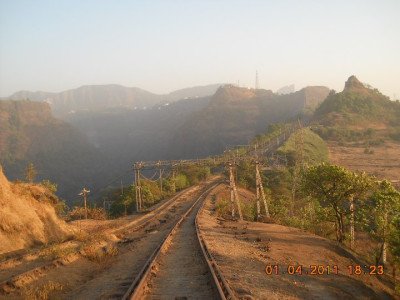
@@Gateway Viewpoint: Rajmachi View Point (often confused with Rajmachi Point) is a famous vantage spot that provides a spectacular, expansive view of the historic Rajmachi Fort (comprising Manaranjan and Shrivardhan forts) and the deeply carved valley of the Western Ghats. The point overlooks the dense forests and the winding highway road below. The atmosphere is serene and historical, as it marks the starting point for the trek to the main Rajmachi Fort village. It is extremely popular for witnessing glorious sunrises and for its connection to the region's rich Maratha history, providing a true sense of the strategic importance of the fort centuries ago.
Card image cap
Reversing Station (Old Railway Landmark)

The Reversing Station near Khandala holds a unique place in the history of Indian railways and offers a fascinating glimpse into engineering marvels ...

The Reversing Station near Khandala holds a unique place in the history of Indian railways and offers a fascinating glimpse into engineering marvels of the past. While not a conventional tourist attraction in the sense of a viewpoint or fort, it s a site of significant historical interest and a secluded spot for appreciating the region's natural beauty. This former railway station was a crucial operational point on the steep Bhor Ghat section of the Mumbai-Pune railway line, one of the most challenging railway gradients in India. The "reversing station" mechanism was designed to help trains navigate the steep incline and decline of the ghat. Instead of a direct continuous climb, trains would reverse their direction on a siding to gain elevation or descend gradually, using gravity and specialized tracks to manage the steep gradient. This ingenious system was vital before the advent of more powerful locomotives and advanced railway engineering. Today, while the reversing station itself may not be actively used in the same manner by modern trains, the site remains a silent testament to the ingenuity of 19th-century railway engineers. Visiting the Reversing Station offers a unique perspective. You can observe the intricate network of old railway tracks, tunnels, and bridges that cut through the rugged terrain. The area is often quiet and peaceful, away from the main tourist hubs, providing a sense of solitude. From this vantage point, you can also catch glimpses of the valley below and sometimes even see trains navigating the modern tracks of the Bhor Ghat. The surrounding landscape is characterized by dense forests, rocky outcrops, and, during the monsoon, numerous small waterfalls and a misty atmosphere. It s a compelling spot for railway enthusiasts, history buffs, and those who appreciate industrial heritage intertwined with natural beauty. It serves as a reminder of the monumental efforts involved in connecting major cities across challenging geographical barriers.
Card image cap
Reversing Station

@@Historical Rail Stop: The Reversing Station is an abandoned railway site that was historically part of the complex Ghat section of the Mumbai-Pune r...
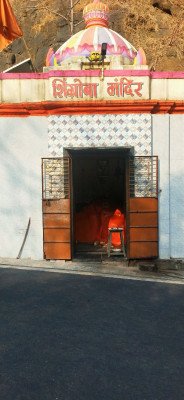
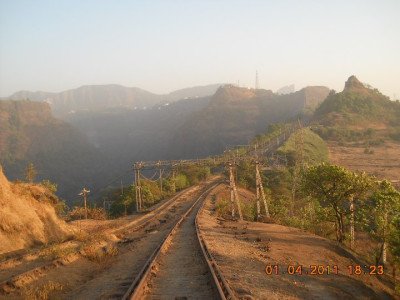
@@Historical Rail Stop: The Reversing Station is an abandoned railway site that was historically part of the complex Ghat section of the Mumbai-Pune railway line, where trains used the 'reversing' technique to navigate the steep gradient of the Bhor Ghat. Though no longer in use, it is now a vantage point offering stunning views of the Khopoli side valley and the surrounding hills. It stands as a testament to the ingenuity of British-era railway engineering. From here, you can often see the Duke's Nose peak and the Amrutanjan Point across the gorge. It's a quieter spot, popular among locals and those interested in history and railways.
Card image cap
Ryewood Park & Shivaji Garden

Ryewood Park and Shivaji Garden, while technically situated in Lonavala, are popular, easily accessible green spaces that visitors staying in Khandal...

Ryewood Park and Shivaji Garden, while technically situated in Lonavala, are popular, easily accessible green spaces that visitors staying in Khandala frequently include in their itinerary due to the twin hill stations' close proximity and shared tourist circuit. These parks offer a refreshing contrast to the rugged hills and deep valleys, providing manicured lawns, ancient trees, and a tranquil environment perfect for relaxation and recreation. Ryewood Park, once a botanical garden developed during the British Raj by Mr. Rye (hence the name), is a sprawling expanse of land covering several acres. It is characterized by its exceptionally tall, ancient trees, lush greenery, and beautifully maintained lawns. The park's serene ambiance makes it an ideal spot for morning and evening strolls, picnics, or simply unwinding amidst nature. Within its premises, Ryewood Park also houses an ancient Shiva Temple, adding a spiritual dimension to the natural setting. Children can enjoy the play areas equipped with swings and slides, while adults can relax on benches, read, or simply enjoy the fresh air. The dense foliage and the natural shade provided by the towering trees make it a comfortable spot even during warmer days. Shivaji Garden, also centrally located, is another popular public park offering similar amenities. It's often frequented by families and locals. While smaller than Ryewood, it provides a pleasant atmosphere for children to play and for visitors to relax. It offers views of the surrounding hills and a refreshing break from the concrete jungle. Both parks are known for their cleanliness and peaceful environment. They serve as excellent spots for spending a leisurely afternoon, enjoying a picnic lunch, or simply taking a break from sightseeing. They offer a simple yet profound connection with nature's softer side, complementing the more adventurous attractions of the region. For those seeking a serene escape within the town, these parks provide an accessible and delightful option.
Card image cap
Shingroba Temple

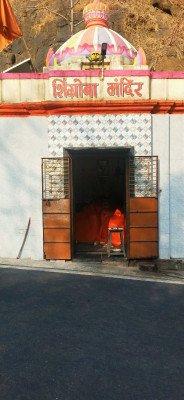
@@Ancient Road Temple: Shingroba Temple is an ancient and revered shrine located on the steep winding road of the Old Mumbai-Pune Highway, nestled bet...

@@Ancient Road Temple: Shingroba Temple is an ancient and revered shrine located on the steep winding road of the Old Mumbai-Pune Highway, nestled between Khopoli and Khandala. Dedicated to the local deity Shingroba (sometimes referred to as the 'Road God'), the temple holds immense significance for drivers and travelers, who often stop to seek blessings for a safe journey through the perilous ghat section. The temple itself is known for its serene, spiritual atmosphere and its simple, yet historically significant, 19th-century architecture. Its location provides a beautiful, peaceful contrast to the heavy traffic passing by.
Card image cap
Shooting Point (Kurvande Delight)

Shooting Point, also known as Kurvande Delight, is a lesser-known yet equally captivating viewpoint in Khandala that offers a distinct perspective of...

Shooting Point, also known as Kurvande Delight, is a lesser-known yet equally captivating viewpoint in Khandala that offers a distinct perspective of the Sahyadri ranges and the surrounding valleys. Unlike the more popular Tiger's Leap or Lion's Point, Shooting Point tends to be less crowded, providing a more peaceful and intimate experience with nature. Its name is believed to have originated from its popularity as a filming location for Bollywood movies in the past, thanks to its picturesque backdrop and serene ambiance. This viewpoint offers a breathtaking panoramic view of the vast Rajmachi Fort complex, nestled amidst the rolling hills, and the deep, sprawling valley below. The sight of the ancient fort, partially shrouded in mist during the monsoon, provides a dramatic contrast to the vibrant green landscape. The vantage point is particularly ideal for landscape photography, allowing visitors to capture the intricate details of the terrain and the expansive sky. The cool breeze and tranquil atmosphere make it a perfect spot for quiet contemplation, away from the usual tourist hustle. During the monsoon season, Shooting Point truly comes alive. The entire valley is transformed into a lush, emerald carpet, dotted with countless seasonal waterfalls cascading down the steep slopes. The air is thick with mist, often creating a mystical aura that adds to the beauty of the place. It's an excellent spot to watch the clouds drift by, or to simply relax and enjoy the invigorating natural environment. While facilities here are minimal (you might find a few local vendors selling basic snacks or refreshments during peak season), the natural beauty and tranquility are its main draws. For those seeking an offbeat yet stunning viewpoint in Khandala, Shooting Point offers a refreshing and visually rewarding experience, making it a hidden gem for nature lovers and photographers.
Card image cap
Shooting Point

@@Panoramic Valley View: Shooting Point is a highly popular viewpoint, so named because it was historically a favourite location for Bollywood film sh...

@@Panoramic Valley View: Shooting Point is a highly popular viewpoint, so named because it was historically a favourite location for Bollywood film shootings (especially scenic songs and climax scenes), most notably being linked to the location for the iconic film Sholay. It offers a sweeping panoramic view of the expansive Khandala valley, the distant Rajmachi Fort, and the green hills. The view is incredibly vast and picturesque, providing an elevated, unhindered perspective of the entire hill station. It is a perfect spot for families and couples to enjoy the cool breeze and the grandeur of the Western Ghats.
Show All

Note:-

Information provided here in good Faith and for reference only.

All information and pictures will be updated soon, please keep visiting.

Near Places
...
Ajanta Caves

Some quick example text to build on the card title and make up the bulk of the card's content.

Go somewhere
...
Alibag

Some quick example text to build on the card title and make up the bulk of the card's content.

Go somewhere
...
Alibaug

Some quick example text to build on the card title and make up the bulk of the card's content.

Go somewhere
...
Amravati

Some quick example text to build on the card title and make up the bulk of the card's content.

Go somewhere
...
Aurangabad

Some quick example text to build on the card title and make up the bulk of the card's content.

Go somewhere
...
Bhandardara

Some quick example text to build on the card title and make up the bulk of the card's content.

Go somewhere
...
Diveagar

Some quick example text to build on the card title and make up the bulk of the card's content.

Go somewhere
...
Ganpatipule

Some quick example text to build on the card title and make up the bulk of the card's content.

Go somewhere
...
Karjat

Some quick example text to build on the card title and make up the bulk of the card's content.

Go somewhere
...
Khandala

Some quick example text to build on the card title and make up the bulk of the card's content.

Go somewhere
in Other Cities