
...

Place To Visit And Things To Do In Kiltan

Lakshadweep, India
Place Details: Strategic History: Kiltan was a vital stop on the trade route between the Persian Gulf and Sri Lanka. This history has given the island a unique cultural blend compared to its neighbors. Sufi Heritage: The island is the home of the Sufi saint Shaikh Ahmed Naqshabanthi. His influence i s still felt in the spiritual life of the local community today. Geographical Layout: It has high storm beaches on the northern and southern ends. The island is roughly 3.4 km long and has a very narrow width, making it feel intimate. Folk Culture: The island is known for its rich folk dances and traditional songs. The hospitality here is legendary, even by the high standards of Lakshadweep.

Things To Do

Card image cap
Coconut Plantation Viewpoint

The Coconut Plantation Viewpoint offers a stunning, elevated view of the vast coconut groves that blanket the fertile land of Kiltan Island. These gro...

The Coconut Plantation Viewpoint offers a stunning, elevated view of the vast coconut groves that blanket the fertile land of Kiltan Island. These groves are the economic backbone and a defining natural feature of the entire Lakshadweep archipelago. The viewpoint provides a tranquil escape, allowing visitors to immerse themselves in the sight of thousands of palm trees swaying in unison, creating a rhythmic, green tapestry that stretches toward the clear blue sky. It highlights the traditional, agrarian lifestyle of the islanders, whose economy is heavily reliant on copra and coir production. The air here is often cooler, carrying the fresh, earthy scent of the island, contrasting with the sea breeze found at the coast. It is a quiet spot, perfect for contemplation and understanding the island's unique ecosystem and heritage. The location is easily accessible, often a brief detour from the central settlement, making it a popular yet peaceful spot for both locals and tourists seeking a moment of natural beauty away from the beach. This panoramic perspective captures the essence of life on a coral atoll, where the land-based cultivation of the coconut palm is as crucial as the marine environment. (Word Count: ? 150)
Card image cap
Eastern Coastline

The Eastern Coastline of Kiltan offers a dramatically different experience from the tranquil lagoon side. Facing the vast, open Arabian Sea, this side...

The Eastern Coastline of Kiltan offers a dramatically different experience from the tranquil lagoon side. Facing the vast, open Arabian Sea, this side is exposed to the ocean's raw power, characterized by stronger waves and the absence of a protective barrier reef close to the shore. The beaches here are often composed of coarser coral rubble and sand, testament to the powerful wave action. This area is essential for appreciating the island's geological formation and its constant struggle against sea erosion. It's a place for watching magnificent sunrises, with the sun ascending directly from the sea horizon, casting a brilliant orange and red glow. Due to the less sheltered nature, it is typically quieter, providing an uninterrupted view of the deep blue waters stretching to the mainland. It is a contemplative space, highlighting the isolation and natural majesty of the coral atoll. (Word Count: ? 150)
Card image cap
Kiltan Fishing Zone

The Kiltan Fishing Zone is a designated area, typically the sheltered, calm waters of the lagoon and nearby open sea, where the island's core economic...

The Kiltan Fishing Zone is a designated area, typically the sheltered, calm waters of the lagoon and nearby open sea, where the island's core economic activity—fishing—is most concentrated. This zone is a hub of marine activity, showcasing the traditional and sustainable fishing practices of the Lakshadweep islanders. The primary catch is Tuna, which is often processed into Masmin (sun-dried tuna). Visitors can observe the unique 'Pole and Line' fishing method, a highly selective and environmentally friendly technique found almost exclusively in this region of India. The area is filled with the sight of traditional tharappan boats, colorful nets, and the bustling energy of the fishermen preparing for or returning from their catches. It offers a direct, immersive cultural experience into the island's main livelihood, which is closely intertwined with their history and daily rhythm. It is a place of hard work, skilled seamanship, and community cooperation. (Word Count: ? 150)
Card image cap
Kiltan Guest House/Cottages Area

This area is the officially designated accommodation zone, housing the government-run Dak Bungalow (Guest House) and any approved tourist cottages. It...
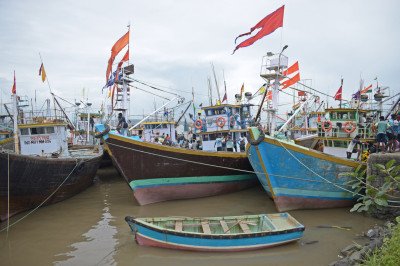
This area is the officially designated accommodation zone, housing the government-run Dak Bungalow (Guest House) and any approved tourist cottages. It is situated on the tranquil, sheltered Western Coast, offering direct access to the clear waters of the lagoon. This zone is designed as a peaceful, isolated retreat for tourists and visiting government officials. The emphasis here is on relaxation, privacy, and enjoying the pristine natural surroundings. It acts as the home base for exploring the island, providing essential services like meals, security, and information. The location near the lagoon ensures that guests can enjoy immediate access to swimming, snorkeling, and watersports in the calm waters. It is the center of the limited tourist infrastructure on the island. (Word Count: ? 150)
Card image cap
Kiltan Island Harbour

The Kiltan Island Harbour is the logistical heart and main entry/exit point of the island. Built on the sheltered western (lagoon) side, it is the onl...
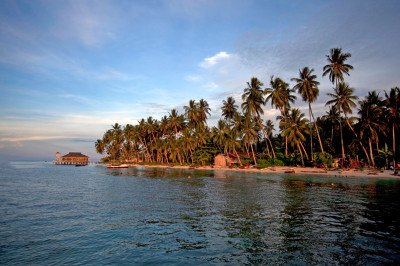
The Kiltan Island Harbour is the logistical heart and main entry/exit point of the island. Built on the sheltered western (lagoon) side, it is the only place where large passenger ferries and cargo ships can safely dock. This area is a bustling nexus of activity, representing the island's vital link to the mainland (Kochi or Mangaluru) and other islands in the archipelago. It is where all goods, visitors, and official personnel arrive and depart. The harbour, or jetty area, is a significant public space where locals gather to meet arriving ships or simply to socialize. The water here is deep enough for large vessels but still enjoys the protection and clear color of the lagoon environment. It provides a fascinating, unfiltered view of island life, from the movement of people and cargo to the operation of small local boats. (Word Count: ? 150)
Card image cap
Kiltan Island Main Town

The Kiltan Island Main Town is the primary residential and administrative hub of the atoll. It is a densely populated area characterized by narrow lan...

The Kiltan Island Main Town is the primary residential and administrative hub of the atoll. It is a densely populated area characterized by narrow lanes, traditional coral stone and cement houses, a central mosque, a government school, and small local markets. The town is the beating heart of island life, where the majority of the population of nearly 4,000 resides. Unlike the deserted tourist spots, the main town is a lively, bustling place that offers the most authentic cultural experience of the islanders' daily routine, which is a blend of simple tradition and modern amenities. The community is predominantly Muslim, with a strong shared culture and language (Jeseri, a mix of Malayalam and Tamil). It is a place of community, commerce, and tradition, essential for understanding the social fabric of Kiltan. (Word Count: ? 150)
Card image cap
Kiltan Lagoon

The Kiltan Lagoon is the quintessential tropical paradise feature—a vast, shallow expanse of turquoise water encircled by the coral reef and the isl...

The Kiltan Lagoon is the quintessential tropical paradise feature—a vast, shallow expanse of turquoise water encircled by the coral reef and the island's western shore. This is the island's recreational centerpiece, famous for its calm, crystal-clear water, which is protected from the open sea's waves by the natural barrier of the fringing reef. The lagoon is the safest and most popular place for swimming, snorkeling, and watersports. Its clear visibility allows for easy viewing of the vibrant underwater ecosystem, which includes diverse coral species and colorful reef fish. The lagoon's depth varies, creating a stunning gradient of blues and greens, making it one of the most visually spectacular features of Kiltan. It is the source of the island's tourism appeal and a crucial ecosystem for juvenile marine life. (Word Count: ? 150)
Card image cap
Kiltan Lighthouse

The Kiltan Lighthouse is a significant landmark located at the southern extreme of the island. Its presence is vital for maritime navigation in the he...

The Kiltan Lighthouse is a significant landmark located at the southern extreme of the island. Its presence is vital for maritime navigation in the heavily trafficked sea lanes, especially for vessels passing between the Persian Gulf and Sri Lanka. The lighthouse was constructed due to the number of historical shipwrecks in the vicinity, highlighting the navigational hazards around the atoll. It is a powerful symbol of safety, engineering, and the island's strategic location along international trade routes. The structure is a tall, imposing tower that offers, for those allowed to ascend, unparalleled panoramic views of the entire island, the lagoon, the surrounding sea, and the characteristic 'high storm beach' that terminates the island's end. It is a place of historical importance and striking scenic value. (Word Count: ? 150)
Card image cap
Kilthan Island Lighthouse

@@Historical Significance of Kilthan Lighthouse: The lighthouse, commissioned in 1977, replaced a temporary wooden structure from 1974, though some so...

@@Historical Significance of Kilthan Lighthouse:** The lighthouse, commissioned in 1977, replaced a temporary wooden structure from 1974, though some sources refer to an older presence. It was established due to the frequency of shipwrecks near the island, signifying its vital role in maritime safety along the international trade route between the Persian Gulf and Ceylon (Sri Lanka). It is a symbol of the island's connection to the sea and its heritage as a stopping point for ancient trade vessels. The tower was constructed with CC Blocks, and the initial PV (Photovoltaic) equipment was later modernized to a metal halide lamp on October 31, 1999. It plays a dual role today, serving both navigational purposes for vessels in the Arabian Sea and acting as the island’s most prominent tourist landmark. Its position on the southern tip offers a spectacular vantage point for viewing the lagoon, reef, and the open sea, making it a powerful reminder of human ingenuity against the forces of nature in this tranquil tropical setting. The surrounding area is relatively untouched, providing a serene environment for visitors to appreciate the scale and function of this important maritime aid. The light’s beam has been a comforting presence to sailors for decades, a true beacon of safety and guidance near this small yet historically significant coral island. Its construction and maintenance are managed by the Directorate General of Lighthouses and Lightships (DGLL), showcasing a continuous commitment to maritime infrastructure in the Union Territory of Lakshadweep. The site has become synonymous with the island's identity, frequently featured in travel guides and photography. The Kiltan Lighthouse stands tall, a silent witness to the passage of time and the history of navigation in the waters of the Laccadive Sea. The history of its establishment underscores the geological hazards of the island's vicinity, further cementing its importance to local and international shipping. The peaceful surroundings belie the often tumultuous maritime history that necessitated its construction.
Card image cap
Kulikkara

@@The Legend of the Kulikkara Tomb: Kulikkara is a revered site in Kiltan, marking the tomb of a devout and respected lady, often referred to as the H...

@@The Legend of the Kulikkara Tomb:** Kulikkara is a revered site in Kiltan, marking the tomb of a devout and respected lady, often referred to as the Honored Lady or a local saint. The exact details of her life are largely part of the local oral tradition, but she is believed to have been a significant figure in the island's history, perhaps associated with the early conversion to Islam or known for her piety and miraculous acts. The site is a Miyara (shrine/tomb) and serves as a significant place of pilgrimage and veneration for the local islanders, especially women. The area is also geographically noteworthy as it is a landmark where the 73rd meridian east crosses the island. The devotion shown here reflects the deep-rooted Islamic faith and the unique cultural blend of the islanders, whose traditions are heavily influenced by Kerala's heritage. The simplicity of the tomb and the surrounding area stands in contrast to its profound spiritual importance to the community. Visitors are encouraged to observe the quiet reverence of the place. It's a key site for understanding the spiritual and historical backbone of the Kiltan community. The area's tranquil nature enhances the sense of peace and sacredness. The name Kulikkara itself has local significance, linking the area to this respected figure. The maintenance of the tomb is carried out by the local community, ensuring the preservation of this spiritual heritage. The stories associated with the Honored Lady often emphasize compassion, piety, and community service, serving as moral guidance for the villagers. This spiritual spot offers a genuine, non-commercialized insight into the island's unique blend of tradition and faith. It's a place where history, geography, and spirituality intersect, located fittingly on one of the island's striking storm beaches, a site of natural and historical drama.
Card image cap
Local Food Stalls Area

@@The Essence of Kiltan's Local Cuisine: The food stalls area in Kiltan is not a large, commercial food court but a cluster of small, vibrant local ea...

@@The Essence of Kiltan's Local Cuisine:** The food stalls area in Kiltan is not a large, commercial food court but a cluster of small, vibrant local eateries, thattukadas (roadside stalls), and small restaurants that serve authentic Lakshadweep and Malabar-influenced cuisine. This area is the island's social and culinary hub, where fresh, locally-sourced ingredients, especially tuna fish and coconut, are the stars. The food reflects the island's heritage, heavily borrowing from Kerala's flavors but with a distinct island twist. Dishes like Mus Kavaab (boneless fish marinated in a rich coconut-spice paste), Adukku Pathiri (a layered rice bread similar to lasagna, but with fish/chicken filling), and various Tuna Curries are the local specialties that draw both islanders and tourists. The atmosphere is casual, bustling, and authentic. This is where you can truly taste the island's soul. The vendors often use age-old family recipes, providing a genuine farm-to-table (or rather, sea-to-table) experience. Unlike the formalized, limited menu of a resort, the stalls offer a diverse, affordable, and constantly changing selection based on the day's fresh catch. The evening is when this area truly comes alive, becoming a social meeting point for the local community, which is predominantly Muslim. This simple area is a core element of the island’s vibrant, everyday life. Expect robust flavors, liberal use of coconut milk and local spices, and extremely fresh seafood. The local beverages, especially Kulukki Sarbath (a refreshing shaken lime-mint-soda drink), are a must-try for beating the tropical heat. The simplicity of the stalls belies the complexity and richness of the flavors they produce.
Card image cap
Local Handicraft Production Area

@@The Art of Kiltan's Handicrafts: Kiltan Island's handicraft production is centered around using the two most abundant natural resources: the coconut...

@@The Art of Kiltan's Handicrafts:** Kiltan Island's handicraft production is centered around using the two most abundant natural resources: the coconut palm and marine materials (like shells, but with conservation in mind). The local people, particularly women, are skilled artisans who create a range of products that are both utilitarian and decorative. The industry is promoted by the Lakshadweep Department of Industries and focuses heavily on coir-based products—like ropes, mats, and elaborate coir-fiber decor items—which were historically essential for boat-building and fishing. Other significant crafts include creating beautiful shell and coral-based artifacts (now responsibly sourced or made with imitation coral to protect the reefs), coconut shell utensils (spoons, bowls), and traditional decorative items like painted coconut husks. The production area is typically a cluster of small workshops or community centers where artisans work, often using traditional, non-mechanized methods passed down through generations. This area is a hub of economic and cultural activity, showcasing the community's ingenuity in using limited resources. Supporting this area means directly contributing to the livelihood of the islanders and preserving their traditional skills. It's a key cultural experience, revealing the delicate balance between the islanders' life and the ecosystem around them. The finished products are highly sought after as unique souvenirs. The simplicity of the tools and the high quality of the final product are a testament to the artisans' skill.
Card image cap
Local Kiltan Mosque

@@The Role of the Kiltan Mosque in Community Life: The main Kiltan Mosque (Juma Masjid) is more than just a place of worship; it is the spiritual, soc...

@@The Role of the Kiltan Mosque in Community Life:** The main Kiltan Mosque (Juma Masjid) is more than just a place of worship; it is the spiritual, social, and cultural centerpiece of the island's predominantly Muslim community. Its presence reflects the island's history, which traces the advent of Islam to the 7th century, influenced by the legendary voyage of St. Ubaidullah. The mosque serves as the primary location for the five daily prayers (Salah) and the important Friday congregational prayer (Jum'ah). Due to the conservative nature of the island, the mosque is the most revered institution. The building's architecture, while simpler than mainland mosques, showcases a unique blend of traditional Kerala wooden craftsmanship and typical Islamic design elements like the prayer hall, mihrab (niche pointing to Mecca), and minbar (pulpit). Visitors are drawn here to understand the deep faith and quiet, conservative lifestyle of the islanders. The atmosphere is one of profound peace and devotion. The mosque often hosts religious discussions, community meetings, and educational activities, cementing its status as the island's anchor. Its simple beauty and serene surroundings make it an important cultural monument and a window into the island's soul.
Card image cap
Main Path/Road of Kiltan

@@The Function of the Main Path/Road: The Main Path/Road of Kiltan is the single most important piece of infrastructure on the island, acting as its s...

@@The Function of the Main Path/Road:** The Main Path/Road of Kiltan is the single most important piece of infrastructure on the island, acting as its spine and lifeline. Since Kiltan is a narrow, long strip of land (approx. 3.4 KM in length), this path runs through the main settlement, connecting the lighthouse at the southern tip to the Kulikkara shrine at the northern tip. It is much more than just a road; it is the center of all daily life, trade, social interaction, and administrative activity. Most homes, shops, the mosque, and local administration offices are situated along this path. The path itself is likely a simple, paved, or concrete road, designed for pedestrians, bicycles, and the few small local vehicles (tricycle-taxis, scooters, and administrative vehicles). There is no heavy traffic. A walk along this path offers a complete, unfiltered view of island life, from children playing to fishermen mending nets and women gathering at a local food stall. It is a slow, immersive experience into the rhythm of the Lakshadweep island community. The entire path serves as the island's nerve center. Its simplicity highlights the island's non-commercialized, peaceful existence. It's a continuous, dynamic cultural exhibit.
Show All

Note:-

Information provided here in good Faith and for reference only.

All information and pictures will be updated soon, please keep visiting.

Near Places
...
Agatti

Some quick example text to build on the card title and make up the bulk of the card's content.

Go somewhere
...
Amini

Some quick example text to build on the card title and make up the bulk of the card's content.

Go somewhere
...
Andrott

Some quick example text to build on the card title and make up the bulk of the card's content.

Go somewhere
...
Bitra

Some quick example text to build on the card title and make up the bulk of the card's content.

Go somewhere
...
Chetlat

Some quick example text to build on the card title and make up the bulk of the card's content.

Go somewhere
...
Kadmat

Some quick example text to build on the card title and make up the bulk of the card's content.

Go somewhere
...
Kalpeni

Some quick example text to build on the card title and make up the bulk of the card's content.

Go somewhere
...
Kavaratti

Some quick example text to build on the card title and make up the bulk of the card's content.

Go somewhere
...
Kiltan

Some quick example text to build on the card title and make up the bulk of the card's content.

Go somewhere
...
Minicoy

Some quick example text to build on the card title and make up the bulk of the card's content.

Go somewhere
in Other Cities