...

Place To Visit And Things To Do In Kozhikode

Kerala, India
Historic Gateway: Kozhikode, also known as Calicut, is a historic city that served as the capital of the powerful Zamorin rulers. It is famous as the place where the Portuguese explorer Vasco da Gama first landed in India in 1498 at Kappad Beach. This event changed the course of history by opening t he sea route from Europe to Asia. The city has been a legendary center for the spice trade, especially for pepper and ginger, for centuries. Culinary Capital: Kozhikode is widely regarded as the food capital of Kerala, famous for its unique and delicious Malabar cuisine. The city's signature dish is the Kozhikode Biryani, made with aromatic Khyma rice and special spices. The Sweet Meat Street (SM Street) is a legendary destination for foodies, known for its various types of halwa and snacks. The food culture here is a reflection of the city's rich history and diverse cultural influences. Coastal Beauty: The city boasts a beautiful coastline with several serene beaches like Kozhikode Beach and Beypore Beach. These beaches are popular spots for locals and tourists alike to enjoy the sunset and the sea breeze. The old piers and the lighthouse at the main beach add a touch of nostalgia to the scenery. The coastal landscape is further enhanced by the presence of backwaters and mangrove forests in areas like Kadalundi. Cultural Heritage: Kozhikode is a vibrant center for traditional arts, literature, and music. It has produced many famous writers and artists who have significantly contributed to Malayalam culture. The city's temples and mosques, like the Tali Shiva Temple and Mishkal Mosque, are examples of its architectural and religious heritage. Festivals like the Malabar Mahotsavam showcase the rich cultural traditions of the region through music and dance.

Things To Do

Card image cap
Aripara Falls

Aripara Falls is a breathtaking natural waterfall located in the rural landscapes of Kozhikode. This hidden treasure is formed by a tributary of the ...
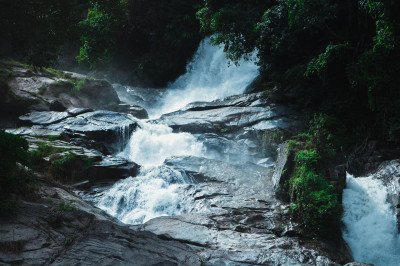
Aripara Falls is a breathtaking natural waterfall located in the rural landscapes of Kozhikode. This hidden treasure is formed by a tributary of the Iruvanjippuzha River and is characterized by its unique rock formations. The name Aripara literally translates to "rock of rice," referring to the smooth, pebbled appearance of the rocks over which the water flows. The waterfall cascades down through several levels, creating natural pools that are popular for swimming and cooling off. Surrounded by thick green forests and plantations, the site offers a tranquil atmosphere away from the city's hustle. During the Monsoon season, the falls transform into a roaring spectacle of white foam, while in the Summer months, the water remains clear and gentle. Visitors often enjoy the rhythmic sound of water hitting the boulders, which provides a meditative experience. The area is also known for its rich biodiversity, housing various species of local birds and butterflies. It is a perfect spot for family picnics and nature photography enthusiasts. The government has recently improved the infrastructure here to ensure the safety of tourists while maintaining the raw beauty of the site.
Card image cap
Backwater Cruises (Mampuzha River / Canoli Canal)

While Kerala is renowned for its backwaters in the south, Kozhikode offers its own charming and less-commercialized backwater experience along the Ma...

While Kerala is renowned for its backwaters in the south, Kozhikode offers its own charming and less-commercialized backwater experience along the Mampuzha River and the historic Canoli Canal. These waterways provide a serene escape from the city's hustle and bustle, allowing visitors to immerse themselves in the tranquil beauty of Kerala's inland waterways. The Canoli Canal, an artificial canal built by the British collector R. Canoli in the 19th century, connects the Korapuzha and Kallai rivers, acting as a crucial inland navigation route. A cruise along this canal reveals a fascinating blend of urban life juxtaposed with lush greenery. You'll pass by traditional villages, local houses, and a vibrant waterside life. The canal is often shaded by overhanging trees and lined with coir factories, offering a glimpse into traditional industries. The Mampuzha River, on the other hand, offers a more natural and expansive backwater experience. Cruising along its calmer stretches, you'll be surrounded by rich biodiversity, including various types of mangroves, aquatic plants, and a plethora of birdlife. These cruises provide an excellent opportunity for birdwatching and photography, especially during the early morning or late afternoon when the light is soft. Options for backwater cruises range from traditional "kettuvallams" (houseboats), though fewer than in Alappuzha, to smaller country boats and motorboats. These cruises offer a peaceful way to observe local life along the riverbanks, witness traditional fishing methods, and simply unwind amidst the soothing sounds of nature. Unlike the more bustling southern backwaters, Kozhikode's backwater cruises offer a more intimate and authentic encounter with Kerala's rural charm, making them perfect for those seeking tranquility and an offbeat experience.
Card image cap
Beypore Port and Beypore Beach

Beypore is a legendary port town steeped in maritime history, renowned globally for its centuries-old tradition of shipbuilding, particularly the con...

Beypore is a legendary port town steeped in maritime history, renowned globally for its centuries-old tradition of shipbuilding, particularly the construction of the Uru (Dhows), large wooden trading vessels. The art of Uru building has been passed down through generations of skilled craftsmen, making Beypore a unique cultural and industrial hub. Visiting the Uru building yard is a fascinating experience, where you can witness these massive, handcrafted wooden ships being constructed entirely without modern machinery, a testament to traditional craftsmanship. Beypore Port itself is a bustling fishing harbor where you can observe local fishermen, the arrival of fresh catches, and the vibrant activities associated with a working port. Adjacent to the port is Beypore Beach, a relatively serene stretch of coastline. What makes Beypore Beach distinctive is the Pulimuttu, a 2-kilometer long stone walkway or pier built into the sea. This unique structure provides a fantastic opportunity for a long walk out into the Arabian Sea, offering panoramic views of the coastline, the Uru yard, and the distant horizon. The beach and port area offer a blend of historical significance, cultural insights, and natural beauty. It's a great spot to relax, enjoy the sea breeze, and witness the confluence of the Chaliyar River with the Arabian Sea. The evenings are particularly enchanting, with the setting sun casting a golden glow over the port and the traditional dhows. Beypore is a living testament to Kozhikode's rich maritime legacy and a must-visit for anyone interested in history, traditional craftsmanship, and authentic coastal experiences.
Card image cap
Beypore Port & Beach

Beypore is one of the oldest ports in India and was a major trade hub for Middle Eastern and European merchants for centuries. Located at the mouth o...

Beypore is one of the oldest ports in India and was a major trade hub for Middle Eastern and European merchants for centuries. Located at the mouth of the Chaliyar River, the beach and port area are steeped in history. The beach is famous for its golden sands and a unique 1-kilometer long stone pier (Pulimuttu) that extends deep into the sea. Walking on this pier feels like walking on water, with the waves crashing on both sides. The port remains active today, serving as a primary base for the fishing industry and coastal trade. Visitors can see large commercial ships alongside traditional wooden boats. The area is also known for its sunset views, which are considered some of the best in the Malabar region. Small shops along the beach sell local handicrafts and seafood delicacies. The atmosphere is a blend of a busy maritime industrial site and a serene recreational beach. It is a place where history meets modern commerce, providing a glimpse into Kerala's glorious past as the "Spice Coast." The beach is well-maintained with a beautiful promenade, benches, and lighting for evening strolls. It serves as a vital lung for the people of Kozhikode, offering a peaceful escape with a refreshing sea breeze.
Card image cap
Beypore Uru Making Yard

The Beypore Uru Making Yard is a unique world-heritage site where the ancient art of shipbuilding is still practiced. An Uru (Dhow) is a massive wood...

The Beypore Uru Making Yard is a unique world-heritage site where the ancient art of shipbuilding is still practiced. An Uru (Dhow) is a massive wooden ship, traditionally used by Arab traders. These ships are built entirely by hand, without any modern blueprints or digital designs. The master craftsmen, known as "Maistries," pass down their knowledge through generations, relying solely on their intuition and experience. The yard is located along the banks of the Chaliyar River, where the availability of high-quality teak wood and skilled labor has sustained this industry for over 1,500 years. Each ship can take anywhere from two to four years to complete, depending on its size. Interestingly, most of these ships are commissioned by wealthy businessmen and royal families from Gulf countries like Qatar and Saudi Arabia. Watching the construction process is a fascinating experience, as you see massive logs of wood being transformed into elegant, sea-worthy vessels using basic tools. The yard smells of sawdust and fish oil, which is used to coat the wood for durability. This place is not just a manufacturing unit but a living museum of Kerala's maritime engineering prowess. It is one of the few places on earth where you can still witness the construction of "Fat Ships" as they were made in the medieval era.
Card image cap
Janakikad Ecotourism Center

Janakikad is an ecologically rich and diverse forest area located in the Maruthongara village of Kozhikode. Spanning over 131 hectares, this ecotouri...

Janakikad is an ecologically rich and diverse forest area located in the Maruthongara village of Kozhikode. Spanning over 131 hectares, this ecotourism center is named after V. K. Janaki Amma, the sister of the famous Indian diplomat V. K. Krishna Menon. The forest is a part of the Western Ghats and is home to more than 680 species of rare plants and herbs. It is a haven for nature lovers, bird watchers, and researchers. The Chavaramuzhi River flows through the heart of the forest, providing a serene soundtrack of gurgling water. The center is managed as a community-based tourism project, involving the local population in conservation efforts. Visitors can enjoy well-marked trekking trails that wind through dense tropical vegetation, where the canopy is so thick that sunlight barely reaches the forest floor. The air is exceptionally pure, and the area is known for its "forest bathing" experience which rejuvenates the mind and body. Along with its flora, Janakikad is home to various species of butterflies, orchids, and wild birds like the Malabar Grey Hornbill. The center emphasizes sustainable tourism, ensuring that the natural habitat remains undisturbed while providing an educational experience for visitors about the importance of forest ecosystems.
Card image cap
Kadalundi Bird Sanctuary

Kadalundi Bird Sanctuary is a mesmerizing cluster of islands located at the mouth of the Kadalundi River, where it flows into the Arabian Sea. This s...
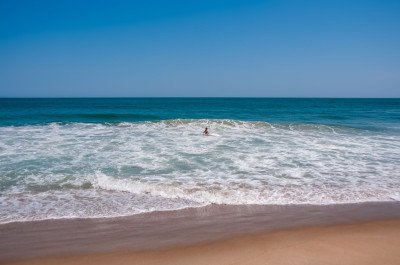
Kadalundi Bird Sanctuary is a mesmerizing cluster of islands located at the mouth of the Kadalundi River, where it flows into the Arabian Sea. This sanctuary is spread over a scenic area of roughly 3 kilometers and is surrounded by hillocks. It is world-renowned for being a winter home to over 60 species of migratory birds that fly from as far as Siberia, Europe, and Central Asia. During the peak season, the air is filled with the calls of Terns, Gulls, Herons, and Sandpipers. The sanctuary is also unique because it is one of the few places in Kerala with a significant Mangrove ecosystem. These mangroves act as a nursery for various fish, crabs, and mussels, which in turn attract the birds. The sanctuary is situated about 200 meters above sea level on a small hill, offering a panoramic view of the entire estuary. The blend of the river, the sea, and the lush green mangroves creates a stunning landscape that is a treat for the eyes. It is an ideal spot for those looking for a quiet retreat to observe nature's rhythm. The local community is actively involved in the preservation of this sanctuary, making it a key destination for eco-conscious travelers. The sight of thousands of birds taking flight together against the backdrop of the setting sun is a memory that stays with every visitor.
Card image cap
Kakkadampoyil

Kakkadampoyil is a serene hill station nestled in the Western Ghats, often called the "Ooty of Malabar" due to its mist-laden landscapes and cool cli...

Kakkadampoyil is a serene hill station nestled in the Western Ghats, often called the "Ooty of Malabar" due to its mist-laden landscapes and cool climate. The primary attraction here is the Kozhippara Waterfalls, also known as Kakkadampoyil Waterfalls, which is fed by the Kuthradampuzha River. The water cascades down rocky terrains, forming crystal-clear natural pools that are safe for swimming and bathing. The area is surrounded by dense forests and rubber plantations, offering a tranquil retreat from the urban hustle. Historically, this region was a gateway for spice trade and served as a hideout for freedom fighters. The village is situated at an altitude of about 2000 feet, ensuring a pleasant breeze throughout the year. Visitors can witness a rich variety of flora and fauna, including rare bird species and giant squirrels. The mist often engulfs the valley, creating a dreamlike atmosphere for travelers. It is an ideal spot for nature enthusiasts, trekkers, and those seeking a quiet picnic spot in the lap of nature. The local culture is deeply rooted in agriculture, and you can see vast stretches of cocoa and coffee plantations. The atmosphere remains untouched by commercialization, providing an authentic rural Kerala experience. The sound of the gushing water combined with the chirping of birds makes it a paradise for soul-seekers.
Card image cap
Kakkayam Dam & Eco-Tourism

Kakkayam Dam is an idyllic eco-tourism destination nestled amidst the picturesque Western Ghats, offering a refreshing escape into nature's embrace. ...

Kakkayam Dam is an idyllic eco-tourism destination nestled amidst the picturesque Western Ghats, offering a refreshing escape into nature's embrace. While primarily a hydroelectric project, the surrounding area has been developed into a significant tourist spot due to its pristine natural beauty, lush forests, and rich biodiversity. The dam itself is impressive, creating a serene reservoir that merges seamlessly with the verdant landscape. The journey to Kakkayam is an experience in itself, winding through dense rubber and spice plantations, offering breathtaking views of the rolling hills and valleys. Upon reaching the base, visitors can either trek or take a jeep ride to the dam site and its viewpoints. The area is a paradise for nature enthusiasts, trekkers, and photographers. The dense forests around the dam are part of the Malabar Wildlife Sanctuary, making it a hotspot for spotting diverse flora and fauna, including various species of birds, butterflies, and sometimes even larger animals like elephants and wild gaur. A highlight of Kakkayam is the hanging bridge over a small waterfall, offering a thrilling experience and panoramic views of the cascading water and the surrounding greenery. There are also opportunities for light trekking to various viewpoints, including the famous "Kariyathumpara," known for its natural rock pools and clear water, perfect for a refreshing dip. The cool climate, the soothing sounds of nature, and the unblemished landscapes make Kakkayam Dam a perfect day trip destination for those seeking adventure, tranquility, and a close encounter with the pristine natural beauty of Kozhikode's highlands.
Card image cap
Kallayi River & Bridge

The Kallayi River is one of the smallest yet most historically significant rivers in Kerala, stretching only about 40 km. In the late 19th and early ...

The Kallayi River is one of the smallest yet most historically significant rivers in Kerala, stretching only about 40 km. In the late 19th and early 20th centuries, Kallayi was world-famous as the second-largest timber trading center in the world, trailing only after Burma. The river served as the primary artery for transporting giant teak and rosewood logs from the Nilambur forests. These logs were tied together as rafts and floated downstream to the numerous sawmills lining the banks. Today, while the industry has declined, the area still retains an old-world industrial charm with several traditional timber yards still in operation. The Kallayi Bridge, constructed during the British colonial era, is an iconic landmark that connects the city to the southern suburbs. Standing on the bridge, one can see the remnants of the timber era, with logs often seen floating in the water. The river eventually joins the Chaliyar River through a man-made canal. The banks are lined with ancient buildings that once served as offices for timber merchants. It is a place where history breathes through the sawdust and the flowing water. Travelers often visit to witness the spectacular sunset from the bridge, which paints the river in shades of gold and crimson. The local community is a mix of workers and traditional families who have lived here for generations. The river is also a source of livelihood for local fishermen. It is a must-visit for those interested in industrial heritage and photography.
Card image cap
Kappad Beach

Kappad Beach, locally known as Kappakadavu, is a place of immense historical significance. It was here on May 20, 1498, that the Portuguese explorer ...

Kappad Beach, locally known as Kappakadavu, is a place of immense historical significance. It was here on May 20, 1498, that the Portuguese explorer Vasco da Gama first stepped onto Indian soil with three vessels and 170 men. This event marked the beginning of the "Age of Discovery" for Europe and changed the course of world history by opening the sea route from Europe to Asia. A small stone monument on the beach commemorates this landing with the inscription, "Vasco da Gama landed here, Kappakadavu, in the year 1498." Aside from its history, the beach is incredibly beautiful, characterized by its golden sands and unique rock formations that jut out into the sea. It is one of the few "Blue Flag" certified beaches in India, ensuring high standards of cleanliness, safety, and environmental management. The beach is bordered by coconut groves and features a well-maintained corniche for walking. The waves here are generally calm, making it a safe spot for swimming in designated areas. The backwaters of the Elathur River flow into the sea nearby, offering a picturesque estuary view. It is much quieter than the main Kozhikode Beach, making it a favorite for those seeking peace. The local fishing community can be seen early in the morning with their traditional boats. The sunset at Kappad is legendary, often casting a golden glow over the historic rocks. It is a perfect blend of a heritage site and a relaxing seaside resort.
Card image cap
Kariyathumpara

Kariyathumpara is a breathtakingly beautiful landscape that has recently gained immense popularity as the "Switzerland of Kerala." Located on the way...

Kariyathumpara is a breathtakingly beautiful landscape that has recently gained immense popularity as the "Switzerland of Kerala." Located on the way to the Kakkayam Dam, it features vast green meadows, rolling hills, and the crystal-clear waters of the Peruvannamuzhi reservoir's catchment area. The unique charm of this place lies in its "sunken forest" appearance, where tree stumps emerge from the water against a backdrop of emerald hills. The area is dotted with natural springs and small cascades that flow into the reservoir. Unlike typical waterfalls, the water here flows gently over smooth rocks, forming shallow, safe pools that are perfect for a family dip. The grass is exceptionally green, and the air is crisp and clean. It is a favorite spot for film shoots and wedding photography due to its romantic and serene ambiance. You can often see local cows and horses grazing in the meadows, adding to the pastoral beauty. The destination is part of the Western Ghats, ensuring a rich ecological experience. There are no permanent residents in the core tourist area, preserving its pristine nature. The silence of the hills is only broken by the sound of the wind and flowing water. It is an ideal spot for those who want to escape the digital world and connect with nature. The landscape changes dramatically with the seasons—lush and full during the monsoon, and mystical with receding water levels in the summer.
Card image cap
Kozhikode Beach

Kozhikode Beach is the heart of the city's coastal life and a highly popular spot for both locals and tourists. It's known for its stunning Arabian Se...

**Kozhikode Beach** is the heart of the city's coastal life and a highly popular spot for both locals and tourists. It's known for its stunning **Arabian Sea** sunsets, which cast a mesmerizing golden glow over the water. The beach promenade is an ideal location for an evening stroll, offering a refreshing break from the city's hustle and bustle. The area is steeped in colonial and maritime history. A unique feature of the beach is the remains of two old sea piers, one over **125 years old**, which stand as silent sentinels of the city's former glory as a major port. Although the piers are no longer fully operational, they add a distinctive, photogenic charm to the coastline. Near the beach is the **Lion's Park**, a popular children's park, and the **Light House**, which guides ships even today. The beach often hosts public meetings, cultural programs, and festivals, making it a lively hub of community activity. Food stalls dot the promenade, offering local street food and fresh seafood delicacies like *Kallummakaya* (mussels) fry. It's a place to relax, people-watch, and connect with the soul of **Kozhikode**.
Card image cap
Kozhikode Corporation Stadium

@@History & Significance: The Kozhikode Corporation Stadium, also known as the EMS Stadium, is a legendary multi-purpose venue primarily dedicated to ...
@@History & Significance: The Kozhikode Corporation Stadium, also known as the EMS Stadium, is a legendary multi-purpose venue primarily dedicated to football. Established in 1977, it has witnessed the rise of Indian football and remains the home ground for Gokulam Kerala FC. With a capacity of approximately 50,000, it is one of the largest football stadiums in India and is celebrated for its electrifying atmosphere during matches. The stadium was named after E.M.S. Namboodiripad, the first Chief Minister of Kerala. Over the decades, it has hosted prestigious tournaments like the Santosh Trophy, Sait Nagjee Football Tournament, and the 1987 Nehru Cup. For locals, this isn't just a sports facility; it is a temple of passion where thousands gather to cheer for their favorite teams. The venue has undergone several renovations, including a major upgrade in 2011 for the National Games, ensuring international standards for both players and spectators. Beyond sports, it serves as a massive gathering point for cultural festivals and political rallies, reflecting the social fabric of Kozhikode. Visitors can often see local youth practicing here, keeping the spirit of the game alive every single day. The stadium represents the "football-mad" culture of North Kerala, where every goal is celebrated with a thunderous roar that can be heard across the city:
Card image cap
Kozhippara Waterfalls

Kozhippara Waterfalls are a relatively lesser-known but incredibly beautiful natural attraction, offering a refreshing escape into the pristine fores...

Kozhippara Waterfalls are a relatively lesser-known but incredibly beautiful natural attraction, offering a refreshing escape into the pristine forests of the Western Ghats. Nestled amidst dense greenery, these waterfalls cascade down in multiple tiers, creating natural pools and a picturesque landscape that is perfect for nature lovers and adventurers. The name "Kozhippara" itself might refer to a local geographical feature or a historical anecdote, adding to its rustic charm. Unlike some highly commercialized waterfalls, Kozhippara retains a raw, untouched beauty. The approach to the falls often involves a trek through winding paths and some rocky terrain, making it an adventurous experience. The trek is usually manageable, but comfortable footwear is recommended, especially during the monsoon and post-monsoon seasons when the path can be slippery. The reward is immense: the cool, clear water of the natural pools at the base of the falls invites visitors for a refreshing dip, and the serene ambiance provides a perfect setting for relaxation. The surrounding forests are rich in biodiversity, offering opportunities for birdwatching and observing local flora. The sound of cascading water, combined with the chirping of birds and the rustling of leaves, creates a truly immersive natural experience. Kozhippara Waterfalls are particularly spectacular during the monsoon and the immediate post-monsoon period (June to November) when the water flow is abundant, and the vegetation is at its most vibrant. It?s an ideal spot for a day trip for those seeking a combination of light trekking, natural beauty, and a peaceful environment away from the city's clamor.
Card image cap
Krishna Menon Museum and Art Gallery

The Krishna Menon Museum is an important cultural institution in Kozhikode, dedicated to the life and works of the great statesman, diplomat, and form...

The **Krishna Menon Museum** is an important cultural institution in **Kozhikode**, dedicated to the life and works of the great statesman, diplomat, and former Defence Minister of **India**, **V.K. Krishna Menon** (**1896**–**1974**). **Menon** was a native of the Malabar region, and the museum, established in **1975**, honors his significant contributions to **India's** post-independence political and diplomatic landscape, particularly his pivotal role at the **United Nations**. The museum houses a wide range of his personal belongings, including his spectacles, clothes, official documents, books, and numerous photographs that chronicle his life journey from a student to a powerful international diplomat. The personal memorabilia offers an intimate glimpse into the life of one of the most influential and often controversial figures in modern **Indian** history. The museum is often referred to alongside the adjacent **Pazhassi Raja Archaeological Museum** as the two share the same campus, making it a combined cultural hub. Beyond the biographical wing, the museum complex includes a substantial art gallery (sometimes referred to as the Art Gallery and **Krishna Menon Museum**), which displays a diverse collection of paintings, including pieces by contemporary and classical **Kerala** artists, alongside intricate ivory and wood carvings and metal sculptures. The museum thus acts as a dual-purpose space: a memorial to a national leader and a gallery showcasing the region’s artistic prowess, standing as a must-visit for those interested in **Indian** political history and art.
Card image cap
Kunjali Marakkar Memorial Museum

@@Historical Context: The Kunjali Marakkar Memorial Museum is a site of immense historical pride, located in Iringal near Vatakara. It was once the an...

@@Historical Context: The Kunjali Marakkar Memorial Museum is a site of immense historical pride, located in Iringal near Vatakara. It was once the ancestral home of the Kunjali Marakkars, the valiant naval chieftains of the Zamorins of Kozhikode. These legendary admirals are credited with organizing the first naval defense of the Indian coast against European imperialism, specifically the Portuguese, in the 16th century. There were four Kunjali Marakkars in total, each succeeding the other in their fight for the sovereignty of the Malabar coast. The memorial is housed in a restored traditional Kerala building that belonged to the family's successors. Inside, the museum managed by the State Archeological Department preserves war relics, including ancient swords, daggers, cannonballs, and infantry equipment used during the naval battles. The museum provides a deep dive into the "Hit and Run" guerrilla naval tactics that the Marakkars used to frustrate the superior Portuguese galleons. For history buffs, the site offers a poignant look at the life of Mohammed Ali (Kunjali Marakkar IV), who was eventually captured and executed by the Portuguese. The tranquil surroundings of the museum, located near the Kottakkal river, add a sense of solemnity to the visit. It serves as an educational hub for students and researchers interested in maritime history. The museum is not just a collection of artifacts but a symbol of communal harmony, as the Marakkars were Muslim chieftains serving a Hindu King (Zamorin) to protect their shared homeland. Visiting this place is a journey back to an era of high-seas adventure and patriotic sacrifice:
Card image cap
Light House & Gandhi Road

The Kozhikode Light House, a historic beacon for sailors along the Malabar Coast, stands as a prominent landmark at the southern end of Kozhikode Bea...

The Kozhikode Light House, a historic beacon for sailors along the Malabar Coast, stands as a prominent landmark at the southern end of Kozhikode Beach. Though a newer lighthouse was built in 1903, the history of a light tower in Kozhikode dates back much earlier, signifying the city's critical role as a port. The current lighthouse is a sturdy structure that offers visitors a unique perspective of the city and its coastline. While the primary function of the lighthouse is navigational, it also serves as a popular tourist attraction. Climbing to the top provides breathtaking panoramic views of the vast Arabian Sea, the entire stretch of Kozhikode Beach, the distant fishing boats, and the sprawling cityscape. The cool sea breeze at this elevated position adds to the experience, making it a refreshing viewpoint. The lighthouse itself is a subject of historical interest, embodying the maritime legacy of Kozhikode, a city that thrived on sea trade for centuries. Gandhi Road is a significant arterial road in Kozhikode that leads directly to the beach and the lighthouse area. It's a lively stretch lined with various shops, eateries, and local businesses, giving visitors a glimpse into the city's daily life. A stroll along Gandhi Road before reaching the beach can be an interesting experience, allowing you to observe the local hustle and bustle. The combination of the historic lighthouse offering grand views and the lively Gandhi Road showcasing urban life makes this area a multifaceted point of interest. It's a great spot to capture some memorable photographs, appreciate the city's coastal charm, and absorb its unique blend of history and modernity.
Card image cap
Lokanarkavu Temple

@@Spiritual & Cultural Hub: Lokanarkavu Temple, located in Memunda, is one of the most significant Hindu shrines in North Malabar. It is often referre...

@@Spiritual & Cultural Hub: Lokanarkavu Temple, located in Memunda, is one of the most significant Hindu shrines in North Malabar. It is often referred to as the "Aradhana Moorthi" (presiding deity) of the legendary martial arts hero Thacholi Othenan. The temple complex is unique because it houses three distinct shrines dedicated to Goddess Durga, Lord Shiva, and Lord Vishnu. The name is a shortened version of Lokamalayarkavu, signifying a world of mountains, rivers, and groves. Legend has it that the temple was built 1,500 years ago by a community of Aryan Vaishya Brahmins who migrated to Kerala. For centuries, this temple has been the spiritual home of Kalaripayattu, the ancient martial art of Kerala. Every martial artist, before their debut performance or "Arangettam," comes here to seek the blessings of the Goddess. The temple's atmosphere is one of profound peace, surrounded by old banyan trees and traditional lamps. The murals on the walls depict scenes from the Puranas and the lives of the Kadathanadu heroes. The temple is also famous for the Pooram festival, where the unique Poorakkali dance is performed. Unlike many other Kerala temples, Lokanarkavu has a distinct "Athyuthama" (supreme) spiritual state, making it a major pilgrimage site. It stands as a witness to the chivalry and folk traditions of the Malabar region, immortalized in the Vadakkan Pattukal (Northern Ballads). A visit here provides insight into the intersection of faith and the warrior spirit of Kerala:
Card image cap
Mananchira Square

@@The Heart of the City: Mananchira Square is the iconic landmark of Kozhikode, serving as a beautiful urban park surrounding the historic Mananchira ...

@@The Heart of the City: Mananchira Square is the iconic landmark of Kozhikode, serving as a beautiful urban park surrounding the historic Mananchira Lake. The lake is a man-made freshwater pond constructed in the 14th century by Zamorin Mana Vikrama, the ruler of Kozhikode, as a private bathing pool for the royal family. Today, the square is a meticulously maintained park with lush green lawns, musical fountains, and traditional Kerala-style buildings. It acts as the lungs of the city, providing a peaceful retreat from the surrounding hustle and bustle of commercial streets like S.M. Street. The park is enclosed by an ornate laterite wall and features an open-air theater where cultural programs are frequently held. Scattered across the park are beautiful sculptures, including a famous one of the dinosaur and another dedicated to the characters of legendary writer Vaikom Muhammad Basheer. The square is surrounded by important institutions like the Public Library, the Town Hall, and the Commonwealth Trust building, all reflecting the colonial and princely history of the region. For a tourist, Mananchira Square is the perfect starting point to explore Kozhikode, offering a blend of history, art, and relaxation. The sight of the clear blue water of the lake against the backdrop of ancient trees and modern city life is truly captivating:
Card image cap
Matri Dei Cathedral

The Matri Dei Cathedral, officially known as the Cathedral of Our Lady of Dolours (Mater Dolorosa), is a prominent Catholic church in Kozhikode and s...

The Matri Dei Cathedral, officially known as the Cathedral of Our Lady of Dolours (Mater Dolorosa), is a prominent Catholic church in Kozhikode and serves as the seat of the Syro-Malabar Catholic Diocese of Thamarassery. While the Mother of God Cathedral (Latin Rite) signifies the city's Portuguese connections, Matri Dei Cathedral represents the deep-rooted presence and growth of the Syro-Malabar Catholic Church, one of the two major Eastern Catholic Churches in communion with the Pope in India. The cathedral's architecture is grand and imposing, characterized by its distinctive twin bell towers, a majestic facade, and spacious interiors. It showcases a blend of Gothic and traditional Kerala architectural elements, reflecting both European and local influences. The interior is adorned with beautiful stained-glass windows, religious art, and intricate carvings that contribute to a reverent and inspiring atmosphere. The altar, dedicated to Our Lady of Dolours, is particularly impressive. As an active place of worship, the cathedral is a spiritual hub for the Syro-Malabar Catholic community in Kozhikode. It hosts daily masses and various religious ceremonies throughout the year, attracting a large number of devotees. The peaceful ambiance within the cathedral offers a quiet respite from the city's bustling streets, allowing visitors to reflect or simply admire the architectural beauty. The cathedral's historical significance lies in its role in the development and preservation of the Syro-Malabar Catholic tradition in the region. It stands as a testament to the diverse religious tapestry of Kozhikode and the enduring faith of its Christian communities, offering a glimpse into another important facet of the city's rich cultural heritage.
Card image cap
Mishkal Mosque (Mishkal Palli)

The Mishkal Mosque is one of the oldest and most historically significant mosques in Kozhikode, and indeed in Kerala, reflecting centuries of Islamic...

The Mishkal Mosque is one of the oldest and most historically significant mosques in Kozhikode, and indeed in Kerala, reflecting centuries of Islamic heritage and the strong Arab trade connections of the Malabar Coast. Believed to have been built in the 14th century by a wealthy Arab merchant named Nakhuda Mishkal, this mosque stands as a rare example of traditional Kerala mosque architecture, distinctly different from typical Mughal or Middle Eastern styles. What makes Mishkal Mosque unique is its multi-storied structure (originally five stories, now four after a fire) and the absence of minarets or domes, which are characteristic of most mosques elsewhere. Instead, it features a distinctive gabled roof, intricate woodwork, and ornate pillars, blending seamlessly with the local architectural traditions. The use of timber in its construction is particularly noteworthy. The mosque has survived several attacks and fires, including one by the Portuguese in the 16th century, yet it has been meticulously rebuilt and restored, preserving its historical integrity. The spacious prayer hall and the tranquil atmosphere inside provide a sense of peace and reverence. The mosque serves as an active place of worship for the local Muslim community. A visit to Mishkal Mosque offers a profound insight into the harmonious blend of cultures that defined ancient Kozhikode, where Islamic architecture adapted to local styles. It stands as a powerful symbol of religious tolerance and the rich maritime history of the Malabar region.
Card image cap
Mishkal Mosque

@@Architectural Marvel: Mishkal Mosque, located in the historic Kuttichira area, is one of the oldest and most beautiful mosques in Kerala. Built in t...

@@Architectural Marvel: Mishkal Mosque, located in the historic Kuttichira area, is one of the oldest and most beautiful mosques in Kerala. Built in the 14th century by a wealthy Arab merchant named Nakhooda Mishkal, it stands as a testament to the unique cultural synthesis of the Malabar coast. Unlike the domed mosques of the Middle East, Mishkal Mosque follows the traditional Kerala temple architectural style, featuring four storeys of tiered wooden roofs. This style was common in medieval Kerala, where Islamic, Hindu, and Jain structures often shared similar aesthetic values. The mosque has a tragic yet resilient history; in 1510, it was partially burnt during a Portuguese attack led by Albuquerque. However, the Hindu Zamorin king helped the Muslim community repair and protect the mosque, cementing it as a symbol of communal harmony. To this day, the charred wooden pillars on the top floor remain as a reminder of that era. The mosque is built entirely of timber and laterite, with no minarets or cupolas. The interior is a vast hall with 47 carved doors and 24 intricately engraved wooden pillars. The entrance is paved with Italian tiles, a later addition. Surrounded by the Kuttichira Tank, the mosque offers a serene spiritual atmosphere. It is the centerpiece of the Thekkepuram community, known for its unique matrilineal traditions and rich culinary heritage:
Card image cap
Mother of God Cathedral

The Mother of God Cathedral is a significant religious landmark in Kozhikode and the headquarters of the Latin Catholic Diocese of Calicut. Built in ...

The Mother of God Cathedral is a significant religious landmark in Kozhikode and the headquarters of the Latin Catholic Diocese of Calicut. Built in 1513 AD by the Portuguese, it stands as a testament to the city's long-standing connections with European powers and the spread of Christianity in the region. The original structure has undergone several renovations and reconstructions over the centuries, with the present magnificent edifice dating back to 1861. The cathedral showcases impressive Roman architectural style, characterized by its grand facade, ornate altars, and spacious interiors. The stained glass windows depict various biblical scenes, adding to the spiritual ambiance and aesthetic appeal. The architecture reflects the influence of European missionary work and their contributions to the region's cultural landscape. As an active place of worship, the cathedral maintains a serene and solemn atmosphere. Visitors can observe the daily rituals, attend mass, or simply spend some quiet moments in contemplation. The peaceful surroundings offer a stark contrast to the bustling city outside. The cathedral is not only a place of worship but also a historical monument, reflecting the diverse religious tapestry of Kozhikode and its role as a melting pot of cultures. It holds historical artifacts and relics that provide glimpses into the early Christian communities of the Malabar Coast. For those interested in religious history, colonial architecture, or seeking a moment of peace, the Mother of God Cathedral is a compelling place to visit.
Card image cap
Payyoli Beach

Payyoli Beach is a pristine stretch of coastline located in the northern part of Kozhikode district, celebrated for its vast expanses of golden sand ...

Payyoli Beach is a pristine stretch of coastline located in the northern part of Kozhikode district, celebrated for its vast expanses of golden sand and shallow, emerald waters. This beach is far removed from the urban noise, offering a peaceful retreat where the rhythm of the Arabian Sea creates a therapeutic atmosphere for every traveler. It gained international fame as the home of the legendary Indian athlete P. T. Usha, often called the Payyoli Express, who used these very sands for her early training sessions. The shoreline is exceptionally wide and flat, making it one of the safest spots for swimming and long, barefoot walks during the golden hours of sunset. Dense groves of coconut palms fringe the coast, providing ample shade and a tropical backdrop that feels like a scene from a vintage postcard. Beyond its athletic connection, the beach is an ecologically sensitive zone, serving as a vital nesting ground for endangered marine life. Visitors often find themselves mesmerized by the sight of traditional fishing boats lined up on the shore, reflecting the deep-rooted maritime culture of the region. The estuary of the Moorad River nearby adds a unique geographical feature where the river gracefully meets the sea, creating a rich ecosystem of mangroves and birdlife. Whether you are looking for a quiet spot to meditate or a safe place for children to play in the waves, Payyoli Beach offers an unspoiled coastal experience that captures the true essence of the Malabar coast's natural beauty.
Card image cap
Pazhassi Raja Archaeological Museum and Art Gallery

The Pazhassi Raja Archaeological Museum is a significant cultural landmark in Kozhikode, named after the legendary freedom fighter, Kerala Varma Pazha...

The **Pazhassi Raja Archaeological Museum** is a significant cultural landmark in **Kozhikode**, named after the legendary freedom fighter, **Kerala Varma Pazhassi Raja**, often called the **'Lion of Kerala'**. He was a warrior prince from the Kottayam Royal Family who valiantly resisted the British East India Company in the late **18th** and early **19th** centuries, pioneering guerrilla warfare in the forests of **Wayanad**. The museum, established in **1976**, is housed in a grand colonial structure known as the **East Hill Bungalow**, which dates back to **1812**. The museum itself serves as a repository for historical artifacts spanning millennia, providing a deep dive into the rich archaeological heritage of **Kerala**. Its collections range from ancient relics of the Megalithic age to items from the **Indus Valley Civilization**, giving visitors a comprehensive look at the region’s past. These include antique coins, pottery, historical weapons like swords and shields, and various stone and metal sculptures. The adjoining **Art Gallery** is equally famous, featuring a spectacular collection of paintings, most notably the masterpieces of two of **Kerala's** most celebrated artists, **Raja Ravi Varma** and his uncle, **Raja Raja Varma**. The serene campus, shared with the **Krishna Menon Museum**, offers a peaceful retreat for history buffs, art lovers, and casual tourists seeking to understand the socio-cultural evolution of the Malabar region. It stands not only as a museum but as a monument dedicated to preserving the narrative of an era of brave resistance and artistic excellence, making it a must-visit cultural destination in **Kozhikode**.
Card image cap
Pazhassi Raja Museum and Art Gallery

The Pazhassi Raja Museum and Art Gallery are a significant cultural and historical complex that pays tribute to Kerala's rich past. The museum is nam...

The Pazhassi Raja Museum and Art Gallery are a significant cultural and historical complex that pays tribute to Kerala's rich past. The museum is named after Pazhassi Raja (Kerala Varma Pazhassi Raja), a legendary king of the Kottayam royal family and a valiant freedom fighter who waged guerrilla warfare against the British East India Company. His life and struggle are a source of great inspiration. The museum itself houses a remarkable collection of artifacts from various historical periods. You can find ancient coins, models of megalithic monuments (like dolmens and burial urns), pottery, and various iron implements discovered from archaeological excavations in the region. These exhibits offer a fascinating glimpse into the prehistoric and early historic eras of Kerala. Adjacent to the museum, within the same complex, is the Art Gallery. This gallery showcases an impressive collection of paintings by renowned Indian artists, including some original works by the famous Raja Ravi Varma, known for his unique blend of Indian traditions with European academic art techniques. You can also find paintings from the traditional Mysore and Rajput schools of art. The complex is set amidst lush green lawns and well-maintained gardens, providing a peaceful and aesthetically pleasing environment. It's an excellent destination for history buffs, art enthusiasts, and anyone looking to delve into the cultural and historical narratives of northern Kerala.
Card image cap
Pazhassi Raja Museum & Art Gallery

Located atop the scenic East Hill, the Pazhassi Raja Museum & Art Gallery is a significant historical landmark that serves as a tribute to Kerala Var...

Located atop the scenic East Hill, the Pazhassi Raja Museum & Art Gallery is a significant historical landmark that serves as a tribute to Kerala Varma Pazhassi Raja, the legendary ruler known as the Lion of Kerala. The museum is housed in a grand colonial-era building that was once the East Hill Bungalow, constructed in 1812 for British officials. Today, it stands as a treasure trove of the region's rich archaeological and artistic heritage, managed by the State Archaeology Department. As you walk through its halls, you are transported back in time through an extensive collection of ancient bronzes, mural paintings, and megalithic monuments. One of the museum's most prized exhibits is the collection of "umbrella stones" (Kudakkallu) and burial chambers that date back thousands of years, offering a window into the prehistoric cultures of the Malabar region. The museum also showcases exquisite wood carvings, antique coins, and temple models that highlight the intricate craftsmanship of ancient Kerala. Adjacent to the archaeological section is the Art Gallery, which is a sanctuary for art lovers. It features original masterpieces by the world-renowned artist Raja Ravi Varma and his uncle Raja Raja Varma. These paintings are famous for their realistic portrayal of Indian mythology and royal life, characterized by a unique fusion of Indian themes and European academic art styles. The lush green surroundings of the museum complex provide a serene environment, making it a perfect spot for those who wish to combine a history lesson with a peaceful stroll. The museum not only honors a brave freedom fighter who fought against the British but also preserves the collective cultural memory of the Malabar coast, making it an essential visit for any traveler to Kozhikode.
Card image cap
Peruvannamuzhi Dam & Malabar Wildlife Sanctuary

Peruvannamuzhi Dam is a major irrigation project built across the Kuttiady River, set amidst the scenic hills and lush forests of the Western Ghats. ...

Peruvannamuzhi Dam is a major irrigation project built across the Kuttiady River, set amidst the scenic hills and lush forests of the Western Ghats. It's a popular picnic spot and an eco-tourism destination, offering a blend of natural beauty, recreational activities, and wildlife exploration. The reservoir created by the dam is vast and serene, surrounded by dense forests, making it an incredibly picturesque location. The dam area provides various attractions. You can enjoy boating facilities on the reservoir, including speed boating and row boating, offering a refreshing way to explore the tranquil waters and enjoy the surrounding landscapes. There are also facilities for a children's park, a garden, and a floating bridge, adding to the recreational appeal. Adjacent to the dam is the Malabar Wildlife Sanctuary, a protected area known for its rich biodiversity. The sanctuary is home to a variety of flora and fauna, including elephants, gaurs, deer, sambar, wild boar, and various species of monkeys. It is also a habitat for numerous bird species and reptiles. While a direct safari might not be available as in larger sanctuaries, the surrounding forests offer opportunities for nature walks and birdwatching. The sanctuary is part of a larger elephant corridor, emphasizing its ecological importance. Peruvannamuzhi offers a peaceful retreat for nature lovers, photographers, and families looking for a day out amidst unblemished natural surroundings, combining a dam visit with the potential for wildlife sightings.
Card image cap
Peruvannamuzhi Dam & Reservoir

Nestled in the foothills of the Western Ghats, the Peruvannamuzhi Dam & Reservoir is a breathtaking ecological paradise that offers a perfect blend o...

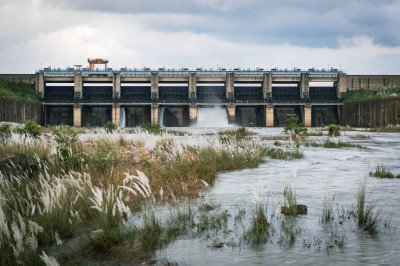
Nestled in the foothills of the Western Ghats, the Peruvannamuzhi Dam & Reservoir is a breathtaking ecological paradise that offers a perfect blend of adventure and serenity. The dam is part of the Kuttiyadi Irrigation Project and is surrounded by lush, verdant forests that are home to a diverse array of flora and fauna. The reservoir itself is a vast expanse of turquoise water, dotted with small, emerald islands that can be explored via boat. This destination is not just about the water; it is a comprehensive nature retreat that includes a Crocodile Farm, a Bird Sanctuary, and a beautifully landscaped garden known as Smaraka Thottam, which commemorates the freedom fighters of the region. The silence of the forest is only broken by the chirping of over 90 species of birds and the gentle ripple of the water, making it a favorite for birdwatchers and nature photographers. For those seeking a bit of thrill, the speed-boating facilities allow you to zip across the reservoir, while the rowboats provide a slower, more meditative experience. The area is also famous for being the headquarters of the Malabar Wildlife Sanctuary, highlighting its importance in biodiversity conservation. Visitors can see the Indian Institute of Spices Research (IISR) nearby, where the famous Malabar black pepper and other spices are studied. The dam site is an ideal picnic spot for families, with plenty of shaded areas and children's play zones. The trek to the top of the dam offers a panoramic view of the entire valley, where the blue of the water meets the deep green of the jungle. Whether you are interested in wildlife, history, or simply want to escape the city's heat, Peruvannamuzhi provides a refreshing and immersive experience in the lap of nature.
Show All

Note:-

Information provided here in good Faith and for reference only.

All information and pictures will be updated soon, please keep visiting.

Near Places

...
Alappuzha (Alleppey)

Some quick example text to build on the card title and make up the bulk of the card's content.

Go somewhere
...
Alleppey

Some quick example text to build on the card title and make up the bulk of the card's content.

Go somewhere
...
Athirappilly:

Some quick example text to build on the card title and make up the bulk of the card's content.

Go somewhere
...
Attingal

Some quick example text to build on the card title and make up the bulk of the card's content.

Go somewhere
...
Bekal

Some quick example text to build on the card title and make up the bulk of the card's content.

Go somewhere
...
Ernakulam

Some quick example text to build on the card title and make up the bulk of the card's content.

Go somewhere
...
Guruvayur

Some quick example text to build on the card title and make up the bulk of the card's content.

Go somewhere
...
Idukki

Some quick example text to build on the card title and make up the bulk of the card's content.

Go somewhere
...
Kannur

Some quick example text to build on the card title and make up the bulk of the card's content.

Go somewhere
...
Kasaragod

Some quick example text to build on the card title and make up the bulk of the card's content.

Go somewhere
in Other Cities