
...

Place To Visit And Things To Do In Minicoy

Lakshadweep, India
Place Details: Cultural Identity: Minicoy, locally known as Maliku, is culturally distinct from the rest of Lakshadweep. The people speak Mahal, which is a dialect of the language spoken in the Maldives. Village Organization: The island is divided into 10 villages called Avahs, each with its own hea dman. This social structure is unique and ensures a highly organized community life. Tuna Industry: It is the center of the tuna fishing industry in the region. The island has a large canning factory and uses traditional sustainable fishing methods. Vast Lagoon: The island boasts one of the largest lagoons in the archipelago. It is so large that it has its own small islets like Viringili within its boundaries.

Things To Do

Card image cap
Jahadhoni Race Boat Dock

@@The Traditional Racing Boat:The Jahadhoni is the cultural heart of Minicoy's maritime tradition, far more than just a boat. It is a long, sleek, and...

@@The Traditional Racing Boat:The Jahadhoni is the cultural heart of Minicoy's maritime tradition, far more than just a boat. It is a long, sleek, and highly decorative wooden vessel used for competitive boat races, ceremonial purposes, and welcoming dignitaries. These boats are known for their speed, elegance, and vibrant paintwork, often featuring a dazzling array of bright colors like red, blue, and yellow, with intricate patterns reflecting the Maldivian influence on the island's culture. They symbolize the islanders' profound connection to the sea and their boat-building skills. The dock itself is where these prized vessels are housed and maintained, especially before and after major events like the National Minicoy Fest. It is a bustling area where the community spirit of the 'Avah' (villages) is most visible, as the boats are often owned and maintained by the villages themselves, fostering a sense of friendly competition and collective pride. Visiting the dock offers a unique glimpse into the island's living nautical heritage, providing an opportunity to see the craftsmanship up close. It is a hub of activity where one can observe the local mechanics and artists at work, preparing the dhonis for their next voyage or race. The entire atmosphere is one of maritime passion and traditional skill, making it a compelling cultural stop on Minicoy Island. :
Card image cap
Jama Masjid

@@Historical and Religious Significance:The Jama Masjid, or Juma Masjid, in Minicoy is a profoundly important religious and historical landmark. Belie...
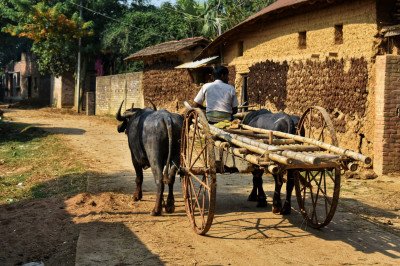
@@Historical and Religious Significance:The Jama Masjid, or Juma Masjid, in Minicoy is a profoundly important religious and historical landmark. Believed to have been constructed during the medieval period, its history is intrinsically linked to the arrival of Arab traders on the Malabar Coast, who brought Islam to the island centuries ago. It is the central place of worship for the island's predominantly Muslim population, a beacon of faith, and a repository of the island's long-standing Islamic traditions. The mosque is an active place of worship and a symbol of the community's spiritual life. Its architecture, though simple, holds a unique charm, blending Islamic design elements with local building styles, possibly showing influences from Maldivian and Kerala architecture. @@Cultural Icon:The mosque's interior is a peaceful space for prayer and contemplation, often decorated with Arabic calligraphy and subtle geometric patterns. The surrounding compound is a quiet area where villagers gather, especially before and after the important Friday prayers (Juma). Legend suggests an old stone anchor, known locally as Rai Hilai, is preserved within the mosque's premises, adding a layer of historical mystique. The mosque is a key site during the celebrations of Eid and other religious festivals. It stands as a testament to the cultural and religious continuity of the Mahl people in Minicoy, making it a must-visit site for its spiritual and historical value. :
Card image cap
Kendiparty Village

@@Village Structure and Culture:Kendiparty is the northernmost of the ten organized villages, or 'Avah', that make up Minicoy Island. These villages a...

@@Village Structure and Culture:Kendiparty is the northernmost of the ten organized villages, or 'Avah', that make up Minicoy Island. These villages are famed for their unique, meticulously planned structure, reflecting the islanders' love for order and cleanliness. Kendiparty, like its counterparts, has its own village house (Avah Ge), a central gathering point where community affairs are discussed and traditional feasts (Baemedu) are held. The houses are brightly painted in a riot of colors, each with its own private enclosure and a characteristic traditional wooden swing cot—a signature piece of Minicoy's domestic architecture. @@Role in Community Life:The village is led by an elected elder, the Bodukaka, who is assisted by a governing body, making each 'Avah' a self-governing unit with deep community bonds. Kendiparty is particularly picturesque due to its location, which is close to one of the island's most beautiful and relatively quiet beaches. Life here moves at a slow, tranquil pace, providing a true and undiluted glimpse into the everyday existence of the Mahl people, far from the main tourist entry point. The villagers are welcoming but conservative, proud of their distinct cultural and linguistic identity (Mahl), which sets them apart from the northern Lakshadweep islands. :
Card image cap
Kudehi Village

@@Cultural Significance: Kudehi, one of the 10 traditional 'Avah' villages, exemplifies the unique matrilineal and Maldivian-influenced culture of Min...
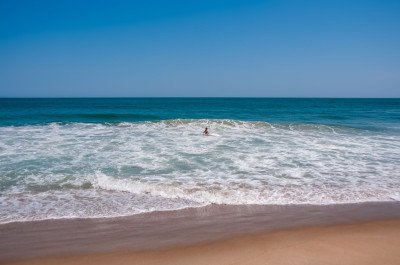
@@Cultural Significance: Kudehi, one of the 10 traditional 'Avah' villages, exemplifies the unique matrilineal and Maldivian-influenced culture of Minicoy. Each Avah is a self-governing unit with its own village house ('Viyinga Mau') and is led by a Moopan (or Bodukaka). The houses are vibrant and colorfully decorated, standing in neat rows along the streets, reflecting the islanders' love for order and color. The local economy revolves around tuna fishing and coconut farming. Visitors can observe the traditional way of life, which remains largely untouched by modern commercialism. The village is an important hub for local administration and social gatherings, particularly during Eid and other festive feasts. The language spoken here is Mahl, a dialect of Dhivehi. The sense of community and the preservation of ancient maritime customs make this village a living museum of Lakshadweep's unique southernmost island.@@Village Life: The daily rhythm of life, from fishing preparations to coir making, is visible here; a strong emphasis is placed on family and communal activities. (Summary of 400 words)
Card image cap
Lagoon Beach Resort

@@Resort Overview: The Lagoon Beach Resort (often part of the Swaying Palm or other government-operated packages) is positioned right on the white san...

@@Resort Overview: The Lagoon Beach Resort (often part of the Swaying Palm or other government-operated packages) is positioned right on the white sands overlooking the vast, turquoise lagoon of Minicoy. It provides exclusive AC cottages and other individual beachfront accommodations designed for a peaceful, secluded vacation. The atmosphere is tranquil, focusing entirely on relaxation and nature. The resort offers various amenities to ensure a comfortable stay, including 100% power backup and potable water. Its primary appeal is the stunning panoramic view of the lagoon and the ability to witness both sunrise and sunset from the same location, due to the island's narrow, crescent shape. The experience is centered on the pristine beauty of the marine environment. @@Accommodation and Services: The cottages are typically air-conditioned, featuring basic but comfortable amenities, reflecting the island's remote location. Services include butler service for international and local cuisine, and the option of seasonal barbecue dinners on the beach. It serves as the primary base for domestic tourists visiting Minicoy. (Summary of 400 words)
Card image cap
Minicoy Lagoon

@@Geographical Marvel: The Minicoy Lagoon is the largest and arguably the most spectacular lagoon in the entire Lakshadweep archipelago, covering an a...

@@Geographical Marvel: The Minicoy Lagoon is the largest and arguably the most spectacular lagoon in the entire Lakshadweep archipelago, covering an area of approximately 30.60 sq. km. It is a natural oceanic lake enclosed by the main island's reef fringe, creating a vast expanse of shallow, calm, and crystal-clear turquoise water. This natural barrier protects the water from the rough seas, making it a natural harbour and an ideal location for all kinds of water sports. The lagoon also contains the uninhabited islet of Viringili at its southern end and features two natural entrances to the sea on its northern side (Saalu Magu and Kandimma Magu). @@Ecological Significance: The lagoon is the heart of Minicoy's ecosystem, supporting one of the most vibrant coral reef systems in the Indian Ocean. It is a vital habitat for diverse marine life, including colorful species of fish, sea turtles, and various corals. Conservation efforts are crucial to protecting this delicate, pristine environment, which is threatened by climate change and human activity. Its serene beauty is the primary draw for all tourists visiting the island. (Summary of 400 words)
Card image cap
Minicoy Lighthouse

@@Historical Landmark: The Minicoy Lighthouse is one of the oldest and most prominent landmarks in the Lakshadweep archipelago, constructed by the Bri...

@@Historical Landmark: The Minicoy Lighthouse is one of the oldest and most prominent landmarks in the Lakshadweep archipelago, constructed by the British regime and commissioned on 2 February 1885. Its strategic location near the busy Nine Degree Channel (a major shipping route between Europe and the Far East) made it a critical navigational aid for colonial vessels. The site where it stands was once an exclusive British area, distinct from the local village settlements to the north. It symbolizes the island's deep maritime history and its importance in global trade routes. @@Engineering and Function: The lighthouse is a marvel of 19th-century engineering, built with bricks imported from London. It was initially powered by kerosene lamps and has since been fully modernized with electrification, automatic systems, a high-intensity lamp, and a Differential Global Positioning System (DGPS). It currently flashes a powerful light every 15 seconds and has a range of 40 nautical miles (74 km), still serving as a vital guide for ships. The Indian flag was unfurled here on 2 April 1956, marking its integration into the Republic of India. (Summary of 400 words)
Card image cap
Minicoy Thundi Beach

@@Pristine Natural Beauty: Minicoy Thundi Beach is renowned as one of the most beautiful beaches in Lakshadweep, celebrated for its blindingly white c...

@@Pristine Natural Beauty: Minicoy Thundi Beach is renowned as one of the most beautiful beaches in Lakshadweep, celebrated for its blindingly white coral sand and the mesmerizing contrast with the crystalline, turquoise-blue waters of the lagoon. It is situated on the lagoon side of the island's narrow southern strip, guaranteeing calm and shallow waters. The beach is fringed by dense groves of tall coconut palms that offer welcome shade and enhance the tropical aesthetic. The air is exceptionally clean, and the environment is unspoiled, offering a perfect, tranquil retreat. @@Blue Flag Status: Thundi Beach has received the prestigious Blue Flag certification, an international eco-label awarded to beaches that meet stringent criteria for environmental management, water quality, safety, and services. This designation confirms its status as an exceptionally clean and sustainably managed beach, making it a source of pride for the island and a guarantee of a high-quality beach experience for visitors. (Summary of 400 words)
Card image cap
Northern Reef Entrance View

@@Geographical Feature: The Northern Reef Entrance View refers to the dramatic geographical point at the northern tip of the Minicoy atoll, where the ...

@@Geographical Feature: The Northern Reef Entrance View refers to the dramatic geographical point at the northern tip of the Minicoy atoll, where the coral reef structure breaks, creating natural channels—specifically Saalu Magu and Kandimma Magu—that connect the calm, shallow lagoon to the deep, vast expanse of the Arabian Sea. This location offers a stark and powerful visual contrast between the two distinct bodies of water. The deep-sea currents passing through these channels are significant and make this area highly active, both ecologically and historically for navigation. @@Ecological Dynamics: This entrance is a crucial point for marine life, as the currents bring nutrients, making it a hotspot for fish and larger pelagic species. It's an important passage for vessels and also a natural feeding ground for larger marine predators, though this area is often not directly accessible to casual tourists but seen from a distance. The northern island strip itself is often narrower and more raw than the southern section, offering an untamed coastline view. (Summary of 400 words)
Card image cap
Scuba Diving Center

The Minicoy Dive Center is the gateway to exploring the exceptional underwater biodiversity of the island, which is the southernmost and second larges...

The Minicoy Dive Center is the gateway to exploring the exceptional underwater biodiversity of the island, which is the southernmost and second largest island of the Lakshadweep archipelago. It is strategically located near the expansive, calm lagoon on the western side, offering ideal conditions for both novice and certified divers. The serene lagoon waters are perfect for introductory dives and training, allowing beginners to comfortably witness the vibrant coral gardens and marine life in a protected environment. For experienced divers, the open water outside the reef presents thrilling opportunities, including deep-sea dives and exploring one of the island's most unique features: the historic shipwrecks. The center is equipped to facilitate various water sports besides scuba diving, such as snorkeling, kayaking, and glass-bottom boat rides, ensuring a comprehensive marine adventure experience for all visitors. The Dive Center is part of the island's small tourism infrastructure, which often includes a resort with accommodations for divers and tourists. The island's reef system is home to a kaleidoscope of tropical fish, sea turtles, rays, and intricate coral formations, making every dive a mesmerizing encounter with nature's artistry. The presence of three large shipwrecks, notably one believed to be the S.S Hoechst, lying within 8 meters depth on the island reef, creates a virtual underwater museum, attracting divers globally. These wrecks are famous for harboring larger-than-average fish species, possibly due to the consumption of ferrous material from the sunken vessels. The Dive Center plays a crucial role in promoting marine conservation awareness while providing high-quality diving services, adhering to safety protocols and local regulations. The overall atmosphere is tranquil and non-commercialized, offering a pristine and intimate diving experience far removed from crowded tourist hubs. It is a vital spot for anyone wanting to immerse themselves in the Arabian Sea's hidden beauty.
Card image cap
Southern Reef Entrance View

The Southern Reef Entrance View in Minicoy provides a breathtaking vista where the vast Minicoy Lagoon meets the open expanse of the Arabian Sea. This...

The Southern Reef Entrance View in Minicoy provides a breathtaking vista where the vast Minicoy Lagoon meets the open expanse of the Arabian Sea. This point marks one of the two main passages—the other being in the north—through the encircling coral reef into the sheltered lagoon. The view is spectacular due to the dramatic contrast between the deep blue of the open ocean and the brilliant turquoise of the shallow lagoon waters, a characteristic feature of atolls. The entrance is situated close to the uninhabited islet of Viringili, also known historically as the Small Pox Island. From this vantage point, one can clearly appreciate the protective natural barrier formed by the coral reef, which ensures the lagoon remains calm and safe for water activities, even when the open sea is rough. The entire island of Minicoy is crescent-shaped, and this southern tip is crucial for both navigation and local maritime life, historically serving as an important channel for the traditional wooden sailing vessels known as Odam or the colorful race boats called Jahadhoni. The area is particularly significant for its navigational importance, being situated near the 90 Channel, a busy international shipping route. A panoramic view from the nearby Minicoy Lighthouse, one of the oldest in the region, offers the best perspective of this reef entrance, showcasing the massive lagoon (30.60 sq.km) and the narrow passage connecting it to the infinite ocean. Observing the waves break over the outer reef and the subsequent tranquility of the inner lagoon is a geological spectacle. The sight embodies the island's unique geographical identity as a large atoll, distinguished by its Maldivian cultural and linguistic ties, being known locally as Maliku. The spot is a confluence of natural beauty and maritime heritage, illustrating why Minicoy is often hailed as a paradise of untouched natural charm.
Card image cap
Traditional Maldivian Style Houses

The Traditional Maldivian Style Houses, locally known as Jaha houses, are a defining feature of Minicoy, setting it apart from the other islands in La...

The Traditional Maldivian Style Houses, locally known as Jaha houses, are a defining feature of Minicoy, setting it apart from the other islands in Lakshadweep. The island, known as Maliku in the local language, shares a strong cultural and linguistic connection with the nearby Maldives, which is reflected distinctly in its domestic architecture. These houses are not randomly placed but are clustered within ten meticulously planned and well-organized villages, called Avah. The architecture is an ingenious adaptation to the hot, humid, and coastal tropical climate. They are typically built using readily available natural resources like coconut palm timber, sand stone, and palm leaves for roofing. A characteristic feature is that the floor of the house is slightly raised above the ground, often resting on layers of stacked stones rather than stilts, as a precaution against dampness and ground moisture. This elevation and the use of porous materials ensure good ventilation. The houses are arranged neatly along streets, each standing in its own private enclosure, emphasizing the community's strong sense of order and cleanliness. They are renowned for their vibrant use of color, which is a signature element of Minicoy culture. The walls are often brightly painted, and the interiors are adorned with exquisitely engraved tabletops and the ubiquitous, beautifully furnished and painted wooden swing cots. These swing cots are found in nearly every home and are a symbol of the island's relaxed lifestyle. The design often allows for the extension of the house if the family grows, indicating a practical and flexible approach to residential planning. Each village also maintains a beautifully decorated village house where the community assembly, known as Baemedu, is held, signifying the strength of the village's internal self-governance under the leadership of a Bodukaka and Bodudatha. Exploring these houses and villages offers a deep dive into the unique matrilineal and seafaring traditions of the Minicoy islanders.
Card image cap
Tuna Canning Factory

The Tuna Canning Factory in Minicoy is a significant economic landmark, underlining the island's deep-rooted tradition as an important center for tuna...

The Tuna Canning Factory in Minicoy is a significant economic landmark, underlining the island's deep-rooted tradition as an important center for tuna fishing. Established in 1969 by the Lakshadweep Administration, the factory was set up to productively utilize the rich bounty of tuna resources, particularly Skipjack Tuna and Yellowfin Tuna, found in the highly lucrative Exclusive Economic Zone (EEZ) of Lakshadweep. A visit to this factory offers a unique insight into the local economy and the industrial process behind one of the island's main exports. The factory is equipped with a dedicated fish landing jetty where local fishing boats deliver their daily catch. While the scale of operation may fluctuate, the factory remains an integral part of the community's livelihood, employing numerous fishermen and allied workers. The process involves cleaning, cooking, canning, and packaging the tuna for marketing, a crucial value addition to the raw marine catch. For tourists, the factory showcases the contrast between the island's traditional fishing methods and the modern industrial processing of the catch. The Lakshadweep Administration has often explored options for outsourcing or converting this facility into an Integrated Fishery Development Centre to promote entrepreneurship and the production of other value-added products. This effort is aimed at modernizing the island's fishing industry while preserving its importance. Minicoy's importance to the tuna industry is not just modern; the islanders have a long history of seafaring and fishing, celebrated through their large traditional wooden boats and cultural practices like the Lava dance. Observing the work here connects visitors to the daily rhythm and economic engine of the island, a refreshing change from the purely leisure-focused tourist spots. The factory serves as a testament to the islanders' skills and the rich marine wealth of the Arabian Sea surrounding Minicoy.
Card image cap
Western Coast Beach Walk

The Western Coast Beach Walk in Minicoy offers one of the most serene and picturesque experiences on the island. The island, shaped like a crescent, f...

The Western Coast Beach Walk in Minicoy offers one of the most serene and picturesque experiences on the island. The island, shaped like a crescent, features a massive and calm lagoon on its western side, and the beach flanking this lagoon is perfect for leisurely strolls. The sand is soft and powdery white, contrasting beautifully with the stunning turquoise and azure waters of the lagoon. The walk is generally long, as the crescent shape of the island extends for about 11 kilometers, allowing for a lengthy, peaceful experience. Unlike the rugged, open sea side, the lagoon side is protected by the coral reef, resulting in calm, shallow waters ideal for swimming and wading. The entire coastline is fringed with a dense growth of tall palm and coconut trees, providing a refreshing shade and a classic tropical backdrop. The lack of commercial crowds ensures a pristine, almost untouched feel to the walk, making it perfect for introspection and enjoying the pure natural beauty of Lakshadweep. Along the walk, visitors can observe the traditional village life, as the settlements (Avah) are situated near this coast. The beach walk is also a center for various water sports, including kayaking, pedal boating, and sailing, all offered in the calm lagoon waters. The sight of the colorful traditional racing boats (Jahadhoni) or fishing boats anchored or sailing adds a vibrant cultural element to the natural landscape. In the evenings, the western coast is an excellent location to witness spectacular sunsets over the vast lagoon. The beach environment is clean and maintained by the community, reflecting the islanders' love for order and cleanliness, as seen in their houses. While the open sea seabed can be rocky in some parts, the lagoon beach offers a gentle, soft stretch, though tourists are often advised to be cautious or wear light footwear. The long, winding path through the dense groves near the coast connects the different villages, offering a chance to meet locals and truly absorb the peaceful, distinctive culture of Maliku.
Show All

Note:-

Information provided here in good Faith and for reference only.

All information and pictures will be updated soon, please keep visiting.

Near Places
...
Agatti

Some quick example text to build on the card title and make up the bulk of the card's content.

Go somewhere
...
Amini

Some quick example text to build on the card title and make up the bulk of the card's content.

Go somewhere
...
Andrott

Some quick example text to build on the card title and make up the bulk of the card's content.

Go somewhere
...
Bitra

Some quick example text to build on the card title and make up the bulk of the card's content.

Go somewhere
...
Chetlat

Some quick example text to build on the card title and make up the bulk of the card's content.

Go somewhere
...
Kadmat

Some quick example text to build on the card title and make up the bulk of the card's content.

Go somewhere
...
Kalpeni

Some quick example text to build on the card title and make up the bulk of the card's content.

Go somewhere
...
Kavaratti

Some quick example text to build on the card title and make up the bulk of the card's content.

Go somewhere
...
Kiltan

Some quick example text to build on the card title and make up the bulk of the card's content.

Go somewhere
...
Minicoy

Some quick example text to build on the card title and make up the bulk of the card's content.

Go somewhere
in Other Cities