
...

Place To Visit And Things To Do In Porbandar

Gujarat, India
Historical Legacy: Porbandar is globally renowned as the birthplace of Mahatma Gandhi. It is a coastal city with a deep-rooted history dating back to the Harappan civilization. The city served as a significant port for trade with Arab and African nations for centuries. Today, it stands as a symbol o f peace and non-violence, attracting history buffs and pilgrims from across the globe. The local culture is a blend of traditional Kathiawari customs and modern influences. Coastal Charm: The city is situated along the Arabian Sea, offering beautiful shorelines like Chowpatty Beach. This beach is a major hub for evening walks and local street food experiences. The coastal breeze keeps the city pleasant, especially during the winter months. Fishing is a major occupation here, and the sight of hundreds of boats is iconic. The skyline is dominated by white stone structures, giving it the nickname White City. Religious Significance: Apart from Gandhi, Porbandar is also the birthplace of Sudama, the childhood friend of Lord Krishna. The Sudama Mandir is the only temple in the world dedicated to him. This adds a layer of spiritual importance to the city, making it a key stop on the Krishna pilgrimage circuit. Devotees visit here to experience the theme of true friendship and devotion. The temple architecture is simple yet evokes a deep sense of peace. Natural Beauty: The Porbandar Bird Sanctuary is a unique spot located right in the heart of the city. It is the smallest bird sanctuary in India, covering just 1 square KM. Despite its size, it hosts numerous migratory birds like flamingos and pelicans. Nature lovers enjoy the juxtaposition of an urban setting with wild avian life. It serves as a vital ecological lung for the growing coastal town.

Things To Do

Card image cap
Asmavati Riverfront

@@Riverfront Overview: A well-maintained public space on the banks of the Asmavati River, offering a blend of recreation and relaxation. The riverfron...

@@Riverfront Overview: A well-maintained public space on the banks of the Asmavati River, offering a blend of recreation and relaxation. The riverfront is popular among locals and tourists for its serene ambiance and variety of activities. It provides an excellent spot for evening outings and family gatherings.: @@Facilities and Features: The area includes a well-developed promenade, dedicated children's play areas, small amusement rides, a game zone, and ample seating. It also features a food zone with options for fast food and cold drinks, making it a complete leisure destination. The presence of paddle boating adds to its appeal as an urban retreat.:
Card image cap
Barda Hills Wildlife Sanctuary

The Barda Hills Wildlife Sanctuary is a dense, hilly forest tract that serves as a vital ecological buffer against the salinity of the coastal region...
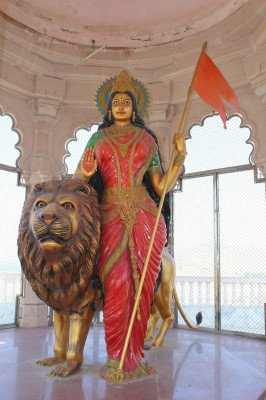
The Barda Hills Wildlife Sanctuary is a dense, hilly forest tract that serves as a vital ecological buffer against the salinity of the coastal region. Established in 1979, it covers an area of approximately 192.31 sq km across the districts of Porbandar and Jamnagar. Historically, this land was divided between the princely states of Rana Barda and Jam Barda. The sanctuary is renowned for its immense floral diversity, hosting over 650 plant species, many of which possess significant medicinal properties. It is a haven for mammalian species like leopards, hyenas, wild boars, and chinkara. The sanctuary also features two major dams, Khambala and Fodara, which enhance its scenic beauty. It has been proposed as a second home for the Asiatic Lion, making it a site of high conservation importance. The lush valleys and rocky terrains provide a stark, beautiful contrast to the surrounding agricultural plains.
Card image cap
Bharat Mandir

@@Patriotic and Spiritual Significance: Bharat Mandir is a unique temple dedicated to Bharat Mata (Mother India). It blends spirituality with deep pat...

@@Patriotic and Spiritual Significance: Bharat Mandir is a unique temple dedicated to Bharat Mata (Mother India). It blends spirituality with deep patriotism, serving as a symbol of India's unity in diversity. It is not dedicated to a traditional deity but to the nation itself.: @@The Marble Map: The main attraction is a detailed, relief map of undivided India crafted entirely in white marble and laid on the floor. This artistic and geographic marvel showcases the country's states, mountains, and rivers.: @@Interior Decor: The walls and pillars are adorned with sculptures, pictures, and artifacts depicting scenes from Hindu mythology, as well as portraits of freedom fighters and historical figures, celebrating India's rich cultural and historical heritage.:
Card image cap
Bileshwar Mahadev Temple

The Bileshwar Mahadev Temple is a highly revered shrine dedicated to Lord Shiva, located on the banks of the Bileshwar River. Dating back to the 7th ...

The Bileshwar Mahadev Temple is a highly revered shrine dedicated to Lord Shiva, located on the banks of the Bileshwar River. Dating back to the 7th Century, it is one of the oldest and most architecturally significant temples in the Saurashtra region. The temple's name is derived from the Bilva leaves that Lord Krishna is said to have offered to Shiva here while praying for a son. Legend also states that the statue of Nandi outside the temple miraculously protected the shrine from the invading army of Aurangzeb. The atmosphere is deeply spiritual, surrounded by lush greenery and the gentle sound of the flowing river. The temple houses a Swayambhu (self-manifested) Shivling, along with idols of Goddess Parvati and Devi Ganga. It is a protected monument under the Gujarat Archaeological Act, ensuring its historical integrity is preserved for future generations.
Card image cap
Bileshwar Temple

The Bileshwar Temple, also known as Bilnath Mahadev Temple, is an ancient Hindu temple dedicated to Lord Shiva, revered as one of the oldest and most...

The Bileshwar Temple, also known as Bilnath Mahadev Temple, is an ancient Hindu temple dedicated to Lord Shiva, revered as one of the oldest and most significant temples in the region. Its antiquity dates back to possibly the 7th century, though some architectural elements suggest renovations or additions in later centuries, particularly the 10th or 11th century. The temple's architecture is a distinctive representation of the Gujarati style, notably featuring a multi-storied, pyramid-shaped structure rather than a traditional spire. The exterior of the temple is often adorned with intricate carvings and arch-like themes, reflecting the artistic sensibilities of its time. According to local folklore and mythological accounts, the temple holds deep connections to Lord Krishna. One popular legend suggests that Lord Krishna performed the first puja (worship) here, and the lingam inside the sanctum sanctorum is considered swayambhu (self-manifested). Another compelling tale recounts an incident where an army attempted to demolish the shivling, but Nandi, Lord Shiva's celestial vehicle, intervened, causing the lingam to burst, releasing a swarm of wasps that drove the army away. These narratives underscore the temple's profound spiritual significance and its enduring appeal to devotees. The temple complex also houses idols of Goddess Parvati, Devi Ganga, and Nandi. The Rabaris, a pastoral community from neighboring states, hold immense faith in Bileshwar Mahadev, often making vows and keeping lamps continuously burning at the shrine. The temple is a protected site under the Gujarat Ancient Monuments & Archeological Sites & Remains Act 1965, ensuring its preservation. It attracts a large number of devotees, particularly during Shivratri and a fair held on the Amavasya (new moon) of the Shravana month.
Card image cap
Bird Sanctuary Watch Tower

The Bird Sanctuary Watch Tower offers an elevated vantage point within the compact yet vibrant Porbandar Bird Sanctuary, providing an unparalleled op...

The Bird Sanctuary Watch Tower offers an elevated vantage point within the compact yet vibrant Porbandar Bird Sanctuary, providing an unparalleled opportunity for birdwatchers and nature enthusiasts to observe the diverse avian life. Situated strategically around the sanctuary's central lake, the watch tower allows visitors to gain a comprehensive view of the entire wetland ecosystem, which serves as a crucial habitat for both resident and migratory birds. From this elevated position, it's easier to spot various species that might otherwise be hidden by foliage or distance. Equipped with a good pair of binoculars, visitors can identify a wide array of birds, including various species of flamingos, pelicans, ducks, geese, herons, egrets, storks, and many more waders and aquatic birds. The tower's design is usually open, allowing for a 360-degree view, enhancing the birdwatching experience. It's particularly beneficial during the winter months (October to February) when migratory birds arrive in large numbers, transforming the sanctuary into a bustling hub of avian activity. The watch tower not only facilitates better viewing but also minimizes disturbance to the birds in their natural habitat. It's an essential facility for serious bird photographers and amateur birdwatchers alike, offering a comfortable and elevated platform to capture the beauty of the sanctuary's feathered residents. The peaceful surroundings and the chorus of bird calls make a visit to the watch tower a truly immersive natural experience within the city.
Card image cap
Chowpatty Beach

@@Beach Description: Chowpatty Beach, often referred to as Porbandar Beach, is a long stretch of golden sand along the Arabian Sea. It is characterize...

@@Beach Description: Chowpatty Beach, often referred to as Porbandar Beach, is a long stretch of golden sand along the Arabian Sea. It is characterized by its relatively calm waters, gentle breeze, and the lively atmosphere that comes alive, especially in the evenings.: @@Local Significance: Situated near major historical landmarks like Kirti Mandir (Mahatma Gandhi's birthplace) and Huzoor Palace, it holds a blend of natural beauty and historical importance. The beach is a central social hub for the people of Porbandar.: @@Atmosphere: It offers a serene escape, making it ideal for leisurely strolls, family outings, and viewing spectacular sunsets. In the evenings, numerous food stalls set up shop, adding a vibrant culinary dimension.:
Card image cap
Darbargadh

@@Historical Significance: Darbargadh, meaning 'Royal Court,' was the old fortified palace complex and the administrative seat of the erstwhile Jethwa...

@@Historical Significance: Darbargadh, meaning 'Royal Court,' was the old fortified palace complex and the administrative seat of the erstwhile Jethwa dynasty rulers of the Porbandar princely state. Built by Rana Sartanji, it is a key relic of the region's royal history.: @@Current Status: The complex, though partly damaged by earthquake and time, still stands as a testament to the old city's center, defining its historical layout. It represents the fortified core from which the royal family ruled.: @@Key Elements: The complex originally contained several structures, including the main court, the Rana Bapu's Mahal, and defensive features like massive gates and bastions, though much of the original structure is now in ruins or private hands.:
Card image cap
Daria Rajmahal (Navlakha Palace)

Daria Rajmahal, also known as Navlakha Palace, is a captivating historical palace in Porbandar, distinguished by its intricate carvings and historica...

Daria Rajmahal, also known as Navlakha Palace, is a captivating historical palace in Porbandar, distinguished by its intricate carvings and historical significance. The name "Navlakha" often refers to its immense cost during construction, meaning "nine lakhs" (nine hundred thousand), a princely sum at the time. This palace served as another grand residence for the royal family of Porbandar, complementing Darbargadh, and showcases a distinct architectural style, possibly with more elaborate and intricate detailing. The palace?s design likely incorporates a blend of traditional Indian architectural elements with influences that might have been popular during its construction, possibly from the late 19th or early 20th century. The distinguishing feature of Daria Rajmahal is its exquisite craftsmanship, particularly in the stone and wooden carvings that adorn its facades, balconies, and interiors. These carvings often depict mythological scenes, intricate geometric patterns, and delicate floral motifs, reflecting the high artistic standards of the royal era. The palace is typically set amidst beautiful gardens, adding to its regal charm and providing a serene environment. As with Huzoor Palace, Daria Rajmahal often remains a private residence or has limited public access, but its exterior grandeur and architectural beauty are significant attractions for history buffs and architecture enthusiasts. While inside access might be restricted, the opportunity to admire its majestic structure from the outside, photograph its detailed artistry, and appreciate its historical context makes it a worthwhile stop. The palace stands as a magnificent relic of Porbandar's royal past, offering a glimpse into the opulent lifestyle and artistic patronage of the Jethwa rulers. Its proximity to the sea might also have provided a refreshing retreat during hot seasons.
Card image cap
Daria Rajmahal

@@Historical Context: The Daria Rajmahal (Sea Palace) is a magnificent royal structure built during the time of the Jadeja (or Jethwa) dynasty rulers ...

@@Historical Context: The Daria Rajmahal (Sea Palace) is a magnificent royal structure built during the time of the Jadeja (or Jethwa) dynasty rulers of Porbandar. Its construction is generally attributed to Rana Sartanji, showcasing the family's shift towards coastal residences.: @@Location and Setting: Strategically located right on the banks of the Arabian Sea, the palace is known for its picturesque setting and the captivating view it offers of the ocean. It is surrounded by lush green gardens, creating a serene environment.: @@Architecture Highlight: The palace is an architectural marvel, known for its fusion of traditional Rajput elements with strong European colonial influences, especially in its overall layout and decorative details.:
Card image cap
Fishery Harbour (Port of Porbandar)

The Porbandar Fishery Harbour is a bustling and vital hub that showcases the city's strong connection to the Arabian Sea and its traditional fishing ...

The Porbandar Fishery Harbour is a bustling and vital hub that showcases the city's strong connection to the Arabian Sea and its traditional fishing industry. This active port provides a fascinating glimpse into the lives of the local fishing communities and the economic backbone of Porbandar. Early mornings are the most vibrant time to visit, as fishing boats return with their fresh catches, and the harbor comes alive with the sorting, weighing, and selling of fish. The air is filled with the distinctive aroma of the sea and the lively chatter of fishermen and traders. Visitors can observe a wide variety of marine life being brought ashore, from large catches to smaller, local species. The sight of colorful fishing boats docked at the harbor, with their nets being mended and prepared for the next voyage, is a picturesque and authentic scene. The harbor area is a dynamic place where one can witness the intricate process of fishing, from traditional techniques to modern equipment. While it's a working port and not a tourist attraction in the conventional sense, it offers a unique cultural experience for those interested in maritime activities and local livelihoods. It's also an excellent spot for photography, capturing the raw energy and daily rhythm of a coastal community. The sounds of the boats, the cries of the gulls, and the constant activity make the fishery harbor a memorable and authentic experience of Porbandar's coastal identity.
Card image cap
Ghata Masjid

Ghata Masjid is a significant historical mosque in Porbandar, embodying the city's diverse cultural and religious heritage. While specific historical...

Ghata Masjid is a significant historical mosque in Porbandar, embodying the city's diverse cultural and religious heritage. While specific historical details about its precise construction date might vary, it is generally considered an ancient structure, reflecting the architectural styles prevalent during the periods of Islamic influence in the region. The mosque typically features traditional Islamic architecture, which might include intricate carvings, arched doorways, and a minbar (pulpit) for sermons. The overall design usually emphasizes simplicity and functionality, focusing on providing a serene space for prayer and congregation. The mosque serves as a vital place of worship for the local Muslim community, actively hosting daily prayers (salat), Friday sermons (khutbah), and celebrating Islamic festivals like Eid with great fervor. The peaceful ambiance within the mosque offers a quiet retreat for contemplation and devotion. Visitors interested in religious architecture or seeking to understand the cultural fabric of Porbandar will find the Ghata Masjid a compelling site. It stands as a testament to the coexistence of various faiths in the city and contributes to its rich historical tapestry. While respectful observation is encouraged, visitors should be mindful of the mosque's active use as a place of worship and adhere to proper etiquette, such as removing shoes before entering the prayer hall and dressing modestly.
Card image cap
Ghumli Archaeological Site

Ghumli was once the thriving capital of the Jethwa dynasty of Gujarat, established in the 7th Century AD. At its peak, it was a center of art and pow...

Ghumli was once the thriving capital of the Jethwa dynasty of Gujarat, established in the 7th Century AD. At its peak, it was a center of art and power until it was destroyed in 1313 by the invading army of Bhanji Jethwa's rival, or as legend says, by the curse of a woman named Sati Son. The site is a treasure trove for history lovers, featuring the magnificent Navlakha Temple, which is dedicated to the Sun God. This temple is considered one of the oldest sun temples in Gujarat, rivaling the one at Modhera. The name 'Navlakha' comes from the legend that nine lakh (900,000) gold coins were spent on its construction. Other significant ruins include the Vikai Vav, a massive stepwell with an octagonal design that served as a crucial water source. Walking through the ruins of Ghumli feels like stepping back into a forgotten era of royal grandeur and tragic falls.
Card image cap
Ghumli

Ghumli is an ancient and historically significant village, once the capital of the Jethwa dynasty, which ruled the region from the 9th to the 15th ce...

Ghumli is an ancient and historically significant village, once the capital of the Jethwa dynasty, which ruled the region from the 9th to the 15th centuries. This archaeological site is a treasure trove of ancient ruins, temples, and stepwells, offering a captivating glimpse into Gujarat's rich architectural and cultural past. The most prominent structure in Ghumli is the Navlakha Temple, dedicated to Lord Surya (Sun God). Although largely in ruins, its magnificent architecture and intricate carvings speak volumes about the artistic brilliance of the Solanki period (11th-12th centuries). The temple's design, with its elaborate shikhara (spire) and detailed sculptures, is a fine example of Maha-Maru architectural style. Besides the Navlakha Temple, Ghumli is home to several other historical structures, including the Ghumli Stepwell (Vikia Vav), which is an impressive example of medieval Indian stepwell architecture, designed to access groundwater. The site also contains various smaller temples, chhatris (cenotaphs), and remnants of fortifications, all bearing the marks of time and testifying to its former glory. Legends and folklore abound around Ghumli, narrating tales of its rise and fall, often linked to curses and battles. The peaceful, rural setting at the foothills of the Barda Hills adds to the mystical charm of the place. For archaeology enthusiasts, history lovers, and those seeking to explore off-the-beaten-path destinations, Ghumli offers a profound journey back in time, allowing one to wander through ancient ruins and imagine the vibrant life that once thrived in this forgotten city. Its historical significance and architectural remnants make it a must-visit for anyone interested in Gujarat's heritage.
Card image cap
GOP Temple

The GOP Temple is widely regarded as the earliest surviving stone temple in Gujarat, dating back to the late 6th Century (575-600 CE). It represents ...

The GOP Temple is widely regarded as the earliest surviving stone temple in Gujarat, dating back to the late 6th Century (575-600 CE). It represents a unique transitional phase in Indian temple architecture, blending Gupta, Gandhara, and even Kashmiri influences. Located on the banks of the Vartu River, it was originally dedicated to the Sun God or Lord Vishnu. Today, it stands as a skeletal but majestic structure atop a high platform. The temple is famous for its pyramid-like roof and the absence of any cementing material; it was built entirely using the Ashlar masonry technique. Despite being over 1400 years old, the sanctum walls and parts of the Shikhara remain standing, showcasing the incredible engineering of the Maitraka period. It is a site of immense pride for archaeologists and a quiet, spiritual destination for those who seek the roots of Indian heritage.
Card image cap
Harsiddhi Mata Temple

The Harsiddhi Mata Temple, also known as Harshad Mata Temple, is perched majestically on the Koyla Hills overlooking the Arabian Sea. It is a major p...
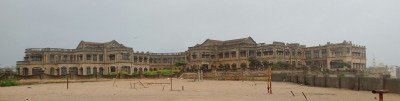
The Harsiddhi Mata Temple, also known as Harshad Mata Temple, is perched majestically on the Koyla Hills overlooking the Arabian Sea. It is a major pilgrimage site on the highway between Porbandar and Dwarka. The temple is dedicated to Goddess Harsiddhi, the Kuldevi (ancestral deity) of many communities including the Yadavas. According to legend, Lord Krishna worshipped the goddess here to seek strength to defeat the asuras. The current temple at the hilltop was built to replace an older temple at the foot of the hill. It is said that the original temple's gaze was so powerful that any ship passing by would be burnt down, so the goddess was requested to move to the hilltop. Visitors must climb around 300 steps to reach the shrine, where they are rewarded with breathtaking panoramic views of the turquoise sea and the surrounding salt pans.
Card image cap
Huzoor Palace

@@Historical Royal Residence: Huzoor Palace is a grand, opulent structure built in the early 20th century by Maharaja Natwarsinhji, the last ruler of ...

@@Historical Royal Residence: Huzoor Palace is a grand, opulent structure built in the early 20th century by Maharaja Natwarsinhji, the last ruler of the princely state of Porbandar. It served as the primary royal residence for the family.: @@Architectural Statement: The palace is one of the finest examples of late colonial-era architecture in Gujarat, making a clear statement of royal prestige and adopting popular European styles of the time.: @@Current Status: The palace remains a private residence of the descendants of the royal family. While visitors cannot enter the interiors, its magnificent exterior and seaside location make it a prominent landmark.:
Card image cap
Jambuvan Cave

Jambuvan Cave, also known as Jambavant Cave or Jambuvant ki Gufa, is an ancient and mystical cave steeped in Hindu mythology, particularly associated...

Jambuvan Cave, also known as Jambavant Cave or Jambuvant ki Gufa, is an ancient and mystical cave steeped in Hindu mythology, particularly associated with the epics of Ramayana and Mahabharata. This underground cave is believed to be the resting place of the legendary warrior Jambuvan, the king of bears, who played significant roles in both epic narratives. The most famous legend connected to this cave revolves around a 28-day battle between Lord Krishna and Jambuvan over the precious Syamantaka jewel. According to the legend, Satrajit, a Yadava nobleman, possessed this divine gem with mystic powers. When his brother Prasena went hunting with the jewel and was killed by a lion, Jambuvan took the gem from the lion and gave it to his daughter. Satrajit, however, accused Lord Krishna of the theft. To clear his name, Lord Krishna tracked the jewel to Jambuvan's cave, leading to the epic battle. Upon recognizing Lord Krishna and his divine powers, Jambuvan surrendered the jewel and, in an act of profound devotion, offered his daughter Jambavati in marriage to the Lord. The cave system itself is remarkable, containing over 50 naturally formed Shivalingas, which are highly revered. The main Shivalinga is located within a natural cave, where water continuously trickles down from the ceiling over the lingam, creating a captivating natural spectacle. Inside the cave, visitors can also see the exact spot where the Syamantaka jewel exchange is believed to have taken place. Furthermore, local beliefs suggest the presence of two tunnels within the cave, one leading to Dwarka and the other to Junagadh, though these are generally inaccessible to visitors. Outside the cave, there is also a temple dedicated to Lord Rama and the samadhi (tomb) of Guru Ramdas Ji. Jambuvan Cave offers a unique blend of mythological intrigue, natural geological formations, and spiritual sanctity, making it a compelling destination for those interested in Indian legends and ancient sites. A big fair is celebrated here annually, drawing many devotees.
Card image cap
Jambuvan Caves

@@Mythology and Origin: Jambuvan Caves, also known as Jambuvant ki Gufa, is an ancient subterranean site steeped in the legends of the Ramayana and Ma...

@@Mythology and Origin: Jambuvan Caves, also known as Jambuvant ki Gufa, is an ancient subterranean site steeped in the legends of the Ramayana and Mahabharata. Located near Ranavav, this natural limestone cave is famously identified as the dwelling of Jambuvan, the king of bears. According to Hindu mythology, this is the very spot where a fierce battle took place between Lord Krishna and Jambuvan over the Syamantaka jewel. The conflict lasted for 28 days until Jambuvan realized that Krishna was the reincarnation of Lord Rama. In a gesture of devotion and apology, he surrendered the jewel and offered his daughter, Jambavati, in marriage to the Lord. @@Natural Wonders: The cave is a geological marvel featuring a series of naturally formed stalactites and stalagmites that devotees worship as Shivalingas. There are more than 50 such formations inside the dark, cool chambers. Water continuously trickles from the cave ceiling, performing a natural 'Abhishek' on the main Shivalinga. The atmosphere inside is humid and ethereal, with narrow passages leading deeper into the earth. @@Spiritual Significance: For pilgrims, the cave represents a bridge between two Yugas (Treta and Dvapara). Outside the cave entrance, there is a temple dedicated to Lord Rama and the Samadhi of Guru Ramdas Ji, who performed penance here. The site remains a powerful center for meditation and spiritual reflection, drawing visitors who wish to witness the physical evidence of ancient scriptures. @@Exploration Experience: Entering the cave involves descending a set of stairs into a world of natural rock architecture. While some sections are well-lit, others remain mysterious and dark. Legends even suggest that two hidden tunnels within the cave lead directly to Dwarka and Junagadh, though these are not accessible to the public today. The site offers a unique blend of adventure and divinity.
Card image cap
Jannat Beach Point

@@Location Specificity: Jannat Beach Point refers to a specific, often less crowded or quieter section along the larger Porbandar coastline, perhaps a...

@@Location Specificity: Jannat Beach Point refers to a specific, often less crowded or quieter section along the larger Porbandar coastline, perhaps an extension or a specific viewing/entry point of the main beach near the port area, which locals have colloquially named Jannat (Heaven) for its beauty.: @@Atmosphere: It is known among locals for offering a more peaceful and secluded beach experience compared to the bustling central Chowpatty Beach. It is a place for quiet reflection, away from the main tourist crowds and vendors.: @@Activities: The main draw is the untouched natural beauty, the ability to walk along a less commercialized shore, and the potential to view the coastline and sea in tranquility.:
Card image cap
Jubeli Bridge

@@History and Significance: The Jubeli Bridge is a colonial-era structure in Porbandar that spans the local river. It is a vital link between differen...

@@History and Significance: The Jubeli Bridge is a colonial-era structure in Porbandar that spans the local river. It is a vital link between different parts of the city and stands as a quiet monument to the British engineering of the time. While not a massive or grand structure, it plays a critical role in the daily life of Porbandar residents. Its age and historical context give it a unique charm. It is a favored spot for a leisurely evening walk, offering pleasant views of the water and the surrounding urban landscape. The bridge is particularly beautiful during sunset, reflecting the sky's colors on the river's surface. It represents a functional piece of Porbandar's infrastructure that has stood the test of time, connecting commerce and communities across the river. It's often overlooked by mainstream tourists but is a local landmark. The solid construction speaks to the durability of early 20th-century construction methods. The area around the bridge is generally peaceful, providing a contrast to the busy main market areas. The bridge has witnessed decades of the city's growth and remains a constant fixture, making it a quiet sentinel of Porbandar's past.:@@Local Landmark: The bridge is more than just a crossing; it's a designated landmark that features in many old photographs and city records, making it culturally important to the local populace. Its location in Khapat makes it easily accessible for a quick visit.:
Card image cap
Khambala Dam

Khambala Dam is a serene reservoir and a significant water body nestled in the picturesque surroundings of the Barda Hills. It serves as a vital wate...

Khambala Dam is a serene reservoir and a significant water body nestled in the picturesque surroundings of the Barda Hills. It serves as a vital water source for the region and is also a popular spot for locals seeking a peaceful retreat and a connection with nature. The dam's calm waters, especially after the monsoon season, reflect the lush greenery of the surrounding hills, creating a tranquil and scenic landscape. While it may not offer extensive water sports activities like some major dams, its primary appeal lies in its natural beauty and the opportunity for relaxed recreation. The area around Khambala Dam is often frequented by picnickers, families, and nature enthusiasts. The serene environment makes it an ideal spot for a leisurely day out, enjoying the fresh air and the panoramic views. Birdwatching can also be a rewarding activity here, as various avian species are attracted to the water body and its surrounding vegetation. The dam's presence contributes to the ecological balance of the Barda Hills region, supporting both flora and fauna. During the post-monsoon months, when the reservoir is full, the scenery is particularly vibrant and inviting. It's a place to unwind, escape the urban bustle, and enjoy simple pleasures like a walk along the dam's edge or a quiet picnic by the water. The dam, along with the nearby Fodara Dam and the rivers Bileshvary and Joghri, forms a crucial part of the region's water infrastructure, supporting both agriculture and local communities.
Card image cap
Khimeshwar Temple

@@Historical Background: The Khimeshwar Temple, located in the coastal village of Kuchhadi, is a magnificent historical complex dedicated to Lord Shiv...

@@Historical Background: The Khimeshwar Temple, located in the coastal village of Kuchhadi, is a magnificent historical complex dedicated to Lord Shiva. Dating back to the Maitraka era (5th to 8th century CE), it stands as one of the oldest surviving structural temples in Gujarat. The temple is deeply connected to the Mahabharata, as local tradition holds that the Pandavas stayed here during their exile. The site serves as a serene sanctuary where history and faith converge against the backdrop of the Arabian Sea. @@Cultural Legacy: Over the centuries, the temple has survived various invasions and environmental challenges, standing as a testament to early Indian temple building. It is not just a place of worship but a site of archaeological importance, showcasing the transition from rock-cut to structural architecture. The temple complex includes a main shrine and several smaller auxiliary structures that have been preserved by the Archaeological Survey of India (ASI). @@Spiritual Aura: The temple grounds are vast and peaceful, offering a sense of tranquility that is hard to find in urban centers. Devotees visit here to seek the blessings of Khimeshwar Mahadev, especially those seeking relief from life's obstacles. The sound of the waves crashing nearby adds a rhythmic, meditative quality to the prayers offered at the sanctum. @@Social Significance: The temple acts as a focal point for the local community, especially during the annual fairs. It represents the resilient spirit of the Saurashtra region, where ancient traditions are still practiced with fervor. The combination of its proximity to the sea and its high spiritual vibrations makes it a must-visit for anyone exploring the heritage circuit of Porbandar.
Card image cap
Kileshwar Temple

Kileshwar Temple is an ancient temple nestled deep within the scenic Barda Hills Wildlife Sanctuary, dedicated to Lord Shiva. Its remote and natural ...
Kileshwar Temple is an ancient temple nestled deep within the scenic Barda Hills Wildlife Sanctuary, dedicated to Lord Shiva. Its remote and natural setting, surrounded by dense forest, adds to its mystical and tranquil appeal. The temple is believed to date back centuries, with some architectural elements suggesting its origins in the post-Gupta period, possibly around the 7th century or later. The architecture of Kileshwar Temple is typical of the regional style, often featuring intricate carvings, a sturdy stone structure, and a peaceful ambiance. The main shrine houses a shivling, which is the central object of worship. The journey to Kileshwar Temple itself is an experience, as it involves navigating through the natural beauty of the Barda Hills. The area around the temple is rich in biodiversity, offering glimpses of various flora and fauna, making it a rewarding trip for nature lovers and birdwatchers. The presence of a perennial water spring near the temple is a unique feature, adding to its sacredness and allure. During festivals like Mahashivratri, the temple attracts a significant number of devotees who undertake the pilgrimage through the forest to offer prayers to Lord Shiva. The temple serves as a spiritual oasis within the wilderness, providing a serene environment for meditation and devotion. For those interested in religious sites, ancient architecture, and connecting with nature, Kileshwar Temple offers a truly immersive experience that combines spiritual solace with the beauty of the natural world.
Card image cap
Kirti Mandir

@@The Birthplace of Bapu: Kirti Mandir is the exact house where Mahatma Gandhi, the Father of the Nation, was born on October 2, 1869. The original an...

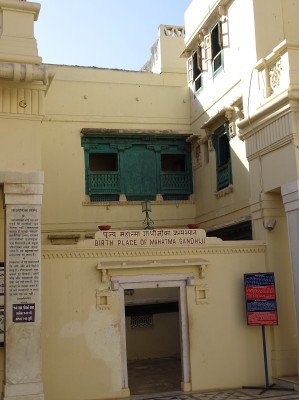
@@The Birthplace of Bapu: Kirti Mandir is the exact house where Mahatma Gandhi, the Father of the Nation, was born on October 2, 1869. The original ancestral home is now a part of a larger memorial complex. It is a place of profound national importance, representing the humble beginnings of a global icon of peace and non-violence. The complex was built by Shri Nanjibhai Kalidas Mehta and was inaugurated in 1950. The museum section preserves artifacts, photographs, and literature related to Gandhiji's life and philosophy, providing a comprehensive timeline from his childhood in Porbandar to his role in India's independence movement. The atmosphere within the complex is one of deep reverence and calm. The preserved ancestral house, a traditional haveli, offers a tangible connection to the early life of the great leader, showcasing the simple, middle-class background that shaped his ideals.:@@Museum and Library: The memorial also houses the Kasturba-Mahila Library and a museum dedicated to Kasturba Gandhi, Gandhiji's wife. The displays meticulously detail the principles of Satyagraha and Ahimsa. A key feature is a depiction of Gandhiji's life through photographs, paintings, and various personal items. The 79-foot high spire of the temple symbolizes the 79 years of Gandhiji's life.:
Card image cap
Madhavpur Beach (Madhavpur Ghed)

Madhavpur Beach, situated in the charming coastal village of Madhavpur Ghed, is renowned as one of Gujarat's most tranquil and beautiful beaches. Unl...

Madhavpur Beach, situated in the charming coastal village of Madhavpur Ghed, is renowned as one of Gujarat's most tranquil and beautiful beaches. Unlike the more bustling Chowpatty in Porbandar, Madhavpur Beach offers a serene and relatively untouched stretch of coastline, making it an ideal getaway for those seeking peace and natural beauty. The beach is characterized by its soft, sandy shores, lined with swaying coconut trees and lush greenery, providing a picturesque backdrop against the azure waters of the Arabian Sea. The gentle waves and clear waters make it suitable for relaxing strolls and quiet contemplation, although swimming might be subject to local conditions. Beyond its natural allure, Madhavpur Ghed holds deep cultural and mythological significance. It is widely believed to be the place where Lord Krishna eloped with and married Rukmini, the princess of Vidarbha. This legendary event makes Madhavpur an important pilgrimage site, especially for the Mer community, who celebrate this divine marriage with a vibrant annual fair, the Madhavpur Ghed Fair, in the Hindu month of Chaitra. This fair is a spectacular cultural event, showcasing traditional dances, music, and local handicrafts, drawing pilgrims and tourists from across the region. The presence of the Madhavrai Temple, dedicated to Lord Krishna, further enhances the spiritual aura of the place. The beach offers stunning sunrise and sunset views, painting the sky with vibrant hues. For those traveling between Porbandar and Somnath, Madhavpur Beach provides a refreshing and culturally rich stopover, offering a blend of natural tranquility and mythological heritage.
Card image cap
Madhavpur Beach

@@Natural Splendor: Madhavpur Beach is widely considered one of the most beautiful and scenic sandy beaches in Gujarat. Stretching along the Porbandar...

@@Natural Splendor: Madhavpur Beach is widely considered one of the most beautiful and scenic sandy beaches in Gujarat. Stretching along the Porbandar-Veraval highway, it offers a breathtaking view of the Arabian Sea on one side and lush coconut plantations on the other. Unlike the busy commercial beaches of India, Madhavpur remains a peaceful haven with its clean golden sands and azure waters. The coastline is dotted with greenery, making it a perfect spot for nature lovers and those seeking solitude away from the city's noise. @@Mythological Roots: The beach and the nearby village of Madhavpur Ghed carry immense religious weight. It is believed to be the sacred site where Lord Krishna married Rukmini, the daughter of King Bhishmaka. This divine union is celebrated with great joy every year, making the beach a site of pilgrimage. The Madhavraiji Temple nearby further cements the spiritual identity of this coastal stretch. @@Scenic Drive: The journey to Madhavpur from Porbandar is an experience in itself. The coastal road provides panoramic views of the sea, often compared to the scenic drives of international tourist destinations. Many travelers stop here while traveling toward the Somnath Temple. The beach is known for its wide shoreline, allowing for long, uninterrupted walks during sunrise or sunset. @@Conservation Efforts: Being a nesting ground for sea turtles, the beach has significant ecological value. Local authorities and conservationists work to ensure the environment remains undisturbed. The lack of heavy industrialization in the immediate vicinity has helped maintain the purity of the air and the clarity of the water, making it a prime example of sustainable coastal tourism in India.
Card image cap
Madhavpur Turtle Hatchery

The Madhavpur Turtle Hatchery is a vital marine conservation facility managed by the Gujarat Forest Department to protect endangered sea turtles. Loc...

The Madhavpur Turtle Hatchery is a vital marine conservation facility managed by the Gujarat Forest Department to protect endangered sea turtles. Located along the pristine coastline of Madhavpur Ghed, this center focuses primarily on the Green Sea Turtle and the Olive Ridley Turtle, both of which frequent the Saurashtra coast for nesting. The facility serves as a protected nursery where eggs collected from the nearby 70-KM stretch of beach are safely incubated away from natural predators like stray dogs, jackals, and pigs. Visitors to the center can learn about the complex life cycle of these marine reptiles and the environmental challenges they face due to climate change and human interference. The hatchery has successfully released over 2 lakh baby turtles into the Arabian Sea since its inception, contributing significantly to global marine biodiversity. It provides an educational experience where children and adults can witness the delicate process of life and the efforts required to sustain it. The surrounding environment of the Pata sea beach adds to the charm, offering a serene atmosphere that contrasts with the busy city life. This place is not just a tourist spot but a temple of conservation where nature is nurtured with extreme care and scientific precision. The center plays a crucial role in the Integrated Coastal Zone Management Project, ensuring the long-term survival of these ancient mariners. Travelers often stop here while traversing the scenic coastal highway between Porbandar and Somnath. The facility remains open to the public throughout the year, though the activity levels peak during the specific nesting and hatching months of the winter season.
Card image cap
Mahatma Gandhi House (Kirti Mandir complex)

The Mahatma Gandhi House, within the Kirti Mandir complex, is the ancestral home where Mohandas Karamchand Gandhi, revered as the Father of the India...

The Mahatma Gandhi House, within the Kirti Mandir complex, is the ancestral home where Mohandas Karamchand Gandhi, revered as the Father of the Indian Nation, was born on October 2, 1869. This modest yet historically profound house offers a poignant glimpse into the early life and origins of one of the world's most influential figures. The two-story traditional Gujarati haveli (mansion) showcases the simple yet culturally rich lifestyle of the Gandhi family. Visitors can explore the rooms, which have been preserved to reflect the period of Gandhi's birth and childhood. The layout of the house includes living quarters, a kitchen, and a small courtyard, providing an authentic sense of the family's domestic life. A small circular mark on the floor is often pointed out as the exact spot where Mahatma Gandhi was born, making it a sacred site for many. The house itself is a powerful symbol of his humble beginnings before he embarked on a journey that would profoundly impact global history through his philosophy of truth and non-violence. Within the house, or in adjacent sections of the Kirti Mandir museum, visitors can find personal belongings, old photographs, and documents related to Gandhi and his family, offering deeper insights into their lives. The house provides a quiet and reflective space, allowing visitors to connect with the personal story of a global icon. Its preservation within the Kirti Mandir complex ensures that Gandhi's legacy, from his birthplace to his philosophical ideals, remains accessible and inspiring to generations.
Card image cap
Miyani Beach

Miyani Beach offers a stark contrast to the more accessible Porbandar Chowpatty, presenting itself as a pristine, undeveloped, and relatively virgin ...

Miyani Beach offers a stark contrast to the more accessible Porbandar Chowpatty, presenting itself as a pristine, undeveloped, and relatively virgin stretch of coastline. Its secluded nature makes it an ideal destination for those who wish to escape the crowds and immerse themselves in the tranquility of nature. The beach is characterized by its unspoiled sandy shores and the clear, inviting waters of the Arabian Sea. The quiet environment is perfect for long, contemplative walks, enjoying the rhythmic sound of the waves, and witnessing spectacular sunrises and sunsets. What sets Miyani Beach apart is its natural, raw beauty and its proximity to several ancient temples. The nearby Harsiddhi Mata Temple, dedicated to Goddess Harsiddhi, is a highly revered pilgrimage site, adding a spiritual dimension to the beach visit. According to legend, Lord Krishna worshipped Goddess Harsiddhi here, making it a place of great significance for devotees. The serene atmosphere of the beach, combined with the spiritual aura of the surrounding temples, creates a unique and holistic experience for visitors. While there are no elaborate facilities or water sports, the beach provides an authentic coastal experience. It's a place where one can connect with nature, find inner peace, and also explore the rich cultural and religious heritage of the region. The drive to Miyani Beach along the scenic coastal highway also offers beautiful views of the Arabian Sea.
Show All

Note:-

Information provided here in good Faith and for reference only.

All information and pictures will be updated soon, please keep visiting.

Near Places

...
Ahmedabad (Amdavad)

Some quick example text to build on the card title and make up the bulk of the card's content.

Go somewhere
...
Ahmedabad

Some quick example text to build on the card title and make up the bulk of the card's content.

Go somewhere
...
Bhuj

Some quick example text to build on the card title and make up the bulk of the card's content.

Go somewhere
...
Chotila

Some quick example text to build on the card title and make up the bulk of the card's content.

Go somewhere
...
Dahod

Some quick example text to build on the card title and make up the bulk of the card's content.

Go somewhere
...
Dandi

Some quick example text to build on the card title and make up the bulk of the card's content.

Go somewhere
...
Dwarka

Some quick example text to build on the card title and make up the bulk of the card's content.

Go somewhere
...
Exploring Rajkot

Some quick example text to build on the card title and make up the bulk of the card's content.

Go somewhere
...
Gandhinagar

Some quick example text to build on the card title and make up the bulk of the card's content.

Go somewhere
...
Jamnagar

Some quick example text to build on the card title and make up the bulk of the card's content.

Go somewhere
in Other Cities