
...

Place To Visit And Things To Do In Saiha

Mizoram, India
Geographic Significance: Saiha is the headquarters of the Mara Autonomous District Council in southern Mizoram. The name is derived from 'Sia' (Elephant) and 'ha' (Tooth), meaning an elephant's tooth. It is situated on the banks of the mighty Chhimtuipui River, the largest river in the state. Cultur al Identity: The town is the cultural hub of the Mara people, who have a distinct language and customs. Visitors can experience a unique blend of tribal tradition and modern Christianity. The hospitality of the Mara people is legendary among travelers. Natural Wonders: It is the gateway to Palak Dil, the largest natural lake in Mizoram. The landscape is characterized by rugged mountains, deep gorges, and dense tropical forests. It offers a raw and adventurous experience for off-the-beaten-path travelers. Strategic Location: Sharing a border with Myanmar, Saiha is a melting pot of cross-border influences. The local markets often feature goods from the neighboring country, adding to the town's charm. It serves as a vital administrative and commercial center for the south.

Things To Do

Card image cap
Chhimtuipui River Bank

@@Natural Grandeur and Ecological Significance:@@The Chhimtuipui River, known in Myanmar as the Kaladan, is the largest river by volume in Mizoram and...

@@Natural Grandeur and Ecological Significance:@@The Chhimtuipui River, known in Myanmar as the Kaladan, is the largest river by volume in Mizoram and serves as the ecological and cultural spine of Saiha District, often referred to as 'The Lifeline of Maraland.' It originates in Myanmar, flows through Saiha, and eventually meets the Bay of Bengal. The section near Saiha town is famed for its serene environment, providing an essential source of water and fish for the local Mara community. The riverbanks are lush with tropical vegetation, forming a picturesque setting against the rolling hills. @@Historical and Cultural Importance:@@Historically, the river has been a major transit and trade route, connecting the region to the coast of Myanmar, which is still a vital connection for the Kaladan Multi-Modal Transit Transport Project. The Mara people's life and folklore are deeply interwoven with the river, viewing it not just as a resource but as a sacred entity. The air is typically clean, and the environment is exceptionally tranquil, making it an ideal escape from the town's minor hustle and bustle. The flow rate changes significantly between the dry season (November to March) and the monsoon season (June to September).
Card image cap
Lakuar Aoh

@@A Panoramic Retreat:@@Lakuar Aoh is a local term, generally referring to a serene, elevated spot or viewpoint that offers stunning panoramic views o...

@@A Panoramic Retreat:@@Lakuar Aoh is a local term, generally referring to a serene, elevated spot or viewpoint that offers stunning panoramic views of the entire Saiha town, the surrounding lush green hills, and often a distant glimpse of the Chhimtuipui River valley. Unlike a formally developed tourist spot, it functions as a quiet retreat where locals go to reflect or watch the sunset. The name may be associated with a specific legend or a historical gathering place of the Mara community, though exact historical records are scarce. Its primary appeal is the quietude and the unobstructed 360-degree vista of the dense, tropical rainforest landscape typical of the Mara Hills. The air quality is exceptionally fresh here, given its elevation above the town's main residential area. The views are particularly breathtaking after the monsoon, when the greenery is at its most vibrant.
Card image cap
Mara Autonomous District Council Office Building

@@Administrative and Political Hub:@@The Mara Autonomous District Council (MADC) Office Building is the legislative and administrative center of the M...
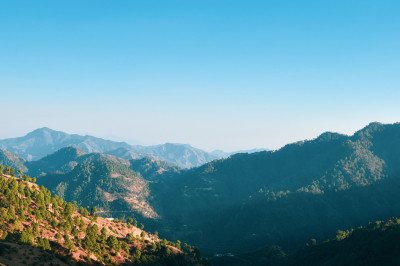
@@Administrative and Political Hub:@@The Mara Autonomous District Council (MADC) Office Building is the legislative and administrative center of the Mara people's self-governance area in Mizoram, created under the Sixth Schedule of the Indian Constitution. Established formally in 1972 (separated from the erstwhile Pawi-Lakher Regional Council), this building symbolizes the democratic and cultural aspirations of the Mara community. It is where the District Council, comprising 25 elected members, holds sessions to discuss legislation and policy related to land, forest management, education, and social customs, all aimed at protecting and promoting Mara identity. It is a site of political activity and local pride, especially during election and council session periods. @@Focus on Governance:@@While primarily an office building, it is a significant landmark, representing the unique political structure of Mizoram. Visitors are encouraged to view it from the outside as a symbol of local autonomy and to appreciate its importance to the regional identity. The building often hosts official ceremonies and community events related to governance.
Card image cap
Mara Hills Viewpoint

@@A Region of Lofty Peaks:@@The Mara Hills Viewpoint (distinct from Lakuar Aoh, often higher or on a different ridge) offers one of the most stunning ...
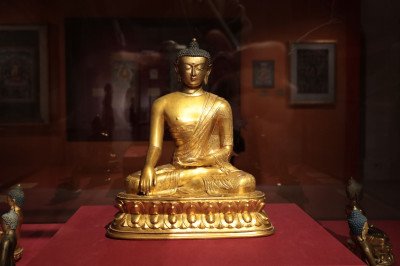
@@A Region of Lofty Peaks:@@The Mara Hills Viewpoint (distinct from Lakuar Aoh, often higher or on a different ridge) offers one of the most stunning and expansive views of the rugged landscape that defines the Siaha District. The entire region is part of the Lushai Hills or Mizo Hills range, characterized by steep slopes, deep river valleys, and dense subtropical and tropical evergreen forests. This viewpoint provides a breathtaking, layered perspective of the peaks that stretch towards the international border with Myanmar. It is an ideal spot to grasp the vast, untamed nature of this part of Northeast India. The viewpoint is usually equipped with a small resting shed and railing for safety. It is a testament to the fact that the Mara people live amidst nature's grandeur, with every village nestled strategically on a slope or in a small valley.
Card image cap
Mara Traditional House Museum

@@Repository of Mara Culture:@@The Mara Traditional House Museum serves as a vital cultural repository, aiming to preserve and showcase the unique her...

@@Repository of Mara Culture:@@The Mara Traditional House Museum serves as a vital cultural repository, aiming to preserve and showcase the unique heritage, artifacts, and traditional way of life of the Mara people. It is likely housed in a replica or preserved example of a traditional Mara bamboo house, often built on stilts, typical of the region's indigenous architecture. The museum displays a collection of historical relics, traditional costumes, agricultural implements, hunting tools, intricate hand-woven textiles, and local handicrafts. The purpose of the museum is to educate both the younger Mara generation and visitors about the pre-modern customs, social structure, and artistic achievements of the community. It is a peaceful, small site that offers a powerful and comprehensive look into the heart of Mara identity. It often includes information on traditional festivals like the Siatlôh and Lyuva Khutla.
Card image cap
Maraland Mission Cemetery

The Maraland Mission Cemetery is a profoundly historical site located in the serene village of Saikao. It serves as the final resting place for the l...

The Maraland Mission Cemetery is a profoundly historical site located in the serene village of Saikao. It serves as the final resting place for the legendary British missionary Rev. Reginald Arthur Lorrain and his family, who brought Christianity to the Mara people in 1907. This cemetery is not merely a graveyard but a sacred chronicle of the transformation of the Mara community. Visitors often feel a deep sense of peace while walking through the rows of tombstones that tell stories of sacrifice and dedication. The site is meticulously maintained by the Evangelical Church of Maraland (ECM), ensuring that the legacy of the "Lakher Pioneer Mission" remains alive for future generations. For history buffs, it provides a unique window into the colonial era and the spiritual evolution of Southern Mizoram. The surrounding landscape of Saikao adds to the solemn beauty of the place, making it a must-visit for those seeking to understand the local cultural roots. It stands as a testament to the enduring bond between the missionaries and the indigenous Mara people.
Card image cap
Mount Mawma

Mount Mawma stands majestically as the third-highest mountain in Mizoram, reaching an impressive height of 2,050 meters. It is the highest peak withi...
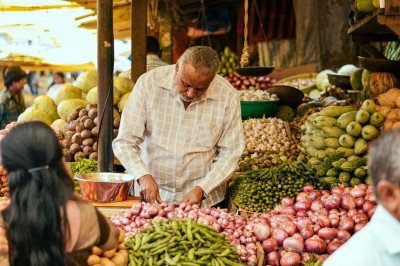
Mount Mawma stands majestically as the third-highest mountain in Mizoram, reaching an impressive height of 2,050 meters. It is the highest peak within the Mara Autonomous District Council area and offers a dramatic landscape that borders Myanmar. The mountain is locally known as "Maumae Tlah" and is a paradise for trekkers who seek to escape the more crowded trails of Phawngpui. From its summit, one can witness a 360-degree view that extends into the plains of Bangladesh and the rugged hills of Western Myanmar on clear winter days. The trek to the top passes through dense virgin forests filled with rare rhododendrons and exotic orchids. The air at this altitude is incredibly crisp and refreshing, making it a favorite for nature lovers. Mount Mawma is also culturally significant to the Mara people, often appearing in their local folklore and songs. The nearby town of Chakhei serves as the base camp, offering a glimpse into the traditional lifestyle of the highland tribes. Exploring this peak is an adventure into one of the most remote and untouched corners of Northeast India.
Card image cap
New Saiha Market

@@A Hub of Commerce and Culture:@@The New Saiha Market is the vibrant commercial and social epicenter of Saiha town and the entire Mara region. It is ...

@@A Hub of Commerce and Culture:@@The New Saiha Market is the vibrant commercial and social epicenter of Saiha town and the entire Mara region. It is a bustling, colorful hub where the local Mara people gather daily not only to buy and sell goods but also to socialize and exchange news. The market is crucial for the local economy, connecting agricultural producers from surrounding villages with the town's consumers. You will find a distinct mix of products: fresh, locally grown organic produce, unique spices, seasonal mountain vegetables, fresh river fish from the Chhimtuipui, and local handicrafts, including the famous hand-woven Mara shawls and bamboo items. It offers a sensory overload of sights, sounds, and smells, giving the most authentic glimpse into the daily life and spirit of the Mara community. The market is a key destination for tourists to find unique souvenirs and local culinary ingredients.
Card image cap
Pala Tipo

Pala Tipo, also known as Palak Dil, is the largest natural lake in Mizoram, covering an area of approximately 30 hectares. Located near the village o...

Pala Tipo, also known as Palak Dil, is the largest natural lake in Mizoram, covering an area of approximately 30 hectares. Located near the village of Phura, this oval-shaped water body is shrouded in fascinating myths and legends. According to Mara folklore, the lake was formed when a giant serpent was killed, causing a massive flood that submerged an ancient village. The name "Pala Tipo" literally translates to "Swallowing Lake." Surrounded by lush tropical evergreen forests, the lake is a vital part of the Indo-Burma biodiversity hotspot. It serves as a haven for various species of fish, crabs, and aquatic birds. The water remains remarkably calm and reflects the surrounding greenery like a giant mirror. For the local Mara people, the lake is not just a geographical feature but a spiritual entity inhabited by ancient spirits. Visitors can enjoy serene boat rides or trek through the surrounding forest trails that are home to wild elephants and barking deer. The government has developed eco-tourism facilities, including a tourist lodge, to accommodate nature enthusiasts who wish to experience the lake's mystical atmosphere overnight.
Card image cap
Palak Wildlife Sanctuary

Palak Wildlife Sanctuary is a sprawling protected area of 15.5 square kilometers that encompasses the famous Palak Dil lake. Established in 2004, it ...

Palak Wildlife Sanctuary is a sprawling protected area of 15.5 square kilometers that encompasses the famous Palak Dil lake. Established in 2004, it represents the pinnacle of natural conservation in Southern Mizoram. The sanctuary is a dense mosaic of tropical evergreen and moist deciduous forests, providing a critical habitat for endangered wildlife. It is particularly famous for being one of the few places in India where the Hoolock Gibbon, the only ape found in India, can still be heard singing in the canopy. The sanctuary also hosts the Asiatic black bear, leopard, and various species of primates like the capped langur. For birdwatchers, the sanctuary is a dream come true, with over 120 species recorded, including the rare Blyth’s Tragopan. The terrain is rugged and interspersed with small streams and marshy wetlands that support a rich variety of orchids and medicinal plants. Walking through the sanctuary feels like stepping back in time to an era when the Earth was untouched by modern development. It is an essential destination for anyone interested in ecology, wildlife photography, or simply experiencing the profound silence of the deep jungle.
Card image cap
Phawngpui National Park

Phawngpui National Park is the most revered peak in Mizoram, standing at 2,157 meters. Known as the Blue Mountain, it is a sanctuary of biodiversity ...
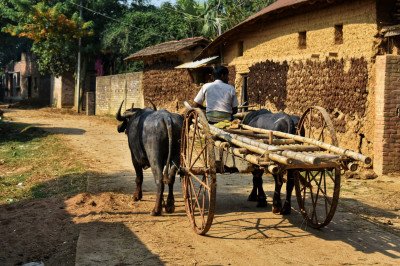
Phawngpui National Park is the most revered peak in Mizoram, standing at 2,157 meters. Known as the Blue Mountain, it is a sanctuary of biodiversity covering 50 square kilometers near the Myanmar border. The park is a haven for the rare Blyth's Tragopan and Mrs. Hume's Pheasant. It features steep cliffs, including the famous Thlazuang Kham, a semicircular cliff home to mountain goats. The landscape is dominated by rhododendrons, orchids, and bamboo groves that create a mystical atmosphere. Tourists flock here for its panoramic views and the spiritual aura that surrounds the peak. The park is a significant conservation site for the Clouded Leopard and various species of eagles. Its isolation ensures a pristine environment that remains untouched by modern urbanization. Local legends claim the mountain is the abode of deities, adding a layer of mystery to every trek. The rich soil supports rare medicinal plants and a variety of colorful butterflies. Visitors can experience the silence of the clouds and the grandeur of the Chhimtuipui River flowing below. It is truly a flagship of Mizoram tourism.
Card image cap
Phawngpui

Phawngpui, the highest peak in Mizoram at 2,157 meters, is famously known as the Blue Mountain. Located near the Siaha-Lawngtlai border, it is a plac...

Phawngpui, the highest peak in Mizoram at 2,157 meters, is famously known as the Blue Mountain. Located near the Siaha-Lawngtlai border, it is a place of ethereal beauty and deep spiritual significance. The mountain gets its name from the thin stretch of blue clouds that often envelops it, giving it a mystical blue hue from a distance. It is protected as a National Park and is home to the Blyth’s Tragopan, the state bird. The western side of the mountain features a spectacular semi-circular cliff called Thlazuang Kham, also known as the "Cliff of No Return." Legends say that the spirits of the Mizo chiefs reside here in a sacred grove of rhododendrons. The park is a treasure trove of biodiversity, featuring clouded leopards, slow loris, and rare medicinal herbs. Trekkers are rewarded with breathtaking views of the Chhimtuipui River and the mountains of Myanmar. The climb to the peak is both a physical challenge and a spiritual journey, as the trail passes through "The Garden of the Gods," where wildflowers bloom in abundance. It is truly the crown jewel of Mizoram's natural heritage.
Card image cap
Phura Village Cultural Site

Phura is a significant cultural hub for the Mara people of Mizoram. It serves as the gateway to the largest natural lake in the state, Palak Dil. The...

Phura is a significant cultural hub for the Mara people of Mizoram. It serves as the gateway to the largest natural lake in the state, Palak Dil. The village is steeped in traditional folklore and is the best place to witness the authentic lifestyle of the southern tribes. Surrounded by lush tropical forests, the village offers a glimpse into the harmonious relationship between the locals and nature. The cultural site includes traditional bamboo houses and community halls where ancient stories are still told by the village elders. Visiting Phura is like stepping back in time, as the modernization has been slow and respectful of the local heritage. The area is also part of the Palak Wildlife Sanctuary, making it rich in flora and fauna. The village is known for its hospitality and unique culinary traditions that involve fermented bamboo shoots and local herbs. Tourists can participate in local farming activities or learn about the traditional weaving of Mara shawls. The proximity to the Myanmar border adds a unique geopolitical flavor to the village. The hills surrounding Phura are covered in evergreen forests that stay vibrant throughout the year. It is an ideal spot for those looking to escape the noisy city life of Aizawl or Saiha. The village is also a center for the preservation of the Mara language and oral history.
Card image cap
Saiha Cultural Centre

@@Historical Overview:@@ The Saiha Cultural Centre serves as the primary institution dedicated to preserving and promoting the unique culture and trad...

@@Historical Overview:@@ The Saiha Cultural Centre serves as the primary institution dedicated to preserving and promoting the unique culture and traditions of the Mara people, the predominant tribe of the Siaha District. Established with the support of the Mara Autonomous District Council (MADC), its mission extends beyond mere preservation to active dissemination, ensuring the younger generation remains connected to their roots. It houses an impressive collection of artifacts, including ancient weaponry, traditional farming implements, intricately woven textiles like the Mara's distinct 'Chyna-hno' petticoat and ceremonial 'Dua-âh' loin-cloth, and musical instruments specific to the region. The centre acts as a living museum where the vibrant narrative of Mara history, migration, and societal structure is presented through curated exhibits and interactive displays. The establishment of this centre underscores Saiha's role as the cultural and administrative heart of the region. It is often the starting point for visitors wishing to understand the local ethos before venturing to natural sites like Palak Dil. Furthermore, the centre hosts workshops on traditional crafts, such as bamboo work and handloom weaving, connecting tourists directly with local artisans. Its location, slightly elevated in the Zotlang area, offers an accessible yet prominent position within the town, symbolising the importance of culture in daily life. This hub is crucial for scholars, tourists, and locals alike, providing a space for learning, celebration, and community gathering, solidifying its status as a vital landmark in Saiha and Mizoram as a whole. The rich oral traditions of the Mara are often brought to life here through storytelling sessions, adding a dynamic, non-static layer to the cultural experience. The centre’s commitment to language preservation, particularly the Tlosai dialect used in Mara writing, is also a key feature.
Card image cap
Saiha Sports Stadium

@@Community Hub:@@ The Saiha Sports Stadium is more than just an athletic field; it is a central community and social landmark in Saiha. Its existence...

@@Community Hub:@@ The Saiha Sports Stadium is more than just an athletic field; it is a central community and social landmark in Saiha. Its existence reflects the strong focus on sports, particularly football and athletics, which are hugely popular among the youth of Mizoram. The stadium serves as the primary venue for district-level sports meets, youth tournaments, and the annual police/army recruitment drives. It is situated on a relatively flat plateau, a rare feature in the hilly landscape of Saiha, making it an invaluable piece of civic infrastructure. The facility aims to promote physical fitness and provide a platform for local talent to shine, feeding into the state's renowned sports culture. The surrounding area, College Veng, indicates its proximity to educational institutions whose students are its primary users. During non-sporting days, the track and grounds are extensively used by locals for morning and evening walks and jogs, acting as a large public park and fitness center. It is a place where social bonds are strengthened, and the energy of the town is most palpable. The atmosphere during a major football tournament, such as the district league finals, is electrifying, with the entire town turning out to cheer, demonstrating the strong communal spirit of the Mara people. This multipurpose utility ensures the stadium remains a vital, continuously active part of the Saiha urban fabric.
Card image cap
Saiha Town Viewpoint

@@Geographical Significance:@@ The Saiha Town Viewpoint is strategically located on an elevated section of the road leading out of Saiha towards the f...

@@Geographical Significance:@@ The Saiha Town Viewpoint is strategically located on an elevated section of the road leading out of Saiha towards the famous Phawngpui National Park. This vantage point provides one of the most comprehensive and breathtaking panoramic vistas of the entire town of Saiha (also known as Siaha) nestled in the valley below. From here, visitors can appreciate the unique topography of the region, where the urban sprawl of the town clings precariously to the steep slopes and ridges of the surrounding hills. The viewpoint offers a clear perspective on the dense green cover of the Mara Autonomous District Council (MADC) region and the distant undulating mountain ranges, which merge with the borders of Myanmar. It is the quintessential spot for orientation, allowing visitors to grasp the scale and layout of the town before exploring its streets. The site is a popular stop for all travelers, from casual tourists to local residents stopping for a moment of reflection. The cool, unpolluted air and the silence of the altitude provide a welcome contrast to the bustle of the Saiha Bazar below. The viewpoint is generally maintained as a clean, public space, often featuring benches and a small, sheltered area for rest, making it an excellent spot for photographers. Its location on the main arterial road ensures easy access, making it the most visited photo opportunity in Saiha town.
Card image cap
Saikao - Lorrain Ville

Saikao, also known as Serkawr, is a village of immense historical and religious significance in the Saiha district. It is famous for Lorrain Ville, t...

Saikao, also known as Serkawr, is a village of immense historical and religious significance in the Saiha district. It is famous for Lorrain Ville, the site where pioneer missionaries J. Herbert Lorrain and F.W. Savidge established their mission in 1907. The village served as the headquarters for the transformation of the Mara people from their ancestral practices to Christianity. The highlight of the site is the century-old Pioneer Missionary Bungalow, built in 1914. This wooden villa remains remarkably intact, showcasing colonial-era craftsmanship. The house is still occupied by the descendants of the missionaries, specifically the family of Mrs. Violet Lorrain Foxall. Saikao is considered the spiritual capital of the Mara Autonomous District Council. The village is also the headquarters of the Congregational Church of India (Maraland). Walking through the streets of Lorrain Ville, one can see well-preserved wooden houses that offer a panoramic view of the southern hills. The site includes an old cemetery where the early missionaries are buried, providing a somber yet peaceful atmosphere for reflection. The history of literacy and modernization of the Mara tribe is deeply rooted in this small village. The architecture of the entire village reflects a blend of traditional Mara styles and British colonial influences. It is a must-visit for history buffs and those interested in the missionary history of Northeast India. The serene environment and the high altitude make it a pleasant retreat from the busier town of Saiha. The locals are very protective of their heritage and are happy to share stories of the "pioneers" who brought education to the region.
Card image cap
Siaha District Museum

@@Institutional Significance:@@ The Siaha District Museum, located centrally near the Mara Autonomous District Council (MADC) Secretariat, is a key in...

@@Institutional Significance:@@ The Siaha District Museum, located centrally near the Mara Autonomous District Council (MADC) Secretariat, is a key institutional landmark in Saiha. Its primary purpose is to chronicle the history, ethnography, and natural heritage of the Siaha District, focusing heavily on the distinct Mara tribe. Unlike the Cultural Centre which focuses on living arts, the museum serves as a formal historical and scientific institution. Its collections typically span from pre-history (archaeological finds, stone tools) to colonial history (missionary records, administrative documents) and contemporary cultural life. The proximity to the MADC office underscores its official role in preserving the district's identity and its political significance within the Mizoram state framework. The museum’s exhibits include detailed displays on the traditional Mara shifting cultivation (Jhum), hunting and fishing practices (particularly around Palak Lake), and the detailed process of their Christian conversion starting in the early 20th Century. The building's strategic, accessible location makes it a frequent destination for local school field trips and a mandatory stop for government officials and dignitaries visiting the district. It acts as an educational anchor, offering a quiet, scholarly retreat from the town's commerce, providing a deep, textual, and artifact-based understanding of the region's complex socio-cultural evolution.
Card image cap
Siaha Public Park

@@Role in Urban Life:@@ The Siaha Public Park (often simply called Saiha Public Park) is a vital green lung and recreational oasis situated right in t...

@@Role in Urban Life:@@ The Siaha Public Park (often simply called Saiha Public Park) is a vital green lung and recreational oasis situated right in the heart of the bustling town center, adjacent to the main Bazar Veng area. In a mountainous town like Saiha, where flat open space is a premium, this park serves a crucial role as the primary, easily accessible location for passive and active recreation for all age groups. It provides a much-needed retreat from the crowded market streets and the steep, winding roads. The park is often the site of children's play, teenage gatherings, and elderly contemplation. It typically features manicured lawns, vibrant flower beds (especially during the mild Winter), walking paths, and a dedicated children's play area with slides and swings. Its central location ensures a steady stream of visitors throughout the day, embodying the community's desire for public, shared, beautiful space. The park is a microcosm of Saiha life, where you can observe locals socializing, practicing music, or simply reading. It often hosts small, local awareness campaigns or small gatherings, making it a truly 'public' space in every sense. The proximity to the market also means it is a great spot to relax after a shopping trip or before catching an outward-bound bus.
Card image cap
Tuipang Town

Tuipang is the second-largest town in the Saiha district and serves as a major sub-headquarters for the Mara Autonomous District Council. It is a bus...

Tuipang is the second-largest town in the Saiha district and serves as a major sub-headquarters for the Mara Autonomous District Council. It is a bustling town that retains a strong tribal identity while acting as a commercial center for the surrounding villages. Tuipang is strategically located on the road leading towards the Myanmar border and the southern tip of the state. The town is famous for its vibrant markets where one can find local produce, traditional Mara crafts, and goods from across the border. It is divided into Tuipang 'V' and Tuipang 'L', representing the upper and lower parts of the settlement. The town is surrounded by high ridges that provide stunning views of the Kolodyne River (Chhimtuipui). Historically, Tuipang was a crucial outpost during the British era and has remained a focal point for Mara politics and culture. The local community is known for being extremely hospitable and proud of their distinct heritage. For travelers, Tuipang serves as an excellent base for exploring the more remote parts of southern Mizoram, including Mount Mawma and Saikao. The climate here is slightly warmer than Saiha but remains pleasant for most of the year. The town's architecture is a mix of modern concrete buildings and traditional wooden structures perched on the hillsides. Visiting the local churches on a Sunday is a cultural experience in itself, with the whole town dressing in traditional finery. Tuipang also offers some of the best local Mizo and Mara cuisine in the district. It is a place where tradition meets the modern needs of a growing hill station.
Card image cap
Vartek Tlang

@@Natural and Historical Landscape:@@ Vartek Tlang is a prominent local peak or Tlang (hill) situated on the outskirts of Saiha town, offering one of ...

@@Natural and Historical Landscape:@@ Vartek Tlang is a prominent local peak or Tlang (hill) situated on the outskirts of Saiha town, offering one of the highest accessible vantage points within a short distance. Its name, in the local Mara language, signifies a distinct geological or historical feature. Unlike the more famous, distant Phawngpui peak, Vartek Tlang is primarily a local hiking destination and a site for radio/communication towers, highlighting its strategic elevation. The climb to the summit is a popular activity for local fitness enthusiasts and a few adventurous tourists. The hill is covered in dense subtropical forest, a part of the broader ecological system of the Siaha District. The lower slopes often contain small, privately managed plantations or Jhum (shifting cultivation) fields, offering a glimpse into the traditional agricultural methods of the Mara people. The summit provides an even more expansive, but slightly more remote, view than the Saiha Town Viewpoint, encompassing vast stretches of the surrounding mountain ranges and the winding rivers in the distant valleys. It remains relatively underdeveloped for tourism, preserving its pristine, rugged character and making it a place of genuine, quiet natural beauty, highly valued by locals for its tranquility and challenging ascent.
Show All

Note:-

Information provided here in good Faith and for reference only.

All information and pictures will be updated soon, please keep visiting.

Near Places
...
Aizawl

Some quick example text to build on the card title and make up the bulk of the card's content.

Go somewhere
...
Champhai

Some quick example text to build on the card title and make up the bulk of the card's content.

Go somewhere
...
Chhingpuii Thlan

Some quick example text to build on the card title and make up the bulk of the card's content.

Go somewhere
...
Hmuifang

Some quick example text to build on the card title and make up the bulk of the card's content.

Go somewhere
...
Hnahthial

Some quick example text to build on the card title and make up the bulk of the card's content.

Go somewhere
...
Khawzawl

Some quick example text to build on the card title and make up the bulk of the card's content.

Go somewhere
...
Kolasib

Some quick example text to build on the card title and make up the bulk of the card's content.

Go somewhere
...
Lawngtlai

Some quick example text to build on the card title and make up the bulk of the card's content.

Go somewhere
...
Lunglei

Some quick example text to build on the card title and make up the bulk of the card's content.

Go somewhere
...
Mamit

Some quick example text to build on the card title and make up the bulk of the card's content.

Go somewhere
in Other Cities