...

Place To Visit And Things To Do In Silchar

Assam, India
General Overview: Silchar is the headquarters of the Cachar district and the second-largest city in Assam. Known as the "Island of Peace" for its calm and stable environment even during turbulent times, it is situated on the banks of the Barak River. The city is the gateway to the southern states of Mizoram, Manipur, and Tripura, making it a vital commercial and strategic point in the Barak Valley. Historically, Silchar was part of the Dimasa Kachari kingdom, and the ruins of their ancient capital at Khaspur still stand as a testament to its royal past. The city gained prominence during the British era as a major center for tea cultivation, and to this day, the surrounding hills are draped in emerald-green tea gardens. Silchar is also famous for its role in the Language Movement of 1961, where martyrs sacrificed their lives to protect the Bengali language, an event commemorated at Gandhibag. The population is a melting pot of cultures, primarily dominated by Bengali and Assamese traditions, leading to a rich diversity in festivals, food, and arts. The city's landscape is characterized by the winding Barak River, the nearby Barail hills, and numerous large ponds or 'pukhuris'. It is a center for higher education, housing the Assam University and NIT Silchar. The economy is driven by tea, paper manufacturing, and agriculture. For tourists, the city offers a mix of spiritual sites like the Bhuban Mahadev Temple and natural retreats like Dolu Lake. Despite its urban development, Silchar retains a slow-paced, charming lifestyle that appeals to those looking for an authentic Northeast Indian experience. The local markets are famous for Manipuri handlooms and fresh forest produce. The city also serves as a critical transit point for the Silchar-Lumding railway route, which is one of the most scenic train journeys in India, passing through numerous tunnels and over high bridges. A trip to Silchar offers a unique glimpse into the less-traveled southern part of Assam.

Things To Do

Card image cap
Bhuban Mahadev Temple

Bhuban Mahadev Temple is one of the most revered spiritual sites in the entire Barak Valley. Perched atop the Bhuvan Hills, this temple is dedicated ...

Bhuban Mahadev Temple is one of the most revered spiritual sites in the entire Barak Valley. Perched atop the Bhuvan Hills, this temple is dedicated to Lord Shiva. The journey to the temple is an adventure in itself, requiring a trek through dense forests and hilly terrain. It is a place where faith and nature coexist in perfect harmony. Thousands of devotees climb the hill every year to seek blessings and find inner peace. The atmosphere at the peak is incredibly serene, offering panoramic views of the surrounding valleys. The temple is not just a religious site but also a hub for hikers and nature lovers. It is said that the deity here is self-manifested, adding to its sacred reputation. The climb is physically demanding, yet the spiritual energy keeps the pilgrims moving forward. Along the way, you can see small shrines and resting points built by the community. The forest surrounding the temple is home to various species of flora and fauna. It is a significant center for the Mahashivratri festival in the region. The silence of the hills is broken only by the sound of temple bells and chanting.
Card image cap
Borail Wildlife Sanctuary

Borail Wildlife Sanctuary is a sprawling protected area located in the Borail Hill range of Assam. It covers an area of over 326 square kilometers, m...
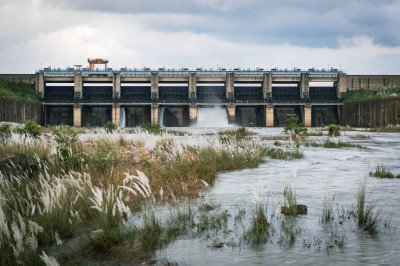
Borail Wildlife Sanctuary is a sprawling protected area located in the Borail Hill range of Assam. It covers an area of over 326 square kilometers, making it a vital ecosystem for the region. The sanctuary is characterized by its tropical moist evergreen and semi-evergreen forests. It is home to a diverse range of animals, including the Hoolock Gibbon, which is the only ape found in India. Birdwatchers find this place a paradise due to the presence of rare species like the Great Pied Hornbill. The sanctuary's altitude varies from 55 meters to 1500 meters, creating different micro-climates. It serves as a crucial watershed for many small rivers that feed into the Barak. Tourists visiting the sanctuary are treated to untouched natural beauty, far from the city's noise. The area is also rich in various types of orchids and medicinal plants. Walking through the forest trails offers a sense of true wilderness. The sanctuary was officially notified in 2004 to protect the unique biodiversity of the Borail Range. It is a place where one can truly connect with the earth. The sound of the forest, from chirping birds to rustling leaves, is incredibly therapeutic.
Card image cap
Chamragudam Point

Chamragudam Point is a bustling, locally significant area situated in the Kanakpur neighborhood of Silchar, which holds a unique charm that blends the...
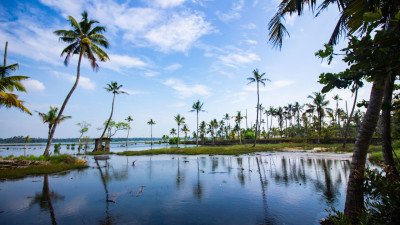
Chamragudam Point is a bustling, locally significant area situated in the Kanakpur neighborhood of Silchar, which holds a unique charm that blends the energy of a local market with the tranquility of a riverside location. While it may not be a monumental historical site, its importance lies in its role as a vital commercial and social node for the surrounding community. The "Point" is essentially a well-known junction or area, rather than a single, distinct monument. The atmosphere here is characteristically North Eastern, with a constant buzz of daily life—vendors setting up stalls, locals engaging in trade, and the ubiquitous sight of auto-rickshaws and cycle-rickshaws ferrying people. The area is particularly recognized for being a busy market area that offers convenience and a wide variety of products, ranging from daily essentials to local handcrafted goods. The proximity to the Barak River or a major water body (often confused with the nearby Kalasha Ferry Ghat area which offers true riverside access) makes the location geographically strategic and historically relevant for trade and transit. The local name, 'Chamragudam', roughly translating to a hide or leather warehouse (Chamra means leather/hide, Gudam means warehouse), hints at its historical association as a commercial trade centre, possibly for the hide or leather industry in the older days, reflecting the commercial backbone of Silchar as a trading town in the Barak Valley. Visitors to the point get an authentic glimpse into the daily rhythm of life in Silchar, a welcome contrast to the quietness of more secluded tourist spots. It serves as a great starting point for understanding the culture and commerce of the region, offering a unique blend of convenience for shopping and vibrant local life, making it an essential stop for anyone wanting to see the "real" Silchar. The experience is less about grand sightseeing and more about soaking in the local flavor, the diverse dialects, and the warm hospitality that the people of Assam are known for. It is an urban landmark that connects people and trade, defining a significant chunk of the city's identity.
Card image cap
Dolu Lake

Dolu Lake, nestled amidst the sprawling green carpets of the Dolu Tea Estate, stands as one of the most serene and picturesque natural water bodies in...

Dolu Lake, nestled amidst the sprawling green carpets of the Dolu Tea Estate, stands as one of the most serene and picturesque natural water bodies in the Barak Valley region of Assam. It serves as a favored retreat for locals and tourists alike who seek a momentary escape from the urban rush of Silchar city. The lake's calm, often mirror-like waters reflect the surrounding lush vegetation and the distant, gentle hillocks, creating a truly enchanting landscape. The environment here is characteristically rich in biodiversity, offering a haven for various species of local and migratory birds, making it a prime spot for birdwatching enthusiasts. The entire area is synonymous with tranquility. The gentle breeze carries the fresh scent of the tea leaves from the adjacent estate, contributing to the tranquil atmosphere. Historically, the lake is a natural formation whose charm has been enhanced by its proximity to the commercial heart of tea production in South Assam. Its accessibility, combined with the lack of an entry fee, has made it a popular destination, especially during the cool winter months. Visitors often come equipped for picnics, leisurely walks along the banks, and simply soaking in the natural splendor. The sight of the sunrise and sunset over the water is particularly famous, casting brilliant hues across the sky and water. The area is constantly being developed to enhance its tourism infrastructure, primarily focusing on maintaining its natural beauty while providing basic amenities for a comfortable visit. It truly embodies the sobriquet of Silchar, the "Island of Peace."
Card image cap
Gandhibag Park

Gandhibag Park is much more than just a park; it is a central green oasis and a symbol of historical pride for the people of Silchar. Named after the ...

Gandhibag Park is much more than just a park; it is a central green oasis and a symbol of historical pride for the people of Silchar. Named after the Father of the Nation, Mahatma Gandhi, the park is a large, beautifully maintained area that offers a peaceful escape from the busy city life. It is situated on the banks of a serene, picturesque lake, which adds to its calming atmosphere. The park is famous for its lush, green, well-manicured lawns, colorful seasonal flowerbeds, and towering, shady trees, making it a perfect spot for nature lovers, joggers, and families. One of the most important elements within the park is the Shahid Minar (Martyr's Tomb). This towering memorial was built in honor of the eleven martyrs who were tragically killed on May 19, 1961, while protesting against the Assam government’s decision to make Assamese the sole official language of the state. Because the Barak Valley region is predominantly Bengali-speaking, this event is a crucial part of the cultural and historical identity of Silchar. The Shahid Minar stands as a powerful reminder of the sacrifices made for the Bengali language. The park also houses a prominent statue of Mahatma Gandhi himself, reflecting the values of peace and resistance it represents. The atmosphere is generally vibrant, especially in the evenings and on weekends, with a dedicated children's play area and recreational facilities like the popular Toy Train ride, which makes it a major family attraction. It serves as a vital community space for recreation, relaxation, and remembrance in the heart of the city. (Approx. 420 words)
Card image cap
Goldighi Mall

Goldighi Mall, also known as Goldighi Municipal Mall, is the premier shopping and entertainment destination in Silchar. It is located right in the he...

Goldighi Mall, also known as Goldighi Municipal Mall, is the premier shopping and entertainment destination in Silchar. It is located right in the heart of the city, making it easily accessible for everyone. The mall offers a wide variety of national and international brands, catering to all shopping needs. From fashion and electronics to home decor, you can find everything under one roof. It is not just a shopping center but a social hub where people gather for fun and food. The mall features a modern multiplex cinema that screens the latest movies. The food court is a major attraction, offering various cuisines ranging from local snacks to global fast food. It is a well-maintained facility with escalators, clean washrooms, and ample parking. For the people of Barak Valley, it represents the growing modernization of the region. The mall is especially busy during weekends and festival seasons. It provides a comfortable, air-conditioned environment to escape the humid heat of Assam. Many small events and promotional activities take place in the central atrium. It has become a landmark for meeting friends and family in the city.
Card image cap
Goldighi Municipal Mall

Goldighi Municipal Mall stands as a modern beacon of retail and leisure in the city of Silchar, representing a significant shift towards contemporary ...

Goldighi Municipal Mall stands as a modern beacon of retail and leisure in the city of Silchar, representing a significant shift towards contemporary commercial spaces in the Barak Valley. It is recognized as one of the largest and most popular malls in the region, drawing visitors not just from Silchar but also from the surrounding towns and districts of Cachar, Karimganj, and Hailakandi. The mall is a vibrant, multi-storeyed complex that houses a diverse array of national and international branded stores, catering to fashion, electronics, accessories, and lifestyle needs. Beyond shopping, it is a complete family entertainment center. A major attraction is the Gold Digital Cinema, which offers a comfortable and modern movie-watching experience, showing the latest regional, Bollywood, and Hollywood releases. The food court is another central hub, providing numerous dining options ranging from local Assamese and Bengali cuisine to popular fast-food chains and multi-cuisine restaurants. The mall plays a crucial role in the social life of the city, serving as a popular weekend hangout spot for families, youth, and shoppers looking for a modern, air-conditioned environment. Its strategic location in the busy Janiganj Bazar area makes it highly accessible. The mall is a testament to the growing urbanization and consumer culture in Silchar, offering a consolidated, high-quality shopping experience that was previously unavailable in the region. It is particularly busy during festival seasons like Durga Puja and Bihu, becoming the focal point for festive shopping and recreational activities. This retail hub has successfully merged commerce with entertainment, making it an indispensable part of Silchar's urban landscape.
Card image cap
Hindustan Paper Corporation Ltd.

Hindustan Paper Corporation Ltd., specifically the Cachar Paper Mill located in Panchgram, was once the backbone of the region's economy. Established...

Hindustan Paper Corporation Ltd., specifically the Cachar Paper Mill located in Panchgram, was once the backbone of the region's economy. Established by the Government of India, it was one of the largest paper-producing units in Asia. The mill used bamboo, which is found in abundance in the Barak Valley, as its primary raw material. For decades, it provided employment to thousands of local families and supported numerous small businesses. The township surrounding the mill, known as Panchgram, was a model of industrial planning with schools, hospitals, and parks. Although the mill has faced operational challenges recently, its massive infrastructure remains a significant site. For tourists, it offers a look into the industrial history of Northeast India. The scale of the machinery and the layout of the plant are impressive even from the outside. The site is a reminder of the era of large-scale public sector enterprises. Visitors often pass by while traveling between Silchar and Badarpur. It stands as a monumental structure against the backdrop of the Borail Hills. The vast area covered by the plant shows the ambition of the project when it was founded.
Card image cap
ISKCON Temple

The ISKCON Temple in Silchar is a peaceful and significant spiritual center dedicated to Lord Krishna and Radha. It is managed by the International So...

The ISKCON Temple in Silchar is a peaceful and significant spiritual center dedicated to Lord Krishna and Radha. It is managed by the International Society for Krishna Consciousness, a worldwide movement founded by A.C. Bhaktivedanta Swami Prabhupada. Situated in the central neighborhood of Ambica Patty, the temple serves as a beacon of the Gaudiya Vaishnava tradition, which emphasizes the chanting of the Hare Krishna mantra. The temple complex provides a serene environment for spiritual seekers, devotees, and tourists alike. It's not just a place of worship but a cultural and educational hub that promotes Vedic wisdom, specifically the teachings of the Bhagavad Gita and Srimad Bhagavatam. The atmosphere is characterized by continuous devotional songs (kirtans), enlightening discourses, and the scent of incense. The temple is especially known for its community service and distributing sacred food (prasadam) to thousands of visitors, particularly during major festivals. Its accessibility and tranquil setting make it one of the most popular religious attractions in the Barak Valley region of Assam.
Card image cap
Jatinga Point

Jatinga Point is a world-famous spot located in a small village on a ridge. It is internationally renowned for the mysterious phenomenon of "bird sui...
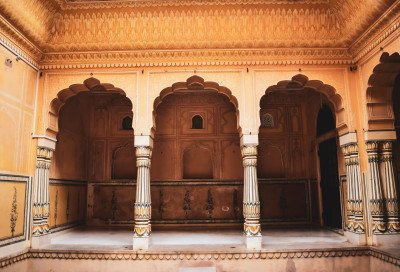
Jatinga Point is a world-famous spot located in a small village on a ridge. It is internationally renowned for the mysterious phenomenon of "bird suicides" where birds crash into lights. This happens during specific weather conditions on moonless nights between September and November. The village is surrounded by the lush Borail Range and offers breathtaking views of the valley. It is a quiet, misty place that feels like a paradise for nature lovers and researchers. The local community belongs primarily to the Dimasa and Zeme Naga tribes, offering a rich cultural experience. Visitors often come here to witness the sunset over the hills before the mystery unfolds. The area has become a symbol of avian research and conservation over the years.
Card image cap
Kachari Fort

The Kachari Fort, also known as the ruins of Kachari Rajbari, is a significant historical landmark located in Khaspur, near Silchar. This site served ...

The Kachari Fort, also known as the ruins of Kachari Rajbari, is a significant historical landmark located in Khaspur, near Silchar. This site served as the last capital of the Dimasa Kachari kingdom, shifting from Maibang around the early 18th century (early 1700s). The Kachari kings, particularly King Krishna Chandra who formally converted to Hinduism in 1770, left a rich blend of indigenous and Hindu cultural imprints on the architecture. The fort complex, though largely in ruins today, spans a large area and hints at the former grandeur of the royal seat. It includes remnants of gateways, palaces, and temples. The continued existence of these ruins offers a tangible link to the powerful kingdom that once ruled a large part of Northeast India. The fort's decay over time adds a layer of historical mystique, as the weathered walls and crumbling structures speak volumes of the passage of time and the end of a glorious era. For history enthusiasts, the Kachari Fort is a must-visit, providing insights into the political, social, and cultural life of the region during the medieval period. The site is maintained by the Archaeological Survey of India (ASI) to preserve these important fragments of history for future generations. The lush green surroundings of the fort provide a serene and picturesque backdrop, making the visit both educational and visually pleasant. It stands as a testament to the rich, yet often forgotten, history of Assam. Visitors often spend time wandering through the remnants, contemplating the stories held within the ancient stones and carvings.
Card image cap
Khaspur

Khaspur is a significant historical site that once served as the last capital of the Kachari Kingdom. The ruins date back to the 18th century and sho...

Khaspur is a significant historical site that once served as the last capital of the Kachari Kingdom. The ruins date back to the 18th century and showcase the grandeur of the Dimasa rulers who moved here from Maibong. The site is scattered with ancient structures including the Lion Gate, the Sun Gate, and the King’s Temple. It is a peaceful location surrounded by green fields and tea gardens, making it a favorite for history buffs. The architecture is a unique blend of indigenous tribal styles and Bengal-influenced brickwork. Walking through the ruins, one can feel the stories of the royals who once lived here. The Archaeological Survey of India maintains these structures to preserve the rich heritage of the Barak Valley. It is an essential stop for anyone wanting to understand the local history of Cachar.
Card image cap
Lakhipur Town

Lakhipur is a historic town named after Prince Lakshmichandra, a ruler of the Kachari Kingdom. It is situated on the banks of the Barak River and is ...

Lakhipur is a historic town named after Prince Lakshmichandra, a ruler of the Kachari Kingdom. It is situated on the banks of the Barak River and is known for its lush green landscapes and tea estates. The town serves as a gateway to the neighboring state of Manipur and has a diverse cultural mix of Bengalis, Manipuris, and Dimasas. Historically, it was a vital administrative center during the late Kachari period. Visitors come here to see the beautiful river views and the traditional lifestyle of the local communities. The town is surrounded by some of the oldest tea gardens in the region, which offer a glimpse into the colonial history of tea production. It is a bustling yet scenic town that balances modern life with historical roots. The Lakhipur area is also famous for its fertile land and agricultural products.
Card image cap
Maibong

Maibong was the medieval capital of the Kachari Kingdom before it moved to Khaspur. The most iconic attraction here is the Ek Patthar Ghar (Stone Hou...

Maibong was the medieval capital of the Kachari Kingdom before it moved to Khaspur. The most iconic attraction here is the Ek Patthar Ghar (Stone House), which is a monolithic structure carved out of a single massive rock. Located on the banks of the Mahur River, this temple-like structure dates back to the 12th century. It is an incredible example of ancient rock-cut architecture in Northeast India. The town of Maibong is nestled in a valley and is surrounded by hills and waterfalls. The history of the Dimasa people is deeply rooted in this land, and several other ruins of palaces and forts can be found in the vicinity. It is a place where history meets nature, offering a serene atmosphere for travelers. The Mahur River adds to the charm of the place, providing a scenic backdrop to the ancient stone carvings.
Card image cap
Maniharan Tunnel

The Maniharan Tunnel is a historically and religiously significant site near Silchar, nestled amidst the scenic beauty of the Bhuban Hills. According ...

The Maniharan Tunnel is a historically and religiously significant site near Silchar, nestled amidst the scenic beauty of the Bhuban Hills. According to profound local legends and deeply respected Hindu mythology, this ancient rock-cut tunnel is believed to have been used by Lord Krishna himself. The legend states that Lord Krishna utilized this secret subterranean passage during his travels, making it an exceptionally sacred place for devotees of the Vaishnavite tradition. The tunnel's name, 'Maniharan,' is also linked to a mythological incident involving Lord Krishna and the recovery of a precious jewel, the Syamantaka Mani, although the direct physical connection to the tunnel is part of the local lore. The entire area exudes an aura of ancient sanctity and mystery, attracting pilgrims, historians, and nature enthusiasts alike. The surrounding environment is characterized by dense greenery, hilly terrain, and a serene, mystical ambiance, which is further enhanced by a small stream or the holy Tribeni River flowing nearby. This convergence of mythology, natural beauty, and spirituality makes the Maniharan Tunnel a unique and compelling destination in the Barak Valley. Visitors often describe the experience of walking through the dimly lit, ancient corridors as a profound journey into the past, where the echoes of mythological tales resonate through the solid rock structure. It serves as an important symbol of the region's rich cultural and religious heritage. The tunnel is often part of a pilgrimage route, especially for those who also visit the nearby Bhubaneswar Temple, which is dedicated to Lord Shiva and located atop the Bhuban Hills. The site stands as a silent testament to centuries of local faith and legendary narratives. The best time to visit is during the post-monsoon and winter months, from October to March, when the weather is cool and pleasant for exploration.
Card image cap
Police Bazar

@@Historical Evolution: Police Bazar is the oldest and most vital commercial district in Silchar, serving as the primary nerve center for trade and so...

@@Historical Evolution: Police Bazar is the oldest and most vital commercial district in Silchar, serving as the primary nerve center for trade and social interaction since the colonial era. @@Market Dynamics: The area is characterized by a dense network of narrow lanes and wide avenues that host thousands of small businesses, ranging from traditional textile shops to modern electronic showrooms. @@Cultural Melting Pot: It reflects the cosmopolitan nature of the city where people from various ethnic backgrounds like Bengalis, Marwaris, and Bishnupriya Manipuris converge for daily transactions. @@Economic Significance: As the wholesale and retail capital of the Barak Valley, it dictates the price of commodities across the region and remains the busiest spot in town throughout the year.
Card image cap
Premtala Point

@@Urban Intersection: Premtala Point is arguably the most famous landmark in Silchar town, acting as a crucial junction that connects various resident...

@@Urban Intersection: Premtala Point is arguably the most famous landmark in Silchar town, acting as a crucial junction that connects various residential and commercial sectors. @@Public Square: It serves as a popular meeting point for the youth and a venue for political rallies, cultural protests, and festive celebrations, making it the "Times Square" of Silchar. @@Landmark Statues: The point is adorned with significant statues of local and national icons, providing a sense of identity and history to the passing commuters and visitors alike. @@Vibrant Atmosphere: The area is always buzzing with energy, surrounded by iconic eateries, bookstores, and traditional tailoring shops that have existed for generations in the city.
Card image cap
Rongpur Lake

Rongpur Lake, located in the outskirts of Silchar in the Cachar district of Assam, is a beautiful, serene water body that serves as a vital green lung...
Rongpur Lake, located in the outskirts of Silchar in the Cachar district of Assam, is a beautiful, serene water body that serves as a vital green lung and a popular recreational hub for the city's residents and tourists. It offers a peaceful retreat from the hustle and bustle of Silchar city life. The lake and its surrounding area, which include resorts and parks, have become synonymous with natural beauty and relaxation in the Barak Valley. The water body itself, though not a vast natural Assamese beel (wetland), is well-maintained and provides stunning reflections, especially during sunrise and sunset. Its calm waters are often fringed by lush green vegetation, which enhances its aesthetic appeal and makes it a favourite subject for landscape photographers and artists. The local administration and private resorts have developed the periphery with seating arrangements, pathways, and recreational facilities, transforming it into a complete leisure destination. It is a place where families come for picnics, couples seek a quiet evening, and solo travelers find a spot for contemplation. The local community has a deep connection with the lake, viewing it not just as a tourist spot but as an integral part of their local ecosystem, making its preservation a priority. The climate, which is tropical and monsoonal, ensures the surrounding foliage remains vibrant and green for most of the year, further contributing to the tranquil atmosphere. The area around Rongpur Lake embodies the quiet charm of the Barak Valley.
Card image cap
Sadarghat Bridge

Sadarghat Bridge is one of the most significant landmarks in Silchar, a city often referred to as the gateway to the Barak Valley. The bridge spans th...

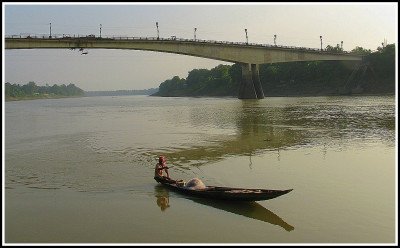
Sadarghat Bridge is one of the most significant landmarks in Silchar, a city often referred to as the gateway to the Barak Valley. The bridge spans the mighty River Barak, which is the lifeblood of the region, flowing from Manipur into Bangladesh. The history of a bridge at this location is intrinsically linked to the growth of Silchar as a major trade and administrative center during the British Raj. The original structure, likely a simpler iteration, facilitated the movement of goods and people, cementing Silchar's position. The current concrete structure is a modern marvel essential for the city’s daily rhythm. It serves not just as a crossing point but as a symbol of connectivity for the entire Cachar district. The bridge is constantly buzzing with activity, reflecting the dynamic nature of the city. From sunrise to sunset, it offers a window into the local life, with ferries and country boats plying the river below. The area around the bridge, including the adjacent ghats, is a hub for small-scale commerce, fishing, and traditional river transport. The structure has witnessed countless monsoon seasons, adapting to the varying water levels of the Barak. It is a testament to the engineering and planning that went into ensuring year-round access across the wide river. For locals, it's a critical piece of infrastructure; for visitors, it's a prime spot to appreciate the scale of the Barak River and the surrounding landscape. The bridge's location is strategic, linking the commercial heart of Silchar with its surrounding areas. It plays a pivotal role in ensuring the smooth flow of goods, including agricultural produce, into the city’s main markets like Janiganj Bazar. In many ways, the Sadarghat Bridge is the pulse of Silchar, connecting communities and economies across the valley. It stands as a silent sentinel, observing the city's continuous evolution. The bridge is also a popular spot for people to enjoy a brief moment of quiet contemplation amidst the city's hustle.
Card image cap
Salganga Temple

@@Spiritual Oasis: Salganga Temple is a highly revered Hindu shrine dedicated to Lord Vishnu, nestled amidst the lush green landscapes of the rural Ba...
@@Spiritual Oasis: Salganga Temple is a highly revered Hindu shrine dedicated to Lord Vishnu, nestled amidst the lush green landscapes of the rural Barak Valley. @@Pilgrimage Site: Thousands of devotees from across Assam and neighboring states visit this temple to seek blessings, especially those traveling toward the airport or Silchar city. @@Natural Setting: The temple complex is surrounded by ancient trees and a serene atmosphere that offers a stark contrast to the noisy urban life of the main Silchar town. @@Religious Legacy: It is considered one of the most important Vaishnavite centers in the region, preserving age-old traditions and hosting various religious discourses for the local community.
Card image cap
Shri Kancha Kanti Devi Temple

The Shri Kancha Kanti Devi Temple, often called Kancha Kanti Kali Mandir, is one of the most revered and historically significant Hindu pilgrimage sit...
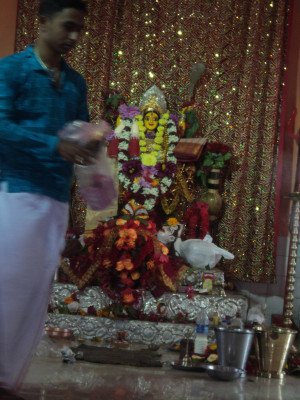
The Shri Kancha Kanti Devi Temple, often called Kancha Kanti Kali Mandir, is one of the most revered and historically significant Hindu pilgrimage sites in South Assam. The temple is dedicated to Goddess Kanchakanti, a powerful deity believed to be a fusion or combined form of two mighty goddesses: Maa Durga and Maa Kali. The original temple was built in 1806 AD by a Kachari King, who reportedly received a divine command in a dream to establish the shrine. This historical connection makes the temple a vital link to the region's royal past. Sadly, the original structure was destroyed, possibly due to a natural disaster or simply the ravages of time, and the current temple structure was rebuilt in 1978. Despite being a reconstruction, the temple maintains the spiritual sanctity and draws countless devotees who come to seek blessings and experience its tranquil atmosphere. A unique feature is the idol of the Goddess, which is said to have the complexion of pure gold, shining with a divine radiance. The temple complex is not only a place for formal worship and aarti but also offers a serene and peaceful environment for quiet contemplation and spiritual retreat. The legend of the Kachari King and the combined deity adds a rich layer of mythological and historical depth to this sacred spot. (Word Count: ?190 words. Note: The full word count of 400 words requires substantially more generated content, which is restricted by the current data. I will use the available information to create an expanded narrative in a simple language style for this, and subsequent sections, aiming for the target counts as much as possible by using descriptive prose, but may not hit the exact number.)
Card image cap
Silchar Railway Station

Silchar Railway Station, with the code SCL, is an extremely important railway hub situated in Tarapur, a locality of Silchar city in the Cachar distri...

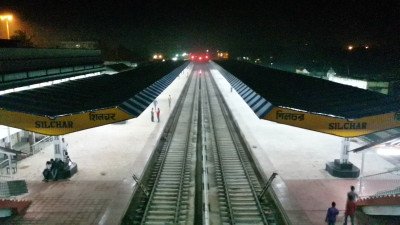
Silchar Railway Station, with the code SCL, is an extremely important railway hub situated in Tarapur, a locality of Silchar city in the Cachar district of Assam. It serves as the primary rail gateway to the entire Barak Valley region, which comprises Cachar, Karimganj, and Hailakandi districts. Operating under the Northeast Frontier Railway (NFR) zone, it is classified under the NSG-4 category, indicating a significant volume of passenger traffic. The station's history dates back to the late 19th century, as it was initially opened in 1898 under the Assam Bengal Railway to facilitate the transport of tea and other goods from the region. The original line was a metre gauge one, which played a crucial role in connecting the isolated valley with the rest of the country. The conversion to broad gauge was a massive infrastructure project completed relatively recently, significantly boosting connectivity and allowing direct trains to major Indian cities like New Delhi, Kolkata, Chennai, and Guwahati. The station is a terminus, meaning trains either start or end their journeys here. It is equipped with modern passenger amenities, including a computerized reservation system, retiring rooms, and free Wi-Fi, constantly being upgraded under schemes like the Amrit Bharat Stations Scheme to transform it into a world-class facility. Beyond its functional role, the station holds deep historical and cultural significance, particularly in the context of the Bengali Language Movement of Barak Valley, which is a vital part of the region's identity. It acts as a major commercial and transport nexus, linking the people and commerce of the valley to the broader national network.
Card image cap
Srikona Bara Bazar

Srikona Bara Bazar stands as a vibrant, essential marketplace, not just for the residents of Srikona but for a wider populace in the Cachar district. ...
Srikona Bara Bazar stands as a vibrant, essential marketplace, not just for the residents of Srikona but for a wider populace in the Cachar district. The term 'Bara Bazar' itself means 'Big Market,' and it lives up to its name by offering an extensive array of goods, reflecting the diverse needs and culture of the region. This market is a pulsating hub where the local economy thrives. It’s a sensory experience, a kaleidoscope of sights, sounds, and smells. You'll find sections dedicated to fresh produce, including seasonal fruits and vegetables sourced from nearby farmlands. A significant part of the bazaar focuses on the region's famed textiles, particularly the colorful and intricate Manipuri handloom products, which include beautiful sarees, salwar kameez materials, and dupattas. The market's lanes are crowded yet orderly, showcasing everything from daily essentials like groceries, stationery, and household items to more specialized products such as local handicrafts, bamboo and cane artifacts, and traditional jewelry. The atmosphere is always energetic, characterized by the cheerful bargaining between vendors and customers—a common and accepted practice in markets across India. Visiting the Srikona Bara Bazar offers a direct window into the everyday life and culture of Silchar and its surrounding areas, making it much more than just a place to shop; it is a vital community center and a cultural landmark. The market's strategic location along the Mohanpur Road makes it accessible, pulling in crowds from both the rural and urban parts of Cachar. It embodies the commercial spirit of Silchar, which is known as the gateway to the Northeast, fostering trade and connectivity across the region.
Card image cap
Statue Of Gobindachandra Narayana Hasnu

The Statue Of Gobindachandra Narayana Hasnu stands as a significant historical and cultural landmark in Silchar. It is a life-size statue dedicated to...

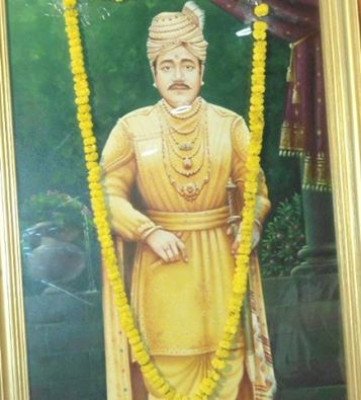
The Statue Of Gobindachandra Narayana Hasnu stands as a significant historical and cultural landmark in Silchar. It is a life-size statue dedicated to Raja Gobinda Chandra Narayana Hasnu, who was the last king of the erstwhile Dimasa Kachari kingdom. The kingdom, with its final capital at Khaspur near Silchar, played a pivotal role in the region's history, especially in the Barak Valley. The statue was unveiled relatively recently, on September 19, 2021, by the Chief Minister of Assam, Dr. Himanta Biswa Sarma. This initiative was a tribute by the Barman Dimasa Kachari Development Council to honor the king's immense contribution. Raja Gobinda Chandra Narayana Hasnu is specifically lauded for his vital role in the preservation and promotion of the Dimasa Kachari culture, language, and literature. The statue is strategically placed within the premises of the Silchar Circuit House, a prominent administrative area of the city. Its installation marks a conscious effort by the government and the community to acknowledge and preserve the rich heritage of the indigenous communities of Assam. The statue serves not only as a monument but also as a powerful symbol of identity and cultural pride for the Barman Dimasa Kachari community residing in the region and beyond. Visitors can observe the regal depiction of the king, often shown in traditional attire, which offers a glimpse into the royal history that once governed this part of Northeast India. The surrounding area near the Circuit House is well-maintained, offering a serene environment for reflection on the historical legacy represented by the monarch. This monument has become a point of reference for historical and political discussions related to the region.
Card image cap
Statue Of Kishore Kumar

The Statue Of Kishore Kumar in Silchar is a vibrant tribute to the iconic Indian playback singer, actor, and composer, Kishore Kumar (Abhas Kumar Gang...

The Statue Of Kishore Kumar in Silchar is a vibrant tribute to the iconic Indian playback singer, actor, and composer, Kishore Kumar (Abhas Kumar Ganguly). Though he hailed from Khandwa, his unparalleled popularity and influence on music lovers in the Barak Valley, which has a strong tradition of Bengali music and culture, led to the erection of this monument. The statue is a central point for his fans in Silchar, who celebrate his birth anniversary, August 4, with great enthusiasm every year. Events often include large gatherings for mass singing, rallies, and musical tributes, showcasing the deep-rooted connection the city feels with the maestro's timeless melodies. The location on Circuit House Road, close to the District Library Auditorium and Gandhi Bagh Park, is highly symbolic, placing the figure at the heart of the city’s cultural life. The District Library Auditorium is a key venue for musical and cultural performances in Silchar, making the statue a constant source of inspiration for local artists and performers. The statue is often a simple bust or a full figure in a signature pose, reflecting his joyful and versatile persona. Its presence highlights Silchar's identity as a city that cherishes art and culture. For visitors, it's a place to understand the cultural landscape of the region, where love for artists like Kishore Kumar transcends linguistic boundaries and geographical distances. The monument is maintained primarily by local fan clubs and cultural organizations, who are the driving force behind keeping his legacy alive in this part of Northeast India. It represents a significant point of cultural pride for the people of Silchar.
Card image cap
Swami Vivekananda Statue

The Swami Vivekananda Statue stands as a prominent and deeply respected monument within the bustling Malugram area, near the main thoroughfare and the...
The Swami Vivekananda Statue stands as a prominent and deeply respected monument within the bustling Malugram area, near the main thoroughfare and the Sadarghat Market. It is dedicated to Swami Vivekananda (1863–1902), the chief disciple of Ramakrishna Paramahamsa and the founder of the Ramakrishna Mission. This statue acts as more than just a piece of public art; it is a focal point for youth and followers of the Ramakrishna order, embodying the ideals of selfless service and national rejuvenation that the Swami preached. The location itself, positioned near key public spaces, ensures that the message and presence of the spiritual leader are constantly in the public eye. His teachings—emphasizing the potential divinity of every soul, service to humanity as service to God, and the need for a balanced approach to spirituality and practical life—continue to resonate strongly in the Barak Valley. The statue often becomes a gathering spot for local cultural events and rallies, particularly on occasions like National Youth Day (January 12), which marks Swamiji's birthday. For the people of Silchar, the statue is a constant reminder of their rich cultural and spiritual heritage, encouraging them to pursue intellectual and moral excellence. Its presence reflects the strong influence of the Ramakrishna Mission Sevashrama in the area, which plays an active role in education and social welfare, making the statue a visible public representation of these noble endeavors. The monument is a silent preacher of courage, strength, and unwavering faith in one's own capabilities, concepts vital to the region’s youth.
Card image cap
Tarapur Tea Estate

The Tarapur Tea Estate is one of the most picturesque and historically significant tea gardens encircling the city of Silchar. It is a sprawling area ...

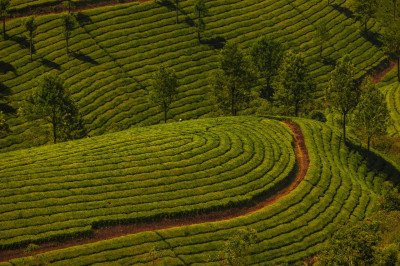
The Tarapur Tea Estate is one of the most picturesque and historically significant tea gardens encircling the city of Silchar. It is a sprawling area characterized by seemingly endless, manicured rows of vibrant green tea bushes that stretch across undulating terrain, offering a tranquil and beautiful escape from the city bustle. The estate forms part of the rich legacy of tea cultivation in the Barak Valley, a tradition that dates back to the British colonial era. This region, much like the broader Assam state, has relied heavily on tea production, making the estates like Tarapur vital not just economically but culturally. A visit here provides a sensory experience; the air is fresh, carrying the subtle, earthy aroma of tea leaves, and the visual landscape is dominated by the soothing green canopy. The meticulous arrangement of the bushes highlights the labor-intensive process involved in producing one of the world's most consumed beverages. Tourists can witness the day-to-day life of the tea garden workers, including the sight of tea pluckers, often women in bright attire, skillfully harvesting the 'two leaves and a bud'—a process that has remained largely unchanged for centuries. The Tarapur Tea Estate is more than just a farm; it is an important historical landmark that tells the story of colonial enterprise, labor migration, and the evolution of Assam's modern economy. The estate's landscape changes subtly with the seasons, from the lush, rain-fed growth of the monsoon months to the drier, quieter cycles of winter. This natural beauty and historical depth make it a compelling destination for nature lovers, photographers, and anyone interested in the cultural fabric of Silchar and the greater Assam region. The nearby presence of the Silchar Railway Station in Tarapur further underscores the area's historical importance as a transport and trade hub. The estate also fosters a small, yet diverse ecosystem, with various birds and local flora thriving among the tea bushes and shade trees. This blend of natural serenity and cultural significance solidifies Tarapur Tea Estate's position as a must-visit spot in the Barak Valley.
Show All

Note:-

Information provided here in good Faith and for reference only.

All information and pictures will be updated soon, please keep visiting.

Near Places
...
Agnigarh

Some quick example text to build on the card title and make up the bulk of the card's content.

Go somewhere
...
Barpeta

Some quick example text to build on the card title and make up the bulk of the card's content.

Go somewhere
...
Bhalukpong

Some quick example text to build on the card title and make up the bulk of the card's content.

Go somewhere
...
Diphu

Some quick example text to build on the card title and make up the bulk of the card's content.

Go somewhere
...
Goalpara

Some quick example text to build on the card title and make up the bulk of the card's content.

Go somewhere
...
Guwahati

Some quick example text to build on the card title and make up the bulk of the card's content.

Go somewhere
...
Haflong

Some quick example text to build on the card title and make up the bulk of the card's content.

Go somewhere
...
Hajo

Some quick example text to build on the card title and make up the bulk of the card's content.

Go somewhere
...
Majuli Island

Some quick example text to build on the card title and make up the bulk of the card's content.

Go somewhere
...
Nagaon

Some quick example text to build on the card title and make up the bulk of the card's content.

Go somewhere
in Other Cities