

Silchar
General information
-
Ideal Duration:
Duration: 2 to 3 DaysPlace Type:
Category: Heritage, History, and NatureEntry Fees:
General Charges: Entry to Khaspur and Gandhibag Park is nominal, usually around 20 INR to 50 INR. Most religious sites do not charge an entry fee but accept voluntary donations. ...General Charges: Entry to Khaspur and Gandhibag Park is nominal, usually around 20 INR to 50 INR. Most religious sites do not charge an entry fee but accept voluntary donations.Timing:
Regular Hours: The Khaspur ruins are accessible from 09:00 AM to 05:00 PM. ISKCON temple has specific darshan timings in the morning and evening, usually closing between 01:00 PM and 04:00 PM.
Ideal Visit: Early morning. ...Regular Hours: The Khaspur ruins are accessible from 09:00 AM to 05:00 PM. ISKCON temple has specific darshan timings in the morning and evening, usually closing between 01:00 PM and 04:00 PM.
Ideal Visit: Early morning.Special Events:
Bhasa Shahid Dibas: On 19th May, the city observes a solemn day to honor the martyrs of the 1961 Language Movement with processions and cultural programs.
Maha Shivratri: The festival is celebrated with massive grandeur at the Bhuban Mahadev...Bhasa Shahid Dibas: On 19th May, the city observes a solemn day to honor the martyrs of the 1961 Language Movement with processions and cultural programs.
Maha Shivratri: The festival is celebrated with massive grandeur at the Bhuban Mahadev Temple, where thousands of pilgrims trek up the hill throughout the night.Best Photo Spots:
Khaspur Lion Gate: The intricate brickwork and the historical aura of the gate make for an excellent heritage photograph.
Dolu Lake: The calm waters reflecting the surrounding green hills and clear blue skies are perfect for landscape enthus...Khaspur Lion Gate: The intricate brickwork and the historical aura of the gate make for an excellent heritage photograph.
Dolu Lake: The calm waters reflecting the surrounding green hills and clear blue skies are perfect for landscape enthusiasts.
Bhuvan Hill Peak: After the trek, the panoramic view of the Barail range and the Barak Valley from the top is a breathtaking sight for any camera.Photo Gallery
Things To Do
 The ISKCON Temple in Silchar is a peaceful and significant spiritual center dedicated to Lord Krishna and Radha. It is managed by the International Society for Krishna Consciousness, a worldwide movement founded by A.C. Bhaktivedanta Swami Prabhupada. Situated in the central neighborhood of Ambica Patty, the temple serves as a beacon of the Gaudiya Vaishnava tradition, which emphasizes the chanting of the Hare Krishna mantra. The temple complex provides a serene environment for spiritual seekers, devotees, and tourists alike. It's not just a place of worship but a cultural and educational hub that promotes Vedic wisdom, specifically the teachings of the Bhagavad Gita and Srimad Bhagavatam. The atmosphere is characterized by continuous devotional songs (kirtans), enlightening discourses, and the scent of incense. The temple is especially known for its community service and distributing sacred food (prasadam) to thousands of visitors, particularly during major festivals. Its accessibility and tranquil setting make it one of the most popular religious attractions in the Barak Valley region of Assam.
 @@Historical Evolution: Police Bazar is the oldest and most vital commercial district in Silchar, serving as the primary nerve center for trade and social interaction since the colonial era. @@Market Dynamics: The area is characterized by a dense network of narrow lanes and wide avenues that host thousands of small businesses, ranging from traditional textile shops to modern electronic showrooms. @@Cultural Melting Pot: It reflects the cosmopolitan nature of the city where people from various ethnic backgrounds like Bengalis, Marwaris, and Bishnupriya Manipuris converge for daily transactions. @@Economic Significance: As the wholesale and retail capital of the Barak Valley, it dictates the price of commodities across the region and remains the busiest spot in town throughout the year.
Bhuban Mahadev Temple is one of the most revered spiritual sites in the entire Barak Valley. Perched atop the Bhuvan Hills, this temple is dedicated to Lord Shiva. The journey to the temple is an adventure in itself, requiring a trek through dense forests and hilly terrain. It is a place where faith and nature coexist in perfect harmony. Thousands of devotees climb the hill every year to seek blessings and find inner peace. The atmosphere at the peak is incredibly serene, offering panoramic views of the surrounding valleys. The temple is not just a religious site but also a hub for hikers and nature lovers. It is said that the deity here is self-manifested, adding to its sacred reputation. The climb is physically demanding, yet the spiritual energy keeps the pilgrims moving forward. Along the way, you can see small shrines and resting points built by the community. The forest surrounding the temple is home to various species of flora and fauna. It is a significant center for the Mahashivratri festival in the region. The silence of the hills is broken only by the sound of temple bells and chanting.
@@Historical Evolution: Police Bazar is the oldest and most vital commercial district in Silchar, serving as the primary nerve center for trade and social interaction since the colonial era. @@Market Dynamics: The area is characterized by a dense network of narrow lanes and wide avenues that host thousands of small businesses, ranging from traditional textile shops to modern electronic showrooms. @@Cultural Melting Pot: It reflects the cosmopolitan nature of the city where people from various ethnic backgrounds like Bengalis, Marwaris, and Bishnupriya Manipuris converge for daily transactions. @@Economic Significance: As the wholesale and retail capital of the Barak Valley, it dictates the price of commodities across the region and remains the busiest spot in town throughout the year.
Bhuban Mahadev Temple is one of the most revered spiritual sites in the entire Barak Valley. Perched atop the Bhuvan Hills, this temple is dedicated to Lord Shiva. The journey to the temple is an adventure in itself, requiring a trek through dense forests and hilly terrain. It is a place where faith and nature coexist in perfect harmony. Thousands of devotees climb the hill every year to seek blessings and find inner peace. The atmosphere at the peak is incredibly serene, offering panoramic views of the surrounding valleys. The temple is not just a religious site but also a hub for hikers and nature lovers. It is said that the deity here is self-manifested, adding to its sacred reputation. The climb is physically demanding, yet the spiritual energy keeps the pilgrims moving forward. Along the way, you can see small shrines and resting points built by the community. The forest surrounding the temple is home to various species of flora and fauna. It is a significant center for the Mahashivratri festival in the region. The silence of the hills is broken only by the sound of temple bells and chanting.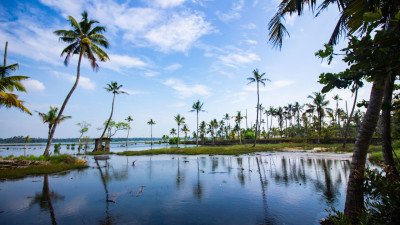 Rongpur Lake, located in the outskirts of Silchar in the Cachar district of Assam, is a beautiful, serene water body that serves as a vital green lung and a popular recreational hub for the city's residents and tourists. It offers a peaceful retreat from the hustle and bustle of Silchar city life. The lake and its surrounding area, which include resorts and parks, have become synonymous with natural beauty and relaxation in the Barak Valley. The water body itself, though not a vast natural Assamese beel (wetland), is well-maintained and provides stunning reflections, especially during sunrise and sunset. Its calm waters are often fringed by lush green vegetation, which enhances its aesthetic appeal and makes it a favourite subject for landscape photographers and artists. The local administration and private resorts have developed the periphery with seating arrangements, pathways, and recreational facilities, transforming it into a complete leisure destination. It is a place where families come for picnics, couples seek a quiet evening, and solo travelers find a spot for contemplation. The local community has a deep connection with the lake, viewing it not just as a tourist spot but as an integral part of their local ecosystem, making its preservation a priority. The climate, which is tropical and monsoonal, ensures the surrounding foliage remains vibrant and green for most of the year, further contributing to the tranquil atmosphere. The area around Rongpur Lake embodies the quiet charm of the Barak Valley.
Hindustan Paper Corporation Ltd., specifically the Cachar Paper Mill located in Panchgram, was once the backbone of the region's economy. Established by the Government of India, it was one of the largest paper-producing units in Asia. The mill used bamboo, which is found in abundance in the Barak Valley, as its primary raw material. For decades, it provided employment to thousands of local families and supported numerous small businesses. The township surrounding the mill, known as Panchgram, was a model of industrial planning with schools, hospitals, and parks. Although the mill has faced operational challenges recently, its massive infrastructure remains a significant site. For tourists, it offers a look into the industrial history of Northeast India. The scale of the machinery and the layout of the plant are impressive even from the outside. The site is a reminder of the era of large-scale public sector enterprises. Visitors often pass by while traveling between Silchar and Badarpur. It stands as a monumental structure against the backdrop of the Borail Hills. The vast area covered by the plant shows the ambition of the project when it was founded.
The Statue Of Kishore Kumar in Silchar is a vibrant tribute to the iconic Indian playback singer, actor, and composer, Kishore Kumar (Abhas Kumar Ganguly). Though he hailed from Khandwa, his unparalleled popularity and influence on music lovers in the Barak Valley, which has a strong tradition of Bengali music and culture, led to the erection of this monument. The statue is a central point for his fans in Silchar, who celebrate his birth anniversary, August 4, with great enthusiasm every year. Events often include large gatherings for mass singing, rallies, and musical tributes, showcasing the deep-rooted connection the city feels with the maestro's timeless melodies. The location on Circuit House Road, close to the District Library Auditorium and Gandhi Bagh Park, is highly symbolic, placing the figure at the heart of the city’s cultural life. The District Library Auditorium is a key venue for musical and cultural performances in Silchar, making the statue a constant source of inspiration for local artists and performers. The statue is often a simple bust or a full figure in a signature pose, reflecting his joyful and versatile persona. Its presence highlights Silchar's identity as a city that cherishes art and culture. For visitors, it's a place to understand the cultural landscape of the region, where love for artists like Kishore Kumar transcends linguistic boundaries and geographical distances. The monument is maintained primarily by local fan clubs and cultural organizations, who are the driving force behind keeping his legacy alive in this part of Northeast India. It represents a significant point of cultural pride for the people of Silchar.
Rongpur Lake, located in the outskirts of Silchar in the Cachar district of Assam, is a beautiful, serene water body that serves as a vital green lung and a popular recreational hub for the city's residents and tourists. It offers a peaceful retreat from the hustle and bustle of Silchar city life. The lake and its surrounding area, which include resorts and parks, have become synonymous with natural beauty and relaxation in the Barak Valley. The water body itself, though not a vast natural Assamese beel (wetland), is well-maintained and provides stunning reflections, especially during sunrise and sunset. Its calm waters are often fringed by lush green vegetation, which enhances its aesthetic appeal and makes it a favourite subject for landscape photographers and artists. The local administration and private resorts have developed the periphery with seating arrangements, pathways, and recreational facilities, transforming it into a complete leisure destination. It is a place where families come for picnics, couples seek a quiet evening, and solo travelers find a spot for contemplation. The local community has a deep connection with the lake, viewing it not just as a tourist spot but as an integral part of their local ecosystem, making its preservation a priority. The climate, which is tropical and monsoonal, ensures the surrounding foliage remains vibrant and green for most of the year, further contributing to the tranquil atmosphere. The area around Rongpur Lake embodies the quiet charm of the Barak Valley.
Hindustan Paper Corporation Ltd., specifically the Cachar Paper Mill located in Panchgram, was once the backbone of the region's economy. Established by the Government of India, it was one of the largest paper-producing units in Asia. The mill used bamboo, which is found in abundance in the Barak Valley, as its primary raw material. For decades, it provided employment to thousands of local families and supported numerous small businesses. The township surrounding the mill, known as Panchgram, was a model of industrial planning with schools, hospitals, and parks. Although the mill has faced operational challenges recently, its massive infrastructure remains a significant site. For tourists, it offers a look into the industrial history of Northeast India. The scale of the machinery and the layout of the plant are impressive even from the outside. The site is a reminder of the era of large-scale public sector enterprises. Visitors often pass by while traveling between Silchar and Badarpur. It stands as a monumental structure against the backdrop of the Borail Hills. The vast area covered by the plant shows the ambition of the project when it was founded.
The Statue Of Kishore Kumar in Silchar is a vibrant tribute to the iconic Indian playback singer, actor, and composer, Kishore Kumar (Abhas Kumar Ganguly). Though he hailed from Khandwa, his unparalleled popularity and influence on music lovers in the Barak Valley, which has a strong tradition of Bengali music and culture, led to the erection of this monument. The statue is a central point for his fans in Silchar, who celebrate his birth anniversary, August 4, with great enthusiasm every year. Events often include large gatherings for mass singing, rallies, and musical tributes, showcasing the deep-rooted connection the city feels with the maestro's timeless melodies. The location on Circuit House Road, close to the District Library Auditorium and Gandhi Bagh Park, is highly symbolic, placing the figure at the heart of the city’s cultural life. The District Library Auditorium is a key venue for musical and cultural performances in Silchar, making the statue a constant source of inspiration for local artists and performers. The statue is often a simple bust or a full figure in a signature pose, reflecting his joyful and versatile persona. Its presence highlights Silchar's identity as a city that cherishes art and culture. For visitors, it's a place to understand the cultural landscape of the region, where love for artists like Kishore Kumar transcends linguistic boundaries and geographical distances. The monument is maintained primarily by local fan clubs and cultural organizations, who are the driving force behind keeping his legacy alive in this part of Northeast India. It represents a significant point of cultural pride for the people of Silchar.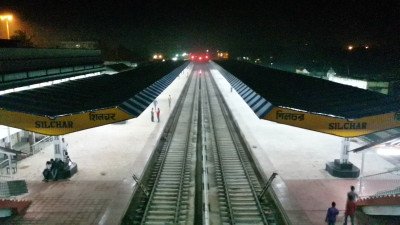 Silchar Railway Station, with the code SCL, is an extremely important railway hub situated in Tarapur, a locality of Silchar city in the Cachar district of Assam. It serves as the primary rail gateway to the entire Barak Valley region, which comprises Cachar, Karimganj, and Hailakandi districts. Operating under the Northeast Frontier Railway (NFR) zone, it is classified under the NSG-4 category, indicating a significant volume of passenger traffic. The station's history dates back to the late 19th century, as it was initially opened in 1898 under the Assam Bengal Railway to facilitate the transport of tea and other goods from the region. The original line was a metre gauge one, which played a crucial role in connecting the isolated valley with the rest of the country. The conversion to broad gauge was a massive infrastructure project completed relatively recently, significantly boosting connectivity and allowing direct trains to major Indian cities like New Delhi, Kolkata, Chennai, and Guwahati. The station is a terminus, meaning trains either start or end their journeys here. It is equipped with modern passenger amenities, including a computerized reservation system, retiring rooms, and free Wi-Fi, constantly being upgraded under schemes like the Amrit Bharat Stations Scheme to transform it into a world-class facility. Beyond its functional role, the station holds deep historical and cultural significance, particularly in the context of the Bengali Language Movement of Barak Valley, which is a vital part of the region's identity. It acts as a major commercial and transport nexus, linking the people and commerce of the valley to the broader national network.Show All
Lakhipur is a historic town named after Prince Lakshmichandra, a ruler of the Kachari Kingdom. It is situated on the banks of the Barak River and is known for its lush green landscapes and tea estates. The town serves as a gateway to the neighboring state of Manipur and has a diverse cultural mix of Bengalis, Manipuris, and Dimasas. Historically, it was a vital administrative center during the late Kachari period. Visitors come here to see the beautiful river views and the traditional lifestyle of the local communities. The town is surrounded by some of the oldest tea gardens in the region, which offer a glimpse into the colonial history of tea production. It is a bustling yet scenic town that balances modern life with historical roots. The Lakhipur area is also famous for its fertile land and agricultural products.
Silchar Railway Station, with the code SCL, is an extremely important railway hub situated in Tarapur, a locality of Silchar city in the Cachar district of Assam. It serves as the primary rail gateway to the entire Barak Valley region, which comprises Cachar, Karimganj, and Hailakandi districts. Operating under the Northeast Frontier Railway (NFR) zone, it is classified under the NSG-4 category, indicating a significant volume of passenger traffic. The station's history dates back to the late 19th century, as it was initially opened in 1898 under the Assam Bengal Railway to facilitate the transport of tea and other goods from the region. The original line was a metre gauge one, which played a crucial role in connecting the isolated valley with the rest of the country. The conversion to broad gauge was a massive infrastructure project completed relatively recently, significantly boosting connectivity and allowing direct trains to major Indian cities like New Delhi, Kolkata, Chennai, and Guwahati. The station is a terminus, meaning trains either start or end their journeys here. It is equipped with modern passenger amenities, including a computerized reservation system, retiring rooms, and free Wi-Fi, constantly being upgraded under schemes like the Amrit Bharat Stations Scheme to transform it into a world-class facility. Beyond its functional role, the station holds deep historical and cultural significance, particularly in the context of the Bengali Language Movement of Barak Valley, which is a vital part of the region's identity. It acts as a major commercial and transport nexus, linking the people and commerce of the valley to the broader national network.Show All
Lakhipur is a historic town named after Prince Lakshmichandra, a ruler of the Kachari Kingdom. It is situated on the banks of the Barak River and is known for its lush green landscapes and tea estates. The town serves as a gateway to the neighboring state of Manipur and has a diverse cultural mix of Bengalis, Manipuris, and Dimasas. Historically, it was a vital administrative center during the late Kachari period. Visitors come here to see the beautiful river views and the traditional lifestyle of the local communities. The town is surrounded by some of the oldest tea gardens in the region, which offer a glimpse into the colonial history of tea production. It is a bustling yet scenic town that balances modern life with historical roots. The Lakhipur area is also famous for its fertile land and agricultural products.Information
-
Why Famous:
Language Movement History: Silchar is famous for the 1961 Bengali Language Movement, a historic struggle for linguistic rights that is unique to this region.
Tea Production Hub: The city is surrounded by some of the world's oldest and most p...Language Movement History: Silchar is famous for the 1961 Bengali Language Movement, a historic struggle for linguistic rights that is unique to this region.
Tea Production Hub: The city is surrounded by some of the world's oldest and most productive tea estates, contributing significantly to the Assam tea industry.
Scenic Railway Route: It is the terminus for the Silchar-Lumding mountain railway, celebrated as one of the most beautiful and engineering-heavy routes in India. -
Architecture:
Kachari Kingdom Ruins: The architecture at Khaspur showcases the 18th-century Kachari style. Key structures include the Lion Gate and Sun Gate, which feature arched entrances and brick masonry.
Spiritual Hill Architecture: The Bhuban Temple...Kachari Kingdom Ruins: The architecture at Khaspur showcases the 18th-century Kachari style. Key structures include the Lion Gate and Sun Gate, which feature arched entrances and brick masonry.
Spiritual Hill Architecture: The Bhuban Temple is built atop a hill at an altitude of about 3000 FEET. Its design follows traditional Hindu temple layouts with a sanctum and a mandapa, utilizing local stones to withstand the hilly terrain and heavy rainfall. -
How To Reach:
By Air: Silchar Airport (Kumbhirgram) is located 29 KMS from the city center. It has direct flights from Kolkata and Guwahati, with taxis available at the terminal.
By Train: Silchar Railway Station (SCL) is a major terminus. The broad-gau...By Air: Silchar Airport (Kumbhirgram) is located 29 KMS from the city center. It has direct flights from Kolkata and Guwahati, with taxis available at the terminal.
By Train: Silchar Railway Station (SCL) is a major terminus. The broad-gauge line connects it to Guwahati, Delhi, and Kolkata through a scenic hilly terrain.
By Road: Silchar is connected via NH-6 and NH-37. Night buses run from Guwahati (takes 10-12 hours), and shared sumos connect it to Agartala and Aizawl.
By Local Transport: The city has a good network of auto-rickshaws and cycle-rickshaws. Yellow taxis are available for outstation trips to the Bhuban hills or Khaspur ruins. -
Weather and Best Time to Visit:
Cool Season: The months of October to March are ideal for sightseeing with pleasant temperatures ranging from 12°C to 25°C.
Summer Season: April to June can be hot and humid (up to 35°C), but it is a good time for the Bihu festivities.Cool Season: The months of October to March are ideal for sightseeing with pleasant temperatures ranging from 12°C to 25°C.
Summer Season: April to June can be hot and humid (up to 35°C), but it is a good time for the Bihu festivities.
Time of Day: Early mornings are recommended for hill treks; late afternoons for parks and river views. -
Near Tourist Places:
1. Khaspur (20 KMS), 2. Bhuban Temple (50 KMS), 3. Dolu Lake (11 KMS), 4. Badarpur Fort (32 KMS), 5. Karimganj (55 KMS), 6. Hailakandi (45 KMS), 7. Maibong (95 KMS), 8. Jatinga (90 KMS), 9. Haflong (105 KMS), 10. Unakoti (130 KMS).
Tourism Tips
-
Health & Safety: The road to Silchar can be winding; carry motion sickness medicine if needed. Be cautious during the monsoon as the Barak River levels can rise rapidly.
Packing Essentials: Bring sturdy walking shoes for the Bhuban hill tr...Health & Safety: The road to Silchar can be winding; carry motion sickness medicine if needed. Be cautious during the monsoon as the Barak River levels can rise rapidly.
Packing Essentials: Bring sturdy walking shoes for the Bhuban hill trek. An umbrella or raincoat is a must as it can rain unexpectedly even outside the monsoon.
Accommodation: The city offers a range of options from heritage clubs to budget hotels near the railway station; book in advance during the Shivratri festival.
Other Tips: Learn a few basic Bengali or Assamese phrases to interact with locals; carry enough cash as small vendors and rural transport might not accept digital payments.
Reviews
FAQs
Silchar Itineray And Cost:-
Information about New and Updated Locations() of Assam Has Been Added :-
Card subtitle
Note:-
Information provided here in good Faith and for reference only.
Near Places
Agnigarh
Some quick example text to build on the card title and make up the bulk of the card's content.
Go somewhere
Barpeta
Some quick example text to build on the card title and make up the bulk of the card's content.
Go somewhere
Bhalukpong
Some quick example text to build on the card title and make up the bulk of the card's content.
Go somewhere
Diphu
Some quick example text to build on the card title and make up the bulk of the card's content.
Go somewhere
Goalpara
Some quick example text to build on the card title and make up the bulk of the card's content.
Go somewhere
Guwahati
Some quick example text to build on the card title and make up the bulk of the card's content.
Go somewhere
Haflong
Some quick example text to build on the card title and make up the bulk of the card's content.
Go somewhere
Hajo
Some quick example text to build on the card title and make up the bulk of the card's content.
Go somewhere
Majuli Island
Some quick example text to build on the card title and make up the bulk of the card's content.
Go somewhere
Nagaon
Some quick example text to build on the card title and make up the bulk of the card's content.
Go somewhere
Silchar
Some quick example text to build on the card title and make up the bulk of the card's content.
Go somewhere
Sualkuchi
Some quick example text to build on the card title and make up the bulk of the card's content.
Go somewhere
Tezpur
Some quick example text to build on the card title and make up the bulk of the card's content.
Go somewhere
Tinsukia
Some quick example text to build on the card title and make up the bulk of the card's content.
Go somewhere
Umananda Island
Some quick example text to build on the card title and make up the bulk of the card's content.
Go somewherein Other Cities