...

Place To Visit And Things To Do In Sualkuchi

Assam, India
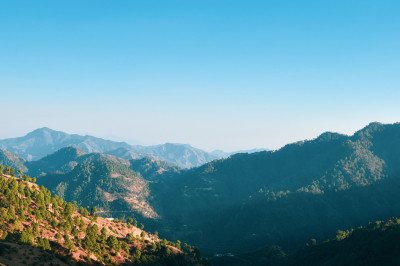
Main Place Details: Sualkuchi is a historic weaving village nestled on the northern banks of the Brahmaputra river. This sleepy town is world-renowned for its exquisite silk production, particularly the golden Muga silk which is found nowhere else on earth. The village has a rich legacy dating back to the 11th century when King Dharma Pal established it as a hub for skilled artisans. Today, almost every household resonates with the rhythmic sound of hand-operated looms known as Taatxaal. Visitors can walk through narrow lanes and witness the magic of Xipinis (women weavers) creating intricate Mekhela Chadors. The village is a perfect blend of rural charm and industrial heritage. It has been declared a Handloom Heritage Village to preserve its unique cultural identity. Beyond silk, the area is blessed with scenic landscapes and small hills. The hospitable local community often invites tourists to learn the basics of weaving. This destination offers a deep dive into the soul of Assamese craftsmanship and tradition. It is a must-visit for textile enthusiasts and culture seekers exploring the northeast.

Things To Do

Card image cap
Alaboi Hills

Alaboi Hills is a site of immense historical pride located near Sualkuchi. It is the location where the brave Ahom army fought the Mughals in 1669. Th...

Alaboi Hills is a site of immense historical pride located near Sualkuchi. It is the location where the brave Ahom army fought the Mughals in 1669. The hills offer a panoramic view of the surrounding plains and the Brahmaputra River. Visitors often come here to pay homage to the soldiers who sacrificed their lives. The lush greenery and the silent atmosphere make it a perfect spot for reflection. It is not just a hill but a living chronicle of Assam's resistance against foreign invasion. The terrain is moderately steep, providing a light trekking experience for adventure enthusiasts. Many locals visit the site during holidays to enjoy the natural beauty and historical significance. The area is being developed to include a massive memorial to honor the 10,000 Ahom soldiers. It serves as a bridge between the glorious past and the vibrant present of the region. The altitude provides a cooler breeze even during the humid summer months of Assam.
Card image cap
Alisha Peace Alone Place

Alisha Peace Alone Place is a private retreat located on the banks of the Brahmaputra River. It is designed for those seeking complete isolation from ...

Alisha Peace Alone Place is a private retreat located on the banks of the Brahmaputra River. It is designed for those seeking complete isolation from the city's noise. The place features small bamboo cottages and open sitting areas. It is particularly popular among couples and solo travelers looking for "me-time." The sound of the flowing river and the rustling leaves creates a rhythmic peace. The sunset views from this point are considered some of the best in the Kamrup district. The owners maintain a lush garden filled with local flowers and fruit trees. It is a "hidden" spot, not yet overcrowded by mass tourism. The hospitality reflects the warm culture of Assam. Many writers and artists visit this place to find inspiration in the silence. The proximity to the river allows for cool breezes even during the afternoon. It is an ideal spot for meditation and yoga sessions.
Card image cap
Bijoynagar View Point

Bijoynagar View Point is a strategic location where the Brahmaputra River takes a sharp turn. This geographical feature creates a massive expanse of w...
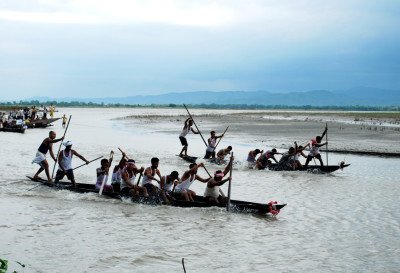
Bijoynagar View Point is a strategic location where the Brahmaputra River takes a sharp turn. This geographical feature creates a massive expanse of water that looks like a sea. The viewpoint is a favorite for evening hangouts among locals and tourists. It offers a clear view of the hills on the opposite bank of the river. The area is dotted with small stalls selling local snacks like "Ghugni" and "Chai." During the monsoon, the river rises to the brim, offering a powerful display of nature. In winter, the receding water leaves behind vast white sandbars. These sandbars often become sites for small bonfires and winter picnics. The breeze here is constant and refreshing throughout the year. It serves as a gateway to the rural side of South Kamrup. The sunset here creates a golden reflection on the water that is truly mesmerizing. It is a simple yet profound place to witness the scale of India's mightiest river.
Card image cap
Brahmaputra River Bank

The Brahmaputra River Bank in Sualkuchi is the soul of the weaving community. The river provides the humidity necessary for handling delicate silk thr...

The Brahmaputra River Bank in Sualkuchi is the soul of the weaving community. The river provides the humidity necessary for handling delicate silk threads. The bank is lined with ancient trees and small shrines. It is a place of daily activity where fishermen cast their nets in the early morning. The rhythmic sound of the water complements the "click-clack" of looms from nearby houses. Walking along the bank, one can see the life of the "Manchester of the East" unfolding. The river here is wide and calm, creating a sense of timelessness. During the Manas festival, the banks become a hub of religious activity. The silt deposited by the river makes the surrounding lands fertile for the "Muga" host plants. It is not just a water body but a cultural entity for the people of Sualkuchi. The view of the distant blue hills across the water is a constant companion. Many visitors take a boat ride to experience the river's scale. It is the perfect place to understand the connection between nature and craft.
Card image cap
Brahmaputra River Bank, Sualkuchi Ghat

The Brahmaputra River Bank at Sualkuchi is more than just a geographical feature; it is the lifeline and a central part of the town's identity. Sualku...
The Brahmaputra River Bank at Sualkuchi is more than just a geographical feature; it is the lifeline and a central part of the town's identity. Sualkuchi itself is famously known as the "Manchester of Assam" for its exquisite silk production, but its picturesque location on the north bank of the mighty Brahmaputra adds an unparalleled layer of natural beauty and serenity. The river here flows with a majestic, unhurried pace, providing a stunning backdrop to the village's traditional Assamese life. The riverbank area typically features simple ghats (steps leading to the water) that act as communal gathering spots, used by locals for bathing, ferrying, and daily rituals. The view from the bank is a breathtaking panorama, especially during sunrise and sunset, when the vast expanse of the river reflects the sky's changing colours, from soft pinks and oranges to deep crimson and gold. This location is a haven for tranquility, offering a stark yet pleasant contrast to the rhythmic 'click-clack' of the handlooms heard throughout the village. Historically, the river was the primary route for trade and connectivity, making this bank an important economic hub. Even today, local boat rides, fishing, and community events centered around the river underscore its vital role. The lush green surroundings, including agricultural fields and distant hills, frame the river, creating a beautiful, quintessential Assamese landscape. The fresh river air and the feeling of vastness make it an ideal spot for contemplation and relaxation. It is a place where you can truly connect with the raw and powerful natural spirit of Assam.
Card image cap
Dampur Pahar

Dampur Pahar is a prominent hill located on the way to Hajo from Sualkuchi. It offers a high-altitude view of the entire Brahmaputra valley. The hill ...
Dampur Pahar is a prominent hill located on the way to Hajo from Sualkuchi. It offers a high-altitude view of the entire Brahmaputra valley. The hill is covered with dense tropical vegetation and large boulders. It is a popular spot for local youth and nature lovers. The climb to the top is relatively easy and rewarding. From the summit, you can see the meandering river and the golden fields of Kamrup. The air here is noticeably fresher than in the plains below. The hill has several small caves and rocky outcrops that are fun to explore. It is a place where you can hear the birds chirping without any urban disturbance. Many people visit Dampur Pahar for a quick getaway during the weekends. It provides a different perspective of the Sualkuchi landscape. The sunset from this height is grand, covering the sky in shades of purple and orange. It is a rugged, natural beauty spot that remains largely untouched.
Card image cap
Dokhola Palashbari View Point

Dokhola Palashbari View Point is a breathtaking destination situated on the southern bank of the Brahmaputra River. This location is widely recognize...
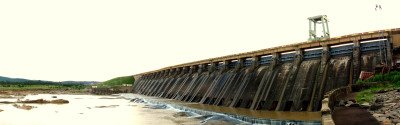
Dokhola Palashbari View Point is a breathtaking destination situated on the southern bank of the Brahmaputra River. This location is widely recognized for its tranquil environment and offers one of the most panoramic views of the river's vast expanse. Visitors often flock to this site to witness the dramatic changes in the landscape during different seasons. The area is characterized by lush greenery, massive river boulders, and a serene atmosphere that provides a perfect escape from urban chaos. It serves as a significant spot for nature lovers who wish to observe the riverine ecosystem of Assam up close. The site has gained immense popularity as a premium picnic destination for locals from Guwahati and Sualkuchi. During the winter months, the receding water levels reveal sandy banks that are ideal for outdoor gatherings. The view point also provides a unique perspective of the hills on the opposite bank. It is a place where one can truly appreciate the geographical majesty of the Brahmaputra. The local community often engages in fishing activities nearby, adding a touch of rustic charm to the experience. Exploring the surrounding Hudumpur area allows tourists to see the traditional lifestyle of the riverbank dwellers. The sunset views from this point are particularly legendary among photography enthusiasts. Many travelers combine a visit here with a trip to the nearby Mirza or Palasbari towns. It remains an essential stop for anyone touring the Kamrup district. The cool breeze from the river makes it a pleasant spot even during the warmer afternoons of March.
Card image cap
Hatisatra

The Hatisatra, officially known as Sri Sri Iswar Hati Satra, is one of the most historically significant and largest Vaishnavite monasteries, or Satra...

The Hatisatra, officially known as Sri Sri Iswar Hati Satra, is one of the most historically significant and largest Vaishnavite monasteries, or Satra, in the renowned silk village of Sualkuchi, Assam. Established over 350 years ago by the revered saint Kanu Bura Thakur, who hailed from Nalanga, the Satra serves as a vital center for the Neo-Vaishnavism tradition founded by Srimanta Sankardeva and Madhavadeva. This monastic institution is much more than a simple place of worship; it is a profound cultural, educational, and artistic hub that has played a crucial role in preserving Assamese heritage. The Satra system is unique to Assam and is dedicated to the worship of Lord Krishna (often referred to as Hari or Vishnu). The Hatisatra complex comprises several key structures, most importantly the Naamghar (the community prayer hall) and the Manikut or Bhajghar (the sacred shrine room, literally 'house of jewels'). The Manikut houses the Guru Asana (the sacred throne) and stores valuable artifacts, ancient manuscripts, wood carvings, and metalwork of immense historical and religious value. The monks, known as Bhakats, reside here under the guidance of the Satradhikar (the head of the Satra), adhering to a life of devotion and discipline. The Hatisatra is particularly celebrated for its magnificent wood carvings and paintings that adorn its walls and doors, depicting scenes from Hindu epics like the Ramayana and the Bhagavata Purana. These artworks are not just decorations; they are visual aids for religious learning and a testament to the patronage of arts and crafts within the Satra culture. The structure itself is a masterpiece of traditional Assamese architecture, using locally sourced, durable, and sometimes fragrant wood like Padma Basi. Visitors are attracted not only by its religious sanctity but also by its status as a living museum of Assamese art, culture, and history, making it a must-visit location in Sualkuchi, the 'Manchester of the East'. The serene atmosphere and the rhythmic chanting of Nama Prasanga (prayers) held three times a day offer a tranquil and spiritual experience.
Card image cap
Hirapara River View Point

Hirapara River View Point is a serene and relatively undiscovered spot located on the outskirts of the weaving village of Sualkuchi. Unlike the more ...

Hirapara River View Point is a serene and relatively undiscovered spot located on the outskirts of the weaving village of Sualkuchi. Unlike the more crowded tourist spots, Hirapara offers a quiet sanctuary where the rhythmic sound of the Brahmaputra's waves is the only music you hear. This place is deeply connected to the local fishing community, known as the Hiraparas, who have lived along these banks for generations. The view point provides an unobstructed sight of the river's northern bank, where the water is often dotted with small traditional boats. It is a place of profound simplicity, reflecting the soul of rural Assam. Visitors can observe the daily routines of the villagers, from mending nets to preparing for evening catch. The landscape here is flat and expansive, allowing for a 180-degree view of the horizon. During the October season, the water begins to clear, and the sky reflects beautifully on the river surface. It is a favored spot for local students and artists who come here to seek inspiration. The greenery surrounding the point consists of tall elephant grass and occasional clusters of bamboo. This site is also significant for understanding the geographical impact of erosion and siltation on the riverine villages of Kamrup. Walking along the bank, one can find small shrines dedicated to river deities, showing the spiritual bond people share with the water. It is a quintessential Assamese landscape that remains untouched by major commercialization. The peace found here is unmatched, making it a hidden treasure for those who find beauty in silence. It is best visited as a quick getaway from the bustling silk looms of the main town.
Card image cap
Kanai Barashi Rock Inscription

Kanai Barashi Rock Inscription is one of the most significant archaeological sites in Assam, located on the rocky banks of the Brahmaputra in North G...
Kanai Barashi Rock Inscription is one of the most significant archaeological sites in Assam, located on the rocky banks of the Brahmaputra in North Guwahati. This site is a protected monument that houses ancient inscriptions and rock-cut images of immense historical value. The most famous inscription here dates back to 1205 AD, which records the victory of the local rulers over the invading Turkish forces of Muhammad-i-Bakhtiyar. This makes it a crucial piece of evidence for the military history of the region. The site consists of several large granitic boulders where the carvings are found. Apart from the historical text, there are also engravings of various deities and symbols that reflect the religious sentiments of that era. The name "Kanai Barashi" translates to "Krishna's Fishing Rod," linked to local legends of Lord Krishna. The site overlooks the river, providing a scenic backdrop to the ancient stones. Historians and students frequently visit this place to study the evolution of the Assamese script, as these inscriptions represent some of the earliest forms of the written language in the state. The surrounding area is peaceful, with trees shading the boulders, creating a scholarly yet natural ambiance. It is a place where history feels alive, etched permanently into the hard stone. The site has survived centuries of floods and weather, standing as a testament to the resilience of the local culture. Visiting this spot offers a deep dive into the medieval period of Kamrupa. It is often paired with a visit to the nearby Ashwaklanta Temple. The site serves as a bridge between the ancient past and the modern identity of the Assamese people.
Card image cap
Northbrook Gate

Northbrook Gate is a majestic brick structure located on the banks of the Brahmaputra in the heart of Guwahati. It was constructed in 1874 specifical...
Northbrook Gate is a majestic brick structure located on the banks of the Brahmaputra in the heart of Guwahati. It was constructed in 1874 specifically to welcome the British Viceroy, Lord Northbrook, during his visit to the region. This gate is the only surviving colonial-era brick monument of its kind in Assam and is often referred to as the "Gateway of Assam." The gate is strategically positioned near the Sukreswar Ghat, where the Viceroy's ship anchored. Its presence marks a significant transition in the history of the state, representing the period of British administrative expansion. The structure is built with a unique blend of architectural styles, featuring gothic arches that were inspired by the King's College Chapel in England. Over the years, the gate has become a symbol of Guwahati's heritage and a popular spot for both tourists and locals. It stands as a silent witness to the city's evolution from a colonial outpost to a modern metropolis. The area surrounding the gate has been developed into a park, providing a pleasant space for evening strolls. It is also historically significant because the ashes of Mahatma Gandhi were kept near this gate before their immersion in the river. Visitors can enjoy the cool river breeze while admiring the sturdy brickwork that has survived for over a century. The gate's proximity to the Fancy Bazaar market makes it an easy addition to any city tour. It is particularly beautiful in the evenings when the surrounding area is lit up. This monument serves as a reminder of the grand ceremonial welcomes of the past and remains a key landmark for heritage walks.
Card image cap
Puthimari River View Point

@@General Overview: The Puthimari River View Point is a serene destination located on the banks of the Puthimari River, a major tributary of the Brahm...
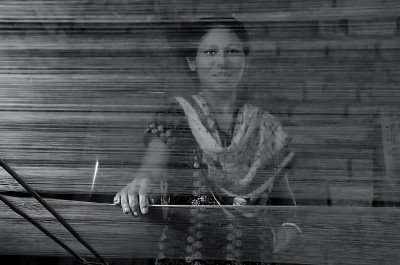
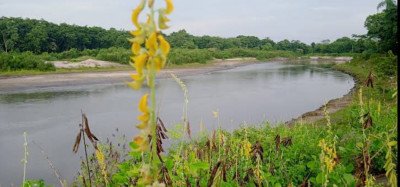
@@General Overview: The Puthimari River View Point is a serene destination located on the banks of the Puthimari River, a major tributary of the Brahmaputra. This spot offers a tranquil environment away from the bustling silk workshops of the main village, providing visitors with a panoramic view of the flowing water and lush green riverbanks. It is a popular spot for locals to unwind and for tourists to experience the natural geography of the Kamrup region. The area is characterized by its peaceful atmosphere, where the only sounds are the ripples of the water and the chirping of birds. Travelers often visit this point to witness the daily life of the riverine communities and to enjoy the cool breeze that sweeps across the plains. The view point serves as a perfect site for nature photography and bird watching, especially during the migratory seasons when various species frequent the waterbody. It embodies the rustic charm of rural Assam, offering a glimpse into the ecological diversity that supports the local livelihood. Visitors can spend hours sitting by the bank, reflecting on the beauty of the landscape or watching small country boats glide across the surface. The river itself plays a crucial role in the local ecosystem, and this view point provides the best vantage to appreciate its scale and importance. @@Ecological Importance: The river supports a variety of aquatic life and provides water for the nearby agricultural fields, creating a vibrant belt of greenery that is visible from the view point.
Card image cap
Raj Ghat

Raj Ghat in Sualkuchi is a serene, sacred bathing and ceremonial site (ghat) located on the north bank of the majestic Brahmaputra River. Unlike the f...

Raj Ghat in Sualkuchi is a serene, sacred bathing and ceremonial site (ghat) located on the north bank of the majestic Brahmaputra River. Unlike the famous Raj Ghat in Delhi (a memorial to Mahatma Gandhi), this local spot is a place of peaceful reflection and ritual, central to the life of the silk-weaving village of Sualkuchi. The ghat provides a crucial connection for the community to the river, which is not only a lifeline for transport and water but also a deeply revered spiritual entity in Assam. It is a place where locals often come for a morning dip, to perform religious rites, or simply to watch the powerful currents of the great river. The atmosphere is notably calm and tranquil, offering a stark contrast to the busy handloom workshops in the main village. It is a meeting point for various local events, particularly those involving the river, and its steps lead directly into the water, making it a focal point for the community's connection to the Brahmaputra. It is particularly significant for its role in local ceremonies and processions, sometimes serving as a final destination for immersing ashes, as was done for a local maestro. The ghat's simplicity, with its steps and surrounding view, underscores the grounded, rustic charm of Sualkuchi as a whole, providing a perfect natural retreat.
Card image cap
River View Point

@@General Overview: The River View Point at Bamundi offers one of the most expansive vistas of the mighty Brahmaputra River near the silk town. Unlike...

@@General Overview: The River View Point at Bamundi offers one of the most expansive vistas of the mighty Brahmaputra River near the silk town. Unlike the smaller tributaries, this point faces the main channel, where the river's width is truly awe-inspiring, especially during the rainy season. The site is a favorite for those who want to witness the sheer scale of the Brahmaputra and its significant role in the history and culture of Assam. The river at this point is dotted with small islands and sandbars that change shape with every season, creating a dynamic landscape. Tourists can observe the large ferries and small country boats navigating the waters, transporting goods and people between the north and south banks. The air here is fresh and carries the scent of the river, providing a rejuvenating experience for city dwellers. The surrounding area is relatively untouched, preserving the natural beauty of the Assamese countryside. It is a place of quiet reflection where one can sit for hours watching the water flow past, realizing the timeless nature of this great river. The view point also provides an excellent spot for seeing the sunset, as the sun dips below the horizon, casting a golden glow over the entire river valley. Local legends often associate the river with various deities, and the atmosphere at the view point often feels spiritual and grand. It is an essential stop for anyone wanting to understand the geographical heart of the Sualkuchi region. @@Geographical Context: This point is strategically located where the river current is steady, providing a clear view of the distant hills of the south bank.
Card image cap
Siddheswar Devalaya

The Siddheswar Devalaya is an ancient and highly revered Hindu temple dedicated to Lord Shiva in the renowned silk town of Sualkuchi, Assam. The deval...
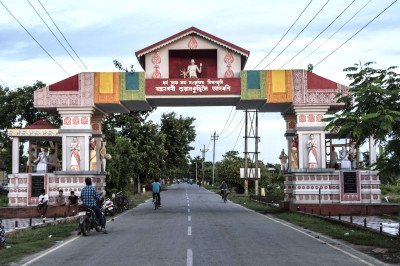
The Siddheswar Devalaya is an ancient and highly revered Hindu temple dedicated to Lord Shiva in the renowned silk town of Sualkuchi, Assam. The devalaya, meaning 'temple' or 'abode of God,' holds significant religious and historical value, serving as one of the most important places of worship in the Kamrup district. The original temple is believed to date back to the 10th or 11th century, during the Pala dynasty, suggesting an ancient heritage that predates the more modern construction. The present structure, however, was later renovated and significantly rebuilt by the powerful Ahom kings, particularly King Shiba Singha in the 18th century (some sources cite renovation by Gadadhar Singha and Rajeswar Singha as well), which is typical of many temples in Assam that were patronized by the Ahom royalty. The temple houses a significant Shiva Linga, the symbolic representation of Lord Shiva. Its location atop a hill provides a serene, tranquil atmosphere away from the bustling handloom workshops of the main village. The temple is not just a place for Hindu worship; its iconography and historical connections suggest a unique syncretic tradition, with some elements showing Buddhist influence, much like the famous Hayagriva Madhav Temple in nearby Hajo. This blending of religious and architectural styles highlights the rich, composite cultural tapestry of ancient and medieval Assam. The temple is a focal point for devotees, especially during the holy Bhole Bom or Shravan Month (usually July-August), when pilgrims flock to the shrine to offer prayers and holy water. It offers a spectacular panoramic view of the surrounding lush green landscape and the distant Brahmaputra River.
Card image cap
Sualkuchi Gate

The Sualkuchi Gate, often referred to as the Main Entrance Archway to the village, is not merely a structural element but a symbolic threshold marking...

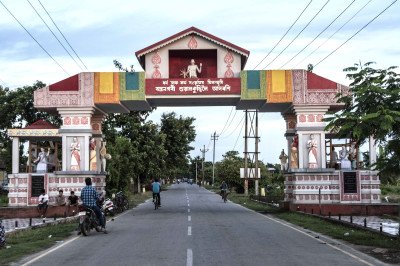
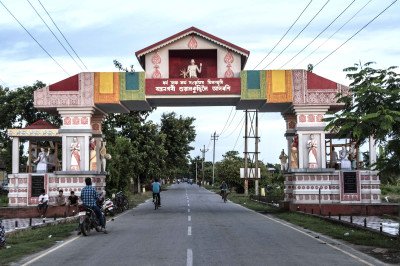
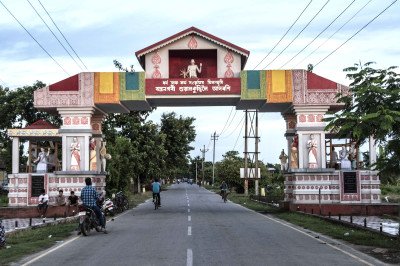
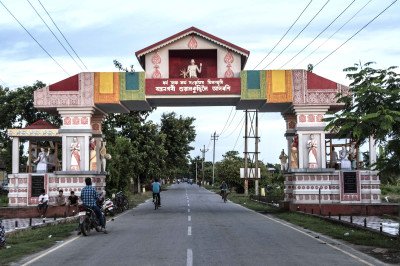
The Sualkuchi Gate, often referred to as the Main Entrance Archway to the village, is not merely a structural element but a symbolic threshold marking the entry into the famed Silk Village of Assam. Sualkuchi itself is globally recognized for its exquisite handloom work, particularly the Golden Muga, white Pat, and warm Eri silks. The Gate's primary function is to welcome visitors and instantly communicate the village’s unique identity as a hub of culture, tradition, and artistry. The entire village of Sualkuchi sits gracefully on the northern bank of the mighty Brahmaputra River, and the Sualkuchi Gate is strategically positioned on the main road that leads into the weaving community. While the village’s silk-weaving tradition dates back to the 11th Century under the Pala Dynasty, and flourished under the Ahom Kings, the Gate is a relatively modern construction designed to boost Assam's tourism and honor the local weaving heritage. It acts as the first major photo opportunity for tourists arriving by road from Guwahati or Nalbari directions. Its design incorporates elements of traditional Assamese architecture and prominently features motifs related to silk and weaving, serving as a visual manifesto of the town's core identity. For locals, the Gate is a point of civic pride, a formal demarcation between the outside world and their secluded, self-reliant community of master weavers. Passing beneath the arch signals an immersion into a unique cultural experience where the rhythmic click-clack of the 'taatxaal' (handloom) is the village's constant soundtrack. This monument encapsulates the fusion of ancient tradition and contemporary tourism promotion in Assam.
Card image cap
Sualkuchi

@@General Overview: Sualkuchi is globally renowned as the "Silk Village of Assam," a place where the rhythmic clatter of handlooms has defined life fo...

@@General Overview: Sualkuchi is globally renowned as the "Silk Village of Assam," a place where the rhythmic clatter of handlooms has defined life for centuries. Every household in this quaint village is involved in the art of weaving, producing some of the finest silks in the world, including the golden Muga, the ivory Pat, and the warm Eri. Walking through the narrow lanes of Sualkuchi is like stepping back in time, where traditional knowledge is passed down from one generation to the next. The village is not just an industrial hub but a living museum of Assamese heritage. The artisans here are masters of their craft, creating intricate designs inspired by local flora and fauna, such as the peacock and the 'Japi' (traditional hat). The economy of the entire region is built around this cottage industry, which gained significant recognition during the Ahom dynasty. Visitors are often welcomed into the workshops, known as 'Karkhanas,' to witness the painstaking process of turning raw silk into magnificent garments like the Mekhela Chador. The social fabric of Sualkuchi is deeply intertwined with weaving, and the pride the locals take in their work is evident in every thread. The village has received numerous awards for its contribution to tourism and heritage preservation. Beyond the silk, Sualkuchi offers a glimpse into the harmonious lifestyle of rural Assam, with its traditional houses, ponds, and community prayer halls (Namghars). A visit here is an immersive cultural experience that connects the traveler with the soul of Assam's textile tradition. @@Economic Impact: The village provides employment to thousands of weavers and contributes significantly to the state's export revenue through its unique silk products.
Show All

Note:-

Information provided here in good Faith and for reference only.

All information and pictures will be updated soon, please keep visiting.

Near Places
...
Agnigarh

Some quick example text to build on the card title and make up the bulk of the card's content.

Go somewhere
...
Barpeta

Some quick example text to build on the card title and make up the bulk of the card's content.

Go somewhere
...
Bhalukpong

Some quick example text to build on the card title and make up the bulk of the card's content.

Go somewhere
...
Dibrugarh

Some quick example text to build on the card title and make up the bulk of the card's content.

Go somewhere
...
Digboi

Some quick example text to build on the card title and make up the bulk of the card's content.

Go somewhere
...
Diphu

Some quick example text to build on the card title and make up the bulk of the card's content.

Go somewhere
...
Dispur

Some quick example text to build on the card title and make up the bulk of the card's content.

Go somewhere
...
Exploring Guwahati

Some quick example text to build on the card title and make up the bulk of the card's content.

Go somewhere
...
Goalpara

Some quick example text to build on the card title and make up the bulk of the card's content.

Go somewhere
...
Guwahati

Some quick example text to build on the card title and make up the bulk of the card's content.

Go somewhere
in Other Cities