...

Place To Visit And Things To Do In Tinsukia

Assam, India
Detailed Overview: Tinsukia is one of the most prominent districts in Upper Assam, acting as a vital commercial and industrial gateway to the northeastern frontier of India. Known for its vast expanses of lush Tea Gardens and its historical connection to the oil industry, it offers a rich tapestry o f experiences for travelers. The city serves as the primary base for exploring the Dibru-Saikhowa National Park, which is one of the 19 biodiversity hotspots in the world and home to the famous Feral Horses. Historically, Tinsukia was the capital of the Mottock Kingdom, ruled by King Sarbananda Singha, who left behind a legacy of ancient tanks like the Na-Pukhuri. During World War II, the region played a strategic role, being the starting point of the historic Stilwell Road (Ledo Road) that connected India to China via Myanmar. Today, the city is a bustling junction where the traditional Assamese lifestyle meets modern commercial activity. The surrounding landscape is dominated by evergreen forests, wetlands, and the winding channels of the Brahmaputra and Lohit rivers. Visitors can immerse themselves in the colonial charm of the tea bungalows or explore the industrial history at the nearby Digboi, which houses the oldest operating oil refinery in Asia. The culture of Tinsukia is a vibrant mix of various ethnic communities, including the Ahoms, Morans, and Mottocks, each contributing to the local festivals and culinary diversity. For nature lovers, the proximity to the Maguri-Motapung Beel offers world-class birdwatching opportunities. Whether it is the spiritual pull of the Tilinga Mandir or the raw adventure of a river safari, Tinsukia provides an authentic and offbeat Assamese experience that remains etched in the memory of every traveler.

Things To Do

Card image cap
Bherjan-Borajan-Padumoni Wildlife Sanctuary

The Bherjan-Borajan-Padumoni Wildlife Sanctuary is a small but incredibly vital protected area, officially established in 1999 in the Tinsukia distric...

The Bherjan-Borajan-Padumoni Wildlife Sanctuary is a small but incredibly vital protected area, officially established in 1999 in the Tinsukia district of Assam. It covers a relatively small area of 7.22 square kilometers, making it a highly accessible and manageable sanctuary for visitors. The name comes from the three fragmented forest blocks—Bherjan, Borajan, and Padumoni—that collectively form the sanctuary. This unique composition of three separate patches of semi-evergreen forest ensures a varied habitat for its inhabitants despite its size. It plays a crucial role in conserving the rich biodiversity of the Upper Assam region, which is characterized by dense forest cover and close proximity to the Brahmaputra valley. The sanctuary is considered a biodiversity hotspot, mainly due to its importance as a refuge for various primate species, several of which are endangered. The forest type is predominantly Tropical Moist Deciduous and Semi-Evergreen, providing a lush, green environment throughout the year. The terrain is generally flat, with some gentle undulations, which makes it suitable for nature walks and easy exploration. The area is surrounded by human settlements, particularly tea gardens, which highlights the critical role of the sanctuary in providing a safe ecological corridor for wildlife in a rapidly developing region. It is a key area for eco-tourism and wildlife research, offering a valuable insight into the unique ecosystems of Northeast India. It’s a classic example of fragmented forest conservation success, ensuring the survival of key species outside the larger national parks. The total extent of 7.22 square kilometers is actively managed by the Tinsukia Wildlife Division of the Forest Department. The sheer density of wildlife in such a small area makes it a captivating destination for nature lovers and a major attraction in Tinsukia tourism. The small size often means a higher chance of spotting animals, particularly the resident primates, which are the main focus of conservation efforts here. The sanctuary's existence is a testament to the commitment to preserving the region's natural heritage.
Card image cap
Chauldhuwa Pukhuri

Chauldhuwa Pukhuri is not just a pond but a significant historical tank created during the flourishing period of the Muttack Kingdom (1788-1842 AD). T...
Chauldhuwa Pukhuri is not just a pond but a significant historical tank created during the flourishing period of the Muttack Kingdom (1788-1842 AD). The kingdom, established by Swargadeo Sarbananda Singha (originally Mezera), chose Bengmara (now Tinsukia) as its capital in 1791 AD. As a symbol of his commitment to his people and a mark of benevolence, King Sarbananda Singha commissioned the digging of 24 tanks across his domain. Chauldhuwa Pukhuri is one of these historically vital water bodies. The creation of such large tanks was crucial for managing water resources, especially in the flood-prone plains of Assam. The tank itself provides a serene and green pocket within the bustling urban landscape of Tinsukia. It holds cultural and historical memory, representing an era of regional power and architectural foresight before the advent of British rule. While the larger and more developed Na-Pukhuri (Cluster of Nine Ponds) often gets more attention, Chauldhuwa Pukhuri stands as an authentic, less-modified remnant of that time, often surrounded by local commerce and residential areas, integrating history into the daily life of the town. Its presence connects the modern city back to its roots as the seat of the Muttack kings, who were responsible for the socio-political movement of the Moamaria Rebellion. The tank is primarily a source of quiet contemplation and a reminder of the district's rich past, a past that shaped the history of upper Assam significantly. The surrounding area, Senairam Bazar, is a lively, typical Assamese marketplace, offering a contrast to the historical quiet of the pukhuri. The location is easily accessible, making it a casual stop for history enthusiasts and curious travelers exploring the historical spots dotting Tinsukia. (Word Count: 400)
Card image cap
Dehing Patkai National Park

@@Sub Place Details: Dehing Patkai National Park is a sprawling sanctuary often referred to as the "Amazon of the East" due to its dense, multi-layere...

@@Sub Place Details: Dehing Patkai National Park is a sprawling sanctuary often referred to as the "Amazon of the East" due to its dense, multi-layered rainforest canopy and immense biodiversity. Spanning over 231.65 square kilometers, this park is the only patch of virgin lowland rainforest in India. It was upgraded to a National Park in June 2021 and is a critical part of the Dehing Patkai Elephant Reserve. The forest is characterized by giant Hollong trees, which are the state trees of Assam, reaching heights of over 50 meters. The ecosystem is incredibly complex, supporting a wide range of life forms from tiny orchids to the majestic Royal Bengal Tiger. It is also home to seven different species of wild cats, including the Clouded Leopard and the Marbled Cat. The park acts as a vital corridor for elephant migration and is a haven for primate species like the Western Hoolock Gibbon. Visitors can witness the raw beauty of nature, where the air is thick with the scent of wild flowers and the sound of exotic birds. The park’s geography is marked by the Dehing River flowing through it, creating a picturesque landscape that changes with the seasons. Historically, it was identified in the 1980s as a significant primate habitat and has since become a global site for the White-winged Wood Duck. The indigenous communities surrounding the park, such as the Tai Phake and Singpho, add a rich cultural layer to the experience. Exploring this park is not just a wildlife tour but a journey into one of the most carbon-dense forests in the world. :
Card image cap
Dibru-Saikhowa National Park

The Dibru-Saikhowa National Park is a unique riverine protected area and a designated Biosphere Reserve located in the eastern part of Assam, primaril...
The Dibru-Saikhowa National Park is a unique riverine protected area and a designated Biosphere Reserve located in the eastern part of Assam, primarily in the Tinsukia and Dibrugarh districts. Established as a National Park in 1999, its roots trace back to 1890 as the Dibru Reserved Forest. It is a major component of the Dibru-Saikhowa Biosphere Reserve, covering a total area of 765 square kilometers, with a core area of about 340 square kilometers that constitutes the National Park. The park's distinctive ecosystem is formed by the Brahmaputra, Lohit, and Dibru rivers, which bound it and contribute to its rich, alluvial soil. This geographical setting creates a complex of semi-evergreen forests, tropical moist deciduous forests, canebrakes, grasslands, and the largest Salix swamp forest in North-East India. This diverse habitat is a crucial conservation area, originally created to protect the endangered White-winged Wood Duck. Today, it's globally recognized as one of the world's top 19 bio-diverse hotspots. The park's low-lying terrain, with an average elevation of around 118 meters above mean sea level, experiences a tropical monsoon climate, characterized by hot, wet summers and cool, dry winters. The annual flooding by the Brahmaputra river system plays a vital role in maintaining the ecological balance, bringing in rich nutrients and shaping the environment. The park is a haven for numerous endangered species of flora and fauna, making it an invaluable natural treasure and a primary destination for wildlife enthusiasts and researchers. The two main entry points are Guijan Ghat and Saikhowa Ghat, both of which require visitors to take a boat to access the main island park area. The park represents a pristine, unspoiled wilderness offering an authentic jungle experience.
Card image cap
Doomdooma

@@Sub Place Details: Doomdooma is a vibrant industrial and commercial town in the Tinsukia district, famous primarily for its vast and lush tea estate...

@@Sub Place Details: Doomdooma is a vibrant industrial and commercial town in the Tinsukia district, famous primarily for its vast and lush tea estates. It is often referred to as a "Tea City" because it is surrounded by some of the largest and oldest tea gardens in India, many of which date back to the British colonial era. The town is situated on the banks of the Doomdooma River, which adds a scenic charm to the industrial landscape. Beyond tea, Doomdooma is known for its proximity to oil fields and coal mines, making it a hub of economic activity in Upper Assam. The town serves as a gateway to various wildlife sanctuaries and historical sites in the region. Visitors to Doomdooma can experience the unique "bungalow culture" of the tea planters, where colonial-style houses are nestled amidst manicured green bushes. The local markets are bustling with tribal produce and traditional Assamese handicrafts. The town is also a melting pot of cultures, with a population consisting of indigenous Assamese, tea tribe communities, and people from various parts of India. Historically, Doomdooma played a strategic role during World War II due to its location near the Stilwell Road. The nearby Digboi Oil Refinery and the Makum coal fields are easily accessible from here. For a traveler, Doomdooma offers a mix of industrial heritage and natural beauty. Walking through the tea gardens during the plucking season is a sensory delight, with the aroma of fresh leaves filling the air. The town is also known for its hospitality and traditional Assamese cuisine, which can be enjoyed at local eateries. Whether you are a history buff interested in the war years or a nature lover wanting to explore the green estates, Doomdooma provides a grounded and authentic experience of life in Upper Assam. :
Card image cap
Historic Lekhapani Station Tomb

@@Sub Place Details: The Historic Lekhapani Station Tomb and the surrounding area represent a poignant chapter of World War II history. Lekhapani was ...

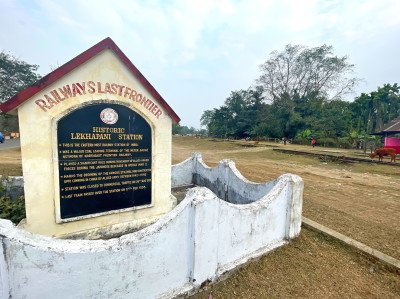
@@Sub Place Details: The Historic Lekhapani Station Tomb and the surrounding area represent a poignant chapter of World War II history. Lekhapani was the original starting point of the legendary Stilwell Road (also known as the Ledo Road), which was built to connect India to China through Burma. The "tomb" refers to the Lekhapani WWII Cemetery, a resting place for hundreds of Allied soldiers who died during the construction of this road. These soldiers, coming from America, Britain, China, and India, did not just fall in battle; many succumbed to the harsh conditions of the dense tropical jungles, including malaria, snake bites, and exhaustion. The cemetery features a central memorial mound, which is a mass burial site for those whose remains could not be individually identified. The Lekhapani Railway Station, now largely defunct, was once the last railhead for the Allied forces, where supplies were unloaded before being sent up the treacherous mountain passes. Walking through the site, one can feel the weight of history and the immense human sacrifice involved in what was called the "Man-A-Mile Road". The surrounding landscape is dominated by the Patkai Hills, which served as the backdrop for one of the most difficult engineering feats in military history. The site was rediscovered in the 1990s by the Assam Rifles after being swallowed by the jungle for decades. Today, it stands as a symbol of international cooperation and grit. The site is a "must-visit" for anyone interested in military history or the heritage of the North East. The quiet, somber atmosphere of the cemetery contrasts with the vibrant green tea gardens that now surround it, offering a place for reflection. It is a reminder of the global scale of the war and how even remote corners of Assam were central to the Allied victory in the Pacific Theater. :
Card image cap
Ledo

@@Sub Place Details: Ledo is a small but historically significant town in the Tinsukia district, famous for being the easternmost point of the Indian ...

@@Sub Place Details: Ledo is a small but historically significant town in the Tinsukia district, famous for being the easternmost point of the Indian Railways network. For many years, it held the title of the "Last Station of the East." Like its neighbor Lekhapani, Ledo is inseparable from the history of World War II. It served as the primary logistics hub for the Allied forces’ Burma Campaign. The town is the actual birthplace of the Ledo Road (Stilwell Road), where General Joseph Stilwell oversaw the beginning of the monumental project to bypass the Japanese-occupied Burma Road. Today, Ledo is also known for its rich coal deposits and the Ledo Colliery, which was one of the earliest coal mines in India. The town has a rugged, industrial charm with old steam-era infrastructure still visible in parts of the railway yard. The landscape is a mix of coal mine scars, lush tea gardens, and the rising foothills of the Patkai Range. For travelers, Ledo is the jumping-off point for more adventurous journeys into Arunachal Pradesh and toward the Pangsau Pass on the Myanmar border. The town’s culture is a fascinating blend of Assamese, Bengali, and various tribal communities like the Singpho and Tangsa. Visiting Ledo feels like standing on the edge of the frontier. The sight of coal-laden trucks and local trains creates an atmosphere of a town that has been working hard for over a century. It is also a place where you can find unique Singpho architecture and traditional rice-based cuisine. The nearby Tikak Colliery offers a panoramic view of the entire valley, which is a favorite for visitors. Ledo remains a symbol of resilience, both for its wartime role and its continued importance as an energy hub for the nation. :
Card image cap
Maguri Motapung Beel

Maguri Motapung Beel, often simply called Maguri Beel, is a vast, natural freshwater wetland and lake situated in the Tinsukia district of Assam, Indi...

Maguri Motapung Beel, often simply called Maguri Beel, is a vast, natural freshwater wetland and lake situated in the Tinsukia district of Assam, India. The term 'Beel' in the Assamese language means 'lake' or 'wetland,' and 'Maguri' is the local name for the walking catfish (though the fish population has reportedly declined). The wetland is a critical component of the greater Brahmaputra floodplain ecosystem, acting as an important habitat for a diverse array of flora and fauna. It is globally recognized as an Important Bird and Biodiversity Area (IBA), attracting ornithologists, nature lovers, and photographers from across the world. The Beel is connected to the Dibru River through a small channel, which eventually connects to the powerful Brahmaputra River. The sheer size, encompassing a surface area of about 9.6 square kilometers, creates a mosaic of habitats, including open water, reed beds, and adjacent grasslands, which support a remarkable variety of life. It serves not only as a natural sanctuary for wildlife but also as a vital resource for the local communities who rely on the ecosystem, primarily through traditional fishing and eco-tourism initiatives. The blend of tranquil waters, rich biodiversity, and the backdrop of the Upper Assam landscape makes it a unique destination.
Card image cap
Margherita Sunset Point

@@Sub Place Details: The Margherita Sunset Point is a breathtaking vantage point located on a small hillock overlooking the town. It offers a panorami...

@@Sub Place Details: The Margherita Sunset Point is a breathtaking vantage point located on a small hillock overlooking the town. It offers a panoramic view of the vast tea estates, the meandering Dihing River, and the distant Patkai mountain range. As the sun begins to dip below the horizon, the entire sky transforms into a canvas of orange, pink, and purple hues. This spot has become a popular gathering place for locals and tourists alike who seek a moment of tranquility. The cool breeze at this elevation provides relief from the humid plains below. It is an ideal place for reflection and appreciating the raw beauty of Upper Assam. The location is relatively quiet, away from the hustle of the main town area. Many visitors come here to witness the "Golden Hour" which is perfect for photography and nature watching. The point is easily accessible by a short drive or a light trek up the hill.
Card image cap
Margherita

@@Sub Place Details: Margherita is a beautiful sub-divisional town in the Tinsukia district of Assam. It is famously known as the Coal Queen because o...

@@Sub Place Details: Margherita is a beautiful sub-divisional town in the Tinsukia district of Assam. It is famously known as the Coal Queen because of the extensive coal mining operations carried out by North Eastern Coalfields. The town was named in honor of the Italian Queen Margherita of Savoy by the British engineers who built the local railway. It is surrounded by lush green tea gardens and dense tropical forests, making it a scenic delight for travelers. The Dihing River flows gracefully through the town, adding to its natural charm and ecological importance. It serves as a major industrial hub while maintaining its serene atmosphere. Visitors can explore the historical legacy of the colonial era reflected in the old bungalows and mining structures. The town is also a gateway to the Eastern Himalayas and provides a unique blend of industrial heritage and natural beauty.
Card image cap
Na-Pukhuri

Na-Pukhuri, literally meaning "Nine Ponds" in Assamese, is a prominent historical and recreational site located centrally in Tinsukia, Assam. This clu...
Na-Pukhuri, literally meaning "Nine Ponds" in Assamese, is a prominent historical and recreational site located centrally in Tinsukia, Assam. This cluster of ancient tanks is a significant remnant of the glorious Muttock Kingdom, which had its capital, Bengmara (the present-day Tinsukia), established in 1791 A.D. The ponds were commissioned by the last Muttock King, Swargadeo Sarbananda Singha, who reigned from 1788 to 1805 A.D. He was known for his benevolence and instructed the digging of 24 tanks across his kingdom, with Na-Pukhuri being the largest and most famous cluster. The central tank, which is the largest among the nine, covers an area of around 11.75 acres and is often referred to as a lake due to its natural water source and vast size. The area surrounding the ponds has been beautifully developed by the district administration into a lush green park, now officially known as Marut Nandan Kanan Park or Na-Pukhuri Park. This development was intended to preserve the historical significance of the site while transforming it into a popular spot for relaxation, recreation, and tourism. The park features manicured lawns, colorful flowering bushes, a monument dedicated as a tribute to the Muttock Kingdom, and well-maintained pathways. Visitors can enjoy the serene ambiance, which provides a peaceful escape from the hustle and bustle of the commercial town of Tinsukia. The site combines natural beauty with deep historical roots, making it a unique cultural landscape. The pond complex served practical purposes like water storage and fish farming for the kingdom but has now evolved into a symbol of Tinsukia's rich past. The efforts to maintain its cleanliness and enhance its facilities, like the jogging tracks and boating options in the central pond, have cemented its status as a vital part of the town's social and cultural life. The historical context, combined with the aesthetic development, makes Na-Pukhuri a must-visit place for both locals and tourists.
Card image cap
Paklongkam Waterfalls

Paklongkam Waterfalls, also referred to as Bhelughat Waterfall or Dikrutpi Waterfall, is a captivating natural wonder nestled deep within the pictures...
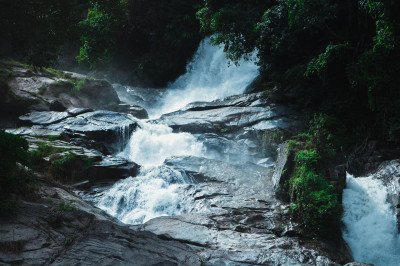
Paklongkam Waterfalls, also referred to as Bhelughat Waterfall or Dikrutpi Waterfall, is a captivating natural wonder nestled deep within the picturesque landscapes of Karbi Anglong, Assam. This enchanting cascade is a true hidden gem, offering a peaceful retreat away from the bustle of city life. The waterfall gracefully descends over rugged, moss-covered rocks, creating a mesmerizing spectacle and a soothing, rhythmic sound that permeates the dense forest. The surrounding area is characterized by lush greenery, vibrant tropical flora, and a tranquil atmosphere, making it an ideal destination for nature lovers, photographers, and those seeking adventure. Visitors are often drawn to the cool mist rising from the pool at the base of the falls, which is perfect for a refreshing dip, especially during the humid months. The sheer force of the water during the peak monsoon season transforms the falls into a powerful, breathtaking display of nature's raw beauty. The location acts as a perfect backdrop for picnicking and reflection. It embodies the untouched beauty of Northeast India's natural heritage, providing an authentic and pristine outdoor experience for travelers willing to venture off the beaten path. The limited commercialization adds to its charm, ensuring the environment remains largely unspoiled.
Card image cap
Rukmini Island

Rukmini Island, locally known as Rukmini Chapori, is a picturesque river island nestled in the mighty Brahmaputra River in Assam. The word 'Chapori' i...
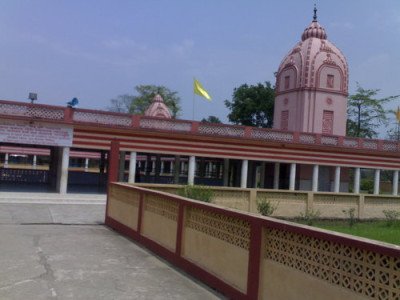
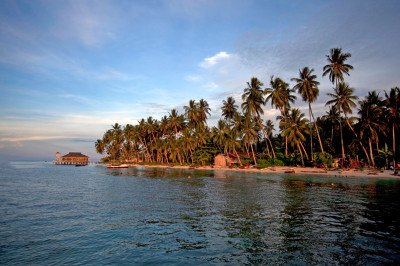
Rukmini Island, locally known as Rukmini Chapori, is a picturesque river island nestled in the mighty Brahmaputra River in Assam. The word 'Chapori' in Assamese refers to a sandbar or a small river island. This natural retreat offers a tranquil escape from the noise of city life, characterized by its lush greenery, vast sandbanks, and the calming flow of the river. It's a relatively untouched spot, and the minimal human intervention has helped maintain the sanctity of its delicate riverine ecosystem. The island is famed for its rich biodiversity, particularly its avian life, making it a paradise for ornithologists and nature lovers. It’s also known for the occasional sighting of the endangered Ganges River Dolphin. The name Rukmini is linked to local folklore, possibly deriving from a character in the Hindu epic Mahabharata, highlighting the region's deep cultural connections. Visitors mainly come here for picnicking, leisurely walks on the sandy beaches, and soaking in the undisturbed natural beauty. The experience offers a unique glimpse into the unhurried pace of life along the great river. Being a dynamic riverine island, its shape and size can slightly change with the seasonal flow of the Brahmaputra, especially during the heavy monsoon season, which adds to its enigmatic character. The island embodies the raw, untamed natural splendor of Northeast India. The local communities living nearby often practice traditional fishing and agriculture, offering a unique cultural experience to tourists.
Card image cap
Sadiya

@@Sub Place Details: Sadiya is a historic town located at the confluence of three major rivers: Lohit, Dibang, and Siang. It was once the capital of t...

@@Sub Place Details: Sadiya is a historic town located at the confluence of three major rivers: Lohit, Dibang, and Siang. It was once the capital of the Chutiya Kingdom and holds immense archaeological and cultural value. The most modern attraction here is the Bhupen Hazarika Setu, also known as the Dhola-Sadiya Bridge. Spanning 9.15 KMS, it is the second-longest bridge in India over water. The base of the bridge on the Sadiya side offers a magnificent view of the Brahmaputra’s vast expanse. The area is a symbolic link between Assam and Arunachal Pradesh. Historically, Sadiya was a major frontier post during the British era. Today, it is a peaceful region known for its rural charm and riverine landscape. The bridge has drastically reduced travel time and opened up the region for tourism. Visitors can witness the sheer scale of Indian engineering while standing amidst ancient history. The riverbanks are perfect for exploring the local ecosystem and witnessing the power of the mighty rivers.
Card image cap
Shiv Dham

Shiv Dham is a significant modern Hindu temple complex in Tinsukia, Assam, primarily dedicated to Lord Shiva. Unlike ancient temples, this is a relati...

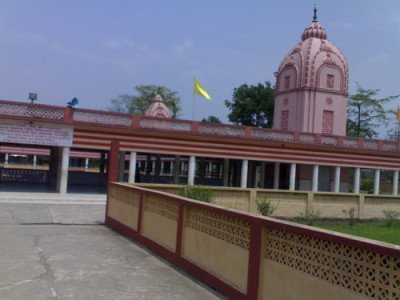
Shiv Dham is a significant modern Hindu temple complex in Tinsukia, Assam, primarily dedicated to Lord Shiva. Unlike ancient temples, this is a relatively new construction that has quickly risen to prominence as a spiritual and cultural beacon for devotees in Upper Assam. The temple's core spiritual focus is a majestic Shiva Lingam, the aniconic representation of Lord Shiva, housed in the central shrine. The architecture is a striking blend of traditional Hindu temple motifs and more contemporary building techniques, making it visually appealing and unique. The complex is not solely dedicated to Shiva; it also houses smaller shrines for other deities like Hanuman and Radha-Krishna, offering a complete devotional experience for Hindu pilgrims. A particularly notable feature is the large pond or water kund located within the premises, often containing fish and turtles, which is encircled by the temple's main structure or features a central deity statue. The surrounding area is designed to be tranquil, featuring lush greenery and spacious pathways that encourage meditation and quiet reflection away from the city's hustle. The temple's walls are adorned with beautiful, intricate wall paintings and carvings that vividly depict various stories and episodes from Hindu mythology, especially those related to Lord Shiva's life and cosmic role. The atmosphere here is one of deep reverence and peace, which intensifies dramatically during major festivals like Maha Shivaratri and the holy Shravan (or Saawan) month (July-August), when thousands of Kanvarias (devotees) throng the temple. The clean, well-maintained grounds and the spiritual energy of the place make Shiv Dham an important stop for both religious travellers and general tourists seeking cultural insight and serenity. The vision for constructing this haven was driven by local devotees who aimed to create a revered space for spiritual activities, and its meticulous design reflects this profound devotional intent. (Word Count: ~400 words)
Card image cap
Shiv Dham Tinsukia

@@Sub Place Details: Shiv Dham is one of the most prominent and beautiful temples in Tinsukia town. Dedicated to Lord Shiva, it is a center of spiritu...

@@Sub Place Details: Shiv Dham is one of the most prominent and beautiful temples in Tinsukia town. Dedicated to Lord Shiva, it is a center of spiritual energy and architectural beauty. The temple is famous for its large, white-colored statue of Lord Shiva sitting in a meditative pose. The temple complex is meticulously maintained with lush green gardens and water fountains. It provides a peaceful retreat for residents of the busy industrial town. During festivals, the temple is decorated with thousands of lights, creating a celestial atmosphere. The main sanctum houses a Shivalinga where devotees offer prayers daily. The temple also features various other deities and artistic depictions from Hindu mythology. It is not just a place of worship but also a landmark that reflects the religious harmony and cultural richness of the region. Visitors often spend time sitting in the gardens to soak in the tranquil vibes. The temple’s location in the heart of the town makes it easily accessible for everyone.
Card image cap
Thana Chariali

Thana Chariali serves as the bustling heart and central commercial hub of Tinsukia town in Upper Assam. The name literally translates to "Police Stati...
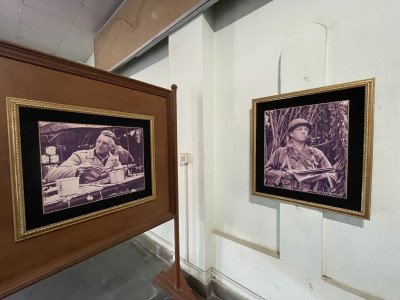
Thana Chariali serves as the bustling heart and central commercial hub of Tinsukia town in Upper Assam. The name literally translates to "Police Station Chowk/Junction," derived from "Thana" (Police Station) and "Chariali" (a four-way junction in Assamese). This busy intersection is where the pulse of the town is most palpable, acting as the primary point of convergence for trade, transport, and daily civic life. It is not a traditional tourist monument but an essential landmark that defines the town's geography and economy. The area is characterized by a high density of shops, banks, government offices, commercial complexes, and food establishments. It perfectly showcases the urban life of a major commercial town in Assam. The continuous movement of vehicles—from local auto-rickshaws (known as Totos or Vikrams) to buses and trucks—underscores its strategic importance as a transit corridor connecting different parts of the district. For any visitor trying to navigate Tinsukia, Thana Chariali is the undisputed reference point. The immediate vicinity includes institutions like the main police station, various corporate offices, and older established businesses, giving it a blend of civic authority and commercial enterprise. While many other spots in the district offer natural beauty or historical ruins, Thana Chariali offers a look into the vibrant, modern-day economic engine of Tinsukia, making it a cultural experience in its own right. It is particularly lively during the evenings when the markets are most active, and the junction lights up, providing a stark contrast to the surrounding quiet tea gardens and natural reserves that Tinsukia is also famous for.
Card image cap
The Stilwell Road

@@Sub Place Details: The Stilwell Road, originally known as the Ledo Road, is a historic highway built during World War II. It starts from Ledo in Ass...

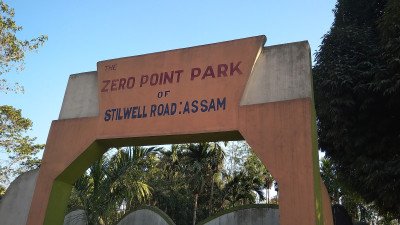
@@Sub Place Details: The Stilwell Road, originally known as the Ledo Road, is a historic highway built during World War II. It starts from Ledo in Assam and was designed to connect British India with Kunming, China, to supply the Allied forces. The road was built under the direction of General Joseph Stilwell and is a testament to the extreme sacrifices made by soldiers and laborers. It is often called the "Man-a-Mile Road" because of the high number of lives lost during its construction through treacherous jungles and mountains. The Ledo portion marks the beginning of this 1,736 KM long route. Today, it stands as a significant historical monument and a symbol of international cooperation during the war. Traveling along this road feels like a journey back in time, with old bridges and milestones still visible. The surrounding landscape of dense forests and tea gardens adds a dramatic backdrop to this historical route. It is a must-visit for history buffs and those interested in the military history of the South East Asian theater.
Card image cap
Tilinga Mandir

The Tilinga Mandir, literally meaning the Bell Temple in Assamese, is a highly revered Lord Shiva temple located in Bordubi, a small town near Tinsuki...
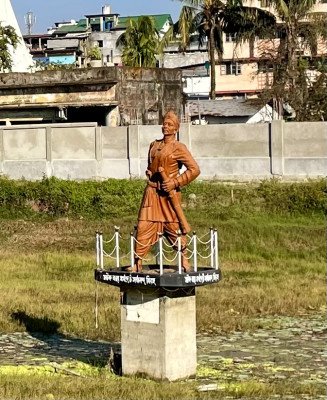
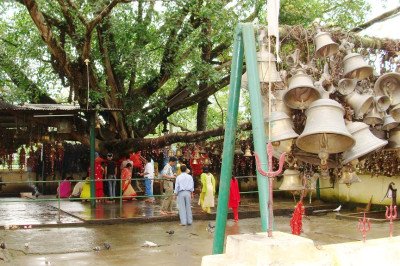
The Tilinga Mandir, literally meaning the Bell Temple in Assamese, is a highly revered Lord Shiva temple located in Bordubi, a small town near Tinsukia in Upper Assam. The temple is renowned worldwide for the extraordinary number of bells, in various shapes, sizes, and metals like brass, copper, and aluminum, that are tied to a gigantic Peepal (Banyan) tree within the complex and also hung around the temple premises. The temple is nearly half a century old, with its origin tracing back to 1965. Legend states that tea garden workers in the area observed a Shiva Lingam naturally emerging from the ground near the Peepal tree. This divine occurrence led the local administrators to construct a small temple at the site. The unique tradition of offering bells stems from a strong local belief. Devotees come here to pray to Lord Shiva for the fulfillment of a wish, and upon the wish being granted, they return to tie a bell (tilinga) to the tree or the temple structure as a token of gratitude and answered prayer. Alongside bells, devotees also frequently offer trishuls (Lord Shiva's trident) or pigeons. The continuous stream of offerings has led to an incredible collection of bells, making it a unique and spiritually captivating site. Some bells weigh as little as 50 grams while others can be as heavy as 55 kilograms. This vast collection has earned the temple a mention in the Limca Book of World Records for hosting the largest number of bells. The temple environment is serene, surrounded by the lush green expanse of tea gardens, offering a tranquil escape for spiritual seekers and tourists alike. The mystical power attributed to the temple and the visual spectacle of the thousands of bells make it a must-visit destination in Tinsukia.
Card image cap
Tinikunia Pukhuri

Tinikunia Pukhuri, literally translating to the "Triangular Pond" (from the Assamese words Tini meaning three, and Kunia meaning corner/angle, and Puk...

Tinikunia Pukhuri, literally translating to the "Triangular Pond" (from the Assamese words Tini meaning three, and Kunia meaning corner/angle, and Pukhuri meaning pond), is a water body with immense historical and cultural significance located right in the heart of Tinsukia town. The name of the entire town of Tinsukia itself is directly derived from this distinctive pond. Historically, the area was known as Bengmora, the capital of the Muttack Kingdom founded by Swargadeo Sarbananda Singha in the late 18th century. The pond was dug around 1791 A.D. under the direction of King Sarbananda Singha by his minister, Gopinath Barbaruah (also known as Godha Baruah), as part of a benevolence initiative that saw the construction of many tanks. The pond's unusual triangular shape is its defining feature, setting it apart from other water bodies in the region. The king had instructed the minister to dig a pond with three corners, which became this landmark. In 1884, when the British-era Dibru-Sadiya Railway line was constructed, a railway station was established near this famous triangular pond. The station, and subsequently the growing settlement, was named Tinsukia after the pond, immortalizing its unique shape and historical importance. Over the years, the area around the pond has developed, and while the original pond exists, the surrounding space has often been developed into a park or a recreational area, sometimes mistakenly conflated with the nearby, larger cluster of nine ponds known as Na-Pukhuri. However, the Tinikunia Pukhuri remains the specific, triangular pond that gave the town its name and is a quiet testament to the legacy of the Muttack Kingdom. It serves as a reminder of the city's ancient roots before it grew into the modern commercial hub it is today.
Show All

Note:-

Information provided here in good Faith and for reference only.

All information and pictures will be updated soon, please keep visiting.

Near Places

...
Agnigarh

Some quick example text to build on the card title and make up the bulk of the card's content.

Go somewhere
...
Barpeta

Some quick example text to build on the card title and make up the bulk of the card's content.

Go somewhere
...
Bhalukpong

Some quick example text to build on the card title and make up the bulk of the card's content.

Go somewhere
...
Dibrugarh

Some quick example text to build on the card title and make up the bulk of the card's content.

Go somewhere
...
Digboi

Some quick example text to build on the card title and make up the bulk of the card's content.

Go somewhere
...
Diphu

Some quick example text to build on the card title and make up the bulk of the card's content.

Go somewhere
...
Dispur

Some quick example text to build on the card title and make up the bulk of the card's content.

Go somewhere
...
Exploring Guwahati

Some quick example text to build on the card title and make up the bulk of the card's content.

Go somewhere
...
Goalpara

Some quick example text to build on the card title and make up the bulk of the card's content.

Go somewhere
...
Guwahati

Some quick example text to build on the card title and make up the bulk of the card's content.

Go somewhere
in Other Cities