

Pragpur
General information
-
Ideal Duration:
2 DaysPlace Type:
Heritage Village & RetreatEntry Fees:
Village Access: There is no entry fee to enter or walk around the heritage village of Pragpur.
Photography Charges: While street photography is free, some private havelis may charge a small fee for interior photos.
Read MoreVillage Access: There is no entry fee to enter or walk around the heritage village of Pragpur.
Photography Charges: While street photography is free, some private havelis may charge a small fee for interior photos.
Hotel Tours: Heritage hotels like Judge's Court may charge for guided tours if you are not a resident guest.Timing:
Standard Timings: The village is a living community, so it is accessible 24/7, but shops are open from 9 AM to 7 PM.
Best Visiting Hours: Early mornings and late afternoons are the best for walking when the light is soft and the air is cool....Standard Timings: The village is a living community, so it is accessible 24/7, but shops are open from 9 AM to 7 PM.
Best Visiting Hours: Early mornings and late afternoons are the best for walking when the light is soft and the air is cool.
Seasonal Timing: Avoid the peak monsoon as the cobblestones can be slippery and the area receives heavy rain.Special Events:
Lohri Festival: Celebrated with great pomp in January, where the entire village gathers around huge bonfires to sing traditional songs.
Village Fairs: Periodic local melas showcase Kangra folk dances and traditional wrestling matches (Dangal...Lohri Festival: Celebrated with great pomp in January, where the entire village gathers around huge bonfires to sing traditional songs.
Village Fairs: Periodic local melas showcase Kangra folk dances and traditional wrestling matches (Dangal).Best Photo Spots:
Cobblestone Lanes: The perspective of the narrow stone-paved streets with old houses on both sides is a classic shot.
The Taal at Dawn: Capture the reflection of the surrounding heritage buildings in the still water of the central pond.
...Cobblestone Lanes: The perspective of the narrow stone-paved streets with old houses on both sides is a classic shot.
The Taal at Dawn: Capture the reflection of the surrounding heritage buildings in the still water of the central pond.
Orchard Blooms: During spring, the flowering fruit trees in the surrounding orchards provide a soft, colorful background.Photo Gallery
Things To Do
 Kaleshwar Mahadev Temple, also known as Maha Rudra, is a highly revered shrine dedicated to Lord Shiva, located at the confluence of the Beas River. The temple is unique because its primary Shiva Lingam is situated below ground level, a rarity in Hindu architecture. According to local folklore, the Pandavas began the construction of this temple during their exile, and it was later completed by the rulers of the Katoch dynasty. The site is considered as sacred as Haridwar; it is believed that performing last rites or bathing in the river here during the month of Shravan brings immense spiritual merit. The temple's proximity to the flowing river creates a meditative atmosphere, with the sound of water providing a natural background to the chants of priests. During the monsoon, the river levels often rise to touch the temple steps, which is considered an auspicious event where the river "performs Abhishekam" for the Lord.
Bir Billing is a world-renowned destination for aero-sports and Tibetan culture, consisting of the takeoff site at Billing and the landing site at Bir. Known as the "Paragliding Capital of India," it hosted the first-ever Paragliding World Cup in India. The altitude difference of about 1000 meters between the two spots creates perfect thermals for long-duration flights. Beyond adventure, Bir is a significant center for Tibetan refugees, housing several stunning monasteries like Chokling and Sherab Ling. The town has a distinct bohemian vibe, with cozy cafes, organic stores, and a slow pace of life that attracts backpackers from across the globe. The Bir Tea Factory provides a glimpse into the local economy, producing high-quality tea leaves. The landscape is a mix of dense pine forests, rolling tea gardens, and the towering Dhauladhar mountains. The Tibetan Colony in Bir is the heart of the town, where one can hear the sounds of prayer wheels and gongs. The community is deeply spiritual, offering courses in meditation and Buddhist philosophy at centers like the Deer Park Institute. For trekkers, the trail from Bir to Billing is a rewarding climb through oak and rhododendron forests. The town also serves as a gateway to the remote Rajgundha valley. The climate is temperate, making it a year-round destination, though the flying season is most active in autumn. The blend of adrenaline-pumping adventure and soulful spiritualism makes Bir Billing a unique gem in the Himachal crown. It is a place where you can soar like a bird in the morning and find inner peace in a monastery by the afternoon.
@@History and Grandeur: The Butail Niwas is a magnificent century-old mansion, a prominent structure within the Pragpur Heritage Village. Built by Lala Buta Mal, a descendent of the prosperous Chaujjar Sood clan, it reflects the mercantile success of the community who established and developed Pragpur. Its construction, designed to house Lala Buta Mal's six sons, features six identical apartments built around a central sunken courtyard. The courtyard is a masterpiece of passive cooling, as it would historically be flooded with water during the hot summer months to naturally regulate the temperature of the surrounding building. @@Cultural Significance: The Niwas stands as a testament to the blend of architectural influences and the high standards of living maintained by the local gentry in the late 19th and early 20th centuries. It is one of the key points of the heritage walk, symbolizing the wealth and architectural ambition of the Sood families who invested their fortunes back into their ancestral village. The conservation of this privately-owned property contributes significantly to Pragpur's status as India's First Heritage Village.:
Nadaun is a historical gem nestled on the left bank of the Beas River in the Hamirpur district. Once the summer capital of the princely state of Kangra under the reign of Maharaja Sansar Chand, the town carries an aura of royal nostalgia. The name Nadaun is often associated with the phrase "Aaye Nadaun, Jaye Kaun," meaning "Who comes to Nadaun would never want to leave," highlighting its irresistible charm. Historically, it is significant for the Battle of Nadaun in 1691, where Guru Gobind Singh and the hill rajas defeated the Mughal forces. The town is a melting pot of spirituality, with the presence of the Gurudwara Dashmesh Asthan and the ancient Bilkaleshwar Mahadev Temple. The riverside setting provides a serene backdrop for those looking to escape the hustle of urban life. As you walk through the narrow lanes of the old bazaar, you encounter traditional shops and friendly locals who take pride in their heritage. The local culture is vibrant, reflected in the folk songs and the simple lifestyle of the people. Nadaun also serves as a gateway to several pilgrimage sites and is known for its high literacy rate and agricultural richness. The town's economy is bolstered by its position on the national highway, making it a bustling hub for trade. For history buffs, the ruins of the Nadaun Fort offer a glimpse into the strategic importance of this region in the 18th century. The lush green surroundings and the rhythmic sound of the Beas River flowing nearby create a meditative atmosphere. Visitors often spend hours by the riverbank, watching the sunset or observing the local fishermen. The blend of historical significance, religious sanctity, and natural beauty makes Nadaun a must-visit destination for anyone exploring the Kangra and Hamirpur regions of Himachal Pradesh.:
Kaleshwar Mahadev Temple, also known as Maha Rudra, is a highly revered shrine dedicated to Lord Shiva, located at the confluence of the Beas River. The temple is unique because its primary Shiva Lingam is situated below ground level, a rarity in Hindu architecture. According to local folklore, the Pandavas began the construction of this temple during their exile, and it was later completed by the rulers of the Katoch dynasty. The site is considered as sacred as Haridwar; it is believed that performing last rites or bathing in the river here during the month of Shravan brings immense spiritual merit. The temple's proximity to the flowing river creates a meditative atmosphere, with the sound of water providing a natural background to the chants of priests. During the monsoon, the river levels often rise to touch the temple steps, which is considered an auspicious event where the river "performs Abhishekam" for the Lord.
Bir Billing is a world-renowned destination for aero-sports and Tibetan culture, consisting of the takeoff site at Billing and the landing site at Bir. Known as the "Paragliding Capital of India," it hosted the first-ever Paragliding World Cup in India. The altitude difference of about 1000 meters between the two spots creates perfect thermals for long-duration flights. Beyond adventure, Bir is a significant center for Tibetan refugees, housing several stunning monasteries like Chokling and Sherab Ling. The town has a distinct bohemian vibe, with cozy cafes, organic stores, and a slow pace of life that attracts backpackers from across the globe. The Bir Tea Factory provides a glimpse into the local economy, producing high-quality tea leaves. The landscape is a mix of dense pine forests, rolling tea gardens, and the towering Dhauladhar mountains. The Tibetan Colony in Bir is the heart of the town, where one can hear the sounds of prayer wheels and gongs. The community is deeply spiritual, offering courses in meditation and Buddhist philosophy at centers like the Deer Park Institute. For trekkers, the trail from Bir to Billing is a rewarding climb through oak and rhododendron forests. The town also serves as a gateway to the remote Rajgundha valley. The climate is temperate, making it a year-round destination, though the flying season is most active in autumn. The blend of adrenaline-pumping adventure and soulful spiritualism makes Bir Billing a unique gem in the Himachal crown. It is a place where you can soar like a bird in the morning and find inner peace in a monastery by the afternoon.
@@History and Grandeur: The Butail Niwas is a magnificent century-old mansion, a prominent structure within the Pragpur Heritage Village. Built by Lala Buta Mal, a descendent of the prosperous Chaujjar Sood clan, it reflects the mercantile success of the community who established and developed Pragpur. Its construction, designed to house Lala Buta Mal's six sons, features six identical apartments built around a central sunken courtyard. The courtyard is a masterpiece of passive cooling, as it would historically be flooded with water during the hot summer months to naturally regulate the temperature of the surrounding building. @@Cultural Significance: The Niwas stands as a testament to the blend of architectural influences and the high standards of living maintained by the local gentry in the late 19th and early 20th centuries. It is one of the key points of the heritage walk, symbolizing the wealth and architectural ambition of the Sood families who invested their fortunes back into their ancestral village. The conservation of this privately-owned property contributes significantly to Pragpur's status as India's First Heritage Village.:
Nadaun is a historical gem nestled on the left bank of the Beas River in the Hamirpur district. Once the summer capital of the princely state of Kangra under the reign of Maharaja Sansar Chand, the town carries an aura of royal nostalgia. The name Nadaun is often associated with the phrase "Aaye Nadaun, Jaye Kaun," meaning "Who comes to Nadaun would never want to leave," highlighting its irresistible charm. Historically, it is significant for the Battle of Nadaun in 1691, where Guru Gobind Singh and the hill rajas defeated the Mughal forces. The town is a melting pot of spirituality, with the presence of the Gurudwara Dashmesh Asthan and the ancient Bilkaleshwar Mahadev Temple. The riverside setting provides a serene backdrop for those looking to escape the hustle of urban life. As you walk through the narrow lanes of the old bazaar, you encounter traditional shops and friendly locals who take pride in their heritage. The local culture is vibrant, reflected in the folk songs and the simple lifestyle of the people. Nadaun also serves as a gateway to several pilgrimage sites and is known for its high literacy rate and agricultural richness. The town's economy is bolstered by its position on the national highway, making it a bustling hub for trade. For history buffs, the ruins of the Nadaun Fort offer a glimpse into the strategic importance of this region in the 18th century. The lush green surroundings and the rhythmic sound of the Beas River flowing nearby create a meditative atmosphere. Visitors often spend hours by the riverbank, watching the sunset or observing the local fishermen. The blend of historical significance, religious sanctity, and natural beauty makes Nadaun a must-visit destination for anyone exploring the Kangra and Hamirpur regions of Himachal Pradesh.: Chintpurni Mata Temple is a major pilgrimage center dedicated to Mata Chhinnamastika, the goddess who grants wishes and removes all worries (Chinta). It is one of the 51 Shakti Peeths where the feet of Sati fell. The temple is situated on the highest peak of the Sola Singhi range of the Shivalik hills. Legends say that a Brahmin named Mai Das established the temple after a divine vision. The temple is unique as the deity is worshipped in the form of a Pindi (round stone). It attracts millions of devotees from Punjab, Haryana, and Delhi throughout the year. The vibration of the "Jai Mata Di" chants creates an electric spiritual atmosphere.
@@History and Conversion: The Judge's Court is a distinguished brick-red mansion, originally built in 1918 by the grandfather of the current owner, Justice Sir Jai Lal, the second Indian to become a Judge of the Punjab High Court. After years of disuse, it was meticulously restored and converted into a classified Heritage Hotel by his grandson, Mr. Vijai Lal. It is one of the most prominent landmarks of the Pragpur Heritage Zone, situated slightly away from the dense village core amidst 12 acres of lush greens and orchards. @@Architectural Style: The mansion showcases a distinct Anglo-Indian style of architecture, reflecting the colonial influences prevalent in the early 20th-century elite residences, blended with local Himachali elements. It serves as an excellent example of the lifestyle of the influential families of the region during the British Raj era, preserving a unique slice of history and colonial-era good living.:
Chintpurni Mata Temple is a major pilgrimage center dedicated to Mata Chhinnamastika, the goddess who grants wishes and removes all worries (Chinta). It is one of the 51 Shakti Peeths where the feet of Sati fell. The temple is situated on the highest peak of the Sola Singhi range of the Shivalik hills. Legends say that a Brahmin named Mai Das established the temple after a divine vision. The temple is unique as the deity is worshipped in the form of a Pindi (round stone). It attracts millions of devotees from Punjab, Haryana, and Delhi throughout the year. The vibration of the "Jai Mata Di" chants creates an electric spiritual atmosphere.
@@History and Conversion: The Judge's Court is a distinguished brick-red mansion, originally built in 1918 by the grandfather of the current owner, Justice Sir Jai Lal, the second Indian to become a Judge of the Punjab High Court. After years of disuse, it was meticulously restored and converted into a classified Heritage Hotel by his grandson, Mr. Vijai Lal. It is one of the most prominent landmarks of the Pragpur Heritage Zone, situated slightly away from the dense village core amidst 12 acres of lush greens and orchards. @@Architectural Style: The mansion showcases a distinct Anglo-Indian style of architecture, reflecting the colonial influences prevalent in the early 20th-century elite residences, blended with local Himachali elements. It serves as an excellent example of the lifestyle of the influential families of the region during the British Raj era, preserving a unique slice of history and colonial-era good living.: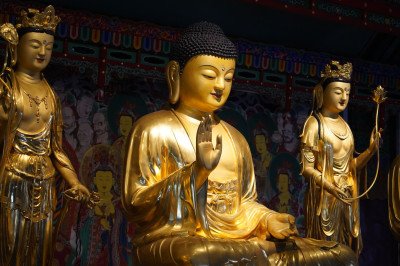 Tashi Jong Khampagar Monastery is a serene Tibetan Buddhist complex located in the lush Kangra Valley. Established in the late 1960s by the 8th Khamtrul Rinpoche, it serves as a vital center for the Drukpa Kagyu tradition. The name 'Tashi Jong' translates to 'Auspicious Valley', and the monastery lives up to this name by providing a tranquil haven for monks, laypeople, and spiritual seekers. It is much more than a religious site; it is a self-sustained community where Tibetan culture, art, and ancient yogic practices are meticulously preserved. The monastery is particularly famous for its 'Tokdens'—highly realized yogis who live in the retreat center and follow rigorous meditation and ascetic practices. The complex features a magnificent main temple, stupas, and a craft emporium where traditional Tibetan handicrafts are made by the residents. The atmosphere is permeated with the scent of incense and the low hum of chanting monks, offering an immediate sense of peace to anyone who enters. Surrounded by sprawling tea gardens and the towering peaks of the Dhauladhar range, the monastery is a perfect example of how spiritual architecture can harmonize with nature. Visitors are welcome to sit in the prayer halls, observe the rituals, and explore the beautiful gardens. The community at Tashi Jong is known for its warmth and hospitality, often sharing insights into their way of life with respectful visitors. For those looking for an authentic Tibetan experience away from the more crowded tourist hubs like McLeod Ganj, Tashi Jong offers a deeper, more intimate look into the monastic traditions and the resilient spirit of the Tibetan people in exile.:Show All
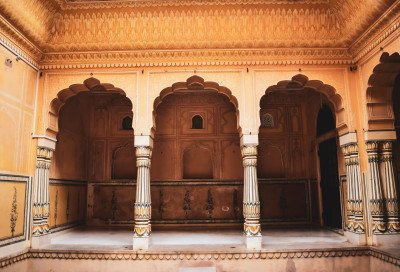 Haripur Fort, located on the banks of the Banganga River, is a historic citadel founded by Raja Hari Chand in the 15th century. Legend states the King fell into a dry well during a hunt and was presumed dead, but later emerged to build this new kingdom. It served as the capital of the Guler state, which is globally renowned as the birthplace of the Kangra School of Miniature Painting. The fort offers a panoramic view of the Dhauladhar range and the surrounding wetlands, which are home to many migratory birds. Although in a state of ruin, the fort remains a vital cultural landmark that reflects the glorious past of the Katoch dynasty. Visitors can explore ancient carvings and remnants of royal chambers that still whisper tales of medieval bravery.
Information
-
Why Famous:
Heritage Village Status: Pragpur is famous for being the first village in India to receive formal heritage status from the government. Its preservation of 16th-century urban planning and domestic architecture is a case study for historians and architects.
Read MoreHeritage Village Status: Pragpur is famous for being the first village in India to receive formal heritage status from the government. Its preservation of 16th-century urban planning and domestic architecture is a case study for historians and architects.
The Judge's Court: This restored ancestral manor is one of India's finest heritage hotels. It is famous for its elegant colonial design and for hosting royalty and dignitaries from around the world.Architecture:
Fusion Architecture: The village features a unique blend of Kangra, Rajput, Mughal, and even British colonial architectural styles. Many mansions are built using sun-dried bricks and slate roofs, with intricate wood carvings on doors and windows. The "Judge’s Court," a f...Fusion Architecture: The village features a unique blend of Kangra, Rajput, Mughal, and even British colonial architectural styles. Many mansions are built using sun-dried bricks and slate roofs, with intricate wood carvings on doors and windows. The "Judge’s Court," a famous manor, showcases an Anglo-Indian style with a 300-year-old history. Most havelis have large central courtyards and thick walls designed to keep the interiors cool during the summer months.
Cobblestone Streets: The layout of the village is defined by narrow, winding streets paved with river stones (cobblestones). These streets were designed to facilitate drainage and provide a durable surface for foot and animal traffic. The dimensions of these paths are intimate, creating a cozy and secure environment within the village core.How To Reach:
By Air: Gaggal Airport in Dharamshala is the nearest, approximately 45 KMS away, with flights from Delhi.
By Train: The nearest broad-gauge railway station is Pathankot (60 KMS), or the narrow-gauge station at Guler (15 KMS).By Air: Gaggal Airport in Dharamshala is the nearest, approximately 45 KMS away, with flights from Delhi.
By Train: The nearest broad-gauge railway station is Pathankot (60 KMS), or the narrow-gauge station at Guler (15 KMS).
By Road: Well-connected by road from Chandigarh (170 KMS) and Dharamshala (60 KMS); taxis are easily available.
Local Transport: The village is best explored on foot; for nearby areas, local buses and hired taxis are the primary options.Weather and Best Time to Visit:
Spring (March to April): The best time when the orchards are in full bloom and the weather is perfect for walking.
Winter (October to February): Sunny days and cold nights; the clear sky offers great views of the Dhauladhar peaks.
<...Spring (March to April): The best time when the orchards are in full bloom and the weather is perfect for walking.
Winter (October to February): Sunny days and cold nights; the clear sky offers great views of the Dhauladhar peaks.
Summer (May to June): It can get warm during the day, but the thick walls of the heritage buildings keep the interiors cool.Near Tourist Places:
1. Garli (4 KMS), 2. Jwalamukhi Temple (20 KMS), 3. Kangra Fort (45 KMS), 4. Dharamshala (60 KMS), 5. McLeod Ganj (65 KMS), 6. Masroor Rock Cut Temple (50 KMS), 7. Palampur (80 KMS), 8. Chintpurni Temple (30 KMS), 9. Nadaun (20 KMS), 10. Guler (15 KMS)Tourism Tips
-
Health and Safety: Pragpur is extremely safe; just watch your step on the uneven cobblestone paths.
Packing Tips: Comfortable walking shoes are a must; carry light woolens for the evenings even in shoulder seasons.
Read MoreHealth and Safety: Pragpur is extremely safe; just watch your step on the uneven cobblestone paths.
Packing Tips: Comfortable walking shoes are a must; carry light woolens for the evenings even in shoulder seasons.
Accommodation: Book heritage stays in advance as they have limited rooms; homestays offer a more local experience.
Cultural Sensitivity: Respect the privacy of the residents; always ask for permission before photographing individuals or their homes.Reviews
FAQs
Pragpur Itineray And Cost:-
Information about New and Updated Locations() of Himachal Pradesh Has Been Added :-
Card subtitle
Note:-
Information provided here in good Faith and for reference only.
All information and pictures will be updated soon, please keep visiting.
Near Places

Anandpur Sahib
Some quick example text to build on the card title and make up the bulk of the card's content.
Go somewhere
Bhuntar
Some quick example text to build on the card title and make up the bulk of the card's content.
Go somewhere
Bir Billing
Some quick example text to build on the card title and make up the bulk of the card's content.
Go somewhere
Chail
Some quick example text to build on the card title and make up the bulk of the card's content.
Go somewhere
Chamba
Some quick example text to build on the card title and make up the bulk of the card's content.
Go somewhere
Dalhousie
Some quick example text to build on the card title and make up the bulk of the card's content.
Go somewhere
Dharamshala
Some quick example text to build on the card title and make up the bulk of the card's content.
Go somewhere
Fagu
Some quick example text to build on the card title and make up the bulk of the card's content.
Go somewhere
Hamirpur
Some quick example text to build on the card title and make up the bulk of the card's content.
Go somewhere
Joginder Nagar
Some quick example text to build on the card title and make up the bulk of the card's content.
Go somewherein Other Cities