

Sualkuchi
General information
-
Ideal Duration:
1 DayPlace Type:
Heritage & Craft VillageEntry Fees:
Main Place Entry Fees:
No General Entry Fee: Exploring the village and workshops is free for all visitors. However, a small donation of 20 INR to 50 INR is appreciated at local temples. Museums may charge a nominal fee of 10 INR for mainten...Main Place Entry Fees:
No General Entry Fee: Exploring the village and workshops is free for all visitors. However, a small donation of 20 INR to 50 INR is appreciated at local temples. Museums may charge a nominal fee of 10 INR for maintenance and upkeep.Timing:
Main Place Timings:
Regular Timings: Most workshops operate from 8:00 AM to 6:00 PM daily. Markets are busiest between 10:00 AM and 5:00 PM.
Ideal Visit Time: Early morning is best to see the weavers startin...Main Place Timings:
Regular Timings: Most workshops operate from 8:00 AM to 6:00 PM daily. Markets are busiest between 10:00 AM and 5:00 PM.
Ideal Visit Time: Early morning is best to see the weavers starting their day without the midday heat.Special Events:
Main Place Special Event:
Raas Mahotsava: Celebrated in November, this festival turns the village into a theatrical stage. It features colorful processions, mask dances, and traditional plays depicting the life of Lord Krishna.Main Place Special Event:
Raas Mahotsava: Celebrated in November, this festival turns the village into a theatrical stage. It features colorful processions, mask dances, and traditional plays depicting the life of Lord Krishna.
Doul Yatra: Also known as the festival of colors, it is celebrated with great fervor and local folk music.Best Photo Spots:
Main Place Best Photo Spots:
The Weaving Looms: The most iconic shot is of a weaver working with golden Muga threads. The intricate patterns and mechanical movements make for dynamic cultural photography.
Brahma...Main Place Best Photo Spots:
The Weaving Looms: The most iconic shot is of a weaver working with golden Muga threads. The intricate patterns and mechanical movements make for dynamic cultural photography.
Brahmaputra Sunset: The riverbanks offer a spectacular view of the sun setting over the water. The golden hour perfectly complements the golden silk of the village.Photo Gallery
Things To Do
 @@General Overview: Sualkuchi is globally renowned as the "Silk Village of Assam," a place where the rhythmic clatter of handlooms has defined life for centuries. Every household in this quaint village is involved in the art of weaving, producing some of the finest silks in the world, including the golden Muga, the ivory Pat, and the warm Eri. Walking through the narrow lanes of Sualkuchi is like stepping back in time, where traditional knowledge is passed down from one generation to the next. The village is not just an industrial hub but a living museum of Assamese heritage. The artisans here are masters of their craft, creating intricate designs inspired by local flora and fauna, such as the peacock and the 'Japi' (traditional hat). The economy of the entire region is built around this cottage industry, which gained significant recognition during the Ahom dynasty. Visitors are often welcomed into the workshops, known as 'Karkhanas,' to witness the painstaking process of turning raw silk into magnificent garments like the Mekhela Chador. The social fabric of Sualkuchi is deeply intertwined with weaving, and the pride the locals take in their work is evident in every thread. The village has received numerous awards for its contribution to tourism and heritage preservation. Beyond the silk, Sualkuchi offers a glimpse into the harmonious lifestyle of rural Assam, with its traditional houses, ponds, and community prayer halls (Namghars). A visit here is an immersive cultural experience that connects the traveler with the soul of Assam's textile tradition. @@Economic Impact: The village provides employment to thousands of weavers and contributes significantly to the state's export revenue through its unique silk products.
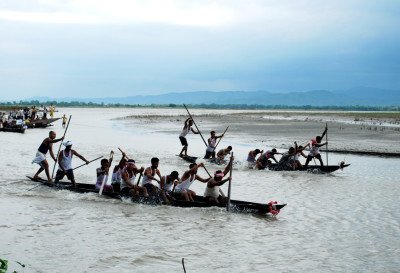 The Brahmaputra River Bank in Sualkuchi is the soul of the weaving community. The river provides the humidity necessary for handling delicate silk threads. The bank is lined with ancient trees and small shrines. It is a place of daily activity where fishermen cast their nets in the early morning. The rhythmic sound of the water complements the "click-clack" of looms from nearby houses. Walking along the bank, one can see the life of the "Manchester of the East" unfolding. The river here is wide and calm, creating a sense of timelessness. During the Manas festival, the banks become a hub of religious activity. The silt deposited by the river makes the surrounding lands fertile for the "Muga" host plants. It is not just a water body but a cultural entity for the people of Sualkuchi. The view of the distant blue hills across the water is a constant companion. Many visitors take a boat ride to experience the river's scale. It is the perfect place to understand the connection between nature and craft.
Raj Ghat in Sualkuchi is a serene, sacred bathing and ceremonial site (ghat) located on the north bank of the majestic Brahmaputra River. Unlike the famous Raj Ghat in Delhi (a memorial to Mahatma Gandhi), this local spot is a place of peaceful reflection and ritual, central to the life of the silk-weaving village of Sualkuchi. The ghat provides a crucial connection for the community to the river, which is not only a lifeline for transport and water but also a deeply revered spiritual entity in Assam. It is a place where locals often come for a morning dip, to perform religious rites, or simply to watch the powerful currents of the great river. The atmosphere is notably calm and tranquil, offering a stark contrast to the busy handloom workshops in the main village. It is a meeting point for various local events, particularly those involving the river, and its steps lead directly into the water, making it a focal point for the community's connection to the Brahmaputra. It is particularly significant for its role in local ceremonies and processions, sometimes serving as a final destination for immersing ashes, as was done for a local maestro. The ghat's simplicity, with its steps and surrounding view, underscores the grounded, rustic charm of Sualkuchi as a whole, providing a perfect natural retreat.
The Brahmaputra River Bank in Sualkuchi is the soul of the weaving community. The river provides the humidity necessary for handling delicate silk threads. The bank is lined with ancient trees and small shrines. It is a place of daily activity where fishermen cast their nets in the early morning. The rhythmic sound of the water complements the "click-clack" of looms from nearby houses. Walking along the bank, one can see the life of the "Manchester of the East" unfolding. The river here is wide and calm, creating a sense of timelessness. During the Manas festival, the banks become a hub of religious activity. The silt deposited by the river makes the surrounding lands fertile for the "Muga" host plants. It is not just a water body but a cultural entity for the people of Sualkuchi. The view of the distant blue hills across the water is a constant companion. Many visitors take a boat ride to experience the river's scale. It is the perfect place to understand the connection between nature and craft.
Raj Ghat in Sualkuchi is a serene, sacred bathing and ceremonial site (ghat) located on the north bank of the majestic Brahmaputra River. Unlike the famous Raj Ghat in Delhi (a memorial to Mahatma Gandhi), this local spot is a place of peaceful reflection and ritual, central to the life of the silk-weaving village of Sualkuchi. The ghat provides a crucial connection for the community to the river, which is not only a lifeline for transport and water but also a deeply revered spiritual entity in Assam. It is a place where locals often come for a morning dip, to perform religious rites, or simply to watch the powerful currents of the great river. The atmosphere is notably calm and tranquil, offering a stark contrast to the busy handloom workshops in the main village. It is a meeting point for various local events, particularly those involving the river, and its steps lead directly into the water, making it a focal point for the community's connection to the Brahmaputra. It is particularly significant for its role in local ceremonies and processions, sometimes serving as a final destination for immersing ashes, as was done for a local maestro. The ghat's simplicity, with its steps and surrounding view, underscores the grounded, rustic charm of Sualkuchi as a whole, providing a perfect natural retreat.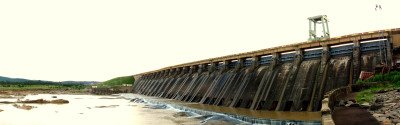 Hirapara River View Point is a serene and relatively undiscovered spot located on the outskirts of the weaving village of Sualkuchi. Unlike the more crowded tourist spots, Hirapara offers a quiet sanctuary where the rhythmic sound of the Brahmaputra's waves is the only music you hear. This place is deeply connected to the local fishing community, known as the Hiraparas, who have lived along these banks for generations. The view point provides an unobstructed sight of the river's northern bank, where the water is often dotted with small traditional boats. It is a place of profound simplicity, reflecting the soul of rural Assam. Visitors can observe the daily routines of the villagers, from mending nets to preparing for evening catch. The landscape here is flat and expansive, allowing for a 180-degree view of the horizon. During the October season, the water begins to clear, and the sky reflects beautifully on the river surface. It is a favored spot for local students and artists who come here to seek inspiration. The greenery surrounding the point consists of tall elephant grass and occasional clusters of bamboo. This site is also significant for understanding the geographical impact of erosion and siltation on the riverine villages of Kamrup. Walking along the bank, one can find small shrines dedicated to river deities, showing the spiritual bond people share with the water. It is a quintessential Assamese landscape that remains untouched by major commercialization. The peace found here is unmatched, making it a hidden treasure for those who find beauty in silence. It is best visited as a quick getaway from the bustling silk looms of the main town.
The Brahmaputra River Bank at Sualkuchi is more than just a geographical feature; it is the lifeline and a central part of the town's identity. Sualkuchi itself is famously known as the "Manchester of Assam" for its exquisite silk production, but its picturesque location on the north bank of the mighty Brahmaputra adds an unparalleled layer of natural beauty and serenity. The river here flows with a majestic, unhurried pace, providing a stunning backdrop to the village's traditional Assamese life. The riverbank area typically features simple ghats (steps leading to the water) that act as communal gathering spots, used by locals for bathing, ferrying, and daily rituals. The view from the bank is a breathtaking panorama, especially during sunrise and sunset, when the vast expanse of the river reflects the sky's changing colours, from soft pinks and oranges to deep crimson and gold. This location is a haven for tranquility, offering a stark yet pleasant contrast to the rhythmic 'click-clack' of the handlooms heard throughout the village. Historically, the river was the primary route for trade and connectivity, making this bank an important economic hub. Even today, local boat rides, fishing, and community events centered around the river underscore its vital role. The lush green surroundings, including agricultural fields and distant hills, frame the river, creating a beautiful, quintessential Assamese landscape. The fresh river air and the feeling of vastness make it an ideal spot for contemplation and relaxation. It is a place where you can truly connect with the raw and powerful natural spirit of Assam.
Hirapara River View Point is a serene and relatively undiscovered spot located on the outskirts of the weaving village of Sualkuchi. Unlike the more crowded tourist spots, Hirapara offers a quiet sanctuary where the rhythmic sound of the Brahmaputra's waves is the only music you hear. This place is deeply connected to the local fishing community, known as the Hiraparas, who have lived along these banks for generations. The view point provides an unobstructed sight of the river's northern bank, where the water is often dotted with small traditional boats. It is a place of profound simplicity, reflecting the soul of rural Assam. Visitors can observe the daily routines of the villagers, from mending nets to preparing for evening catch. The landscape here is flat and expansive, allowing for a 180-degree view of the horizon. During the October season, the water begins to clear, and the sky reflects beautifully on the river surface. It is a favored spot for local students and artists who come here to seek inspiration. The greenery surrounding the point consists of tall elephant grass and occasional clusters of bamboo. This site is also significant for understanding the geographical impact of erosion and siltation on the riverine villages of Kamrup. Walking along the bank, one can find small shrines dedicated to river deities, showing the spiritual bond people share with the water. It is a quintessential Assamese landscape that remains untouched by major commercialization. The peace found here is unmatched, making it a hidden treasure for those who find beauty in silence. It is best visited as a quick getaway from the bustling silk looms of the main town.
The Brahmaputra River Bank at Sualkuchi is more than just a geographical feature; it is the lifeline and a central part of the town's identity. Sualkuchi itself is famously known as the "Manchester of Assam" for its exquisite silk production, but its picturesque location on the north bank of the mighty Brahmaputra adds an unparalleled layer of natural beauty and serenity. The river here flows with a majestic, unhurried pace, providing a stunning backdrop to the village's traditional Assamese life. The riverbank area typically features simple ghats (steps leading to the water) that act as communal gathering spots, used by locals for bathing, ferrying, and daily rituals. The view from the bank is a breathtaking panorama, especially during sunrise and sunset, when the vast expanse of the river reflects the sky's changing colours, from soft pinks and oranges to deep crimson and gold. This location is a haven for tranquility, offering a stark yet pleasant contrast to the rhythmic 'click-clack' of the handlooms heard throughout the village. Historically, the river was the primary route for trade and connectivity, making this bank an important economic hub. Even today, local boat rides, fishing, and community events centered around the river underscore its vital role. The lush green surroundings, including agricultural fields and distant hills, frame the river, creating a beautiful, quintessential Assamese landscape. The fresh river air and the feeling of vastness make it an ideal spot for contemplation and relaxation. It is a place where you can truly connect with the raw and powerful natural spirit of Assam.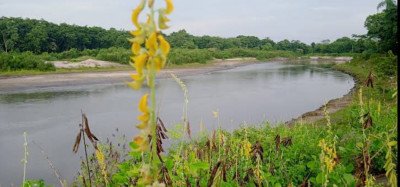 @@General Overview: The Puthimari River View Point is a serene destination located on the banks of the Puthimari River, a major tributary of the Brahmaputra. This spot offers a tranquil environment away from the bustling silk workshops of the main village, providing visitors with a panoramic view of the flowing water and lush green riverbanks. It is a popular spot for locals to unwind and for tourists to experience the natural geography of the Kamrup region. The area is characterized by its peaceful atmosphere, where the only sounds are the ripples of the water and the chirping of birds. Travelers often visit this point to witness the daily life of the riverine communities and to enjoy the cool breeze that sweeps across the plains. The view point serves as a perfect site for nature photography and bird watching, especially during the migratory seasons when various species frequent the waterbody. It embodies the rustic charm of rural Assam, offering a glimpse into the ecological diversity that supports the local livelihood. Visitors can spend hours sitting by the bank, reflecting on the beauty of the landscape or watching small country boats glide across the surface. The river itself plays a crucial role in the local ecosystem, and this view point provides the best vantage to appreciate its scale and importance. @@Ecological Importance: The river supports a variety of aquatic life and provides water for the nearby agricultural fields, creating a vibrant belt of greenery that is visible from the view point.
Alisha Peace Alone Place is a private retreat located on the banks of the Brahmaputra River. It is designed for those seeking complete isolation from the city's noise. The place features small bamboo cottages and open sitting areas. It is particularly popular among couples and solo travelers looking for "me-time." The sound of the flowing river and the rustling leaves creates a rhythmic peace. The sunset views from this point are considered some of the best in the Kamrup district. The owners maintain a lush garden filled with local flowers and fruit trees. It is a "hidden" spot, not yet overcrowded by mass tourism. The hospitality reflects the warm culture of Assam. Many writers and artists visit this place to find inspiration in the silence. The proximity to the river allows for cool breezes even during the afternoon. It is an ideal spot for meditation and yoga sessions.Show All
@@General Overview: The Puthimari River View Point is a serene destination located on the banks of the Puthimari River, a major tributary of the Brahmaputra. This spot offers a tranquil environment away from the bustling silk workshops of the main village, providing visitors with a panoramic view of the flowing water and lush green riverbanks. It is a popular spot for locals to unwind and for tourists to experience the natural geography of the Kamrup region. The area is characterized by its peaceful atmosphere, where the only sounds are the ripples of the water and the chirping of birds. Travelers often visit this point to witness the daily life of the riverine communities and to enjoy the cool breeze that sweeps across the plains. The view point serves as a perfect site for nature photography and bird watching, especially during the migratory seasons when various species frequent the waterbody. It embodies the rustic charm of rural Assam, offering a glimpse into the ecological diversity that supports the local livelihood. Visitors can spend hours sitting by the bank, reflecting on the beauty of the landscape or watching small country boats glide across the surface. The river itself plays a crucial role in the local ecosystem, and this view point provides the best vantage to appreciate its scale and importance. @@Ecological Importance: The river supports a variety of aquatic life and provides water for the nearby agricultural fields, creating a vibrant belt of greenery that is visible from the view point.
Alisha Peace Alone Place is a private retreat located on the banks of the Brahmaputra River. It is designed for those seeking complete isolation from the city's noise. The place features small bamboo cottages and open sitting areas. It is particularly popular among couples and solo travelers looking for "me-time." The sound of the flowing river and the rustling leaves creates a rhythmic peace. The sunset views from this point are considered some of the best in the Kamrup district. The owners maintain a lush garden filled with local flowers and fruit trees. It is a "hidden" spot, not yet overcrowded by mass tourism. The hospitality reflects the warm culture of Assam. Many writers and artists visit this place to find inspiration in the silence. The proximity to the river allows for cool breezes even during the afternoon. It is an ideal spot for meditation and yoga sessions.Show All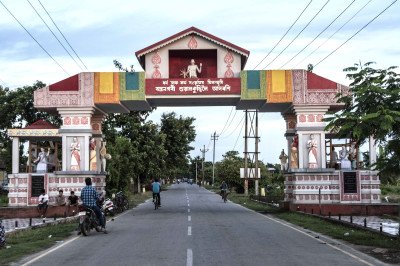 Dampur Pahar is a prominent hill located on the way to Hajo from Sualkuchi. It offers a high-altitude view of the entire Brahmaputra valley. The hill is covered with dense tropical vegetation and large boulders. It is a popular spot for local youth and nature lovers. The climb to the top is relatively easy and rewarding. From the summit, you can see the meandering river and the golden fields of Kamrup. The air here is noticeably fresher than in the plains below. The hill has several small caves and rocky outcrops that are fun to explore. It is a place where you can hear the birds chirping without any urban disturbance. Many people visit Dampur Pahar for a quick getaway during the weekends. It provides a different perspective of the Sualkuchi landscape. The sunset from this height is grand, covering the sky in shades of purple and orange. It is a rugged, natural beauty spot that remains largely untouched.
Information
-
Why Famous:
Why Famous Main Place:
Global Silk Hub: Sualkuchi is famous as the primary production center for Muga, Pat, and Eri silks. The golden Muga silk is naturally shimmering and exceptionally durable, making it a royal favorite.
Read MoreWhy Famous Main Place:
Global Silk Hub: Sualkuchi is famous as the primary production center for Muga, Pat, and Eri silks. The golden Muga silk is naturally shimmering and exceptionally durable, making it a royal favorite.
Manchester of Assam: The village earned this title due to its massive scale of handloom production, with over 25,000 active looms. It is the heart of the Assamese textile economy, supplying traditional garments globally.Architecture:
Main Place Architecture:
Traditional Assamese Vernacular Style: The village architecture is characterized by rustic charm and functional designs tailored to the local climate. Houses are traditionally built using sustainable materials like b...Main Place Architecture:
Traditional Assamese Vernacular Style: The village architecture is characterized by rustic charm and functional designs tailored to the local climate. Houses are traditionally built using sustainable materials like bamboo, reed, and mud plaster to maintain natural cooling during humid summers. The layout of the village is linear, with workshops often integrated into the front sections of residential homes to accommodate looms.
Temple and Satra Design: The Siddheswar Devalaya and local Namghars showcase classic Ahom and Pala era architectural influences with dome-shaped structures and intricate stone carvings. Dimensions of typical weaving workshops vary, but most occupy a central space of approximately 20x15 feet to house multiple wooden looms. The use of sloping tin roofs is common to manage the heavy rainfall of the region.How To Reach:
Main Place How to Reach:
By Air: The nearest airport is Lokpriya Gopinath Bordoloi International Airport in Guwahati, which is about 40 KMS away. Taxis are easily available at the airport for a direct drive.
By ...Main Place How to Reach:
By Air: The nearest airport is Lokpriya Gopinath Bordoloi International Airport in Guwahati, which is about 40 KMS away. Taxis are easily available at the airport for a direct drive.
By Train: Guwahati Railway Station is the closest major railhead, located 35 KMS from the village.
By Road: It is well-connected by NH27; buses and private cars take about 1 hour from Guwahati.
By Local Transport: Shared tempos and auto-rickshaws operate frequently from Adabari bus stand in Guwahati.Weather and Best Time to Visit:
Main Place Best Time to Visit:
Winter Season (November to February): This is the most pleasant time with temperatures ranging from 10°C to 22°C.
Summer Season (March to June): The weather is warm and humid,...Main Place Best Time to Visit:
Winter Season (November to February): This is the most pleasant time with temperatures ranging from 10°C to 22°C.
Summer Season (March to June): The weather is warm and humid, but the village remains active.
Different Parts of the Day: Morning hours are perfect for workshop visits, while late afternoons are best for riverside walks.Near Tourist Places:
Hajo (10 KMS), Madan Kamdev (30 KMS), Kamakhya Temple (32 KMS), Pobitora (80 KMS), Guwahati Zoo (40 KMS), Umananda Island (35 KMS), Deepor Beel (45 KMS), Navagraha Temple (38 KMS), Brahmaputra Riverfront (1 KM), Saraighat Bridge (25 KMS).Tourism Tips
-
Main Place Tourism Tips:
Health & Safety: Carry bottled water and wear comfortable walking shoes as the village is best explored on foot.
Packing: Light cotton clothes for summer and a light jacket for winter...Main Place Tourism Tips:
Health & Safety: Carry bottled water and wear comfortable walking shoes as the village is best explored on foot.
Packing: Light cotton clothes for summer and a light jacket for winter evenings are recommended.
Accommodation: Most travelers stay in Guwahati and visit as a day trip.
Shopping Etiquette: Avoid aggressive bargaining as these are handcrafted items representing months of labor.
Reviews
FAQs
Sualkuchi Itineray And Cost:-
Information about New and Updated Locations() of Assam Has Been Added :-
Card subtitle
Note:-
Information provided here in good Faith and for reference only.
Near Places
Agnigarh
Some quick example text to build on the card title and make up the bulk of the card's content.
Go somewhere
Barpeta
Some quick example text to build on the card title and make up the bulk of the card's content.
Go somewhere
Bhalukpong
Some quick example text to build on the card title and make up the bulk of the card's content.
Go somewhere
Diphu
Some quick example text to build on the card title and make up the bulk of the card's content.
Go somewhere
Goalpara
Some quick example text to build on the card title and make up the bulk of the card's content.
Go somewhere
Guwahati
Some quick example text to build on the card title and make up the bulk of the card's content.
Go somewhere
Haflong
Some quick example text to build on the card title and make up the bulk of the card's content.
Go somewhere
Hajo
Some quick example text to build on the card title and make up the bulk of the card's content.
Go somewhere
Majuli Island
Some quick example text to build on the card title and make up the bulk of the card's content.
Go somewhere
Nagaon
Some quick example text to build on the card title and make up the bulk of the card's content.
Go somewhere
Silchar
Some quick example text to build on the card title and make up the bulk of the card's content.
Go somewhere
Sualkuchi
Some quick example text to build on the card title and make up the bulk of the card's content.
Go somewhere
Tezpur
Some quick example text to build on the card title and make up the bulk of the card's content.
Go somewhere
Tinsukia
Some quick example text to build on the card title and make up the bulk of the card's content.
Go somewhere
Umananda Island
Some quick example text to build on the card title and make up the bulk of the card's content.
Go somewherein Other Cities