

Tezpur
General information
-
Ideal Duration:
2 DaysPlace Type:
History & Cultural CityEntry Fees:
Main Place Entry Fees:
Agnigarh: Approximately 30 INR for adults.
Chitralekha Udyan: Nominal fee of 20 INR.
Da Parbatia and Bamuni Hills: No entry fee as they are open archae...Main Place Entry Fees:
Agnigarh: Approximately 30 INR for adults.
Chitralekha Udyan: Nominal fee of 20 INR.
Da Parbatia and Bamuni Hills: No entry fee as they are open archaeological sites.
District Museum: 10 INR for Indian citizens.Timing:
Main Place Timings:
Regular Timings: Parks and museums are open from 9:00 AM to 6:00 PM. Temples open as early as 5:30 AM.
Ideal Visit Time: Late afternoon for parks and early morning for heritage sites to a...Main Place Timings:
Regular Timings: Parks and museums are open from 9:00 AM to 6:00 PM. Temples open as early as 5:30 AM.
Ideal Visit Time: Late afternoon for parks and early morning for heritage sites to avoid the sun.Special Events:
Main Place Special Event:
Maha Shivratri: The Mahabhairab Temple hosts a massive celebration attracting thousands of devotees. The entire temple complex is illuminated and filled with traditional chants.
Bihu Ce...Main Place Special Event:
Maha Shivratri: The Mahabhairab Temple hosts a massive celebration attracting thousands of devotees. The entire temple complex is illuminated and filled with traditional chants.
Bihu Celebrations: During April, the city comes alive with Bihu dances and local food festivals.Best Photo Spots:
Main Place Best Photo Spots:
Agnigarh Viewpoint: Capturing the Brahmaputra river as it curves around the city hills. The statues of the lovers provide a dramatic foreground for cultural portraits.
Da Parbatia Do...Main Place Best Photo Spots:
Agnigarh Viewpoint: Capturing the Brahmaputra river as it curves around the city hills. The statues of the lovers provide a dramatic foreground for cultural portraits.
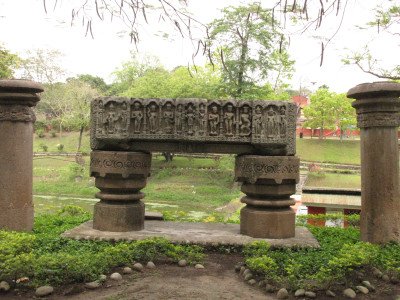
Da Parbatia Doorframe: The intricate stone patterns are best photographed in the soft morning light.Photo Gallery
Things To Do
 Chitralekha Udyan, popularly known by its colonial name, Cole Park, is one of the oldest and most beautiful public parks in Tezpur, Assam. The park was originally established in 1906 by Mr. Cole, a British Deputy Commissioner. Later, it was renamed in honor of Chitralekha, the mythological companion of Princess Usha (from the legend of Agnigarh Hill), who was a master artist and possessed mystical powers. Spanning a large area, the park is a cherished green lung of the city, famous for its well-manicured landscaped gardens, a scenic lake, and its collection of significant archaeological remnants. Visitors can enjoy leisurely strolls along the paved walkways, relax by the water body, or engage in various recreational activities. The park beautifully blends natural tranquility with historical significance. The serene lake offers paddle boating facilities, and various amusement features, including bumping cars and a children's play area, make it highly popular with families. Historically, the park is a repository of ancient stone art, including a replica of the Bhomoraguri Inscription, which records the plans for a bridge over the Brahmaputra where the current Kolia Bhomora Setu stands. It also houses significant stone pillars and ruins collected from nearby archaeological sites like the Bamuni Hills, making it an open-air museum of Assam’s rich sculptural heritage. The blend of colonial-era charm, mythological association, recreational options, and historical artifacts makes Chitralekha Udyan a must-visit spot in Tezpur. In the evenings, the atmosphere is particularly charming, with a musical fountain adding to the visual appeal. The park is well-maintained and serves as a cultural and recreational hub for the local community and tourists alike.
 @@ Details : The Kanaklata Statue, located within the Kanaklata Memorial Park (also known as the Rock Garden), is a poignant tribute to Birangana Kanaklata Barua. She was a 17-year-old freedom fighter who was martyred while leading a procession to hoist the national flag during the Quit India Movement of 1942. The park is situated atop Dhenukhanda Hill, providing a panoramic view of the Brahmaputra River and the city of Tezpur. The statue itself depicts her courage, holding the tricolor firmly even as she faced British bullets. The memorial serves as a reminder of the supreme sacrifice made by the youth of Assam for India’s independence. The park's design is unique, incorporating natural rock formations and boulders into a lush green landscape. It is a site of great historical and emotional value, attracting students, history buffs, and tourists who wish to pay their respects to the "Shaheed" of Gohpur. The atmosphere is one of quiet reflection, with walkways that lead visitors through various sections of the garden. Beyond its historical importance, the park is a popular leisure spot for locals who come to enjoy the cool breeze and the scenic vistas. The integration of art, history, and nature makes it a standout attraction in the "Cultural Capital of Assam." It is a place where the past meets the present, inspiring every visitor with the story of a young girl’s indomitable spirit and her love for the motherland.
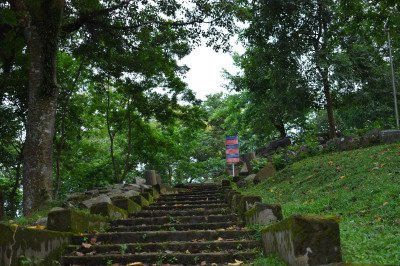 The Maithan Temple, locally known as Bhairabi Temple or Bhairabi Devalaya, is a revered Hindu shrine dedicated to Goddess Bhairabi, an incarnation of Goddess Durga. Located on the picturesque outskirts of Tezpur, the temple stands as a significant Shakti Peeth in Assam, attracting a large number of devotees and tourists seeking blessings. It is steeped in ancient Hindu mythology, particularly related to the Dwapar Yuga. Legend holds that Usha, the daughter of the mighty demon King Banasura (who reigned over Sonitpur, the ancient name of Tezpur), regularly worshipped Goddess Bhairabi at this very spot. The current structure, though believed to be around 400-years-old, stands on a site where worship is said to have occurred since around 5000 BC. The temple offers a spiritual journey, with a long staircase leading up from the approach road to the main shrine. From its elevated position, visitors can enjoy stunning, panoramic views, especially of the majestic Kolia Bhomora Setu (bridge) built across the vast Brahmaputra River. The surrounding area is characterized by serene greenery, which enhances the temple's divine and peaceful aura. The temple's management has historically been associated with the Borthakur family of Tezpur, though it is now managed by the government through the District Deputy Commissioner's office. It serves as a sacred place for people to offer prayers, make sacrificial offerings (historically including goats, ducks, and pigeons), and seek fulfillment of their wishes from the powerful Goddess Durga in her form as Bhairabi. Its tranquil location and profound historical and spiritual background make it a memorable destination in Tezpur.
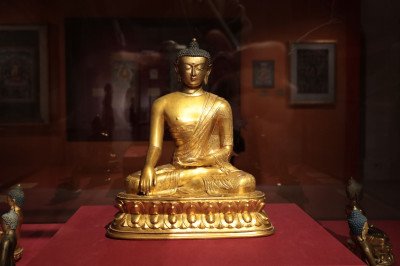 The District Museum Tezpur is one of the important state museums in Assam, offering a deep dive into the region's rich history, diverse culture, and archaeological past. Established on March 16, 1986, under the Directorate of Museums, Guwahati, Assam, its journey to a permanent location was a gradual one. It initially began operations at Darrang College, then moved to the Tezpur Sahitya Sabha, and finally, in the year 2002, it found its permanent home in a significant historic building known as the Dak-Bungalow. This Dak-Bungalow, itself a British-era structure dating back to 1881, adds a layer of colonial history to the museum's setting. The museum's collection is substantial, housing over 500 artifacts that span several centuries and dynasties, reflecting the vibrant tapestry of Assamese heritage. The exhibits are categorized to represent various facets of local life, religion, and administration from different historical periods. Visitors can explore an array of items, including rare stone sculptures recovered from nearby archaeological sites like Da Parbatia and Bamuni Hills, copper plate inscriptions that document ancient land grants, and various manuscripts, some of which are centuries old. Furthermore, the museum showcases weapons and cannons from the Ahom period, giving insights into the military history of the region. There is also a dedicated section for the traditional arts and crafts of the diverse communities residing in the Sonitpur district and surrounding areas. This includes traditional Assamese textiles, metal and wooden sculptures, and cultural objects related to the local tea-growing communities. The museum, by preserving these relics, serves as a crucial link to the past, helping the present generation appreciate the legacy of Tezpur, often called the Cultural Capital of Assam. It’s a place where history buffs, students, and general tourists can spend a productive and enlightening few hours understanding the historical depth of this ancient city on the banks of the Brahmaputra River.
The Bhomoraguri Historical Stone is a site of immense archaeological and historical importance located near the Kolia Bhomora Setu. It features a rock inscription that dates back to the Ahom era, specifically the 17th century. The inscription was commissioned by the Ahom General Kalia Bhomora Borphukan, who was a visionary leader and strategist. He had initially planned to build a bridge across the Brahmaputra River at this very spot to facilitate the movement of the Ahom army. Although he could not complete the bridge during his lifetime, his efforts are immortalized in this stone. The inscription is written in ancient Assamese script and details the military triumphs and the administrative works of the Ahom kingdom. The site is located on a small hillock, providing a vantage point over the river. It serves as a reminder of the engineering ambitions of the ancient Assamese people. The current bridge, which was completed in the late 20th century, is named after this great general to honor his legacy. Visiting this site gives one a sense of the deep-rooted history of the region and the struggles against foreign invasions. The area is quiet and surrounded by trees, making it a contemplative spot for history buffs. Many students and researchers visit this place to study the script and the historical context of the Ahom-Mughal conflicts. It is one of the few surviving physical records of that era in the Tezpur region. The stone itself is protected by a small structure to prevent erosion and vandalism. It is a small but significant part of the cultural tapestry of Assam.
Ouguri Hill is a prominent and picturesque hillock situated right on the north bank of the mighty Brahmaputra River in Tezpur. This popular tourist destination is known primarily for its breathtaking panoramic views of the sprawling Brahmaputra River on one side and the entire Tezpur town on the other. The hill's landscape is distinguished by large rock formations and monoliths that pose a challenge and attraction for adventure seekers. The serene atmosphere, combined with the spectacular views, makes it an ideal spot for nature lovers, photographers, and those seeking a peaceful escape from the city bustle. The site also holds historical and cultural significance, featuring a statue of Kanaklata Barua, a revered freedom fighter and martyr of the Quit India Movement. The presence of this statue gives the hill a patriotic and solemn dimension, reminding visitors of her sacrifice. Local folklore also weaves a beautiful tale around the hill, suggesting it might be the resting place of Rukmini, the wife of Lord Krishna, though the primary attraction remains the stunning scenery. Climbing to the top of the hill is an easy trek and is immensely rewarding, especially during sunrise and sunset when the sky's colors reflect beautifully off the river. The natural beauty of Ouguri Hill, with its lush greenery and formidable rock structures against the backdrop of one of Asia’s largest rivers, solidifies its position as a must-visit location in Tezpur. Its proximity to the city center makes it easily accessible for a quick visit or a longer, contemplative stay.
The District Museum Tezpur is one of the important state museums in Assam, offering a deep dive into the region's rich history, diverse culture, and archaeological past. Established on March 16, 1986, under the Directorate of Museums, Guwahati, Assam, its journey to a permanent location was a gradual one. It initially began operations at Darrang College, then moved to the Tezpur Sahitya Sabha, and finally, in the year 2002, it found its permanent home in a significant historic building known as the Dak-Bungalow. This Dak-Bungalow, itself a British-era structure dating back to 1881, adds a layer of colonial history to the museum's setting. The museum's collection is substantial, housing over 500 artifacts that span several centuries and dynasties, reflecting the vibrant tapestry of Assamese heritage. The exhibits are categorized to represent various facets of local life, religion, and administration from different historical periods. Visitors can explore an array of items, including rare stone sculptures recovered from nearby archaeological sites like Da Parbatia and Bamuni Hills, copper plate inscriptions that document ancient land grants, and various manuscripts, some of which are centuries old. Furthermore, the museum showcases weapons and cannons from the Ahom period, giving insights into the military history of the region. There is also a dedicated section for the traditional arts and crafts of the diverse communities residing in the Sonitpur district and surrounding areas. This includes traditional Assamese textiles, metal and wooden sculptures, and cultural objects related to the local tea-growing communities. The museum, by preserving these relics, serves as a crucial link to the past, helping the present generation appreciate the legacy of Tezpur, often called the Cultural Capital of Assam. It’s a place where history buffs, students, and general tourists can spend a productive and enlightening few hours understanding the historical depth of this ancient city on the banks of the Brahmaputra River.
The Bhomoraguri Historical Stone is a site of immense archaeological and historical importance located near the Kolia Bhomora Setu. It features a rock inscription that dates back to the Ahom era, specifically the 17th century. The inscription was commissioned by the Ahom General Kalia Bhomora Borphukan, who was a visionary leader and strategist. He had initially planned to build a bridge across the Brahmaputra River at this very spot to facilitate the movement of the Ahom army. Although he could not complete the bridge during his lifetime, his efforts are immortalized in this stone. The inscription is written in ancient Assamese script and details the military triumphs and the administrative works of the Ahom kingdom. The site is located on a small hillock, providing a vantage point over the river. It serves as a reminder of the engineering ambitions of the ancient Assamese people. The current bridge, which was completed in the late 20th century, is named after this great general to honor his legacy. Visiting this site gives one a sense of the deep-rooted history of the region and the struggles against foreign invasions. The area is quiet and surrounded by trees, making it a contemplative spot for history buffs. Many students and researchers visit this place to study the script and the historical context of the Ahom-Mughal conflicts. It is one of the few surviving physical records of that era in the Tezpur region. The stone itself is protected by a small structure to prevent erosion and vandalism. It is a small but significant part of the cultural tapestry of Assam.
Ouguri Hill is a prominent and picturesque hillock situated right on the north bank of the mighty Brahmaputra River in Tezpur. This popular tourist destination is known primarily for its breathtaking panoramic views of the sprawling Brahmaputra River on one side and the entire Tezpur town on the other. The hill's landscape is distinguished by large rock formations and monoliths that pose a challenge and attraction for adventure seekers. The serene atmosphere, combined with the spectacular views, makes it an ideal spot for nature lovers, photographers, and those seeking a peaceful escape from the city bustle. The site also holds historical and cultural significance, featuring a statue of Kanaklata Barua, a revered freedom fighter and martyr of the Quit India Movement. The presence of this statue gives the hill a patriotic and solemn dimension, reminding visitors of her sacrifice. Local folklore also weaves a beautiful tale around the hill, suggesting it might be the resting place of Rukmini, the wife of Lord Krishna, though the primary attraction remains the stunning scenery. Climbing to the top of the hill is an easy trek and is immensely rewarding, especially during sunrise and sunset when the sky's colors reflect beautifully off the river. The natural beauty of Ouguri Hill, with its lush greenery and formidable rock structures against the backdrop of one of Asia’s largest rivers, solidifies its position as a must-visit location in Tezpur. Its proximity to the city center makes it easily accessible for a quick visit or a longer, contemplative stay.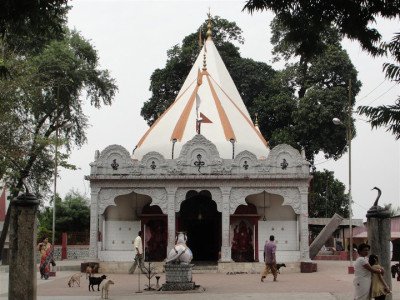 The Mahabhairab Temple is one of the most revered and ancient Hindu temples in Tezpur, Assam, dedicated to Lord Shiva, specifically in his formidable aspect, Mahabhairav. Perched atop a small hillock, it is a significant landmark that offers a panoramic view of the enchanting town. The history of the temple is deeply interwoven with the mythology of the Puranas, particularly the epic tale involving the demon king Banasura, who ruled from what was then known as Sonitpur (the ancient name for Tezpur). According to the pervasive local legend, it was Banasura, an ardent devotee of Lord Shiva, who originally established this shrine and introduced the worship of the Linga in this region. This legendary connection attributes the founding of the temple to the prehistoric era, positioning it as one of the oldest places of worship in Assam. The central deity housed within the sanctum is a massive stone Shiva Linga, which is widely regarded as one of the largest, if not the largest, living stone Shiva Lingas in the entire world. This immense aniconic representation of the deity is the primary spiritual magnet for millions of devotees. While mythology assigns its origin to Banasura, archaeological consensus suggests the original stone temple was constructed sometime between the 8th and 10th centuries A.D., likely by the kings of the Salasthamba dynasty. Evidence of its ancient stone structure can still be observed in the scattered colossal stone pillars found around the current complex. The original temple faced repeated destruction and damage, most notably during the catastrophic 1897 earthquake that devastated much of the region. The present-day concrete structure is a result of reconstruction and renovation efforts initiated in the early 20th century by devout monks like Sri Swayambar Bharati, also known as Naga Baba, and later enhanced by others. The continuous efforts by various dynasties, from the Salasthambhas to the Ahoms (who generously donated devottar land), underscore the temple's enduring spiritual, historical, and cultural importance to the people of Assam and the entire Northeast India. It remains a thriving center of Shaivite worship and a powerful symbol of the region's rich heritage.Show All
 Mission Chariali Traffic Point is the most vital intersection and the functional heart of Tezpur town. It serves as the primary gateway connecting the city to the North Bank of the Brahmaputra and the highway leading towards Arunachal Pradesh. The area is a bustling hub of activity, where the pulse of the city can be felt through its constant movement of people, vehicles, and trade. Historically, it has been the landmark for major administrative and commercial developments in the region. The name "Mission" is derived from the nearby Christian mission hospitals and schools that were established during the colonial era, adding a layer of historical depth to this modern transit point. Today, it is characterized by the ongoing construction of a massive flyover designed to ease the growing traffic demands of the 21st century. For a traveler, it is the starting point for almost every excursion in and around Tezpur. The area is lined with shops, local eateries, and essential services, making it a convenient stop for stocking up on supplies. Despite the chaos of traffic, the point is a fascinating study in urban Assamese life, where traditional rickshaws share the road with modern SUVs.
Information
-
Why Famous:
Why Famous Main Place:
Mythological Significance: The city is the site of the legendary "Hari-Hara" war and the romantic fortress of Agnigarh. It is deeply embedded in Assamese folklore and literature.
Archaeolo...Why Famous Main Place:
Mythological Significance: The city is the site of the legendary "Hari-Hara" war and the romantic fortress of Agnigarh. It is deeply embedded in Assamese folklore and literature.
Archaeological Hub: With ruins like Bamuni Hills and Da Parbatia, it is a paradise for history buffs and researchers. It preserves some of the earliest examples of temple art in Northeast India. -
Architecture:
Main Place Architecture:
Ancient Archaeological Ruins: Tezpur is famous for the Da Parbatia gate, which features the oldest surviving doorframe in Assam from the 6th century Gupta period. It measures roughly 6 feet in height and is adorned w...Main Place Architecture:
Ancient Archaeological Ruins: Tezpur is famous for the Da Parbatia gate, which features the oldest surviving doorframe in Assam from the 6th century Gupta period. It measures roughly 6 feet in height and is adorned with intricate carvings of Goddesses Ganga and Yamuna.
Medieval and Modern Blend: The Mahabhairab Temple showcases a mix of ancient stone foundations and modern concrete renovations. Agnigarh Hill features contemporary sculptures and spiral staircases integrated into the natural rocky landscape. Colonial architecture is visible in buildings like the District Museum, which was formerly a British era Dak Bungalow. The Kolia Bhomora Setu, a modern engineering marvel, spans 3. 015 KMS across the river. -
How To Reach:
Main Place How to Reach:
By Air: Tezpur Airport (Salonibari) has limited flights; Guwahati Airport (200 KMS) is the preferred international gateway.
By Train: Dekargaon Railway Station is the local stop, but...Main Place How to Reach:
By Air: Tezpur Airport (Salonibari) has limited flights; Guwahati Airport (200 KMS) is the preferred international gateway.
By Train: Dekargaon Railway Station is the local stop, but Guwahati remains the main rail link.
By Road: Excellent bus services (ASTC) operate from Guwahati (4. 5 hours drive).
By Local Transport: E-rickshaws and auto-rickshaws are the most common ways to move within the city. -
Weather and Best Time to Visit:
Main Place Best Time to Visit:
Winter (October to March): Best weather for sightseeing with cool, dry days.
Monsoon (July to September): The river is at its majestic best, though travel can be restricted by r...Main Place Best Time to Visit:
Winter (October to March): Best weather for sightseeing with cool, dry days.
Monsoon (July to September): The river is at its majestic best, though travel can be restricted by rain.
Part of Day: Sunrises are best seen from Ouguri Hill, while sunsets are magical at Agnigarh. -
Near Tourist Places:
Nameri National Park (35 KMS), Bhalukpong (60 KMS), Bura Chapori (40 KMS), Nag Shankar Temple (50 KMS), Orang National Park (60 KMS), Biswanath Chariali (75 KMS), Koliabor (20 KMS), Kaziranga (50 KMS), Singri Temple (45 KMS), Haleswar (10 KMS).
Tourism Tips
-
Main Place Tourism Tips:
Health & Safety: The city is very safe, but carry mosquito repellent for evening outings near water bodies.
Packing: Carry comfortable cotton clothes and a good pair of walking shoes....Main Place Tourism Tips:
Health & Safety: The city is very safe, but carry mosquito repellent for evening outings near water bodies.
Packing: Carry comfortable cotton clothes and a good pair of walking shoes.
Accommodation: Stay at the Assam Tourism Tourist Lodge or mid-range hotels like KRC Palace.
Local Etiquette: Dress modestly when visiting the Mahabhairab temple.
Reviews
FAQs
Tezpur Itineray And Cost:-
Information about New and Updated Locations() of Assam Has Been Added :-
Card subtitle
Note:-
Information provided here in good Faith and for reference only.
Near Places
Agnigarh
Some quick example text to build on the card title and make up the bulk of the card's content.
Go somewhere
Barpeta
Some quick example text to build on the card title and make up the bulk of the card's content.
Go somewhere
Bhalukpong
Some quick example text to build on the card title and make up the bulk of the card's content.
Go somewhere
Diphu
Some quick example text to build on the card title and make up the bulk of the card's content.
Go somewhere
Goalpara
Some quick example text to build on the card title and make up the bulk of the card's content.
Go somewhere
Guwahati
Some quick example text to build on the card title and make up the bulk of the card's content.
Go somewhere
Haflong
Some quick example text to build on the card title and make up the bulk of the card's content.
Go somewhere
Hajo
Some quick example text to build on the card title and make up the bulk of the card's content.
Go somewhere
Majuli Island
Some quick example text to build on the card title and make up the bulk of the card's content.
Go somewhere
Nagaon
Some quick example text to build on the card title and make up the bulk of the card's content.
Go somewhere
Silchar
Some quick example text to build on the card title and make up the bulk of the card's content.
Go somewhere
Sualkuchi
Some quick example text to build on the card title and make up the bulk of the card's content.
Go somewhere
Tezpur
Some quick example text to build on the card title and make up the bulk of the card's content.
Go somewhere
Tinsukia
Some quick example text to build on the card title and make up the bulk of the card's content.
Go somewhere
Umananda Island
Some quick example text to build on the card title and make up the bulk of the card's content.
Go somewherein Other Cities