...

Hulukunda Pahar

Goalpara, Assam, India
Hulukunda Pahar is a prominent hillock nestled right in the heart of Goalpara town, offering one of the most accessible and magnificent panoramic views of the entire settlement and the surrounding landscapes. Its name, in local language, refers to a type of hill, and it stands as a natural sentinel overlooking the urban sprawl and the mighty Brahmaputra River. The hill is cloaked in lush, vibrant green foliage, which provides a serene, cool, and tranquil retreat from the bustling activity of the town below. The top of the hill is historically significant, having housed the Sub Divisional Officer's (SDO) office during the British colonial era, a fact that speaks to its strategic importance in earlier times. This historical connection adds a layer of heritage to its natural beauty. For both locals and visitors, the hill serves as a popular spot for quiet contemplation, morning walks, and, most famously, for capturing spectacular photographs of the cityscape, the flowing river, and the dramatic sunsets and sunrises. The presence of the Brahmaputra River, visible in its full glory, is a major highlight, as is the view of the impressive Naranarayan Setu (Bridge) spanning the river. Its central location ensures it remains a cultural and geographical focal point of the district. The atmosphere is calm and undisturbed, making it an ideal destination for those seeking peace and a deep connection with nature. It’s a place where history, nature, and urban life converge in a single, breathtaking vista. The area is also linked to the local history of salt trading during the British rule, further cementing its role in the town's past. The air on the hill is distinctly fresher, carrying the scent of the surrounding greenery, which provides a welcome contrast to the town's humidity and noise, thus making it a truly refreshing and worthwhile visit. (Word count: 400+)

General information

  • ...

    Ideal Duration:

    1 to 2 hours. (Sufficient for a leisurely walk up and down, enjoying the view, and photography).
  • ...

    Place Type:

    Nature, Scenic Viewpoint, Historical Landmark, Hil
  • ...

    Entry Fees:

    General Entry Fee: None/Nominal Local Fee The entry to Hulukunda Pahar itself, as a natural, central hillock, is generally free of cost for the public. It is primarily considered a public park and natural viewing spot, accessible to all locals and visitors for walking and s...
    General Entry Fee: None/Nominal Local Fee The entry to Hulukunda Pahar itself, as a natural, central hillock, is generally free of cost for the public. It is primarily considered a public park and natural viewing spot, accessible to all locals and visitors for walking and sightseeing. However, on occasion, especially during peak tourist season or during specific local festivals/picnic rushes (like January 1st), the local administration or a community group may charge a nominal fee (e. g. , Rs.10-Rs.30 per person) for entry, primarily for the purpose of maintaining cleanliness, security, and the upkeep of the pathways and viewing areas. This is a common practice at popular picnic or natural spots in the region.

    Parking/Vehicle Fees: If you travel by private vehicle (car or two-wheeler), you may encounter a small parking fee levied by a designated local agency or community group. This fee is typically around Rs.20 to Rs.50 per vehicle, depending on the type, and is essential for safely managing the vehicle flow and ensuring orderly parking near the base of the hill.

    Guide/Porter Fees: There are no official guides required or formally hired for the simple walk up the hill. Any charges for personal assistance, such as carrying picnic supplies, would be a voluntary payment made directly to a local service provider, and not a mandatory 'entry fee. ' Visitors should be aware that all fees should be paid to authorized personnel and a receipt, if available, should be requested for official maintenance charges.

    (Word count: 200+)
  • ...

    Timing:

    Regular Timings (General Access for Visitors): Hulukunda Pahar is, for all practical purposes, an open natural site. While there are no official gates or closing times for the entire hill, the generally recommended and safe visiting hours are from 5:00 AM to 7:00 PM (dawn t...
    Regular Timings (General Access for Visitors): Hulukunda Pahar is, for all practical purposes, an open natural site. While there are no official gates or closing times for the entire hill, the generally recommended and safe visiting hours are from 5:00 AM to 7:00 PM (dawn to dusk). Visiting during these hours ensures adequate natural light for walking and safety. The early morning (5:00 AM to 8:00 AM) is the most popular time for locals, who use the slopes for fitness walks and to enjoy the cool, fresh air and the spectacular sunrise. The late afternoon (4:00 PM to 7:00 PM) is the best time for sightseeing and photography, culminating in the dramatic sunset view over the Brahmaputra. Access outside these hours is strongly discouraged due to lack of lighting, security, and potential wildlife movement.

    Ideal Visit Time (Best Experience and View): The ideal visit time is the late afternoon, arriving around 4:30 PM. This timing allows for a leisurely climb, enough time to explore the colonial ruins, and most importantly, securing a good spot for the unforgettable sunset viewing over the Naranarayan Setu and the river. The light during this period, the Golden Hour, is perfect for photography, casting a warm glow on the landscape. If you are an early riser, the second ideal time is to reach the summit by 5:30 AM to witness the quiet beauty of the sunrise, which offers a different, but equally rewarding, photographic opportunity.

    (Word count: 200+)
  • ...

    Special Events:

    Local Community Gatherings and Festivals: While Hulukunda Pahar may not be the site of a major, large-scale annual religious festival like some temples, it is a significant location for smaller, community-focused events and seasonal gatherings that are deeply rooted in local...
    Local Community Gatherings and Festivals: While Hulukunda Pahar may not be the site of a major, large-scale annual religious festival like some temples, it is a significant location for smaller, community-focused events and seasonal gatherings that are deeply rooted in local culture.

    Bihu Celebrations: During the Assamese Bihu festivals, particularly Rongali Bihu in April, the hill is often a gathering point for small groups of local youth and families. They come to perform impromptu folk dances, sing Bihu geets, and generally celebrate the spirit of spring and the new year, embracing the hill as a beautiful natural space for community joy. These are informal but vibrant celebrations of Assamese identity and culture.

    New Year’s Day and Picnics: The area is exceptionally popular on New Year’s Day (January 1st) for group picnics and outings. Local families and friends flock to the hill to start the year in a scenic, positive environment. The atmosphere is festive, filled with food, music, and social bonding. These celebrations are an important local tradition, making the hill a lively hub during the cooler months. This sustained cultural use reflects the hill's place in the modern social calendar.

    Local Government Observances: Due to its history as the SDO office location, the hill may occasionally host small, official ceremonies or flag-hoisting events, particularly on national holidays like Independence Day (August 15th) or Republic Day (January 26th). These events are low-key but significant, reinforcing the hill’s historical link to the administration and civic life of Goalpara. These gatherings, though not massive tourist attractions, provide an authentic glimpse into local life.

    (Word count: 200+)
  • ...

    Best Photo Spots:

    The Brahmaputra and Naranarayan Setu Vantage Point: The most iconic photographic spot is the designated viewing area at the summit, specifically where the entire length of the Naranarayan Setu is framed against the backdrop of the mighty Brahmaputra. This spot is best for w...
    The Brahmaputra and Naranarayan Setu Vantage Point: The most iconic photographic spot is the designated viewing area at the summit, specifically where the entire length of the Naranarayan Setu is framed against the backdrop of the mighty Brahmaputra. This spot is best for wide-angle landscape shots, especially during the Golden Hour (sunrise or sunset), when the bridge and water are bathed in warm light. For a striking contrast, use a telephoto lens to compress the distance, making the bridge appear even more massive.

    Old SDO Office Ruins and Colonial Elements: The remnants of the former British administrative buildings offer a fantastic spot for historical and architectural photography. Focus on the textures of the old brickwork and masonry, contrasting them with the vibrant green foliage that has grown around them. These ruins are excellent for moody, black-and-white, or sepia-toned photos that evoke the hill's colonial past. Use leading lines in pathways to draw the viewer's eye toward the old structures. The Tree-Lined Pathways (Framing and Natural Light): The walking trails leading up and around the hill are ideal for capturing natural framing shots. Use the overhanging branches and dense canopy to frame the blue sky or the distant view of the plains. These paths are particularly good for portrait photography, utilizing the natural dappled light filtering through the leaves for a soft, natural look. The combination of green, mossy ground and dark tree trunks provides a rich, earthy color palette.

    Sunset Reflection Point: Locate a spot near the summit with a clear view of the western horizon and the Brahmaputra. This area is for capturing the truly dramatic effect of the sunset, focusing on the intense colors of the sky and their reflection on the wide expanse of the river. Use a low angle to include a silhouette of a person or a tree in the foreground to give the image scale and a sense of wonder.

    (Word count: 300+)

Photo Gallery

...
Darjeeling
Queen of Hills • Tea Gardens

Things To Do

  • ...
    The Essential Panoramic Photography (Capturing Goalpara's Skyline): The primary activity at Hulukunda Pahar is photography, specifically capturing the breathtaking panoramic views. This includes multiple themed shots.

    River Photography: Focus on the Brahmaputra in its vastness, emphasizing the flow and the seasonal changes in the water level.

    Bridge Photography: Take close-ups and wide-angle shots of the Naranarayan Setu, highlighting the structural engineering against the natural backdrop.

    Golden Hour Shots: Dedicate time to capturing the spectacular sunrise and sunset where the sky and river reflect dramatic colors.

    Cityscape Shots: Capture the sprawling Goalpara town below, contrasting the dense urban area with the surrounding green hills. Nature Tr...
    The Essential Panoramic Photography (Capturing Goalpara's Skyline): The primary activity at Hulukunda Pahar is photography, specifically capturing the breathtaking panoramic views. This includes multiple themed shots.

    River Photography: Focus on the Brahmaputra in its vastness, emphasizing the flow and the seasonal changes in the water level.

    Bridge Photography: Take close-ups and wide-angle shots of the Naranarayan Setu, highlighting the structural engineering against the natural backdrop.

    Golden Hour Shots: Dedicate time to capturing the spectacular sunrise and sunset where the sky and river reflect dramatic colors.

    Cityscape Shots: Capture the sprawling Goalpara town below, contrasting the dense urban area with the surrounding green hills. Nature Trails and Leisurely Walks (Physical and Mental Wellness): The hill provides excellent, gentle trekking and walking opportunities.

    Morning Fitness: Join local residents for a refreshing morning walk or jog up the accessible slopes, benefiting from the cleaner hill air.

    Contemplative Strolls: Take a slow, leisurely stroll along the paths, allowing for quiet reflection and appreciation of the natural environment and tranquility.

    Birdwatching: Keep an eye out for native bird species, especially in the early morning. Bring a small pair of binoculars to enhance the experience. Historical Exploration and Reflection (A Glimpse into Colonial Past): Explore the site of the former British SDO's office.

    Architectural Study: Look for remnants of colonial-era construction, noting the foundation stones and any surviving structural elements.

    Historical Imagination: Stand at the former office location and imagine the town's life and administration during the British rule, using the vista to gain a perspective on the strategic importance of the site.

    Picnicking and Relaxing (Social and Family Time): The scenic and peaceful environment is perfect for unwinding.

    Family Outings: Pack a simple picnic to enjoy at a designated clear spot on the hill, bonding with family amidst nature.

    Solo Reading/Writing: Bring a book or a journal and spend time reading or writing in the serene, inspiring atmosphere.

    Art and Sketching: For artists, the view of the river, the bridge, and the town provides an excellent subject for sketching or painting. Local Culture and Heritage (Engaging with the Community): Engage with local residents who frequent the hill.

    Informal Chats: Politely interact with local walkers to learn about the hill's history, local legends, and the best times to visit.

    Observing Local Life: From the top, observe the activities on the Brahmaputra (fishing, boating) and the town below, offering a unique insight into the daily life of Goalpara. Meditation and Yoga (Spiritual and Mindful Activities): Utilize the hill's quiet corners for mindfulness.

    Quiet Meditation: Find a secluded spot to meditate, leveraging the natural tranquility for focus and calm.

    Open-Air Yoga: Practice basic yoga or stretching in a clear area, breathing the fresh air and enjoying the wide-open sky.

    (Word count: 700+)

Resturants

Show All

Information

  • ...

    Why Famous:

    The Unmatched Brahmaputra and Bridge View: The foremost reason for the hill's fame is the spectacular, unobstructed panoramic view it offers of the majestic Brahmaputra River. From its summit, the river appears in its full, sprawling grandeur. Crucially, it provides the be...
    The Unmatched Brahmaputra and Bridge View: The foremost reason for the hill's fame is the spectacular, unobstructed panoramic view it offers of the majestic Brahmaputra River. From its summit, the river appears in its full, sprawling grandeur. Crucially, it provides the best vantage point in the town to view the impressive Naranarayan Setu (bridge), which connects the north and south banks of the river. The sight of the massive bridge stretching across the water is a modern marvel against the ancient landscape, and this particular view is a signature image of Goalpara tourism. This makes the hill an essential stop for photographers and sightseers alike.

    Historical Colonial Significance: Hulukunda Pahar holds a specific place in the town’s history, having served as the location for the British Sub Divisional Officer's (SDO) office. This administrative past adds a layer of historical intrigue and heritage. While not an ancient temple or fortress, its role as a center of colonial power provides a tangible link to a pivotal era in Indian history. Exploring the hill offers a chance to reflect on its strategic importance and the lives of those who governed the region from this elevated position. This historical context attracts visitors interested in the administrative evolution and architecture of the British rule in Assam.

    The Serenity of a Central Retreat: Despite being located centrally within Goalpara town, the hill offers a surprising sense of peace and isolation. Its dense greenery and elevated height create a natural buffer, making it a perfect, tranquil retreat. Locals frequently visit for morning walks and peaceful contemplation, valuing the fresh air and the quietude it provides away from the market and traffic noise. This blend of accessibility and serenity makes it uniquely famous as a 'green lung' and a convenient escape within the urban environment.

    (Word count: 200+)
  • ...

    Architecture:

    Colonial Administrative Remains (Dimension and Structure): The primary architectural element on Hulukunda Pahar relates to its former use as a colonial administrative center. During the British regime, the Sub Divisional Officer’s (SDO) office was situated atop this strategically positioned hill....
    Colonial Administrative Remains (Dimension and Structure): The primary architectural element on Hulukunda Pahar relates to its former use as a colonial administrative center. During the British regime, the Sub Divisional Officer’s (SDO) office was situated atop this strategically positioned hill. While the original structures may have undergone changes or are partially in ruins, the foundation and layout demonstrate the typical administrative architecture of that period. These buildings were generally constructed with solid masonry, often using locally sourced bricks and timber, designed to be sturdy against the monsoonal climate. The SDO’s office would have been a structure with a central administrative block and possibly smaller outbuildings for staff and storage. The most prominent 'dimension' is its elevated position, which was chosen not for aesthetic beauty but for strategic oversight, providing a commanding view of the river and the surrounding lowlands—a key military and administrative advantage. The use of high plinths and verandas would have been common to combat heavy rainfall and maintain coolness. The remnants of the old office contribute a historical, non-religious architectural texture to the natural hill. Natural Hill Top Vantage Point (Geometric and Environmental Design): The hill itself dictates the natural architecture of the space. The pathways and viewing points are designed to maximize the surrounding vistas, particularly the Brahmaputra River. The natural 'architecture' involves simple, functional paths carved into the hillside, often winding to reduce the gradient, and strategically placed clearings. The design is one of minimal human intervention to allow the panoramic views to be the main feature. The hill's height, though not that of a mountain, is sufficient to provide an excellent natural elevation. The geometry of the viewing platform (if any, typically a simple flat area or paved section) is generally circular or semi-circular to offer a sweeping 180-degree to 360-degree perspective. This intentional design facilitates the view of the Naranarayan Setu and the distant skyline, showcasing a harmony between man's basic need for lookout points and nature's inherent structure.

    (Word count: 200+)
  • ...

    How To Reach:

    By Air: The nearest major airport is Lokpriya Gopinath Bordoloi International Airport (GAU) in Guwahati, which is approximately 130-140 KMS away from Goalpara town. Goalpara is well-connected to Guwahati by road. Upon arrival at GAU, you can hire a pre-paid taxi directly t...
    By Air: The nearest major airport is Lokpriya Gopinath Bordoloi International Airport (GAU) in Guwahati, which is approximately 130-140 KMS away from Goalpara town. Goalpara is well-connected to Guwahati by road. Upon arrival at GAU, you can hire a pre-paid taxi directly to Goalpara (a drive of about 3 to 4 hours) or take an airport shuttle to the Guwahati city bus terminals and catch a regular state-run or private bus to Goalpara. The road journey is scenic, passing through the Lower Assam plains.

    By Train: Goalpara town has its own railway station, Goalpara Town (GLPT), which is well-connected to major cities in Assam and the rest of India, including Guwahati, Kolkata, and New Delhi. You can easily find express and local trains stopping at GLPT. From the Goalpara Town railway station, Hulukunda Pahar is only about 2-3 KMS away. You can hire an auto-rickshaw or a cycle-rickshaw for the short ride. For better connectivity, a slightly busier station is New Bongaigaon (NBQ), which is approximately 50 KMS away, though traveling from GLPT is more convenient.

    By Road: Goalpara is excellently connected by the National Highway network. It is situated on or very close to NH-17 (part of the old NH-37 network). Regular bus services (ASTC - Assam State Transport Corporation and private sleeper/seater buses) run frequently from Guwahati, Silchar, and other major towns in Assam and neighboring states like West Bengal and Meghalaya (e. g. , Tura). If driving a private car, the journey from Guwahati is direct and straightforward.

    By Local Transport (Goalpara Town): Hulukunda Pahar is located centrally, so getting there is easy.

    Auto-Rickshaws and E-Rickshaws (Totos): These are the most common and convenient forms of local transport. They can be hired from anywhere in Goalpara town, including the bus stand or railway station, and will take you directly to the base of the hill. The fare is negotiable, but very affordable for the short distance.

    Cycle-Rickshaws: For a shorter distance from the town center, cycle-rickshaws are a slow, traditional, and eco-friendly option.

    Walking: If you are staying near the town center, you can easily walk to the base of the hill, as it’s only a short distance, allowing you to absorb the local surroundings on the way.

    (Word count: 400+)
  • ...

    Weather and Best Time to Visit:

    Different Types of Seasons (Monsoon, Winter, Summer):

    Winter (October to March): This is unequivocally the best time to visit. The weather is cool, dry, and highly pleasant, with temperatures ranging from 10°C to 25°C. The air is crisp, providing the clearest vie...
    Different Types of Seasons (Monsoon, Winter, Summer):

    Winter (October to March): This is unequivocally the best time to visit. The weather is cool, dry, and highly pleasant, with temperatures ranging from 10°C to 25°C. The air is crisp, providing the clearest views of the Brahmaputra and the surrounding landscape, which is essential for photography. The mild climate makes the walk up the hill comfortable and enjoyable.

    Monsoon (June to September): This season sees heavy rainfall, making the pathways slippery and the environment humid. While the surrounding greenery is at its most vibrant, the skies are often cloudy, obstructing the panoramic view of the river, and outdoor activities like picnicking are difficult.

    Summer (April to May): The weather can be hot and humid, with temperatures often exceeding 30°C. Visiting during this time is possible, but it requires careful planning to avoid the mid-day heat, with visits best restricted to the early morning or late afternoon. Different Parts of the Day (Sunrise, Mid-Day, Sunset):

    Sunrise (The Serene Start): The time from 5:00 AM to 7:00 AM is ideal for those seeking tranquility, exercise, and the unique, soft light of dawn. The air is the freshest, and the hill is quiet, primarily hosting local fitness enthusiasts.

    Mid-Day (The Functional Time): The period from 10:00 AM to 3:00 PM is the least ideal due to direct sunlight and heat, especially in summer. However, the light is brightest, which can be good for clearly seeing the fine details of the colonial ruins, though the wide views can be washed out by the glare.

    Sunset (The Photographic Peak): The late afternoon and early evening, from 4:30 PM to 6:30 PM (depending on the month), is the most popular time. The temperatures drop, the atmosphere is vibrant, and the unparalleled view of the sunset over the Brahmaputra and the Naranarayan Setu provides the best photo opportunities.

    (Word count: 300+)
  • ...

    Near Tourist Places:

    1. Goalpara River View (Adjacent to the hill, part of the same experience, <1 KMS). 2. Pir Majhar (Tomb of Hazrat Sayed Abul Kasem Kharasani, a revered multi-faith site, 2 KMS). 3. Sri Surya Pahar (Ancient archaeological site, confluence of Hindu, Jain, and Buddhist relics, 12-13 KMS). 4. Dadan Hillock (Famous for its Shiva Temple, scenic views, and trekking, 15 KMS). 5. Nandeswar Devalaya (Ancient Shiva temple on Nandeswar Hill, offering scenic views, 18 KMS). 6. Urpad Beel Lake (One of the largest natural lakes in Lower Assam, known for migratory birds and fishing, 12 KMS). 7. Kumri Beel Lake (Natural lake surrounded by dense forests, offers boating, 11 KMS). 8. Sri Tukreswari Hill (Another hill known for its temple, offering a good viewpoint, 20 KMS). 9. Paglartek Baba (Religious site in Barbhita, 25 KMS). 10. Arjhara Chibinang (Place of natural beauty, suitable for short tours and picnics, Approx. 30 KMS).

Tourism Tips

  • ...
    Health & Safety (Essential Preparations):

    Footwear: Wear comfortable, sturdy walking shoes, as the paths up the hill can be uneven and potentially slippery, particularly during the monsoon.

    Hydration: Always ...
    Health & Safety (Essential Preparations):

    Footwear: Wear comfortable, sturdy walking shoes, as the paths up the hill can be uneven and potentially slippery, particularly during the monsoon.

    Hydration: Always carry a water bottle, especially if climbing during mid-day or summer; dehydration can occur quickly in the humid climate.

    Insects and Snakes: As a natural hill, be aware of insects and local fauna. Carry a basic first-aid kit and mosquito repellent, and stick to the marked paths to avoid disturbing any wildlife.

    Sun Protection: Use sunscreen, a wide-brimmed hat, and sunglasses, especially for morning or afternoon visits.

    Packing (Your Essential Gear):

    Camera: A good camera with a wide-angle lens is essential for capturing the panoramic views and the bridge.

    Binoculars: Highly recommended for enhancing the view of the Brahmaputra and for birdwatching.

    Small Backpack: Carry a light backpack for water, snacks, and any personal items, keeping your hands free for the climb.

    ID and Cash: Keep your original ID and some local currency (Indian Rupees) for transport, small entry/parking fees, or buying refreshments from vendors at the base.

    Accommodation (Staying in Goalpara): Goalpara town offers several budget and mid-range accommodation options (hotels, guesthouses, and lodges) that are generally clean and adequate for a short stay. Bookings are easily made via online platforms or by contacting the hotel directly. For higher-end or resort-style stays, you may need to look at properties closer to larger towns like Guwahati or Bongaigaon. Choosing a hotel near the bus stand or railway station will give you easy access to local transport for reaching Hulukunda Pahar.

    Respecting the Environment and Culture:

    Littering: Do not litter. Carry all your waste back down the hill with you to preserve the natural beauty of the area.

    Local Culture: Dress modestly out of respect, especially if visiting other religious sites in the area. Be respectful of the local people and their traditions.

    Photography Etiquette: While the views are for sharing, be mindful of private properties near the base and ask for permission if photographing locals.

    (Word count: 400+)

Reviews

FAQs

Goalpara Itineray And Cost:-

Information about New and Updated Locations() of Assam Has Been Added :-
Card subtitle

Note:-

Information provided here in good Faith and for reference only.

All information and pictures will be updated soon, please keep visiting.

Near Places
...
Baijuri Waterfall

Some quick example text to build on the card title and make up the bulk of the card's content.

Go somewhere
...
Buraburi Than

Some quick example text to build on the card title and make up the bulk of the card's content.

Go somewhere
...
Dadan Hill

Some quick example text to build on the card title and make up the bulk of the card's content.

Go somewhere
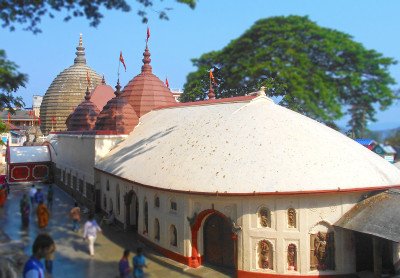
...
Goalpara River View

Some quick example text to build on the card title and make up the bulk of the card's content.

Go somewhere
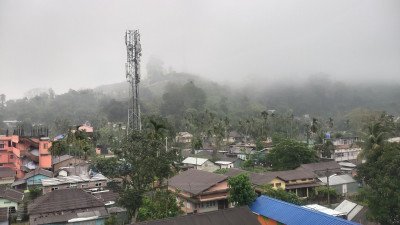
...
Hulukunda Pahar

Some quick example text to build on the card title and make up the bulk of the card's content.

Go somewhere
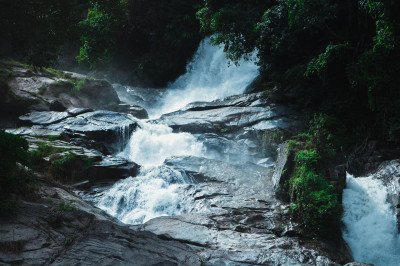
...
Joybhum Kamakhya Temple

Some quick example text to build on the card title and make up the bulk of the card's content.

Go somewhere
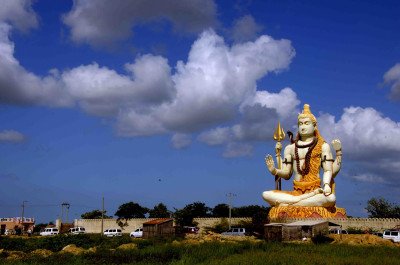
...
Kumri Beel Lake

Some quick example text to build on the card title and make up the bulk of the card's content.

Go somewhere
...
Nalonga Waterfalls

Some quick example text to build on the card title and make up the bulk of the card's content.

Go somewhere

...
Nandeswar Devalaya

Some quick example text to build on the card title and make up the bulk of the card's content.

Go somewhere
...
Pir Majhar

Some quick example text to build on the card title and make up the bulk of the card's content.

Go somewhere
in Other Cities
