...

Urpad Beel

Goalpara, Assam, India
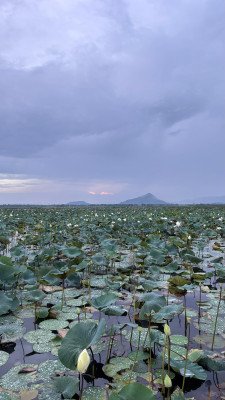
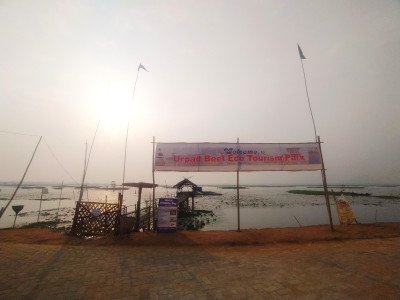
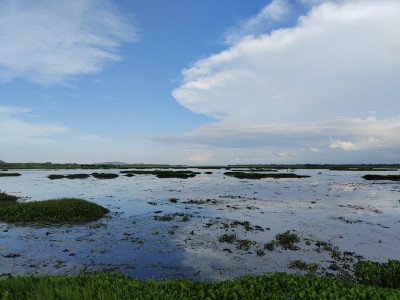
Urpad Beel is a stunning natural lake, or 'Beel' (a floodplain wetland), situated near the Agia village in the Goalpara district of Assam, India. Recognized as one of the largest natural wetlands in Lower Assam, it is an ecological jewel that plays a crucial role in the region's biodiversity and sup ports the livelihood of the surrounding local communities. The Beel is renowned for its exceptional scenic beauty, characterized by tranquil, expansive waters surrounded by lush greenery, especially during the winter months. Its surface is often carpeted with vibrant aquatic flora, including water lilies and water hyacinths, which give it a breathtaking, often-described pink hue—earning it the affectionate moniker, "The Pink Paradise." Beyond its aesthetic appeal, Urpad Beel is a critical wetland ecosystem. It serves as a natural habitat for a wide array of fish species and, most significantly, for a diverse range of residential and migratory birds. Key avian species spotted here include the majestic Greater Adjutant Stork, the small and beautiful Cotton Pigmy Goose, Baya Weavers, Lesser Whistling Duck, and various species of Kingfishers. The government of Assam has acknowledged its importance with plans and projects to beautify the area and is actively considering declaring it a conservation reserve or wildlife sanctuary to ensure the preservation of this fragile yet rich environment for future generations. It is a destination that truly offers a peaceful escape, blending natural wonder with vital ecological significance, making it a must-visit for nature lovers and birdwatchers in Northeast India. The entire wetland ecosystem, including its connected water bodies like Patakata and Matia beels, spans over 1,000 hectares, solidifying its status as a major water body in the region.

General information

  • ...

    Ideal Duration:

    3 to 4 hours (For birdwatching and a boat ride)
  • ...

    Place Type:

    Natural Lake / Wetland / Birding Hotspot / Eco-Tou
  • ...

    Entry Fees:

    Entry to the Beel Area (Currently Free): As a natural public wetland and an ecological spot, there is generally no official entry fee levied by the government or forest department to access the Urpad Beel area. The lack of a formal entry gate or ticket counter makes it an a...
    Entry to the Beel Area (Currently Free): As a natural public wetland and an ecological spot, there is generally no official entry fee levied by the government or forest department to access the Urpad Beel area. The lack of a formal entry gate or ticket counter makes it an accessible, budget-friendly destination for all nature enthusiasts. This is in line with many natural attractions in the region where the focus is on conservation and community livelihood rather than commercial tourism revenue.

    Cost Implications for Visitors: While entry is free, visitors should be prepared for potential, small, voluntary costs. Parking fees for private vehicles may be collected by local youth groups or community organizations near the main access points, typically a very nominal amount (e. g. , Rs.20 to Rs.50 per vehicle). Furthermore, utilizing the main activities, such as taking a boat ride, will involve a charge set by the local boatmen. These boating fees vary based on the duration and size of the group, but travelers should budget a reasonable amount, generally between Rs.100 to Rs.300 per person for a short trip, which supports the local economy.

    Conservation and Development Funds: The absence of a formal fee does not imply a lack of value; the local community encourages responsible tourism. Tourists who wish to contribute to the maintenance and development of eco-friendly infrastructure (like the new platforms or trails) may look for local donation boxes or community representatives, which serves as a great way to support the preservation efforts of this unique ecosystem.
  • ...

    Timing:

    Regular Timings (Open Access): As a natural lake, Urpad Beel technically has no formal opening and closing hours. Visitors can access the general area at any time. However, for practical and safety reasons, the ideal visiting window is from Sunrise (approximately 5:30 AM t...
    Regular Timings (Open Access): As a natural lake, Urpad Beel technically has no formal opening and closing hours. Visitors can access the general area at any time. However, for practical and safety reasons, the ideal visiting window is from Sunrise (approximately 5:30 AM to 6:00 AM) to Sunset (approximately 4:30 PM to 5:00 PM). There is no official floodlighting, and a lack of proper pathways makes night-time access impractical and potentially dangerous. The local boat operators and nearby food stalls also typically operate within these daytime hours.

    Ideal Visit Time (The Early Bird Gets the View): The most ideal time to visit is unequivocally the early morning, specifically from 6:00 AM to 9:00 AM. This period offers several advantages. The mist often lifts off the water, creating a magical, atmospheric backdrop perfect for photography. The bird activity is at its peak as various species wake and begin their feeding cycles, offering the best chances for birdwatching. Moreover, the Water Lilies and Lotus blossoms are usually fully open and most vibrant in the soft, cool light of the morning. Visiting at this time also allows you to beat the hotter part of the day, which can become humid, especially outside of the peak winter season. The late afternoon (3:30 PM to 4:30 PM) is also excellent for sunset photography.
  • ...

    Special Events:

    Migratory Bird Arrival Season (October to March): The most significant and spectacular "special event" at Urpad Beel is the annual arrival of migratory birds, which transforms the Beel into an ornithologist's paradise. Starting in October and peaking throughout the winter u...
    Migratory Bird Arrival Season (October to March): The most significant and spectacular "special event" at Urpad Beel is the annual arrival of migratory birds, which transforms the Beel into an ornithologist's paradise. Starting in October and peaking throughout the winter until March, the wetland welcomes countless bird species escaping the harsh northern winters. This is the period when the Beel truly earns its reputation as a birding hotspot, drawing nature photographers and enthusiasts. Special organized birding festivals or nature walks are sometimes held by local authorities or conservation groups to celebrate this influx of avian visitors and to raise public awareness about their protection. The peak viewing time is usually December and January, coinciding with the bloom of the water lilies.

    Local Bihu Celebrations (April, January): While not specific to the Beel itself, the proximity to local villages means visitors in April (for Rongali Bihu, the most colourful) or January (for Magh Bihu) can experience the vibrant Assamese culture. These festivals involve traditional dances, feasts, and local games, offering a rich cultural counterpoint to the natural beauty of the Beel. The Rongali Bihu in April is particularly festive, marking the Assamese New Year, with locals engaging in traditional rituals and community gatherings.
  • ...

    Best Photo Spots:

    The Main Viewing Platform/Jetty: This is generally the most accessible and best-developed spot. From here, you get a wide, expansive view of the Beel's surface, which is ideal for capturing the large-scale spectacle of the pink water lilies and lotus blossoms during the pea...
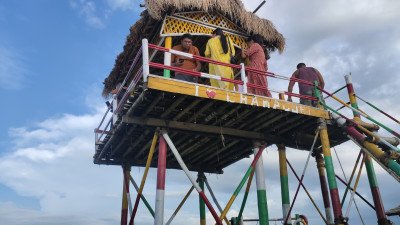
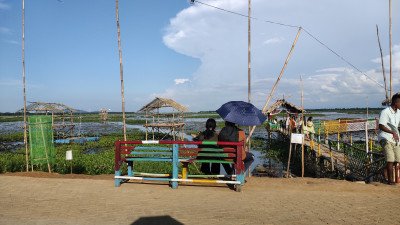
    The Main Viewing Platform/Jetty: This is generally the most accessible and best-developed spot. From here, you get a wide, expansive view of the Beel's surface, which is ideal for capturing the large-scale spectacle of the pink water lilies and lotus blossoms during the peak winter season. The elevated perspective is perfect for panorama shots that showcase the entire dimension of the Beel and the surrounding low hills. It is also the best place for capturing the sunset, as the colors of the sky reflect brilliantly on the water.

    The Water Lily and Lotus Blooms: To capture the iconic "Pink Paradise" image, the best photo spots are often found on the shallow fringes or from a local boat ride (with permission). These spots allow for close-up (macro) photography of the individual flowers and their dense clusters against the green backdrop of the floating leaves. Focus on the early morning when the flowers are fully open and the light is soft, highlighting their delicate colours.

    The Bird Roosting/Feeding Areas: These are often concentrated in quieter, less accessible parts of the Beel, usually near the marshy patches where tall grasses and reeds grow. Use a telephoto lens from a distance to capture the Greater Adjutant Stork and other waterbirds without disturbing them. Patience is key here; the best shots of birds in action (e. g. , in flight or feeding) require waiting for the ideal natural moment. Local guides can often point out the most active birding zones.

Photo Gallery

...
Darjeeling
Queen of Hills • Tea Gardens
...
Darjeeling
Queen of Hills • Tea Gardens
...
Darjeeling
Queen of Hills • Tea Gardens
...
Darjeeling
Queen of Hills • Tea Gardens
...
Darjeeling
Queen of Hills • Tea Gardens

Things To Do

  • ...
    Nature Photography and Scenic View Captures: This is one of the most rewarding activities at Urpad Beel, especially during the winter months when the Beel transforms into the "Pink Paradise" with its blankets of water lilies. Photographers should aim for the early morning light, when mist often hangs over the water, or the late afternoon for the rich golden light of sunset reflecting on the Beel. Focus on macro shots of the aquatic flowers and telephoto shots of the distant birdlife. Seek out the designated viewing platforms for the best panoramic shots of the vast wetland.

    Birdwatching Excursions: As a major birding hotspot, dedicate at least two to three hours specifically to observe the avian population. Bring binoculars and a field guide. Key species to look for include the Greater Adjutant Stork, Cotton Pigmy Goose, var...
    Nature Photography and Scenic View Captures: This is one of the most rewarding activities at Urpad Beel, especially during the winter months when the Beel transforms into the "Pink Paradise" with its blankets of water lilies. Photographers should aim for the early morning light, when mist often hangs over the water, or the late afternoon for the rich golden light of sunset reflecting on the Beel. Focus on macro shots of the aquatic flowers and telephoto shots of the distant birdlife. Seek out the designated viewing platforms for the best panoramic shots of the vast wetland.

    Birdwatching Excursions: As a major birding hotspot, dedicate at least two to three hours specifically to observe the avian population. Bring binoculars and a field guide. Key species to look for include the Greater Adjutant Stork, Cotton Pigmy Goose, various species of ducks, Kingfishers, and Baya Weavers. The best time for this is the October to March period, which marks the season for migratory birds. Early mornings offer the highest activity levels.

    Tranquil Boat Rides: Local boat operators often provide short, peaceful boat rides on the Beel, allowing visitors to quietly glide through the water and get closer to the lilies and bird colonies without causing disturbance. This offers a unique, ground-level perspective of the wetland's ecosystem. Always confirm the boat's safety and insist on minimal noise to respect the natural environment.

    Lakeside Nature Walks: The fringes of the Beel offer serene walking trails, perfect for a peaceful communion with nature. A walk along the banks allows visitors to appreciate the surrounding rural landscape, the dense vegetation of the beel's edges, and the local flora. These walks also provide opportunities to observe the Beel's aquatic plants and to find different vantage points for photography.

    Interacting with Local Life: Engage with the villagers in Agia to learn about their dependence on the Beel for fishing and agriculture. Experiencing the local fishing practices or witnessing the simple, traditional lifestyle offers a valuable cultural dimension to the visit. You may find local cuisine stalls selling simple, fresh snacks and drinks, which provides a taste of authentic local flavour.

    Ecological Study and Conservation Awareness: For students and researchers, the Beel offers an ideal spot for an ecological study. The sheer diversity of aquatic macrophytes (93 species reported) makes it a significant site for botanical and ecological sampling. Furthermore, learning about the local efforts to declare it a conservation reserve, like the 1 Crore INR project sanctioned for beautification, raises one's awareness of the importance of wetland conservation in Assam.

Resturants

Show All

Information

  • ...

    Why Famous:

    The Pink Paradise Phenomenon: Urpad Beel is famously known as the "Pink Paradise" because during the peak winter season, particularly from November to February, a massive bloom of aquatic flowering plants, predominantly water lilies and lotus blossoms, carpets the water's su...
    The Pink Paradise Phenomenon: Urpad Beel is famously known as the "Pink Paradise" because during the peak winter season, particularly from November to February, a massive bloom of aquatic flowering plants, predominantly water lilies and lotus blossoms, carpets the water's surface. This natural spectacle transforms the Beel into a breathtaking vista of vibrant pink and green, a sight highly sought after by photographers and tourists. The density and sheer scale of this floral cover are what make the Beel unique among wetlands in the region.

    A Critical Birding Sanctuary: Its primary fame, however, lies in its role as a crucial avian habitat. The Beel attracts a significant number of migratory birds from colder regions, particularly in the winter months, turning it into one of Lower Assam's premier birdwatching spots. It is home to several threatened species, most notably the towering Greater Adjutant Stork—a species of immense conservation value—along with numerous duck species like the Lesser Whistling Duck and Cotton Pigmy Goose. This biodiversity hotspot attracts serious ornithologists, nature lovers, and eco-tourists alike, offering a rare opportunity to observe these winged visitors in their natural feeding and resting grounds. The combination of ecological importance and stunning seasonal beauty secures its place as a famous destination in the Goalpara region.
  • ...

    Architecture:

    The Natural Architecture of a Beel Ecosystem: Urpad Beel does not possess man-made architectural structures in the traditional sense, but its inherent structure is a fascinating example of natural geomorphology and hydrodynamics unique to the Brahmaputra valley's floodplain ...
    The Natural Architecture of a Beel Ecosystem: Urpad Beel does not possess man-made architectural structures in the traditional sense, but its inherent structure is a fascinating example of natural geomorphology and hydrodynamics unique to the Brahmaputra valley's floodplain wetlands. The term 'Beel' itself refers to an ox-bow lake, a distinctive type of wetland formed when a meandering river, like the Brahmaputra, cuts off a loop, leaving a crescent-shaped body of water. The Beel's structure is typically shallow, which is crucial for supporting the rich growth of submerged and floating aquatic vegetation. Urpad Beel is spread across a core water-spread area of approximately 700 hectares (or 1,730 acres), though its total wetland area, including marshy fringes and connected areas like Patakata and Matia beels to the east, extends to over 1,000 hectares. This extensive dimension provides varied habitats, from open water for diving birds to shallow, vegetated fringes for waders.

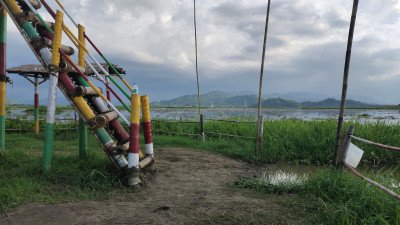
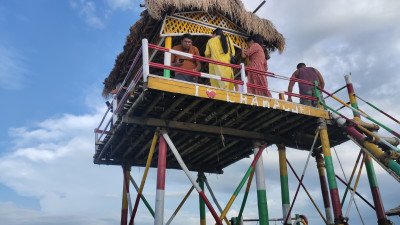
    Hydrodynamic Features and Dimensions: The Beel is fed partially by the Jinari river, which originates in the Garo Hills of Meghalaya and flows by the side of the Beel before eventually draining into the Brahmaputra. This connectivity ensures a dynamic water level, which is usually highest during the monsoon season. The dimensions vary seasonally; in the dry winter months, the water-spread shrinks, concentrating fish and providing vast mudflats that serve as feeding grounds for migratory birds. The surrounding landscape consists of low-lying plains and agricultural land, typical of a flood-prone valley. The ongoing conservation efforts are focused on developing minimal, eco-friendly infrastructure, such as birdwatching platforms and viewing points, to interact with this natural architecture without disrupting its delicate balance. These platforms are typically small, wooden, and elevated structures, designed to offer a panoramic view of the Beel's expansive water body.
  • ...

    How To Reach:

    By Air (The Nearest Major Airport): The nearest major airport is Lokpriya Gopinath Bordoloi International Airport (GAU), located in Guwahati, Assam. Guwahati is a significant hub well-connected to all major metropolitan cities in India, including New Delhi, Mumbai, Kolkata,...
    By Air (The Nearest Major Airport): The nearest major airport is Lokpriya Gopinath Bordoloi International Airport (GAU), located in Guwahati, Assam. Guwahati is a significant hub well-connected to all major metropolitan cities in India, including New Delhi, Mumbai, Kolkata, and Bangalore. The airport is approximately 150 to 170 KMs away from Goalpara town. From the airport, visitors can hire a pre-paid taxi or a private cab for a direct journey to Goalpara, which takes about 3. 5 to 4. 5 hours depending on traffic and road conditions. Alternatively, one can take a shared taxi or a bus from Guwahati to Goalpara. Once in Goalpara town, local transport is needed to reach Urpad Beel.

    By Train (Convenient Railway Access): The nearest major railway station is Goalpara Town Railway Station (GLPT), which is well-connected to major towns and cities across Assam and the rest of India. Another important nearby station is New Bongaigaon Junction (NBQ), located about 35 KMs away, which is a key hub with better connectivity to long-distance routes. From either station, hiring a local auto-rickshaw or a taxi is the easiest way to reach Goalpara town center. From the town, the journey to Urpad Beel (Agia village) is a short one, about 9 to 12 KMs away, easily covered by a local auto-rickshaw or hired cab.

    By Road (Excellent Road Connectivity): Goalpara town is conveniently located on a major national highway, providing excellent road connectivity. National Highway 17 (NH17) connects Goalpara to Guwahati and other parts of Assam. Regular state-run and private buses operate services from Guwahati, Bongaigaon, and other district headquarters to Goalpara. The bus journey is comfortable and relatively inexpensive. For those driving a private vehicle, the road to Urpad Beel via Agia village is typically motorable, though the final few hundred meters might be a rough village road.

    By Local Transport (The Final Stretch): From Goalpara town center, the most practical local transport options to cover the 9 to 12 KMs distance to the Beel are auto-rickshaws (Tuk-Tuks) and local taxis/cabs. It is highly recommended to hire an auto-rickshaw or taxi for a round trip or arrange a specific pickup time, as return transport from the Beel itself might be limited, especially during non-peak hours. Always negotiate the fare beforehand.
  • ...

    Weather and Best Time to Visit:

    Different Types of Seasons:

    The Optimal Winter Window: The absolute best time to visit Urpad Beel is during the winter season, which runs from October to March. This period is ideal for several crucial reasons. First, the weather is cool, p...
    Different Types of Seasons:

    The Optimal Winter Window: The absolute best time to visit Urpad Beel is during the winter season, which runs from October to March. This period is ideal for several crucial reasons. First, the weather is cool, pleasant, and highly comfortable, with temperatures dropping to around 12°C, providing a welcome relief from the region's intense humidity. Second, this season coincides with the arrival of thousands of migratory birds, transforming the Beel into a vibrant sanctuary for birdwatching enthusiasts. Third, the period from November to February is when the Beel is at its most beautiful, with the famous water lilies and lotus blossoms covering the water, creating the 'Pink Paradise' spectacle. The shoulder months of October and March are also good, offering transitional beauty and comfortable temperatures. Summer (April to June) is generally avoided due to extreme heat and high humidity, making sightseeing tiring. The Monsoon (July to September) brings heavy rainfall, which, while raising the water level and deepening the Beel's ecology, can make access difficult and restrict activities like boat rides.

    Different Parts of the Day:

    The Morning Magic: Within the winter season, the early morning hours are superior for a visit. Arriving just after sunrise (around 6:00 AM) offers the best chance to see the greatest number of birds during their most active feeding time. The soft, diffuse light is perfect for photography, and the cooler air is the most refreshing. The sight of the mist rising off the lake's surface as the sun breaks the horizon is a truly unforgettable experience. A secondary, less busy, but equally beautiful time is the late afternoon (3:30 PM onwards), ideal for capturing the stunning sunset reflection over the water. Mid-day visits (11:00 AM to 3:00 PM) should be avoided due to harsh sunlight and reduced bird activity.
  • ...

    Near Tourist Places:

    Dadan Hills: (Temple & Trekking) - 10 KMs (Hills and a Shiva Temple)

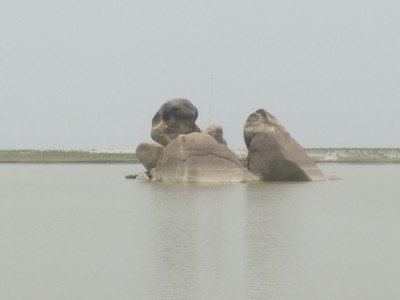
    Buraburi Than: (Historical & Religious Site) - 10 KMs (Religious site on the banks of Brahmaputra)

    Kumri Beel Lake: (Another Birding Lake) - 11 KMs (Similar wetland, ideal for birdwatching)

    Sri Surya Pahar: (Archaeological & Heritage Site) - 12 KMs (Famous hill with Hindu, Buddhist, and Jain relics)

    Tukeswari Rock Temple: (Religious Site & Rock Climbing) - 15 KMs (Hilltop temple dedicated to Goddess Durga)

    Nandeswar Devalaya: (Ancient Temple) - 21 KMs (Ancient Shiva temple on Nandeswar hill)

    Joybhum Kamakhya Temple: (Shakti Peetha) - 27 KMs (One of the 51 Shakti Peethas)

    Kokrajhar Town: (Town with Wildlife & Temples) - 44 KMs (Town near Chakrashila Wildlife Sanctuary)

    Manas National Park (Entry Point): (UNESCO World Heritage Site) - 93 KMs (Major Tiger Reserve and Wildlife Sanctuary)

    Guwahati City: (State Capital & Hub) - 150 KMs (Major city for flights and onward travel)

Tourism Tips

  • ...
    Health & Safety:

    Mosquitoes and Sun Protection: Given its location as a large wetland, mosquitoes can be a concern, especially at sunrise and sunset. Visitors should pack and liberally apply a high-quality insect repellent. It is also wise ...
    Health & Safety:

    Mosquitoes and Sun Protection: Given its location as a large wetland, mosquitoes can be a concern, especially at sunrise and sunset. Visitors should pack and liberally apply a high-quality insect repellent. It is also wise to wear long-sleeved, light-colored clothing. Despite the cool winter temperatures, the sun can be intense; remember to bring a sun hat, sunglasses, and sunscreen to protect against UV exposure. Always stay on marked paths, especially in the marshy fringes, and be mindful of your footing. If taking a boat ride, ensure the boat is safe and life vests (if available) are worn.

    Packing Essentials:

    The Birdwatcher's Kit: For the best experience, essential packing includes binoculars, a telephoto lens (if you have one) for bird photography, and a good field guide to the birds of Northeast India. Wear comfortable walking shoes suitable for potentially damp or uneven terrain. Carry a reusable water bottle to stay hydrated and a small backpack for your essentials. A light jacket or shawl is necessary for the chilly early mornings and late evenings during the winter months.

    Accommodation:

    Staying in Goalpara: There are currently limited formal accommodation options directly near Urpad Beel in Agia village. The best and most comfortable option is to stay in Goalpara town, which is only 9-12 KMs away. Goalpara offers several hotels, guesthouses, and lodges suitable for various budgets. Pre-booking, especially during the peak tourist season (November to February), is highly advisable to secure the best lodging. From Goalpara, the Beel is a straightforward and easy commute by hired vehicle.

    Other Important Tips:

    Respect for Nature and Community: Urpad Beel is a crucial ecological zone. Visitors must practice eco-friendly tourism—do not litter, do not feed the wildlife, and maintain absolute silence and distance when observing birds to avoid stressing them. Support the local community by hiring local guides or boatmen and purchasing any local goods or snacks they offer. Ensure you carry cash (Indian Rupees), as digital payment or card facilities are unlikely to be available at the Beel area or with local vendors.

Reviews

FAQs

Goalpara Itineray And Cost:-

Information about New and Updated Locations() of Assam Has Been Added :-
Card subtitle

Note:-

Information provided here in good Faith and for reference only.

All information and pictures will be updated soon, please keep visiting.

Near Places
...
Baijuri Waterfall

Some quick example text to build on the card title and make up the bulk of the card's content.

Go somewhere
...
Buraburi Than

Some quick example text to build on the card title and make up the bulk of the card's content.

Go somewhere
...
Dadan Hill

Some quick example text to build on the card title and make up the bulk of the card's content.

Go somewhere
...
Goalpara River View

Some quick example text to build on the card title and make up the bulk of the card's content.

Go somewhere
...
Hulukunda Pahar

Some quick example text to build on the card title and make up the bulk of the card's content.

Go somewhere
...
Joybhum Kamakhya Temple

Some quick example text to build on the card title and make up the bulk of the card's content.

Go somewhere
...
Kumri Beel Lake

Some quick example text to build on the card title and make up the bulk of the card's content.

Go somewhere
...
Nalonga Waterfalls

Some quick example text to build on the card title and make up the bulk of the card's content.

Go somewhere
...
Nandeswar Devalaya

Some quick example text to build on the card title and make up the bulk of the card's content.

Go somewhere

...
Pir Majhar

Some quick example text to build on the card title and make up the bulk of the card's content.

Go somewhere
in Other Cities
