
Vishnupad Temple
General information
-
Ideal Duration:
1.
5 - 2 Hours:Place Type:
Major Temple, Pilgrimage Center, Historical LandmaEntry Fees:
No Official Entry Fee:
Entry to the temple is Free (): Non-Hindus may face restrictions on entering the inner sanctum. The fees are primarily for the Pind Daan rituals performed by the Gayawal Brahmins and should be negotiated beforehand. T...No Official Entry Fee:
Entry to the temple is Free (): Non-Hindus may face restrictions on entering the inner sanctum. The fees are primarily for the Pind Daan rituals performed by the Gayawal Brahmins and should be negotiated beforehand. There are charges for flower, Prasad, and ritual items. Expect to give a small, voluntary donation for temple maintenance.Timing:
Regular Timings: Open daily from 6:00 AM to 8:
00 PM (): The temple may close briefly in the afternoon (12:00 PM to 4:00 PM) for Bhog (offering).
Ideal Visit Time: Early morning (6:00 AM to 9:00 AM) is ideal f...Regular Timings: Open daily from 6:00 AM to 8:
00 PM (): The temple may close briefly in the afternoon (12:00 PM to 4:00 PM) for Bhog (offering).
Ideal Visit Time: Early morning (6:00 AM to 9:00 AM) is ideal for Darshan and rituals. The evening Aarti is a spiritual highlight. October to March is the best general season.Special Events:
Pitru Paksha Mela: This is the absolute center of the Pitru Paksha Mela (September/October) (): The temple is the main starting and ending point for the ancestral rites, drawing millions of pilgrims. Janmashtami (Lord Krishna's birthday) is also celebrated with great pomp. ...Pitru Paksha Mela: This is the absolute center of the Pitru Paksha Mela (September/October) (): The temple is the main starting and ending point for the ancestral rites, drawing millions of pilgrims. Janmashtami (Lord Krishna's birthday) is also celebrated with great pomp. The day of Ekadashi is also considered auspicious for special Pujas. The annual celebration of the temple's reconstruction by Ahilya Bai Holkar is a local historical event.Best Photo Spots:
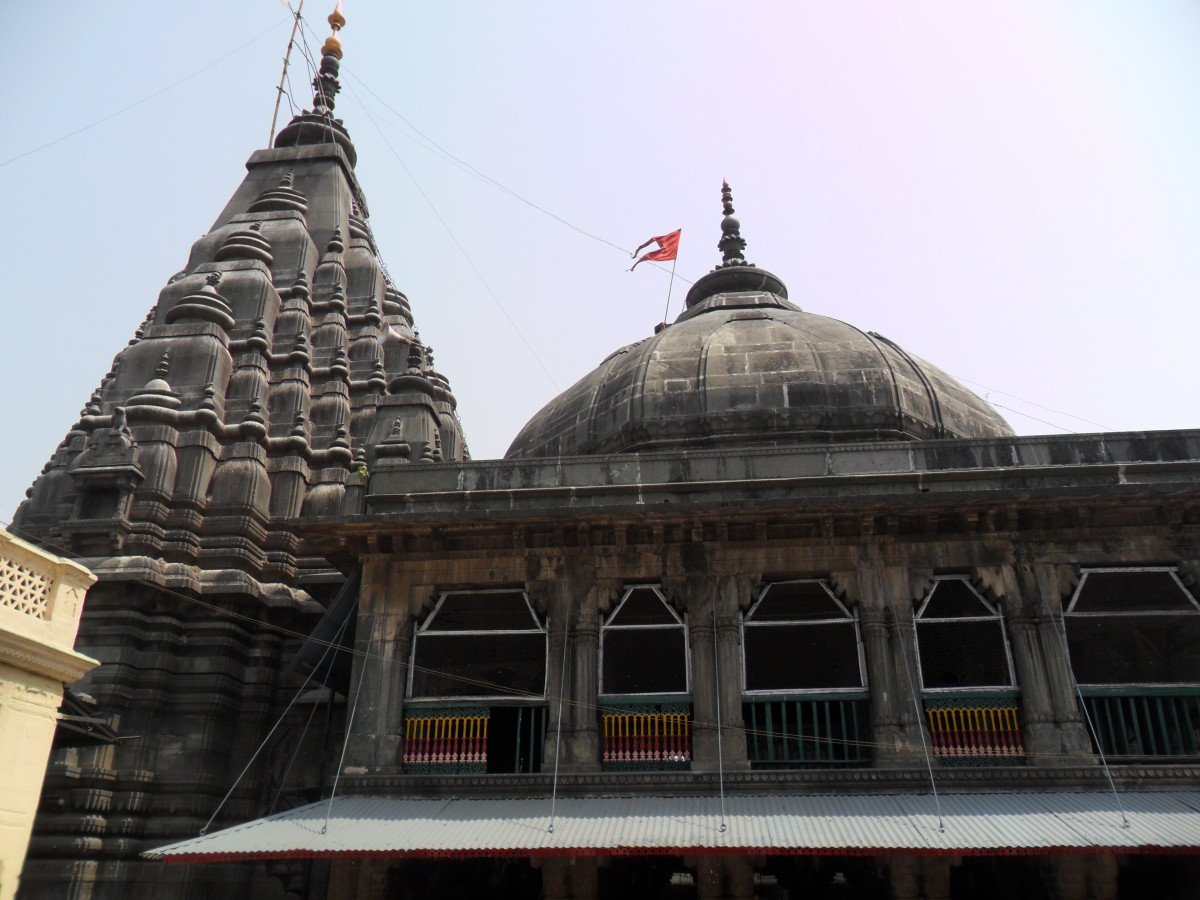
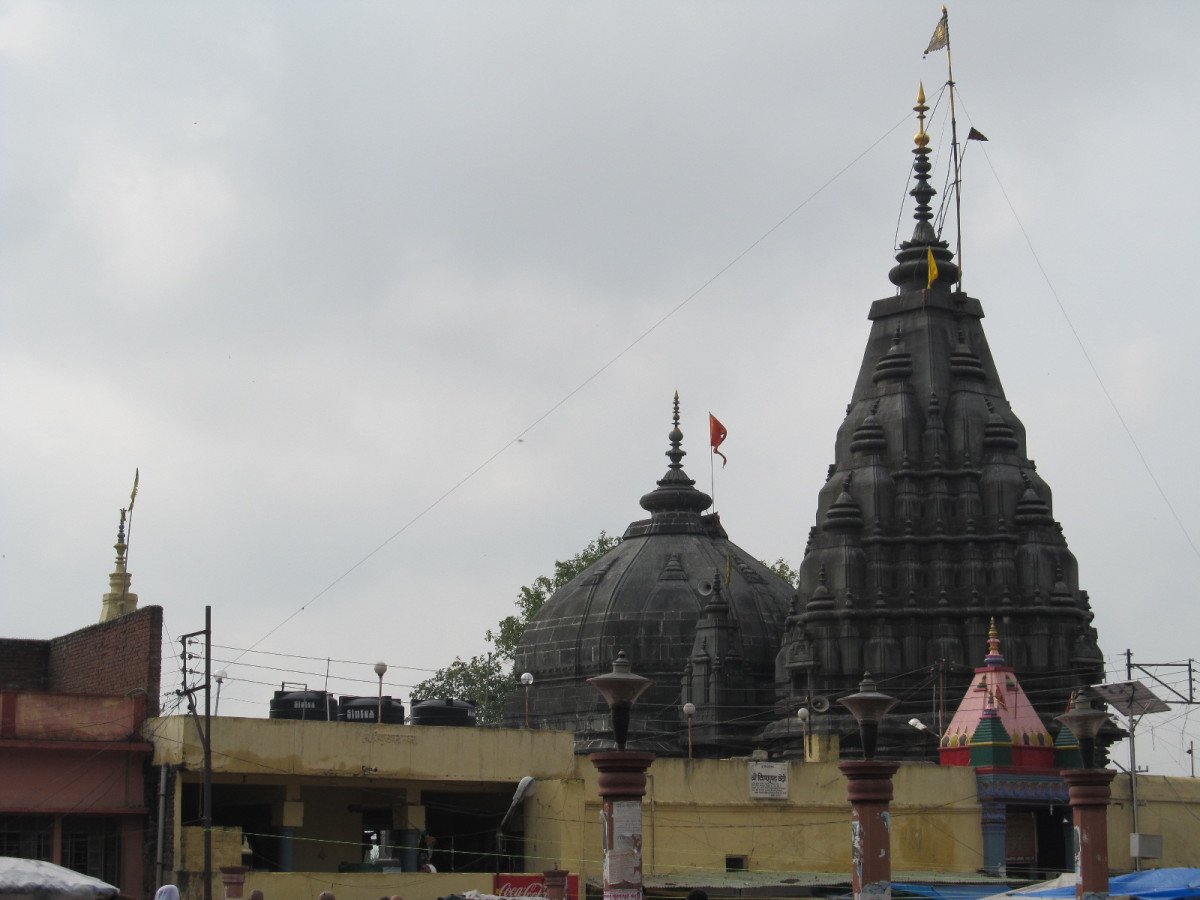
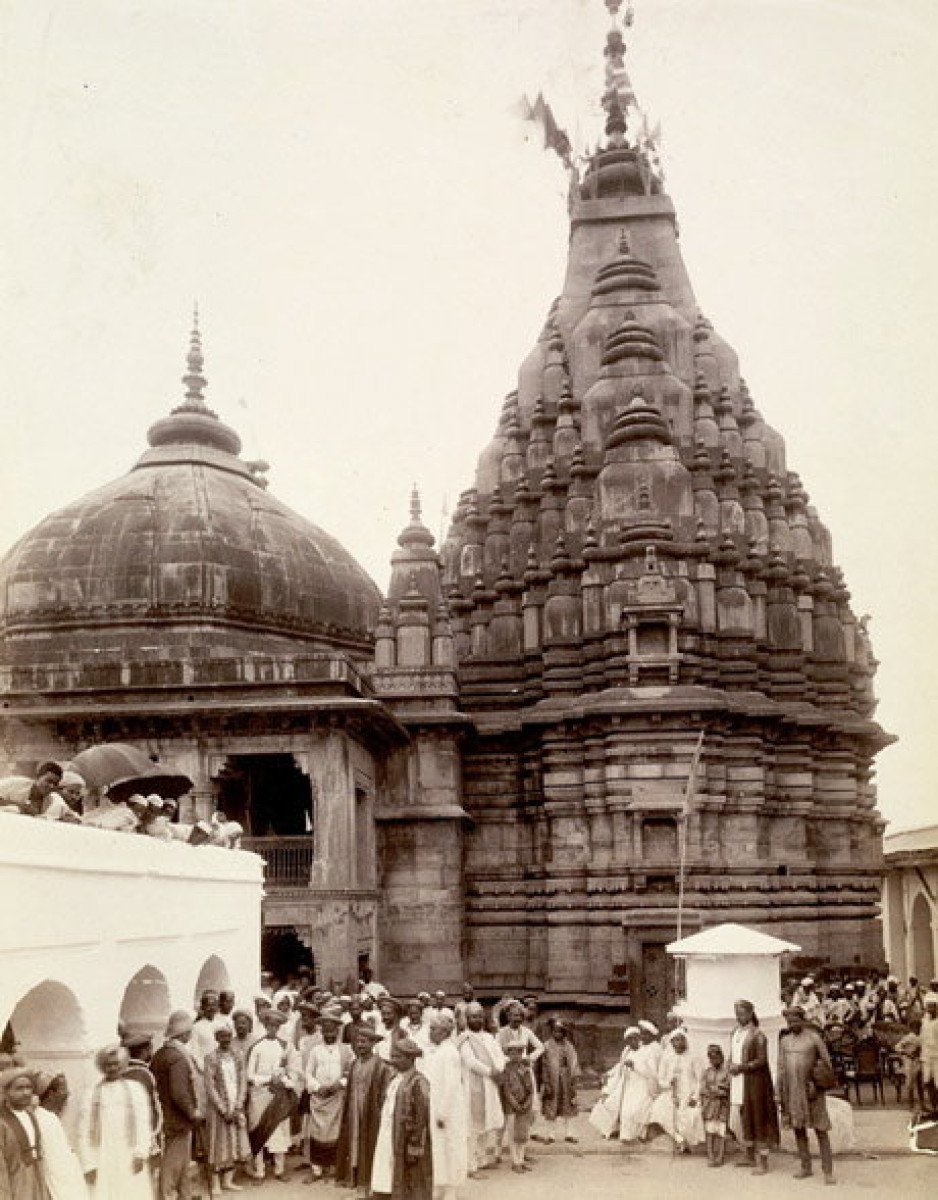
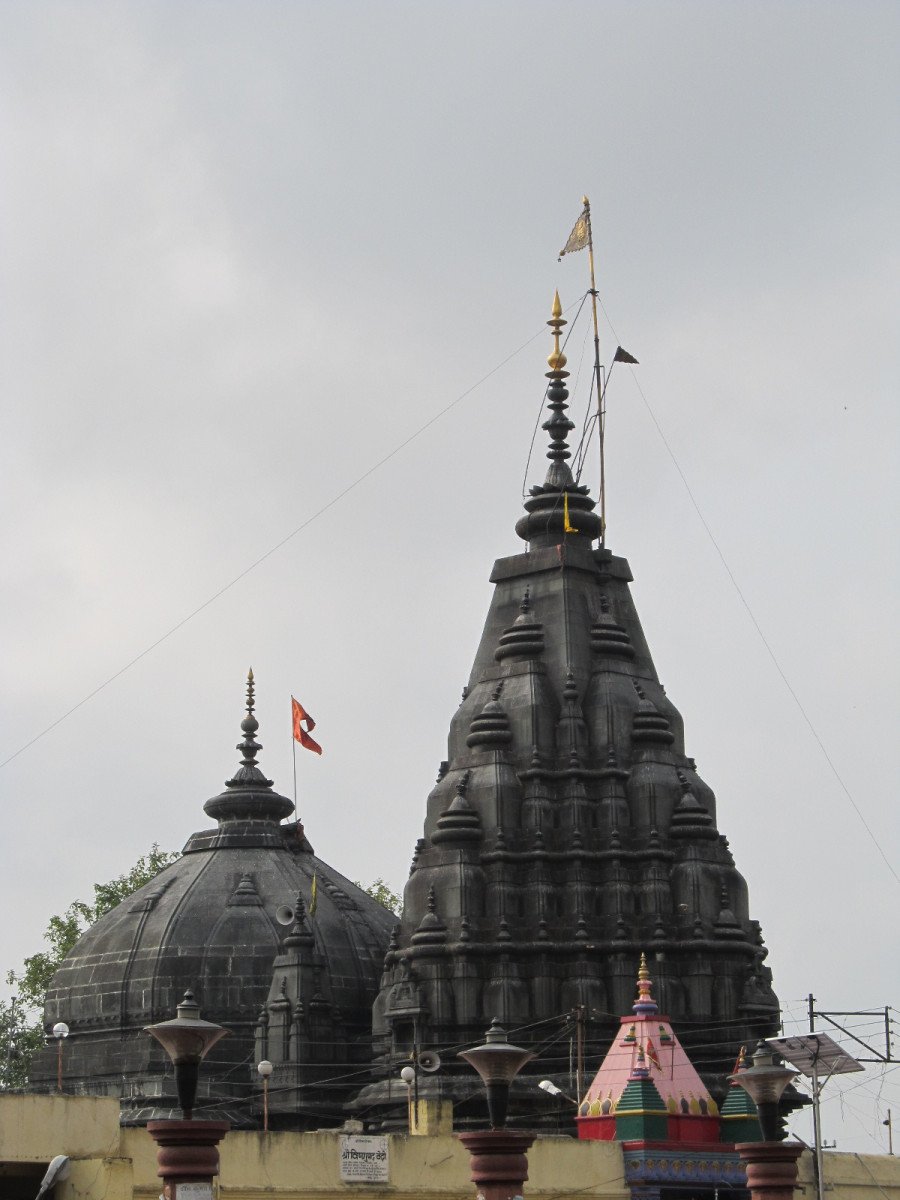
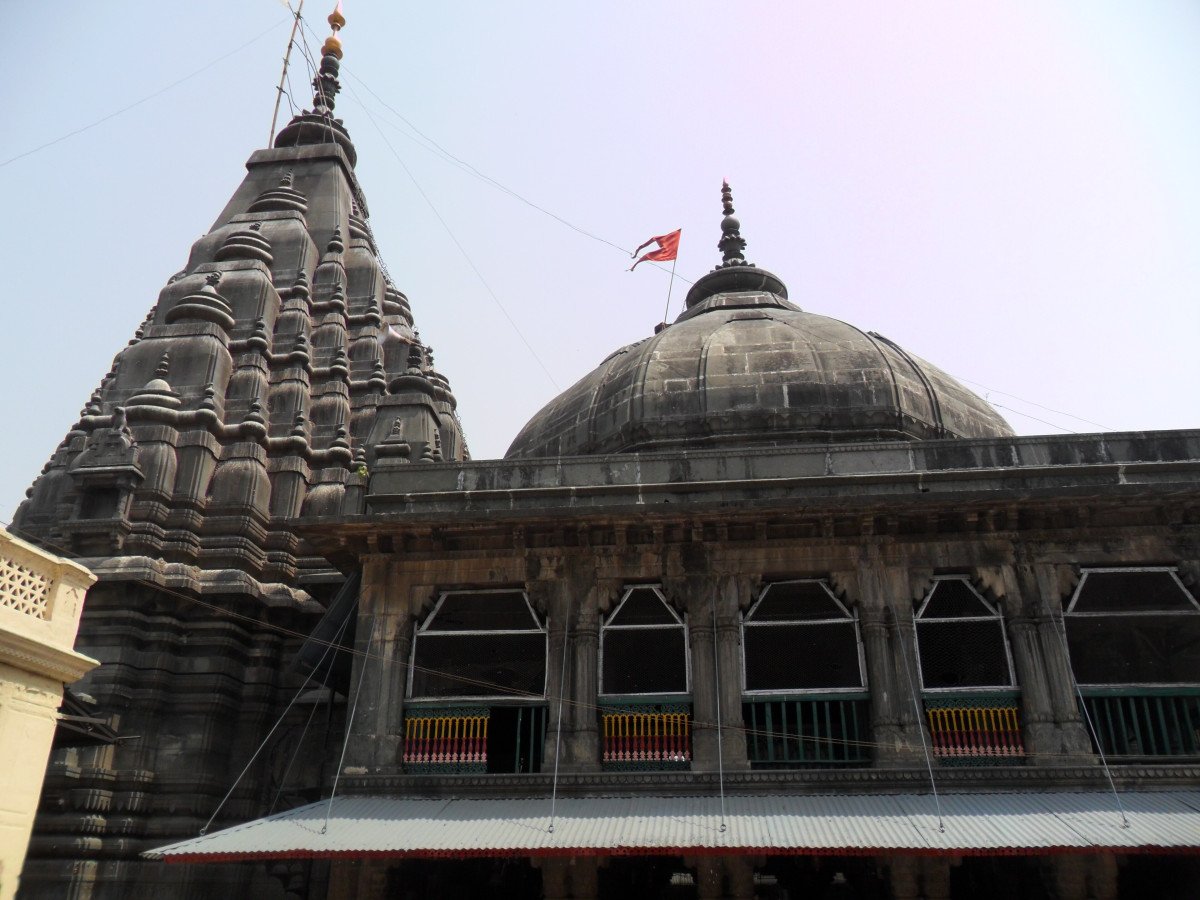
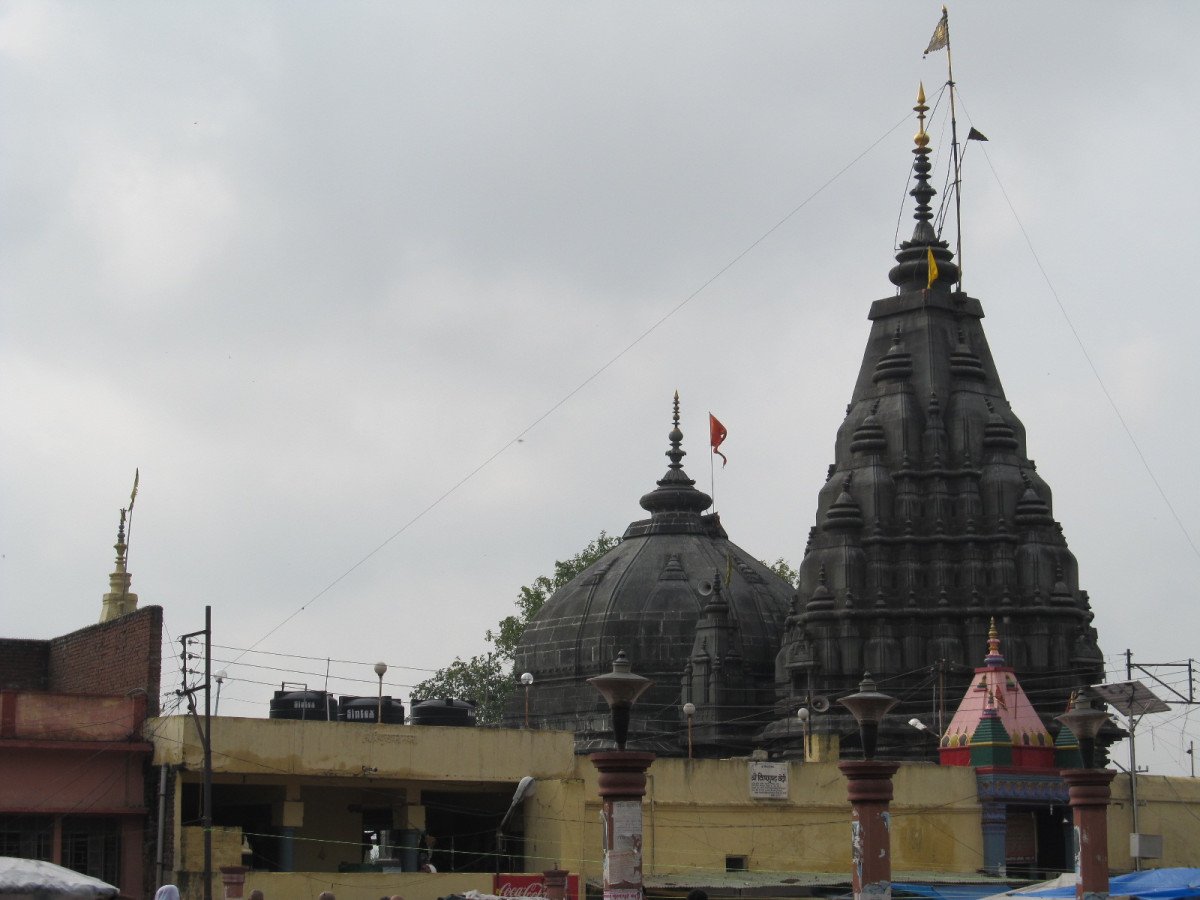
The Pyramidal Shikhara: The 100-foot-high, octagonal Shikhara (pyramidal spire) seen from the Phalgu River bank ():
The Footprint Sanctum: A respectful shot of the ornate silver basin surrounding the footprint (if permitted).The Pyramidal Shikhara: The 100-foot-high, octagonal Shikhara (pyramidal spire) seen from the Phalgu River bank ():
The Footprint Sanctum: A respectful shot of the ornate silver basin surrounding the footprint (if permitted).
The Pillars and Carvings: Close-up of the intricately carved granite pillars of the Mandap (hall).
The Temple at Night: The temple beautifully illuminated during festivals or in the evening.
The Octagonal View: A wide-angle shot capturing the unique octagonal structure of the temple's exterior.Photo Gallery

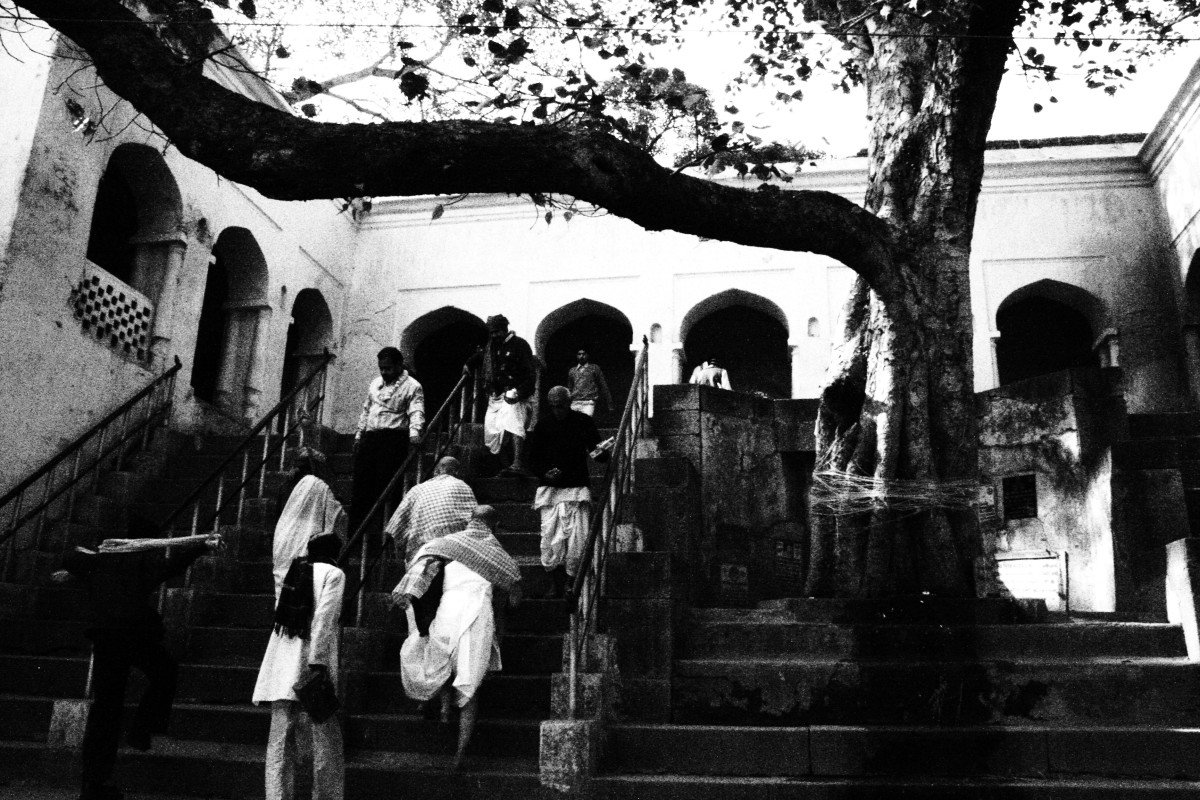
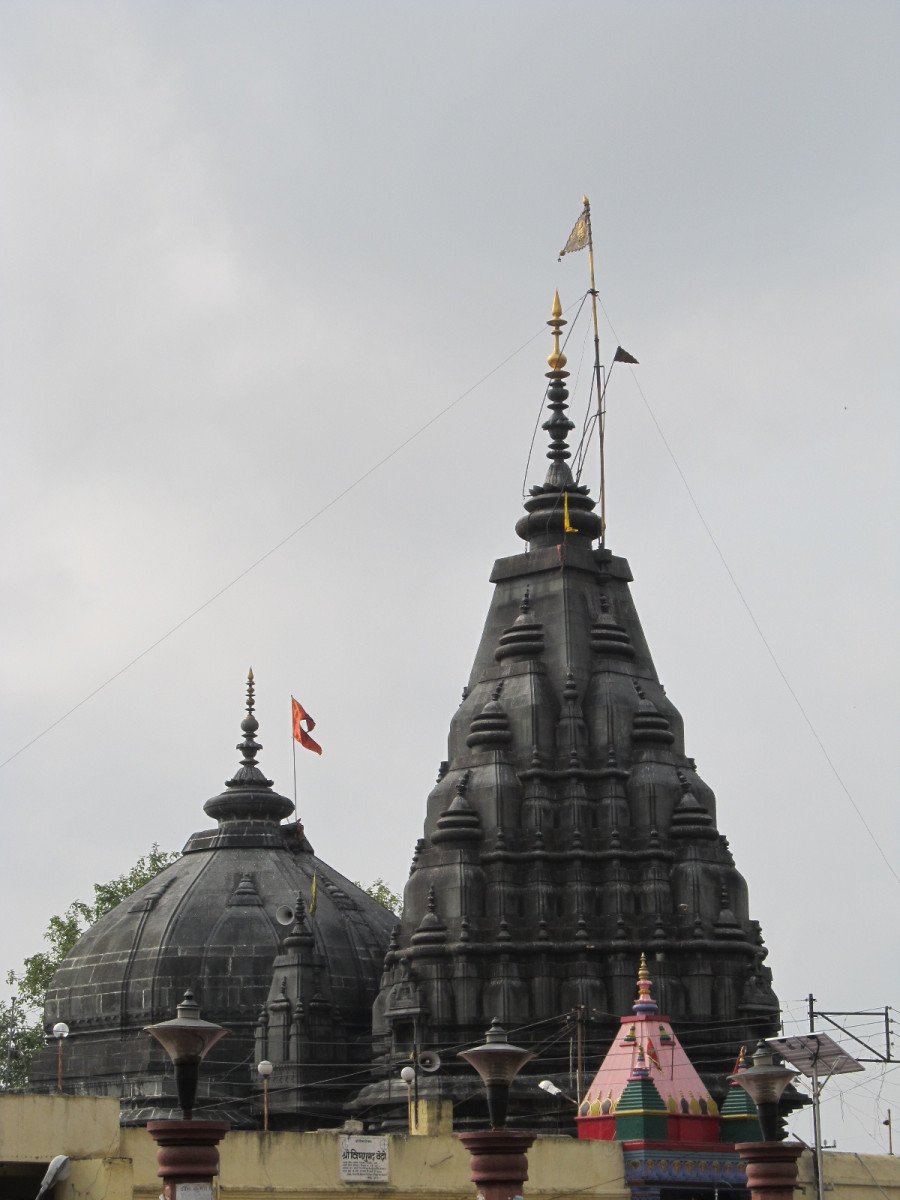
Things To Do
-
Darshan of the Footprint: Have Darshan of the sacred 40-cm footprint of Lord Vishnu in the sanctum (): This is the primary act of devotion.
Perform Pind Daan: Engage the Gayawal priests to perform the ancestral Pind Daan rituals on the premises or on the nearby Phalgu bank.
Explore the Architecture: Walk around the octagonal structure, observing the finely carved pillars and the massive granite stone construction.
Visit the Subsidiary Shrines: Offer prayers at the small temples dedicated to Lord Shiva, Goddess Mahalaxmi, and other deities within the complex.
Circumambulation (Parikrama): Perform a Parikrama around the temple structure.
Attend the Aarti: Witness the mesmerizing morning or evening ...Darshan of the Footprint: Have Darshan of the sacred 40-cm footprint of Lord Vishnu in the sanctum (): This is the primary act of devotion.
Perform Pind Daan: Engage the Gayawal priests to perform the ancestral Pind Daan rituals on the premises or on the nearby Phalgu bank.
Explore the Architecture: Walk around the octagonal structure, observing the finely carved pillars and the massive granite stone construction.
Visit the Subsidiary Shrines: Offer prayers at the small temples dedicated to Lord Shiva, Goddess Mahalaxmi, and other deities within the complex.
Circumambulation (Parikrama): Perform a Parikrama around the temple structure.
Attend the Aarti: Witness the mesmerizing morning or evening Aarti ceremonies, which are performed with great devotion and sound.
Visit Phalgu River: Walk across to the banks of the Phalgu River, which is right behind the temple, to witness the rituals there.
Souvenir Shopping: Purchase religious items, local sweets (Til-Kut), and devotional books from the surrounding market.
Information
-
Why Famous:
The Sacred Footprint: It is famous as the only temple in the world dedicated to the footprint of Lord Vishnu (): This is the main reason for its immense fame and sanctity. It is the most important site for the Pind Daan ritual, which is central to Gaya's identity. The fact...The Sacred Footprint: It is famous as the only temple in the world dedicated to the footprint of Lord Vishnu (): This is the main reason for its immense fame and sanctity. It is the most important site for the Pind Daan ritual, which is central to Gaya's identity. The fact that the present structure was rebuilt by the legendary Queen Ahilya Bai Holkar in the 18th century also adds to its historical fame and architectural significance. The unique octagonal shape and 100-foot-high spire make it a recognizable and visually dominant landmark. The presence of nine symbols on the footprint, including Shankam and Chakram, is a specific point of fame. -
Architecture:
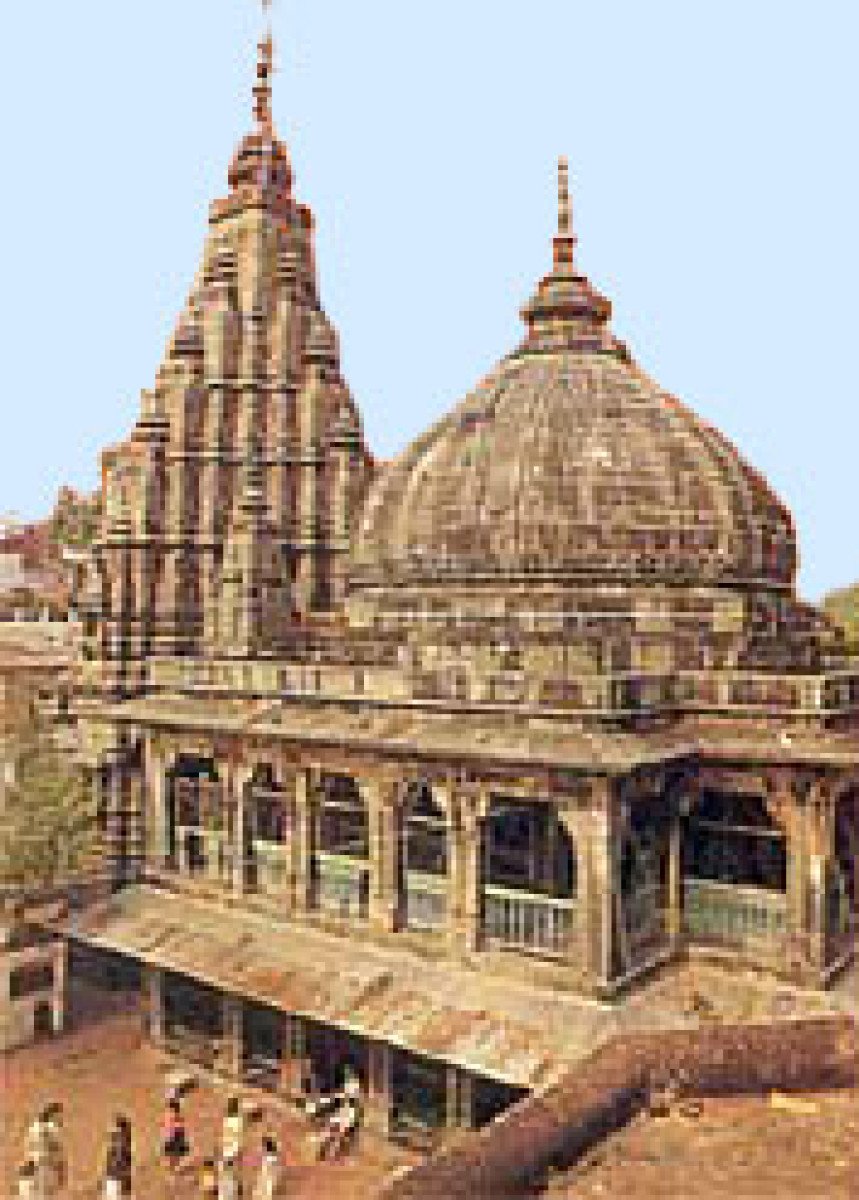
Maratha and Regional Stone Style (): The temple is a fine example of Maratha architecture, specifically commissioned by Queen Ahilya Bai Holkar. It is constructed entirely of large, gray granite blocks, joined using iron clamps without the use of mortar. The structure is o...Maratha and Regional Stone Style (): The temple is a fine example of Maratha architecture, specifically commissioned by Queen Ahilya Bai Holkar. It is constructed entirely of large, gray granite blocks, joined using iron clamps without the use of mortar. The structure is octagonal, facing east, and is supported by eight rows of beautifully carved pillars, forming the Mandap. The most defining architectural feature is the 100-foot (30-meter) high pyramidal Shikhara (spire), which has sloping sides with alternately indented and plain sections, culminating in a series of peaks. The top is crowned by a 50-kilo gold flag, a donation from a devotee. The focal point inside the sanctum is the 40-cm footprint, preserved under a silver-plated basin. The temple's overall dimension (height and structure) makes it the most imposing in Gaya. -
How To Reach:
By Air: Gaya International Airport (GAY) is about 12 KMS away (): Hire a pre-paid taxi or private cab to the main temple complex.
By Train: Gaya Junction (GAYA) is approximately 2 KMS away. It is a very short and easy auto-rickshaw or e-ric...By Air: Gaya International Airport (GAY) is about 12 KMS away (): Hire a pre-paid taxi or private cab to the main temple complex.
By Train: Gaya Junction (GAYA) is approximately 2 KMS away. It is a very short and easy auto-rickshaw or e-rickshaw ride.
By Road: Centrally located in Gaya city, right on the banks of the Phalgu River. Well-connected by all major city roads.
By Local Transport: Auto-rickshaws, e-rickshaws, and cycle-rickshaws are the most efficient ways to navigate the crowded lanes leading to the temple complex. Confirm the fare as you enter the older city areas. -
Weather and Best Time to Visit:
Different Types of Seasons:
October to March (): The cool weather is best for comfortable movement and performing outdoor rituals. The temple is extremely crowded during the Pitru Paksha Mela in the autumn. Summer is very hot.Different Types of Seasons:
October to March (): The cool weather is best for comfortable movement and performing outdoor rituals. The temple is extremely crowded during the Pitru Paksha Mela in the autumn. Summer is very hot.
Different Parts of the Day: Early Morning is highly recommended for a peaceful Darshan of the footprint and the performance of Shraddha rites. The evening Aarti offers a vibrant spiritual experience. -
Near Tourist Places:
Phalgu River (0. 1 KMS), Akshya Vat (0. 5 KMS), Sita Kund (1 KMS), Mangla Gauri Temple (4 KMS), Brahmayoni Hill Temple (4. 5 KMS), Ramshila Hill Temple (5 KMS), Pretshila Hill Temple (8 KMS), Mahabodhi Temple (Bodh Gaya) (15 KMS), Great Buddha Statue (Bodh Gaya) (16 KMS), Barabar Caves (30 KMS):
Tourism Tips
-
Health & Safety:
Wear modest traditional clothing (): Photography of the main Vishnupad (footprint) is strictly prohibited. Non-Hindus must respect the restriction on inner sanctum entry.
Packing: Remove all...Health & Safety:
Wear modest traditional clothing (): Photography of the main Vishnupad (footprint) is strictly prohibited. Non-Hindus must respect the restriction on inner sanctum entry.
Packing: Remove all leather items before entering the temple. Keep valuables secured due to the crowded environment.
Accommodation: Numerous Dharmshalas and hotels are located in the immediate vicinity of the temple.
Other Different Topics: Be mentally prepared for large crowds, especially during the peak season. Only rely on established Gayawal priests for rituals.
Reviews
FAQs
Gaya Itineray And Cost:-
Vishnupad Temple Tourism:-
Information about New and Updated Locations() of Bihar Has Been Added :-
Card subtitle
Note:-
Information provided here in good Faith and for reference only.
All information and pictures will be updated soon, please keep visiting.
Near Places

Akshya Vat
Some quick example text to build on the card title and make up the bulk of the card's content.
Go somewhere
Barabar Caves
Some quick example text to build on the card title and make up the bulk of the card's content.
Go somewhere
Brahmayoni Hill Temple
Some quick example text to build on the card title and make up the bulk of the card's content.
Go somewhere
Dashrath Manjhi Memorial
Some quick example text to build on the card title and make up the bulk of the card's content.
Go somewhere
Gaya Viewpoint
Some quick example text to build on the card title and make up the bulk of the card's content.
Go somewhere
Mangla Gauri Temple
Some quick example text to build on the card title and make up the bulk of the card's content.
Go somewhere
Phalgu River
Some quick example text to build on the card title and make up the bulk of the card's content.
Go somewhere
Pretshila Hill Temple
Some quick example text to build on the card title and make up the bulk of the card's content.
Go somewhere
Ramshila Hill Temple
Some quick example text to build on the card title and make up the bulk of the card's content.
Go somewhere
Sita Kund
Some quick example text to build on the card title and make up the bulk of the card's content.
Go somewherein Other Cities