

Weather And Best Time To Visit In Lothal
Weather and Best Time to Visit
Winter Season: November to February is the best time as the weather is mild, allowing for long walks among the shadeless ruins.
Summer Season: April to June should be avoided as the open landscape offers no shade and temperatures can soar above 40°C.
Monsoon Season: July to September makes the site lush green, but heavy rains can sometimes make the dirt paths muddy and difficult to navigate.
Lothal Itineray And Cost:-
Other Places In Gujarat :-
Other States In India :-
Information about New and Updated Locations() of Gujarat Has Been Added :-
Card subtitle
Note:-
Information provided here in good Faith and for reference only.
Near Places
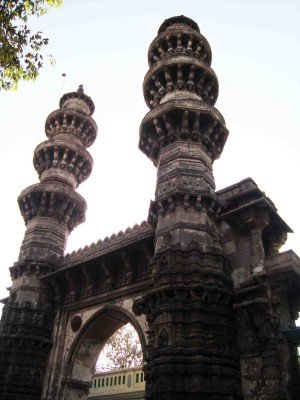
Ahmedabad
Some quick example text to build on the card title and make up the bulk of the card's content.
Go somewhere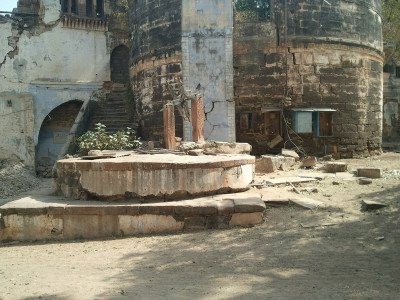
Bhuj
Some quick example text to build on the card title and make up the bulk of the card's content.
Go somewhere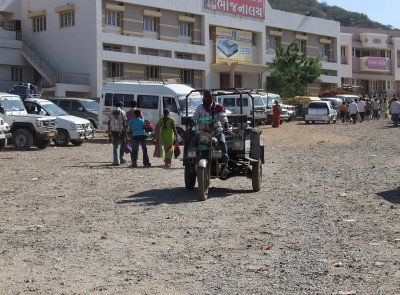
Chotila
Some quick example text to build on the card title and make up the bulk of the card's content.
Go somewhere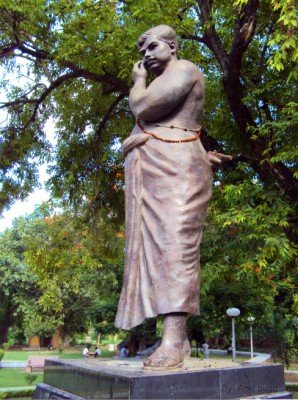
Dahod
Some quick example text to build on the card title and make up the bulk of the card's content.
Go somewhere
Dandi
Some quick example text to build on the card title and make up the bulk of the card's content.
Go somewhere
Kevadia
Some quick example text to build on the card title and make up the bulk of the card's content.
Go somewhere
Kutch
Some quick example text to build on the card title and make up the bulk of the card's content.
Go somewhere
Lothal
Some quick example text to build on the card title and make up the bulk of the card's content.
Go somewhere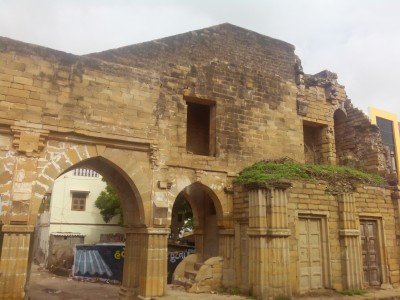
Mandvi
Some quick example text to build on the card title and make up the bulk of the card's content.
Go somewhere
Modhera
Some quick example text to build on the card title and make up the bulk of the card's content.
Go somewhere
Near Ahmedabad
Some quick example text to build on the card title and make up the bulk of the card's content.
Go somewhere
Palanpur
Some quick example text to build on the card title and make up the bulk of the card's content.
Go somewhere
Palitana
Some quick example text to build on the card title and make up the bulk of the card's content.
Go somewhere
Patan
Some quick example text to build on the card title and make up the bulk of the card's content.
Go somewhere
Pavagadh
Some quick example text to build on the card title and make up the bulk of the card's content.
Go somewhere
Porbandar
Some quick example text to build on the card title and make up the bulk of the card's content.
Go somewhere