...

Place To Visit And Things To Do In Ambala

Haryana, India
History of Ambala: Ambala is an ancient city founded by Amba Rajput in the 14th century and later became a major British military base in 1843. It is strategically located on the border of Haryana and Punjab, serving as a vital junction for travelers heading to the Himalayas. Religious Significance: The city is home to the historic Bhawani Amba Temple, dedicated to the Goddess Amba, from whom the city derives its name. Several historic Gurudwaras like Manji Sahib and Sis Ganj reflect the deep-rooted Sikh heritage of the region. Military Importance: Ambala Cantonment is one of the largest and oldest cantonments in India, housing a major Air Force station and army base. It played a pivotal role during the British era and remains a high-security defense hub today. Commercial Hub: The city is world-famous for its wholesale Cloth Market, which attracts shoppers from across North India for wedding trousseaus. Additionally, it is a leading center for the manufacturing of scientific and surgical instruments, earning the nickname Science City.

Things To Do

Card image cap
Ambala Club

The Ambala Club is a historical social club that was established during the British era. It is a magnificent building with a number of beautiful stain...

The Ambala Club is a historical social club that was established during the British era. It is a magnificent building with a number of beautiful stained-glass windows, a number of intricate carvings, and a number of murals. The club is a great place to relax and unwind, with a number of beautiful green lawns, a variety of trees and flowering plants, and a number of fountains. The club is a great place for a leisurely walk, a quiet picnic, or just to sit and enjoy the beauty of nature. The club is also a great place for a romantic getaway, with a number of beautiful and secluded spots. The club is a great example of a well-maintained and beautiful park that is dedicated to honoring the memory of a great personality.
Card image cap
Ambika Devi Temple

The Ambika Devi Temple is one of the oldest and most revered Hindu temples in Ambala, dedicated to Goddess Ambika, a form of Goddess Durga. It is beli...

The Ambika Devi Temple is one of the oldest and most revered Hindu temples in Ambala, dedicated to Goddess Ambika, a form of Goddess Durga. It is believed to have been constructed by the Pandavas during the Mahabharata war, and it is a place of deep spiritual significance for devotees and tourists alike. The temple's serene and spiritual atmosphere is palpable, and a visit here is a deeply moving experience for devotees and tourists alike. The temple also has a number of smaller shrines dedicated to other deities, and the entire complex is meticulously maintained, with a focus on creating a sacred and serene environment. The temple is a great example of the architectural and spiritual traditions of the region, and it is a must-visit for anyone interested in the spiritual and cultural heritage of the region. The temple is a popular pilgrimage site, attracting a large number of devotees, especially during the Navaratri festival.
Card image cap
Badshahi Bagh Gurudwara

Badshahi Bagh Gurudwara is a historically significant Sikh shrine that stands as a testament to the brief but impactful visit of Guru Gobind Singh to ...

Badshahi Bagh Gurudwara is a historically significant Sikh shrine that stands as a testament to the brief but impactful visit of Guru Gobind Singh to this region. The Gurudwara is located near the District Courts in Ambala City, and it is a place of deep spiritual and historical significance for Sikhs and followers of all faiths. The name "Badshahi Bagh" translates to "King's Garden," and it is believed that Guru Gobind Singh, at a young age, stayed at a beautiful garden here while returning from Lakhnaur, his maternal grandparents' village. The Gurudwara's serene atmosphere is complemented by a small, sacred tank (sarovar), and the complex is meticulously maintained, exuding a sense of peace and tranquility. The Gurudwara's history is intertwined with a famous story involving Guru Gobind Singh, a white hawk, and a local Muslim Pir (holy man), Amir Din, who possessed a black hawk. The Pir challenged the young Guru to a contest, proposing a fight between their hawks. The Guru, with his divine wisdom, suggested a contest between two sparrows and the Pir's hawk. To the amazement of all, the sparrows, with the Guru's blessings, defeated the hawk. This event gave rise to Guru Gobind Singh's famous quote, "Chirion se main baaz larun, tabe Gobind Singh naam kahaun" (Only when I make sparrows fight hawks, am I called Gobind Singh). This story is a powerful symbol of the Guru's spiritual power and his mission to empower the meek against the powerful. The Gurudwara serves as a living monument to this event, and a visit here is a great opportunity to connect with Sikh history and spirituality. The Gurudwara is a hub of community activity, with a focus on selfless service and devotion, making it a great place to experience the essence of Sikhism. The Gurudwara is a great example of the architectural and spiritual traditions of the region, and it is a must-visit for anyone interested in the spiritual and cultural heritage of the region.
Card image cap
Bhawani Amba Temple

The Bhawani Amba Temple is a sacred Hindu temple dedicated to the goddess Amba, a form of Shakti. The temple is one of the oldest and most revered shr...

The Bhawani Amba Temple is a sacred Hindu temple dedicated to the goddess Amba, a form of Shakti. The temple is one of the oldest and most revered shrines in the city, and it is believed to be the origin of the city's name, "Ambala." The temple's serene and spiritual atmosphere is palpable, and a visit here is a deeply moving experience for devotees and tourists alike. The temple also has a number of smaller shrines dedicated to other deities, and the entire complex is meticulously maintained, with a focus on creating a sacred and serene environment. The temple is a great example of the architectural and spiritual traditions of the region, and it is a must-visit for anyone interested in the spiritual and cultural heritage of the region. The temple is a popular pilgrimage site, attracting a large number of devotees, especially during the Navaratri festival. The temple's historical and mythological significance is a major draw for tourists, and the temple is a great place to learn about the region's religious beliefs and practices. The temple is a symbol of the city's rich spiritual heritage and a testament to the devotion of its people.
Card image cap
City Centre Mall

City Centre Mall is a modern shopping and entertainment complex located in Ambala Cantonment. It is a one-stop destination for shopping, dining, and e...

City Centre Mall is a modern shopping and entertainment complex located in Ambala Cantonment. It is a one-stop destination for shopping, dining, and entertainment, with a number of shops, restaurants, and a cinema hall. The complex is a great place to relax and unwind, with a number of beautiful green lawns, a variety of trees and flowering plants, and a number of fountains. The complex is a great place for a leisurely walk, a quiet picnic, or just to sit and enjoy the beauty of nature. The complex is also a great place for a romantic getaway, with a number of beautiful and secluded spots. The complex is a great example of a well-maintained and beautiful park that is dedicated to honoring the memory of a great personality.
Card image cap
City Park

City Park, located in the heart of Ambala City, is a beloved recreational space for locals. It's a verdant oasis that offers a much-needed break from ...

City Park, located in the heart of Ambala City, is a beloved recreational space for locals. It's a verdant oasis that offers a much-needed break from the urban hustle and bustle. The park's lush green lawns, manicured gardens, and vibrant flower beds create a refreshing environment for visitors of all ages. It is a great place for a leisurely walk, a quiet picnic, or just to sit and enjoy the beauty of nature. The park is also a great place for a romantic getaway, with a number of beautiful and secluded spots. The park is a great example of a well-maintained and beautiful park that is dedicated to honoring the memory of a great personality. The park is a great place to learn about the various species of animals and plants.
Card image cap
Cloth Market

The Cloth Market in Ambala City is one of the largest and oldest wholesale cloth markets in North India. It is a bustling and vibrant place, with a gr...

The Cloth Market in Ambala City is one of the largest and oldest wholesale cloth markets in North India. It is a bustling and vibrant place, with a great sense of energy. The market is a must-visit for anyone interested in the spiritual and cultural heritage of the region. The market's serene and spiritual atmosphere is palpable, and a visit here is a deeply moving experience for devotees and tourists alike. The market also has a number of smaller shrines dedicated to other deities, and the entire complex is meticulously maintained, with a focus on creating a sacred and serene environment. The market is a great example of the architectural and spiritual traditions of the region, and it is a must-visit for anyone interested in the spiritual and cultural heritage of the region.
Card image cap
European Cemetery

Established in 1843, this cemetery is a protected monument under the Haryana Government. It serves as a final resting place for British soldiers, com...

Established in 1843, this cemetery is a protected monument under the Haryana Government. It serves as a final resting place for British soldiers, company officials, and many heroes of the World War I. Most notably, it houses the graves of twenty Boer prisoners of war who died here between 1899 and 1902. The site covers nearly 10 hectares of land in the cantonment. Walking through these rows of graves feels like stepping into a forgotten chapter of history. Each tombstone tells a story of a life lived far from home during the British Raj. The site is maintained by the Ambala Cemetery Committee and the British High Commission. It is a place of deep silence and historical reflection for visitors.
Card image cap
Fun City

Fun City is a popular amusement and water park located on the Ambala-Chandigarh Highway. It is a great place for a fun-filled day with family and frie...

Fun City is a popular amusement and water park located on the Ambala-Chandigarh Highway. It is a great place for a fun-filled day with family and friends, with a number of thrilling rides and water slides. The park is a great example of a well-maintained and beautiful park that is dedicated to honoring the memory of a great personality. The park's beautiful green lawns, a variety of trees and flowering plants, and a number of fountains create a sense of peace and tranquility. The park is a great place for a leisurely walk, a quiet picnic, or just to sit and enjoy the beauty of nature. The park is also a great place for a romantic getaway, with a number of beautiful and secluded spots.
Card image cap
Gurudwara Ichha Poorak Dham

This Gurudwara is built in the holy memory of Baba Deep Singh Ji, the legendary Sikh martyr. It is located near the Ambala-Delhi highway, making it a...

This Gurudwara is built in the holy memory of Baba Deep Singh Ji, the legendary Sikh martyr. It is located near the Ambala-Delhi highway, making it a popular stop for travelers. The name "Ichha Poorak" signifies a place where the wishes of the faithful are granted. It features a massive campus with a serene Sarovar (holy tank). The atmosphere is filled with the rhythmic chanting of Gurbani, providing instant peace to the soul. A large community kitchen (Langar) operates here, serving thousands of devotees daily without discrimination. The shrine also displays replicas of the armaments used by Baba Deep Singh Ji during his battles. It stands as a beacon of bravery and spiritual strength in the region.
Card image cap
Gurudwara Lakhnaur Sahib

This historic Gurudwara is the ancestral home of Mata Gujri Ji, the mother of Guru Gobind Singh Ji. At the age of four, the young Guru stayed here fo...

This historic Gurudwara is the ancestral home of Mata Gujri Ji, the mother of Guru Gobind Singh Ji. At the age of four, the young Guru stayed here for over six months with his mother and grandmother. The house was later converted into a Gurudwara to preserve its sanctity. It is a massive complex that houses several relics, including the beds and kitchen utensils used by the Guru's family. The village of Lakhnaur is deeply connected to Sikh history, and the Gurudwara serves as a major pilgrimage site. The serene rural setting adds to the spiritual charm, making it a place of deep historical significance and peace for all visitors.
Card image cap
Gurudwara Manji Sahib

This is the most popular Sikh shrine in Ambala, located on the historic G.T. Road. It commemorates the visit of the sixth Guru, Sri Hargobind Ji, and...

This is the most popular Sikh shrine in Ambala, located on the historic G.T. Road. It commemorates the visit of the sixth Guru, Sri Hargobind Ji, and the tenth Guru, Sri Guru Gobind Singh Ji. Guru Hargobind Ji stayed here while traveling to meet Emperor Jahangir. During his stay, he helped the local villagers solve their water scarcity by digging a Baoli (stepwell). The Gurudwara was later expanded by the Nabha rulers and the Sikh community. It features a beautiful pond and a grand structure that can be seen from the highway. The shrine serves as a central hub for religious activities in Ambala City and is known for its exquisite 'Meenakari' art and peaceful ambiance.
Card image cap
Gurudwara Panjokhra Sahib

This Gurudwara commemorates the visit of the eighth Sikh Guru, Sri Guru Harkrishan Sahib Ji, in 1664. While on his way to Delhi, the Guru stayed here...

This Gurudwara commemorates the visit of the eighth Sikh Guru, Sri Guru Harkrishan Sahib Ji, in 1664. While on his way to Delhi, the Guru stayed here for three days. It is here that a proud Brahmin named Lal Chand challenged the young Guru's wisdom. In response, the Guru had a humble, illiterate water-carrier named Chhaju Ram explain the deep philosophy of the Bhagavad Gita by merely touching him with a stick. This miracle humbled the scholar and established the Guru's divine authority. The Gurudwara is now a massive complex with a large Sarovar and a grand double-story building. It is one of the most visited shrines in the district, known for its spiritual vibrations and the story of humility it represents.
Card image cap
Gurudwara Sis Ganj Sahib

@@Historical Significance: This holy shrine is dedicated to the memory of the ninth Sikh Guru, Guru Tegh Bahadur Ji, who stayed here while on his jour...

@@Historical Significance: This holy shrine is dedicated to the memory of the ninth Sikh Guru, Guru Tegh Bahadur Ji, who stayed here while on his journey to Delhi. The gurudwara holds immense spiritual energy and serves as a pillar of the Sikh faith in the region. Visitors often feel a profound sense of peace as they enter the complex. The history dates back centuries, marking the spot where the Guru spent significant time before his ultimate sacrifice for religious freedom. The local community maintains the premises with great devotion. For a traveler, this is not just a site of worship but a gateway into the valiant history of India. The daily rituals and the sound of Gurbani create a meditative atmosphere that stays with you long after you leave. Thousands of pilgrims visit every month to seek blessings and learn about the Guru's teachings. The site also serves as a hub for community service and social welfare in the city.
Card image cap
Hanuman Mandir

@@History and Legend: This temple is one of the oldest in the region, believed to be over 250 years old. It is situated on the historic G.T. Road, whi...

@@History and Legend: This temple is one of the oldest in the region, believed to be over 250 years old. It is situated on the historic G.T. Road, which has seen the rise and fall of many empires. The temple is dedicated to Lord Hanuman, the monkey god known for his strength and devotion. Local folklore suggests that the idol here is "Swayambhu" (self-manifested). Over the years, the temple has undergone several renovations, but the core sanctum retains its ancient charm. It serves as a spiritual anchor for the local residents who visit daily for the morning "Aarti". The energy of the temple is particularly vibrant on Tuesdays and Saturdays. For travelers, it offers a glimpse into the traditional North Indian temple culture. The surrounding area is bustling with activity, reflecting the blend of ancient faith and modern commerce. Many travelers stop here while traveling on the highway to seek protection for their journey.
Card image cap
Haryana Swarn Dwaar

@@Commemorative Monument: The Swarn Dwaar was built to commemorate the Golden Jubilee (50 years) of the formation of the state of Haryana. It stands a...

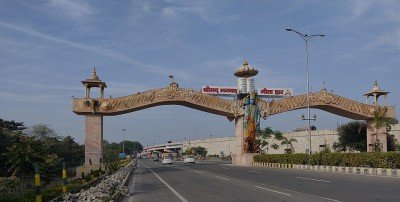
@@Commemorative Monument: The Swarn Dwaar was built to commemorate the Golden Jubilee (50 years) of the formation of the state of Haryana. It stands as a symbol of the state's progress, culture, and rich heritage. Located strategically on the Delhi-Ambala Highway, it welcomes travelers entering the state from the national capital. The design is inspired by the Dhanush (Bow) of Lord Rama or Arjuna, representing the martial and spiritual history of the region. It is not just a gate but a landmark that showcases the modern aspirations of Haryana. The structure is illuminated at night, making it a spectacular sight for commuters. For tourists, it serves as a perfect photo stop to mark their entry into the "Land of Milk and Butter". The area around the gateway is well-maintained with landscaping. It reflects the pride of the Haryanvi people in their identity and achievements since 1966.
Card image cap
Herbal Park

@@Eco-Tourism Hub: Formally known as the Ch. Devi Lal Herbal Nature Park, this green space is dedicated to the preservation of medicinal plants. It wa...

@@Eco-Tourism Hub: Formally known as the Ch. Devi Lal Herbal Nature Park, this green space is dedicated to the preservation of medicinal plants. It was developed by the Haryana Forest Department to educate the public about Ayurveda and traditional medicine. The park spread over a large area, contains hundreds of species of herbs, shrubs, and trees. It serves as the "lungs" of the city, providing fresh air and a peaceful retreat from the urban noise. Visitors can walk along the winding paths and read the botanical names and uses of various plants. It is a popular spot for morning walkers and nature enthusiasts. The park also features a small nursery where one can learn about plant propagation. For students, it is an outdoor laboratory to study botany. The serene environment makes it a perfect place for yoga and meditation.
Card image cap
Holy Redeemer Church

@@Historical Legacy: This beautiful Catholic church was built during the British era in 1848. It was originally constructed to serve the spiritual nee...
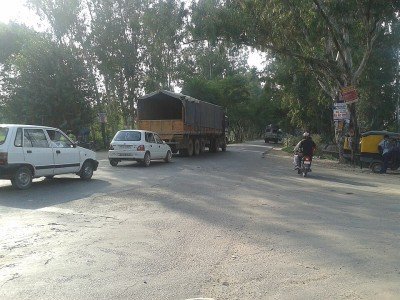
@@Historical Legacy: This beautiful Catholic church was built during the British era in 1848. It was originally constructed to serve the spiritual needs of the British troops who were moved from Karnal to Ambala. The church has a fascinating history; it actually collapsed at one point and was completely rebuilt in 1902. It was visited by Lord Ripon, the only Catholic Viceroy of India, which adds to its historical prestige. The church is currently managed by the Redemptorist fathers. It stands as a testament to the colonial history of Ambala Cantt, which was a major military base. The atmosphere inside is incredibly calm, offering a stark contrast to the busy streets of the cantonment. The stained glass windows and high ceilings reflect the European influence on Indian architecture during the 19th century. It remains an active place of worship for the local Christian community and a significant landmark for history buffs.
Card image cap
Indira Park

Indira Park serves as a vital lung for the city of Ambala, providing a lush green escape for residents and tourists alike. Spread over several acres,...

Indira Park serves as a vital lung for the city of Ambala, providing a lush green escape for residents and tourists alike. Spread over several acres, the park is meticulously maintained with a variety of floral species and towering trees. It is a popular spot for morning joggers and families seeking a picnic spot. The park features well-laid walking paths, a dedicated children's play area, and several benches for relaxation. Its proximity to the cantonment area adds to its disciplined and clean environment. Visitors often appreciate the musical fountain and the seasonal flower shows that transform the landscape into a vibrant tapestry of colors. The park also serves as a venue for local community gatherings and small-scale cultural performances. Its serene atmosphere is a stark contrast to the bustling markets of Ambala, making it a perfect retreat. Historical significance is also tied to the park as it was named after the former Prime Minister of India, Indira Gandhi. The park's design emphasizes environmental conservation and urban beautification. It is not just a garden but a social hub where people from all walks of life congregate.
Card image cap
Jaggi City Center

Jaggi City Center is a modern shopping and entertainment complex located on the Ambala-Chandigarh Highway. It is a one-stop destination for shopping, ...

Jaggi City Center is a modern shopping and entertainment complex located on the Ambala-Chandigarh Highway. It is a one-stop destination for shopping, dining, and entertainment, with a number of shops, restaurants, and a cinema hall. The complex is a great place to relax and unwind, with a number of beautiful green lawns, a variety of trees and flowering plants, and a number of fountains. The complex is a great place for a leisurely walk, a quiet picnic, or just to sit and enjoy the beauty of nature. The complex is also a great place for a romantic getaway, with a number of beautiful and secluded spots. The complex is a great example of a well-maintained and beautiful park that is dedicated to honoring the memory of a great personality.
Card image cap
Jain Mandir

The Jain Mandir in Ambala is a profound spiritual center dedicated to Lord Suparshvnath, the 7th Tirthankar. It stands as a testament to the long-sta...

The Jain Mandir in Ambala is a profound spiritual center dedicated to Lord Suparshvnath, the 7th Tirthankar. It stands as a testament to the long-standing Jain heritage in the region. The temple is situated in the heart of the busy Halwai Bazaar, yet once inside, the noise of the market fades into a deep, meditative silence. The temple serves as a hub for the Jain Shwetambar community but welcomes people of all faiths. The sanctum sanctorum houses a beautiful white marble idol of the deity, which is believed to radiate peace and compassion. Historically, the temple has been a site for various Jain saints to visit and deliver discourses. The interior is adorned with intricate glasswork and traditional paintings depicting the lives of the Tirthankars. For many, a visit to this mandir is not just religious but a cultural experience that showcases the values of non-violence (Ahimsa) and truth (Satya). The temple premises are impeccably clean, reflecting the Jain principle of hygiene and purity. It is an essential stop for anyone interested in the religious diversity and architectural history of Haryana.
Card image cap
Kali Mata Temple

The Kali Mata Temple in Ambala is a powerful spiritual landmark dedicated to Goddess Kali, the fierce protector. Located near the historic Rambagh cr...
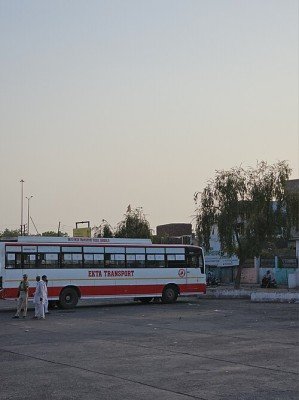
The Kali Mata Temple in Ambala is a powerful spiritual landmark dedicated to Goddess Kali, the fierce protector. Located near the historic Rambagh cremation ground, the temple's location symbolizes the cycle of life and death, which is central to Kali worship. The temple features a magnificent 6-foot tall idol of the Goddess, made of dark stone and adorned with traditional ornaments. This temple is particularly significant during the Navratri festival when thousands of devotees throng its premises to seek blessings. The atmosphere is filled with the scent of incense and the sound of temple bells, creating a high-energy spiritual environment. Historically, the temple is believed to be several decades old, serving as a primary site for Shakti worship in the district. The temple complex also includes smaller shrines dedicated to Lord Shiva and other deities, making it a comprehensive religious site. The temple management maintains a clean environment and organizes various social welfare activities, including community kitchens (Langar). For travelers, the temple offers a glimpse into the deep-rooted Tantric and Shakti traditions of North India. The vibrant murals on the walls depict various forms of the Goddess and scenes from Hindu epics.
Card image cap
Kos Minar

The Kos Minar in Ambala is a fascinating historical relic from the Mughal Empire. These structures served as milestones along the Grand Trunk Road, o...

The Kos Minar in Ambala is a fascinating historical relic from the Mughal Empire. These structures served as milestones along the Grand Trunk Road, one of Asia's oldest and longest major roads. The term 'Kos' is an ancient Indian unit of distance (approx. 3.22 KMS), and 'Minar' means tower. Built during the reigns of Sher Shah Suri and later emperors like Akbar and Jahangir, these pillars were part of a sophisticated communication and travel network. The Kos Minar in Ambala stands as a silent witness to the centuries of travelers, merchants, and armies that have traversed this royal route. It is a solid, circular tower made of lakhori bricks and lime mortar, tapering towards the top. Despite the encroachment of modern urbanization, these minars have been preserved by the Archaeological Survey of India (ASI) as protected monuments. They represent a "marvel of India" as described by early European travelers. For history enthusiasts, seeing a Kos Minar in its original setting provides a tangible link to the medieval past and the administrative genius of the Mughal rulers who prioritized infrastructure for trade and governance.
Card image cap
Lakhnaur Sahib Gurudwara

Gurudwara Lakhnaur Sahib is a significant Sikh shrine with a deep historical connection to Guru Gobind Singh. It is the ancestral village of Guru Gobi...

Gurudwara Lakhnaur Sahib is a significant Sikh shrine with a deep historical connection to Guru Gobind Singh. It is the ancestral village of Guru Gobind Singh's mother, Mata Gujri, and it is believed that Guru Gobind Singh stayed here for a few days during his childhood. The Gurudwara stands on a peaceful and serene piece of land, surrounded by a rural landscape and nestled at the foothills of the Shivalik Hills. The Gurudwara's simple yet profound structure reflects a sense of humility and devotion, making it a place of deep spiritual significance for countless devotees. The main building is a modest room with a spacious verandah, and the entire complex is painted in a pristine white, exuding a sense of calm and tranquility. The Gurudwara is a testament to the selfless service and community spirit of the Sikh faith, as it serves as a community hub for the local populace. The surroundings boast of serenity and peace, making it an ideal spot for those seeking a quiet moment of reflection away from the hustle and bustle of city life. The Gurudwara's connection to Guru Gobind Singh makes it a powerful site for those who wish to delve into the rich history of Sikhism. The Gurudwara is also a great place to learn about the history and mythology of the place.
Card image cap
Maharaja Agrasen Chowk

Maharaja Agrasen Chowk is a prominent public square located in the heart of Ambala City. It is a hub of activity and a great place to experience the l...

Maharaja Agrasen Chowk is a prominent public square located in the heart of Ambala City. It is a hub of activity and a great place to experience the local culture. The square is a magnificent structure with a number of beautiful stained-glass windows, a number of intricate carvings, and a number of murals. The square is a great place to relax and unwind, with a number of beautiful green lawns, a variety of trees and flowering plants, and a number of fountains. The square is a great place for a leisurely walk, a quiet picnic, or just to sit and enjoy the beauty of nature. The square is also a great place for a romantic getaway, with a number of beautiful and secluded spots.
Card image cap
Manav Chowk Bridge

Manav Chowk Bridge is a modern engineering feat that has significantly transformed the traffic landscape of Ambala. While it is primarily a functiona...

Manav Chowk Bridge is a modern engineering feat that has significantly transformed the traffic landscape of Ambala. While it is primarily a functional structure, it has become a symbolic landmark representing the city's growth and modernization. The bridge spans over a busy railway line and a major road intersection, easing the movement between Ambala City and the surrounding areas like Baldev Nagar. The name 'Manav Chowk' translates to 'Humanity's Crossroads', reflecting its role as a meeting point for people from diverse backgrounds. From the elevation of the bridge, one can get a panoramic view of the bustling city life, including the dense markets and the distant railway tracks. In the evenings, the bridge is illuminated, giving it a vibrant look that contrasts with the old-world charm of Ambala. It is a testament to the infrastructure development in Haryana, facilitating smoother trade and transit. For tourists, the bridge serves as a reference point for navigating the city. The area around the bridge is a thriving commercial zone with numerous eateries, shops, and transit points. It is also a popular spot for local street photography, capturing the kinetic energy of Ambala.
Card image cap
Muslim Shrines of Lakhi Shah and Taqwal Shah

The Muslim Shrines of Lakhi Shah and Taqwal Shah are a significant religious and cultural landmark in Ambala. The shrines are a testament to the city'...

The Muslim Shrines of Lakhi Shah and Taqwal Shah are a significant religious and cultural landmark in Ambala. The shrines are a testament to the city's rich history and its religious diversity. The shrines are a serene and peaceful place, with a great sense of spiritual energy. The shrines are a must-visit for anyone interested in the spiritual and cultural heritage of the region. The shrines' serene and spiritual atmosphere is palpable, and a visit here is a deeply moving experience for devotees and tourists alike. The shrines also have a number of smaller shrines dedicated to other deities, and the entire complex is meticulously maintained, with a focus on creating a sacred and serene environment. The shrines are a great example of the architectural and spiritual traditions of the region, and it is a must-visit for anyone interested in the spiritual and cultural heritage of the region.
Card image cap
Narrow Gauge Engine Zdm3

@@ Detailed Overview: The Narrow Gauge Engine Zdm3 is a magnificent piece of Indian Railway history preserved for public viewing in Ambala. These engi...

@@ Detailed Overview: The Narrow Gauge Engine Zdm3 is a magnificent piece of Indian Railway history preserved for public viewing in Ambala. These engines were originally manufactured by the Chittaranjan Locomotive Works starting in 1971 and were later produced at the Parel Workshop in Mumbai. The ZDM3 class was a staple on the world-famous Kalka-Shimla UNESCO World Heritage route, navigating the steep Himalayan terrain with ease. This specific locomotive on display serves as a tribute to the engineering marvels of the 20th century. Visitors can see the intricate mechanical components of the diesel-hydraulic system that once powered scenic journeys through 103 tunnels and over 800 bridges. It stands as a symbol of the "Toy Train" legacy that connects the plains of Haryana to the heights of Himachal Pradesh. For railway enthusiasts, it provides a rare up-close look at the Bo-Bo bogie design and the dual-cab setup that allowed drivers to operate the train from either end. The engine is surrounded by well-maintained gardens, making it a peaceful spot for reflection. It effectively bridges the gap between modern high-speed rail and the nostalgic era of slow, scenic mountain travel. Many locals take pride in this exhibit as it represents the vital role Ambala plays as a major railway junction. The preservation of this engine ensures that future generations can appreciate the evolution of locomotive technology.
Card image cap
Netaji Subhash Park

@@ Nature and Recreation: Netaji Subhash Park is one of the most popular and largest public parks in Ambala Cantt. Recently renovated, it has become a...

@@ Nature and Recreation: Netaji Subhash Park is one of the most popular and largest public parks in Ambala Cantt. Recently renovated, it has become a central hub for health enthusiasts, families, and tourists looking for a peaceful escape from the city noise. The park is beautifully landscaped with a variety of seasonal flowers, towering trees, and sprawling green lawns that are meticulously maintained. It features modern amenities such as a dedicated walking track, an open-air gym, and a designated skating rink for children. The park is named after the legendary freedom fighter Netaji Subhas Chandra Bose, and a grand statue of him stands at the entrance, inspiring visitors with his legacy of bravery. During the morning hours, the park is filled with joggers and yoga practitioners, while the evenings see a surge in families enjoying the musical fountains and the children's play area. The atmosphere is vibrant yet serene, offering a perfect blend of natural beauty and community life. It serves as a vital ecological zone for the city, attracting various bird species. The park also hosts local flower shows and cultural events, making it a dynamic part of Ambala’s social fabric. Whether you want to have a quiet picnic or engage in physical activity, this park provides the ideal setting for all age groups.
Card image cap
Old Civil Hospital

The Old Civil Hospital in Ambala Cantt stands as a silent witness to the city's colonial past. Built during the British rule, this building is an exce...

The Old Civil Hospital in Ambala Cantt stands as a silent witness to the city's colonial past. Built during the British rule, this building is an excellent example of the architectural style prevalent in cantonment areas of that era, combining practical functionality with a touch of colonial elegance. The structure, though now primarily a historical landmark, once served as a major healthcare facility for the British military and local population, showcasing a period when Ambala was a crucial hub for the British Raj. The hospital?s design often featured a central block with symmetrical wings, high ceilings for ventilation, and wide verandas to provide shade from the hot Indian sun. These features were not just for aesthetics but were crucial for creating a comfortable and hygienic environment in a tropical climate. The building's red-brick facade and arched windows are characteristic of the time, and a walk around the premises evokes a sense of stepping back in time. While the hospital itself is no longer in active use for public healthcare, it remains a significant historical site, representing the early days of modern medical infrastructure in the region. The sheer size of the building and its strategic location within the cantonment area hint at the importance placed on the health and welfare of the British soldiers stationed there. For history enthusiasts and architecture lovers, the Old Civil Hospital is a fascinating place to explore, offering insights into the administrative and social life of the British colonial period. The building's dilapidated state in some areas adds to its charm, providing a raw, unfiltered view of history that is both poignant and beautiful. Visitors can spend time examining the intricate brickwork, the remnants of what were once bustling wards, and the quiet gardens that surround the property, imagining the lives that were once intertwined with this historic structure. The hospital's legacy is a story of medical innovation and colonial administration, and its physical presence in Ambala is a constant reminder of this rich history. The building's peaceful surroundings, away from the main road, make it a perfect spot for quiet contemplation and photography, especially for those who appreciate historical architecture.
Show All

Note:-

Information provided here in good Faith and for reference only.

All information and pictures will be updated soon, please keep visiting.

Near Places
...
Ambala

Some quick example text to build on the card title and make up the bulk of the card's content.

Go somewhere
...
Bahadurgarh

Some quick example text to build on the card title and make up the bulk of the card's content.

Go somewhere
...
Bhiwani

Some quick example text to build on the card title and make up the bulk of the card's content.

Go somewhere
...
Fatehabad

Some quick example text to build on the card title and make up the bulk of the card's content.

Go somewhere
...
Gurugram, also known as Gurgaon

Some quick example text to build on the card title and make up the bulk of the card's content.

Go somewhere
...
Gurugram

Some quick example text to build on the card title and make up the bulk of the card's content.

Go somewhere
...
Hisar

Some quick example text to build on the card title and make up the bulk of the card's content.

Go somewhere
...
Jhajjar

Some quick example text to build on the card title and make up the bulk of the card's content.

Go somewhere
...
Jind

Some quick example text to build on the card title and make up the bulk of the card's content.

Go somewhere
...
Jyotisar

Some quick example text to build on the card title and make up the bulk of the card's content.

Go somewhere
in Other Cities