...

Place To Visit And Things To Do In Bekal

Kerala, India
Coastal Majesty: Bekal is a small coastal town in the northernmost district of Kerala. It is famous for its giant, keyhole-shaped fort that overlooks the Arabian Sea. The town offers a mix of history, stunning beaches, and backwaters. It is one of the best-preserved forts in the entire state of Kera la. The area is known for its peaceful environment and luxury resorts. Bekal has become a popular location for many famous Indian movie shoots. The golden sands of the beach and the green hills are very inviting. It is a perfect destination for those looking for a quiet getaway. The local culture is a blend of Malayalam and Kannada influences. The seafood here is unique and reflects the flavors of northern Malabar. History and Walls: The Bekal Fort has a history spanning over 300 years. It was built by Shivappa Nayaka of the Keladi dynasty in the 1650s. Later, it came under the control of Hyder Ali and Tipu Sultan. Finally, the British took over the fort after the fall of the Mysore kingdom. The fort was not built for administration but for defense purposes. Its strategic location allowed soldiers to spot enemies from the sea easily. The walls have special holes for guns and cannons at different heights. It stands as a silent witness to many battles and changes in power. The architecture is simple yet very effective for military use. Natural Splendor: The Bekal Beach surrounds the fort and offers a scenic beauty. The waves are relatively calm, and the shore is clean and wide. A beautiful walkway has been built for tourists to enjoy the sea breeze. At night, the fort and the beach are lit up with colorful lights. The nearby Kappil Beach is another hidden gem for nature lovers. The backwaters of Valiyaparamba are also close by for a boat ride. The landscape is dotted with coconut trees and small green hillocks. It is a photographer's paradise due to the diverse natural elements. The air here is salty, fresh, and very invigorating for the soul. Luxury Retreat: Bekal is now known for some of the best luxury resorts in India. These resorts offer world-class amenities in a traditional Kerala setting. Many people come here for Ayurvedic wellness and spa treatments. The town provides a perfect balance of rustic charm and modern comfort. It is a favorite destination for honeymooners and high-end travelers. The quietness of the town makes it ideal for a relaxing vacation. You can enjoy the views of the fort while swimming in a resort pool. The hospitality here is warm and reflects the local culture. It is a place where you can truly disconnect from the world.

Things To Do

Card image cap
Ananthapura Lake Temple

The Ananthapura Lake Temple is a 9th-century marvel and the only lake temple in Kerala. It is widely considered the Moolasthanam or original source o...

The Ananthapura Lake Temple is a 9th-century marvel and the only lake temple in Kerala. It is widely considered the Moolasthanam or original source of the world-famous Sree Padmanabhaswamy Temple in Thiruvananthapuram. Legend says that the great sage Vilwamangalam Swami performed penance here, and the Lord appeared as a mischievous boy before disappearing through a cave toward the south. The temple is surrounded by a 2-acre rectangular lake with perennial spring water. For decades, the temple was guarded by Babia, a vegetarian crocodile that lived in the lake and ate only temple offerings. After Babia passed away in October 2022, a new crocodile mysteriously appeared in November 2023, keeping the divine tradition alive. Visitors feel an overwhelming sense of peace here, amidst the sprawling hillocks and silent waters. The temple remains a symbol of communal harmony and spiritual mystery.
Card image cap
Azhi Pozhi

Azhi Pozhi is a breathtaking natural phenomenon where the river merges with the Arabian Sea. Located near Kizhur, this estuary creates a dynamic land...
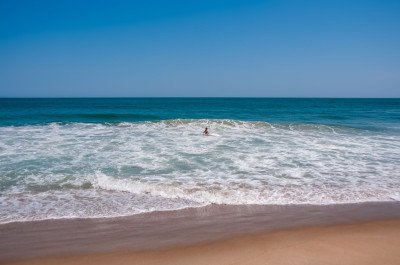
Azhi Pozhi is a breathtaking natural phenomenon where the river merges with the Arabian Sea. Located near Kizhur, this estuary creates a dynamic landscape that changes with the seasons. During the monsoon, the sandbar erodes, allowing a massive confluence of waters, while in summer, a beautiful beach strip separates the two. It is a haven for migratory birds and local fishermen who use traditional nets. The area is surrounded by lush coconut groves and offers one of the most secluded beach experiences in the district. Unlike the crowded Bekal Beach, Azhi Pozhi offers raw, untouched beauty. Visitors can witness the "Pozhi" or the opening of the sandbar, which is a significant event for the local ecology. It is a perfect spot for nature lovers looking to escape the commercial tourist trails.
Card image cap
Bekal Beach

Bekal Beach, often considered one of the cleanest and most picturesque beaches in Kerala, lies in perfect harmony with the majestic Bekal Fort, offer...

Bekal Beach, often considered one of the cleanest and most picturesque beaches in Kerala, lies in perfect harmony with the majestic Bekal Fort, offering a serene and captivating coastal experience. Unlike some of the more commercialized beaches, Bekal Beach maintains a pristine and relatively untouched charm, making it an ideal spot for relaxation, leisurely strolls, and enjoying the tranquility of the Arabian Sea. The beach is characterized by its long stretch of golden sands, lined by swaying coconut palms and casuarina groves. The gentle lapping of waves against the shore creates a soothing soundtrack, inviting visitors to unwind and soak in the natural beauty. The shallow waters near the shore are generally safe for swimming, making it a popular spot for families, though always exercise caution and heed any local warnings. The calm environment provides a perfect backdrop for quiet reflection and enjoying the vastness of the ocean. A unique feature of Bekal Beach, complementing the fort, is the well-maintained pathway that runs along its edge. This pathway is equipped with benches and seating arrangements, allowing visitors to comfortably sit and enjoy the spectacular views of the fort on one side and the expansive sea on the other. This thoughtful infrastructure enhances the visitor experience without detracting from the natural beauty of the beach. One of the highlights of Bekal Beach is its incredible sunset views. As the sun descends, casting a golden glow over the fort and shimmering on the water, the scene is truly magical and provides fantastic photographic opportunities. The beach also features a children's park with basic play equipment, making it family-friendly. The Bekal beach is also home to a giant mukhyavar (a sculpture of a sea goddess) which adds a touch of local folklore to the landscape. The focus here is on sustainable tourism and maintaining the ecological balance, ensuring that the beach remains a pristine and welcoming haven for both locals and tourists.
Card image cap
Bekal Beach Park

Bekal Beach Park, often considered an extension of the famed Bekal Fort Beach, is a thoughtfully developed coastal area designed to provide a wholesom...
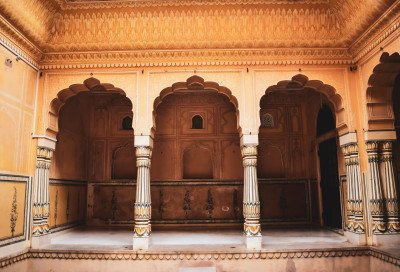
Bekal Beach Park, often considered an extension of the famed **Bekal Fort Beach**, is a thoughtfully developed coastal area designed to provide a wholesome and recreational experience for visitors of all ages. Managed by the **Bekal Resorts Development Corporation (BRDC)**, the park stands out from typical Kerala beaches due to its superior maintenance, modern infrastructure, and focus on family fun. It offers a perfect blend of natural beauty and curated leisure. The park is characterized by its expansive stretch of golden sand, gently kissed by the Arabian Sea's waves. A major highlight is the beautifully landscaped walkway that runs parallel to the shore, offering mesmerizing views of the sea, especially during sunrise and sunset. This walkway, lined with swaying palm and casuarina trees, provides an ideal spot for morning jogs, evening strolls, and peaceful contemplation. For families, the park is a boon, featuring a dedicated children's play area with various swings, slides, and jungle gyms, ensuring kids have a safe and engaging space. Shaded seating areas are strategically placed for relaxation. The entire area is well-lit after dusk, making it a safe and vibrant spot for evening visits. The overall atmosphere is tranquil yet engaging, providing a refreshing break from the hustle of urban life. The park's design is aimed at promoting eco-tourism and cultural appreciation, often serving as a venue for local cultural events and beach festivals, which add to its charm and tourist appeal. The proximity to the majestic **Bekal Fort** means visitors can easily combine a historical tour with a relaxing beach outing, creating a rich and varied itinerary. The focus on cleanliness and conservation makes it a model coastal destination in **North Kerala**. The sea view from the park, particularly of the fort's imposing walls meeting the sea, is exceptional, attracting photographers and nature lovers.
Card image cap
Bekal Fort

Bekal Fort is the most iconic landmark of Bekal and stands as the largest and most well-preserved fort in the entire state of Kerala. Spanning over 40...

**Bekal Fort** is the most iconic landmark of **Bekal** and stands as the largest and most well-preserved fort in the entire state of **Kerala**. Spanning over **40 acres** on a headland that juts into the Arabian Sea, this historical marvel dates back to around **1650 AD**, built predominantly by **Shivappa Nayaka** of the **Keladi** dynasty, though its history involves earlier rulers like the **Kolathiri Rajas**. The fort's strategic location and unique design suggest it was primarily constructed for defense purposes, lacking the palaces or administrative buildings typical of many other forts. Its sheer size and impressive laterite masonry evoke a sense of a glorious bygone era. Visitors are greeted by a zigzag entrance, a well-preserved water tank with steps, and the prominent Observation Tower, which offers breathtaking, panoramic views of the coastline. The sea-facing bastions and the strategically placed defense holes on the outer walls testify to the architectural and military ingenuity of its builders. The fort's captivating beauty, especially during sunrise and sunset, has made it a favorite spot for tourists, history enthusiasts, and even filmmakers, notably featuring in the famous song 'Uyire' from the movie **Bombay**. The entire area, including the adjacent **Bekal Beach**, has been developed as a special tourism zone to enhance the visitor experience while preserving its historical integrity. The atmosphere is generally serene, offering a perfect blend of history, architecture, and natural beauty.
Card image cap
Bekal Fort Observation Tower

The Observation Tower is the crowning jewel of the Bekal Fort, the largest and best-preserved fort in Kerala. Built by Shivappa Nayaka in 1650 and la...

The Observation Tower is the crowning jewel of the Bekal Fort, the largest and best-preserved fort in Kerala. Built by Shivappa Nayaka in 1650 and later modified by Tipu Sultan, the tower was designed for strategic defense. It stands tall at the center of the 40-acre fort complex, offering a 360-degree panoramic view of the Arabian Sea and the surrounding towns of Kanhangad and Uduma. The tower is reached via a broad flight of laterite steps that were once used to haul heavy cannons. From the top, one can see the keyhole shape of the fort and the zigzag entrance designed to thwart invaders. The tower features specialized peepholes: the top ones for long-range targets, middle for closer enemies, and bottom for those right at the walls. This structure has been featured in many films, most notably the song "Uyire" from the movie Bombay.
Card image cap
Bekal Hole Aqua Park

The Bekal Hole Aqua Park is a popular, modern, water-themed amusement park and a relatively new addition to the tourist attractions near Bekal Fort. I...
The **Bekal Hole Aqua Park** is a popular, modern, water-themed amusement park and a relatively new addition to the tourist attractions near **Bekal Fort**. It is distinct from the natural beaches and historical sites of the region, offering a dedicated spot for recreational water activities and family fun. The park is strategically located to utilize the local water bodies, offering a blend of both natural and artificial aquatic attractions. It is unique in that it is not a traditional large-scale water theme park but rather focuses on non-motorized and pedal-powered water fun, making it an eco-friendly and enjoyable spot for all ages. Key attractions include a variety of **pedal boats**, **rowboats**, and **water cycles** that allow visitors to glide over the calm water body, which is a protected backwater or an artificially created lake/hole adjacent to the coast. This is one of the few places in **North Malabar** where tourists can safely and affordably engage in water-based recreational activities. The park aims to provide a safe, exhilarating, and memorable experience for families, adventure enthusiasts, and children. The surrounding area is often well-landscaped with seating areas and snack kiosks, creating a complete recreational environment. Its close proximity to **Bekal Fort** and the beaches makes it an easy and fun stopover on a comprehensive **Bekal** tour itinerary, providing a perfect contrast to the historical and spiritual sites of the area. The focus is on light-hearted fun, fitness, and enjoying the pleasant weather of **Kerala**.
Card image cap
Bellore Caves

The Bellore Caves are a network of natural caves formed in the laterite rock, offering an intriguing exploration for adventure enthusiasts and those ...

The Bellore Caves are a network of natural caves formed in the laterite rock, offering an intriguing exploration for adventure enthusiasts and those interested in geological formations. Unlike the spiritual significance of Nityanandashram Caves, Bellore Caves are primarily a natural wonder, showcasing the unique geological characteristics of the Kasaragod region. These ancient caves provide a cool, dark, and mysterious environment, inviting visitors to delve into their depths. The caves are believed to have been formed by natural erosion over thousands of years, primarily through the action of water on the laterite rock. The interior of the caves comprises multiple chambers and narrow passages, some of which require navigating through tight spaces. The natural formations of rock, stalagmites, and stalactites (though less prominent than in limestone caves) add to the geological interest. Exploring the caves requires a degree of agility and a sense of adventure, as the paths can be uneven and dimly lit. The Bellore Caves are not a heavily commercialized tourist spot, which adds to their rustic charm and sense of discovery. The surrounding area is typically rural, with lush greenery and serene landscapes. The experience of venturing into these natural underground chambers provides a unique contrast to the coastal and hilltop attractions of Bekal. It's a place where you can feel connected to the ancient geological processes that shaped the land. Visitors to Bellore Caves often come prepared with flashlights and comfortable clothing suitable for a slightly challenging exploration. While local guides might be available, the caves are generally safe to explore with caution. It's an ideal destination for those seeking a unique natural adventure, a glimpse into local geology, and a chance to experience something different from the usual tourist itinerary in Kasaragod.
Card image cap
Bevinje Valley View Point

Bevinje Valley View Point is a hidden panoramic spot located near Cherkala. It offers a sweeping view of the Payaswini River (also known as the Chand...

Bevinje Valley View Point is a hidden panoramic spot located near Cherkala. It offers a sweeping view of the Payaswini River (also known as the Chandragiri River) as it snakes through the lush green valleys of Kasaragod. The viewpoint is situated on a high cliff, providing a cool breeze even during the afternoons. It is particularly beautiful during the monsoon when the entire valley turns a vibrant emerald green and the river is in full flow. The spot is popular among locals for evening hangouts but remains relatively unknown to distant tourists, making it a "hidden gem." The silence of the valley is only broken by the distant sound of the river and the rustling of trees. It is an ideal stop for those traveling toward the hills of Ranipuram or Sullia.
Card image cap
Chandragiri Fort

Chandragiri Fort is an important historical monument perched atop a hill overlooking the confluence of the majestic Chandragiri River and the Arabian ...

**Chandragiri Fort** is an important historical monument perched atop a hill overlooking the confluence of the majestic **Chandragiri River** and the Arabian Sea. The fort was built in the **17th century** by **Shivappa Nayaka** of the **Keladi dynasty** as a strategic military outpost to protect the region. The river, which gets its name from the fort, once marked the traditional boundary between the **Tulu Nadu** and **Malayalam** speaking regions. The structure, though smaller and more partially ruined than the massive **Bekal Fort**, holds significant historical and architectural value, primarily for its commanding location. Standing on the fort walls, visitors are treated to a stunning panoramic vista of the river winding its way through the lush landscape before meeting the open sea. This view is its most famous feature. The fort complex is enclosed by massive laterite walls, and though many structures within the walls are now ruins, the large laterite ramparts, some bastions, and the overall polygonal design remain largely intact. It is most famous for being one of the best spots in the entire **Kasaragod** district to witness a truly spectacular **sunset**, with the sun dipping below the Arabian Sea horizon, often coloring the river waters in vibrant hues. The fort is currently maintained by the State Archaeology Department, making it a peaceful and historically enriching tourist destination that perfectly complements a visit to the coastal **Bekal** area.
Card image cap
Chandragiri River

The Chandragiri River, known historically as the boundary between the Tuluva Kingdom (or South Canara) to the north and the Kolathunadu/Malabar region...

The **Chandragiri River**, known historically as the boundary between the **Tuluva Kingdom (or South Canara)** to the north and the **Kolathunadu/Malabar** region to the south, is the longest river in the **Kasaragod** district. It originates in the **Western Ghats** and flows through the lush landscape before meeting the Arabian Sea at the town of **Chandragiri**. The river is also known by the name **Payaswini** in its upstream parts in **Karnataka**. Its banks hold immense historical significance, with the 17th-century **Chandragiri Fort** strategically positioned on its southern bank, overlooking the point where the river merges with the sea. This confluence offers a breathtaking view, especially at **sunset**. The river is a vital lifeline for the local community, supporting agriculture, providing a source for freshwater fishing, and serving as a major transport route for smaller boats. For tourism, the **Chandragiri River** is famed for its serene backwaters and the opportunities it offers for picturesque **boat cruises**. These cruises allow visitors to explore the rich biodiversity of the riverbanks, witness local village life, and appreciate the lush, palm-fringed landscape that defines **Kerala**. Historically, the river and the fort served as key defense and trade checkpoints. Today, it stands as a peaceful, emerald ribbon winding through the green tapestry of the district, offering tranquility and a break from the coastal bustle. The presence of a small boat club further enhances its appeal as a prime destination for a calm water experience in **North Kerala**. The gentle pace of the river cruise contrasts beautifully with the dynamic waves of the Arabian Sea nearby.
Card image cap
Chemmanad Jama Masjid

The Chemmanad Jama Masjid is one of the oldest and most significant mosques in the Kasaragod region, known for its deep historical roots and traditio...

The Chemmanad Jama Masjid is one of the oldest and most significant mosques in the Kasaragod region, known for its deep historical roots and traditional Kerala Islamic architecture. Unlike the modern concrete structures, this masjid preserves the old-world charm with its wooden pillars and tiled roofs. It serves as a spiritual hub for the local community and stands as a testament to the long-standing Islamic heritage of the Malabar coast. The mosque is situated in a serene locality, surrounded by traditional houses and coconut groves. It is closely linked to the history of Arab traders who frequented this coast centuries ago. The atmosphere inside is one of profound silence and devotion. The mosque also plays a vital role in local social welfare and religious education. It is an essential stop for heritage enthusiasts exploring the religious tapestry of Kerala.
Card image cap
Cheroor Valley View Point

Cheroor Valley View Point is a breathtaking destination nestled in the verdant landscapes of the Cheroor region. This viewpoint offers an expansive v...

Cheroor Valley View Point is a breathtaking destination nestled in the verdant landscapes of the Cheroor region. This viewpoint offers an expansive vista of the lush green valleys and the meandering Payaswini River below. Visitors are often mesmerized by the layers of mist that settle over the hills during the early morning hours, creating a dreamlike atmosphere. The location is relatively untouched by commercial tourism, making it a peaceful haven for those looking to escape the hustle and bustle of city life. The viewpoint provides a 360-degree perspective of the Western Ghats' foothills, where the vibrant green of the plantations meets the deep blue of the sky. It is a preferred spot for local nature enthusiasts and hikers who enjoy the gentle incline leading to the summit. The air here is remarkably fresh, carrying the scent of damp earth and tropical vegetation. As the day progresses, the changing light transforms the valley's colors from bright emerald to deep forest green. This place serves as a vital ecological corridor, housing various species of local birds and butterflies. The serene environment is perfect for meditation or simply sitting in silence to appreciate the natural world. Many travelers combine a visit here with the nearby Chandragiri Fort to experience both history and nature in one trip. The path to the viewpoint is lined with traditional houses and small farms, giving a glimpse into the rural life of Kerala. Overall, it is a must-visit for anyone seeking tranquility and a visual feast of Kerala's famous natural beauty.
Card image cap
Cheruvathur (Traditional Handloom & Heritage)

Cheruvathur is a charming town that offers a deep dive into the cultural and traditional heritage of North Kerala, especially known for its rich hist...

Cheruvathur is a charming town that offers a deep dive into the cultural and traditional heritage of North Kerala, especially known for its rich history in the handloom industry and as the birthplace of renowned literary figures. While it might not have grand tourist attractions like forts or beaches, Cheruvathur provides an authentic glimpse into the region's traditional crafts and a quieter, more intimate local experience. The town is particularly known for its traditional handloom weaving. While the scale of the industry may have shifted over time, there are still families and small units that continue the age-old craft of weaving exquisite textiles. Visitors can often find opportunities to observe the intricate process of handloom weaving, from spinning the yarn to dyeing and finally weaving the fabric on traditional looms. This offers a fascinating insight into the skill and dedication involved in producing handloom products, which are known for their quality, unique patterns, and comfort. You might also find local cooperatives or small shops selling authentic handloom sarees, dhotis, and other textiles, providing a chance to purchase genuine local products directly from the artisans. Beyond handlooms, Cheruvathur holds a place in Kerala's literary history as the birthplace of Mahakavi Kuttamath, a distinguished 19th-century poet whose works in musical drama and poetry continue to inspire. Exploring the town involves appreciating its local culture, perhaps visiting smaller, ancient temples, or simply observing the daily life along the banks of the Payaswini River. The town is surrounded by serene natural beauty, with coconut groves and lush greenery, providing a tranquil atmosphere. Cheruvathur offers a more immersive cultural experience, focusing on local traditions, crafts, and the everyday life of a North Keralan town. It's an ideal destination for those interested in sustainable tourism, supporting local artisans, and discovering the less-explored facets of Kerala's rich cultural heritage.
Card image cap
Ezhimala Beach & Hill

Ezhimala, literally meaning "Seven Hills," is a historically significant and scenically beautiful coastal hill range. It offers a unique blend of anc...

Ezhimala, literally meaning "Seven Hills," is a historically significant and scenically beautiful coastal hill range. It offers a unique blend of ancient history, strategic importance, and natural beauty, distinct from the more commercialized tourist spots. While Ezhimala is primarily known as the home of the Indian Naval Academy (INA), one of Asia's largest naval academies, the surrounding hills and beaches are accessible to the public and offer remarkable experiences. The Ezhimala hills rise dramatically from the Arabian Sea, providing a breathtaking backdrop to the pristine beaches below. The area is steeped in legend, with connections to the Hindu epic Ramayana, where it's believed Lord Hanuman visited these hills. Historically, Ezhimala was the flourishing capital of the ancient Mooshika kings and a significant seaport dating back to the 3rd century BC, reflecting its long-standing strategic importance. Remnants of its past, such as ancient stone carvings, burial chambers, and an old mosque, can still be found scattered across the landscape. Ezhimala Beach is relatively untouched and offers a tranquil escape. It's known for its clean sands and the beautiful sight of the hills meeting the sea. The beach is perfect for quiet strolls, enjoying the sea breeze, and watching local fishermen. The waters are generally calm, providing a peaceful environment. The Ezhimala Hill itself offers stunning panoramic views. A trek up the hills provides commanding vistas of the Arabian Sea, the sprawling Naval Academy, and the verdant countryside. The vantage point from the hill is particularly captivating during sunrise or sunset, as the interplay of light and shadow transforms the landscape. The natural ecosystem of Ezhimala is also unique, blending mountainous terrain with coastal features, supporting diverse flora and fauna. While access to the Naval Academy itself is restricted, the surrounding public areas of the hill and beach provide ample opportunities for sightseeing, photography, and enjoying the natural and historical essence of this remarkable coastal hill.
Card image cap
Hosdurg Fort & Beach

Hosdurg Fort is a historical marvel located in Kanhangad, which translates to "New Fort" in the local language. Built by Somashekara Nayaka of the Ke...

Hosdurg Fort is a historical marvel located in Kanhangad, which translates to "New Fort" in the local language. Built by Somashekara Nayaka of the Keladi Nayaka dynasty, this fort stands as a testament to the military architecture of the 17th century. Unlike the sea-facing Bekal Fort, Hosdurg Fort is situated on a slightly elevated terrain and was designed as a defensive stronghold. The fort complex is massive, though much of it now lies in ruins, overgrown with greenery that adds a mystical charm to the site. Within its walls, you can find the famous Nityananda Ashram, a spiritual center with 45 rock-cut caves that are a major draw for pilgrims. The fort's round bastions are its most striking feature, offering a panoramic view of the surrounding town and the distant sea. Adjacent to the fort is the Hosdurg Beach, a serene and relatively quiet stretch of sand. The beach is known for its cleanliness and the lack of commercial crowds, making it perfect for long walks. The interaction between the historical ruins and the natural beauty of the coastline creates a unique atmosphere that is both educational and relaxing. The fort was also a site of strategic importance during the reign of Tipu Sultan and later the British. Today, the area houses several government offices and schools, integrating history with modern daily life. Exploring the fort requires a bit of walking, but the historical insights and the breeze from the nearby beach make it a rewarding experience. It is a place where one can spend hours reflecting on the rise and fall of dynasties while enjoying the coastal breeze.
Card image cap
Hosdurg Fort

Hosdurg Fort, located in the bustling town of Kanhangad, is another historical fort in Kasaragod district that, while largely in ruins, offers glimps...

Hosdurg Fort, located in the bustling town of Kanhangad, is another historical fort in Kasaragod district that, while largely in ruins, offers glimpses into the region's past. Built by Somashekhara Nayaka of the Ikkeri dynasty in the 17th century, Hosdurg Fort, also known as the Kanhangad Fort, served as a significant administrative and military outpost. Its strategic location near the coast and major trade routes made it an important center during its time. Unlike the well-preserved Bekal Fort, much of Hosdurg Fort has succumbed to the ravages of time, with only remnants of its sturdy laterite walls and bastions remaining. However, the presence of an old temple and a large ashram (spiritual center) within its premises keeps the fort grounds vibrant and relevant. The most prominent structure within the fort complex is the Karpooreshwara Temple, dedicated to Lord Shiva, which draws a significant number of devotees. The temple's architecture reflects traditional Kerala styles, and its serene ambiance provides a spiritual anchor to the historical site. Adjacent to the temple, within the fort walls, is the Nithyanandashram, a prominent spiritual institution founded by Swami Nithyananda. This ashram provides a peaceful haven for spiritual seekers and is a significant center for meditation and yoga. The blend of historical ruins with active spiritual institutions creates a unique atmosphere at Hosdurg Fort, where the past and present coalesce. Exploring Hosdurg Fort offers an opportunity to appreciate the architectural remnants of a bygone era and to witness the continued spiritual life thriving within its ancient walls. While it might not be a grand tourist spectacle, it's a place for history enthusiasts, spiritual seekers, and those interested in the layers of cultural heritage that define Kanhangad. The fort complex also provides a relatively open space for leisurely strolls, offering a sense of peace amidst the urban surroundings of Kanhangad town.
Card image cap
Kanwatheertha Beach

Kanwatheertha Beach is often described as a "virgin territory" because of its pristine and secluded nature. Located near the border of Kerala and Kar...

Kanwatheertha Beach is often described as a "virgin territory" because of its pristine and secluded nature. Located near the border of Kerala and Karnataka, it is unique for a natural phenomenon where the sea recedes to form a large, calm, pool-like structure. This natural "swimming pool" is a highlight for visitors, as it allows for safe bathing even when the main sea waves are strong. The beach is flanked by endless rows of coconut palms, providing plenty of shade for picnickers. The sand is soft and golden, stretching for miles without the intrusion of heavy commercial structures. It is a place of immense quiet, where the only sound is the rhythmic crashing of the waves against the outer reef that creates the pool. Local fishermen can often be seen launching their traditional boats into the water, providing a glimpse into the traditional coastal economy of the region. The beach is also significant for its proximity to several historical and religious sites in Manjeshwar. Due to its distance from the main tourist hub of Bekal, it remains a favorite for those who want a "private beach" experience. The water is remarkably clear, and the shallow nature of the sea pool makes it an excellent spot for families with children. The beach atmosphere is laid-back and authentic, reflecting the true coastal culture of North Kerala. It is an ideal spot for soul-searching or for a romantic getaway where one can watch the sunset in total peace.
Card image cap
Kappil Beach

Kappil Beach is celebrated for its unique geographical feature: a narrow stretch of coastal road that separates the Arabian Sea on one side from the t...

**Kappil Beach** is celebrated for its unique geographical feature: a narrow stretch of coastal road that separates the Arabian Sea on one side from the tranquil **Kappil Backwaters (Kappil Lake)** on the other. This confluence of two distinct water bodies—the energetic sea and the serene backwaters—creates a breathtaking and picturesque landscape that is truly characteristic of **Kerala**. The beach itself is a vast, long stretch of clean, firm sand, less developed and hence less crowded than the main **Bekal** beaches. Its secluded nature makes it an ideal spot for long, undisturbed walks, relaxation, and peaceful contemplation. The major highlight is the elevated viewpoint known as **Kodi Cliff (Kodi Hill)**, which is located nearby. Standing atop this cliff offers a magnificent panoramic view of the coastline, the azure Arabian Sea, and the serene backwaters sprawling across the land, a sight that defines the beauty of **North Kerala**. The palm-fringed backwaters behind the beach are perfect for gentle boat rides, offering a different kind of water experience. The drive or walk along the thin strip of land with water on both sides is an experience in itself, often captured as one of the most scenic views in the region. The overall ambiance is one of raw, natural beauty and quiet majesty, highly favored by honeymooners and serious photographers. The relative isolation of **Kappil** has helped maintain its pristine condition, making it a wonderful escape from commercialized tourism.
Card image cap
Kodi Beach

Kodi Beach is often considered a northern extension or the specific area of the coast immediately adjacent to Kodi Cliff (Kodi Hill), which gives the ...

**Kodi Beach** is often considered a northern extension or the specific area of the coast immediately adjacent to **Kodi Cliff (Kodi Hill)**, which gives the beach its name. The term 'Kodi' in the local language, **Malayalam**, translates to a 'tip' or 'end,' referencing the promontory of the cliff that juts into the sea. This beach is distinct from the smooth sandy stretches of **Bekal Beach Park** or **Pallikare Beach** due to its more rugged and rocky character in certain parts, particularly near the base of the cliff. The combination of clean sand and laterite rock formations creates a dramatic and picturesque coastal environment. It is a secluded spot, perfect for contemplation and experiencing the raw, untamed power of the Arabian Sea. The key attraction here is the ascent to the top of **Kodi Cliff**, which offers a spectacular, 360-degree panorama. From this vantage point, visitors can clearly see the distinct separation of the calm **Kappil Backwaters** and the expansive sea, alongside a sweeping view of the entire coastline, often including the distant silhouette of the **Bekal Fort** to the south. Because it is less commercialized, **Kodi Beach** maintains a natural, pristine charm, attracting those who prefer authentic coastal exploration over organized tourist amenities. It is especially popular during **sunset** when the view from the cliff is simply breathtaking, casting long shadows over the sandy and rocky shoreline below.
Card image cap
Kodi Hill View Point

Kodi Hill View Point, often referred to as Kodi Cliff, is one of the most scenic elevations in the Bekal region. It is situated right at the edge of ...

Kodi Hill View Point, often referred to as Kodi Cliff, is one of the most scenic elevations in the Bekal region. It is situated right at the edge of the Kappil Beach, providing a dramatic meeting point between the sea and the land. The "Hill" is actually a steep laterite cliff that rises abruptly from the shoreline. From the top, visitors get an unparalleled view of the Arabian Sea on one side and the calm backwaters of Kappil on the other. The trek to the top is relatively easy and takes about 15 to 20 minutes, making it accessible for most age groups. The summit is a flat, grassy expanse that offers plenty of space to sit and enjoy the breeze. This spot is particularly famous for its sunset, which is considered one of the best in Kerala. The elevation allows you to see the coastline stretching towards Bekal Fort in the south. The area is covered with cashew trees and wild shrubs, and during the monsoon, the entire cliff turns a brilliant shade of green. It is a popular spot for youngsters and couples who come here for the romantic ambiance and the silence. Unlike the crowded beaches, Kodi Hill remains quiet and offers a sense of solitude. The path to the hill passes through a small coastal village, giving visitors a chance to see the local lifestyle up close. It is a perfect spot for those who enjoy light adventure and want a bird's-eye view of the coastal geography.
Card image cap
Kottancheri Hills

Kottancheri Hills is a relatively less-explored hill station in the Western Ghats range of Kasaragod district, offering a rugged and pristine natural...

Kottancheri Hills is a relatively less-explored hill station in the Western Ghats range of Kasaragod district, offering a rugged and pristine natural environment for trekkers, nature lovers, and those seeking an offbeat adventure. Often referred to as "Kodagu (Coorg) of Kerala" due to its proximity to the Karnataka border and similar lush landscapes, Kottancheri provides a refreshing contrast to the coastal attractions of Bekal, with its cool climate, dense forests, and rolling grasslands. The landscape of Kottancheri is characterized by vast stretches of rolling hills covered in lush green shola grasslands, interspersed with dense evergreen and semi-evergreen forests. The region is part of a significant ecological corridor, connecting to the broader Western Ghats biodiversity hotspots. Trekking is the primary activity here, with various trails leading to viewpoints and hidden natural spots. The ascent through the hills is invigorating, offering panoramic views of the surrounding valleys, distant mountain ranges, and the vast expanse of forests. The cool, crisp air and the tranquility of the environment make it an ideal retreat from the hustle and bustle. Kottancheri is also rich in biodiversity, supporting a variety of flora and fauna. While large wildlife sightings might be rare, the forests are home to various species of birds, butterflies, and smaller mammals. It's an excellent spot for birdwatching and exploring the unique high-altitude ecosystem. The area is also fed by numerous small streams and seasonal waterfalls, which are particularly vibrant during and immediately after the monsoon. Due to its remote location and nascent tourism development, Kottancheri Hills offers a genuine wilderness experience. Facilities are minimal, emphasizing its untouched natural beauty. It's a perfect destination for those seeking an authentic trekking adventure, a deep connection with nature, and a peaceful escape into the less-trodden paths of the Western Ghats.
Card image cap
Madayipara

Madayipara is not just a hillock; it's a vast laterite plateau renowned for its extraordinary seasonal transformations and immense biodiversity, maki...

Madayipara is not just a hillock; it's a vast laterite plateau renowned for its extraordinary seasonal transformations and immense biodiversity, making it a unique natural wonder in North Kerala. Spanning over 700 acres, this flat-topped hillock is a living canvas that changes its hues with every season, offering a visual spectacle for nature lovers and photographers. During the monsoon (June to September), Madayipara transforms into a lush green carpet dotted with thousands of vibrant wildflowers, including many rare and endemic species. Post-monsoon, it turns into a brownish-red landscape, characteristic of laterite, before bursting into a kaleidoscope of blue and purple flowers in spring. Madayipara is a botanist's paradise, home to over 500 species of plants, 300 flowering plants, and a rich variety of medicinal herbs and insectivorous plants. It is also a significant habitat for various species of butterflies (over 100 species documented) and birds, making it a popular spot for ecotourism and birdwatching. The plateau features a unique aquatic ecosystem with numerous small seasonal ponds and laterite outcrops. Beyond its natural beauty, Madayipara also boasts historical and cultural significance. It was once the administrative center of the ancient Ezhimala rulers, and remnants of a fort, known as "Pazhi Kotta," can still be found. There's also a historic Jewish pond, a reminder of the ancient Jewish settlement in the area, and the ancient Vadukunda Siva Temple and a mosque, symbolizing religious harmony. The annual Pooram festival of Madayi Kavu (a nearby temple) also draws large crowds to the area. Exploring Madayipara involves leisurely walks across its expansive terrain, soaking in the panoramic views of the Arabian Sea on one side and the Payangadi river on the other. It offers a profound sense of peace and a deep connection with nature, making it a highly rewarding destination for those seeking unique natural landscapes and a glimpse into Kerala's ecological richness.
Card image cap
Madhur Temple

Madhur Sree Madanantheshwara Siddhivinayaka Temple is one of the most famous and ancient temples in North Kerala. Located on the banks of the Madhuva...

Madhur Sree Madanantheshwara Siddhivinayaka Temple is one of the most famous and ancient temples in North Kerala. Located on the banks of the Madhuvahini River, this temple is architecturally unique and spiritually powerful. While the primary deity is Lord Shiva (Madanantheshwara), it is the idol of Lord Ganesha that has gained immense popularity. Legend has it that the Ganesha idol was drawn by a small boy on the wall and it began to grow in size. The temple has a rich history, including a famous tale involving Tipu Sultan. It is said that Tipu intended to destroy the temple, but after drinking water from the temple well, he felt a change of heart and left a mark with his sword on the building as a symbolic gesture instead of destroying it. The temple complex is serene, surrounded by lush green paddy fields and coconut groves. The river flowing in front of the temple adds to its holiness, and devotees often take a dip before entering. The temple is famous for its "Appam" prasadam, which is considered highly auspicious. The atmosphere is deeply traditional, with priests following age-old rituals. The temple serves as a center for Vedic learning and cultural activities. During festivals, the entire village of Madhur comes alive with lights and music. It is not just a place of worship but a monument of historical and architectural significance that reflects the religious harmony and resilience of the region.
Card image cap
Madiyan Kulom Temple

Sree Madiyan Kulom Temple, located near Kanhangad, is one of the most ancient and historically significant temples in North Kerala, boasting a herita...

Sree Madiyan Kulom Temple, located near Kanhangad, is one of the most ancient and historically significant temples in North Kerala, boasting a heritage that spans over 500 years. Dedicated to Kshetrapalakan (a guardian deity, a form of Lord Shiva) and Kalarathri Amma (Goddess Bhadrakali), this temple is not just a place of worship but a vibrant center of cultural and social harmony, renowned for its unique rituals and inclusive practices. The temple's architecture is a classic example of traditional Kerala style, featuring intricate wooden carvings that depict mythological stories and ancient motifs, showcasing the exquisite craftsmanship of bygone eras. The serene ambiance and the palpable sense of devotion within the temple complex offer a profound spiritual experience. What makes Madiyan Kulom particularly unique is its specific ritualistic practices: a Brahmin priest performs the noon puja (worship), while the morning and evening rituals are traditionally carried out by a specific sect known as Maniyanis, highlighting a blend of traditional roles and social integration. Madiyan Kulom Temple is famed for its annual festivals, particularly the Paattu Utsavam (in the Malayalam month of Dhanu, usually December/January) and the Kalasham Festival (in Edavam, usually May/June). These festivals are celebrated with immense fervor and unity, drawing participants from various castes and communities, symbolizing a unique Hindu-Muslim camaraderie that has historically characterized the region. The festivals feature traditional performing arts, rituals, and a vibrant atmosphere, offering a deep dive into the local cultural ethos. The temple is steeped in legends, including the tale of Kshetrapalakan Eeshwaran choosing this site. It stands as a beacon of religious unity and ancient traditions, offering visitors an opportunity to witness a living heritage and experience the rich spiritual and cultural tapestry of Kasaragod. For those interested in ancient temples, unique rituals, and the harmonious blend of history and faith, Madiyan Kulom Temple is an essential visit.
Card image cap
Maipady Palace

@@The Royal Heritage of Maipady: Maipady Palace serves as the historic seat of the Kumbla Rajas, who ruled the Kumble Seeme region between the Manjesh...

@@The Royal Heritage of Maipady: Maipady Palace serves as the historic seat of the Kumbla Rajas, who ruled the Kumble Seeme region between the Manjeshwar and Chandragiri rivers. For over 200 years, this palace has stood as a symbol of local power and spiritual guardianship. Visitors find themselves transported back in time as they walk through the quiet corridors where decisions once shaped the northern frontiers of Kerala. The palace is not just a building; it is a cultural lighthouse that preserves the memory of the Ramantharasugalu title-holders. Surrounding the palace are lush plantations of coconut and areca nut, creating a peaceful green buffer from the modern world. It is a place where history feels tangible, offering a deep dive into the monarchical past of the Kadamba dynasty descendants.
Card image cap
Malik Deenar Mosque

The Malik Deenar Mosque in Thalangara, Kasaragod, is one of the most historically and religiously significant mosques in India and a primary center of...
The **Malik Deenar Mosque** in **Thalangara, Kasaragod**, is one of the most historically and religiously significant mosques in India and a primary center of Islamic pilgrimage in **Kerala**. It is believed to have been established in **642 CE** by **Malik Ibn Dinar**, a Persian scholar, traveler, and one of the earliest known Islamic missionaries to arrive in the **Malabar Coast**. The mosque is an extraordinary example of the seamless blending of traditional **Kerala** architectural styles with Islamic religious requirements, showcasing the region's long-standing cultural synthesis and tolerance. It is considered one of the nine oldest mosques in the state, founded during the lifetime of the **Prophet Muhammad**'s companions, marking the beginning of the Islamic faith in South India. The mosque complex includes a beautiful prayer hall, the tomb of **Malik Ibn Muhammad** (a member of **Malik Ibn Dinar**'s team), and a large campus. The structure stands out for its serene ambiance and its meticulous maintenance. The architecture is characterized by its sloping tiled roof, extensive use of wood, intricate carvings, and the lack of a traditional high dome or minarets often seen in North Indian mosques. This is a common feature of early **Malabar** architecture. The mosque serves not only as a place of worship but also as a hub for cultural and religious education. Every year, it attracts thousands of pilgrims and tourists who come to seek spiritual solace and witness a crucial piece of Indian religious history. The mosque's history is entwined with the legend of the last **Chera King**, adding to its profound cultural narrative.
Card image cap
Malom Wildlife Sanctuary

The Malom Wildlife Sanctuary, though less renowned than its southern counterparts, is a significant protected area in the Western Ghats of Kasaragod ...

The Malom Wildlife Sanctuary, though less renowned than its southern counterparts, is a significant protected area in the Western Ghats of Kasaragod district, offering a pristine natural environment for wildlife enthusiasts and trekkers. Situated amidst the verdant hills and dense forests, Malom is a haven for rich biodiversity and provides a refreshing escape into untouched wilderness. It forms part of the broader ecological network of the Western Ghats, a UNESCO World Heritage Site. The sanctuary is characterized by its lush evergreen and semi-evergreen forests, sprawling grasslands, and numerous perennial streams and small waterfalls. The terrain is hilly and undulating, making it ideal for trekking and exploring the diverse flora and fauna. While it might not guarantee sightings of large mammals like tigers or elephants as readily as major reserves, the sanctuary is home to various species of deer (sambar, spotted deer, barking deer), wild boars, civets, and a rich diversity of reptiles and amphibians. Malom is particularly attractive for birdwatching, with a wide array of avian species thriving in its diverse habitats. The tranquil environment, far removed from human disturbances, allows for a peaceful observation of nature's symphony. The sounds of birdsong, the rustling of leaves, and the gentle murmur of streams create a truly immersive experience. During the monsoon, the sanctuary comes alive with numerous seasonal waterfalls, adding to its picturesque charm. Access to Malom Wildlife Sanctuary is typically regulated by the Forest Department to ensure the preservation of its fragile ecosystem. Visitors are usually guided by local forest guides, which enhances the safety and provides valuable insights into the local flora and fauna. For those seeking an authentic wilderness experience, off-the-beaten-path trekking, and a deep connection with the natural beauty of the Western Ghats, Malom Wildlife Sanctuary offers a rewarding and serene adventure.
Card image cap
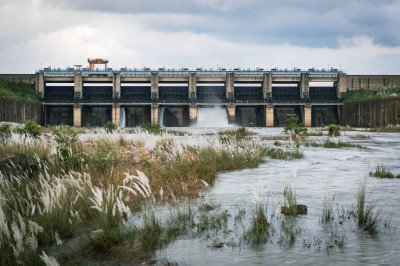
Mundakkai Dam

@@The Lifeline of Mundakkai: The Mundakkai Dam is a significant structure located in the heart of the Wayanad district, though often visited by travel...

@@The Lifeline of Mundakkai: The Mundakkai Dam is a significant structure located in the heart of the Wayanad district, though often visited by travelers exploring the wider Malabar region from Bekal. It serves as a vital water resource for the surrounding tea and coffee plantations that define the landscape of the Western Ghats. The dam site offers a breathtaking view of the mist-covered mountains and the deep green valleys that Wayanad is famous for. Travelers often stop here to admire the engineering amidst the raw beauty of nature. Despite being further from Bekal than other spots, it remains a preferred destination for those seeking a day trip into the high altitudes. The area around the dam is rich in biodiversity, making it a hotspot for nature lovers and those interested in the ecological balance of the Nilgiri Biosphere Reserve.
Card image cap
Neeleshwaram (Cultural Hub)

Neeleshwaram, often referred to as the "Cultural Capital" of Kasaragod district, is a town steeped in rich history, vibrant traditions, and a signifi...

Neeleshwaram, often referred to as the "Cultural Capital" of Kasaragod district, is a town steeped in rich history, vibrant traditions, and a significant legacy of arts and spirituality. Situated on the banks of the Tejaswini River, Neeleshwaram was once the seat of the Neeleshwaram Rajas, a local ruling dynasty, and their royal patronage fostered a thriving cultural environment that continues to resonate today. This town offers a deeper dive into the traditional Kerala lifestyle, with its numerous ancient temples, majestic palaces, and active cultural centers. The town's identity is deeply intertwined with its temples, particularly the Neeleshwaram Palace Temple, a prominent shrine that was once the private temple of the royal family. There are several other ancient temples in and around Neeleshwaram, each with its unique legends and rituals, contributing to the town's spiritual aura. These temples often host traditional performing arts like Theyyam, Thira, and Poorakkali during their annual festivals, providing a vibrant cultural spectacle for visitors. Neeleshwaram also boasts the Neeleshwaram Palace, the erstwhile residence of the Rajas. While not a grand tourist attraction like some larger palaces, it offers a glimpse into the architectural style and history of the local royalty. Parts of the palace might be open to the public or house government offices, but its very presence adds to the town's heritage charm. Beyond temples and palaces, Neeleshwaram is known for its serene backwaters and waterways, which offer opportunities for peaceful country boat rides. The lush green surroundings, the traditional houses, and the gentle pace of life contribute to a tranquil and authentic Keralan experience. It's a place where you can observe daily life, appreciate traditional architecture, and immerse yourself in a town that actively preserves its cultural roots. Neeleshwaram is an ideal destination for those seeking an authentic cultural immersion, away from the typical tourist crowds, providing a true taste of North Kerala's heritage.
Show All

Note:-

Information provided here in good Faith and for reference only.

All information and pictures will be updated soon, please keep visiting.

Near Places

...
Alappuzha (Alleppey)

Some quick example text to build on the card title and make up the bulk of the card's content.

Go somewhere
...
Alleppey

Some quick example text to build on the card title and make up the bulk of the card's content.

Go somewhere
...
Athirappilly:

Some quick example text to build on the card title and make up the bulk of the card's content.

Go somewhere
...
Attingal

Some quick example text to build on the card title and make up the bulk of the card's content.

Go somewhere
...
Bekal

Some quick example text to build on the card title and make up the bulk of the card's content.

Go somewhere
...
Ernakulam

Some quick example text to build on the card title and make up the bulk of the card's content.

Go somewhere
...
Guruvayur

Some quick example text to build on the card title and make up the bulk of the card's content.

Go somewhere
...
Idukki

Some quick example text to build on the card title and make up the bulk of the card's content.

Go somewhere
...
Kannur

Some quick example text to build on the card title and make up the bulk of the card's content.

Go somewhere
...
Kasaragod

Some quick example text to build on the card title and make up the bulk of the card's content.

Go somewhere
in Other Cities