
...

Place To Visit And Things To Do In Chamarajanagar

Karnataka, India
Natural Paradise: This district is located at the southern tip of Karnataka state. It is famous for its dense forests, wildlife, and ancient silk-weaving traditions. Wildlife Hub: It borders Tamil Nadu and Kerala, forming a vital tiger corridor. The region is home to several prestigious national par ks and wildlife sanctuaries. Spiritual Centers: The district houses the famous MM Hills and BR Hills temples. These sites attract thousands of pilgrims who trek through the scenic forest paths. Silk Industry: Known for producing high-quality silk, it is a hub for weavers. The local silk sarees are famous for their durability and rich traditional designs.

Things To Do

Card image cap
Bandipur National Park

@@Introduction to Wilderness: Bandipur National Park is one of India's most celebrated tiger reserves, spanning an area of approximately 874 Square Ki...

@@Introduction to Wilderness: Bandipur National Park is one of India's most celebrated tiger reserves, spanning an area of approximately 874 Square Kilometers in the Chamarajanagar district. Established in 1974 under Project Tiger, it forms a vital part of the Nilgiri Biosphere Reserve, connecting the Western Ghats with the Eastern Ghats. The park is renowned for its diverse landscape, ranging from dry deciduous forests to moist deciduous patches and shrublands, providing a sanctuary for a staggering variety of flora and fauna. @@Ecological Significance: The park's ecosystem is supported by the Kabini, Moyar, and Nugu rivers, which serve as lifelines for the inhabitants. It is home to a significant population of Bengal Tigers, Indian Elephants, and Leopards. Visitors often witness the majestic sight of Gaur (Indian Bison), Sambar Deer, and Chital roaming freely. The avian population is equally impressive, with over 200 species of birds, making it a paradise for birdwatchers. @@Historical Legacy: Historically, Bandipur was the private hunting reserve for the Maharajas of Mysore. Today, it stands as a beacon of conservation, managed strictly to preserve the delicate balance of nature. The park's vegetation includes precious trees like Teak, Sandalwood, and Rosewood, along with vast stretches of Bamboo. The undulating terrain, with hills like Gopalaswamy Betta, adds to the scenic grandeur, offering breathtaking vistas of the surrounding wilderness. @@Global Recognition: As part of the UNESCO World Heritage Site, Bandipur plays a crucial role in global biodiversity conservation. The park's management focuses on anti-poaching measures and habitat restoration, ensuring that endangered species thrive. For travelers, it offers a soul-stirring experience, blending the thrill of a jungle safari with the serenity of untouched nature, making it a must-visit destination for wildlife enthusiasts and nature lovers alike.
Card image cap
Bandipur Safari Point

@@The Hub of Activity: Bandipur Safari Point is the primary entry and coordination center for all tourism activities within the Bandipur Tiger Reserve...
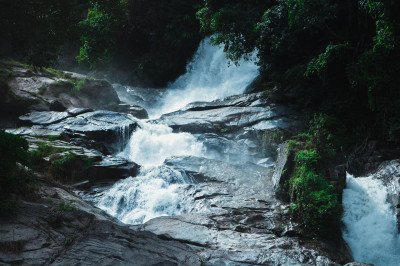
@@The Hub of Activity: Bandipur Safari Point is the primary entry and coordination center for all tourism activities within the Bandipur Tiger Reserve. Located right on the highway connecting Mysuru and Ooty, this point serves as the mandatory stop for visitors wishing to explore the depths of the forest. It houses the main booking counters, the departure point for all forest department vehicles, and the administrative offices. The atmosphere here is often buzzing with anticipation as groups of tourists wait for their turn to board the Safari Canters or Jeeps. @@Infrastructure and Facilities: The safari point is well-equipped with basic amenities, including a small cafeteria serving local snacks, clean restrooms, and a souvenir shop where you can buy wildlife-themed merchandise. The area is surrounded by towering trees, and it is not uncommon to see Spotted Deer and Langurs wandering near the parking lot. The reception center provides detailed information about the different safari zones, such as Moyar and Gundre, and displays the rules and regulations that every visitor must follow to ensure a safe and ethical wildlife experience. @@Role in Conservation: Beyond being a transit point, the Safari Point acts as a checkpoint to monitor vehicle movement and prevent illegal entry into the core forest. It is here that guides and drivers are briefed on the day's animal movements and weather conditions. The staff at the safari point are knowledgeable and can provide insights into the current wildlife sightings, helping tourists manage their expectations. Whether you are a solo traveler or with a large group, this point is the starting line of your wilderness journey, offering a glimpses into the rich biodiversity of Chamarajanagar.
Card image cap
Barachukki Waterfalls

@@Majesty of the River: Barachukki Waterfalls is a spectacular natural wonder located in the Kollegal taluk of Chamarajanagar district. It is one of t...

@@Majesty of the River: Barachukki Waterfalls is a spectacular natural wonder located in the Kollegal taluk of Chamarajanagar district. It is one of the two parts of the famous Shivanasamudra Falls, the other being Gaganachukki. The Cauvery River, after flowing through the Deccan Plateau, splits around the island of Shivanasamudra and plunges down a rocky cliff, creating a segmented waterfall of immense beauty. Barachukki is known for its wide, graceful flow and the numerous streams that cascade over the jagged rocks, especially during the peak monsoon season. @@Natural Splendor: The falls drop from a height of about 300 Feet, and the surrounding area is covered in lush green forests, making it a popular picnic spot for locals and tourists alike. Unlike its twin, Barachukki offers a more panoramic view, and there is a well-maintained pathway with over 200 steps that leads visitors down to the base of the falls. At the bottom, the mist from the crashing water creates a refreshing atmosphere, and the sound of the thundering falls can be heard from a distance. @@Historical Context: The area around the falls is also home to Asia's first hydroelectric power station, established in 1902, highlighting the historical and industrial significance of the Cauvery River in this region. @@Tourism Appeal: For visitors, Barachukki offers a blend of adventure and serenity. The site is well-equipped with viewing decks and railings for safety. It is a place where one can truly appreciate the raw power and elegance of nature, making it a highlight of any trip to Chamarajanagar. The mist, the rainbows often seen in the spray, and the verdant backdrop combine to create a mesmerizing experience that stays with you long after you leave.
Card image cap
Bharachukki Falls View Point

@@The Ultimate Perspective: The Bharachukki Falls View Point is the specifically designated area that offers the most breathtaking and expansive view ...
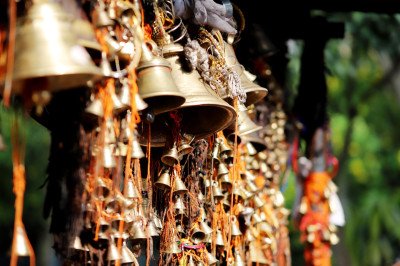
@@The Ultimate Perspective: The Bharachukki Falls View Point is the specifically designated area that offers the most breathtaking and expansive view of the eastern branch of the Cauvery River as it cascades down. While the waterfall itself is the main attraction, this viewpoint is an engineering and tourism marvel in itself, designed to provide a safe yet intimate experience with the thundering waters. Located on the edge of a plateau, the viewpoint consists of several tiered galleries that allow visitors to see the multiple segments of the falls simultaneously. @@Visual Splendor: From here, one can see how the river breaks into hundreds of small streams, looking like a curtain of white silk against the dark, ancient rocks of the Deccan. The view point is particularly famous for its vantage during the Monsoon months of July and August, when the mist rises so high that it often drenches the spectators. The lush green vegetation of the Chamarajanagar forest fringes the falls, adding a vibrant contrast to the white foam. @@Accessibility: The authorities have made significant efforts to make this viewpoint accessible to all, with well-paved paths and sturdy railings. There are small kiosks nearby selling local treats like spiced corn and buttermilk, making it a comfortable spot for a long stay. @@Aesthetic Value: The viewpoint is more than just a place to look at water; it is a spot for contemplation and photography. The sheer scale of the landscape visible from this point is humbling, offering a true sense of the river's journey through the heart of Karnataka.
Card image cap
Biligiri Rangaswamy Temple Wildlife Sanctuary

@@Ecological Bridge: Biligiri Rangaswamy Temple Wildlife Sanctuary, popularly known as BR Hills, is a unique hill range in the Chamarajanagar district...

@@Ecological Bridge: Biligiri Rangaswamy Temple Wildlife Sanctuary, popularly known as BR Hills, is a unique hill range in the Chamarajanagar district that acts as a vital ecological bridge between the Western and Eastern Ghats. This sanctuary, spanning over 540 Square Kilometers, is named after the ancient Biligiri Ranganatha Swamy Temple perched atop a white rock cliff. The name "Biligiri" translates to "White Hill" in Kannada, a reference to the mist-covered peaks and the light-colored rock formations. The sanctuary's altitude ranges up to 5,000 Feet, resulting in a diverse climate that supports everything from dry deciduous forests to evergreen sholas. @@Biodiversity and Culture: It is home to the Soliga tribe, an indigenous community that has coexisted with the forest for centuries. The wildlife is incredibly rich, featuring Tigers, Leopards, Asian Elephants, and the massive Gaur. It is also a premier destination for birding, with over 250 species recorded. @@Spiritual Heart: The temple at the summit is a major pilgrimage center, dedicated to Lord Ranganatha (a form of Vishnu). The panoramic view from the temple courtyard is one of the best in southern Karnataka, overlooking the vast green valleys of the Cauvery basin. @@Sustainable Tourism: BR Hills is known for its focus on eco-tourism and conservation. The presence of the Jungle Lodges K. Gudi Wilderness Camp provides visitors with an opportunity to experience the forest responsibly through guided safaris and nature walks. It is a place where spirituality meets wilderness, offering a serene escape for those looking to connect with both nature and heritage.
Card image cap
BR Hills Temple Viewpoint

The BR Hills Temple Viewpoint is a majestic spiritual and natural destination located at the confluence of the Western Ghats and the Eastern Ghats. T...

The BR Hills Temple Viewpoint is a majestic spiritual and natural destination located at the confluence of the Western Ghats and the Eastern Ghats. This unique geographic location creates a biodiversity hotspot that is home to various species of flora and fauna. The temple is dedicated to Lord Biligiri Ranganatha, an incarnation of Lord Vishnu, who is worshipped here in a unique standing posture. The hills are named Biligiri, which means "white hill" in Kannada, due to the white rock face or the silver mist that often blankets the peaks. Legend says that the Soliga tribal community considers Lord Ranganatha as their brother-in-law, adding a deep cultural layer to the place. The viewpoint provides a 360-degree panoramic vista of the surrounding BRT Tiger Reserve, where dense green canopies stretch as far as the eye can see. Visitors often find peace in the cool mountain breeze while watching the sunrise or sunset from this elevated platform. The area is also steeped in history, with ruins of an old fort nearby. The temple itself sits on the edge of a precipice, making the view both thrilling and divine. It serves as a vital bridge for wildlife migration, ensuring the genetic health of tigers and elephants in the region. The spiritual atmosphere combined with the raw beauty of the jungle makes it a top destination for pilgrims and nature lovers alike. Many travelers visit this spot to escape the humidity of the plains and enjoy the temperate climate of the hills. The ecosystem here is so rich that it supports nearly 270 species of birds and a variety of wild animals like leopards and gaurs. Exploring this viewpoint is like stepping into a different world where nature and divinity coexist in perfect harmony.:
Card image cap
Cauvery Katte

Cauvery Katte is a picturesque riverfront destination located on the banks of the sacred Cauvery River in the Kollegal region. The term "Katte" in Ka...
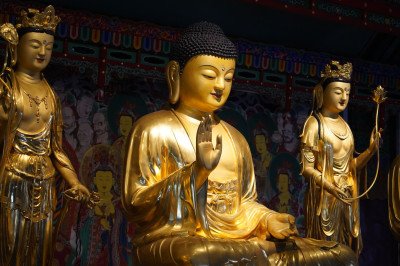
Cauvery Katte is a picturesque riverfront destination located on the banks of the sacred Cauvery River in the Kollegal region. The term "Katte" in Kannada refers to a platform or an embankment, and here it signifies the stone structures built along the river for pilgrims and visitors. This spot is particularly famous for its tranquil atmosphere and the historical Wesley Bridge that spans the wide river. The water here is generally calm during the non-monsoon months, making it a popular place for locals to perform rituals, take a holy dip, or enjoy a family picnic. The river is surrounded by lush agricultural fields and tall coconut groves, giving it a classic rural Karnataka charm. For nature lovers, the site offers a chance to observe local aquatic life and various water birds that frequent the riverbanks. The sound of the flowing water combined with the cool breeze provides a meditative experience for those looking to escape the hustle of city life. Historically, this area has been a vital crossing point for travelers moving between Mysore and the Eastern Ghats. The stone pathways and old structures reflect the traditional engineering of the region. Visitors often spend hours sitting on the steps, watching the sunset reflect off the ripples of the Cauvery. It is also a site of religious importance where special pujas are conducted during festivals like Cauvery Sankramana. Unlike more commercialized tourist spots, Cauvery Katte retains a raw and authentic feel, offering a glimpse into the local lifestyle of the people of Chamarajanagar. Whether you want to try your hand at local fishing or simply walk across the ancient bridge, this place offers a refreshing and grounded experience for every traveler.:
Card image cap
Dzogchen Monastery

The Dzogchen Monastery is the spiritual heart of the Dhondenling Tibetan Settlement, a unique cultural enclave nestled in the foothills of the BR Hil...

The Dzogchen Monastery is the spiritual heart of the Dhondenling Tibetan Settlement, a unique cultural enclave nestled in the foothills of the BR Hills. Established in the early 1970s for Tibetan refugees, this settlement is one of the five major Tibetan colonies in Karnataka. The monastery itself is a replica of the famous Dzogchen Monastery in Tibet, which was destroyed during the mid-20th century. It serves as a center for the preservation of the Nyingma school of Tibetan Buddhism, focusing on ancient teachings and meditation practices. As you enter the settlement, the atmosphere shifts from the typical landscape of South India to a vibrant world of prayer flags, stupas (chortens), and monks in maroon robes. The monastery is surrounded by lush coffee and maize plantations, creating a serene and isolated environment perfect for spiritual seekers. The main prayer hall is a sight to behold, featuring massive golden statues of Buddha, Padmasambhava, and other deities. The walls are covered in detailed Thangka paintings and murals that depict various Buddhist legends. The settlement consists of 22 villages where the community lives in harmony with nature. Visitors can witness the daily life of the residents, from children studying at the monastic schools to elders spinning prayer wheels. The silence of the monastery is only broken by the deep chants of the monks and the ringing of ceremonial bells. It is a place that offers deep insight into the resilience of the Tibetan people and their dedication to keeping their heritage alive in exile. For a traveler, it feels like visiting a "Mini Tibet" without leaving India. The settlement also promotes eco-friendly living, with many residents engaged in organic farming. Visiting Dzogchen Monastery is not just a sightseeing trip; it is an immersive cultural experience that promotes peace, compassion, and a better understanding of Buddhist philosophy.:
Card image cap
Flower Field

The Flower Fields of Gundlupet are a seasonal natural wonder that has become a sensation among travelers and photographers. Located at the southernmo...

The Flower Fields of Gundlupet are a seasonal natural wonder that has become a sensation among travelers and photographers. Located at the southernmost tip of Karnataka, near the borders of Kerala and Tamil Nadu, Gundlupet is often referred to as the "Flower Pot of India." During the blooming season, thousands of acres of land are covered in vibrant yellow sunflowers and deep orange marigolds. These flowers are primarily grown for commercial purposes, specifically for oil extraction and the dye industry, but their sheer scale creates a landscape of unmatched beauty. The sight of endless rows of flowers stretching toward the horizon, with the dark silhouettes of the Western Ghats in the background, is truly mesmerizing. This place has become a favorite spot for filmmakers and social media enthusiasts who flock here to capture the "sun-kissed" look. The fields are privately owned by local farmers who, in recent years, have opened their gates to tourists for a small fee. Walking through these fields, you are surrounded by the gentle hum of bees and the sweet, earthy fragrance of the blooms. The landscape changes with the sun; in the morning, the sunflowers face the east, standing tall and proud, while in the evening, they cast long shadows over the red soil. The region is also a gateway to the Bandipur National Park, making it a perfect stopover for those on a road trip to Ooty or Wayanad. Beyond the flowers, the area is known for its traditional agriculture, where you can see farmers working with bullocks in the fields. The simplicity of the rural life here, combined with the explosive colors of the flowers, offers a refreshing contrast to the urban environment. It is a place that celebrates the bounty of nature and the hard work of the local farming community.:
Card image cap
Gaganachukki Water View Point

Gaganachukki Water View Point offers one of the most spectacular sights in South India, where the Cauvery River plunges down a series of rocky cliffs...

Gaganachukki Water View Point offers one of the most spectacular sights in South India, where the Cauvery River plunges down a series of rocky cliffs. The Shivanasamudra Falls are divided into two segments: Gaganachukki and Bharachukki. While Bharachukki is known for its wide, cascading beauty, Gaganachukki is famous for its sheer power and the horseshoe shape it forms as it thunders into the deep gorge. The viewpoint from the Chamarajanagar side is located near the Dargah of Hazrath Mardane Gaib, providing a different perspective than the one from the Mandya side. The name Gaganachukki translates to "the one that touches the sky," a fitting tribute to the height and the mist that rises from the impact of the water. This site is also historically significant as it is home to Asia's first hydroelectric power station, established in 1902 by the Dewan of Mysore. The station still functions today, using the immense force of the falling water to generate electricity. Surrounded by the Cauvery Wildlife Sanctuary, the area is lush with greenery and supports a variety of wildlife. During the monsoon, the river is in full spate, and the roar of the falls can be heard from kilometers away. The spray from the water creates a permanent rainbow on sunny days, adding a magical touch to the landscape. For visitors, the viewpoint is well-maintained with safety railings and platforms to ensure a safe viewing experience. The rugged rocks, the white churning water, and the deep green forest create a dramatic scene that has captivated travelers for centuries. It is a place of raw natural energy that humbles everyone who stands before it. The destination is a perfect blend of natural wonder, historical achievement, and spiritual serenity.:
Card image cap
Himavad Gopalaswamy Betta

Himavad Gopalaswamy Betta is a majestic hill located in the heart of the Bandipur National Park at an altitude of 1450 meters. The name 'Himavad' tra...

Himavad Gopalaswamy Betta is a majestic hill located in the heart of the Bandipur National Park at an altitude of 1450 meters. The name 'Himavad' translates to 'covered in mist' in the local Kannada language, which perfectly describes the ethereal atmosphere of this peak. This site serves as the highest peak in the national park and is frequently visited by wild elephants and tigers. The hill is home to an ancient temple dedicated to Lord Venugopalaswamy, an incarnation of Lord Krishna. Visitors are often mesmerized by the panoramic views of the surrounding Western Ghats and the lush greenery of the tiger reserve. Due to its status as a core forest area, private vehicles are restricted, ensuring the preservation of its pristine ecological beauty. The spiritual aura combined with the cool, breezy climate makes it a top destination for both pilgrims and nature enthusiasts visiting Chamarajanagar.
Card image cap
Hogenakkal Waterfalls

Hogenakkal Waterfalls is a spectacular natural wonder located on the Kaveri River at the border of Karnataka and Tamil Nadu. The name is derived from...
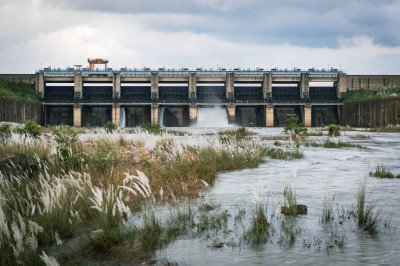
Hogenakkal Waterfalls is a spectacular natural wonder located on the Kaveri River at the border of Karnataka and Tamil Nadu. The name is derived from the Kannada words 'Hoge' meaning smoke and 'Kal' meaning rock, referring to the smoke-like mist created by water crashing against the rocks. The river at this point drops through a series of rocky gorges, creating a thunderous sound that can be heard from a distance. The area is famous for its carbonatite rocks, which are among the oldest in the world, dating back millions of years. This destination is a paradise for those who enjoy water activities and rugged natural beauty. Visitors can experience the thrill of coracle rides, where circular boats navigate the swirling waters near the base of the falls. The falls are also known for the traditional herbal oil massages offered by local experts on the rocky banks. Despite its remote location from the district headquarters, it remains a major attraction for tourists seeking an adventurous escape in nature.
Card image cap
Krishna Katte Earth Dam

Krishna Katte Earth Dam (also known as Krishnayyana Katte) is a hidden gem nestled in the scenic landscapes of Chamarajanagar. Unlike the massive con...

Krishna Katte Earth Dam (also known as Krishnayyana Katte) is a hidden gem nestled in the scenic landscapes of Chamarajanagar. Unlike the massive concrete dams, this is a charming earthen structure built to harvest rainwater and provide irrigation to the surrounding agricultural lands. It is surrounded by lush greenery and rolling hills, making it a perfect spot for those looking for peace and quiet away from the tourist crowds. The reservoir attracts several species of local and migratory birds, making it a budding spot for birdwatchers. The calm waters reflect the changing colors of the sky, offering a picturesque setting for evening strolls or morning yoga. There are three main access points to the dam, and a short climb of about 40 steps leads visitors to the top of the embankment. From the summit, one can enjoy a 360-degree view of the Biligiriranga Valley. The dam is a testament to simple yet effective rural engineering and serves as a vital lifeline for the local farming community in the district.
Card image cap
Madhyaranga Shri Ranganathaswamy Temple

Madhyaranga Shri Ranganathaswamy Temple is one of the three major temples dedicated to Lord Ranganatha located on islands formed by the Kaveri River....
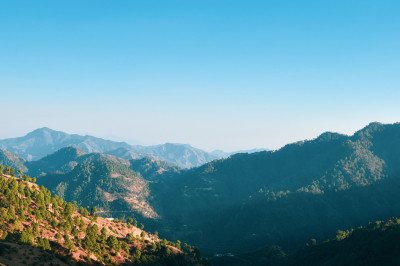
Madhyaranga Shri Ranganathaswamy Temple is one of the three major temples dedicated to Lord Ranganatha located on islands formed by the Kaveri River. This temple, situated on the Shivanasamudra island, represents the 'Madhya' or middle form of the deity, whereas Srirangapatna is the first (Adi) and Srirangam is the last (Antya). The idol here is believed to represent the youthful form of Lord Vishnu, fondly called Mohana Ranga. The temple is an ancient structure with deep religious roots, attracting devotees who follow the Sri Vaishnava tradition. It is surrounded by the roaring waters of the Shivanasamudra Falls, adding a natural splendor to its spiritual atmosphere. The temple complex also houses a shrine for Lord Someshwara, which is said to be even older than the Ranganatha shrine. Despite being a significant pilgrimage site, it maintains a serene and relatively quiet environment compared to its counterparts. Visiting this temple offers a blend of architectural appreciation, spiritual solace, and the breathtaking beauty of the nearby waterfalls.
Card image cap
Male Mahadeshwara Hills

Male Mahadeshwara Hills, popularly known as MM Hills, is a major pilgrimage center and a pristine wildlife sanctuary in the Eastern Ghats. This sacre...

Male Mahadeshwara Hills, popularly known as MM Hills, is a major pilgrimage center and a pristine wildlife sanctuary in the Eastern Ghats. This sacred site is dedicated to Lord Mahadeshwara, believed to be an incarnation of Lord Shiva, who lived and performed miracles here in the 15th century. The temple is situated amidst seven peaks: Anumale, Jenumale, Kanumale, Kadumale, Pachchemale, Pavalamale, and Ponnachimale. Legend says that the saint Mahadeshwara Swamy traveled across these hills on a tiger, teaching the message of non-violence and social equality to the local tribes. The region is not just a religious hub but also a vital ecological corridor, home to elephants, leopards, and diverse flora. The atmosphere here is filled with the rhythmic sounds of Kamsale, a traditional folk dance performed by devotees. Pilgrims often trek through the dense forest paths to reach the summit, offering their devotion through song and dance. The hilltop provides a cool retreat from the plains, making it a beloved destination for both the devout and nature lovers seeking solace in the mountains.
Card image cap
Pachappa Circle

Pachappa Circle is widely considered the central landmark and the functional heart of Chamarajanagar town. Located on the bustling Double Road, it se...

Pachappa Circle is widely considered the central landmark and the functional heart of Chamarajanagar town. Located on the bustling Double Road, it serves as the primary orientation point for both locals and travelers navigating the district. The circle is named after a prominent local figure and has evolved from a simple junction into a thriving commercial and cultural hub. Surrounding the circle are numerous shops, ranging from traditional textile stores to modern electronic outlets, making it a key shopping destination. The atmosphere here is always energetic, reflecting the local rhythm of life in this gateway city to the forests of Karnataka. It is a place where the rural charm of the district meets the growing urban aspirations of the town. Visitors often stop here to gather supplies before heading toward the Biligirirangan Hills or Bandipur. The area is also known for its local eateries that serve authentic South Indian snacks and coffee. During the evenings, the circle comes alive with street vendors selling fresh fruits and local produce. It represents the historical growth of the town from a small settlement to a significant administrative center. The circle also acts as a bridge between the old parts of the town and the newer extensions. It is well-maintained and serves as a point of pride for the citizens of Chamarajanagar. Whether you are looking for local silk or just want to soak in the local vibe, this is the place to be.:
Card image cap
Shivanasamudra Check Dam Boating

Shivanasamudra Check Dam Boating offers a unique opportunity to experience the mighty Kaveri river up close. While the famous Gaganachukki and Barach...

Shivanasamudra Check Dam Boating offers a unique opportunity to experience the mighty Kaveri river up close. While the famous Gaganachukki and Barachukki waterfalls are the primary draws of the region, the check dam area provides a calmer stretch of water suitable for traditional coracle (round boat) rides. This activity allows visitors to glide over the water's surface, often getting close to the smaller streams that feed into the main falls. The boatmen are skilled in navigating the currents and often spin the coracle, providing a thrilling experience for tourists. The surrounding landscape is lush and rocky, offering a sense of serenity away from the crowded viewing decks of the waterfalls. The boating area is particularly popular during the post-monsoon months when the water levels are ideal—not too turbulent but deep enough for a smooth ride. It is a favorite spot for families and groups looking for an interactive nature experience. The check dam itself is an engineering feature that helps regulate the flow of water for the hydroelectric power station, which was the first of its kind in Asia. Being on the water provides a different perspective of the river's power and the geological formations of the Shivanasamudra island. The air here is fresh, and the sound of rushing water in the distance creates a soothing backdrop. Safety is a priority, and life jackets are typically provided for the duration of the ride. This boating experience adds a touch of adventure to the spiritual and scenic visit to the Shivanasamudra area. It is a must-do for anyone wanting to feel the pulse of the Kaveri river.:
Card image cap
Suvarnavathi Dam

Suvarnavathi Dam, also known as the Suvarnavathi Reservoir, is a significant irrigation project located near the village of Attagulipura. Built acros...

Suvarnavathi Dam, also known as the Suvarnavathi Reservoir, is a significant irrigation project located near the village of Attagulipura. Built across the Suvarnavathi River, which is a tributary of the Kaveri, the dam plays a crucial role in the agricultural life of the district. It was completed in 1977 and is often referred to as a "twin reservoir" because it is linked to the nearby Chikkahole Dam via a channel. The location of the dam is particularly scenic, as it is situated right on the edge of the Punajanur State Forest, which forms the border between Karnataka and Tamil Nadu. This proximity to the forest means that the reservoir is a vital source of water for the region's wildlife. It is not uncommon for visitors to spot wild elephants, deer, and various bird species wandering near the backwaters, especially during the early morning or late evening hours. The dam provides a peaceful escape from the town, offering vast views of the water set against the backdrop of rolling hills and dense forests. The area is popular for picnics and for those who enjoy quiet nature walks along the embankment. The reservoir also supports local fisheries, and one can often see small traditional boats out on the water. The surrounding horticulture gardens add to the greenery of the place. During the monsoon season, when the dam reaches its full capacity, the sight of water gushing through the spillways is truly majestic. It is a place that combines engineering utility with natural beauty, making it a favorite for local day-trippers. The drive to the dam from Chamarajanagar is also very pleasant, passing through rustic villages and coconut groves. It serves as a perfect stopover for those traveling toward the BR Hills or Sathyamangalam.:
Card image cap
Thaalu Betta

Thaalu Betta is a serene hillock located just a short drive from the main town of Chamarajanagar. It is part of a series of hills that characterize t...

Thaalu Betta is a serene hillock located just a short drive from the main town of Chamarajanagar. It is part of a series of hills that characterize the Deccan transition zone. This place is relatively less known among mainstream tourists, which has helped preserve its quiet and pristine environment. The hill is primarily known for its small temple at the summit and the incredible panoramic views it offers of the surrounding plains and the town of Chamarajanagar. The climb to the top is moderately easy, featuring a well-worn path and some stone steps, making it accessible for people of most age groups. For nature lovers, Thaalu Betta is a paradise for observing the local flora and fauna, including various species of cacti, shrubs, and occasional sightings of peacocks and small mammals. The hill takes on a magical appearance during the monsoon and early winter when it is covered in a blanket of green. It is a popular spot for local residents to go for morning treks and meditation. The silence at the top is profound, broken only by the sound of the wind and the distant chiming of temple bells. Historically, such hillocks in the region served as lookout points and spiritual retreats. The temple at the top is dedicated to a local deity and is a site of great faith for the nearby village communities. Visiting Thaalu Betta provides a sense of accomplishment and a much-needed break from the noise of urban life. It is an ideal spot for those who enjoy "slow travel" and want to experience the authentic rural landscape of Southern Karnataka. The air at the summit is significantly cooler and fresher, providing a natural respite during the warmer months.:
Card image cap
Wesley Bridge

Wesley Bridge, located near Sathyagala in the Kollegal taluk, is a magnificent stone structure with deep historical and architectural significance. B...

Wesley Bridge, located near Sathyagala in the Kollegal taluk, is a magnificent stone structure with deep historical and architectural significance. Built during the British era, the bridge spans the Kaveri river and served as a vital link for many decades. It is often confused with the Wellesley Bridge in Srirangapatna, but this "Wesley Bridge" is a distinct and equally impressive structure in the Chamarajanagar district. The bridge is constructed entirely of stone pillars and girders, showcasing the robust engineering techniques of the 19th century. Walking across the bridge today is a nostalgic journey, as it is now mostly used by pedestrians, cyclists, and two-wheelers, with a modern bridge nearby handling the heavy traffic. The view from the bridge is spectacular; the Kaveri flows gracefully below, surrounded by massive rocks and dense riverine vegetation. It is a popular spot for local anglers and those who enjoy watching the sunset over the water. The surrounding area is incredibly peaceful, making it a favorite for weekend picnickers from Chamarajanagar and Mysuru. The bridge has withstood numerous floods over the centuries, a testament to the durability of its stone-on-stone construction. The atmosphere here is one of timelessness, where the old stone arches meet the ever-flowing river. It is also a site of ecological interest, as the rocky bed of the river near the bridge provides a habitat for various aquatic species and birds. For history buffs, the bridge is a living monument to the colonial infrastructure that once connected the princely state of Mysore to the surrounding regions. The road leading to the bridge is lined with lush green fields and coconut trees, adding to the scenic charm of the visit. It is an ideal spot for a quiet afternoon of reflection and photography.:
Show All

Note:-

Information provided here in good Faith and for reference only.

All information and pictures will be updated soon, please keep visiting.

Near Places
...
Badami

Some quick example text to build on the card title and make up the bulk of the card's content.

Go somewhere

...
Bandipur National Park

Some quick example text to build on the card title and make up the bulk of the card's content.

Go somewhere
...
Belagavi

Some quick example text to build on the card title and make up the bulk of the card's content.

Go somewhere
...
Belur, Karnataka

Some quick example text to build on the card title and make up the bulk of the card's content.

Go somewhere
...
Belur

Some quick example text to build on the card title and make up the bulk of the card's content.

Go somewhere
...
Bengaluru

Some quick example text to build on the card title and make up the bulk of the card's content.

Go somewhere
...
Bidar

Some quick example text to build on the card title and make up the bulk of the card's content.

Go somewhere
...
Bijapur

Some quick example text to build on the card title and make up the bulk of the card's content.

Go somewhere
...
Chamarajanagar

Some quick example text to build on the card title and make up the bulk of the card's content.

Go somewhere
...
Chikkaballapur

Some quick example text to build on the card title and make up the bulk of the card's content.

Go somewhere
in Other Cities