

Digha
General information
-
Ideal Duration:
2 to 3 DaysPlace Type:
Beach & LeisureEntry Fees:
Beach Entry: There is no entry fee to visit any of the beaches. They are open public spaces for everyone to enjoy. You only pay for specific activities like rides.
Aquarium and Science Centre: These have small entry fees ranging from 20 to...Beach Entry: There is no entry fee to visit any of the beaches. They are open public spaces for everyone to enjoy. You only pay for specific activities like rides.
Aquarium and Science Centre: These have small entry fees ranging from 20 to 50 Rupees. Tickets are available at the entrance gates. It is affordable for all types of travelers.
Parking Charges: Designated parking lots charge based on the vehicle type. Usually, it is 20 Rupees for bikes and 50 Rupees for cars. Rates may increase during peak holiday seasons.Timing:
Beach Access: The beaches are open 24 hours a day. However, it is not safe to go into the water after dark. Early mornings and evenings are the most pleasant times.
Aquarium Timings: Open from 10:00 AM to 6:00 PM usually. It may remain cl...Beach Access: The beaches are open 24 hours a day. However, it is not safe to go into the water after dark. Early mornings and evenings are the most pleasant times.
Aquarium Timings: Open from 10:00 AM to 6:00 PM usually. It may remain closed on certain public holidays. Check local notices for any changes in the schedule.Special Events:
Digha Beach Festival: Usually held in December or January. It features cultural programs and food stalls. Local artists perform traditional music and dance.
Durga Puja: The town gets very crowded during this festival in October. Many hote...Digha Beach Festival: Usually held in December or January. It features cultural programs and food stalls. Local artists perform traditional music and dance.
Durga Puja: The town gets very crowded during this festival in October. Many hotels set up their own small idols for worship. The festive spirit is felt all across the beach.Best Photo Spots:
Old Digha Steps: Sit on the concrete steps for a classic sea-view photo. The splashing waves in the background look great in pictures. High tide provides the most dramatic shots.
Casuarina Forests: The rows of trees provide a perfect backd...Old Digha Steps: Sit on the concrete steps for a classic sea-view photo. The splashing waves in the background look great in pictures. High tide provides the most dramatic shots.
Casuarina Forests: The rows of trees provide a perfect backdrop for portraits. The play of light through the leaves is very artistic. It is a favorite spot for pre-wedding shoots.
New Digha Beach: Capture the wide horizon and the colorful umbrellas. The sunrise is particularly beautiful on this side. Use a tripod for the best early morning shots.Photo Gallery
Things To Do
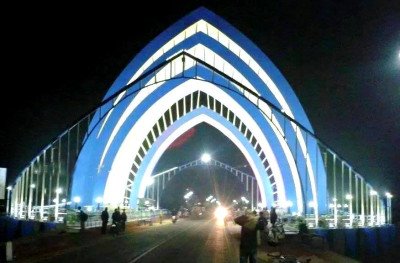 @@Introduction: The Digha Gate, also known as the Gateway of Digha or the Welcome Gate, is a magnificent architectural landmark that marks the entrance to this famous seaside town. Located on the National Highway 116B, it was inaugurated to boost tourism and give a grand identity to the region. The gate is not just a structural entry point but a symbol of the coastal heritage of West Bengal. It is painted in the iconic blue and white color scheme, synonymous with the state's urban development theme. At night, the gate is brilliantly illuminated with LED lights, making it a major attraction for travelers arriving by road. It serves as the perfect "welcome" for tourists coming from Kolkata or Howrah. The area around the gate is well-maintained with gardens and paved pathways, allowing visitors to stop and take photographs before proceeding to their hotels. It represents the transformation of Digha from a simple fishing village into a modern tourist hub. The structure is so prominent that it has become the face of Digha tourism on many postcards and travel brochures.
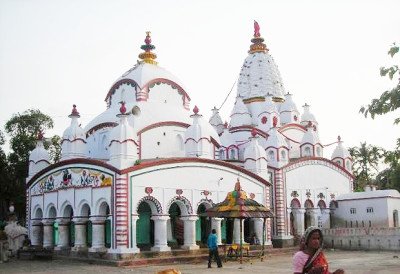 **Chandaneswar Temple** is an ancient and highly revered Hindu temple dedicated to **Lord Shiva**. Despite being located just across the border in the state of **Odisha**, it is intrinsically linked to **Digha** tourism due to its close proximity. The temple is steeped in rich mythology and folklore, and the Shiva Linga within the temple is traditionally believed to be *Swayambhu* (self-originated). The temple is a significant pilgrimage center, attracting devotees from both **West Bengal** and **Odisha**. The architecture is typically of the **Kalinga** style, resembling the traditional temple designs of ancient **Odisha**. A prominent feature within the premises is a black statue of **Nandi** (Lord Shiva's Bull), which is a key object of veneration. The temple is especially famous for hosting a massive annual fair, the **Chaitra Mela** or **Maha Vishuva Sankranti Mela**, which marks the first day of the **Oriya** calendar, usually falling around **April 14th**. During this 13-day fair, hundreds of thousands of pilgrims gather, many of whom observe fasts and perform elaborate rituals to seek the blessings of **Lord Chandaneswar**. The area becomes a vibrant scene of religious fervor, cultural activities, and local commerce during the festival. The general atmosphere outside the festival time is one of peace and devotion.
 **New Digha Beach** is the quintessential modern beach destination in **Digha**, specifically developed to create a larger, cleaner, and more accessible stretch of coastline compared to the erosion-affected **Old Digha** beach. It features a wide expanse of soft, compacted sand, making it perfect for long, leisurely walks, cycling, and sunbathing. The shoreline is gently sloped, and the sea remains shallow for a considerable distance, which is a key factor that attracts families and makes it a relatively safer spot for a dip in the Bay of Bengal. A dense plantation of Casuarina trees runs along the coast, enhancing the natural beauty and providing a welcome shade. The beach is a hub of activity with numerous temporary stalls selling everything from delicious local **seafood** and refreshing coconut water to souvenirs made of seashells. The vibrant boardwalk, sometimes referred to as the Marine Drive, provides a panoramic view of the coastline and is a popular spot for evening strolls. The spectacular views of the **sunrise** and **sunset** over the tranquil waters of the bay are a primary attraction, drawing tourists and photographers alike. The overall atmosphere is lively yet less congested than the original beach, making it the top choice for tourists looking for relaxation combined with fun beach activities. It's well-connected and near other attractions like **Amarabati Park** and the **Digha Science Centre**, making it a central point for any **Digha** itinerary. ###
 @@Park Overview: Wonderland Kajal Dighi is the most popular amusement park in Digha, designed specifically for families and children. Centered around a large, scenic lake (Dighi), the park offers a variety of recreational activities that provide a break from the beach. The star attraction is the "Model Toy Train" that chugs along the perimeter of the lake, offering views of the water and the lush gardens. The park is beautifully landscaped with seasonal flowers, manicured lawns, and various animal statues that children love. It also features a small mini-zoo section with rabbits, guinea pigs, and colorful birds. For adults, the park offers a peaceful environment for evening strolls and boat rides on the lake. The park is particularly crowded during the winter holidays when families come for picnics. It is located very close to the New Digha Railway Station, making it easily accessible for tourists the moment they arrive in the city. The combination of nature, play areas, and gentle rides makes it a "must-visit" for anyone traveling with kids.
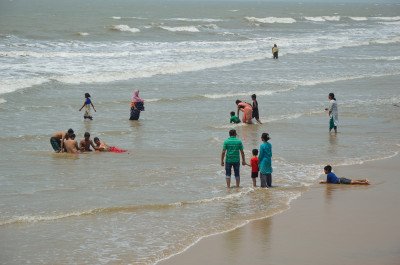 **Shankarpur Beach** is another exquisite, relatively undeveloped beach located east of **Digha**, often referred to as its 'twin beach'. It is significantly quieter and less commercialised than **Digha**, offering a peaceful coastal experience. The beach is a vast stretch of silvery sand, flanked by a dense plantation of **Casuarina** and **Eucalyptus** trees, which provide a cool, natural barrier. The most distinguishing feature of **Shankarpur** is its functional **Fishing Harbour**. Visitors can witness the daily activities of the local fishing communityfrom boats venturing out to sea in the morning to returning with their catch in the afternoon, followed by the bustling fish auction and processing. This provides a fascinating glimpse into the authentic coastal lifestyle and economy of the region. The tourism infrastructure here is relatively well-planned, featuring a few government and private resorts, often nestled within the casuarina groves. There is also a concrete seating area along a part of the shore, offering a comfortable place to sit and watch the waves. The high tide at **Shankarpur** can be quite dramatic, with large waves crashing, making it a spectacular sight but requiring caution. Like **Udaipur**, it is known for its incredible sunrise and sunset views. The environment is cleaner and more tranquil, attracting tourists who prefer quietude over the hustle and bustle. The development of Shankarpur as a dedicated sea resort, including amenities like guest houses and fishing department lodges, caters to travellers seeking a serene vacation spot with a focus on natural beauty and local culture. The beach area is part of the larger coastal belt and is a testament to the unspoiled natural charm of the **West Bengal** coast. ###
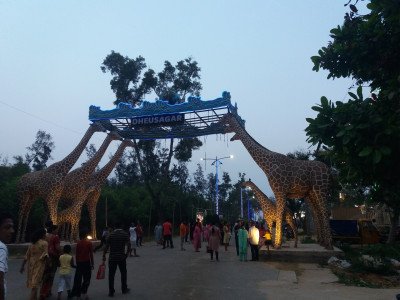 Dheu Sagar Park is a beautifully curated landscape situated in the heart of New Digha, offering a refreshing blend of natural beauty and modern recreation for travelers of all ages. Managed by the Digha Shankarpur Development Authority (DSDA), this park has quickly become a premier destination for those seeking a break from the salty sea breeze and sandy shores. The name "Dheu Sagar" translates to "Waves of the Sea," which is fittingly reflected in its undulating green lawns and its strategic location just a stone's throw away from the Bay of Bengal. Spanning a vast area, the park serves as a green lung for the coastal town, featuring meticulously maintained flower beds, winding walking paths, and a central water body that adds a sense of tranquility to the environment. For families traveling with children, the park is a literal paradise, equipped with a variety of amusement rides, including a toy train, a mini Ferris wheel, and safe play zones that keep the little ones engaged for hours. The park also features a stunning laser show in the evenings, where lights and music tell stories against the backdrop of the night sky, creating a magical atmosphere. Visitors often find themselves lost in the serene vibes of the park, where the sound of the nearby waves blends with the chirping of birds nestled in the casuarina trees. There are several seating arrangements and shaded gazebos where senior citizens can relax and enjoy the breeze. The park is also known for its cleanliness and well-structured layout, making it easy to navigate even during peak tourist seasons like December or January. Food stalls inside the park offer local snacks and refreshments, ensuring that visitors can spend a half-day here without any inconvenience. Whether you are looking for a romantic stroll with your partner or a fun-filled afternoon with your kids, Dheu Sagar Park provides the perfect setting. It acts as a bridge between the wild energy of the ocean and the manicured peace of a garden, making it a mandatory stop on any Digha itinerary. The park's illumination at night is particularly noteworthy, transforming the space into a glowing wonderland that captures the essence of coastal West Bengal's developing tourism.
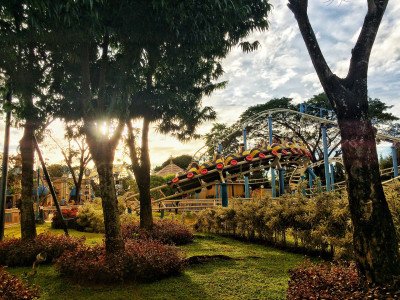 **Wonder Land (Childrens Park)**, frequently associated with or located next to the scenic **Kajal Dighi** (a lake), is a dedicated amusement and recreational spot primarily focused on entertaining children and families. While sometimes mistakenly used interchangeably with **Amarabati Park** due to proximity, this 'Wonderland' typically refers to the area with amusement rides and a larger play complex, sometimes encompassing the **Kajal Dighi** area itself. This park is known for its range of mechanical rides and children's attractions, which include classics like a **Toy Train** ride that loops around a part of the complex, often near the lake. Other simple joy rides, swings, slides, and sometimes even small animal exhibits (like rabbits or caged birds) are part of the attraction. The presence of the **Kajal Dighi** lake offers boating facilities, adding a calm, natural element to the amusement-focused activities. The atmosphere is generally energetic and cheerful, making it a hotspot for families. Though the park is a bit older and its maintenance is occasionally noted as an area for improvement, it remains one of the prime attractions in **New Digha** for kids who want something more than just beach time. Visitors appreciate the affordable entry and the variety of engaging, straightforward amusements available. It is a perfect evening spot after the beach, offering bright lights and a festive mood.Show All
Digha Mohona Watch Point is one of the most geographically significant and visually stunning locations in the coastal belt of West Bengal, marking the exact spot where the Champa River merges into the vast Bay of Bengal. This confluence, known locally as the "Mohona," offers a panoramic view that is both raw and breathtaking, making it a favorite for nature lovers and soul seekers. Unlike the more commercialized beaches of Digha, the Mohona area retains a sense of wildness and authentic maritime charm. The watch point is essentially a vast stretch of land and a concrete bridge-like structure that allows visitors to walk right up to the edge of the water to witness the turbulent mixing of river and sea currents. This area is not just a tourist spot but also the nerve center of the local fishing industry. Early in the morning, the beach transforms into a bustling hub of activity as hundreds of fishing boats return with their fresh catch, creating a vibrant and chaotic scene that is a photographer's dream. The air is thick with the smell of the sea and the sounds of fishermen bargaining, providing a deep insight into the local way of life. The landscape here changes dramatically with the tides; during high tide, the water rushes in with immense power, while low tide reveals vast mudflats where red crabs can often be seen scurrying around. The watch point is strategically designed to give a 360-degree view of the horizon, where the sky and water seem to melt into one another. It is a place of profound silence during the mid-day hours, broken only by the sound of the wind and waves. For those who enjoy long walks, the journey from the main beach to the Mohona along the coastline is a rewarding experience, passing through quiet stretches of casuarina forests. The watch point also serves as a great educational site for students to understand river estuaries and coastal ecosystems. Many tourists visit this spot specifically to buy fresh or dried fish directly from the source at the famous Mohona Fish Market. The atmosphere here is one of constant movement and natural wonder, providing a stark and beautiful contrast to the relaxing parks of the town. It is a place where one can truly feel the scale and power of the ocean while witnessing the humble labor of the coastal communities.
**Wonder Land (Childrens Park)**, frequently associated with or located next to the scenic **Kajal Dighi** (a lake), is a dedicated amusement and recreational spot primarily focused on entertaining children and families. While sometimes mistakenly used interchangeably with **Amarabati Park** due to proximity, this 'Wonderland' typically refers to the area with amusement rides and a larger play complex, sometimes encompassing the **Kajal Dighi** area itself. This park is known for its range of mechanical rides and children's attractions, which include classics like a **Toy Train** ride that loops around a part of the complex, often near the lake. Other simple joy rides, swings, slides, and sometimes even small animal exhibits (like rabbits or caged birds) are part of the attraction. The presence of the **Kajal Dighi** lake offers boating facilities, adding a calm, natural element to the amusement-focused activities. The atmosphere is generally energetic and cheerful, making it a hotspot for families. Though the park is a bit older and its maintenance is occasionally noted as an area for improvement, it remains one of the prime attractions in **New Digha** for kids who want something more than just beach time. Visitors appreciate the affordable entry and the variety of engaging, straightforward amusements available. It is a perfect evening spot after the beach, offering bright lights and a festive mood.Show All
Digha Mohona Watch Point is one of the most geographically significant and visually stunning locations in the coastal belt of West Bengal, marking the exact spot where the Champa River merges into the vast Bay of Bengal. This confluence, known locally as the "Mohona," offers a panoramic view that is both raw and breathtaking, making it a favorite for nature lovers and soul seekers. Unlike the more commercialized beaches of Digha, the Mohona area retains a sense of wildness and authentic maritime charm. The watch point is essentially a vast stretch of land and a concrete bridge-like structure that allows visitors to walk right up to the edge of the water to witness the turbulent mixing of river and sea currents. This area is not just a tourist spot but also the nerve center of the local fishing industry. Early in the morning, the beach transforms into a bustling hub of activity as hundreds of fishing boats return with their fresh catch, creating a vibrant and chaotic scene that is a photographer's dream. The air is thick with the smell of the sea and the sounds of fishermen bargaining, providing a deep insight into the local way of life. The landscape here changes dramatically with the tides; during high tide, the water rushes in with immense power, while low tide reveals vast mudflats where red crabs can often be seen scurrying around. The watch point is strategically designed to give a 360-degree view of the horizon, where the sky and water seem to melt into one another. It is a place of profound silence during the mid-day hours, broken only by the sound of the wind and waves. For those who enjoy long walks, the journey from the main beach to the Mohona along the coastline is a rewarding experience, passing through quiet stretches of casuarina forests. The watch point also serves as a great educational site for students to understand river estuaries and coastal ecosystems. Many tourists visit this spot specifically to buy fresh or dried fish directly from the source at the famous Mohona Fish Market. The atmosphere here is one of constant movement and natural wonder, providing a stark and beautiful contrast to the relaxing parks of the town. It is a place where one can truly feel the scale and power of the ocean while witnessing the humble labor of the coastal communities.Hotels
● Hotel Sea Breeze - 1
Address: Digha, West Bengal, India - Pin 721428
Distance:
Details: Known for its proximity to the coastline, this property offers stunning views and essential facilities such as laundry services, luggage storage, and ...
3 Star Hotels In Digha
● Hotel Sea Breeze - 1
Address: Digha, West Bengal, India - Pin 721428
Distance:
Details: Known for its proximity to the coastline, this property offers stunning views and essential facilities such as laundry services, luggage storage, and ...
Best Hotels In Digha
● Hotel Sea Breeze - 1
Address: Digha, West Bengal, India - Pin 721428
Distance:
Details: This accommodation provides great value with amenities like high-speed internet, secure parking, and an integrated travel desk to plan your sightseein...
Budget Hotels In Old Digha
● Hotel Sea Breeze - 1
Address: Digha, West Bengal, India - Pin 721428
Distance:
Details: Designed with modern convenience in mind, this hotel offers guests a complimentary breakfast, an elevator, and round-the-clock security. The staff is ...
Cheap Hotels In Digha
● Hotel Sea Breeze - 1
Address: Digha, West Bengal, India - Pin 721428
Distance:
Details: This accommodation provides great value with amenities like high-speed internet, secure parking, and an integrated travel desk to plan your sightseein...
Couple Friendly Hotels In Digha
● Hotel DighaHotelBooking 1
Address: Beach Road, New Digha, West Bengal, India
Distance:
Details: Offers a blend of comfort and modern amenities. Guests enjoy air-conditioned rooms, flat-screen TVs, and private balconies with sea views. Features in...
Digha Hotel Booking
● Hotel HotelsInDigha 1
Address: Beach Road, New Digha, West Bengal, India
Distance:
Details: Offers a blend of comfort and modern amenities. Guests enjoy air-conditioned rooms, flat-screen TVs, and private balconies with sea views. Features in...
Hotels In Digha
● Hotel HotelsInDighaNearSeaBeach 1
Address: Beach Road, New Digha, West Bengal, India
Distance:
Details: Offers a blend of comfort and modern amenities. Guests enjoy air-conditioned rooms, flat-screen TVs, and private balconies with sea views. Features in...
Hotels In Digha Near Sea Beach
● Hotel HotelsInNewDigha 1
Address: Beach Road, New Digha, West Bengal, India
Distance:
Details: Offers a blend of comfort and modern amenities. Guests enjoy air-conditioned rooms, flat-screen TVs, and private balconies with sea views. Features in...
Hotels In New Digha
● Hotel LuxuryHotelsInDighaWithSwimmingPool 1
Address: Beach Road, New Digha, West Bengal, India
Distance:
Details: Offers a blend of comfort and modern amenities. Guests enjoy air-conditioned rooms, flat-screen TVs, and private balconies with sea views. Features in...
Luxury Hotels In Digha With Swimming Pool
Show AllInformation
-
Why Famous:
Weekend Getaway: It is the closest and most affordable beach for millions. People from Odisha and West Bengal flock here for short breaks. The accessibility by train and road makes it very famous.
Scenic Beauty: The sunset over the Bay of ...Weekend Getaway: It is the closest and most affordable beach for millions. People from Odisha and West Bengal flock here for short breaks. The accessibility by train and road makes it very famous.
Scenic Beauty: The sunset over the Bay of Bengal is mesmerizing. The long stretch of casuarina trees creates a poetic atmosphere. It is often called the "Brighton of the East" for its charm. -
Architecture:
Coastal Engineering: The sea wall in Old Digha is a major feat. It was built to prevent soil erosion from the strong tides. The steps allow people to sit and watch the waves. This structure defines the aesthetic of the old town.
Modern Parks:...Coastal Engineering: The sea wall in Old Digha is a major feat. It was built to prevent soil erosion from the strong tides. The steps allow people to sit and watch the waves. This structure defines the aesthetic of the old town.
Modern Parks: Amarabati Park features modern landscaping and a ropeway. It is designed for family recreation and leisure. The Science Centre has a distinct futuristic building design. It stands out among the traditional coastal structures.
Marine Aquarium: The aquarium building is designed to house massive tanks. It uses specialized glass and filtration systems. The architecture is functional and educational in nature. It is a well-maintained government facility. -
How To Reach:
By Air: The nearest airport is Kolkata (Netaji Subhash Chandra Bose). It is about 190 KMs away from the beach town. You can hire a private taxi from the airport.
By Train: Digha Railway Station is well-connected to Kolkata and Puri. Sever...By Air: The nearest airport is Kolkata (Netaji Subhash Chandra Bose). It is about 190 KMs away from the beach town. You can hire a private taxi from the airport.
By Train: Digha Railway Station is well-connected to Kolkata and Puri. Several express trains run daily from Howrah. The train journey is about 3. 5 to 4 hours long.
By Road: Frequent buses are available from Kolkata, Bhubaneswar, and Cuttack. The roads are well-maintained and offer a smooth ride. Private cars are a popular choice for families.
By Local Transport: Electric rickshaws (Totos) are the primary mode of transport. They are cheap and eco-friendly for moving between beaches. Cycle rickshaws are also available for short trips. -
Weather and Best Time to Visit:
Winter Season: October to February is the best time to visit. The weather is cool and perfect for staying on the beach. It is the peak season for tourists and events.
Monsoon Season: June to August is great for watching the rough sea. The...Winter Season: October to February is the best time to visit. The weather is cool and perfect for staying on the beach. It is the peak season for tourists and events.
Monsoon Season: June to August is great for watching the rough sea. The waves are much bigger and more exciting to watch. However, swimming in the sea can be restricted.
Summer Season: March to May is quite hot and humid. Most people prefer to stay in air-conditioned rooms during the day. Evenings are still pleasant with the sea breeze. -
Near Tourist Places:
Talsari Beach (8 km), Chandaneswar Temple (10 km), Mandarmani (30 km), Tajpur (18 km), Shankarpur (14 km), Junput (40 km), Bichitrapur (15 km), Udaypur Beach (3 km), Egra (45 km), Contai (32 km).
Tourism Tips
-
Safety Advice: Always listen to the warnings of the local police. Do not go deep into the water during high tide. Be wary of slippery rocks near the sea wall.
Packing Essentials: Carry sunscreen, hats, and comfortable flip-flops. Wear lig...Safety Advice: Always listen to the warnings of the local police. Do not go deep into the water during high tide. Be wary of slippery rocks near the sea wall.
Packing Essentials: Carry sunscreen, hats, and comfortable flip-flops. Wear light and breathable clothes to beat the humidity. A small first-aid kit is always handy for beach trips.
Hotel Booking: Book your hotels in advance during the weekend. Popular hotels get sold out very quickly on holidays. Look for properties with a sea view for a better experience.
Local Etiquette: Respect the local culture and avoid littering on the beach. Plastic waste is a major concern for marine life. Be polite with the local vendors and bargaining is common.
Reviews
FAQs
Information about New and Updated Locations() of West Bengal Has Been Added :-
Card subtitle
Note:-
Information provided here in good Faith and for reference only.
All information and pictures will be updated soon, please keep visiting.
Near Places

Bakkhali
Some quick example text to build on the card title and make up the bulk of the card's content.
Go somewhere
Bankura
Some quick example text to build on the card title and make up the bulk of the card's content.
Go somewhere
Bishnupur
Some quick example text to build on the card title and make up the bulk of the card's content.
Go somewhere
Cooch Behar
Some quick example text to build on the card title and make up the bulk of the card's content.
Go somewhere
Darjeeling
Some quick example text to build on the card title and make up the bulk of the card's content.
Go somewhere
Digha
Some quick example text to build on the card title and make up the bulk of the card's content.
Go somewhere
Dooars
Some quick example text to build on the card title and make up the bulk of the card's content.
Go somewhere
Kalimpong
Some quick example text to build on the card title and make up the bulk of the card's content.
Go somewhere
Kolkata
Some quick example text to build on the card title and make up the bulk of the card's content.
Go somewhere
Kurseong
Some quick example text to build on the card title and make up the bulk of the card's content.
Go somewherein Other Cities