Cooch Behar
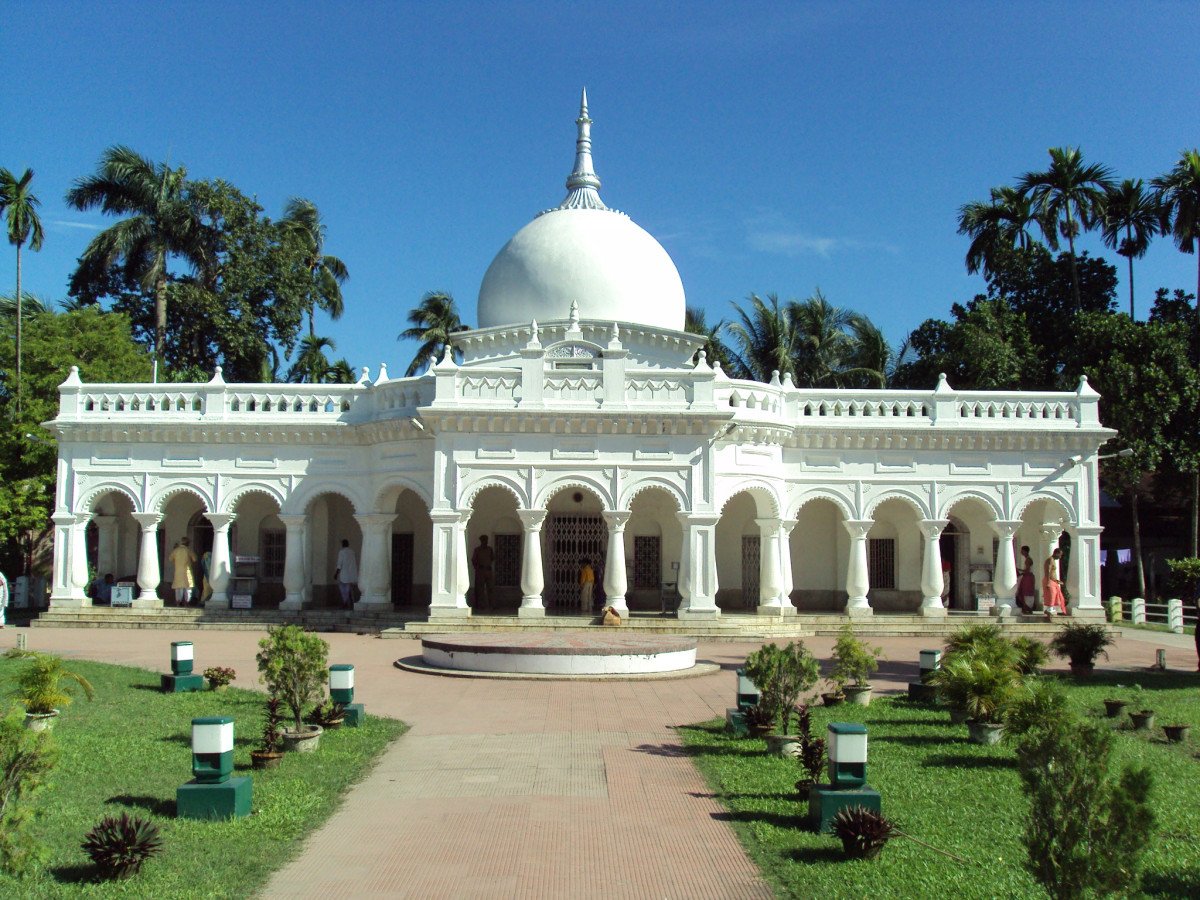
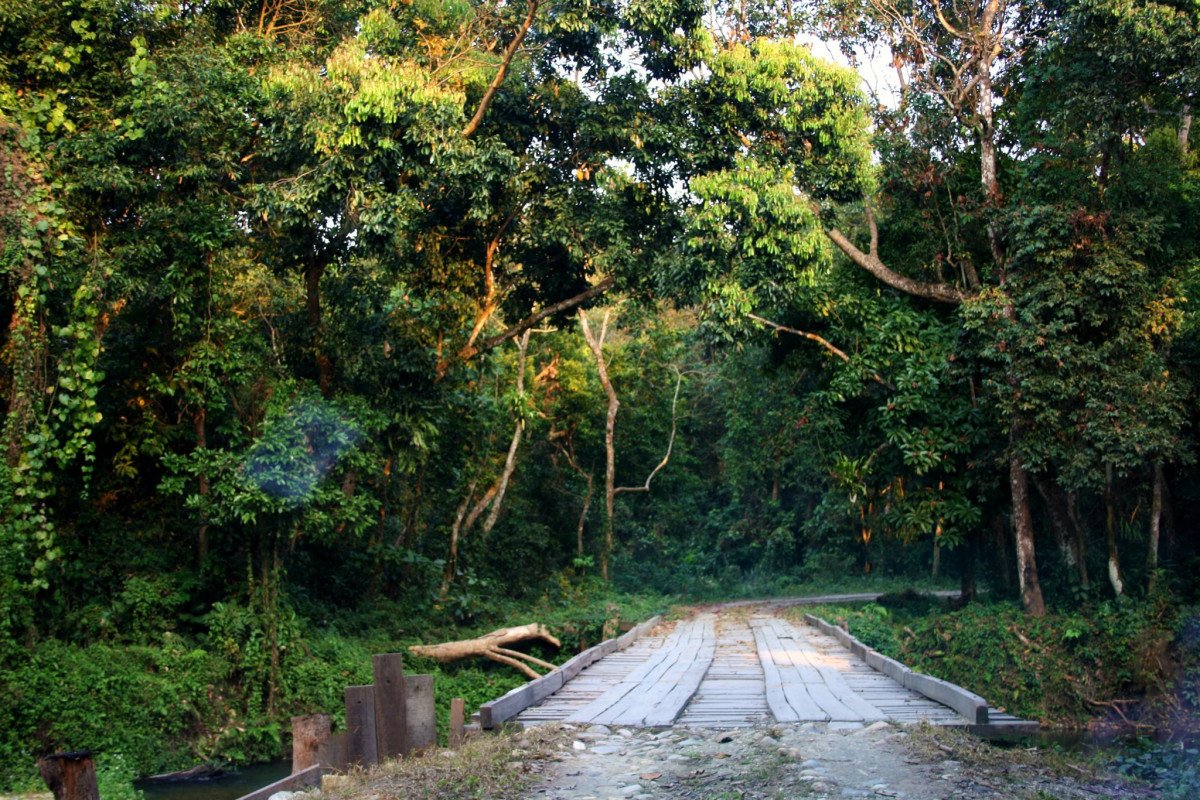
Cooch Behar is a unique city in West Bengal, known for its planned layout, heritage buildings, and vast water bodies called Dighis. Once the seat of the Koch Kingdom, it is often called the 'City of Beauty'. The city is dominated by the Cooch Behar Palace, but its charm lies in every corner—from the white Madan Mohan Temple to the historic Jenkins School. The city's culture is a blend of Bengali and tribal Koch-Rajbongshi traditions. Cooch Behar is one of the few places in India that was a princely state until 1949 and has successfully preserved its royal identity. The streets are wide, and the city is surprisingly clean compared to other Bengal towns. The local cuisine, featuring fresh fish from the Torsha river and unique sweets like Sarbajaya, is a delight for foodies. It serves as the gateway to the Dooars and the borders of Assam and Bhutan.
General information
-
Ideal Duration:
2 to 3 DaysPlace Type:
Heritage CitySpecial Events:
Ras Mela: A month-long fair in November celebrating the Ras Yatra of Lord Krishna.
Huzur Saheb Mela: A significant Sufi gathering in the district. ...Ras Mela: A month-long fair in November celebrating the Ras Yatra of Lord Krishna.
Huzur Saheb Mela: A significant Sufi gathering in the district.Best Photo Spots:
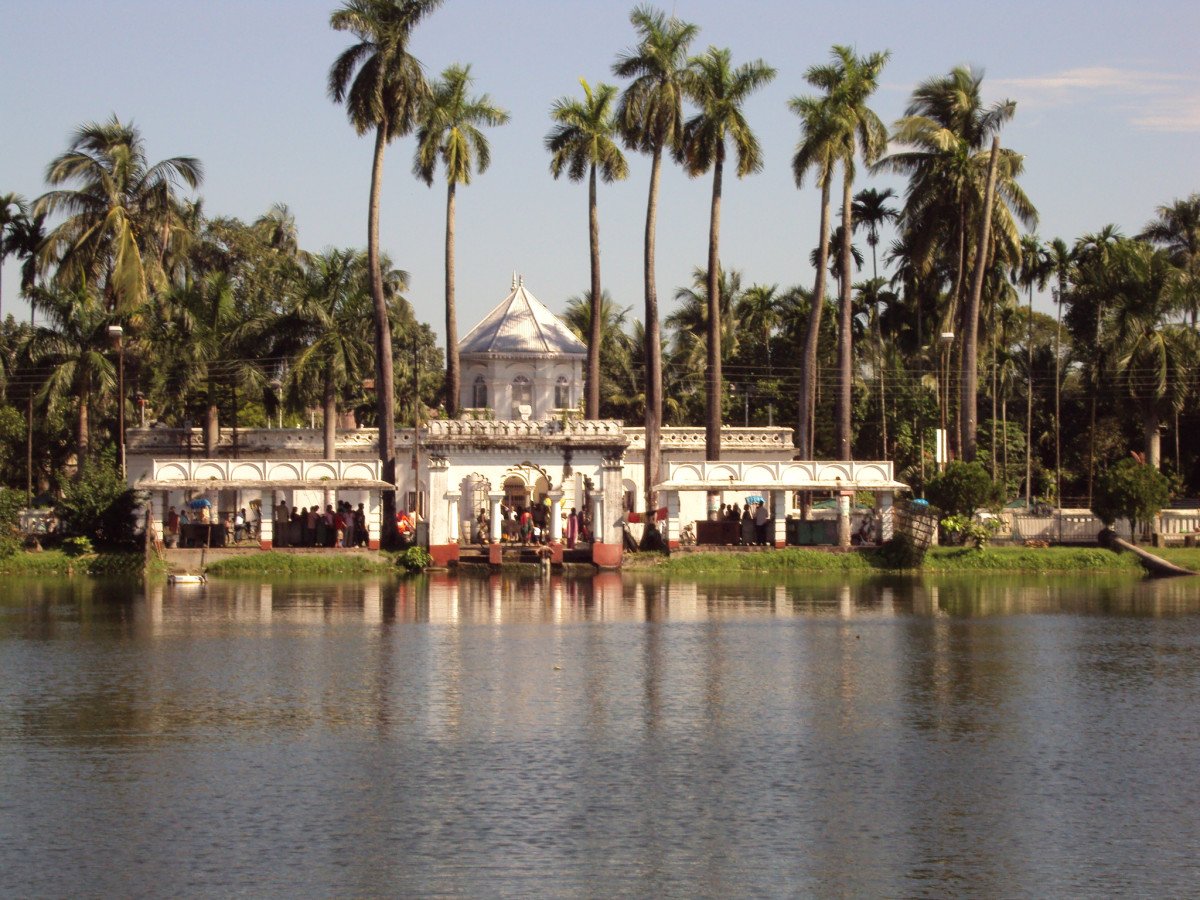
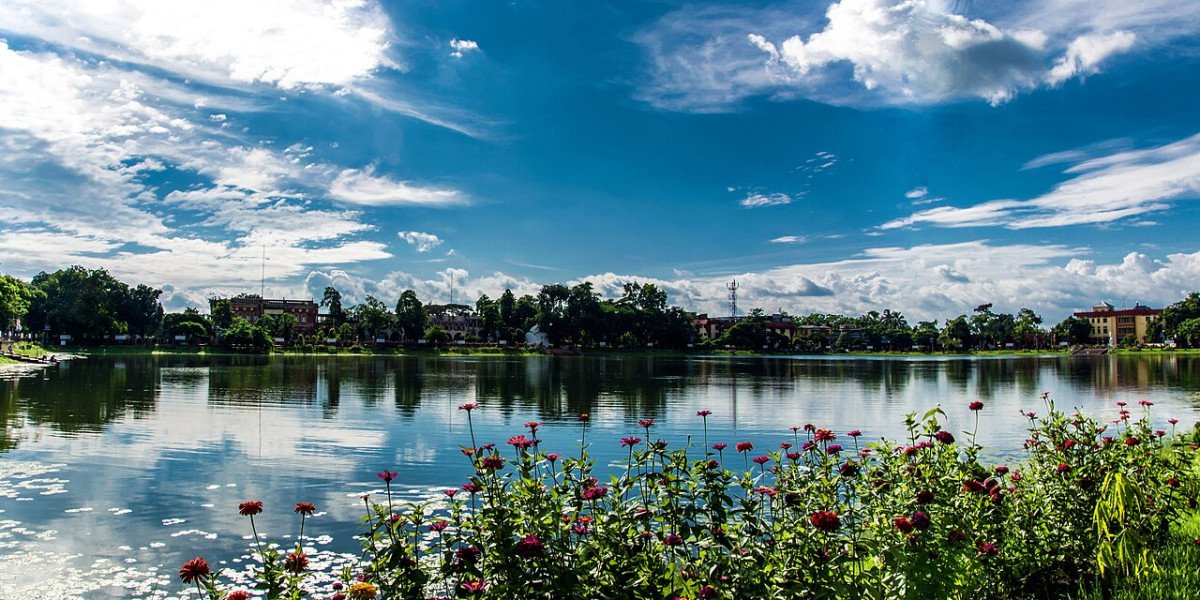
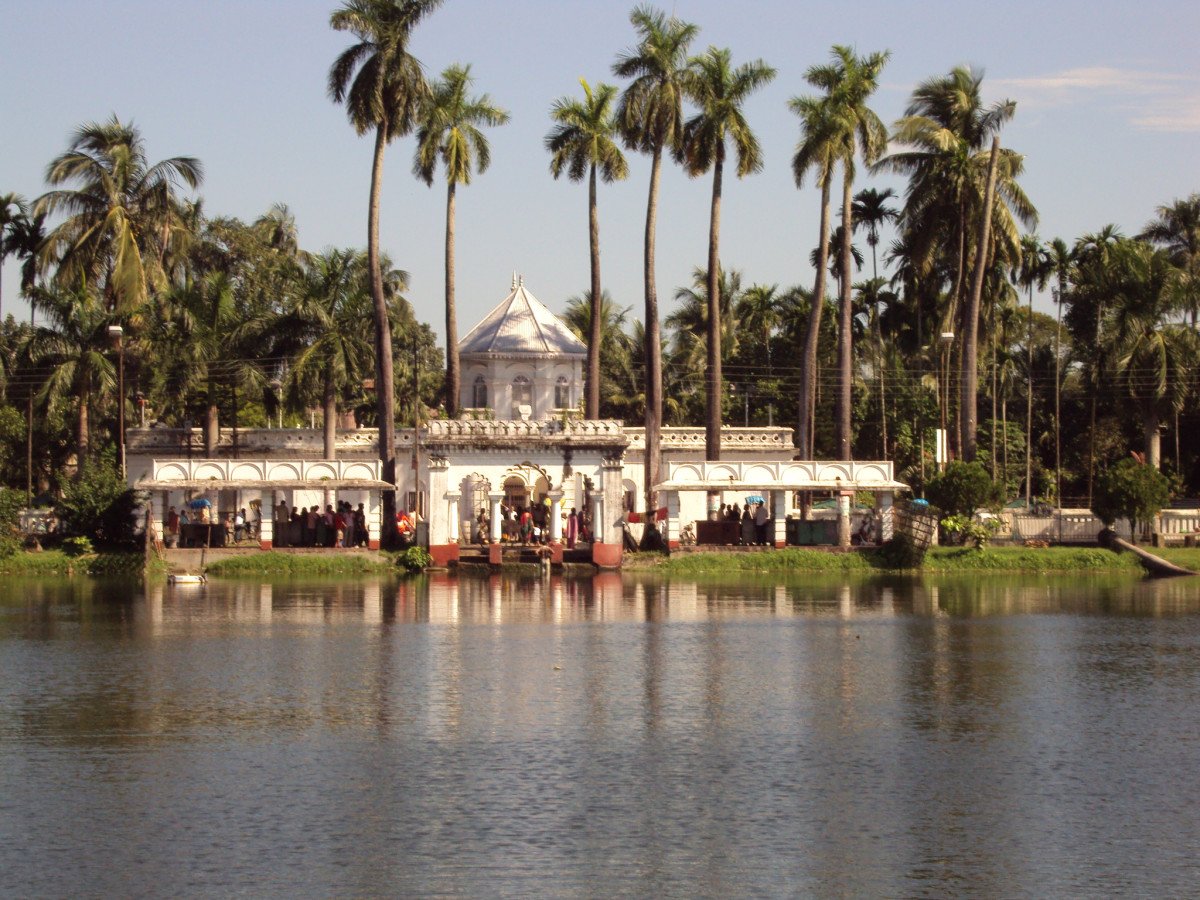
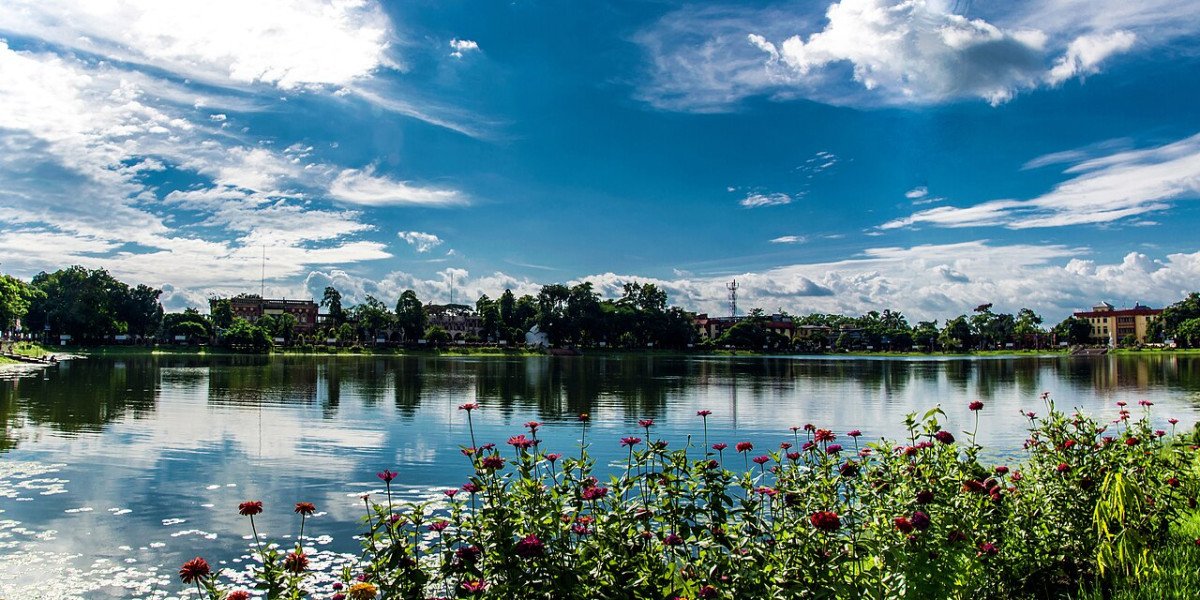
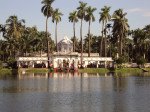
Sagardighi: The reflections of heritage buildings in the water.
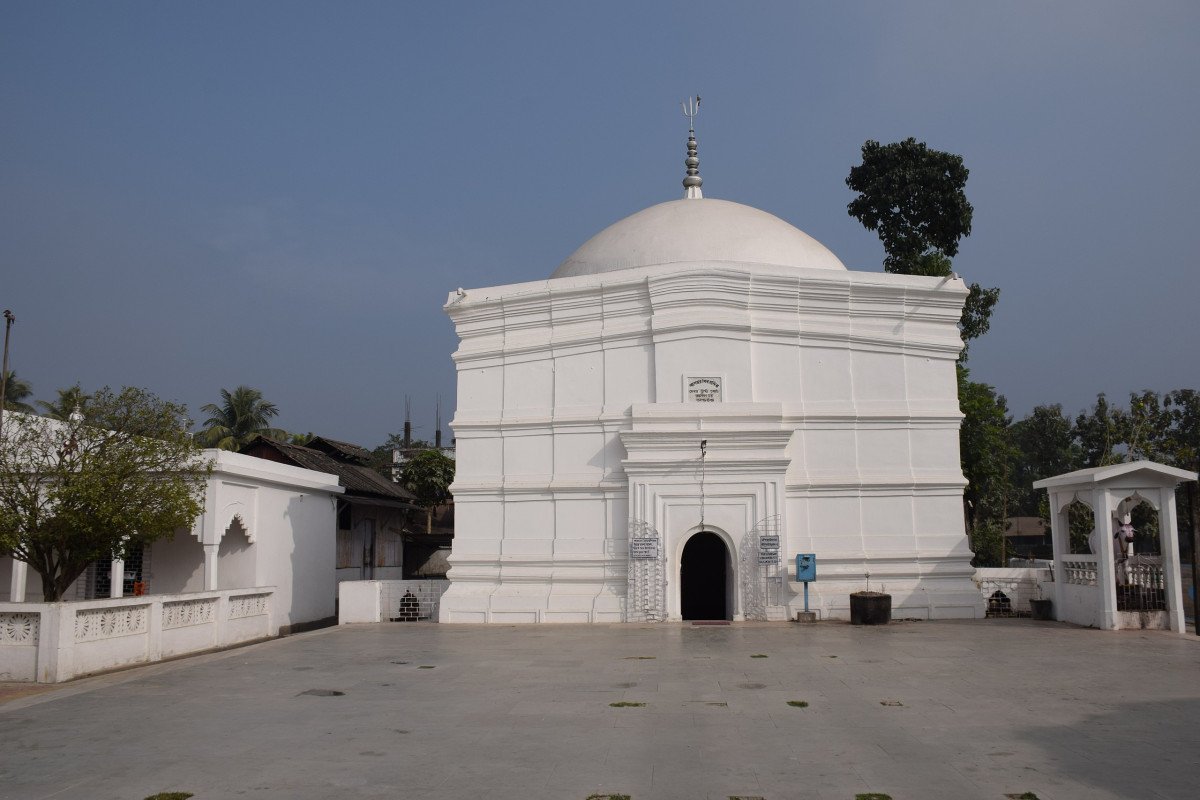
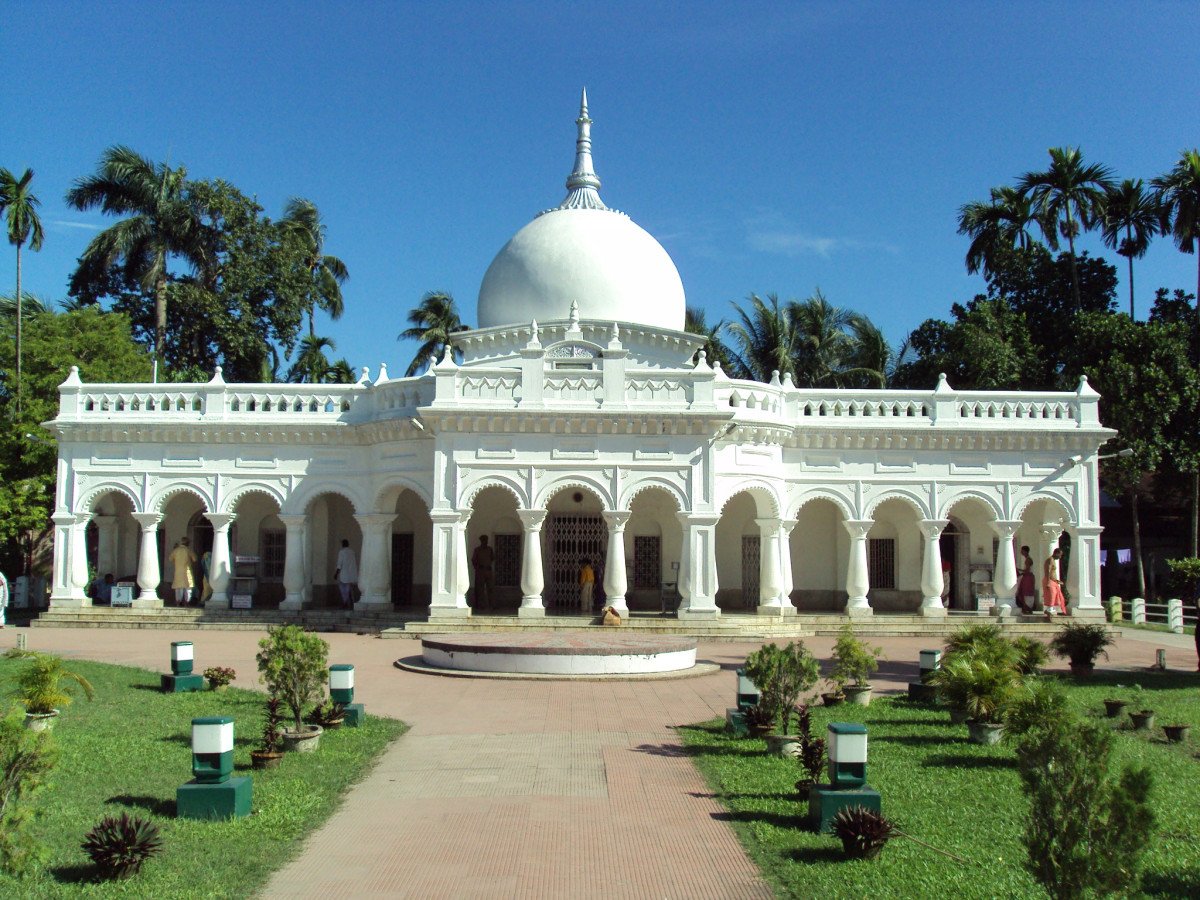
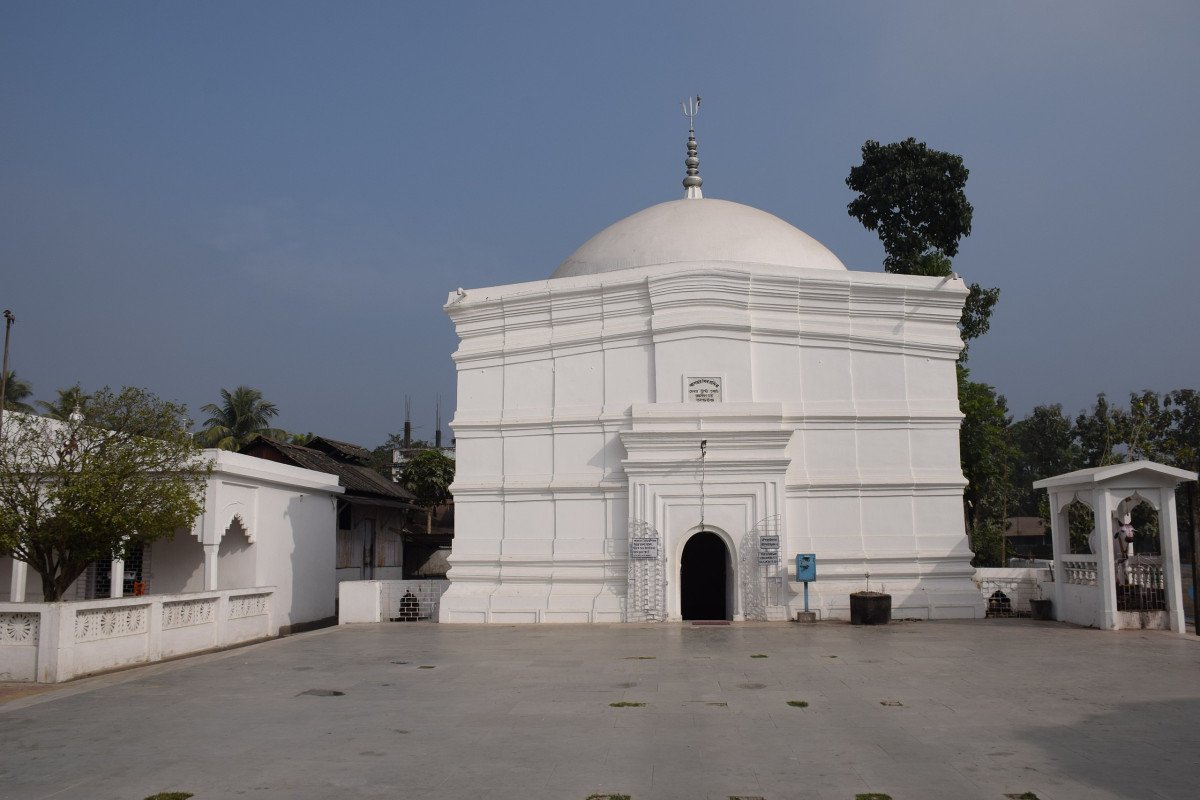
Madan Mohan Temple: The pristine white structure against the sky.
Torsha Bridge: For panoramic views of the river. ...Sagardighi: The reflections of heritage buildings in the water.
Madan Mohan Temple: The pristine white structure against the sky.
Torsha Bridge: For panoramic views of the river.Photo Gallery
Things To Do
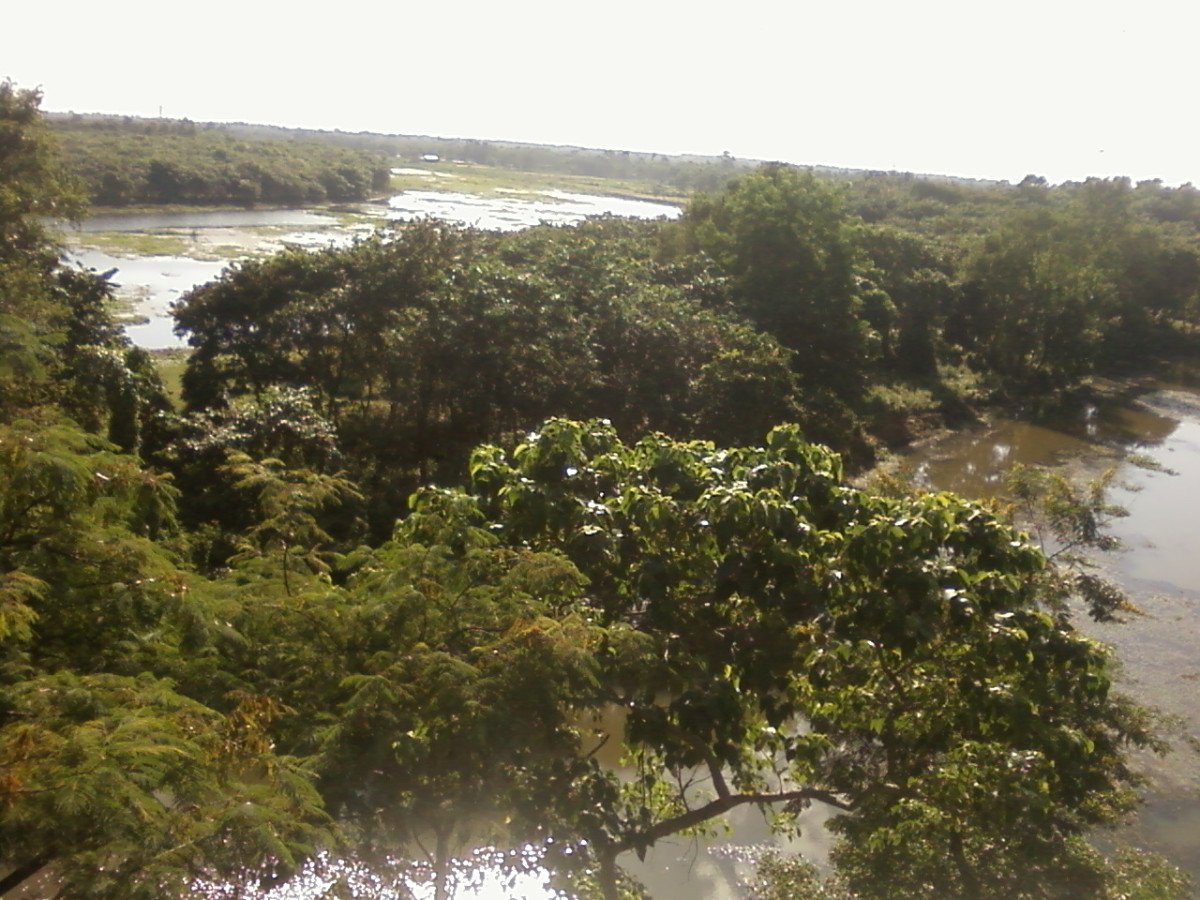
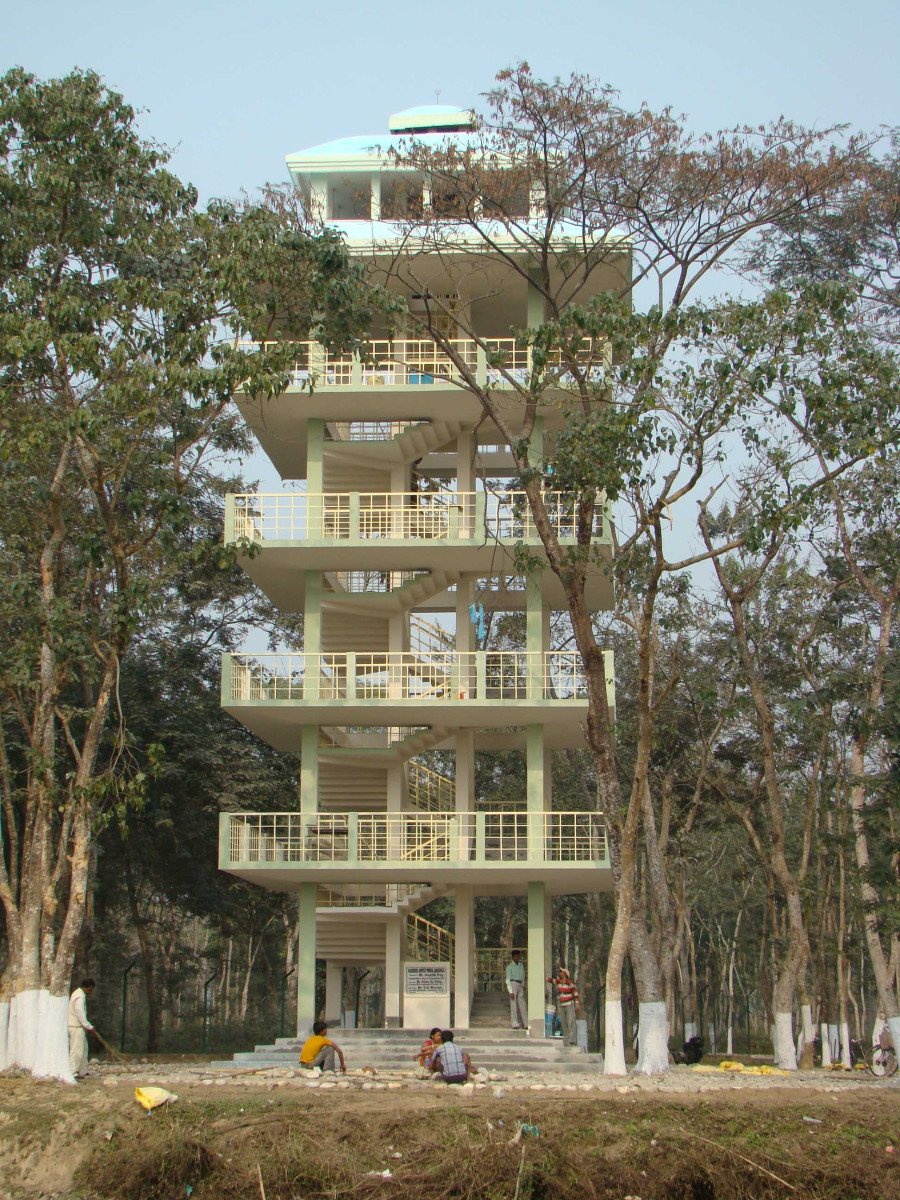
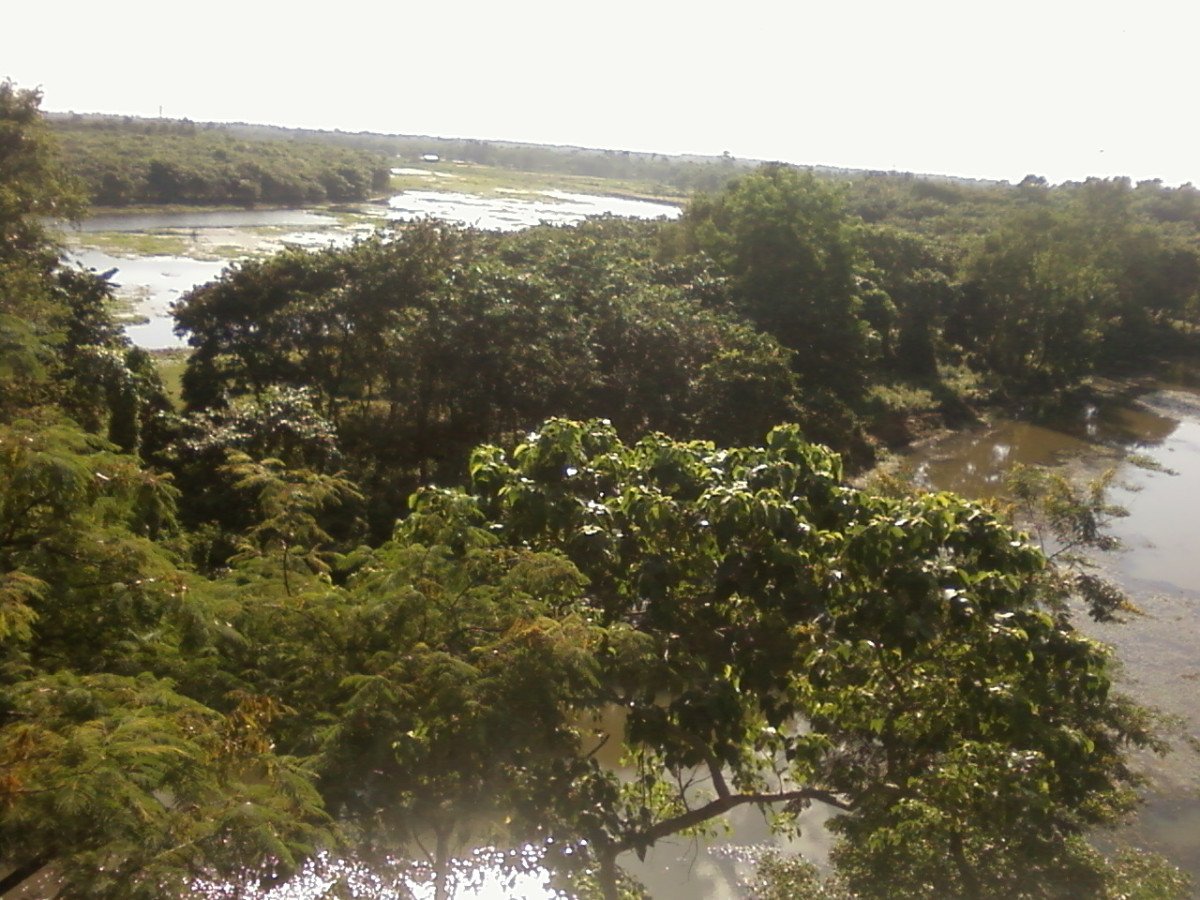
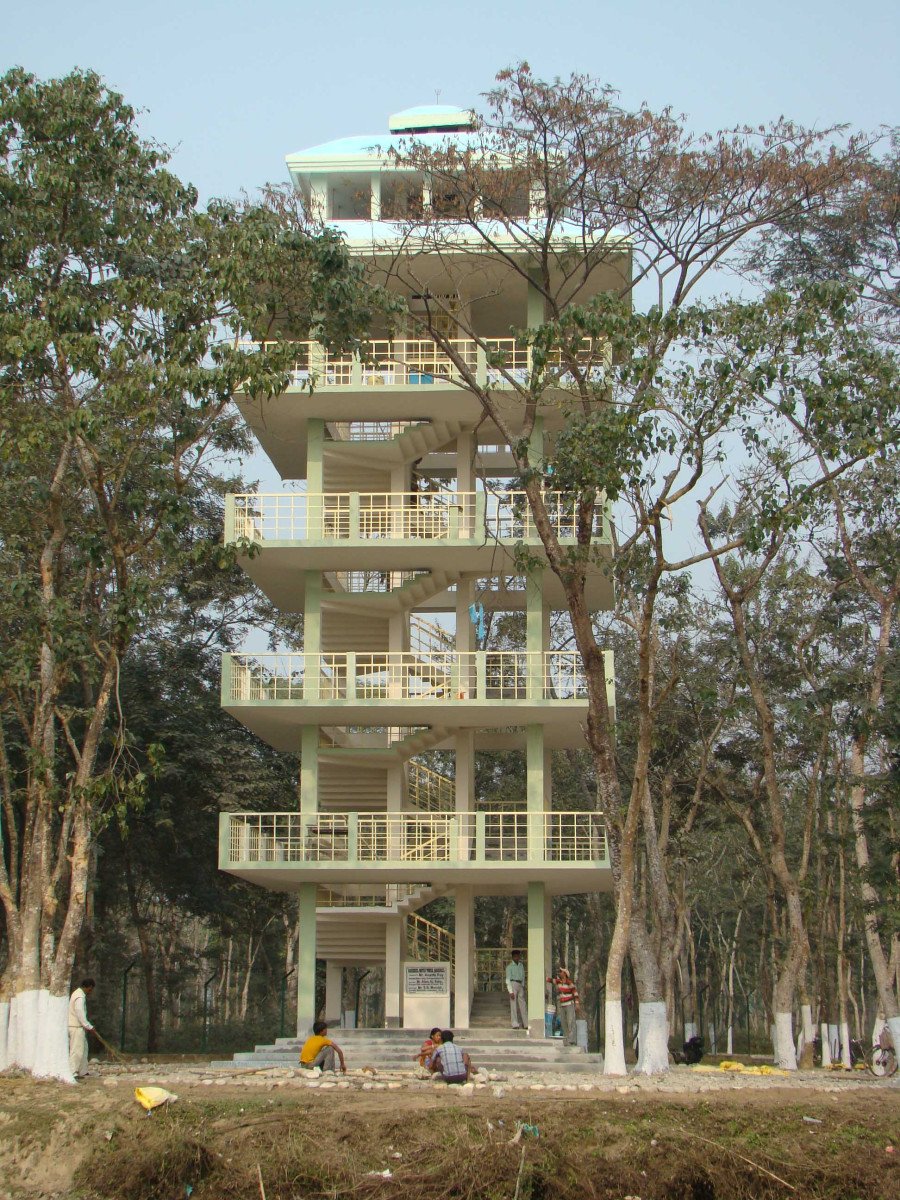
 Rasikbil, also known as Rasikbeel, is a vast wetland and a prominent bird sanctuary in the **Cooch Behar** district. The area is a haven for nature lovers and birdwatching enthusiasts, attracting a large number of migratory birds during the winter season. The watch tower provides a vantage point for an expansive view of the Rasikbil lake and the surrounding forest. The entire area is a part of the buffer zone of the Buxa Tiger Reserve, adding to its ecological significance. The wetland complex includes several interconnected lakes, such as **Neeldaba**, **Bochamari**, and **Raichangmari**, which together form a rich ecosystem. The sanctuary is not just home to birds but also has a mini zoo with a deer park, a crocodile rehabilitation center, and a tortoise rescue center. The lush greenery and serene environment offer a perfect escape from the hustle and bustle of city life, making it a popular destination for tourists seeking tranquility and a close encounter with nature.
 **Khagrabari Kali Mandir** is a significant local place of worship dedicated to Goddess **Kali** (a fierce form of Maa **Durga**) and is deeply embedded in the spiritual and cultural life of **Cooch Behar** town. Located in the densely populated **Khagrabari** locality, the temple serves as a central hub for Hindu rituals and festivals, particularly the worship of the Divine Mother. Unlike the grand royal temples, this Mandir represents the simple, unshakeable faith of the common people, standing as a community temple. Its history, while perhaps not as documented as the royal palaces, stretches back many decades, maintained through the devotion and continuous efforts of the local residents. The atmosphere inside the temple is one of intense spirituality and deep peace, often filled with the fragrance of incense and the sound of devotional songs (**bhajans**) and bell ringing. The central deity, Maa **Kali**, is the destroyer of evil forces and the liberator of devotees. The temple complex is a site where daily prayers, morning and evening **Aarti**, and special **Puja** ceremonies are held with great fervour. On any given day, visitors can observe the local religious customs and traditions being practiced by devotees of all ages. The simplicity of its structure, combined with the profound faith it houses, gives **Khagrabari Kali Mandir** its unique charm. It is a place where one can momentarily escape the urban hustle and connect with the spiritual undercurrent that runs through the soul of **Cooch Behar**. The Mandir plays a particularly prominent role during major **Kali Puja** celebrations, drawing devotees from surrounding areas. It remains a testament to the enduring religious heritage outside the royal patronage.
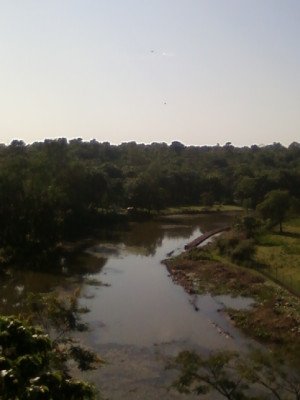 @@Overview of Rasikbil : Rasikbil Bird Sanctuary is a magnificent wetland complex located in the Tufanganj subdivision of Cooch Behar. Spanning over an area of approximately 175 hectares, this sanctuary is a crucial ecological zone in the Dooars region. The sanctuary is centered around a large lake, locally known as a 'Bil', which remains filled with water throughout the year, providing a vital habitat for both local and migratory birds. It is not just a single lake but a cluster of water bodies including Rasikbil, Raichangmari, Mansai, Silayer, and Bara Beel. The area is surrounded by dense forests of Sal, Teak, and Shishu trees, creating a lush green canopy that enhances the natural beauty. For nature lovers, it serves as a peaceful retreat far from the urban clamor. The sanctuary is managed by the West Bengal Forest Department and includes several conservation units such as a deer park, a crocodile rehabilitation center, and a leopard house. During the winter months, the lake surface is often covered with thousands of colorful birds, making it one of the most significant birding sites in East India. The tranquil atmosphere, combined with the rhythmic sounds of bird calls, offers a therapeutic experience. The sanctuary also plays a vital role in the local ecosystem by maintaining the groundwater level and supporting a wide variety of aquatic flora and fauna. Visitors can enjoy the scenic beauty from a high watchtower that provides a 360-degree view of the entire wetland and forest area. It is a perfect destination for families, researchers, and photographers who wish to witness the raw beauty of North Bengal's wilderness. :
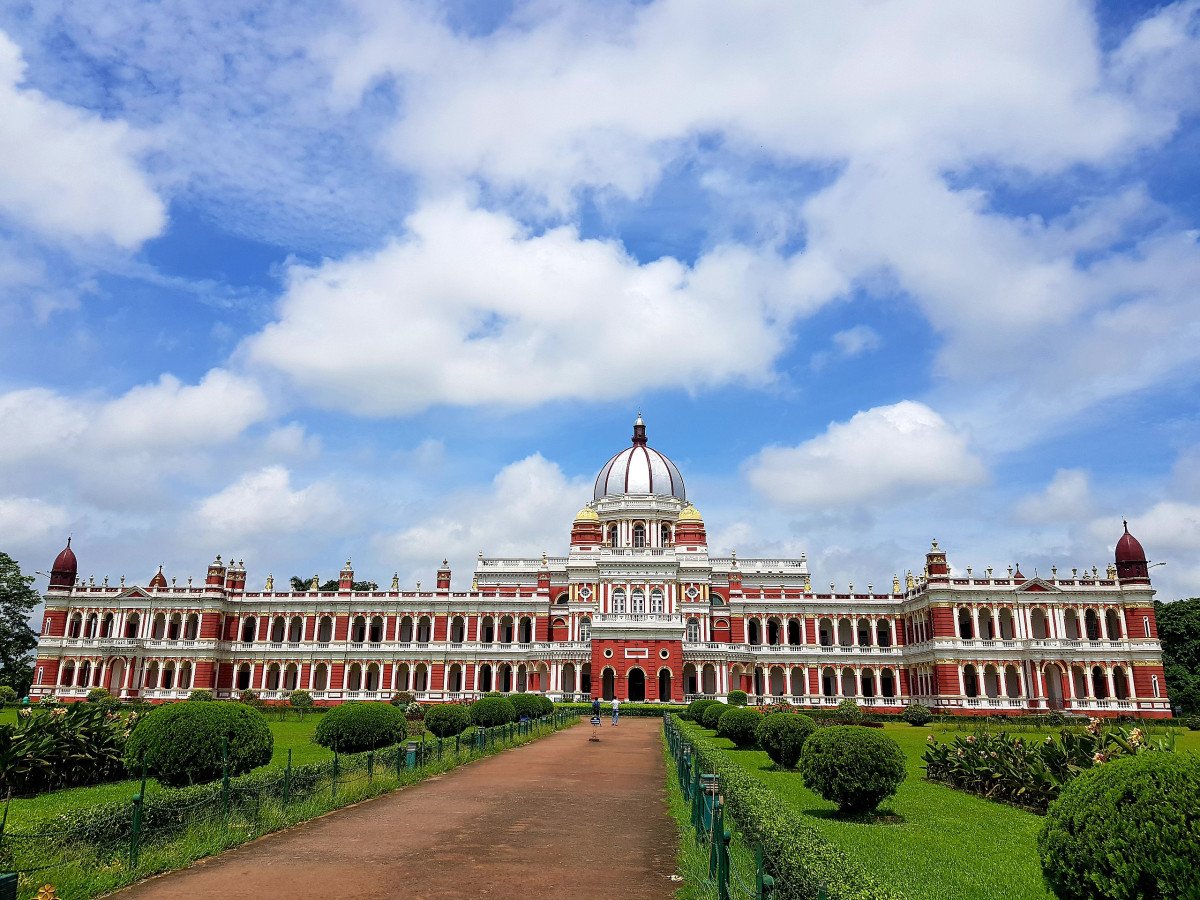
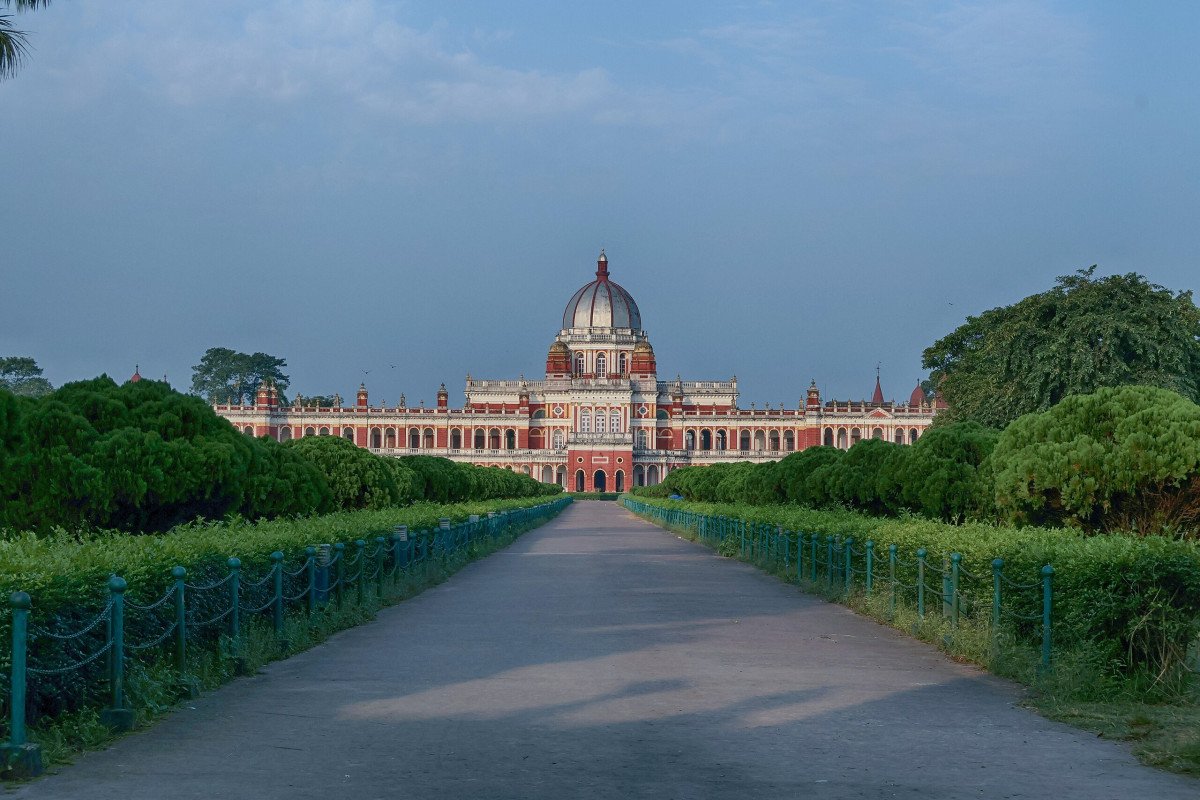
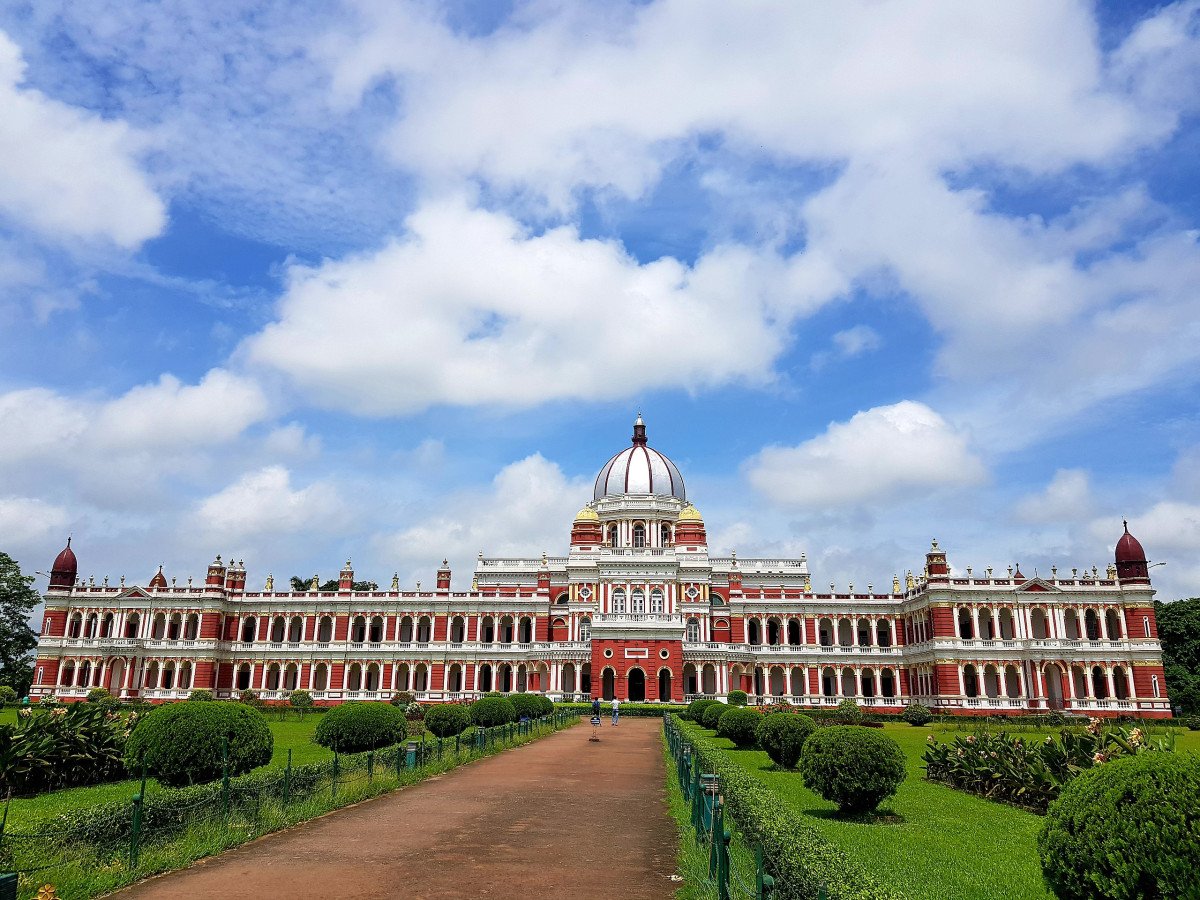
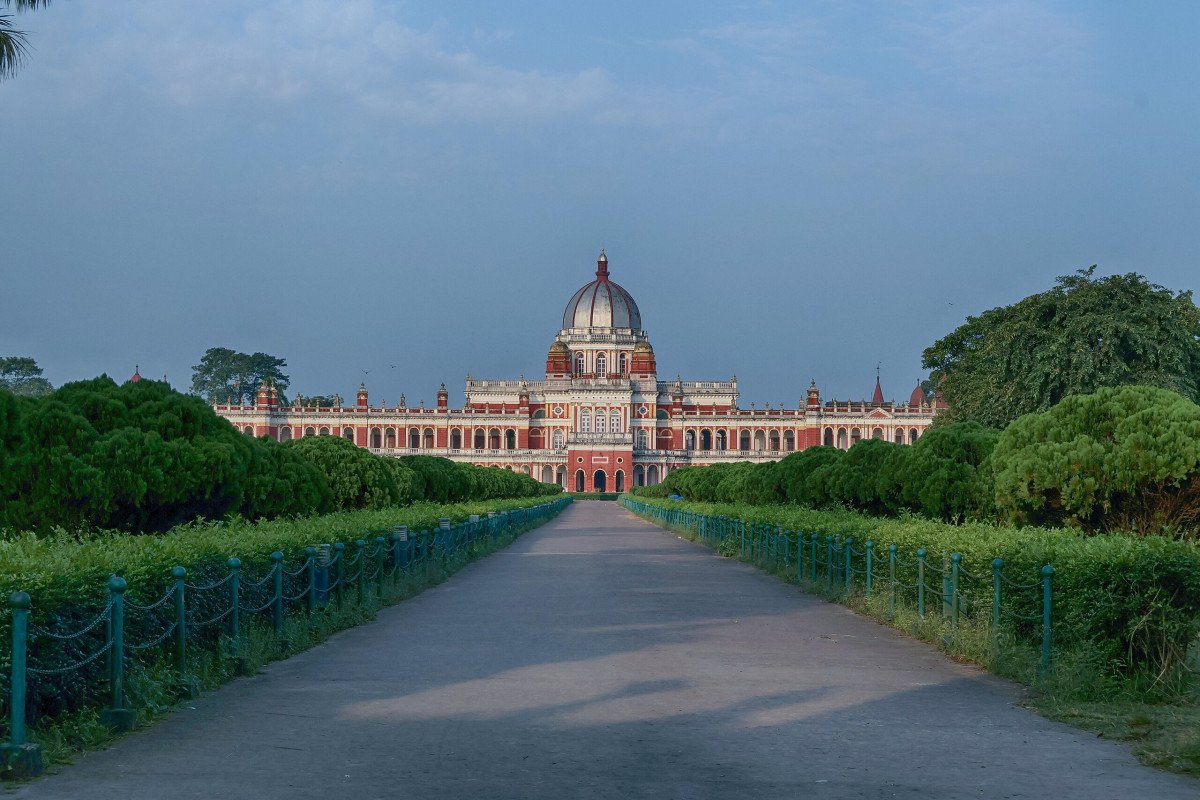
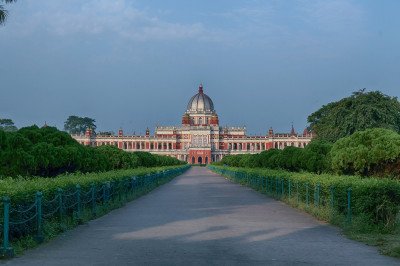 The **Cooch Behar Palace**, also known as the **Victor Jubilee Palace** or **Rajbari**, is the foremost tourist attraction in Cooch Behar. Built in **1887** during the reign of **Maharaja Nripendra Narayan**, the palace is a stunning example of European architectural influence in India. Its design was inspired by the **Buckingham Palace** in **London** and follows the **Italian Renaissance** style. This magnificent double-storey brick structure served as the residence and administrative centre of the Koch royal family. The palace survived the great **1897 Assam earthquake**, although the original three-storey structure was partially destroyed. Today, the palace is preserved by the Archaeological Survey of India (ASI) and houses a museum displaying artifacts, paintings, and royal memorabilia, offering a glimpse into the luxurious lifestyle and history of the Koch dynasty. The palace is noted for its elegance, grandeur, and symmetrical facade, standing amidst sprawling, well-maintained lawns.
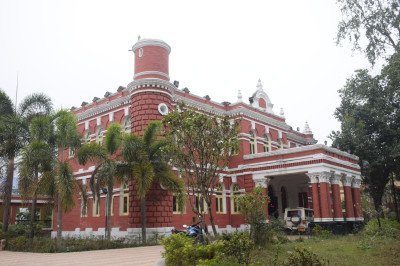 The **Victor Palace Gate** is not just an entrance but a historical structure in its own right, forming the grand gateway to the famous **Cooch Behar Palace**, often called the **Victor Jubilee Palace** (built in **1887** by **Maharaja Nripendra Narayan**). The name 'Victor' is likely a reference to Queen **Victoria's** Diamond Jubilee, showcasing the loyalty and cosmopolitan outlook of the **Koch Kings** toward the British Crown, a common practice among princely states. The gate stands as the primary threshold between the bustling town and the serenity of the Palace grounds. Built of brick and featuring impressive masonry, it is a magnificent example of the **Indo-Saracenic Revival** style, infused with **Classical European** elements that characterize the palace complex. The gate sets the tone for the grandeur within, featuring elements of the **Royal Insignia** and flanked by imposing pillars. It is a highly photographed spot and an indispensable part of the **Cooch Behar** royal narrative. Country Name
The **War Heroes Memorial** in **Cooch Behar** is a poignant and solemn tribute to the brave soldiers who laid down their lives in service of the nation. It is located on the serene banks of the historic **Sagardighi**, near the District Magistrates office. The memorial serves as a significant landmark, honoring the valor and sacrifice of the armed forces personnel. Unlike a grand monument, its beauty lies in its simplicity and deep emotional resonance. The memorial is a quiet space for contemplation, where one can reflect on the ultimate sacrifice made by the heroes. The location by the water adds to its somber yet peaceful atmosphere. Surrounded by well-maintained gardens and open space, it provides a respectful and dignified environment for visitors. The memorial is not just a structure but a symbol of national pride and gratitude. It is a reminder of the historical battles and the continuous dedication of the Indian armed forces. It is particularly revered by the local community and is a key site for official ceremonies and commemorations on national holidays. Its presence highlights the citys respect for its military heritage and the sacrifices of its sons and daughters. The memorial, with its clean lines and minimalist design, stands as a testament to the fact that true heroism requires no ostentatious display. It is a place of pilgrimage for patriots and a silent teacher for the younger generation about the price of freedom and security. *
The **Victor Palace Gate** is not just an entrance but a historical structure in its own right, forming the grand gateway to the famous **Cooch Behar Palace**, often called the **Victor Jubilee Palace** (built in **1887** by **Maharaja Nripendra Narayan**). The name 'Victor' is likely a reference to Queen **Victoria's** Diamond Jubilee, showcasing the loyalty and cosmopolitan outlook of the **Koch Kings** toward the British Crown, a common practice among princely states. The gate stands as the primary threshold between the bustling town and the serenity of the Palace grounds. Built of brick and featuring impressive masonry, it is a magnificent example of the **Indo-Saracenic Revival** style, infused with **Classical European** elements that characterize the palace complex. The gate sets the tone for the grandeur within, featuring elements of the **Royal Insignia** and flanked by imposing pillars. It is a highly photographed spot and an indispensable part of the **Cooch Behar** royal narrative. Country Name
The **War Heroes Memorial** in **Cooch Behar** is a poignant and solemn tribute to the brave soldiers who laid down their lives in service of the nation. It is located on the serene banks of the historic **Sagardighi**, near the District Magistrates office. The memorial serves as a significant landmark, honoring the valor and sacrifice of the armed forces personnel. Unlike a grand monument, its beauty lies in its simplicity and deep emotional resonance. The memorial is a quiet space for contemplation, where one can reflect on the ultimate sacrifice made by the heroes. The location by the water adds to its somber yet peaceful atmosphere. Surrounded by well-maintained gardens and open space, it provides a respectful and dignified environment for visitors. The memorial is not just a structure but a symbol of national pride and gratitude. It is a reminder of the historical battles and the continuous dedication of the Indian armed forces. It is particularly revered by the local community and is a key site for official ceremonies and commemorations on national holidays. Its presence highlights the citys respect for its military heritage and the sacrifices of its sons and daughters. The memorial, with its clean lines and minimalist design, stands as a testament to the fact that true heroism requires no ostentatious display. It is a place of pilgrimage for patriots and a silent teacher for the younger generation about the price of freedom and security. *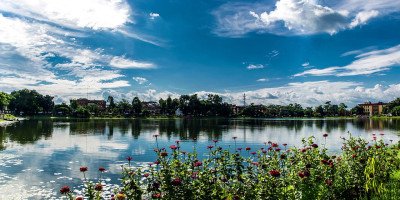 **Sagar Dighi**, literally meaning "Ocean-like Pond," is a vast, man-made tank situated right in the heart of **Cooch Behar** town. It is one of the most prominent landmarks, dating back to the time of the Maharajas of the **Koch** dynasty, who had it excavated as a vital source of water for the populace. Its sheer size and historical significance have earned it the grand name. The dighi (tank) is surrounded by several imposing historical and royal structures, many of which were built between the late 19th and early 20th centuries, including the **Cooch Behar Palace** (Rajbari) area. The banks of the dighi are well-maintained, providing a perfect promenade for morning and evening walkers, locals, and tourists alike. During the **winter months**, the dighi attracts a variety of migratory birds, adding a touch of natural beauty to the urban landscape. A majestic statue of Maharaja Nripendra Narayan, sculpted by a British artist, stands proudly nearby. Today, the lake serves as a central hub for relaxation, community gathering, and historical reflection in the city. The entire circumference is approximately one square mile, making for a substantial walking track.Show All
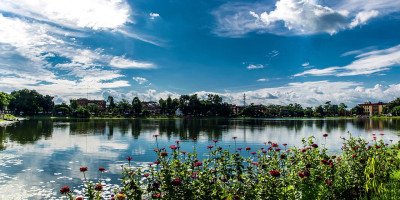 **Sagardighi** is a sprawling man-made lake located in the very heart of the city of **Cooch Behar**. This historic tank, which translates to "sea-ditch," is not just a body of water but a central landmark that defines the city's landscape and cultural identity. Excavated by the **Koch** dynasty rulers, it was designed as a crucial part of the royal town plan. The tank is surrounded by lush, well-maintained gardens, pathways, and several historical buildings, including the Old Circuit House, the District Magistrate's office, and other government offices that were once royal residences. The serene and expansive nature of **Sagardighi** makes it a popular spot for locals who come for morning walks, evening strolls, and relaxation. The cool breeze from the water offers a pleasant escape from the city's hustle and bustle. The tranquil atmosphere, combined with the historical backdrop of the surrounding structures and the clear reflection of the sky and trees on the water, creates a picturesque and peaceful setting. It is a place where history, nature, and daily life converge seamlessly. The presence of numerous birds, both resident and migratory, adds to its natural charm, making it a favorite for bird watchers and nature enthusiasts. The park area around the dighi is a testament to the city's heritage and its commitment to preserving green spaces for public enjoyment. It acts as a community hub where people gather, children play, and visitors absorb the city's unique, relaxed pace. *
Information
-
Why Famous:
Royal Legacy: Famous for being the home of the Koch dynasty and for its European-style palace.
The Ras Mela: One of the largest fairs in East India held every year. ...Royal Legacy: Famous for being the home of the Koch dynasty and for its European-style palace.
The Ras Mela: One of the largest fairs in East India held every year. -
Architecture:
Planned Urbanism: The city was planned by the kings with wide roads intersecting at right angles, inspired by Western urban planning of the 19th century.
Heritage Buildings: Most government offices are housed in heritage structures with red-...Planned Urbanism: The city was planned by the kings with wide roads intersecting at right angles, inspired by Western urban planning of the 19th century.
Heritage Buildings: Most government offices are housed in heritage structures with red-brick walls and arched windows. -
How To Reach:
By Air: Bagdogra (160 Kms) or Rupsi Airport (Assam).
By Train: New Cooch Behar (NCB) is a major stop for all North-East bound trains.
By Road: Excellent connectivity via NH-27.
... -
Near Tourist Places:
1. Alipurduar (22 Kms) 2. Jaldapara (65 Kms) 3. Buxa Tiger Reserve (45 Kms) 4. Jayanti (55 Kms) 5. Rasikbil (28 Kms) 6. Mathabhanga (45 Kms) 7. Dinhata (25 Kms) 8. Tufanganj (25 Kms) 9. Phuentsholing (Bhutan) (80 Kms) 10. Siliguri (150 Kms)
Tourism Tips
-
Money: Keep enough cash as smaller shops may not accept cards.
Language: Bengali is the primary language, but Hindi and English are understood.
Accommodation: Plenty of budget to mid-range hotels near the ra...
Reviews
Cooch Behar Itineray And Cost:-
Information about New and Updated Locations() of West Bengal Has Been Added :-
Card subtitle
Note:-
Information provided here in good Faith and for reference only.
All information and pictures will be updated soon, please keep visiting.
Near Places
Cooch Behar
Some quick example text to build on the card title and make up the bulk of the card's content.
Go somewherein Other Cities