

Dzulekie
General information
-
Ideal Duration:
1 DayPlace Type:
Eco-VillageEntry Fees:
Village Entry: There is a small community fee of 50 rupees collected from visitors for village maintenance. This money goes directly to the local conservation fund. It is a small contribution toward protecting this beautiful paradise.
Guide Fe...Village Entry: There is a small community fee of 50 rupees collected from visitors for village maintenance. This money goes directly to the local conservation fund. It is a small contribution toward protecting this beautiful paradise.
Guide Fees: Hiring a local guide for trekking or bird watching may cost around 500 to 1000 rupees. Guides are very knowledgeable about the terrain and local stories. They ensure your safety while providing an enriched experience.Timing:
Open Hours: The village is best visited during daylight hours from 06:00 AM to 04:00 PM. Since it is a quiet residential area, visitors are requested to respect the peace. Most activities are outdoor and depend on natural light.
Best Timing:Open Hours: The village is best visited during daylight hours from 06:00 AM to 04:00 PM. Since it is a quiet residential area, visitors are requested to respect the peace. Most activities are outdoor and depend on natural light.
Best Timing: Early morning is ideal for bird watching and trekking to avoid the afternoon sun. Late afternoons are perfect for a relaxing walk by the river. The village looks most beautiful during the soft light of dawn and dusk.Special Events:
Sekrenyi Festival: Celebrated in February, this is the main festival of the Angami tribe. It involves rituals of purification and feastings. The villagers wear their best traditional attire and perform folk songs and dances. It is a time of great joy and community bonding...Sekrenyi Festival: Celebrated in February, this is the main festival of the Angami tribe. It involves rituals of purification and feastings. The villagers wear their best traditional attire and perform folk songs and dances. It is a time of great joy and community bonding.Best Photo Spots:
River Vistas: The Dzulekie river with its clear water and surrounding greenery is perfect for photography. The reflection of the trees in the water creates stunning visuals. It is the most captured spot in the village by travelers.
Terraced Fi...River Vistas: The Dzulekie river with its clear water and surrounding greenery is perfect for photography. The reflection of the trees in the water creates stunning visuals. It is the most captured spot in the village by travelers.
Terraced Fields: The agricultural fields carved into the hillsides look like giant green stairs. These are especially beautiful during the harvest season when they turn golden. They offer a classic Naga landscape for your camera lens.Photo Gallery
Things To Do
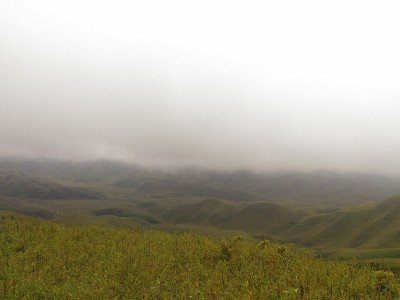 @@Trekking to Dzukou Valley from the Dzulekie side offers a less-trodden and more challenging path compared to the popular Viswema route. The valley itself, known as the 'Valley of Flowers,' is a sprawling grassland at an altitude of over 2400m (~8000 ft), famous for its vibrant seasonal flowers, especially the rare Dzukou Lily during June to September. The landscape features rolling hills, deep-cut valleys, and the winding Dzukou River. This route provides a deeper immersion into the local environment of the Angami tribe villages like Dzulekie, highlighting their conservation efforts before ascending to the unique alpine-like meadows of the valley. It demands good physical fitness and requires a local guide to navigate the dense forest trails and bamboo thickets that characterize the initial ascent. It is an adventurous and rewarding route for seasoned trekkers seeking solitude and untouched natural beauty.
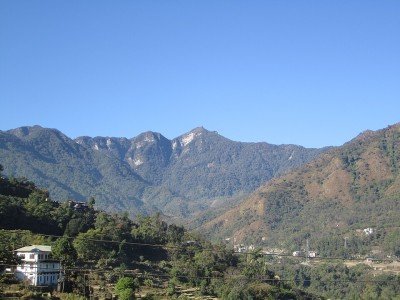 Mount Japfu Peak stands at an impressive altitude of 3,048 meters (10,000 feet) above sea level, making it the second-highest peak in Nagaland. It is a premier destination for trekkers and nature lovers seeking a challenging adventure. The peak is famous for its dense subtropical forests and the breathtaking views it offers of the Dzukou Valley and the surrounding mountain ranges of the Barail Range. The climb to the summit is considered strenuous but rewarding, as it passes through thick vegetation including rare rhododendrons. On a clear day, half of Nagaland and even parts of the Himalayas can be seen from the top. The peak is also a significant ecological site, housing a diverse range of flora and fauna, including the endangered Blyth's Tragopan. The experience of standing on the "hump" of Japfu during sunrise is often described as spiritual by those who undertake the early morning trek.
 @@A Designated Natural Retreat: The Dzulekie Picnic Grounds are a beloved community space recognized for their pristine natural setting, typically located near the headwaters of the Dzulekie River where the flow is gentler and the land flattens out. These are not commercial, paved areas but designated, natural grassy patches or open riverbank spaces where large groups, local families, and tourists are permitted to gather, cook, and relax. The area’s appeal lies in its seclusion, the soothing sound of the running river, and the surrounding semi-evergreen forest cover that provides ample shade, making it a perfect spot for escaping the heat during warmer months. The community’s strict eco-tourism policies ensure that the grounds remain litter-free and unpolluted, requiring visitors to carry out all their waste. It's an ideal spot to observe local social dynamics, as the grounds are a hub for family outings, school trips, and friendly get-togethers, particularly on weekends and local holidays, featuring simple outdoor cooking over natural wood fires (where permitted) and engaging in traditional games. The proximity to the river allows for easy access to fresh water and provides a beautiful natural backdrop for recreation.
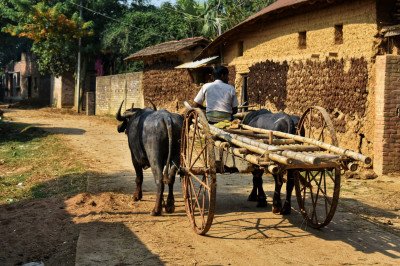 Viswema Village is one of the largest and most historic villages in Nagaland, inhabited by the Southern Angami tribe. It is famously known as the primary gateway to the enchanting Dzukou Valley. The village is perched on a ridge, offering a commanding view of the surrounding valleys and the NH-39 highway. Viswema is characterized by its traditional Naga pride, seen in its well-preserved customs and massive stone monuments. The village played a crucial role during World War II, providing shelter and support, and it remains a place of historical significance. The architecture here is a blend of traditional Naga huts and modern houses, many of which are painted in bright colors. The community is deeply involved in agriculture, particularly terrace farming, which paints the surrounding hills in various shades of green and gold throughout the year. For many travelers, Viswema is more than just a transit point; it is a place to experience the raw, authentic hospitality of the Naga people.
 @@Preserving the Soul of the Forest: The Dzüleke Biodiversity Conservation Committee (DBCC) is the heartbeat of this eco-village. Established by the Angami locals, this committee transformed Dzulekie from a hunting ground into a world-class conservation site. Their work involves protecting over 10,000 hectares of forest and the rare Blyth’s Tragopan, the state bird of Nagaland. The committee ensures that every tourism activity is sustainable and that the profits are shared equally among all households. Visitors can visit the committee office to learn about their strict laws, such as the total ban on hunting and timber felling. The success of the DBCC is a blueprint for community-led conservation in India. Walking through the village, you see the results of their labor: clean air, crystal clear rivers, and a thriving population of wild animals. The committee also manages the local trout breeding projects and ensures that the village remains plastic-free. Learning about their journey is inspiring for any environmentalist or traveler who cares about the planet. It is a place where you can see how humans and nature can live in perfect harmony. The DBCC provides guides who are experts in local flora and fauna, making every trek an educational experience.
@@A Designated Cultural Exchange Hub: The Dzulekie Tribal Interaction Site is typically the community or village hall, an open ceremonial ground, or a specifically designated cultural showcase area where visitors can formally and informally engage with the Angami Naga people. This site is crucial for the village's eco-tourism model, facilitating respectful cultural exchange that benefits the community directly. Interactions often involve organized demonstrations of traditional crafts, music, dance, and storytelling, or simply the daily activity of villagers gathering for communal work or social time. The atmosphere is generally open, welcoming, and educational, providing a structured way for tourists to learn about the Angami way of life, traditional law, local governance (the Village Council), and the history of their transition from a hunting society to an eco-conservation model since 1999. It is the place to ask questions about traditional attire, the significance of the Hornbill bird, the traditional agricultural cycles, and the meaning behind the various stone monoliths scattered throughout the village. The interaction site ensures that the cultural exchange is respectful and mutually beneficial, avoiding intrusion into private homes without permission.
@@The designated camping area in Dzulekie is generally a scenic, flat space located alongside the pristine Dzulekie River. This spot is extremely popular among locals and tourists for picnics and immersive overnight stays, offering a chance to sleep under the starlit sky and wake up to the sounds of the flowing river and the mountain birds. The location is carefully managed by the local eco-tourism board to ensure minimal environmental impact and is kept clean by the community's Sanitation Committee. Camping here provides the most direct immersion into the village's natural surroundings, surrounded by the dense forest that the Angami community protects. While the facilities are basic, they provide essential amenities like public toilets and picnic tables. It's an ideal choice for backpackers, adventure enthusiasts, and anyone looking for a raw, tranquil, and authentic mountain camping experience, far from the light and noise pollution of the city. Safety is maintained by the community, which patrols the area.Show All
@@Preserving the Soul of the Forest: The Dzüleke Biodiversity Conservation Committee (DBCC) is the heartbeat of this eco-village. Established by the Angami locals, this committee transformed Dzulekie from a hunting ground into a world-class conservation site. Their work involves protecting over 10,000 hectares of forest and the rare Blyth’s Tragopan, the state bird of Nagaland. The committee ensures that every tourism activity is sustainable and that the profits are shared equally among all households. Visitors can visit the committee office to learn about their strict laws, such as the total ban on hunting and timber felling. The success of the DBCC is a blueprint for community-led conservation in India. Walking through the village, you see the results of their labor: clean air, crystal clear rivers, and a thriving population of wild animals. The committee also manages the local trout breeding projects and ensures that the village remains plastic-free. Learning about their journey is inspiring for any environmentalist or traveler who cares about the planet. It is a place where you can see how humans and nature can live in perfect harmony. The DBCC provides guides who are experts in local flora and fauna, making every trek an educational experience.
@@A Designated Cultural Exchange Hub: The Dzulekie Tribal Interaction Site is typically the community or village hall, an open ceremonial ground, or a specifically designated cultural showcase area where visitors can formally and informally engage with the Angami Naga people. This site is crucial for the village's eco-tourism model, facilitating respectful cultural exchange that benefits the community directly. Interactions often involve organized demonstrations of traditional crafts, music, dance, and storytelling, or simply the daily activity of villagers gathering for communal work or social time. The atmosphere is generally open, welcoming, and educational, providing a structured way for tourists to learn about the Angami way of life, traditional law, local governance (the Village Council), and the history of their transition from a hunting society to an eco-conservation model since 1999. It is the place to ask questions about traditional attire, the significance of the Hornbill bird, the traditional agricultural cycles, and the meaning behind the various stone monoliths scattered throughout the village. The interaction site ensures that the cultural exchange is respectful and mutually beneficial, avoiding intrusion into private homes without permission.
@@The designated camping area in Dzulekie is generally a scenic, flat space located alongside the pristine Dzulekie River. This spot is extremely popular among locals and tourists for picnics and immersive overnight stays, offering a chance to sleep under the starlit sky and wake up to the sounds of the flowing river and the mountain birds. The location is carefully managed by the local eco-tourism board to ensure minimal environmental impact and is kept clean by the community's Sanitation Committee. Camping here provides the most direct immersion into the village's natural surroundings, surrounded by the dense forest that the Angami community protects. While the facilities are basic, they provide essential amenities like public toilets and picnic tables. It's an ideal choice for backpackers, adventure enthusiasts, and anyone looking for a raw, tranquil, and authentic mountain camping experience, far from the light and noise pollution of the city. Safety is maintained by the community, which patrols the area.Show All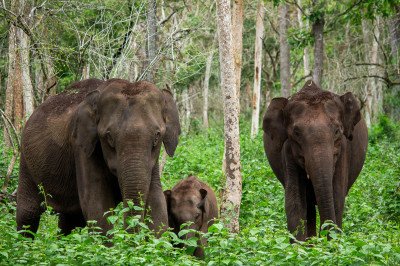 @@A Wilderness Lost in Time: Kezoltsa Forest is a dense, old-growth forest located on the southern edges of the Dzukou Valley, accessible through Dzulekie. This forest is a treasure trove of biodiversity, featuring giant trees that have stood for centuries. It is part of a disputed but highly protected area that serves as a vital corridor for wildlife moving between Nagaland and Manipur. The forest floor is thick with leaf litter and rare orchids, while the canopy is home to the Blyth’s Tragopan and various species of deer. Walking through Kezoltsa feels like entering a different era; the air is cold, and the silence is only broken by the calls of wild birds. The forest is significant not just for its ecology but also for the traditional boundaries of the local tribes. It acts as a natural water catchment for the entire region, feeding the rivers that flow down to the valleys. For trekkers, it offers a challenging and rewarding experience, with trails that are less crowded than the main valley routes. The conservation efforts here are intense, as the community works hard to prevent forest fires and illegal logging. It is a place of raw, unadulterated nature that demands respect and care from every visitor.
Information
-
Why Famous:
Nature Conservation: It is famous for its successful community-led wildlife conservation efforts. Hunting is strictly prohibited, leading to an increase in bird and animal populations. It is a shining example of eco-tourism in India.
Rainbow T...Nature Conservation: It is famous for its successful community-led wildlife conservation efforts. Hunting is strictly prohibited, leading to an increase in bird and animal populations. It is a shining example of eco-tourism in India.
Rainbow Trout: The presence of the rare trout in the Dzulekie river makes it unique. It attracts nature enthusiasts who want to see these fish in their natural environment. The river walks are a major highlight for every visitor. -
Architecture:
Stone Walkways: The architecture of the village is unique with beautifully laid stone paths. The houses are mostly made of wood and bamboo with thatched or tin roofs. Every house has a small garden with vibrant flowers and organic vegetables. The layout is designed to fol...Stone Walkways: The architecture of the village is unique with beautifully laid stone paths. The houses are mostly made of wood and bamboo with thatched or tin roofs. Every house has a small garden with vibrant flowers and organic vegetables. The layout is designed to follow the natural contour of the hills.
Traditional Morungs: The village features community spaces where traditional crafts are taught. The dimensions are modest, focusing on utility and communal living. The use of locally sourced stone and wood ensures that the structures blend perfectly with the environment. It is a model for sustainable rural architecture. -
How To Reach:
By Air: Fly to Dimapur and then take a taxi to Kohima. From Kohima, Dzulekie is about 40 KMS away by road. The journey takes you through winding roads with breathtaking views of the mountains.
By Train: Reach Dimapur Railway Station and hi...By Air: Fly to Dimapur and then take a taxi to Kohima. From Kohima, Dzulekie is about 40 KMS away by road. The journey takes you through winding roads with breathtaking views of the mountains.
By Train: Reach Dimapur Railway Station and hire a private vehicle. There are no direct buses to the village, so a private taxi is the best option. The drive from Dimapur takes approximately 4 to 5 hours.
By Road: The road from Kohima passes through Khonoma village. It is a scenic route but can be bumpy in certain stretches. A high-clearance vehicle is recommended for a comfortable journey during the rainy season.
Local Transport: There is very limited public transport to the village. Most tourists rely on pre-booked taxis from Kohima. You can also arrange for a drop and pick-up service through your homestay host in the village. -
Weather and Best Time to Visit:
Post-Monsoon: October and November are the best months when the greenery is at its peak. The weather is cool and perfect for all outdoor activities. The air is very clear offering great views of the distant peaks.
Springtime: March and Apr...Post-Monsoon: October and November are the best months when the greenery is at its peak. The weather is cool and perfect for all outdoor activities. The air is very clear offering great views of the distant peaks.
Springtime: March and April see the blooming of wild flowers and orchids. The valley looks colorful and vibrant during this season. It is also a good time for trekking as the paths are dry and easy to walk on. -
Near Tourist Places:
Khonoma (10km), Kohima (40km), Dzukou Valley (25km), Jakhama (35km), Mount Pauna (30km), Benreu (25km), Kisama Heritage Village (45km), Kigwema (48km), Pulebadze (38km), Dimapur (105km)
Tourism Tips
-
Stay in Homestays: To truly experience the culture, stay in one of the local homestays. The hosts are very kind and provide delicious home-cooked Naga meals. It is the best way to support the local economy directly.
Carry Cash: There are n...Stay in Homestays: To truly experience the culture, stay in one of the local homestays. The hosts are very kind and provide delicious home-cooked Naga meals. It is the best way to support the local economy directly.
Carry Cash: There are no ATMs in the village, so carry enough cash for your expenses. Most transactions are done in cash as digital connectivity can be spotty. Small changes are always helpful for minor purchases.
Respect Nature: Do not litter and avoid using plastic as the village follows strict eco-friendly rules. Respect the wildlife and do not disturb the animals. Being a responsible traveler helps in preserving this hidden gem.
Basic Packing: Bring comfortable walking shoes, a raincoat, and some basic toiletries. The village is remote, so don't expect luxury items in the shops. A power bank is also useful as electricity can be intermittent.
Reviews
FAQs
Dzulekie Itineray And Cost:-
Other Places In Nagaland :-
Other States In India :-
Information about New and Updated Locations() of Nagaland Has Been Added :-
Card subtitle
Note:-
Information provided here in good Faith and for reference only.
Near Places
Dimapur
Some quick example text to build on the card title and make up the bulk of the card's content.
Go somewhere
Dzulekie
Some quick example text to build on the card title and make up the bulk of the card's content.
Go somewhere
Khonoma
Some quick example text to build on the card title and make up the bulk of the card's content.
Go somewhere
Kigwema
Some quick example text to build on the card title and make up the bulk of the card's content.
Go somewhere
Kiphire
Some quick example text to build on the card title and make up the bulk of the card's content.
Go somewhere
Kohima
Some quick example text to build on the card title and make up the bulk of the card's content.
Go somewhere
Longleng
Some quick example text to build on the card title and make up the bulk of the card's content.
Go somewhere
Meluri
Some quick example text to build on the card title and make up the bulk of the card's content.
Go somewhere
Mokokchung
Some quick example text to build on the card title and make up the bulk of the card's content.
Go somewhere
Mon
Some quick example text to build on the card title and make up the bulk of the card's content.
Go somewhere
Mopungchuket
Some quick example text to build on the card title and make up the bulk of the card's content.
Go somewhere
Nagaland Heritage Village
Some quick example text to build on the card title and make up the bulk of the card's content.
Go somewhere
Niuland
Some quick example text to build on the card title and make up the bulk of the card's content.
Go somewhere
Noklak
Some quick example text to build on the card title and make up the bulk of the card's content.
Go somewhere
Peren
Some quick example text to build on the card title and make up the bulk of the card's content.
Go somewhere
Zunheboto
Some quick example text to build on the card title and make up the bulk of the card's content.
Go somewherein Other Cities