

Meluri
General information
-
Ideal Duration:
Duration: 1 to 2 DaysPlace Type:
Category: Cultural Heritage, Nature, and IndustrEntry Fees:
Village Visits: There is usually no formal entry fee for visiting the villages, but a polite greeting to the village elders is always appreciated.
Shilloi Lake: A small maintenance fee may be collected by the local village council to keep th...Village Visits: There is usually no formal entry fee for visiting the villages, but a polite greeting to the village elders is always appreciated.
Shilloi Lake: A small maintenance fee may be collected by the local village council to keep the lake area clean and preserved for future tourists.Timing:
Daylight Hours: It is best to explore the area between 8:00 AM and 4:00 PM to make the most of the sunlight and ensure safe travel on hill roads.
Market Days: Local markets are most active in the early mornings, providing the best chance to ...Daylight Hours: It is best to explore the area between 8:00 AM and 4:00 PM to make the most of the sunlight and ensure safe travel on hill roads.
Market Days: Local markets are most active in the early mornings, providing the best chance to see the trade of local salt and other village products.Special Events:
Yemshe Festival: Celebrated in October, this is the biggest festival of the Pochury tribe, marking the arrival of the new harvest with much joy.
Nazu Festival: A ten-day long festival celebrated with traditional music and dance, focusing on ...Yemshe Festival: Celebrated in October, this is the biggest festival of the Pochury tribe, marking the arrival of the new harvest with much joy.
Nazu Festival: A ten-day long festival celebrated with traditional music and dance, focusing on community bonding and the preservation of tribal identity.Best Photo Spots:
Shilloi Lake at Dawn: The mist rising from the lake in the early morning creates a magical atmosphere for landscape and nature photographers.
Salt Springs: Capturing the steam and the traditional setup of the salt-making sites provides uniqu...Shilloi Lake at Dawn: The mist rising from the lake in the early morning creates a magical atmosphere for landscape and nature photographers.
Salt Springs: Capturing the steam and the traditional setup of the salt-making sites provides unique documentary-style photographic opportunities.
Tribal Portraits: The elders of the Pochury tribe in their traditional ornaments and shawls make for striking subjects against the backdrop of their village.Photo Gallery
Things To Do
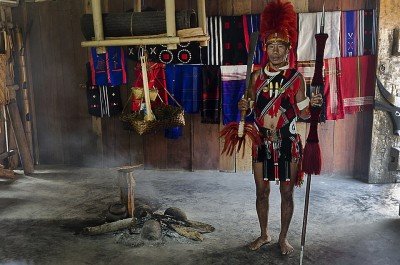 @@Details of Foundation: The Pochury Traditional Market is not a separate building but the area within the Meluri Town Centre where vendors, primarily women from the surrounding villages, set up to sell indigenous, locally-sourced produce, handicrafts, and meat. It is a daily or weekly event, not a fixed shop, and is crucial for the local economy.: @@Goods Sold: The goods are highly distinct, including seasonal wild vegetables, exotic Naga herbs, unique varieties of rice and pulses, wild honey, bamboo shoots, fermented soybean (Akhuni), traditional hand-woven shawls, and locally cured/smoked meat (pork and beef).: @@Cultural Importance: The market is a key cultural interface where the traditional agricultural and handicraft skills of the Pochury people are on direct display. It is a place of economic transaction as well as social exchange and the latest news.: @@Atmosphere: The market is typically lively, noisy, and fragrant (with the smell of smoked meat and fermented products). The atmosphere is authentic, reflecting the unhurried pace of mountain trade.:
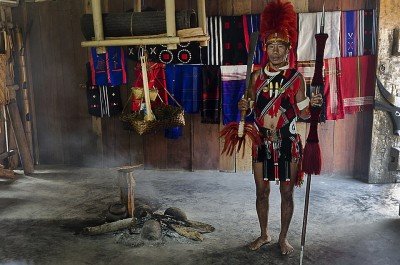 @@Details of Foundation: Meluri Village is the ancestral and original settlement from which the modern Meluri Town grew. It is one of the oldest and largest villages of the Pochury Naga tribe. A walk through the old village provides a unique and authentic glimpse into the traditional Naga way of life that has persisted for centuries.: @@Architecture and Layout: The village is characterized by houses built close together, following the natural contours of the hill. The traditional homes, though increasingly modernized, still retain elements of ancestral design, such as wooden construction, thatched or tin roofs, and elevated platforms.: @@Cultural Significance: The village contains the crucial social and political structures of the traditional Pochury society, including the chief's residence, the Morung (bachelors' dormitory, often historical or symbolic), and the village gate. It is the repository of Pochury folklore, customs, and traditional law.: @@Daily Life Observation: The walks offer a chance to observe the daily rhythms of village life: women weaving, men engaging in wood or cane work, and children playing in the narrow, winding pathways. This is where the local dialect is spoken in its purest form.:
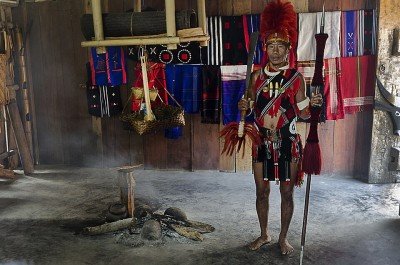 @@Details of Foundation: The Pochury Tribe Heritage Site refers to one of the ancient, legendary sites of origin or settlement of the Pochury people, such as Zhiipfiikwi (where they are believed to have sprung from the earth) or Yikhrii (Old Phor), an ancient village site. These are places of immense cultural and historical importance, representing the tribal genesis and early migration.: @@Historical Context: These sites predate the modern settlements and Christianity, connecting the contemporary Pochury people directly to their pre-colonial, animistic past. They are the locations mentioned in their oral histories and folklore.: @@Current Status: The sites are often simple, undeveloped, and marked only by a stone monument, an ancient tree, or a cluster of historical stones. They are not elaborate tourist attractions but places of pilgrimage and reverence for the local community.: @@Cultural Significance: Visiting the site is a powerful cultural immersion, as it reinforces the strong sense of identity and the territorial connection of the Pochury people to their land. It is a quiet place of memory and ancestral respect.:
 @@Details of Foundation: The Pochury Baptist Church (PBC) refers to the general denomination or a specific major church under the Pochury Baptist Church Council (PBCC), which is instrumental in the spiritual life of the tribe. It may be a different church building or the main spiritual body, often symbolizing the specific faith identity of the Pochury people.: @@Role of the Church Council: The PBCC plays a crucial role in coordinating all Baptist churches within the Pochury area, promoting education, and engaging in social reform, making the physical church a focal point for the wider community.: @@Distinctive Identity: While sharing the Baptist faith with other Naga tribes, this church or council specifically caters to the Pochury cultural context, often incorporating tribal musical elements and local language in the services.: @@Location Context: Its physical location, slightly separate from the largest church in the main town, may signify a closer connection to the traditional village outskirts or a specific Khel (clan area).:
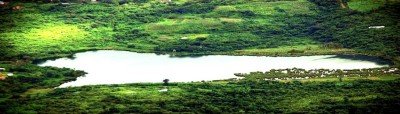 Shilloi Lake is the largest natural lake in Nagaland, nestled in a valley surrounded by majestic pine forests. The lake is famously shaped like a human footprint, though some also describe it as heart-shaped from certain angles. Located in the Lütsam village of the Phokhungri sub-division, it is a place of profound spiritual and cultural importance. According to local folklore, a baby was once found floating in the middle of the lake, protected by spirits; as a result, the locals believe the lake is sacred and that no one can ever drown in its waters. Interestingly, there are no recorded instances of drowning here. The water is incredibly still, reflecting the surrounding hills and the bright blue sky like a giant mirror. The lake is a haven for migratory birds, including the Siberian Crane, which visits during the Spring months. The surrounding pine trees add a "mini-Switzerland" vibe to the area, making it a popular spot for relaxation and quiet contemplation. The lake covers an area of approximately 0.25 to 0.30 square kilometers. It is not very deep, but the ecosystem supports various local fish species. The government has developed a small tourist lodge nearby, but the vibe remains rustic and authentic. For the people of Lütsam, the lake is the lifeblood of their community. Visitors can often see local fishermen in traditional wooden boats, though large-scale commercial fishing is prohibited to maintain the lake's purity. The journey to Shilloi involves navigating through some of the most scenic parts of the Phek district, with views of the Tizu River valley along the way. It is a place where time seems to slow down, and the legends of the past feel very much alive.:
 @@Location Details: The surrounding pristine, rolling hills of Meluri are the heart of its trekking appeal, forming a lush, biodiverse carpet extending into the remote eastern part of Nagaland: @@Geographical Context: The landscape is characterized by high ridges, deep gorges, and sub-tropical evergreen forests, offering challenging and rewarding trails for adventure seekers and nature enthusiasts. The trails often lead to panoramic viewpoints overlooking the Pochury area and occasionally feature traditional stone-paved paths connecting ancient villages. This area is culturally significant as the traditional hunting and foraging grounds of the Pochury tribe, embodying their connection to the land.: @@Flora and Fauna: The dense foliage includes rare rhododendrons, varied orchids, and tall pine trees. The region is part of the Indo-Myanmar biodiversity hotspot, making sightings of unique bird species and small mammals common for quiet trekkers. The air is exceptionally clean and invigorating, a stark contrast to urban environments.: @@Trekking Routes Overview: The routes vary from moderate day hikes to challenging multi-day treks toward peaks like Zanibu Peak or deeper into the rugged border areas. The trails are largely unmarked and require a local guide for safety and for enriching the experience with tribal folklore and historical knowledge of the terrain.:
Pokhungri Peak is a majestic elevation located in the remote Phokhungri area of the Phek district. It serves as a prominent landmark for the Pochury Naga tribe, who have inhabited these hills for centuries. The peak is characterized by its sharp ridges and deep verdant slopes that drop into the Tizu River valley. Unlike the more famous Saramati, Pokhungri Peak offers a more intimate experience with nature, as it is far less crowded. The area is surrounded by secondary forests and traditional terrace fields that look like giant green steps from the summit. The peak holds historical significance as a lookout point during ancient tribal conflicts and more recently during World War II. Local legends speak of the peak being a resting place for migratory birds that travel from as far as Siberia. The climb to the top is moderately difficult, passing through narrow trails lined with wild berries and medicinal herbs. From the summit, one can see the meandering path of the Tizu River as it snakes its way toward Myanmar. The tranquility of the peak is its greatest draw, offering a silence that is only broken by the occasional call of the hill partridge. It is an ideal spot for those looking to understand the geography of the Phek district while enjoying a day-long hike. The village of Phokhungri at the base provides a glimpse into the resilient lifestyle of the border communities. Visitors are often welcomed with local rice beer and stories of the "Melancholy Stone" located nearby. The peak is also a vital part of the local ecosystem, acting as a catchment area for several small streams that provide water to the villages below. Its limestone formations add a unique geological touch to the landscape.:Show All
The Tizu River is one of the most significant waterways in Nagaland, notable for its unique eastward flow. Unlike most Indian rivers that flow toward the west or south, the Tizu cuts through the rugged Naga Hills and flows into Myanmar, eventually joining the Chindwin River. In Meluri, the river creates a dramatic landscape of deep gorges and wide, rocky banks. It is the lifeline for the Pochury tribe, providing water for agriculture and a rich source of fish. The "Tizu Experience" involves exploring the river's banks, which are dotted with traditional fishing spots and suspension bridges. The river is famous for the Golden Mahseer, a prize catch for any angler. The water is pristine, carrying the minerals of the high mountains. Along its course, one can find giant boulders and small sandy beaches that are perfect for day-camping. The river also plays a strategic role, as the proposed National Waterway 101 aims to connect Nagaland to Southeast Asia via this route. For the local people, the river is a symbol of connection between nations. The biodiversity along the riverbanks is rich, with kingfishers and otters frequently spotted. The sound of the rushing water against the silence of the surrounding hills creates a meditative atmosphere. In the summer, the river swells with monsoon rains, becoming a powerful force of nature, while in the winter, it turns into a gentle, turquoise stream. It is a place for those who love water, fishing, and the raw beauty of a river that defies the geographical norm of the subcontinent.:
@@Location Details: The surrounding pristine, rolling hills of Meluri are the heart of its trekking appeal, forming a lush, biodiverse carpet extending into the remote eastern part of Nagaland: @@Geographical Context: The landscape is characterized by high ridges, deep gorges, and sub-tropical evergreen forests, offering challenging and rewarding trails for adventure seekers and nature enthusiasts. The trails often lead to panoramic viewpoints overlooking the Pochury area and occasionally feature traditional stone-paved paths connecting ancient villages. This area is culturally significant as the traditional hunting and foraging grounds of the Pochury tribe, embodying their connection to the land.: @@Flora and Fauna: The dense foliage includes rare rhododendrons, varied orchids, and tall pine trees. The region is part of the Indo-Myanmar biodiversity hotspot, making sightings of unique bird species and small mammals common for quiet trekkers. The air is exceptionally clean and invigorating, a stark contrast to urban environments.: @@Trekking Routes Overview: The routes vary from moderate day hikes to challenging multi-day treks toward peaks like Zanibu Peak or deeper into the rugged border areas. The trails are largely unmarked and require a local guide for safety and for enriching the experience with tribal folklore and historical knowledge of the terrain.:
Pokhungri Peak is a majestic elevation located in the remote Phokhungri area of the Phek district. It serves as a prominent landmark for the Pochury Naga tribe, who have inhabited these hills for centuries. The peak is characterized by its sharp ridges and deep verdant slopes that drop into the Tizu River valley. Unlike the more famous Saramati, Pokhungri Peak offers a more intimate experience with nature, as it is far less crowded. The area is surrounded by secondary forests and traditional terrace fields that look like giant green steps from the summit. The peak holds historical significance as a lookout point during ancient tribal conflicts and more recently during World War II. Local legends speak of the peak being a resting place for migratory birds that travel from as far as Siberia. The climb to the top is moderately difficult, passing through narrow trails lined with wild berries and medicinal herbs. From the summit, one can see the meandering path of the Tizu River as it snakes its way toward Myanmar. The tranquility of the peak is its greatest draw, offering a silence that is only broken by the occasional call of the hill partridge. It is an ideal spot for those looking to understand the geography of the Phek district while enjoying a day-long hike. The village of Phokhungri at the base provides a glimpse into the resilient lifestyle of the border communities. Visitors are often welcomed with local rice beer and stories of the "Melancholy Stone" located nearby. The peak is also a vital part of the local ecosystem, acting as a catchment area for several small streams that provide water to the villages below. Its limestone formations add a unique geological touch to the landscape.:Show All
The Tizu River is one of the most significant waterways in Nagaland, notable for its unique eastward flow. Unlike most Indian rivers that flow toward the west or south, the Tizu cuts through the rugged Naga Hills and flows into Myanmar, eventually joining the Chindwin River. In Meluri, the river creates a dramatic landscape of deep gorges and wide, rocky banks. It is the lifeline for the Pochury tribe, providing water for agriculture and a rich source of fish. The "Tizu Experience" involves exploring the river's banks, which are dotted with traditional fishing spots and suspension bridges. The river is famous for the Golden Mahseer, a prize catch for any angler. The water is pristine, carrying the minerals of the high mountains. Along its course, one can find giant boulders and small sandy beaches that are perfect for day-camping. The river also plays a strategic role, as the proposed National Waterway 101 aims to connect Nagaland to Southeast Asia via this route. For the local people, the river is a symbol of connection between nations. The biodiversity along the riverbanks is rich, with kingfishers and otters frequently spotted. The sound of the rushing water against the silence of the surrounding hills creates a meditative atmosphere. In the summer, the river swells with monsoon rains, becoming a powerful force of nature, while in the winter, it turns into a gentle, turquoise stream. It is a place for those who love water, fishing, and the raw beauty of a river that defies the geographical norm of the subcontinent.:Information
-
Why Famous:
Pochury Heritage: It is the primary home of the Pochury Naga tribe, offering a unique opportunity to experience their specific language, dance, and customs.
Traditional Salt Springs: The indigenous salt extraction process at Molung and other...Pochury Heritage: It is the primary home of the Pochury Naga tribe, offering a unique opportunity to experience their specific language, dance, and customs.
Traditional Salt Springs: The indigenous salt extraction process at Molung and other nearby areas is a rare cultural practice that attracts researchers and travelers.
Proximity to Shilloi Lake: While slightly away, Meluri serves as a major gateway to the beautiful and mysterious Shilloi Lake, which is revered by locals.
International Border: The district shares a border with Myanmar, giving it a strategic location and a culture that is influenced by cross-border interactions. -
Architecture:
Stone Architecture: The Pochury people are known for their use of stone in construction, from traditional pathways to foundations of houses, reflecting their local environment.
Traditional Huts: Village houses are typically built with wood a...Stone Architecture: The Pochury people are known for their use of stone in construction, from traditional pathways to foundations of houses, reflecting their local environment.
Traditional Huts: Village houses are typically built with wood and bamboo, featuring sloping roofs to handle the heavy rainfall, with interiors centered around a hearth.
Monumental Pillars: Ancient stone monoliths and pillars can still be found in some villages, erected to commemorate significant events or the achievements of ancestors.
Industrial Influence: The Weziho cement factory introduces a modern industrial architectural element to the landscape, standing as a symbol of the district's economic potential. -
How To Reach:
By Air: The nearest airport is in Dimapur, roughly 280 KM away; the long journey involves a full day of driving through the scenic mountains of Nagaland.
By Train: Dimapur Railway Station is the closest rail connection, from where one can t...By Air: The nearest airport is in Dimapur, roughly 280 KM away; the long journey involves a full day of driving through the scenic mountains of Nagaland.
By Train: Dimapur Railway Station is the closest rail connection, from where one can take a bus or hire a private vehicle to reach the Phek district.
By Road: Meluri is connected via National Highway 150 and 155; it is a long but beautiful drive from Kohima via Phek or Jessami.
By Local Transport: Shared sumos are the most common way for locals to travel; however, hiring a dedicated vehicle is recommended for tourists due to the distance. -
Weather and Best Time to Visit:
Autumn Season: October to November is the best time as the weather is clear and the Yemshe festival brings the culture to life in full vibrant color.
Winter Season: December to February is cold but clear, offering great visibility for mounta...Autumn Season: October to November is the best time as the weather is clear and the Yemshe festival brings the culture to life in full vibrant color.
Winter Season: December to February is cold but clear, offering great visibility for mountain views, though one must be prepared for the biting chill.
Spring Season: March and April see the hills turning green and wildflowers blooming, providing a refreshing atmosphere for nature walks and trekking. -
Near Tourist Places:
1. Shilloi Lake (30 KM), 2. Phek Town (60 KM), 3. Laruri Village (15 KM), 4. Weziho (20 KM), 5. Kiphire (90 KM), 6. Kohima (145 KM), 7. Pfutsero (80 KM), 8. Chida Lake (70 KM), 9. Jessami (25 KM), 10. Zunheboto (110 KM).
Tourism Tips
-
Health and Safety: Due to its remote location, carry all essential medicines and a power bank; ensure your vehicle is in good condition for mountain roads.
Packing Essentials: Heavy woolens are needed for the winters; a good pair of hiking...Health and Safety: Due to its remote location, carry all essential medicines and a power bank; ensure your vehicle is in good condition for mountain roads.
Packing Essentials: Heavy woolens are needed for the winters; a good pair of hiking boots and a raincoat are essential for exploring the outdoors.
Local Etiquette: Respect the sanctity of the salt springs and local lakes; always seek permission before entering traditional homes or taking personal photographs.
Travel Permits: Don't forget to have your Inner Line Permit (ILP) ready, as it is required for all Indian citizens entering the state of Nagaland.
Reviews
FAQs
Meluri Itineray And Cost:-
Other Places In Nagaland :-
Other States In India :-
Information about New and Updated Locations() of Nagaland Has Been Added :-
Card subtitle
Note:-
Information provided here in good Faith and for reference only.
Near Places
Dimapur
Some quick example text to build on the card title and make up the bulk of the card's content.
Go somewhere
Dzulekie
Some quick example text to build on the card title and make up the bulk of the card's content.
Go somewhere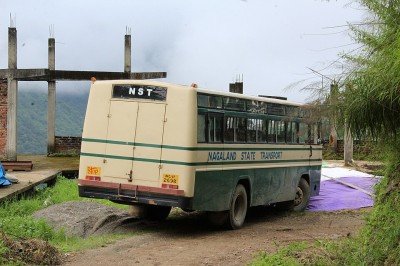
Khonoma
Some quick example text to build on the card title and make up the bulk of the card's content.
Go somewhere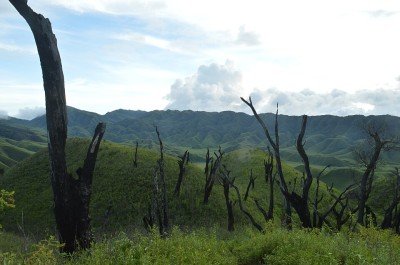
Kigwema
Some quick example text to build on the card title and make up the bulk of the card's content.
Go somewhere
Kiphire
Some quick example text to build on the card title and make up the bulk of the card's content.
Go somewhere
Kohima
Some quick example text to build on the card title and make up the bulk of the card's content.
Go somewhere
Longleng
Some quick example text to build on the card title and make up the bulk of the card's content.
Go somewhere
Meluri
Some quick example text to build on the card title and make up the bulk of the card's content.
Go somewhere
Mokokchung
Some quick example text to build on the card title and make up the bulk of the card's content.
Go somewhere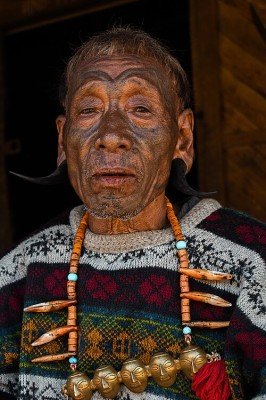
Mon
Some quick example text to build on the card title and make up the bulk of the card's content.
Go somewhere
Mopungchuket
Some quick example text to build on the card title and make up the bulk of the card's content.
Go somewhere
Nagaland Heritage Village
Some quick example text to build on the card title and make up the bulk of the card's content.
Go somewhere
Niuland
Some quick example text to build on the card title and make up the bulk of the card's content.
Go somewhere
Noklak
Some quick example text to build on the card title and make up the bulk of the card's content.
Go somewhere
Peren
Some quick example text to build on the card title and make up the bulk of the card's content.
Go somewhere
Zunheboto
Some quick example text to build on the card title and make up the bulk of the card's content.
Go somewherein Other Cities