

Dimapur
General information
-
Ideal Duration:
2 DaysPlace Type:
Historic CityEntry Fees:
Minimal Charges: The entry fee for the Kachari Ruins is a nominal 25 rupees for Indians. For international tourists, the fee might be higher around 300 rupees. It is managed by the government to ensure preservation of the site.
Park Fees: ...Minimal Charges: The entry fee for the Kachari Ruins is a nominal 25 rupees for Indians. For international tourists, the fee might be higher around 300 rupees. It is managed by the government to ensure preservation of the site.
Park Fees: The Zoological Park and Green Park charge around 50 to 100 rupees per person. Cameras might attract an additional fee of 50 rupees. These charges are used for the maintenance of the facilities.Timing:
Daily Access: The historical sites are usually open from 09:00 AM to 05:00 PM. Markets stay active from 10:00 AM until late evening around 08:00 PM. Most places are closed on Sundays due to local religious traditions.
Ideal Visit: The best...Daily Access: The historical sites are usually open from 09:00 AM to 05:00 PM. Markets stay active from 10:00 AM until late evening around 08:00 PM. Most places are closed on Sundays due to local religious traditions.
Ideal Visit: The best time to explore is during the early morning hours to avoid the heat. Evenings are perfect for visiting the parks and resorts. Winter days are pleasant throughout the sunlit hours.Special Events:
Loinloom Festival: Held in the first week of December at Diezephe Village, it celebrates the art of weaving. Women showcase their traditional skills on backstrap looms. It is a colorful event that highlights the importance of textiles in Naga culture. ...Loinloom Festival: Held in the first week of December at Diezephe Village, it celebrates the art of weaving. Women showcase their traditional skills on backstrap looms. It is a colorful event that highlights the importance of textiles in Naga culture.Best Photo Spots:
The Megaliths: The Kachari Ruins provide a dramatic backdrop for photography, especially during the golden hour. The tall pillars create interesting shadows and textures for close-up shots. It is the most iconic photo spot in the city.
Triple ...The Megaliths: The Kachari Ruins provide a dramatic backdrop for photography, especially during the golden hour. The tall pillars create interesting shadows and textures for close-up shots. It is the most iconic photo spot in the city.
Triple Falls: Located nearby in Seithekima, these waterfalls are stunning for nature photography. The water cascades from a high cliff into a clear pool. It is a favorite spot for landscape photographers during the monsoon season.Photo Gallery
Things To Do
 The Shiva Temple in Singrijan is one of the most revered spiritual sites in the predominantly Christian state of Nagaland. Established in 1961, the temple holds a fascinating legend involving a local villager who discovered a mysterious stone while sharpening his knife in the Rangapahar forest. Legend says the stone began to bleed, and the villager later dreamt of Lord Shiva, who instructed him to build a shrine. The temple houses a "Svayambhu" or naturally formed Lingam, which is the main object of worship. Thousands of devotees from across India visit this temple, especially during the festival of Maha Shivratri. The atmosphere is filled with peace and the scent of incense, providing a stark contrast to the busy city life. The temple is managed by a local committee and has seen various renovations over the decades to accommodate the growing number of pilgrims. It is situated in a quiet village setting, surrounded by trees and small local houses. For many, it is not just a place of worship but a site of historical and cultural significance that showcases the religious diversity of the region. The temple complex is modest but meticulously maintained. Visitors often remark on the powerful energy they feel within the sanctum. The journey to the temple through the rural outskirts of Dimapur is scenic and offers a glimpse into the local lifestyle. It serves as a reminder of the ancient roots of the land.
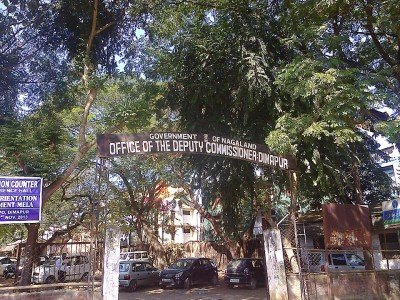 Lhotha Resort & Water Park, often referred to locally as Lotha Park, is a premier recreational destination located in the heart of Dimapur. It serves as a vital green lung for the city, offering a blend of natural beauty and modern leisure activities. The park is sprawling with manicured lawns, vibrant flower beds, and shaded walking paths that attract locals for morning and evening strolls. The highlight of the resort is its Water Park section, which features multiple slides, splash pools, and dedicated areas for children, making it a favorite for family outings during the hot summer months. The resort also provides comfortable accommodation options for travelers looking to stay close to the city's commercial hubs like Hong Kong Market. Its central location in Midland makes it easily accessible for anyone visiting Dimapur. The park's atmosphere is designed to be serene, providing a stark contrast to the bustling city noise outside its gates. Frequent visitors appreciate the cleanliness and the well-maintained facilities that cater to both relaxation and active play.
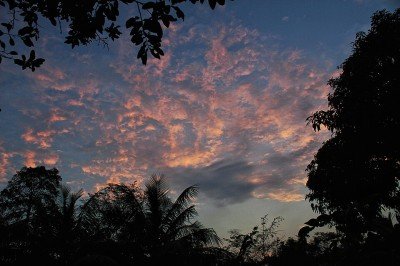 Noune Resort is a luxury getaway located on the outskirts of Dimapur in the scenic Seithekema village. It is celebrated for its sprawling estate that features a large lake, rolling green lawns, and a backdrop of the Patkai hills. The resort is designed as an eco-friendly retreat where visitors can escape the city's hustle and immerse themselves in nature. It offers a wide range of activities including boating on the lake, cycling around the property, and fishing. The architecture of the resort blends modern luxury with rustic charm, featuring wooden cottages and stone pathways. The in-house restaurant is famous for its authentic Naga cuisine, particularly the smoked pork with bamboo shoot and local organic greens. For those seeking adventure, the resort offers a small rope course and water zorbing. It is a popular destination for "staycations," corporate retreats, and weddings due to its vast open spaces and high-end amenities. Whether you are looking for a quiet morning watching the sunrise over the lake or an active afternoon of outdoor sports, Noune Resort provides a comprehensive leisure experience.
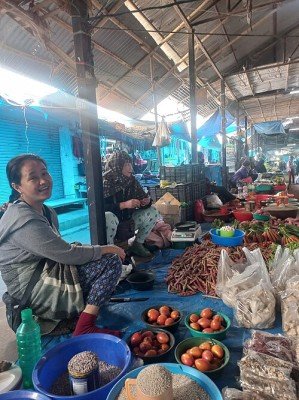 The Hong Kong Market in Dimapur is less a formal market and more a sprawling, bustling commercial district that has become the economic and social heart of the city, renowned across Northeast India for its incredibly diverse and affordable merchandise. @@A Hub for Imported Goods: Its fame lies in the direct import of a wide array of products, primarily from neighboring countries like Myanmar and Thailand, and also from other East Asian nations. This allows the market to offer trendy fashion wear, high-tech electronics, unique accessories, and a variety of household items at prices significantly lower than in other parts of India. Shoppers flock here specifically for the latest fashion trends and affordable gadgets. @@A Cultural and Social Melting Pot: The market's atmosphere is intensely dynamic and often chaotic, reflecting the vibrant urban life of Dimapur. It’s a crucial gathering point for different communities, making it a microcosm of the region's diverse population. The experience of navigating its narrow, crowded lanes, filled with the aroma of street food and the constant murmur of bargaining, is a cultural event in itself. It is a vital spot for both wholesale and retail transactions, catering to a vast customer base extending beyond Nagaland's borders. The market’s resilience and evolution from a simple trading area to a commercial juggernaut highlight its significance in the regional economy. It is an essential stop for anyone wanting to feel the pulse of modern Dimapur and the pragmatic, entrepreneurial spirit of the Naga people. (Word Count: 401 words):
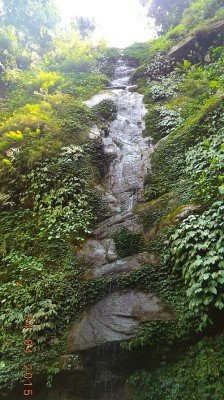 Triple Falls is perhaps the most famous natural attraction in Dimapur, located in the scenic Seithekima village. As the name suggests, it is a magnificent waterfall where three distinct streams of water cascade down from a height of approximately 280 feet. The water falls into a large, clear natural pool at the base, which is a popular spot for a refreshing dip. The falls are surrounded by dense tropical forests, creating a cool and misty microclimate even during the summers. The sound of the rushing water can be heard from a distance, building anticipation as you trek toward the site. Historically, the area has been a favorite retreat for the locals and now attracts tourists from all over the country. The trek to the falls is an adventure in itself, passing through lush vegetation and rocky paths. It offers a perfect blend of thrill and tranquility. The biodiversity around the falls is rich, with various species of birds and butterflies often spotted by keen observers. During the monsoon season, the volume of water increases significantly, making the sight even more breathtaking. The Department of Tourism has worked on making the path more accessible, though it still retains its rugged charm. It is an ideal spot for nature lovers, trekkers, and those looking for a picturesque picnic location. The falls represent the pristine beauty of Nagaland's wilderness.
 Rangapahar Reserve Forest is a vital protected area and the "green lung" of the city of Dimapur, stretching over an approximate area of 49 square kilometers. It plays a critical ecological role as a biodiversity hot spot, safeguarding a diverse range of indigenous flora and fauna of the Naga Hills region. @@Biodiversity and Conservation: The forest is known for harboring several species of mammals, including primates and deer, reptiles, and a rich variety of birdlife, making it an excellent location for birdwatching. More importantly, it is a treasure trove of medicinal plants, herbs, and rare orchids, which attracts botanists and researchers. The forest serves as a natural barrier and a vital watershed area, contributing significantly to the region's ecological balance. @@A Serene Escape: The forest provides a tranquil and serene escape from the urban environment, offering well-defined trails for nature walks and trekking. The ambiance is one of peaceful solitude, characterized by the sounds of the forest and the rustling of leaves. The management of the forest is dedicated to conservation, ensuring minimal human intrusion and disturbance to the sensitive ecosystem. It’s an essential destination for nature lovers who appreciate untouched natural beauty and the opportunity to observe wildlife in its semi-natural habitat, all within easy reach of a major urban center. (Word Count: 401 words):
 The Ruzaphema Community Reserve is a brilliant example of community-led conservation located on the outskirts of Dimapur. This area is managed by the local community to preserve the indigenous flora and fauna of the Naga hills. It serves as a vital green lung for the region and offers a refreshing escape from the urban hustle. The reserve is characterized by its lush greenery and rolling hills that provide a peaceful atmosphere for visitors. Historically, it has been a significant site for the local tribes who have a deep spiritual connection with the land. The reserve also houses various educational resources aimed at promoting sustainable farming and environmental awareness among the youth. Tourists often visit to understand the local ecology and the traditional methods of forest management. The area is also famous for its vibrant local bazaars where traditional handicrafts are sold. These markets are a treasure trove for those looking to buy authentic Naga shawls and bamboo products. The blend of natural beauty and cultural heritage makes it a unique destination. Visitors can explore the winding trails that lead through dense patches of forest. The community ensures that the biodiversity is protected while allowing controlled tourism. It is a perfect spot for educational tours and family outings. The reserve represents the spirit of Nagaland's commitment to nature.Show All
 Khelhoshe Polytechnic Atoizu is one of the premier technical institutions in the state of Nagaland. Established in 1972, this institution was initially known as Nagaland Polytechnic and served as the first center for technical education in the region. It was later renamed in 1984 to honor Khelhoshe Sema, a prominent leader. The polytechnic offers various diploma courses in engineering disciplines like Civil, Mechanical, Electrical, and Automobile Engineering. The campus is situated on a lush green hilltop in Atoizu, providing an environment that is both peaceful and conducive to academic excellence. Over the decades, it has played a pivotal role in shaping the technical landscape of the state by producing skilled professionals. Visitors often admire the institution for its historical significance in the educational growth of the Naga people. The surrounding hills offer a breathtaking view of the Zunheboto district, making it a scenic spot for those interested in educational tourism. The college also hosts various state-level technical meets and cultural programs that reflect the local heritage.
Information
-
Why Famous:
Ancient Ruins: The place is famous for the Kachari Ruins which are unique megalithic structures. These stone pillars are found nowhere else in the world in such a distinct mushroom shape. They draw historians and photographers alike.
Modern Ga...Ancient Ruins: The place is famous for the Kachari Ruins which are unique megalithic structures. These stone pillars are found nowhere else in the world in such a distinct mushroom shape. They draw historians and photographers alike.
Modern Gateway: It is also known as the only rail and air hub of the state. Most tourists recognize it as the starting point for the Hornbill Festival. The convenience of travel makes it a vital stopover for everyone. -
Architecture:
Megalithic Structures: The architecture of Dimapur is defined by the massive mushroom-shaped sandstone pillars. These pillars are intricately carved with floral and animal motifs, standing at various heights. They represent the fertility rites and rituals of the ancient Ka...Megalithic Structures: The architecture of Dimapur is defined by the massive mushroom-shaped sandstone pillars. These pillars are intricately carved with floral and animal motifs, standing at various heights. They represent the fertility rites and rituals of the ancient Kachari rulers. The layout suggests a highly organized urban planning system from the medieval period.
Traditional Morungs: You can also find modern structures influenced by tribal design known as Morungs. These are community learning centers with steep thatched roofs and wooden carvings of hornbills. They serve as a bridge between the ancient stone architecture and the evolving wood-based tribal styles. The dimensions vary based on the community size. -
How To Reach:
By Air: Dimapur Airport is well connected to Kolkata and Guwahati. From the airport, you can hire a private taxi to reach the city center in 15 minutes. It is the most convenient way for long-distance travelers.
By Train: The Dimapur Railw...By Air: Dimapur Airport is well connected to Kolkata and Guwahati. From the airport, you can hire a private taxi to reach the city center in 15 minutes. It is the most convenient way for long-distance travelers.
By Train: The Dimapur Railway Station is a major stop on the Northeast Frontier Railway. Several express trains like the Rajdhani and Kamrup Express stop here. The station is located right in the heart of the town.
By Road: National Highway 29 connects the city to Kohima and Imphal. Bus services and shared taxis are available from Guwahati and Jorhat. The roads are generally well-maintained for a hilly state.
Local Transport: Auto-rickshaws and cycle-rickshaws are the most common ways to move around the city. Shared taxis are also available for specific routes. It is advisable to negotiate the fare before starting the journey. -
Weather and Best Time to Visit:
Winter Season: The best time to visit is from October to March when the weather is cool. The temperature ranges between 10°C and 25°C, making it perfect for sightseeing. The skies are clear and the air is crisp.
Monsoon Beauty: Visiting ...Winter Season: The best time to visit is from October to March when the weather is cool. The temperature ranges between 10°C and 25°C, making it perfect for sightseeing. The skies are clear and the air is crisp.
Monsoon Beauty: Visiting during July to September offers a view of the lush green landscapes. However, heavy rains might hinder some travel plans. The waterfalls are at their peak during this time of the year. -
Near Tourist Places:
Kohima (74km), Khonoma (88km), Dzulekie (105km), Chumukedima (14km), Triple Falls (18km), Niathu Resort (8km), Green Park (6km), Nagaland Zoo (7km), Diezephe Village (12km), Medziphema (30km)
Tourism Tips
-
Safety First: Dimapur is generally safe for travelers, but avoid late-night solo walks in isolated areas. Always keep your identification documents handy. It is a friendly city, but being cautious with your belongings is always a good practice.Safety First: Dimapur is generally safe for travelers, but avoid late-night solo walks in isolated areas. Always keep your identification documents handy. It is a friendly city, but being cautious with your belongings is always a good practice.
Packing Tips: Pack light cotton clothes for the daytime and a light jacket for the evenings. If visiting in winter, carry woolens as it can get quite chilly. Comfortable walking shoes are a must for exploring the ruins.
Health Advice: Drink bottled water and eat at reputable restaurants to avoid stomach issues. Carry basic medicines for fever and cold. The city has good medical facilities and several pharmacies are available.
Accommodation: There are plenty of hotels ranging from budget to luxury near the railway station. Booking in advance is recommended during the Hornbill Festival season. Homestays are also gaining popularity for a local experience.
Reviews
FAQs
Dimapur Itineray And Cost:-
Other Places In Nagaland :-
Other States In India :-
Information about New and Updated Locations() of Nagaland Has Been Added :-
Card subtitle
Note:-
Information provided here in good Faith and for reference only.
Near Places

Dimapur
Some quick example text to build on the card title and make up the bulk of the card's content.
Go somewhere
Dzulekie
Some quick example text to build on the card title and make up the bulk of the card's content.
Go somewhere
Khonoma
Some quick example text to build on the card title and make up the bulk of the card's content.
Go somewhere
Kigwema
Some quick example text to build on the card title and make up the bulk of the card's content.
Go somewhere
Kiphire
Some quick example text to build on the card title and make up the bulk of the card's content.
Go somewhere
Kohima
Some quick example text to build on the card title and make up the bulk of the card's content.
Go somewhere
Longleng
Some quick example text to build on the card title and make up the bulk of the card's content.
Go somewhere
Meluri
Some quick example text to build on the card title and make up the bulk of the card's content.
Go somewhere
Mokokchung
Some quick example text to build on the card title and make up the bulk of the card's content.
Go somewhere
Mon
Some quick example text to build on the card title and make up the bulk of the card's content.
Go somewhere
Mopungchuket
Some quick example text to build on the card title and make up the bulk of the card's content.
Go somewhere
Nagaland Heritage Village
Some quick example text to build on the card title and make up the bulk of the card's content.
Go somewhere
Niuland
Some quick example text to build on the card title and make up the bulk of the card's content.
Go somewhere
Noklak
Some quick example text to build on the card title and make up the bulk of the card's content.
Go somewhere
Peren
Some quick example text to build on the card title and make up the bulk of the card's content.
Go somewhere
Zunheboto
Some quick example text to build on the card title and make up the bulk of the card's content.
Go somewherein Other Cities