

Kohima
General information
-
Ideal Duration:
Duration: 2 to 3 DaysPlace Type:
Category: Heritage, History, and NatureEntry Fees:
War Cemetery Entry: Entry is generally free, but donations for maintenance are welcomed by the Commonwealth War Graves Commission that manages the site.
State Museum Fees: A nominal fee of approximately INR 20 for Indians and INR 100 for for...War Cemetery Entry: Entry is generally free, but donations for maintenance are welcomed by the Commonwealth War Graves Commission that manages the site.
State Museum Fees: A nominal fee of approximately INR 20 for Indians and INR 100 for foreigners is charged to support the preservation of artifacts.
Dzukou Valley Entry: Trekkers must pay a small entry fee at the base camp, usually around INR 50 for locals and more for tourists.
Kisama Heritage Village: During the Hornbill Festival, a daily ticket is required, costing roughly INR 30 to 50 per person for entry.Timing:
Museum and Cemetery: These sites typically open from 9:30 AM to 4:00 PM during winters and until 4:30 PM in summers, closed on Sundays.
Best Time for Sightseeing: Early mornings from 8:00 AM are ideal to avoid the midday sun and capture the ...Museum and Cemetery: These sites typically open from 9:30 AM to 4:00 PM during winters and until 4:30 PM in summers, closed on Sundays.
Best Time for Sightseeing: Early mornings from 8:00 AM are ideal to avoid the midday sun and capture the best natural light for photography.
Market Timings: The Naga Bazaar starts as early as 6:00 AM and winds down by 5:00 PM as the hill station sleeps early.
Church Services: The Cathedral is open daily for visitors, but it is best to visit during non-service hours on Sundays to respect worshippers.Special Events:
The Hornbill Festival: Held from December 1st to 10th, this event brings together all 17 tribes of Nagaland for a spectacular display of dance, music, and food.
Sekrenyi Festival: Celebrated in February by the Angami tribe, it is a festival ...The Hornbill Festival: Held from December 1st to 10th, this event brings together all 17 tribes of Nagaland for a spectacular display of dance, music, and food.
Sekrenyi Festival: Celebrated in February by the Angami tribe, it is a festival of purification and feasting that marks the beginning of the new year.
Christmas Celebrations: Kohima lights up during December with beautiful decorations, carols, and community feasts reflecting the deep-rooted Christian heritage of the region.Best Photo Spots:
Garrison Hill: The top of the hill provides an expansive view of the city and is particularly beautiful during sunset hours for landscape shots.
Dzukou Valley Viewpoint: The valley's rolling hills and seasonal flowers offer a dream-like sett...Garrison Hill: The top of the hill provides an expansive view of the city and is particularly beautiful during sunset hours for landscape shots.
Dzukou Valley Viewpoint: The valley's rolling hills and seasonal flowers offer a dream-like setting for nature and macro photography.
Kisama Morungs: The traditional tribal huts at the heritage village provide excellent opportunities to capture detailed Naga wood carvings and cultural portraits.Photo Gallery
Things To Do
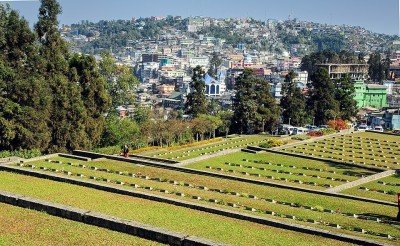 @@History and Significance: The Kohima War Cemetery stands as a solemn and powerful memorial to the soldiers of the Allied Forces who perished in the Battle of Kohima during World War II in 1944. This pivotal battle, often called the 'Stalingrad of the East', was a decisive turning point, halting the Japanese advance into India. The cemetery is meticulously maintained by the Commonwealth War Graves Commission (CWGC). It is built on the site of the former tennis court of the British Deputy Commissioner's Bungalow, which became the scene of some of the fiercest hand-to-hand fighting. The memorial contains the graves of 1,420 Commonwealth soldiers, mostly British and Indian troops. The serene and beautifully landscaped grounds offer a place for quiet reflection and paying homage to the immense sacrifice made. The cemetery embodies the ultimate cost of freedom and peace, preserving the legacy of bravery for future generations. It is a mandatory pilgrimage for history enthusiasts, providing a tangible link to one of the most significant events of the 20th century on Indian soil, ensuring the fallen are never forgotten. The famous inscription from the Kohima Epitaph captures the essence of the place, making it one of the most emotionally resonant war memorials globally.
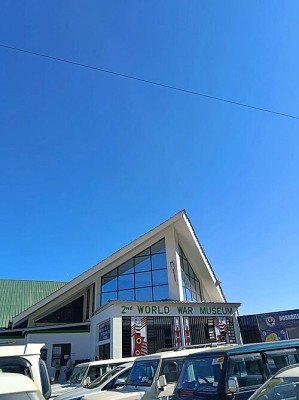 The Second World War Museum is a profound historical repository located within the Kisama Heritage Village complex near Kohima. This museum is dedicated to the memory of the brave souls who fought during the Battle of Kohima in 1944, a conflict often described as the "Stalingrad of the East." Visitors can explore a vast collection of authentic wartime artifacts, including light and heavy weaponry, ammunition, soldier uniforms, and personal diaries. The museum provides a somber and educational narrative of the fierce hand-to-hand combat that took place on Garrison Hill and the Tennis Court. Every exhibit is meticulously curated to showcase the strategic importance of Nagaland during the global conflict between the Allied Forces and the Japanese Army. The walls are adorned with rare black-and-white photographs that capture the raw emotions of both the soldiers and the local Naga people who supported the war efforts. It serves as a bridge between the past and the present, ensuring that the sacrifices made for today's peace are never forgotten by future generations.
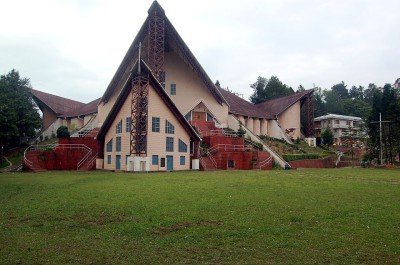 @@General Overview: Kohima Town Centre is the vibrant heart of the capital, blending history, commerce, and culture. It is famously known for the Kohima War Cemetery, which commemorates the soldiers of the Battle of Kohima in 1944. The town center is a maze of steep streets, bustling markets like the Naga Bazaar, and administrative buildings. It reflects the transition of Kohima from a colonial outpost to a modern tribal capital. The area is filled with sights, sounds, and the distinct aroma of Naga cuisine. Local shops sell traditional hand-woven shawls, bamboo crafts, and beaded jewelry. The architecture here is a mix of modern concrete structures and traditional Naga motifs. It serves as the primary base for tourists exploring the rest of Nagaland. The energy of the town center is most palpable during the festive seasons of December.
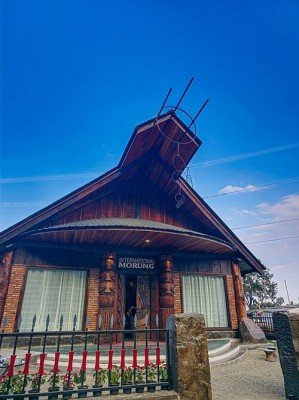 @@The Naga Heritage Village, popularly known as Kisama, is a magnificent open-air museum designed to preserve and showcase the diverse cultures of the 16 major Naga tribes. The name Kisama is derived from two neighboring villages, Kigwema (Ki) and Phesama (sa), on whose land the complex is built. It serves as the main venue for the world-renowned Hornbill Festival, held annually in the first week of December. The village is meticulously designed to resemble a traditional Naga settlement, with each tribe having its own dedicated "Morung" or traditional bachelor's dormitory. These Morungs are the highlight of the village, featuring unique architectural styles, intricate wood carvings, and symbolic totems that represent the history and values of each specific tribe. Beyond the Morungs, the complex includes a massive central arena for cultural performances, a World War II museum, and various pavilions for bamboo crafts and horticulture. During the non-festival months, Kisama remains a peaceful and educational site where visitors can walk through the empty Morungs and appreciate the architectural brilliance of the Nagas in a quiet setting. The site is located at the base of a steep mountain, providing a stunning natural backdrop of verdant hills and mist-covered valleys. It is a place where oral traditions are given physical form, allowing visitors to understand the complex social structure and headhunting history of the tribes. The village also promotes local entrepreneurship through its food courts, where visitors can sample traditional Naga cuisine even outside the festival season. The World War II Museum within the complex offers a poignant look at the Battle of Kohima, featuring relics, photographs, and personal stories of the soldiers. Kisama is more than just a tourist spot; it is a symbol of Naga unity and a center for the revival of indigenous traditions that were once fading. It provides a comprehensive and immersive look into the heart of Nagaland in a single location.:
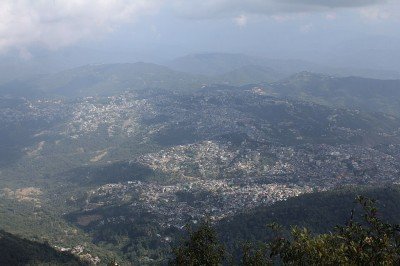 @@Prime Location: Situated near the Raj Bhavan (Governor's Residence), this viewpoint offers arguably the best high-altitude view of the entire Kohima town. It allows visitors to see the sprawling urban settlement built across multiple ridges. The point is well-maintained due to its proximity to the Governor's house. It is a popular spot for both tourists and locals to spend a quiet evening. From here, one can clearly see the Mary Help of Christians Cathedral and the War Cemetery. The air is crisp, and the view is especially beautiful during the winter when the skies are deep blue. It serves as a great introduction to the geography of the Naga Hills. Many state guests are brought here to appreciate the beauty of the capital.
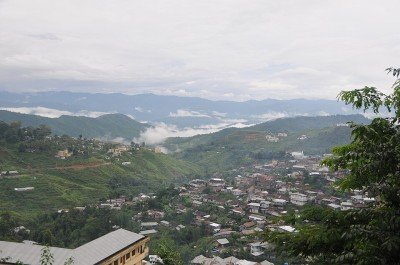 @@General Overview: The Kezoma Town Memorial is a significant historical site located in the PR Hill region of Kohima. It serves as a tribute to the community's history and the sacrifices made during various periods of conflict. The memorial is a quiet spot for reflection amidst the bustling urban environment of the capital. It reflects the deep-rooted respect the Naga people have for their ancestors and fallen heroes. The site is often visited by locals to honor the legacy of the town's founders and leaders. It stands as a symbol of the town's resilience and unity over the decades. The memorial area is well-maintained and serves as a cultural landmark for the Kezoma community living in the city. Visitors can learn about the local history and the social fabric of the Naga tribes here. It is an integral part of the heritage walk through Kohima.
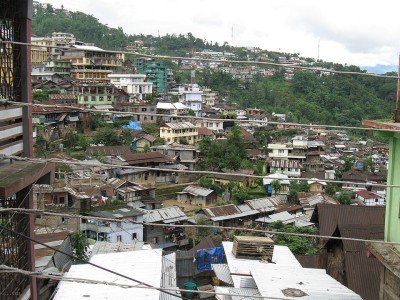 Classic Island is a popular recreational and cultural hub in Kohima, known for its vibrant atmosphere and scenic beauty. Unlike the historical war sites, this area represents the modern, living culture of the Nagas. It is a beautifully landscaped park and roundabout area that serves as a common meeting ground for locals and tourists alike. The "island" is often the site of local exhibitions, flower shows, and small-scale cultural performances. It is surrounded by some of the city's best cafes and boutiques, making it the perfect place to experience the urban Naga lifestyle. The area is exceptionally well-maintained, with seasonal flower beds that create a colorful display throughout the year. For visitors, it offers a chance to see the everyday life of Kohima residents—students playing music, elders taking evening walks, and families enjoying the open space. The location is strategic, connecting several major parts of the town. During the Hornbill Festival season in December, Classic Island often hosts "Night Bazaars" where one can taste local street food and buy indigenous crafts. It is a "living memorial" to the peace and progress of the state.Show All
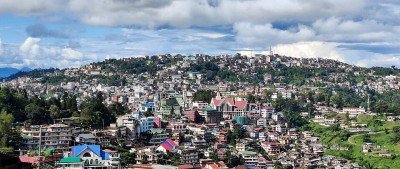 @@The Kohima Zoo, often referred to locally as the Mini Zoo, is one of the most uniquely situated zoological parks in India, perched on a steep hillside. This zoo is specifically designed to conserve the rare and endemic fauna of the Eastern Himalayas, providing a habitat that closely mimics the natural wild environment. The primary attraction of the zoo is the Blyth's Tragopan, the state bird of Nagaland, which is a highly endangered and stunningly colorful pheasant. Unlike traditional zoos with flat enclosures, the Kohima Zoo utilizes the natural contours of the mountain, meaning visitors must hike up and down paved paths to view the animals. This layout provides a more immersive experience, as the animals are often seen amidst thick natural vegetation and rocky outcrops. Another major highlight is the Mithun, the state animal of Nagaland, which is a large semi-domesticated bovine central to Naga culture and tradition. The zoo also houses the Asiatic Black Bear, Golden Langurs, and various species of deer and wild cats indigenous to the region. The atmosphere is serene and quiet, away from the hustle of the main town, offering a peaceful retreat for nature lovers and families. Large enclosures allow the animals significant space to move, which is a commendable aspect of its management despite the "mini" label. Educational signboards are placed throughout the park, providing information about the conservation status of each species. The zoo also serves as a critical rescue and rehabilitation center for injured wildlife found in the nearby forests. For birdwatchers, the surrounding trees are home to many wild avian species that are attracted to the sanctuary's protected environment. The panoramic views of the Kohima city and the distant Japfu Peak from the upper levels of the zoo are spectacular. It is a must-visit for anyone interested in the unique biodiversity of the Northeast.:
Information
-
Why Famous:
World War II Legacy: Kohima is globally recognized for the Battle of Kohima, often called the "Stalingrad of the East," where Allied forces achieved a decisive victory.
Hornbill Festival Venue: The nearby Kisama Heritage Village hosts the wo...World War II Legacy: Kohima is globally recognized for the Battle of Kohima, often called the "Stalingrad of the East," where Allied forces achieved a decisive victory.
Hornbill Festival Venue: The nearby Kisama Heritage Village hosts the world-famous Hornbill Festival every December, showcasing the cultural diversity of all Naga tribes.
Indigenous Heritage: It is a center for Angami Naga culture, where traditional customs are preserved alongside modern lifestyles in a unique social blend.
Botanical Diversity: The region is famous for its rare orchids and the Dzukou Lily, which is found exclusively in the surrounding high-altitude valleys. -
Architecture:
The War Cemetery Design: The Kohima War Cemetery features a unique terraced design that follows the natural slope of Garrison Hill, creating a serene and tiered landscape for remembrance.
Cathedral Architecture: The Mary Help of Christians C...The War Cemetery Design: The Kohima War Cemetery features a unique terraced design that follows the natural slope of Garrison Hill, creating a serene and tiered landscape for remembrance.
Cathedral Architecture: The Mary Help of Christians Cathedral is famous for its semi-circular design that integrates traditional Naga house elements with modern aesthetics, featuring a 16-foot high wooden crucifix.
Dimensions and Layout: The cemetery covers a large area with stone markers and bronze plaques, while the Cathedral is approximately 25,000 square feet, accommodating over 3,000 people.
Cultural Structures: Traditional Morungs (youth dormitories) in nearby villages like Khonoma display intricate wood carvings and thatched roofs that represent ancestral Naga architectural styles. -
How To Reach:
By Air: The nearest airport is Dimapur Airport, about 74 KM away, which is well-connected to Kolkata and Guwahati by regular daily flights.
By Train: Dimapur Railway Station is the closest railhead, serving as the gateway to the state with t...By Air: The nearest airport is Dimapur Airport, about 74 KM away, which is well-connected to Kolkata and Guwahati by regular daily flights.
By Train: Dimapur Railway Station is the closest railhead, serving as the gateway to the state with trains arriving from across India.
By Road: National Highway 2 connects Kohima to Dimapur and Imphal; shared taxis and state transport buses run frequently between these major points.
By Local Transport: Within Kohima, yellow taxis are the primary mode of transport, and many central areas can be explored comfortably on foot. -
Weather and Best Time to Visit:
Winter Season: October to March is the most pleasant time, with clear skies and the famous Hornbill Festival taking place in early December.
Summer Season: April to June offers cooler temperatures than the plains, making it a great escape, t...Winter Season: October to March is the most pleasant time, with clear skies and the famous Hornbill Festival taking place in early December.
Summer Season: April to June offers cooler temperatures than the plains, making it a great escape, though light showers may begin during this period.
Monsoon Season: July to September brings heavy rainfall, which turns the hills vibrant green but can make trekking trails slippery and difficult to navigate.
Morning and Evening: Early mornings are crisp and clear, while evenings offer beautiful sunsets over the hills, though it gets dark quite early. -
Near Tourist Places:
1. Khonoma (20 KM), 2. Kisama (12 KM), 3. Dzukou Valley (25 KM), 4. Touphema (41 KM), 5. Japfu Peak (15 KM), 6. Pulie Badze (10 KM), 7. Dzuleke (40 KM), 8. Pfutsero (70 KM), 9. Dimapur (74 KM), 10. Wokha (80 KM).
Tourism Tips
-
Health and Safety: Visitors should stay hydrated and carry basic medications; the area is generally safe, but it's wise to avoid late-night solo walks in remote parts.
Packing Essentials: Even in summer, evenings can be cool, so carry light...Health and Safety: Visitors should stay hydrated and carry basic medications; the area is generally safe, but it's wise to avoid late-night solo walks in remote parts.
Packing Essentials: Even in summer, evenings can be cool, so carry light woolens; in winter, heavy jackets and thermal wear are absolutely necessary.
Accommodation Options: Kohima offers a range of stays from luxury hotels to cozy homestays, especially in Khonoma and near the Kisama village area.
Permit Requirements: Indian tourists need an Inner Line Permit (ILP), while foreigners must register at the local police station upon arrival in the city.
Reviews
FAQs
Kohima Itineray And Cost:-
Other Places In Nagaland :-
Other States In India :-
Information about New and Updated Locations() of Nagaland Has Been Added :-
Card subtitle
Note:-
Information provided here in good Faith and for reference only.
Near Places

Dimapur
Some quick example text to build on the card title and make up the bulk of the card's content.
Go somewhere
Dzulekie
Some quick example text to build on the card title and make up the bulk of the card's content.
Go somewhere
Khonoma
Some quick example text to build on the card title and make up the bulk of the card's content.
Go somewhere
Kigwema
Some quick example text to build on the card title and make up the bulk of the card's content.
Go somewhere
Kiphire
Some quick example text to build on the card title and make up the bulk of the card's content.
Go somewhere
Kohima
Some quick example text to build on the card title and make up the bulk of the card's content.
Go somewhere
Longleng
Some quick example text to build on the card title and make up the bulk of the card's content.
Go somewhere
Meluri
Some quick example text to build on the card title and make up the bulk of the card's content.
Go somewhere
Mokokchung
Some quick example text to build on the card title and make up the bulk of the card's content.
Go somewhere
Mon
Some quick example text to build on the card title and make up the bulk of the card's content.
Go somewhere
Mopungchuket
Some quick example text to build on the card title and make up the bulk of the card's content.
Go somewhere
Nagaland Heritage Village
Some quick example text to build on the card title and make up the bulk of the card's content.
Go somewhere
Niuland
Some quick example text to build on the card title and make up the bulk of the card's content.
Go somewhere
Noklak
Some quick example text to build on the card title and make up the bulk of the card's content.
Go somewhere
Peren
Some quick example text to build on the card title and make up the bulk of the card's content.
Go somewhere
Zunheboto
Some quick example text to build on the card title and make up the bulk of the card's content.
Go somewherein Other Cities