
Kigwema
General information
-
Ideal Duration:
1 DayPlace Type:
Cultural VillageEntry Fees:
Entry Fee: There is usually no formal entry fee for the village, but some specific heritage houses may charge a small fee of 20 rupees for a tour. It is customary to ask for permission before entering private property.
Homestay Costs: A nig...Entry Fee: There is usually no formal entry fee for the village, but some specific heritage houses may charge a small fee of 20 rupees for a tour. It is customary to ask for permission before entering private property.
Homestay Costs: A night in a homestay can cost between 1500 to 2500 rupees including meals. This is a reasonable price for the authentic experience and hospitality provided. It is a great value for travelers.Timing:
Regular Timings: The village is open for visitors from 07:00 AM to 05:00 PM. Early mornings are very peaceful and good for seeing the daily chores of the villagers. Evenings are perfect for relaxing and enjoying the views.
Best Visit Time:...Regular Timings: The village is open for visitors from 07:00 AM to 05:00 PM. Early mornings are very peaceful and good for seeing the daily chores of the villagers. Evenings are perfect for relaxing and enjoying the views.
Best Visit Time: The best time to visit is during the Hornbill Festival in the first week of December. The entire region is in a festive mood and there is much to see. Spring is also a great time for the pleasant weather.Special Events:
Sekrenyi Celebration: The village celebrates Sekrenyi with great fervor in February. It is a purification festival where traditional rituals are performed at the village wells. Folk songs and community feasts are the highlights of the event. ...Sekrenyi Celebration: The village celebrates Sekrenyi with great fervor in February. It is a purification festival where traditional rituals are performed at the village wells. Folk songs and community feasts are the highlights of the event.Best Photo Spots:
Traditional Doorways: The carved wooden doors and house fronts are excellent for close-up photography. Each carving has a meaning and tells a story of the family's history. They are unique to this part of Nagaland.
Sunset Point: The ridge ...Traditional Doorways: The carved wooden doors and house fronts are excellent for close-up photography. Each carving has a meaning and tells a story of the family's history. They are unique to this part of Nagaland.
Sunset Point: The ridge overlooking the valley provides a perfect spot for sunset photography. The sky turns into shades of orange and purple behind the rolling hills. It is the best time to capture the landscape's beauty.Photo Gallery

Things To Do
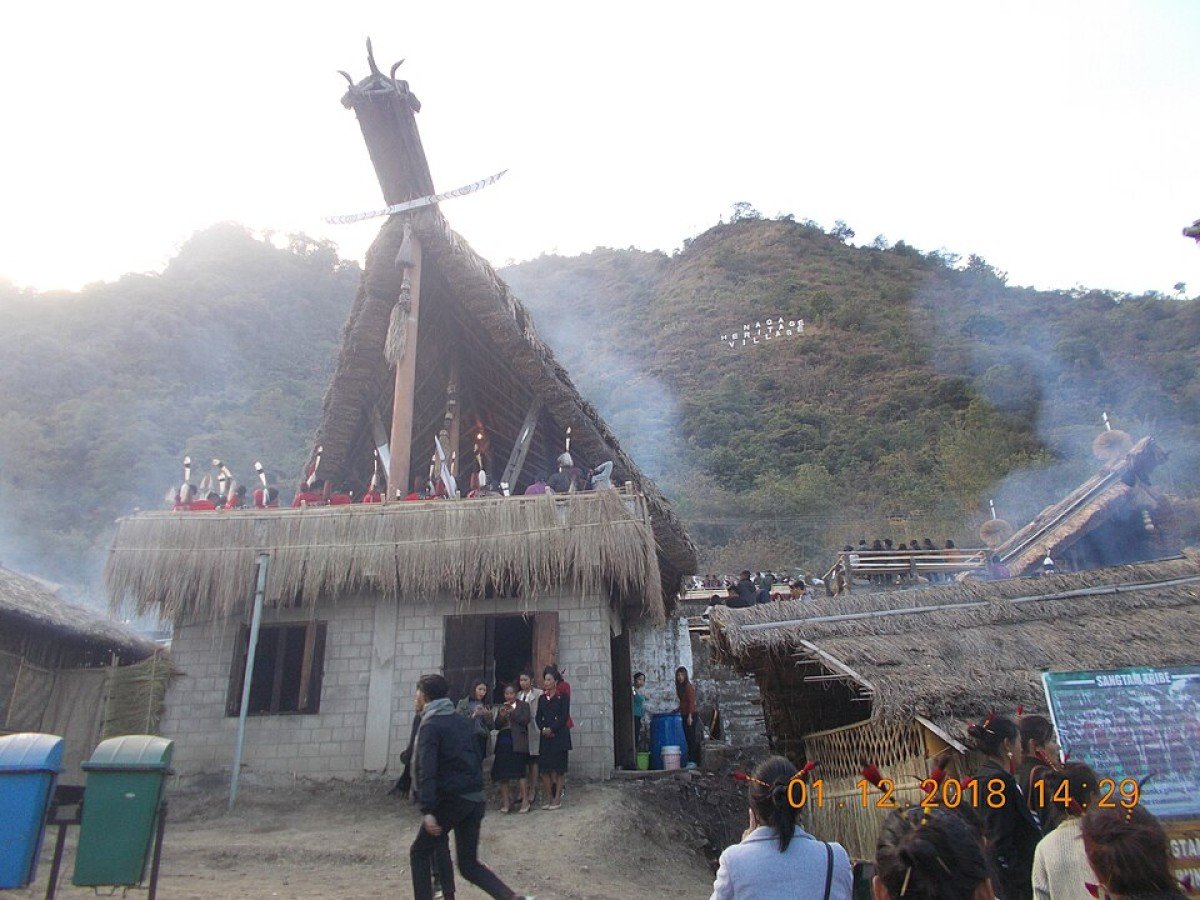
 The Hornbill Festival Venue at Kisama is a purpose-built "Heritage Village" that serves as a living museum of the 17 Naga Tribes. Located just a short walk or drive from Kigwema, this venue comes alive every year from December 1st to 10th. The site is strategically designed to represent the diverse cultural landscape of Nagaland in one compact area. Each tribe has its own "Morung" or traditional youth dormitory, which is built using authentic materials and ancestral architectural styles. During the festival, these Morungs become centers of activity where visitors can drink local rice beer, eat smoked pork, and listen to folk stories told by tribal elders in full warrior regalia. The central arena is where the main cultural performances happen, featuring war dances, harvest songs, and the famous bamboo stilt races. Beyond the festival dates, Kisama remains a beautiful place to visit for its quiet heritage and the World War II Museum, which commemorates the Battle of Kohima. The venue is nestled at the base of the Japfu range, providing a stunning backdrop of misty mountains. It is a place where tradition meets modernity, as the evenings often feature rock concerts and fashion shows. For a traveler, Kisama is the ultimate destination to understand the complex history, fierce pride, and incredible hospitality of the Naga people.
 The Sakhabama Community Reserve is a testament to the indigenous conservation efforts of the Angami people. Located in the lush highlands near Kigwema, this reserve is a protected area managed by the local community rather than the central government. This model of conservation ensures that the biodiversity is preserved while respecting the traditional rights of the villagers. The reserve covers a significant area of primary forest, providing a habitat for various endemic species of flora and fauna. It is particularly famous for its bird population, making it a hotspot for birdwatchers and nature photographers. The landscape is characterized by rolling hills, dense canopies, and seasonal streams that create a tranquil environment far removed from urban noise. The community has implemented strict rules against hunting and logging, which has allowed the forest to thrive. For the locals, this land is not just a resource but a sacred heritage that links them to their ancestors. Visitors can hike through designated trails, guided by local youth who share stories about the medicinal plants and the significance of the various trees. The reserve also serves as a crucial watershed for the surrounding villages, providing clean water and maintaining the ecological balance of the Kigwema region. It is an ideal spot for those seeking solitude and a genuine connection with the wilderness of the Northeast.
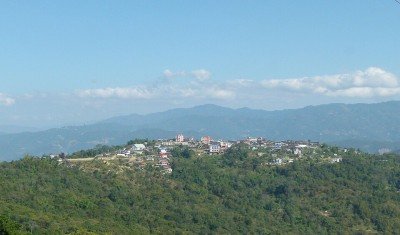 The Kigwema View Point offers a breathtaking, panoramic vista of the surrounding hills, including the majestic Japfu Peak (the second-highest peak in Nagaland) and, on a clear day, a glimpse of the start of the famed Dzukou Valley trek route, making it a critical rest stop and photo opportunity for trekkers and tourists alike; its elevation provides a stunning perspective of the terraced fields below, a testament to the agricultural skill of the Angami people, and the scattered traditional huts of the village, providing a complete landscape view that perfectly blends natural grandeur with human settlement, an ideal spot for contemplation and appreciating the region's immense natural beauty.
 The Viswema Camping Ground is the primary base for trekkers heading into the world-famous Dzukou Valley. Located at the start of the motorable road that leads to the trekking point, this site offers a rustic yet organized outdoor experience. The camping ground is designed to provide travelers with a taste of the Naga wilderness before they embark on their strenuous journey. It is managed by local cooperatives who ensure that the facilities are eco-friendly and sustainable. The site is surrounded by tall pine trees and offers a stunning view of the terraced fields of Viswema. For many, the camping ground is not just a pit stop but a destination in itself. It provides a peaceful retreat from the crowded city life of Kohima, especially during the peak season of the Hornbill Festival. The atmosphere is social, with communal bonfires where travelers from across the globe share stories. The ground is equipped with basic amenities like common toilets, a kitchen serving local Naga cuisine, and sturdy tents that can withstand the unpredictable mountain weather. The sound of the nearby stream and the rustling leaves create a therapeutic environment. Staying here allows trekkers to start their hike early in the morning, which is crucial for reaching the valley base camp before noon. The hospitality of the local staff is a highlight, often involving traditional tea and local snacks like boiled corn. It is a perfect spot for those who want to experience "glamping" in a very raw and authentic North-Eastern setting. The area is also used for educational camps for local schools, emphasizing the importance of nature conservation. Whether you are a solo traveler or with a group, the camping ground provides a sense of security and community in the heart of the Naga hills.
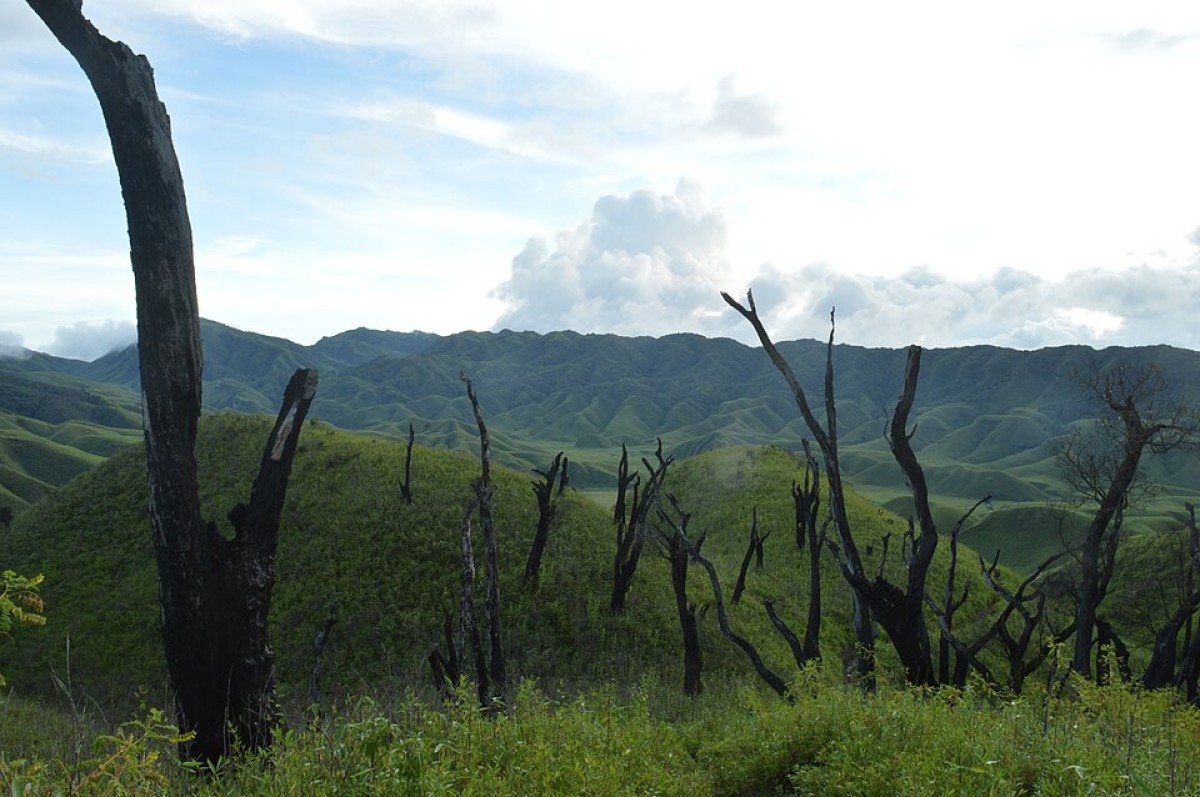
 The main entrance to Dzukou Valley via Viswema is the most popular route for tourists visiting from Kigwema. This path is characterized by a long, winding motorable road followed by a relatively short but steep climb that leads to a magnificent plateau. The valley is situated at an altitude of 2452 meters and is legendary for its unique "undulating" hills that look like giant green waves frozen in time. Historically, the name "Dzukou" is derived from the Angami word meaning "Cold Water," referring to the freezing streams that crisscross the valley floor. During the Summer months, the entire landscape is carpeted with wildflowers, most notably the Dzukou Lily, which is found nowhere else on earth. The valley is a plastic-free zone and is strictly protected by the local tribal councils. Unlike other tourist spots, there are no permanent luxury structures here, only a basic trekker's hut, which helps maintain its pristine, "soulless" beauty. The silence here is profound, broken only by the whistling of the wind through the dwarf bamboo. It is often described as a place where the earth meets the sky, offering a panoramic view that stretches across the border into Manipur. Visitors often spend at least one night here to witness the sunrise, which paints the green hills in shades of gold and amber.
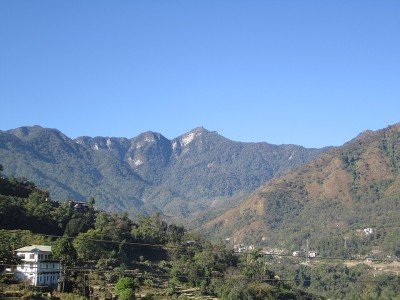 @@Detailed Information: The Mt. Japfu Base Camp in Kigwema is the primary starting point for one of the most iconic treks in Nagaland. Mt. Japfu is the second-highest peak in the state, standing at an impressive 3,048 meters. The base camp serves as a staging area where trekkers organize their gear and hire local guides before attempting the steep ascent. The surrounding area is a transition zone between the village agricultural lands and the deep, high-altitude forests. Here, you can see beautifully managed terraced fields where the villagers grow potatoes and local greens. The air at the base camp is significantly cooler than in the valley, and the views of the Japfu ridge are intimidating yet inspiring. For many, the base camp itself is a destination for a day trip, offering a picnic spot with a panoramic view of Kohima town in the distance. The area is dotted with small stone shelters and a few basic homestays that cater to mountaineers. Historically, the base camp was a vital transit point for the British and later the Indian army due to its strategic height. The path from the base camp leads into the Kezoltsa forest, passing through groves of bamboo and the world-famous giant Rhododendrons. It is a place of preparation and excitement, where the adventure truly begins. Even if you aren't a seasoned hiker, a walk around the base camp offers a sense of the scale and majesty of the Naga hills.
 Jakhama Village is one of the largest and most historically significant Angami villages in southern Nagaland. Known for its breathtaking terraced rice fields that drape over the hillsides like emerald blankets, the village offers an authentic glimpse into the agrarian lifestyle of the Naga people. Historically, Jakhama was a strategic point during World War II; visitors can still find old houses with bullet marks from the fierce fighting between Allied and Japanese forces. The village is divided into several "Khels" or sectors, each with its own community gate and history. The people of Jakhama are known for their hospitality and their mastery of terrace farming, which is a marvel of indigenous engineering. Unlike the bustling city of Kohima, Jakhama moves at a slower, more rhythmic pace dictated by the seasons of sowing and harvesting. Walking through the narrow, stone-paved alleys, you will see elders weaving baskets, traditional kitchens with smoking hearths, and communal granaries built to last generations. The village also serves as the base for the Jakhama trek to Dzukou, but it is a destination in its own right for those interested in anthropology and rural life. It is a place where oral traditions are still strong, and every stone and gate has a story of bravery or ancestral wisdom attached to it.Show All
 The Kigwema Stone Gate is not just a structural entrance but a powerful historical and cultural marker, traditionally signifying the boundaries and identity of the Angami Naga village, built during the head-hunting era to protect the inhabitants from rival tribes and wild animals, and its presence today serves as a monumental testament to the village's enduring history and the warrior culture of the Angami people; it is a point of pride for the villagers, symbolizing their strength, unity, and resilience, and welcoming visitors to a land rich in ancestral traditions and architectural ingenuity which is deeply rooted in local folklore and historical achievements, serving as a silent witness to the village's past glories and conflicts.
Information
-
Why Famous:
Hornbill Festival Proximity: It is famous for being the neighbor to Kisama, the venue of the Hornbill Festival. Many tourists choose to stay here to avoid the city's hustle during the festival. It offers a more authentic experience than staying in a city hotel.Hornbill Festival Proximity: It is famous for being the neighbor to Kisama, the venue of the Hornbill Festival. Many tourists choose to stay here to avoid the city's hustle during the festival. It offers a more authentic experience than staying in a city hotel.
Oldest Angami Village: Its status as one of the founding villages of the tribe makes it historically important. The preservation of ancient customs and structures attracts cultural researchers. It is a cornerstone of Naga heritage in the southern region. -
Architecture:
Carved Façades: The architecture is marked by elaborate wood carvings on the front of the houses. These carvings often depict animals and geometric patterns representing the owner's status. The houses have large communal areas for family gatherings. The dimensions are im...Carved Façades: The architecture is marked by elaborate wood carvings on the front of the houses. These carvings often depict animals and geometric patterns representing the owner's status. The houses have large communal areas for family gatherings. The dimensions are impressive for traditional wooden structures.
Morung Designs: The village has several Morungs that showcase the typical Naga steep roofs and wooden pillars. These structures are built using traditional joinery without the use of metal nails. The use of thatch and bamboo is common in the older parts of the village. It reflects a masterly use of local materials. -
How To Reach:
By Air: Fly to Dimapur and hire a taxi to Kigwema via Kohima. The total travel time is about 3 to 4 hours. The road is well-connected and offers scenic views throughout the journey.
By Train: Reach Dimapur Railway Station and take a shared...By Air: Fly to Dimapur and hire a taxi to Kigwema via Kohima. The total travel time is about 3 to 4 hours. The road is well-connected and offers scenic views throughout the journey.
By Train: Reach Dimapur Railway Station and take a shared or private taxi. Kigwema is located on the national highway, making it very accessible. Most taxis heading toward Manipur pass through this village.
By Road: It is located just 15 KMS from Kohima on the NH-29. You can take a local bus or a taxi from the Kohima main stand. The drive takes about 30 to 45 minutes depending on traffic.
Local Transport: Shared taxis are frequently available between Kohima and Kigwema. Within the village, walking is the only way to explore the interior paths. It is easy to find transport back to the city until late evening. -
Weather and Best Time to Visit:
Festive Winter: December is the most vibrant time due to the Hornbill Festival. The weather is cold but dry, which is ideal for trekking and sightseeing. It is the peak tourist season in the region.
Springtime: March and April are pleasant...Festive Winter: December is the most vibrant time due to the Hornbill Festival. The weather is cold but dry, which is ideal for trekking and sightseeing. It is the peak tourist season in the region.
Springtime: March and April are pleasant with the blooming of seasonal flowers. The temperatures are moderate, making it comfortable for long walks. The greenery is fresh and the skies are usually clear. -
Near Tourist Places:
Kisama Heritage Village (2km), Kohima (15km), Jakhama (5km), Dzukou Valley (12km), Mount Japfu (10km), Kohima War Cemetery (16km), Khonoma (25km), Dzulekie (48km), Pulebadze (18km), Dimapur (89km)
Tourism Tips
-
Plan for Hornbill: If visiting in December, book your homestay at least three months in advance. The village gets very busy and accommodations fill up quickly. It is the busiest time of the year for the locals.
Carry Warm Clothes: Even in ...Plan for Hornbill: If visiting in December, book your homestay at least three months in advance. The village gets very busy and accommodations fill up quickly. It is the busiest time of the year for the locals.
Carry Warm Clothes: Even in summer, the evenings can be cool. During winter, the temperature can drop significantly at night, so carry heavy woolens. A good pair of socks and a warm cap are essential.
Respect Privacy: Remember that the village is someone's home. Always ask before entering a house or taking photos of children. Being respectful will earn you a warmer welcome from the community.
Try the Chili: If you like spicy food, try the famous Naga Raja Mircha (Ghost Pepper) in small amounts. It is grown locally and is a staple in Naga cuisine. Be careful, as it is one of the hottest chilies in the world.
Reviews
FAQs
Kigwema Itineray And Cost:-
Other Places In Nagaland :-
Other States In India :-
Information about New and Updated Locations() of Nagaland Has Been Added :-
Card subtitle
Note:-
Information provided here in good Faith and for reference only.
Near Places

Dimapur
Some quick example text to build on the card title and make up the bulk of the card's content.
Go somewhere
Dzulekie
Some quick example text to build on the card title and make up the bulk of the card's content.
Go somewhere
Khonoma
Some quick example text to build on the card title and make up the bulk of the card's content.
Go somewhere
Kigwema
Some quick example text to build on the card title and make up the bulk of the card's content.
Go somewhere
Kiphire
Some quick example text to build on the card title and make up the bulk of the card's content.
Go somewhere
Kohima
Some quick example text to build on the card title and make up the bulk of the card's content.
Go somewhere
Longleng
Some quick example text to build on the card title and make up the bulk of the card's content.
Go somewhere
Meluri
Some quick example text to build on the card title and make up the bulk of the card's content.
Go somewhere
Mokokchung
Some quick example text to build on the card title and make up the bulk of the card's content.
Go somewhere
Mon
Some quick example text to build on the card title and make up the bulk of the card's content.
Go somewhere
Mopungchuket
Some quick example text to build on the card title and make up the bulk of the card's content.
Go somewhere
Nagaland Heritage Village
Some quick example text to build on the card title and make up the bulk of the card's content.
Go somewhere
Niuland
Some quick example text to build on the card title and make up the bulk of the card's content.
Go somewhere
Noklak
Some quick example text to build on the card title and make up the bulk of the card's content.
Go somewhere
Peren
Some quick example text to build on the card title and make up the bulk of the card's content.
Go somewhere
Zunheboto
Some quick example text to build on the card title and make up the bulk of the card's content.
Go somewherein Other Cities