Kiphire
General information
-
Ideal Duration:
3 DaysPlace Type:
Adventure & NatureEntry Fees:
Permit Requirements: While there is no specific entry fee for the town, an Inner Line Permit (ILP) is mandatory for Indian tourists. Foreigners must register at the local police station. This is a standard procedure for visiting border districts.
Read MorePermit Requirements: While there is no specific entry fee for the town, an Inner Line Permit (ILP) is mandatory for Indian tourists. Foreigners must register at the local police station. This is a standard procedure for visiting border districts.
Guide Fees: A guide for the Saramati trek can cost between 2000 to 4000 rupees. This usually includes logistics and basic meals during the trek. It is essential for safety and navigation in the high mountains.Timing:
Daylight Exploration: Most activities should be planned between 07:00 AM and 03:00 PM. The sun sets early in the east, and it gets dark and cold quickly. It is best to reach your accommodation before nightfall.
Ideal Time: The trekking sea...Daylight Exploration: Most activities should be planned between 07:00 AM and 03:00 PM. The sun sets early in the east, and it gets dark and cold quickly. It is best to reach your accommodation before nightfall.
Ideal Time: The trekking season is from October to April. Avoid the monsoon months as the mountain paths become slippery and dangerous. The winter months of December and January offer the best chance to see snow.Special Events:
Mongmong Festival: Celebrated by the Sangtam tribe in September, it is a harvest festival. It involves rituals to please the gods for a good harvest. Traditional sports, dances, and feasts are organized throughout the district. ...Mongmong Festival: Celebrated by the Sangtam tribe in September, it is a harvest festival. It involves rituals to please the gods for a good harvest. Traditional sports, dances, and feasts are organized throughout the district.Best Photo Spots:
Mountain Panoramas: The views of the snow-capped Mount Saramati are incredible for photography. The best shots are taken during the early morning when the peaks are lit by the first rays of the sun. It is a majestic sight that captures the essence of the region.Mountain Panoramas: The views of the snow-capped Mount Saramati are incredible for photography. The best shots are taken during the early morning when the peaks are lit by the first rays of the sun. It is a majestic sight that captures the essence of the region.
Village Life: Capture the traditional attire and the unique log drums in the tribal villages. The expressions of the elders and the vibrant colors of their shawls make for compelling portraits. The rugged landscape provides a dramatic backdrop.Photo Gallery
Things To Do
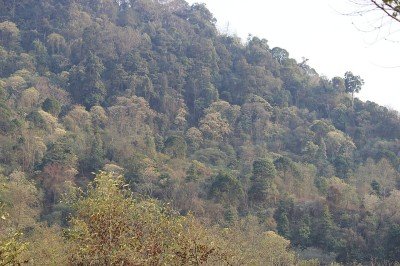 The Kiphire Baptist Church stands as a prominent landmark and the central religious institution in the district headquarters. Christianity plays a pivotal role in the lives of the people of Kiphire, and this church serves as a gathering point for the Sangtam, Yimkhiung, and Sumi tribes who reside in the town. The church is not just a place of worship but a center for social cohesion, education, and community development. Its architecture is modern yet reflects the local aesthetic, often featuring large halls to accommodate the massive Sunday congregations. The history of the church is tied to the missionary efforts in the early 20th century that transformed the socio-cultural landscape of the region. On Sundays, the town of Kiphire transforms as people in their finest traditional and modern attire flock to the church, creating a vibrant atmosphere of faith and fellowship. The choir performances here are particularly famous, featuring four-part harmonies that resonate through the surrounding hills. For a visitor, the church offers a window into the modern Naga identity—one that balances deep-rooted tribal traditions with a strong Christian faith. The peaceful interior provides a quiet space for reflection amidst the busy life of the district capital. The church also leads various youth programs and social initiatives, making it a cornerstone of the local community's progress and unity.
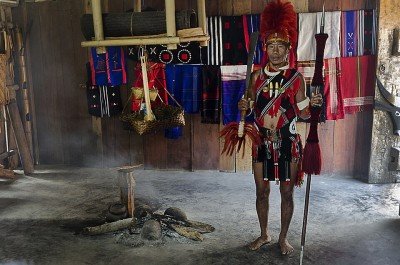 Akhegwo Village is a serene and culturally rich settlement located in the heart of the Kiphire district. This village serves as a vital cultural hub for the Sangtam and Yimkhiung tribes. The village is known for its traditional lifestyle that remains largely untouched by modern urbanization. Visitors can witness the daily routines of the locals which revolve around terraced farming and community weaving. The natural surroundings consist of rolling hills and dense evergreen forests. It offers a peaceful atmosphere for those looking to escape the hustle of city life. The village residents are known for their warm hospitality and deep-rooted traditions. Every corner of the village tells a story of the Naga warriors and their ancestral heritage. It is a place where oral history is still passed down through folk songs. The village serves as a base for many local treks in the region. Tourists can explore the traditional granaries and community halls. The landscape is dotted with colorful flowers during the spring season. It provides a unique glimpse into the sustainable living practices of the Naga people. Exploring Akhegwo Village is like stepping back in time to a simpler era.
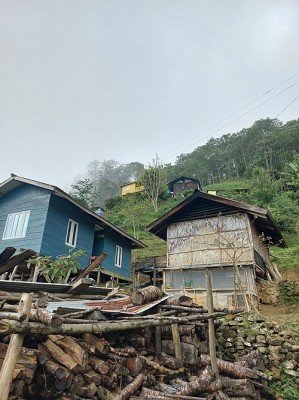 Kisatong Village is a significant cultural hub located near the district headquarters of Kiphire. It is primarily inhabited by the Sangtam Naga tribe and serves as a living museum of their ancient traditions and lifestyle. The village is perched on a ridge, offering panoramic views of the surrounding mountains and the Zungki River valley. Visitors can witness the traditional methods of farming and weaving that have been passed down through generations. The village is known for its hospitality and the preservation of its ancestral heritage, making it a must-visit for those interested in anthropology and cultural tourism. The social structure of the village is tightly knit, with community elders playing a crucial role in maintaining order and tradition. Recent efforts by the local government have introduced eco-tourism initiatives, encouraging homestays where visitors can experience authentic Naga life. The village also acts as a gateway to several trekking trails that lead into the deeper wilderness of the Kiphire hills. The atmosphere is serene, away from the hustle of urban life, providing a peaceful retreat for nature lovers. The lush greenery and the rhythmic sound of traditional activities create a unique ambiance. It is a place where history meets the present, and every stone and path has a story to tell about the resilience and spirit of the Naga people.
 @@A Breathtaking Natural Lookout: Sukhayap, popularly known as Lover's Paradise, is one of the most romantic and thrilling spots in the Kiphire district. It is a massive, steep cliff that towers over the surrounding lowlands, offering a bird's eye view of the landscape. The name "Lover's Paradise" comes from the local folklore and the sheer beauty of the place which makes it a favorite for couples and nature enthusiasts. Reaching the top of the cliff is an adventure in itself, as it involves climbing a sturdy wooden or iron ladder attached to the rock face. Once at the summit, the world seems to open up, with the winding rivers and distant mountains of Myanmar visible on a clear day. The air here is incredibly fresh, and the silence is only broken by the whistling wind. The cliff is surrounded by dense forests that are home to a variety of wild birds and rare plants. It is a place of quiet reflection and immense natural power. The trek from Mimi village to the base of the cliff takes you through beautiful terraced fields and thickets of bamboo. Sukhayap is not just a viewpoint; it is a symbol of the rugged and beautiful terrain that defines eastern Nagaland. For those seeking an offbeat destination away from the usual tourist trails, this cliff offers a perfect blend of thrill and tranquility.
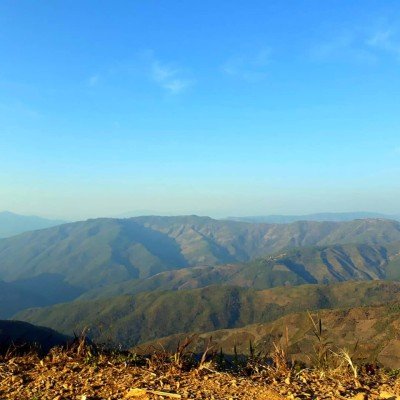 The Likimro River system in the Kiphire district is not just a source of power but also a landscape of incredible natural beauty, featuring hidden waterfalls and limestone caves. Specifically, the area near Salomi village is famous for its extensive cave networks that are believed to be some of the longest in the region. These caves are natural formations, carved over millennia by the action of water on limestone. One of the unique features of the Salomi caves is a specific hole that connects the cave interior directly to the Likimro River. The waterfalls in this region, such as the Wawade waterfall, are spectacular, especially after the rains, with drops exceeding 200 feet. The caves are home to large colonies of bats and various unique insects. Exploring these sites requires a bit of physical effort as the trails can be slippery and steep. The local tribes consider many of these caves to be sacred or inhabited by spirits, adding a layer of mystery to the exploration. The surrounding forest is dense and rich in wildlife, providing a true jungle experience. For those who love spelunking and adventure, this is one of the most exciting locations in Nagaland. The combination of the roaring river, the thundering waterfalls, and the silent, dark caves creates a sensory experience that is both thrilling and humbling.
 @@Introduction to the Heritage Village: The Yimchunger Heritage Village is a specially curated site designed to preserve and showcase the rich cultural tapestry of the Yimkhiung tribe. It serves as a living museum where traditional Naga architecture, art, and lifestyle are meticulously maintained for both the younger generation and tourists. The village features authentic replicas of various tribal structures, including the Morungs, granaries, and chieftain houses, all built using ancient techniques. It is a hub for cultural exchange, where visitors can witness live demonstrations of traditional crafts, folk music, and indigenous cooking methods. Located on a scenic plateau, the heritage village offers stunning views of the surrounding mountains and the Saramati range in the distance. The site is particularly vibrant during tribal festivals, when members from across the district gather to celebrate their shared heritage. It provides an educational experience that goes beyond mere sightseeing, offering deep insights into the social hierarchy, belief systems, and artistic expressions of the Yimkhiung people. The peaceful environment and the smell of ancient wood and thatch create an immersive atmosphere that transports visitors back in time.
 Kemephu is a site of immense historical and spiritual significance, regarded as the legendary parental village where the Yimkhiung (formerly Yimchunger) Naga tribe first settled in large numbers. According to oral tradition, this village once housed 999 households, a testament to its ancient size and influence. The name Kemephu is associated with the misty and dewy conditions of the area; legends say the inhabitants were often covered in dew upon returning from the jungle. Historically, the Yimkhiung people migrated from Southeast Asia through Myanmar, eventually finding this "place of choice." The site serves as a bridge between the tribe's nomadic past and their settled present, holding the collective memory of their ancestors like Shihtomung. Today, it is a place of pilgrimage for those seeking to connect with Naga roots and understand the migration patterns of the Tibeto-Burman tribes. The area is surrounded by lush hills and the Zungki River, providing a serene backdrop to the ancient stone markers and site ruins. Visitors can feel a deep sense of history and mystery while walking through the grounds that once echoed with the sounds of a massive, thriving community. It is a vital spot for cultural researchers and those interested in the ethnographic history of Northeast India.Show All
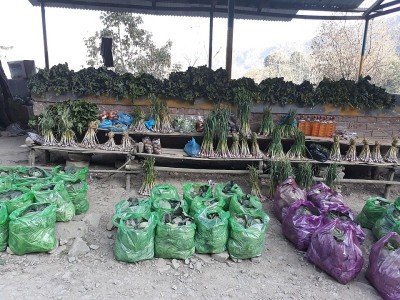 @@The Pinnacle of Learning: Known officially as Zisaji Presidency College, this institution is the premier seat of higher education in the district. Established in 1997, it sits on a sprawling campus in Alikhong, overlooking the lush valleys that stretch toward the Myanmar border. The college serves as a melting pot for students from various remote villages, creating a vibrant atmosphere of youthful energy and intellectual pursuit. Walking through the campus, one can see the dedication of the local community to education, as many of the facilities were built through collective effort. The college offers a unique perspective on the modernizing face of Nagaland, where traditional values meet academic rigor. The library is a quiet haven for students, housing a significant collection of books on regional history and literature. The campus is also a site of social change, as it empowers young men and women from the border districts to compete on a national level. For a visitor, the college provides an opportunity to interact with the local youth and understand their aspirations. The surrounding hills provide a serene backdrop, making the campus feel like a tranquil mountain retreat rather than just an educational building. It is a place of hope and progress, standing as a testament to the resilience of the people in one of India's most remote corners.
Information
-
Why Famous:
Highest Peak: It is famous for Mount Saramati, which stands at 3841 meters. It is the most significant natural landmark in Nagaland. Adventurers come from far to trek to its summit for the breathtaking views.
Fakim Wildlife Sanctuary: Know...Highest Peak: It is famous for Mount Saramati, which stands at 3841 meters. It is the most significant natural landmark in Nagaland. Adventurers come from far to trek to its summit for the breathtaking views.
Fakim Wildlife Sanctuary: Known for its rich biodiversity and rare flora and fauna. It is located near the Myanmar border and is home to many endangered species. It is a key attraction for wildlife enthusiasts and researchers. -
Architecture:
Log Drum Houses: The architecture in the villages features traditional houses that store massive log drums. These drums are carved out of a single tree trunk and are used during festivals. The houses are sturdy and designed to withstand the cold mountain weather. The dime...Log Drum Houses: The architecture in the villages features traditional houses that store massive log drums. These drums are carved out of a single tree trunk and are used during festivals. The houses are sturdy and designed to withstand the cold mountain weather. The dimensions of the log drums are often several meters long.
Hilltop Settlements: Most villages are perched on top of high ridges for strategic reasons. The houses are built closely together with communal spaces in the center. Modern buildings are also appearing, but the traditional layout remains intact. The use of wood and stone is prevalent in the older structures. -
How To Reach:
By Air: The nearest airport is in Dimapur, which is about 250 KMS away. From Dimapur, you can hire a private taxi or take a state transport bus. The journey is long but very scenic.
By Train: Arrive at Dimapur Railway Station and then trav...By Air: The nearest airport is in Dimapur, which is about 250 KMS away. From Dimapur, you can hire a private taxi or take a state transport bus. The journey is long but very scenic.
By Train: Arrive at Dimapur Railway Station and then travel by road. There are no direct trains to Kiphire due to the hilly terrain. The road trip takes about 8 to 10 hours depending on the conditions.
By Road: National Highway 155 connects Kiphire to Kohima and Mokokchung. Regular buses and shared taxis ply on this route. The roads can be challenging, so a sturdy vehicle is highly recommended.
Local Transport: Within the town, shared taxis are the main mode of transport. For visiting remote villages, hiring a private 4x4 vehicle is the best option. Walking is common for moving within the villages. -
Weather and Best Time to Visit:
Autumn Adventure: October to November is perfect for trekking and outdoor exploration. The weather is dry and the visibility is excellent. It is the best time for photography and mountain views.
Winter Chill: December to February is very c...Autumn Adventure: October to November is perfect for trekking and outdoor exploration. The weather is dry and the visibility is excellent. It is the best time for photography and mountain views.
Winter Chill: December to February is very cold but beautiful with snow on the higher peaks. It is a great time for those who enjoy the winter mountain atmosphere. Make sure to carry heavy woolen clothing. -
Near Tourist Places:
Mount Saramati (30km), Fakim Sanctuary (45km), Salomi Caves (20km), Mimi Village (25km), Pungro (35km), Sukhayap Cliff (10km), Wawade Waterfall (15km), Zunheboto (120km), Kohima (250km), Dimapur (320km)
Tourism Tips
-
Travel in Groups: Because of the remote nature of the district, it is safer to travel in a group. Always inform the local authorities or your host before heading out on long treks. Connectivity can be limited in the mountains.
Pack for Cold:Travel in Groups: Because of the remote nature of the district, it is safer to travel in a group. Always inform the local authorities or your host before heading out on long treks. Connectivity can be limited in the mountains.
Pack for Cold: Even in the warmer months, the mountain air is cool. For winter treks, professional-grade cold weather gear is necessary. A good sleeping bag and sturdy trekking boots are essential.
Respect Borders: Since the district shares a border with Myanmar, be mindful of the border protocols. Do not wander into restricted areas without permission. Always carry your identification and permits with you.
Support Local: Purchase local handicrafts and use the services of village guides. This helps the remote communities benefit from tourism. It also ensures you get the most authentic and safe experience.
Reviews
FAQs
Kiphire Itineray And Cost:-
Other Places In Nagaland :-
Other States In India :-
Information about New and Updated Locations() of Nagaland Has Been Added :-
Card subtitle
Note:-
Information provided here in good Faith and for reference only.
Near Places

Dimapur
Some quick example text to build on the card title and make up the bulk of the card's content.
Go somewhere
Dzulekie
Some quick example text to build on the card title and make up the bulk of the card's content.
Go somewhere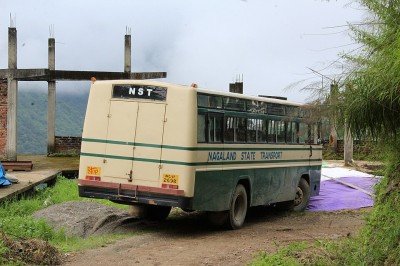
Khonoma
Some quick example text to build on the card title and make up the bulk of the card's content.
Go somewhere
Kigwema
Some quick example text to build on the card title and make up the bulk of the card's content.
Go somewhere
Kiphire
Some quick example text to build on the card title and make up the bulk of the card's content.
Go somewhere
Kohima
Some quick example text to build on the card title and make up the bulk of the card's content.
Go somewhere
Longleng
Some quick example text to build on the card title and make up the bulk of the card's content.
Go somewhere
Meluri
Some quick example text to build on the card title and make up the bulk of the card's content.
Go somewhere
Mokokchung
Some quick example text to build on the card title and make up the bulk of the card's content.
Go somewhere
Mon
Some quick example text to build on the card title and make up the bulk of the card's content.
Go somewhere
Mopungchuket
Some quick example text to build on the card title and make up the bulk of the card's content.
Go somewhere
Nagaland Heritage Village
Some quick example text to build on the card title and make up the bulk of the card's content.
Go somewhere
Niuland
Some quick example text to build on the card title and make up the bulk of the card's content.
Go somewhere
Noklak
Some quick example text to build on the card title and make up the bulk of the card's content.
Go somewhere
Peren
Some quick example text to build on the card title and make up the bulk of the card's content.
Go somewhere
Zunheboto
Some quick example text to build on the card title and make up the bulk of the card's content.
Go somewherein Other Cities