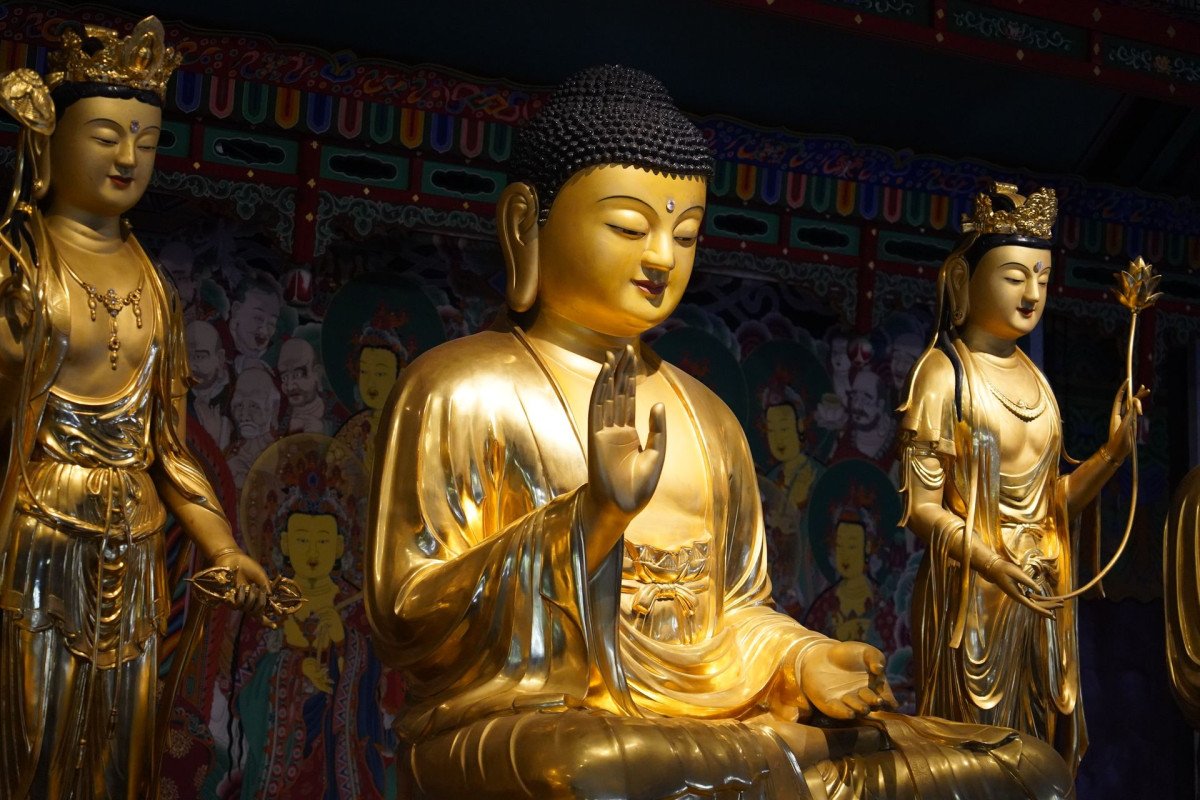
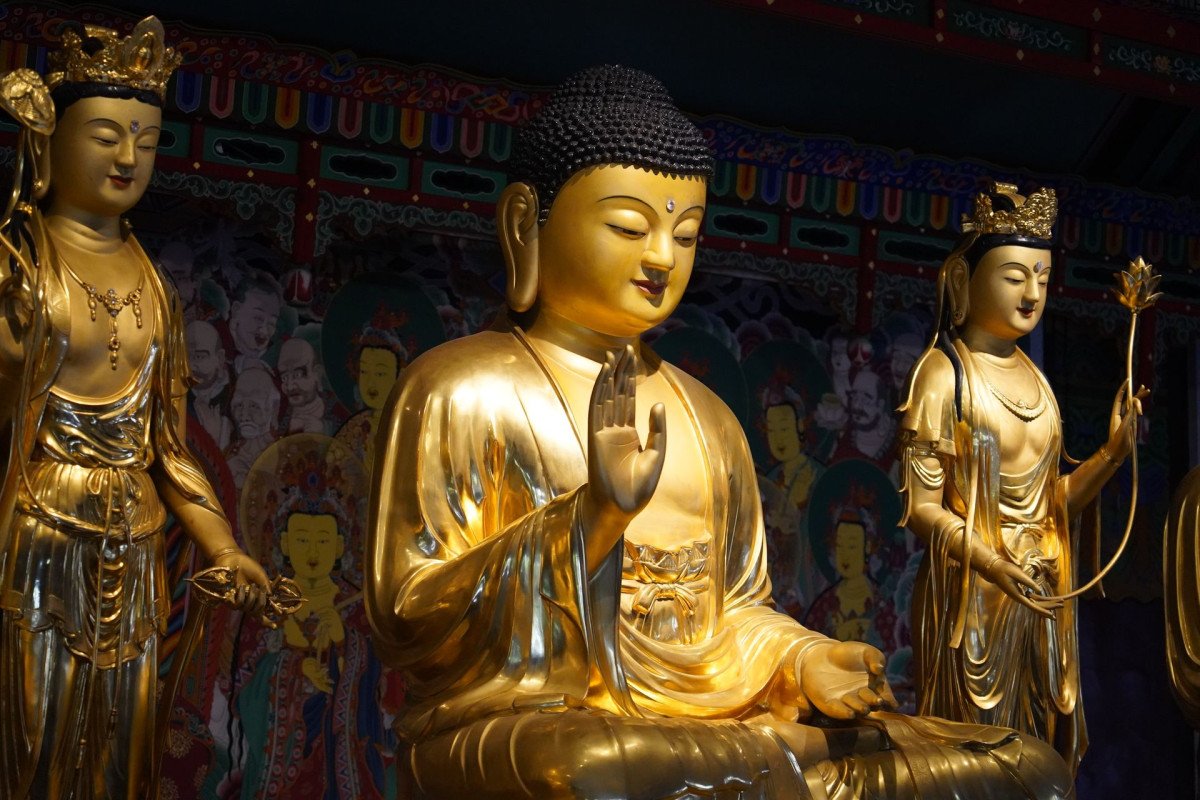
Phyang Monastery
General information
-
Ideal Duration:
2-3 Hours (Excluding Travel Time):Place Type:
Religious Center: Drikung Kagyu Monastery and MuEntry Fees:
Ticket Cost: Generally, a nominal entrance fee (e. g. , approximately Rs.50 per person) for the monastery complex, which sometimes includes the museum visit.
Camera Fees: A small additional charge may apply for still cameras or video cameras. ...Ticket Cost: Generally, a nominal entrance fee (e. g. , approximately Rs.50 per person) for the monastery complex, which sometimes includes the museum visit.
Camera Fees: A small additional charge may apply for still cameras or video cameras.
Local Exemptions: Locals and children often have free or discounted entry.
(Note: The complete of entry fees will be provided in a follow-up response.
):Timing:
Regular Timings: Open daily from 8:00 AM to 1:00 PM and 2:00 PM to 6:00 PM (closed for lunch).
Ideal Visit Time: Morning (8:00 AM to 10:00 AM) for quiet contemplation and the possibility of witnessing morning prayers.
Read MoreRegular Timings: Open daily from 8:00 AM to 1:00 PM and 2:00 PM to 6:00 PM (closed for lunch).
Ideal Visit Time: Morning (8:00 AM to 10:00 AM) for quiet contemplation and the possibility of witnessing morning prayers.
Seasonal Variations: Accessible year-round, but road travel in winter requires caution due to snow/ice.
(Note: The complete of timings will be provided in a follow-up response.
):Special Events:
Gang-Sngon Tsedup Festival (Phyang Tsedup
): The most famous annual event, held on the 2nd and 3rd day of the 6th month of the Tibetan calendar (usually July or August). It features a grand display of sacred mask dances (Chams) performed by the lamas.Gang-Sngon Tsedup Festival (Phyang Tsedup
): The most famous annual event, held on the 2nd and 3rd day of the 6th month of the Tibetan calendar (usually July or August). It features a grand display of sacred mask dances (Chams) performed by the lamas.
Special Teachings: Occasional visits and teachings by high lamas of the Drikung Kagyu tradition attract pilgrims from across the region.
(Note: The complete of special event will be provided in a follow-up response.
):Best Photo Spots:
The Hill Base View: The view from the village or the main road, capturing the entire monastery complex rising dramatically from the hilltop against the backdrop of the mountains.
The Main Courtyard: Shots capturing the colorful prayer flags,...The Hill Base View: The view from the village or the main road, capturing the entire monastery complex rising dramatically from the hilltop against the backdrop of the mountains.
The Main Courtyard: Shots capturing the colorful prayer flags, the central flagpole, and the entrances to the prayer halls.
Interior Frescoes: Details of the ancient, richly colored wall paintings, though often dimly lit, require careful photography to capture their historical detail.
(Note: The complete of photo spots will be provided in a follow-up response.
):Photo Gallery
Things To Do
-
Attend a Prayer Ceremony: Witness the morning or evening prayers of the resident monks in the main prayer hall.
Explore the Museum: Spend time examining the extensive collection of artifacts, thangkas, and ancient weapons.
Walk the Courtyard: Walk through the main courtyard, turning the prayer wheels, and taking in the panoramic valley views.
Studying the Frescoes: Carefully study the ancient wall paintings and murals inside the temples to appreciate the artistic heritage.
Photography: Capture the imposing, palace-like structure from the valley floor and the surrounding landscape.
Visit Phyang Lake: Take a detour to the nearby lake for a peaceful moment and a break from the crowds.Attend a Prayer Ceremony: Witness the morning or evening prayers of the resident monks in the main prayer hall.
Explore the Museum: Spend time examining the extensive collection of artifacts, thangkas, and ancient weapons.
Walk the Courtyard: Walk through the main courtyard, turning the prayer wheels, and taking in the panoramic valley views.
Studying the Frescoes: Carefully study the ancient wall paintings and murals inside the temples to appreciate the artistic heritage.
Photography: Capture the imposing, palace-like structure from the valley floor and the surrounding landscape.
Visit Phyang Lake: Take a detour to the nearby lake for a peaceful moment and a break from the crowds.
Local Interaction: Engage with the local villagers in Phyang village for an authentic cultural exchange.
(Note: The complete of things to do will be provided in a follow-up response.
):
Information
-
Why Famous:
Home of the Drikung Kagyu: Its primary fame rests on being the first monastery in Ladakh to introduce the Drikung Kagyu school of Tibetan Buddhism.
The Phyang Festival: It is famous for hosting the Gang-Sngon Tsedup Festival (or Phyang Tsedu...Home of the Drikung Kagyu: Its primary fame rests on being the first monastery in Ladakh to introduce the Drikung Kagyu school of Tibetan Buddhism.
The Phyang Festival: It is famous for hosting the Gang-Sngon Tsedup Festival (or Phyang Tsedup), a two-day event featuring highly revered sacred mask dances (Chams).
Ancient Museum: Its unique and extensive museum collection of centuries-old artifacts, particularly the ancient weaponry, sets it apart from other monasteries.
(Note: The complete of why famous will be provided in a follow-up response.
): -
Architecture:
Traditional Hilltop Gompa Style: The monastery stands atop a prominent hill, giving it a palace-like appearance, built in the traditional Ladakhi monastic style that favors sturdy stone and mud-brick construction.
Complex Layout: The complex...Traditional Hilltop Gompa Style: The monastery stands atop a prominent hill, giving it a palace-like appearance, built in the traditional Ladakhi monastic style that favors sturdy stone and mud-brick construction.
Complex Layout: The complex consists of several buildings, including the main prayer hall (Du-khang), smaller shrines, a community kitchen, and the monks' residences.
Ancient Fresco Collection: The architecture is important for its preservation of ancient wall paintings and murals, some dating back to the time of its foundation, covering both Buddhist themes and portraits of lamas.
The Museum: A dedicated structure within the complex functions as a museum, showcasing the monastery's vast collection of historical items, including Chinese, Tibetan, and Mongolian firearms and weapons.
The Thangka: The monastery is home to one of the biggest thangkas in Ladakh, occasionally displayed during the main festival.
(Note: The complete of architecture will be provided in a follow-up response.
): -
How To Reach:
By Air: Fly to Kushok Bakula Rimpochee Airport (IXL) in Leh. Then, hire a taxi for the 17 KM journey on the Leh-Kargil Highway.
By Train: Nearest major station is Jammu Tawi (JAT). Continue by road or air to Leh.
Read MoreBy Air: Fly to Kushok Bakula Rimpochee Airport (IXL) in Leh. Then, hire a taxi for the 17 KM journey on the Leh-Kargil Highway.
By Train: Nearest major station is Jammu Tawi (JAT). Continue by road or air to Leh.
By Road: Hire a private taxi from Leh (about a 30-minute drive) on the Leh-Kargil Highway (NH1). State-run buses also ply the route towards Kargil and can drop you off at the main junction, requiring a short walk.
By Local Transport: Shared taxis are readily available from the Leh stand, as it is a frequent local route.
(Note: The complete of how to reach will be provided in a follow-up response.
):Weather and Best Time to Visit:
Summer Season (May to September
): Best time for pleasant weather, open roads, and attending the Phyang Tsedup festival (July/August). Shoulder Seasons (April and October
): Fewer crowds, clearer air, but colder mornings and evenings. ...Summer Season (May to September
): Best time for pleasant weather, open roads, and attending the Phyang Tsedup festival (July/August). Shoulder Seasons (April and October
): Fewer crowds, clearer air, but colder mornings and evenings.
Different Parts of the Day: Morning for spiritual activities, or Late Afternoon for soft light photography.
(Note: The complete of best time to visit will be provided in a follow-up response.
):Near Tourist Places:
Spituk Monastery (10 KMS), Magnetic Hill (13 KMS), Shanti Stupa (18 KMS), Hall of Fame Museum (15 KMS), Leh Palace (17 KMS), Likir Monastery (35 KMS), Alchi Monastery (45 KMS), Sangam (Indus-Zanskar Confluence) (27 KMS), Basgo Monastery (25 KMS), Gurdwara Pathar Sahib (18 KMS):Tourism Tips
-
Health & safety: The altitude is manageable but still requires basic precautions. The climb to the monastery is short but steep; take it slow.
Packing: Dress respectfully when visiting the monastery, covering your arms and legs. Carry a w...Health & safety: The altitude is manageable but still requires basic precautions. The climb to the monastery is short but steep; take it slow.
Packing: Dress respectfully when visiting the monastery, covering your arms and legs. Carry a water bottle and sunglasses.
Accommodation: Stay in a guesthouse in Phyang village for a local experience or make it a day trip from Leh.
Other Topics: Photography inside the temples and museum is often restricted or requires an extra fee.
(Note: The complete of tourism tips will be provided in a follow-up response.
):
Reviews
FAQs
Leh Itineray And Cost:-
Phyang Monastery Tourism:-
Other Places In Leh :-
Other States In India :-
Information about New and Updated Locations() of Ladakh Has Been Added :-
Card subtitle
Note:-
Information provided here in good Faith and for reference only.
Near Places

Gurdwara Pathar Sahib
Some quick example text to build on the card title and make up the bulk of the card's content.
Go somewhere
Hall of Fame
Some quick example text to build on the card title and make up the bulk of the card's content.
Go somewhere
Hemis Monastery
Some quick example text to build on the card title and make up the bulk of the card's content.
Go somewhere
Hemis National Park
Some quick example text to build on the card title and make up the bulk of the card's content.
Go somewhere
Khardungla Pass
Some quick example text to build on the card title and make up the bulk of the card's content.
Go somewhere
Lamayuru Monastery
Some quick example text to build on the card title and make up the bulk of the card's content.
Go somewhere
Leh Palace
Some quick example text to build on the card title and make up the bulk of the card's content.
Go somewhere
Likir Monastery
Some quick example text to build on the card title and make up the bulk of the card's content.
Go somewhere
Magnetic Hill
Some quick example text to build on the card title and make up the bulk of the card's content.
Go somewhere
Nubra Valley
Some quick example text to build on the card title and make up the bulk of the card's content.
Go somewhere
Pangong Tso Lake
Some quick example text to build on the card title and make up the bulk of the card's content.
Go somewhere
Phyang Monastery
Some quick example text to build on the card title and make up the bulk of the card's content.
Go somewhere
Samstanling Monastery
Some quick example text to build on the card title and make up the bulk of the card's content.
Go somewhere
Sankar Monastery
Some quick example text to build on the card title and make up the bulk of the card's content.
Go somewhere
Shanti Stupa
Some quick example text to build on the card title and make up the bulk of the card's content.
Go somewhere
Shey Palace & Monastery
Some quick example text to build on the card title and make up the bulk of the card's content.
Go somewherein Other Cities