
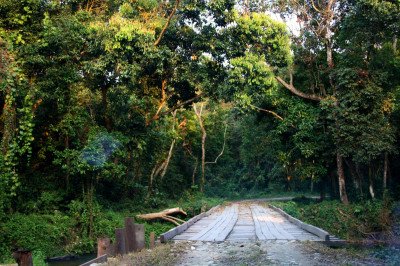
How To Reach Chilapata Forest
How to Reach
Air Travel Gateway and Long Road Transfer: Chilapata is approximately 165 KMS from the airport. Upon landing, you must hire a private taxi or pre-arranged transfer service, as public transport is impractical for this distance. The drive is scenic but long, taking approximately 4. 5 to 5 hours through the Dooars plains. Ensure the taxi driver is familiar with the route past Birpara and Hasimara.
By Train: The most common major railhead is New Jalpaiguri (NJP), about 150 KMS away, offering broad connectivity.
Main Rail Access and Local Station Convenience: However, the far more convenient option is the local station, Hasimara Railway Station, which is only about 10 KMS from the forest entrance. If your train stops here, use it. From NJP, a dedicated taxi takes about 4 hours. From Hasimara, local transport like auto-rickshaws or short-hire taxis can cover the final short distance quickly and affordably.
By Road: Chilapata is accessible via National Highway 17, passing through the major Dooars junction points of Malbazar and Chalsa.
Highway Route via Key Junctions: The road from Siliguri is generally excellent, making the drive comfortable. After crossing the Torsha River near Cooch Behar, the forest approach road is clearly marked. State and private buses operate frequently from Siliguri to Alipurduar or Hasimara town, from where travelers must switch to smaller, localized transport for the final leg.
By Local Transport: From Hasimara or Alipurduar town, the final segment requires localized vehicles.
Last-Mile Connectivity via Totos and Local Cabs: You can find shared vehicles or hire small Totos (electric rickshaws) or dedicated auto-rickshaws. Since the distance from Hasimara is short (10 KMS), this final transfer is relatively cheap. However, if staying at a resort deep on the forest fringe, confirm they offer a pickup service from Hasimara station, as local drivers might not be familiar with all resort locations.
Dooars Itineray And Cost:-
Chilapata Forest Tourism:-
Information about New and Updated Locations() of West Bengal Has Been Added :-
Card subtitle
Note:-
Information provided here in good Faith and for reference only.
All information and pictures will be updated soon, please keep visiting.
Near Places
Bhutanghat
Some quick example text to build on the card title and make up the bulk of the card's content.
Go somewhere
Bindu
Some quick example text to build on the card title and make up the bulk of the card's content.
Go somewhere
Buxa Fort
Some quick example text to build on the card title and make up the bulk of the card's content.
Go somewhere
Buxa Tiger Reserve
Some quick example text to build on the card title and make up the bulk of the card's content.
Go somewhere
Chapramari Wildlife Sanctuary
Some quick example text to build on the card title and make up the bulk of the card's content.
Go somewhere
Chilapata Forest
Some quick example text to build on the card title and make up the bulk of the card's content.
Go somewhere
Gorumara National Park
Some quick example text to build on the card title and make up the bulk of the card's content.
Go somewhere
Jaldapara National Park
Some quick example text to build on the card title and make up the bulk of the card's content.
Go somewhere
Jayanti
Some quick example text to build on the card title and make up the bulk of the card's content.
Go somewhere
Jhalong
Some quick example text to build on the card title and make up the bulk of the card's content.
Go somewhere