Jatinga Village
General information
-
Ideal Duration:
1-2 Days (A full day to explore the village, nearby peaks, and the evening phenomenon).Place Type:
Avian Mystery / Bird Watching / Hill Station VillaEntry Fees:
No General Entry Fee for the Village:Visiting Jatinga Village itself does not require an entry fee. It is a residential village, and travelers are free to walk the streets and enjoy the natural surroundings at no cost. This openness reflects the village’s status as a rem...No General Entry Fee for the Village:Visiting Jatinga Village itself does not require an entry fee. It is a residential village, and travelers are free to walk the streets and enjoy the natural surroundings at no cost. This openness reflects the village’s status as a remote settlement integrated into the regional landscape, not a protected archaeological site or formal park. This means budget travelers can experience the mystery and the scenic beauty without the barrier of an admission ticket. However, ethical consideration must be paid to the residents, and a local guide should be hired to ensure respectful interaction and navigation.
Fees for Associated Activities and Towers:While the village is free, certain facilities or activities may incur charges. If you wish to enter and use the Jatinga Bird Watching Tower for observation, there may be a nominal fee or permit requirement imposed by the Forest Department, particularly during the peak bird phenomenon season (September to November). This fee helps manage the crowds and fund the maintenance and conservation efforts in the area. Additionally, if you opt for a structured birdwatching tour or hire a local ornithologist guide—which is highly recommended for a meaningful experience—you will need to budget for the guide's services, which can range widely depending on the duration. Similarly, any private arrangement for transport or special access to private land will involve costs.
Need for Permits and Guidance:For observers wishing to stay out late to specifically witness the nighttime phenomenon, obtaining a formal permit from the district or forest officials in Haflong may be necessary. Although the village is generally free, respecting these potential fees and the local guiding economy is crucial for a smooth and responsible visit. The total cost of visiting is therefore highly dependent on the type of experience sought.Timing:
Regular Timings:
Open 24 Hours:Jatinga Village is a living, residential village and is, therefore, technically open to visitors 24 hours a day, seven days a week. There is no gate or closing time for the settlement itself. Visitors can expl...Regular Timings:
Open 24 Hours:Jatinga Village is a living, residential village and is, therefore, technically open to visitors 24 hours a day, seven days a week. There is no gate or closing time for the settlement itself. Visitors can explore the village and its surrounding natural landscape at any time. However, travel during daylight hours is highly recommended due to the hilly terrain and low road connectivity, which makes navigating the roads after dark very difficult and potentially unsafe. The tranquil hours of the early morning are perfect for quiet walks and observing local life.
Ideal Visit Time:
The 'Mystery Window':The most popular time to visit is during the "mystery window" when the bird phenomenon is most likely to occur, which is the late monsoon to early post-monsoon period: late August to November. Within this period, the ideal time to be in the village for the event is on dark, moonless, and foggy nights between 7 p. m. and 10 p. m. For general sightseeing, the area is best visited during the Winter months (October to March) when the weather is cool, dry, and pleasant, making trekking and day excursions much more enjoyable. The daylight hours from 9 a. m. to 5 p. m. are ideal for exploring the surrounding hills and the village itself.Special Events:
The Jatinga International Festival (JIF):The Jatinga International Festival is the most significant special event associated with the village, though its regularity can vary. It's often organized to promote tourism and, more critically, to raise conservation awareness, appe...The Jatinga International Festival (JIF):The Jatinga International Festival is the most significant special event associated with the village, though its regularity can vary. It's often organized to promote tourism and, more critically, to raise conservation awareness, appealing to the local populace to shift away from the traditional practice of hunting the disoriented birds during the phenomenon. The festival is typically a vibrant mix of cultural performances, music, and art. It attracts national and regional artists, featuring ethnic tribal dances and music (like the traditional dances of the Dimasa and other local tribes), alongside modern rock concerts. The festival aims to showcase the rich cultural heritage of the Dima Hasao district, giving tourists a taste of local traditions and hospitality.
Tribal Festivals of Dima Hasao:While not exclusive to Jatinga, the village's visit is often timed with the major festivals of the Dima Hasao tribes. The Dimasa tribe, for example, celebrates Bushu with great enthusiasm. This is a post-harvest festival (similar to the harvest festival of the Kacharis), marked by communal feasts, folk songs, and the distinctive Bushu dance. Other key local celebrations include Nchang-bambe, Siami, and Helei-bambe. Attending any of these gives visitors an authentic, unfiltered look into the deep-rooted cultural and agricultural life of the North Cachar Hills, contrasting the natural enigma of the village with the vibrant, celebratory spirit of its people.Best Photo Spots:
The Bird Watching Tower Vantage Point:The dedicated Jatinga Bird Watching Tower, situated on the ridge, is the prime spot for capturing the expansive landscape. From this elevated platform, you can get a sweeping, picturesque shot of the village nestled below, surrounded by...The Bird Watching Tower Vantage Point:The dedicated Jatinga Bird Watching Tower, situated on the ridge, is the prime spot for capturing the expansive landscape. From this elevated platform, you can get a sweeping, picturesque shot of the village nestled below, surrounded by the lush green valleys and the rolling, misty hills of the Borail Range. The structure itself is functional, but the view it provides is stunning, particularly during the early morning mist or just as the sun sets. This spot is essential for capturing the overall atmosphere of the "Valley of Death for Birds" during the high-season months of September to November, especially for photos of the peculiar foggy conditions.
The Serene Hempeupet Peak Sunrise:For landscape photographers, the trek to the Hempeupet Peak offers the best light and compositional opportunities. The peak's elevation (6,000 feet) provides a clear shot above the lower-lying fog. The sunrise from this point is magnificent, casting long shadows and golden light across the multi-layered mountain ranges, creating a dramatic and powerful photo. It’s an ideal spot for wide-angle landscape photography and capturing the incredible silence and scale of the Dima Hasao region.
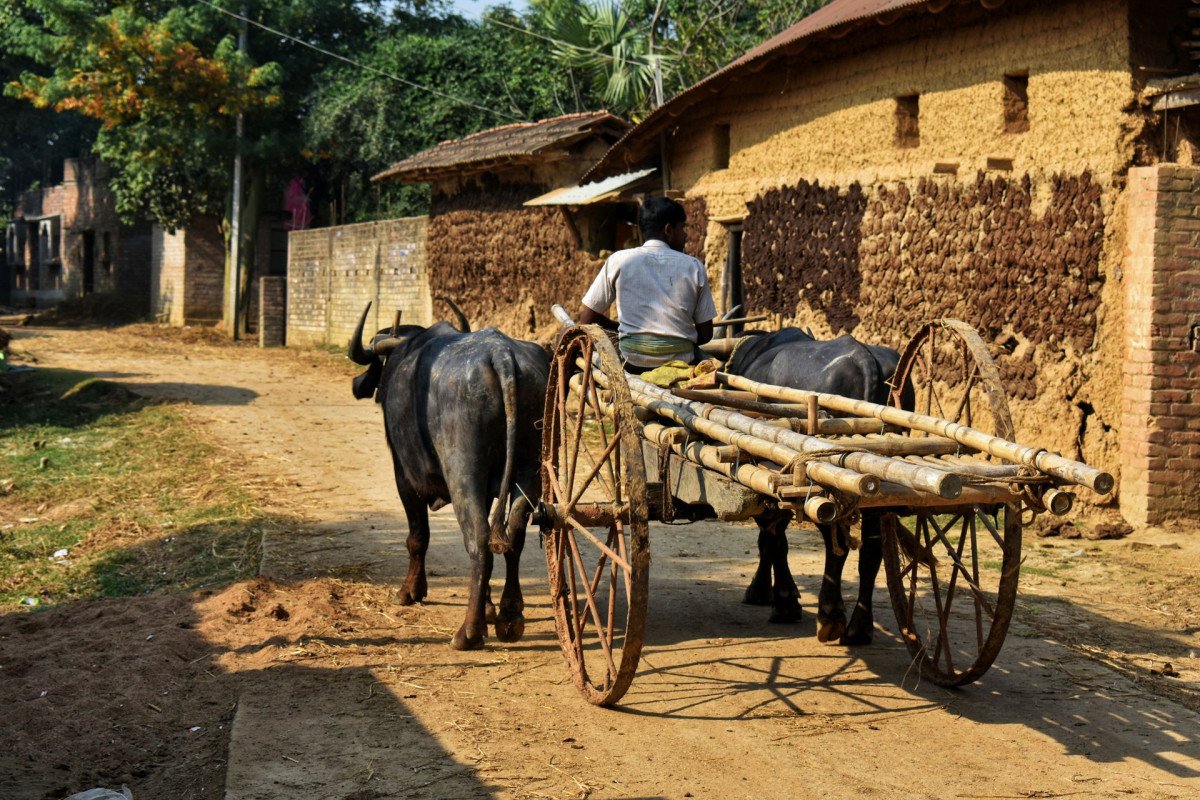
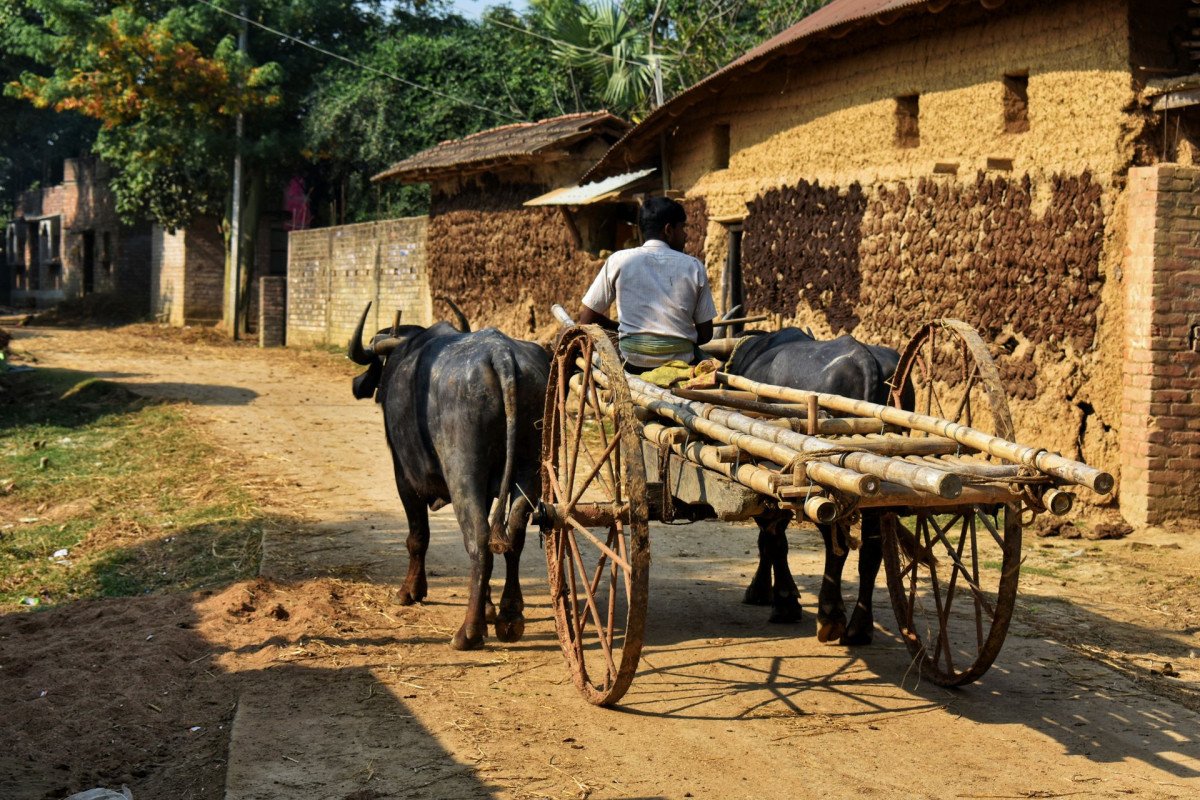
Village Life and Vernacular Architecture:The winding village paths, the traditional houses built with bamboo and wood, and the everyday life of the Khasi-Pnar residents are excellent subjects for cultural and candid photography. Look for the colorful displays of fresh local produce, the intricate cane and bamboo products, and the simple, yet beautiful, designs of the homes. Capturing the warm light filtering through the misty trees or the details of the local people in their environment provides a contrast to the spooky reputation and captures the village's peaceful side. The nearby orange orchards (in season) offer beautiful compositions with vibrant fruit against green foliage.Photo Gallery
Things To Do
-
Witnessing the Avian Phenomenon (September-November):The core activity is to attempt to observe the famous bird mystery. This must be done with great responsibility and often requires prior permission from the local forest department. The ideal time is between 7 p. m. and 10 p. m. on a dark, moonless, and foggy night, typically in September and October. Visitors must approach this with silence and respect for the conservation efforts, focusing on observation rather than interference. The experience, whether you witness the descent or not, offers a unique opportunity to be part of an ongoing scientific enigma.
Bird Watching and Photography During the Day:Even outside the mysterious event window, Jatinga is a stunning location for general bird watching. The village is surrounded by lush forests, making it a great spot to see a variety of Himalayan a...Witnessing the Avian Phenomenon (September-November):The core activity is to attempt to observe the famous bird mystery. This must be done with great responsibility and often requires prior permission from the local forest department. The ideal time is between 7 p. m. and 10 p. m. on a dark, moonless, and foggy night, typically in September and October. Visitors must approach this with silence and respect for the conservation efforts, focusing on observation rather than interference. The experience, whether you witness the descent or not, offers a unique opportunity to be part of an ongoing scientific enigma.
Bird Watching and Photography During the Day:Even outside the mysterious event window, Jatinga is a stunning location for general bird watching. The village is surrounded by lush forests, making it a great spot to see a variety of Himalayan and local species in a peaceful setting. Early mornings are best to catch the dawn chorus and the highest level of bird activity. It’s advisable to hire a local guide who can help identify various bird calls and navigate the dense foliage. Photography enthusiasts will find endless opportunities to capture the misty landscapes, the unique tribal homes, and the colorful avian life.
Trekking to Hempeupet Peak:For adventure lovers, a trek to the nearby Hempeupet Peak (approx. 4 KMS from Jatinga) is a must-do. Standing at about 6,000 feet, it is one of the highest points in the region. The trek itself is through an exotic, natural trail in the Borail Mountain Range, offering a refreshing physical challenge. The reward is a breathtaking, 360-degree panoramic view of the Dima Hasao hills. Plan to start before dawn to witness a stunning, memorable sunrise from the summit, a favorite activity for local tourists.
Exploring Haflong Lake and Town:Since Jatinga is a small village, a visit is often combined with the nearby district headquarters, Haflong (9 KMS away). Haflong Lake, located in the heart of the town, is a picturesque spot ideal for a leisurely day. Visitors can enjoy boating, simple water sports, or a peaceful picnic by the water. The lake also features a scenic hanging bridge. The town of Haflong itself offers local markets, particularly for buying bamboo and cane handicrafts and silk textiles, and a chance to try local Assamese and tribal cuisine.
Experiencing Local Culture and Cuisine:Engaging with the local Khasi-Pnar and Dimasa tribal communities is a rewarding activity. You can respectfully observe their traditional lifestyle, characterized by indigenous architecture and a deep connection to nature. Look for opportunities to sample local delicacies. The Judima rice wine is a specialty of the region, and exploring local eateries in Haflong provides a wider array of ethnic tribal dishes, as well as Chinese and North Indian fare. This cultural immersion offers a deeper appreciation of the region beyond the bird mystery.
Nature Walks and Relaxation:Jatinga's overall environment is one of quiet serenity. Simply taking a slow, long walk through the village's narrow roads, surrounded by misty hills and the scent of orange orchards (in season), is a profoundly relaxing activity. The region is known for its incredible biodiversity, including over 2 lakh varieties of flowers and orchids; a leisurely nature walk is a great way to appreciate this floral wealth. The tranquil setting is perfect for self-reflection or simply enjoying the crisp mountain air.
Information
-
Why Famous:
The Unsolved Avian Mystery:The primary reason for Jatinga's global fame is the puzzling "Bird Suicide Phenomenon," a rare and dramatic natural event that has defied a single, universally accepted scientific explanation for decades. Every year, during the dark, foggy nights ...The Unsolved Avian Mystery:The primary reason for Jatinga's global fame is the puzzling "Bird Suicide Phenomenon," a rare and dramatic natural event that has defied a single, universally accepted scientific explanation for decades. Every year, during the dark, foggy nights of September and October, local and local-migratory birds mysteriously descend rapidly after sunset, leading to collisions and subsequent deaths. This spectacle initially led locals to believe in malevolent spirits, giving it a creepy, supernatural reputation. However, the phenomenon attracted renowned ornithologists like E. P. Gee and Salim Ali, pushing the village onto the world map for scientific inquiry. The recurring nature, confined to a specific time (7 p. m. to 10 p. m. ) and a narrow geographical area (1. 5 KMS strip), has made it a magnet for researchers. The affected species are diverse, including Kingfishers, Indian Pittas, and various herons, with a high proportion of them being juveniles.
Contrasting Scientific Theories:
Scientific theories suggest a cocktail of factors: the area's unique topography creates high-velocity winds that, when combined with dense fog and low visibility, disorients the juvenile birds. Seeking refuge, they are drawn to the village's artificial light sources. The state of daze or trauma from the turbulent flight then makes them easy prey for historical hunting practices by villagers using bamboo poles. The debate between genuine suicidal tendency, environmental disorientation, or human predation keeps the mystery alive, ensuring its continued fame. -
Architecture:
Indigenous Vernacular Architecture and Infrastructure:The architectural makeup of Jatinga Village is characteristic of a remote North-Eastern Indian hill settlement, dominated by practical, vernacular design adapted to the hilly terrain and heavy rainfall. The structures are not monumental but func...Indigenous Vernacular Architecture and Infrastructure:The architectural makeup of Jatinga Village is characteristic of a remote North-Eastern Indian hill settlement, dominated by practical, vernacular design adapted to the hilly terrain and heavy rainfall. The structures are not monumental but functional, typically featuring houses built with local materials like bamboo, timber, and corrugated iron sheets for roofing, which is crucial for the region's intense monsoon season. The village is situated along a narrow ridge, which dictates a linear settlement pattern. Houses are often elevated on short stilts or plinths to protect against moisture and to maintain level floors on the slopes. The overall architecture is simple and organic, harmonizing with the surrounding lush hills. The village's infrastructure is minimal, consisting mainly of narrow, winding roads connecting the houses. The critical architectural addition related to its fame is the Bird Watching Tower, a functional observation post built by the forest department to allow researchers and tourists to witness the phenomenon. The structure of this tower is simple, designed for utility rather than aesthetic grandeur, providing a safe, elevated vantage point. It often includes an interpretation center with informative plaques and photographs of the affected bird species (e. g. , Kingfishers, Tiger Bitterns, Indian Pitta, Little Egrets). The village itself is small, with a population of around 2,500 people, and its architecture reflects this modest scale, emphasizing resilience and integration with the environment rather than large, complex builds. Dimension-wise, the phenomenon itself is spatially defined: it occurs only in a strip of about 1. 5 KMS long and 200 meters wide, highlighting a precise geographical or topographical influence over the birds' disorientation, a feature that scientists study closely. -
How To Reach:
From Haflong (The Local Transport Hub):Jatinga is conveniently located just about 9 KMS from Haflong, the district headquarters. The most common and simple way to reach Jatinga is by hiring a local taxi, a private cab, or an auto-rickshaw from Haflong town. The journey is ...From Haflong (The Local Transport Hub):Jatinga is conveniently located just about 9 KMS from Haflong, the district headquarters. The most common and simple way to reach Jatinga is by hiring a local taxi, a private cab, or an auto-rickshaw from Haflong town. The journey is short, scenic, and takes approximately 15Rs.20 minutes. Shared jeeps or sumos, common local transport, may also ply the route.
By Air:The nearest major airport to Jatinga is Silchar's Kumbhirgram Airport (IXS), which is approximately 104 KMS away. Silchar has flights connecting it to major Indian cities like Guwahati and Kolkata. From Silchar, one must hire a cab or take a local bus to Haflong, a journey that can take 3Rs.4 hours due to the hilly terrain. Another viable but more distant option is Guwahati's Lokpriya Gopinath Bordoloi International Airport (GAU), which is about 330 KMS away. From Guwahati, one can proceed by train or an overnight bus to Haflong.
By Train:The railway is a scenic and popular way to reach the area. The nearest station to Jatinga is New Haflong Railway Station (NHLG), which is just about 6 KMS away. This station is well-connected to major railway junctions like Lumding (approx. 60 KMS) and also has trains running to Silchar and Guwahati. The train journey through the hills is often described as a memorable, picturesque experience, passing through many tunnels and valleys. From New Haflong Station, local taxis or auto-rickshaws are readily available for the short drive to Jatinga Village.
By Road:Jatinga is situated near the national highway that connects Haflong to Silchar. The road from Haflong to Jatinga is smooth and well-maintained. For visitors traveling from a major city, the best road approach is from Guwahati (330 KMS) via NH 27, which is a long but scenic drive. Alternatively, coming from Silchar (104 KMS) is much shorter. Regular state and private buses operate between major Assamese cities like Guwahati, Silchar, and Haflong. However, for comfort, a private taxi or cab hire is often recommended, especially for the hilly segments. -
Weather and Best Time to Visit:
For the Bird Phenomenon (Late Monsoon/Early Autumn):The absolute best time to visit specifically for the avian mystery is from late August to late November, with the peak period being the dark, moonless nights in September and October. During this time, the weather is often foggy and misty, which, ...For the Bird Phenomenon (Late Monsoon/Early Autumn):The absolute best time to visit specifically for the avian mystery is from late August to late November, with the peak period being the dark, moonless nights in September and October. During this time, the weather is often foggy and misty, which, combined with high winds, creates the atmospheric conditions necessary for the birds' disorientation. The phenomenon occurs specifically in the evening, between 7 p. m. and 10 p. m.
For General Sightseeing (Winter Season):For general tourism, including trekking, nature walks, and exploring Haflong, the best time is the cool and pleasant Winter Season, from October to April. The average temperature is comfortable, ranging from 10Rs.C to 25Rs.C. The skies are generally clearer, offering crisp, spectacular views of the Borail Hills, and the environment is ideal for outdoor activities like trekking to Hempeupet Peak.
Different Parts of the Day:Morning is ideal for peaceful walks, bird watching, and capturing the landscape photography of the mist-shrouded valleys. Afternoon is best for traveling to nearby attractions like Haflong Lake or for the trek up to a vantage point. The Evening (post-sunset) is the only time to attempt to witness the bird phenomenon. Monsoon Season (June-September) is characterized by heavy rain, making road travel and trekking challenging, though it is the period when the famed event begins. -
Near Tourist Places:
Haflong Lake (9 KMS): A picturesque lake in the heart of Haflong for boating and picnics.
Haflong Hill (10 KMS): Offers great views and a pleasant atmosphere for walks.
Hempeupet Peak (4 KMS): Highest peak in the area for trekking and sunrise views.
New Haflong Railway Station (6 KMS): A photogenic, small hill-railway station.
Maibang (53 KMS): The ancient capital of the Kachari Kingdom, featuring historic stone ruins and the Ramchandi Temple.
Panimoor Falls (40 KMS): A beautiful natural waterfall near the Diyung River.
Umrangso (112 KMS): Known for the NEEPCO Hydel Plant and the nearby Garampani Hot Spring.
Judima Wine Shop (In Haflong): For tasting the local rice wine specialty.
Orchid Garden Haflong (12 KMS): A botanical attraction showcasing local orchids.
Kachari Ruins (48 KMS - Near Maibang): Historical site with remnants of the kingdom.
Tourism Tips
-
Health & Safety:
Navigating the Hills:The terrain is hilly, and roads can be winding, especially during the monsoon. Always hire an experienced local driver for travel between Haflong and Jatinga. For trekking to spots like Hempeupet Peak, ...Health & Safety:
Navigating the Hills:The terrain is hilly, and roads can be winding, especially during the monsoon. Always hire an experienced local driver for travel between Haflong and Jatinga. For trekking to spots like Hempeupet Peak, wear sturdy shoes and carry enough water. If attempting to observe the nighttime phenomenon, carry a powerful flashlight, but be mindful of using it responsibly—light is what disorients the birds. Since the event happens after dark, it's safer to have accommodation booked in Haflong and arrange a taxi for a late-night return.
Packing Essentials:
Weather and Observation Gear:Pack layered clothing, as the temperature can drop sharply, especially at night and in the winter months. A good quality, waterproof jacket or poncho is essential if traveling during the August to November period. Binoculars and a good camera with a zoom lens are a must for bird watching. Since network connectivity can be patchy, carrying a hard copy map or an offline map download is a good idea. Also, carry basic medicines for motion sickness, common cold, and pain relief.
Accommodation:
Staying in Haflong:Jatinga is a small village with very limited or no formal accommodation options suitable for tourists. The best and most recommended approach is to use Haflong (9 KMS away) as your base. Haflong offers various tourist lodges, government guest houses, and budget hotels. Book your accommodation well in advance, especially if visiting during the peak bird-mystery months of September and October.
Other Tips:
Respect and Conservation:Crucially, be a responsible tourist. The "bird suicide" event is now viewed as an unfortunate mass mortality event, and conservation is key. Never interfere with the birds or use bright lights/flashes to attract them. It is highly recommended to hire a local guide or a guide sanctioned by the Forest Department, as they provide the most accurate, science-based information and ensure you are being respectful of the phenomenon and the local community. Always ask for permission before photographing people or their homes. Carry enough cash, as digital payment infrastructure may be unreliable.
Reviews
FAQs
Haflong Itineray And Cost:-
Information about New and Updated Locations() of Assam Has Been Added :-
Card subtitle
Note:-
Information provided here in good Faith and for reference only.
Near Places
Barail Range Forest
Some quick example text to build on the card title and make up the bulk of the card's content.
Go somewhere
Bendao Baglai Waterfalls
Some quick example text to build on the card title and make up the bulk of the card's content.
Go somewhere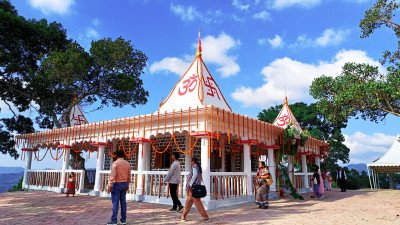
Devi Mandir View Point
Some quick example text to build on the card title and make up the bulk of the card's content.
Go somewhere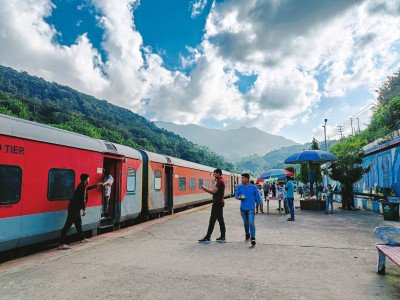
Dima Hasao Town
Some quick example text to build on the card title and make up the bulk of the card's content.
Go somewhere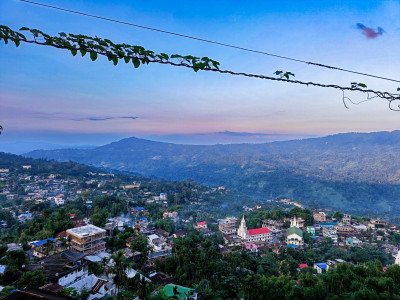
Dima Hasao View Point
Some quick example text to build on the card title and make up the bulk of the card's content.
Go somewhere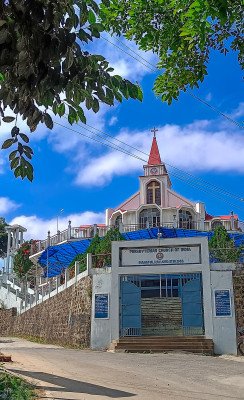
Fiangpui Presbyterian Church
Some quick example text to build on the card title and make up the bulk of the card's content.
Go somewhere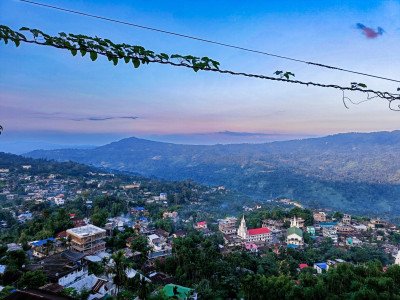
Full Town View
Some quick example text to build on the card title and make up the bulk of the card's content.
Go somewhere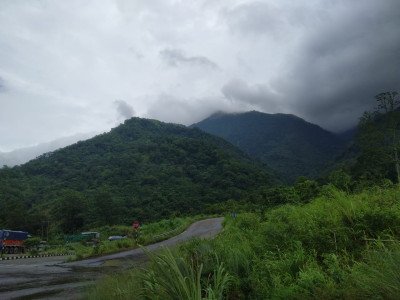
Haflong Hill
Some quick example text to build on the card title and make up the bulk of the card's content.
Go somewhere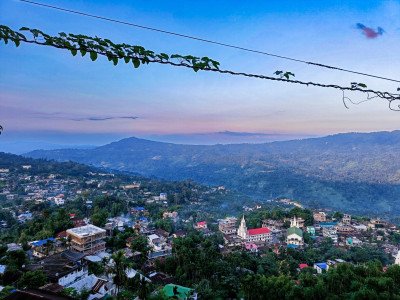
Haflong Hill View Point
Some quick example text to build on the card title and make up the bulk of the card's content.
Go somewhere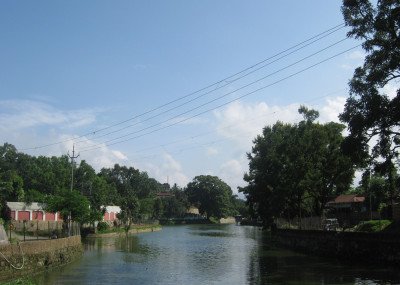
Haflong Lake
Some quick example text to build on the card title and make up the bulk of the card's content.
Go somewhere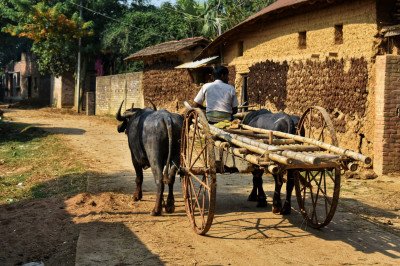
Jatinga Bird Watching Tower and Samparidisa Village
Some quick example text to build on the card title and make up the bulk of the card's content.
Go somewhere
Jatinga Bird Watching Tower
Some quick example text to build on the card title and make up the bulk of the card's content.
Go somewhere
Jatinga Village
Some quick example text to build on the card title and make up the bulk of the card's content.
Go somewhere
Maibong
Some quick example text to build on the card title and make up the bulk of the card's content.
Go somewhere
Majangdzi Hading
Some quick example text to build on the card title and make up the bulk of the card's content.
Go somewhere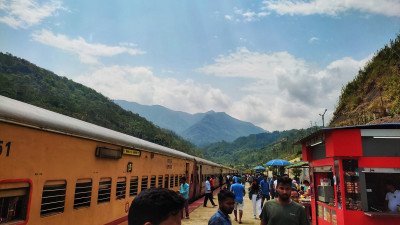
New Haflong Railway Station
Some quick example text to build on the card title and make up the bulk of the card's content.
Go somewherein Other Cities