Kalachand Temple
General information
-
Ideal Duration:
30 Minutes to 45 Minutes.Place Type:
Historical/Architectural.Entry Fees:
ASI Ticket System: Covered by the same single composite ticket issued by the ASI (purchased at Rasmancha or the first protected site).
Fee for Indian Nationals: Approximately Rs.25 to Rs.30 (single ticket for multiple sites).
Read MoreASI Ticket System: Covered by the same single composite ticket issued by the ASI (purchased at Rasmancha or the first protected site).
Fee for Indian Nationals: Approximately Rs.25 to Rs.30 (single ticket for multiple sites).
Fee for Foreign Nationals: Approximately Rs.300 (single ticket for multiple sites).Timing:
Regular Timings: Generally 6:00 AM to 6:00 PM daily, following the ASI guidelines.
Ideal Visit Time: Early morning, when the structure is bathed in soft sunlight, highlighting the stone's color and texture. ...Regular Timings: Generally 6:00 AM to 6:00 PM daily, following the ASI guidelines.
Ideal Visit Time: Early morning, when the structure is bathed in soft sunlight, highlighting the stone's color and texture.Special Events:
As the temple does not house an active deity, no major religious festivals are held here. It is primarily a site for historical and architectural appreciation. ...As the temple does not house an active deity, no major religious festivals are held here. It is primarily a site for historical and architectural appreciation.Best Photo Spots:
The Towering Shikhar: Position your camera to capture the height and silhouette of the shikhara (pinnacle), which is the most defining feature of the Eka-Ratna style.
Texture Close-ups: Take detailed photos of the laterite stone surface to h...The Towering Shikhar: Position your camera to capture the height and silhouette of the shikhara (pinnacle), which is the most defining feature of the Eka-Ratna style.
Texture Close-ups: Take detailed photos of the laterite stone surface to highlight its rugged texture and the faint outlines of the past stucco designs.
Low Angle Shot: A low-angle shot from the base of the platform will emphasize the height and grandeur of the structure.Photo Gallery
Things To Do
-
Architectural Analysis: Focus on how the Eka-Ratna design is implemented in laterite stone. Compare its solidity and mass with the delicate brickwork of temples like Shyam Rai.
Contemplation of Time: Reflect on the temple's history and the impact of time, as this temple, in its weathered state, tells a story of survival and artistic transition.
Circuit of the Complex: Walk around the temple's compound, observing the now-ruined double compound wall, which suggests the original extent of the complex. ...Architectural Analysis: Focus on how the Eka-Ratna design is implemented in laterite stone. Compare its solidity and mass with the delicate brickwork of temples like Shyam Rai.
Contemplation of Time: Reflect on the temple's history and the impact of time, as this temple, in its weathered state, tells a story of survival and artistic transition.
Circuit of the Complex: Walk around the temple's compound, observing the now-ruined double compound wall, which suggests the original extent of the complex.
Hotels
● Ankush Resorts
Address: Bishnupur, West Bengal
Distance: 4.5 km
Details: Ankush Resorts is a standard and comfortable property located in the vicinity of Bishnupur. It offers clean rooms with all the essential amenities, in...
● Bishnupur River Side Resort
Address: Subhas Pally, Bishnupur, West Bengal
Distance: 7.5 km
Details: Bishnupur River Side Resort is a premier resort offering luxury amenities for a sophisticated stay. It features a swimming pool, a multi-cuisine resta...
● Holiday Resort
Address: Chinnamasta Mandir Road, Near Kalachand Temple, West Bengal
Distance: 1.1 km
Details: Holiday Resort is ideally situated just over a kilometer from the historic Kalachand Temple. It offers a tranquil setting with standard rooms equipped...
● Hotel Annapurna
Address: Professors Colony, Bishnupur, West Bengal
Distance: 1.8 km
Details: Hotel Annapurna is a premium 3-star property in Bishnupur. It features a swimming pool, a restaurant, and high-quality room service. The rooms are ele...
● Hotel Olivia and Resort
Address: Near Dalmadal Para, Bishnupur, West Bengal
Distance: 1.2 km
Details: Hotel Olivia and Resort is a convenient 2-star choice located very close to the Kalachand Temple. It offers clean, functional rooms and an on-site res...
● Hotel Sonar Bangla Joypur Forest
Address: Hattola, Joypur Forest, West Bengal
Distance: 9.8 km
Details: Hotel Sonar Bangla Joypur Forest is a luxury resort providing an exceptional stay experience. It includes world-class facilities like a swimming pool,...
● Hotel Suryadeep
Address: Bishnupur Town, West Bengal
Distance: 3.0 km
Details: Hotel Suryadeep is a reliable mid-range hotel offering comfortable accommodation in Bishnupur. The hotel is equipped with amenities like an on-site re...
● Lodge Meghmallar
Address: Bus stand Road, Bishnupur, West Bengal
Distance: 2.4 km
Details: Lodge Meghmallar offers budget-friendly accommodation with easy access to the main attractions of Bishnupur. Facilities include free WiFi, an in-house...
● Monalisa Lodge
Address: Bus stand Road, Bishnupur, West Bengal
Distance: 2.3 km
Details: Monalisa Lodge is a highly accessible budget hotel located on the main Bus Stand Road. It provides essential services like room service, power backup,...
● Resort Jorbangla
Address: Katandhar, Bypass, Bishnupur, West Bengal
Distance: 5.9 km
Details: Resort Jorbangla is a charming resort known for its excellent food and warm hospitality. It provides comfortable, well-furnished rooms with modern con...
Show AllRestaurants
● Bishnupur Bites
Address: Station Road
Distance: 1.5 KM
Details: Bishnupur Bites is a popular hub for students and tourists alike. Their Egg Roll is legendary in the town, filled with fresh vegetables, onions, and s...
Food List: Egg Roll', 'Chicken Roll', 'Veg Roll', 'Cold Drink...
● Bishnupur Heritage Restro
Address: Near Kalachand Temple
Distance: 0.5 KM
Details: This establishment captures the architectural elegance of Bishnupur. The interior is adorned with terracotta motifs. The Must Try is the Beguni, thin ...
Food List: Beguni', 'Puchka', 'Egg Roll', 'Ghughni'...
● Dalmadal Kitchen
Address: Near Dalmadal Road
Distance: 0.8 KM
Details: Named after the famous canon, this restaurant is a local favorite for its authentic Bengali meals. The Must Try is the Chicken Curry which is prepared...
Food List: Chicken Curry', 'Steamed Rice', 'Moong Dal', 'Alu ...
● Grand Bishnupur Restro
Address: Near Subhash Road
Distance: 3.0 KM
Details: A grand venue for special occasions and fine dining. The Must Try is the Mutton Biryani, cooked with long-grain Basmati Rice and perfectly marinated, ...
Food List: Mutton Biryani', 'Chicken Biryani', 'Egg Curry', '...
● Heritage Flavors
Address: Near Rasik Ganj Market
Distance: 1.9 KM
Details: Heritage Flavors specializes in traditional sweet and savory items. The Must Try is the Muri Bhaja, a simple mix of puffed rice with mustard oil and s...
Food List: Muri Bhaja', 'Onion Pakora', 'Tea', 'Nimki'...
Show AllInformation
-
Why Famous:
Architectural Milestone: It is significant for being the earliest known Eka-Ratna temple built with laterite stone in Bishnupur. This established a pattern for later temples like Radhagovinda and Radhashyam.
Royal Patronage: Built by the po...Architectural Milestone: It is significant for being the earliest known Eka-Ratna temple built with laterite stone in Bishnupur. This established a pattern for later temples like Radhagovinda and Radhashyam.
Royal Patronage: Built by the powerful King Raghunath Singha, the same ruler who commissioned the highly ornate Shyam Rai Temple, showcasing the parallel development of two distinct architectural styles (terracotta brick and stucco laterite) during his reign.
Visual Presence: Its towering pinnacle and sturdy laterite construction give it a commanding presence even with the loss of much of its decorative work. -
Architecture:
Architectural Style: Eka-Ratna Style (Single Tower) with Laterite Stone It embodies the Eka-Ratna style, which involves a single central tower atop a square, curved-roof structure. It is believed to be the earliest Eka-Ratna temple built entirely of laterite stone in Bishnu...Architectural Style: Eka-Ratna Style (Single Tower) with Laterite Stone It embodies the Eka-Ratna style, which involves a single central tower atop a square, curved-roof structure. It is believed to be the earliest Eka-Ratna temple built entirely of laterite stone in Bishnupur.
Construction Material: Laterite stone, which is durable and locally available. The rust-colored stone gives the temple a rugged, powerful appearance.
Design Simplicity: The design of the lower storey is based on the thatched-hut style of traditional Bengali architecture (Bangla style). The temple has a circumambulatory corridor around the main shrine.
Doorways and Facade: The structure features three arched openings on each of the four sides. The frontal facade originally contained bas-reliefs, which were later covered with stucco.
Dimensions: The square base of the temple measures approximately 11. 1 meters X 11. 1 meters, and its height is about 9. 2 meters above the platform. -
How To Reach:
-
Weather and Best Time to Visit:
Different Types of Seasons: Winter (October to March) for comfortable outdoor exploration.
Different Parts of the Day: Morning hours for the best visibility of the stone texture. ...Different Types of Seasons: Winter (October to March) for comfortable outdoor exploration.
Different Parts of the Day: Morning hours for the best visibility of the stone texture. -
Near Tourist Places:
1. Radha Madhav Temple (Less than 0.
5 KMS): Nearby laterite temple. 2.
Jor Mandir Temples (Approx 1 KMS): Cluster of three brick temples. 3. Lalji Temple (Approx 1 KMS) 4. Radhashyam Temple (Approx 1. 5 KMS) 5. Rasmancha (Approx 2. 5 KMS)
Tourism Tips
-
Conservation Awareness: Understand that this temple is an ongoing conservation site due to the lost stucco. Appreciate it as a testament to early laterite temple building.
Footwear: Wear sturdy shoes, as the laterite paths and plinth can be...Conservation Awareness: Understand that this temple is an ongoing conservation site due to the lost stucco. Appreciate it as a testament to early laterite temple building.
Footwear: Wear sturdy shoes, as the laterite paths and plinth can be rough.
Reviews
FAQs
Ans:- The historic Kalachand Temple was officially founded in the year 1656 CE according to a well-preserved ancient inscriptional plaque discovered on its facade. It was commissioned by the powerful Malla monarch King Raghunath Singha Dev, who ruled over the Mallabhum kingdom as its 51st sovereign ruler. King Raghunath Singha Dev was a prolific builder responsible for several iconic monuments in Bishnupur, and he established this particular shrine just one year after completing the famous brick-built Jor Bangla Temple.Ans:- The Kalachand Temple holds a highly significant place in architectural history as the earliest surviving example of a laterite-built "Ek-ratna" temple in the entire region of Bishnupur. While later Malla rulers built numerous stone temples throughout the late 17th and 18th centuries, the Kalachand Temple represents the pioneering structural prototype where local laterite stone blocks were successfully used on a large scale to execute the classic single-pinnacled regional style with attached circumambulatory corridors.Ans:- The Kalachand Temple perfectly typifies the traditional Bengal "Ek-ratna" architectural style, which features a square ground-level structure with a single central tower rising above a gently sloping roof. The roof incorporates characteristic curved eaves designed to mimic regional thatched huts, while the square tower or shikhara rises vertically from the center, terminating with a large, traditional ribbed stone disk known as an amalaka at the very top, creating a majestic and balanced holy silhouette.Ans:- The temple is dedicated to Kalachand, which is a popular regional name and manifestation of Lord Krishna, signifying the "dark moon" or the beautiful dark-complexioned deity. The Malla dynasty's state religion was Gaudiya Vaishnavism, and this temple was constructed to house a beautiful sacred image of Krishna. Although the original idol is no longer actively worshipped inside the sanctum today, the structural remnants stand as a powerful testament to the deep Vaishnava bhakti movement.Ans:- The Kalachand Temple is located in the southern archaeological sector of Bishnupur town in the Bankura district of West Bengal. Specifically, it is situated on the scenic southern bank of the famous historical lake and artificial reservoir known as the Lal-bandh. Its convenient geographic placement puts it within easy walking distance or a short toto e-rickshaw ride from several other prominent laterite structures, making it an integral part of the southern monument circuit.Ans:- The south-facing Kalachand Temple is built upon a sturdy, low platform and features a perfectly square layout that measures approximately 11.1 meters in length and 11.1 meters in width. The structure rises to a maximum height of 9.2 meters up to the top of its central shikhara. The inner layout consists of a central garbhagriha or sanctum sanctorum which is completely surrounded by a covered outer corridor or circumambulatory gallery for devotees.Ans:- The exterior walls and pillars of the Kalachand Temple are decorated with beautiful low-relief carvings etched into the laterite blocks. The primary narrative subject matter of these carvings is the Krishna Leela, illustrating various memorable events from Lord Krishna's childhood and youth. In addition to these Vaishnava stories, the bas-reliefs depict several traditional Pauranic deities, ancient ascetics engaged in meditation, contemporary royal court dancers, musicians, and complex arrays of native animals and birds.Ans:- The shikhara, or central tower, of the Kalachand Temple is a stout, square structure that rises gracefully from the middle of the temple's curved, bungalow-style roof. The walls of the tower feature simple horizontal lines and block designs that complement the base structure below. The entire tower tapers slightly as it ascends, culminating in a traditional circular, ribbed stone structural element called an amalaka, which acts as the architectural crown of the entire single-pinnacled Ek-ratna design.Ans:- The Kalachand Temple features a highly symmetric entrance plan with three distinct arched openings provided on all four sides of its exterior structure. These multi-cusped arches are supported by heavy, square laterite pillars that are decorated with linear geometric borders and basic bas-relief panels. The arches lead directly into the covered outer corridor that wraps around the central inner sanctum, allowing ancient devotees to perform their ritual circumambulation while remaining completely protected from sun and rain.Ans:- Yes, the Kalachand Temple is officially included on the UNESCO World Heritage Site's Tentative List, having been added in the year 1998 as part of the collective group of historic temples in Bishnupur. This international recognition highlights its outstanding cultural value, unique regional design, and historical significance as a pioneering laterite structure. The listing underscores the global importance of preserving these distinct medieval landmarks of eastern India.Ans:- The Kalachand Temple is currently preserved and maintained as a protected archaeological monument under the direct administration of the Archaeological Survey of India (ASI) with the official reference code IN-WB-12. The ASI conducts regular maintenance work to clear wild vegetation, repair weather-damaged laterite joints, prevent structural water logging during monsoons, and maintain the beautiful green lawns that surround the monument, ensuring its long-term physical survival.Ans:- The choice of local laterite stone gives the Kalachand Temple a highly distinct, rugged texture and a warm, reddish-brown color palette that contrasts sharply with the smooth, deep red appearance of Bishnupur's brick-terracotta temples. Laterite contains a high iron content, which hardens over time when exposed to air. Because the stone is naturally coarse and full of tiny pits, the carvings are noticeably broader, simpler, and less intricate than brick terracotta, giving it a heavy appearance.Ans:- The Kalachand Temple is open to the public daily throughout the year from sunrise to sunset, with standard visiting hours generally running from 6:00 AM to 6:00 PM. The best time to visit is during the early morning when the air is cool and peaceful, or during the late afternoon when the low sun casts long shadows across the laterite facade, beautifully highlighting the depth of the ancient low-relief carvings.Ans:- When examining the temple's facade, visitors should pay close attention to the base rows of the pillars and the spaces above the entrance arches. Here, one can discover fascinating details of medieval Bengali life, including tiny carvings of traditional dancers in distinct poses, musicians playing ancient instruments, domestic animals, and small narrative panels showing Krishna interacting with his friends, which offer an invaluable glimpse into the cultural and social environment of the 16th-century Malla kingdom.Ans:- The Kalachand Temple contributes immensely to Malla heritage by standing as a physical monument to the kingdom's resourcefulness and artistic independence. By utilizing locally abundant laterite stone instead of relying entirely on clay bricks, King Raghunath Singha proved that royal architecture could adapt to regional geography. Its long-lasting construction helped preserve the artistic records of Gaudiya Vaishnavism, cementing Bishnupur's historical identity as a major artistic and religious capital of medieval eastern India.Bishnupur Itineray And Cost:-
Kalachand Temple Tourism:-
Information about New and Updated Locations() of West Bengal Has Been Added :-
Card subtitle
Note:-
Information provided here in good Faith and for reference only.
Near Places
Acharya Jogesh Chandra Museum
Some quick example text to build on the card title and make up the bulk of the card's content.
Go somewhere
Big Stone Gateway
Some quick example text to build on the card title and make up the bulk of the card's content.
Go somewhere
Bishnupur Mela Ground
Some quick example text to build on the card title and make up the bulk of the card's content.
Go somewhere
Bishnupur Rajbari
Some quick example text to build on the card title and make up the bulk of the card's content.
Go somewhere
Chhinnamasta Temple
Some quick example text to build on the card title and make up the bulk of the card's content.
Go somewhere
Dalmadal Cannon
Some quick example text to build on the card title and make up the bulk of the card's content.
Go somewhere
Garh Darwaja
Some quick example text to build on the card title and make up the bulk of the card's content.
Go somewhere
Gokul Chand Temple
Some quick example text to build on the card title and make up the bulk of the card's content.
Go somewhere
Hadal-Narayanpur
Some quick example text to build on the card title and make up the bulk of the card's content.
Go somewhere
Jhilimili & Sutan Forest
Some quick example text to build on the card title and make up the bulk of the card's content.
Go somewhere
Jor Bangla Temple
Some quick example text to build on the card title and make up the bulk of the card's content.
Go somewhere
Jor Mandir Complex
Some quick example text to build on the card title and make up the bulk of the card's content.
Go somewhere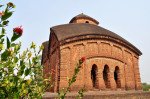
Jorbangla Temple
Some quick example text to build on the card title and make up the bulk of the card's content.
Go somewhere
Joypur Forest
Some quick example text to build on the card title and make up the bulk of the card's content.
Go somewhere
Kalachand Temple
Some quick example text to build on the card title and make up the bulk of the card's content.
Go somewhere
Kamarpukur
Some quick example text to build on the card title and make up the bulk of the card's content.
Go somewherein Other Cities