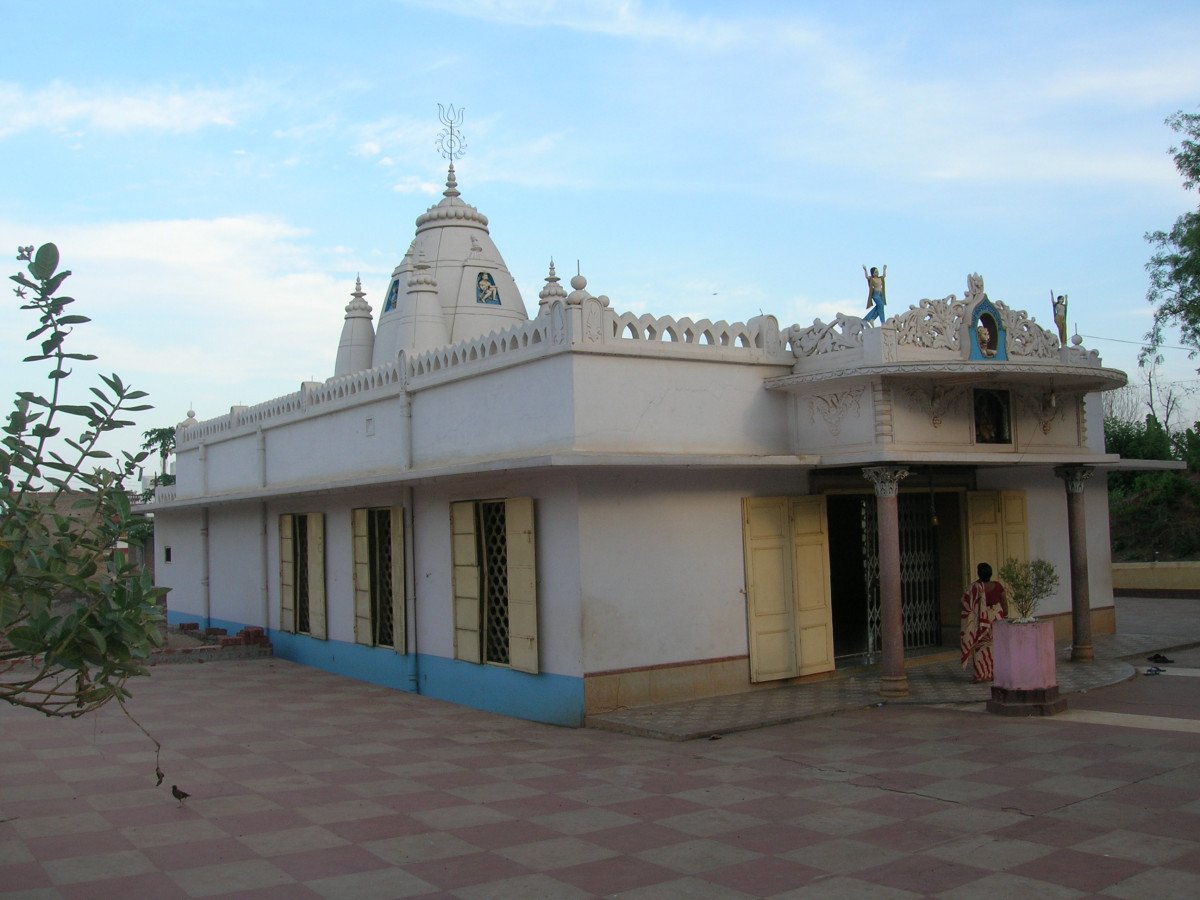
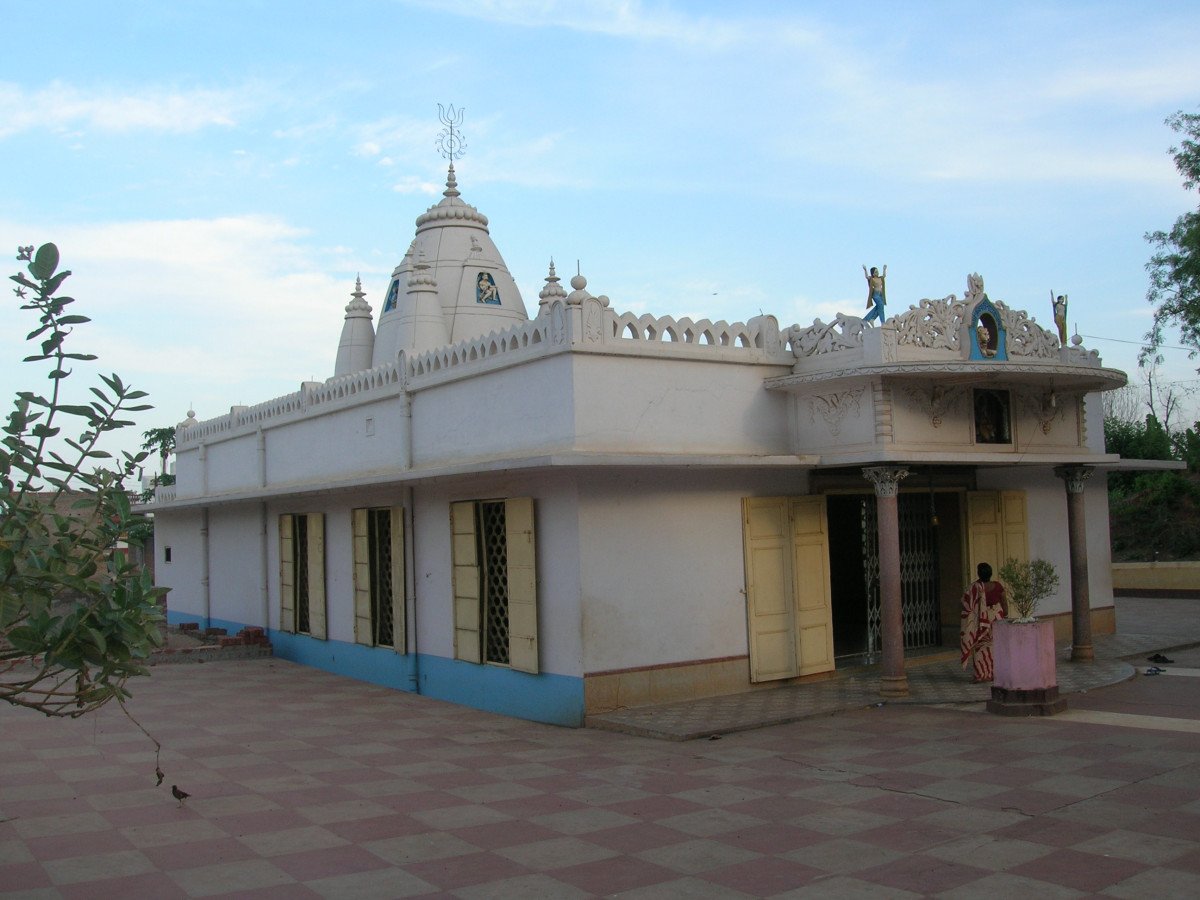
Chhinnamasta Temple
General information
-
Ideal Duration:
30 minutes (for darshan/worship) to 1 hour (for detailed exploration).Place Type:
Hindu Temple, Tantric Site, Active Place of WorshiEntry Fees:
Official Entry Fee Status: The Chhinnamasta Temple is an active, modern place of worship managed by a private trust/family and is NOT a ticketed monument under the Archaeological Survey of India (ASI). Therefore, there is NO entry fee for general visitation or worship (Dars...Official Entry Fee Status: The Chhinnamasta Temple is an active, modern place of worship managed by a private trust/family and is NOT a ticketed monument under the Archaeological Survey of India (ASI). Therefore, there is NO entry fee for general visitation or worship (Darshan).
Puja (Worship) and Offering Costs: While entry is free, visitors are expected to respect the practice of donations or purchasing offerings (Puja Samagri) if they wish to perform a specific ritual or seek a special blessing.
Offerings: Small baskets of flowers, incense, and sweets can be purchased from stalls outside for a nominal fee (Rs. 20 - Rs. 100).
Donations (Dakshina): There are clearly marked donation boxes for voluntary contributions towards the temple's maintenance and the daily upkeep of the deity.
Special Ritual Charges: For special services, such as a full-fledged Mundan ceremony or a new vehicle blessing (Vahan Puja), a fee is paid to the temple or the performing priest to cover the cost of materials and the priest's service. These fees are set locally.Timing:
Regular Timings (Daily Operations): The temple is open daily, usually from Early Morning (6:00 AM) for the first aarti and rituals, and remains open until the evening aarti and closing, usually around 8:00 PM to 9:00 PM, with a possible brief closure period in the midday (e....Regular Timings (Daily Operations): The temple is open daily, usually from Early Morning (6:00 AM) for the first aarti and rituals, and remains open until the evening aarti and closing, usually around 8:00 PM to 9:00 PM, with a possible brief closure period in the midday (e. g. , 1:00 PM to 4:00 PM) after the main midday offering (Bhog). Always check locally for the precise midday closure time.
Ideal Visit Time (Spiritual Atmosphere): The ideal time to visit is during the two main aartis: Morning Aarti (6:00 AM - 7:00 AM) This time is highly recommended for experiencing the pure spiritual energy, intense chanting, and the local devotional practices before the day's crowds arrive. Evening Aarti (6:30 PM - 7:30 PM) A powerful time, especially after sunset, when the temple is illuminated by lamps, enhancing the mystical and Tantric atmosphere of the worship.Special Events:
Maha Ashtami and Sandhipuja: The temple is the site of a very special religious fervor during the annual Durga Puja in the Bengali month of Aswin (September-October). The Goddess Chhinnamasta is considered a form of Durga. The most important event is the Sandhipuja (the ju...Maha Ashtami and Sandhipuja: The temple is the site of a very special religious fervor during the annual Durga Puja in the Bengali month of Aswin (September-October). The Goddess Chhinnamasta is considered a form of Durga. The most important event is the Sandhipuja (the junction between Ashtami and Navami), which is considered the peak moment of the festival. This is a time of intense Tantric ritual, where the ferocious aspect of the Goddess is propitiated, drawing devotees from across the region.
Amavasya (New Moon) Rituals: As a Tantric site, the Amavasya (New Moon) nights are highly significant, particularly the Bhut Chaturdashi Amavasya before Kali Puja. During this time, the temple hosts special, prolonged nightly worship and fire rituals (homa). This atmosphere is completely different from the regular daily worship and is often attended by local Tantriks and spiritual seekers.
Annual Temple Anniversary: The temple's establishment day or the main deity's installation anniversary is marked with a special, full-day program, including a Kirtan (devotional music) performance, a religious procession, and a communal feast (Bhog), which celebrates the local communitys devotion to the Goddess.Best Photo Spots:
The Deity's Shrine (Exterior): A respectful shot of the temple's exterior, showcasing the main structure and its colourful ornamentation (respect temple rules regarding photography of the idol).
Read MoreThe Deity's Shrine (Exterior): A respectful shot of the temple's exterior, showcasing the main structure and its colourful ornamentation (respect temple rules regarding photography of the idol).
Focus: The main doorway or a plaque displaying the Goddess's image.
Technique: Use a medium-range lens to frame the entire facade, often including the devotees' offerings of red flowers in the foreground to convey the vibrancy of the worship.
The Dalmadal Cannon and Temple: The view where the massive, dark iron cannon and the colourful temple spire are framed together.
Focus: The symbolic contrast between the cold, hard metal of the cannon (war/defense) and the vibrant colours of the temple (faith/devotion).
Technique: A wide-angle lens is essential here to capture both large objects together in the composition. The shot should highlight the historical-religious synergy of the location.
Devotional Offerings and Atmosphere: A close-up of the ritual elements outside the temple.
Focus: The large brass bowls of red Hibiscus flowers, burning incense, and the hands of devotees ringing the bells or tying sacred threads.
Technique: Use a shallow depth of field to keep the flowers or hands sharp while blurring the background temple, capturing the detail and the devotional mood.Photo Gallery
Things To Do
-
Attend the Morning/Evening Aarti (Ritual): Experience the intense spiritual atmosphere of the temple during the daily ritual of Aarti (worship with lamps).
Observation: Observe the local customs of worship, including the chanting and the offering of red Hibiscus flowers, which are sacred to the Goddess.
Devotional Immersion: While observing from a respectful distance, soak in the devotional energy of the local people. This is a chance to see a living religious tradition in a modern temple setting.
Iconography and Symbolism Study: Spend time studying the idol of Goddess Chhinnamasta (as permitted by the temple's rules).
The Three Streams: Contemplate the symbolism of the three jets of bloodoften interpreted as the three Gunas...Attend the Morning/Evening Aarti (Ritual): Experience the intense spiritual atmosphere of the temple during the daily ritual of Aarti (worship with lamps).
Observation: Observe the local customs of worship, including the chanting and the offering of red Hibiscus flowers, which are sacred to the Goddess.
Devotional Immersion: While observing from a respectful distance, soak in the devotional energy of the local people. This is a chance to see a living religious tradition in a modern temple setting.
Iconography and Symbolism Study: Spend time studying the idol of Goddess Chhinnamasta (as permitted by the temple's rules).
The Three Streams: Contemplate the symbolism of the three jets of bloodoften interpreted as the three Gunas (Sattva, Rajas, Tamas) or the three channels of energy (Ida, Pingala, Sushumna) in the body.
The Severed Head: Reflect on the meaning of the self-decapitationthe ultimate act of transcending the ego and self-sacrifice for the sustenance of the universe.
Visit the Dalmadal Cannon and Temple Garden: The temple is located in a cluster with the famous Dalmadal Cannon.
The Cannon: Inspect the massive, centuries-old iron cannon, which is almost 4 meters long, and read the plaque to understand its role in defending the town from the Marathas.
The Garden: The temple often has a small, well-maintained garden area, which provides a tranquil contrast to the intensity of the worship inside the shrine.
Interaction with Priests and Local Devotees: Engage respectfully with the temple's custodians or local worshippers.
Local History: Politely ask the temple priest about the temple's history, the specific reason for its establishment in Bishnupur, and any unique local traditions related to the worship of Chhinnamasta.
Tantric Tradition: If you are a serious spiritual traveler, inquire about the significance of the local Tantric practices associated with the temple (note: such information is often sensitive and may not be publicly shared).
Ritual Participation (Vehicle Blessing): If you are traveling by a private car or bike, consider participating in the local tradition.
Car Puja: Have your vehicle blessed by the priest. This unique local custom is a memorable experience and a sign of respect for the local beliefs.
Restaurants
● Babu Moshai Hotel and Restaurant
Address: Dalmadal Para, Bishnupur, West Bengal 722122
Distance: 0.3 KM
Details: Babu Moshai Hotel and Restaurant is a legendary stop in Bishnupur famous during Durga Puja in October. The kitchen focuses on authentic spicy curries ...
Food List: Mutton Kasha', 'Chicken Curry', 'Tawa Roti', 'Egg ...
● BFC Bishnupur
Address: Dalmadal Road, Dalmadal Para, Bishnupur, West Bengal 722122
Distance: 0.2 KM
Details: BFC Bishnupur offers quick service fast food options right in Bishnupur for travelers exploring heritage sites in September. It is renowned for mouth-...
Food List: Fried Chicken', 'Chicken Roll', 'Crispy Wings', 'C...
● Cha Coffee O Kobitai
Address: Dalmadal Para, Chinnamasta Road, Bishnupur, West Bengal 722122
Distance: 0.1 KM
Details: Cha Coffee O Kobitai is an artistic cafe located close to Chhinnamasta Temple in Bishnupur, bustling during February. It serves aromatic beverages and...
Food List: Kulhad Tea', 'Special Coffee', 'Fish Fry', 'Paneer...
● Grihini Family Restaurant
Address: 388C+C6M, Dalmadal Para, Bishnupur, West Bengal 722122
Distance: 0.25 KM
Details: Grihini Family Restaurant provides a relaxed and comforting environment in Bishnupur especially for winter tourists visiting in November. It specializ...
Food List: Bengali Veg Thali', 'Katla Fish Thali', 'Shukto', ...
● HUNGRY
Address: Dalmadal Road, Dalmadal Para, Bishnupur, West Bengal 722122
Distance: 0.15 KM
Details: HUNGRY is a cozy and welcoming restaurant near Chhinnamasta Temple in Bishnupur, drawing heavy crowds during January. It delivers budget-friendly yet ...
Food List: Crispy Chicken', 'French Fries', 'Chicken Biryani'...
Show AllInformation
-
Why Famous:
The Ferocious Deity and Tantric Cult: The temple is famous for enshrining Goddess Chhinnamasta, one of the most powerful and feared of the Mahavidyas. This deity's iconography of self-decapitation is rare and deeply symbolic, representing life, death, and regenerat...
The Ferocious Deity and Tantric Cult: The temple is famous for enshrining Goddess Chhinnamasta, one of the most powerful and feared of the Mahavidyas. This deity's iconography of self-decapitation is rare and deeply symbolic, representing life, death, and regeneration. As a recognized site of Tantra, it attracts devotees and spiritual practitioners specifically interested in this esoteric branch of Hinduism, making it distinct from the purely Vaishnavite devotion of the Malla-era temples.
Location and Historical Context:
Its location is strategic: positioned near the iconic Dalmadal Cannon and close to the historical Malla temple cluster. This proximity makes it a mandatory stop for all tourists, providing a modern religious continuity to the ancient history of the region. The juxtaposition of the fierce Goddess's shrine with the symbol of the kingdom's military defense (Dalmadal Cannon) is a fascinating cultural study.
A Centre for Blessings and Rituals: The temple has a strong local following and is famous among vehicle owners who bring their new vehicles for a ceremonial blessing, believing it brings good luck and ensures a long life for the vehicle. It is also a popular spot for the Mundan (head-shaving) ritual and other community gatherings, indicating its important role as a vibrant, living temple in the modern social life of Bishnupur. -
Architecture:
Architectural Style and Design: The current structure of the Chhinnamasta Temple is a simple, modern example of a Bengali temple structure, built primarily with modern burnt brick and cement mortar, reflecting its 20th-century construction and subsequent renovations. Unlike...Architectural Style and Design: The current structure of the Chhinnamasta Temple is a simple, modern example of a Bengali temple structure, built primarily with modern burnt brick and cement mortar, reflecting its 20th-century construction and subsequent renovations. Unlike the intricate terracotta art of the Malla temples, its focus is on functionality for worship. The design is a small, single-chambered shrine (Eka-Ratna style or a simple flat roof with a small spire) with a small, attached porch (mandapa).
Tantric Importance: The true architectural significance lies in its Tantric symbolism, which can be reflected in its orientation or the layout of its sub-shrines, although the main building is modern. Traditionally, Tantric temples often feature a more austere external design, with the real power and focus residing in the specific installation and arrangement of the deity, the ritual space, and the presence of smaller, subsidiary shrines. This temple has a main shrine for the Goddess and a sub-shrine dedicated to a Shiva Linga, reinforcing its spiritual essence.
Dimension (Estimated/Inferred): The temple is generally described as 'small in size'.
Area: The main sanctum and porch occupy a modest area, estimated at approximately 8 imes 8 meters.
Height: The main shrine would rise to about 8 to 10 meters in a simple tower or spire, consistent with local village temple styles. -
How To Reach:
Spot Located in Place Name: Bishnupur (Town), Bankura District, West Bengal, India.
By Air (Nearest Major Airport): Netaji Subhas Chandra Bose International Airport (CCU) in Kolkata (approx. 150 km). From Kolkata, the journey continues b...Spot Located in Place Name: Bishnupur (Town), Bankura District, West Bengal, India.
By Air (Nearest Major Airport): Netaji Subhas Chandra Bose International Airport (CCU) in Kolkata (approx. 150 km). From Kolkata, the journey continues by train or road.
By Train (The Recommended Option): Bishnupur Railway Station (VSU) provides easy access.
From Kolkata: Regular direct express and passenger trains from Howrah or Shalimar are the most popular method of transport, taking around 4 hours.
By Road (Bus and Car):
From Kolkata: Bishnupur is a 4 to 5-hour drive via the well-maintained road network.
Public Bus: Frequent buses from Kolkata, Bankura, and Durgapur drop passengers at the main Bishnupur Bus Stand.
By Local Transport (Reaching the Temple):
From Bishnupur City Center/Railway Station: The temple is approximately 3. 0 km away, located strategically near the Dalmadal Cannon and the route to the Jor Mandir complex.
E-Rickshaw (Toto) or Cycle Rickshaw: These are the primary local transport methods. The temple is a standard stop on the tourist circuit. The ride is quick (10-15 minutes) and inexpensive.
Walking: A long but pleasant walk from the town center, giving a feel for the local surroundings. -
Weather and Best Time to Visit:
Ideal Season:
Winter (October to March):
Atmosphere: The cool, dry weather is ideal for a pilgrimage or visit, as the intense rituals require focused energy.
Major Festivals:Ideal Season:
Winter (October to March):
Atmosphere: The cool, dry weather is ideal for a pilgrimage or visit, as the intense rituals require focused energy.
Major Festivals: This season encompasses the most significant festivals like Durga Puja/Kali Puja (September/October or October/November) and the Bishnupur Mela (December/January), offering a peak spiritual experience.
Less
Ideal Season:
Summer (April to June):
Challenge: The extreme heat can make standing for long periods during aarti or outside the temple very uncomfortable.
Monsoon Season (July to September):
Benefit: The surrounding landscape is lush and green, and the rains are believed to intensify the spiritual energy of the Goddess. However, be prepared for sudden downpours.
Best Time of Day:
Early Morning (Spiritual Energy): Morning (6:00 AM - 7:30 AM) Highly recommended. Witnessing the day's first rituals is a powerful spiritual experience. The temple environment is calmer, more focused, and less crowded.
Evening (Aarti Time): The second-best time. The temple's atmosphere is elevated during the evening worship, often involving the use of camphor and ghee lamps, which is highly photogenic and deeply moving. -
Near Tourist Places:
Serial No. Place Name Distance from Chhinnamasta Temple (Approx. ) Place Category 1. Dalmadal Cannon 0. 2 km Historical Cannon 2. Jor Mandir Group 0. 5 km Terracotta Temple Cluster 3. Radha Govinda Temple 0. 8 km Terracotta Temple 4. Madan Mohan Temple 2. 5 km Terracotta Temple 5. Shyam Rai Temple (Pancha Ratna) 2. 8 km Terracotta Temple 6. Lalbandh 3. 0 km Historical Lake 7. Rasmancha 3. 5 km Unique Brick Pavilion 8. Pathar Darwaja (Gateway) 3. 0 km Fort Gateway 9. Jorebangla Temple 3. 5 km Terracotta Temple 10. Acharya Jogeshchandra Museum 3. 2 km Archeological Museum
Tourism Tips
-
Health & Safety:
Footwear: You will be required to remove footwear before entering the temple compound. Be mindful of the ground temperature, especially in summer.
Queue Etiquette: Be prepared for a small ...Health & Safety:
Footwear: You will be required to remove footwear before entering the temple compound. Be mindful of the ground temperature, especially in summer.
Queue Etiquette: Be prepared for a small crowd, especially during special festival days. Maintain respectful silence and follow the queue for darshan.
Personal Belongings: Since it is a crowded, active place of worship, be vigilant about your wallets, phones, and bags.
Packing Essentials:
Conservative Attire: Dress modestly as a sign of respectcover shoulders and knees.
Offering Materials: Carry a small bag for purchasing flowers and other offering items outside the temple.
Camera Respect: Be very cautious and respectful when photographing the exterior and absolutely never photograph the main deity or priests without explicit, direct permission.
Accommodation:
Convenience: Many travelers stay near the central town, which allows for a quick ride to the temple either early morning or late evening.
Guesthouses: Consider staying in a local guesthouse near the temple area for an immersive, community-focused experience.
Other Tips (Tantric Respect & Local Integration):
Sacred Space: Remember this is a deeply sacred, living temple with Tantric roots. Approach the site and its rituals with genuine reverence and curiosity, not just as a tourist attraction.
Local Market: Explore the small market area just outside the temple, which sells local religious trinkets, terracotta toys, and other cultural items.
Combined Itinerary: Plan the visit to the Chhinnamasta Temple in conjunction with the nearby Dalmadal Cannon to logically connect the historical and religious narratives of Bishnupur.
Reviews
FAQs
Bishnupur Itineray And Cost:-
Chhinnamasta Temple Tourism:-
Information about New and Updated Locations() of West Bengal Has Been Added :-
Card subtitle
Note:-
Information provided here in good Faith and for reference only.
Near Places
Acharya Jogesh Chandra Museum
Some quick example text to build on the card title and make up the bulk of the card's content.
Go somewhere
Big Stone Gateway
Some quick example text to build on the card title and make up the bulk of the card's content.
Go somewhere
Bishnupur Mela Ground
Some quick example text to build on the card title and make up the bulk of the card's content.
Go somewhere
Bishnupur Rajbari
Some quick example text to build on the card title and make up the bulk of the card's content.
Go somewhere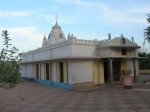
Chhinnamasta Temple
Some quick example text to build on the card title and make up the bulk of the card's content.
Go somewhere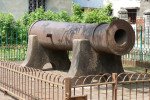
Dalmadal Cannon
Some quick example text to build on the card title and make up the bulk of the card's content.
Go somewhere
Garh Darwaja
Some quick example text to build on the card title and make up the bulk of the card's content.
Go somewhere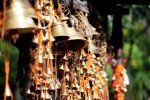
Gokul Chand Temple
Some quick example text to build on the card title and make up the bulk of the card's content.
Go somewhere
Hadal-Narayanpur
Some quick example text to build on the card title and make up the bulk of the card's content.
Go somewhere
Jhilimili & Sutan Forest
Some quick example text to build on the card title and make up the bulk of the card's content.
Go somewhere
Jor Bangla Temple
Some quick example text to build on the card title and make up the bulk of the card's content.
Go somewhere
Jor Mandir Complex
Some quick example text to build on the card title and make up the bulk of the card's content.
Go somewhere
Jorbangla Temple
Some quick example text to build on the card title and make up the bulk of the card's content.
Go somewhere
Joypur Forest
Some quick example text to build on the card title and make up the bulk of the card's content.
Go somewhere
Kalachand Temple
Some quick example text to build on the card title and make up the bulk of the card's content.
Go somewhere
Kamarpukur
Some quick example text to build on the card title and make up the bulk of the card's content.
Go somewherein Other Cities