Acharya Jogesh Chandra Museum
General information
-
Ideal Duration:
1. 5 to 2 hoursPlace Type:
Museum, Cultural, HistoricalEntry Fees:
Standard Ticket Price: The Acharya Jogesh Chandra Museum typically charges a nominal entry fee. While prices are subject to change, the fee is generally very low (often around Rs.10-Rs.20) for Indian citizens. This nominal charge helps with the maintenance and preservation of ...Standard Ticket Price: The Acharya Jogesh Chandra Museum typically charges a nominal entry fee. While prices are subject to change, the fee is generally very low (often around Rs.10-Rs.20) for Indian citizens. This nominal charge helps with the maintenance and preservation of the collection.
Foreign National Fees: The fee for foreign nationals is usually slightly higher than the Indian rate, as is common in government-run museums in India. Visitors should verify the latest rates at the entrance counter, which are usually displayed clearly.
Concessional Rates: Students, researchers, and large educational groups may be eligible for discounted or concessional entry rates. It is advisable for students to carry their valid ID cards to avail of any potential concessions offered by the museum authority.
Photography Charges: Casual photography (without flash) is often free, but sometimes a small separate fee (e. g. , Rs.25-Rs.50) might be charged for still cameras, and a higher fee for video cameras. Commercial photography or professional shoots require prior permission and a higher fee from the Directorate of Archaeology and Museums.Timing:
Regular Timings (Operating Hours): The Acharya Jogesh Chandra Museum is typically open six days a week, from 10:00 AM to 5:00 PM (or occasionally 10:30 AM to 5:30 PM). It is important to note that the museum is usually Closed on Thursdays (or sometimes Wednesdays, please ve...Regular Timings (Operating Hours): The Acharya Jogesh Chandra Museum is typically open six days a week, from 10:00 AM to 5:00 PM (or occasionally 10:30 AM to 5:30 PM). It is important to note that the museum is usually Closed on Thursdays (or sometimes Wednesdays, please verify locally) and on major national holidays.
Ideal Visit Time (Crowd and Climate): The best time to visit is during the Winter Season (October to March) in the Late Morning or Early Afternoon (e. g. , 11:00 AM to 3:00 PM). A midday visit is ideal as it provides a cool, indoor break from the heat of the day, which can be intense in Bishnupur during the summer. Visiting right at opening time can help you avoid any crowds.
Ticket Counter Timing: Ensure you arrive well before the closing time, as the ticket counter often closes 30 minutes to one hour before the museum officially shuts down for the day. Allow a minimum of 90 minutes for a comprehensive tour.Special Events:
Museum Week/Heritage Day Observances: The museum participates in national and state-level celebrations like International Museum Day (May 18) and various Heritage Weeks (often in November or December). During these times, the museum may host special talks, workshops, or tem...Museum Week/Heritage Day Observances: The museum participates in national and state-level celebrations like International Museum Day (May 18) and various Heritage Weeks (often in November or December). During these times, the museum may host special talks, workshops, or temporary exhibitions focused on specific collections, such as the history of the terracotta art or the conservation of manuscripts. These events provide a much richer, educational experience than a regular visit.
Local Scholar Lecture Series: As an academic and cultural hub, the museum occasionally organizes lecture series or seminars featuring local historians, archaeologists, and scholars. These events delve into specialized topics like the Malla coinage, the pre-history of Bankura, or the specifics of the Bishnupur Gharana of music. Attending one of these lectures is a unique opportunity for an in-depth cultural immersion.Best Photo Spots:
The Terracotta Boat Replica: The terracotta boat replica, often displayed near the entrance, is one of the museum's most photogenic and symbolic exhibits. Capture a close-up to highlight the craftsmanship and the fact that terracotta was not only used for temples but for ge...The Terracotta Boat Replica: The terracotta boat replica, often displayed near the entrance, is one of the museum's most photogenic and symbolic exhibits. Capture a close-up to highlight the craftsmanship and the fact that terracotta was not only used for temples but for general art.
The Stone Sculpture Collection: Focus on the ancient stone sculptures, especially those recovered from the Dwarakeswar River. Use low lighting (where permitted) to accentuate the texture and age of the stone. A slight tilt or creative framing can turn these historical artifacts into dramatic photographic subjects.
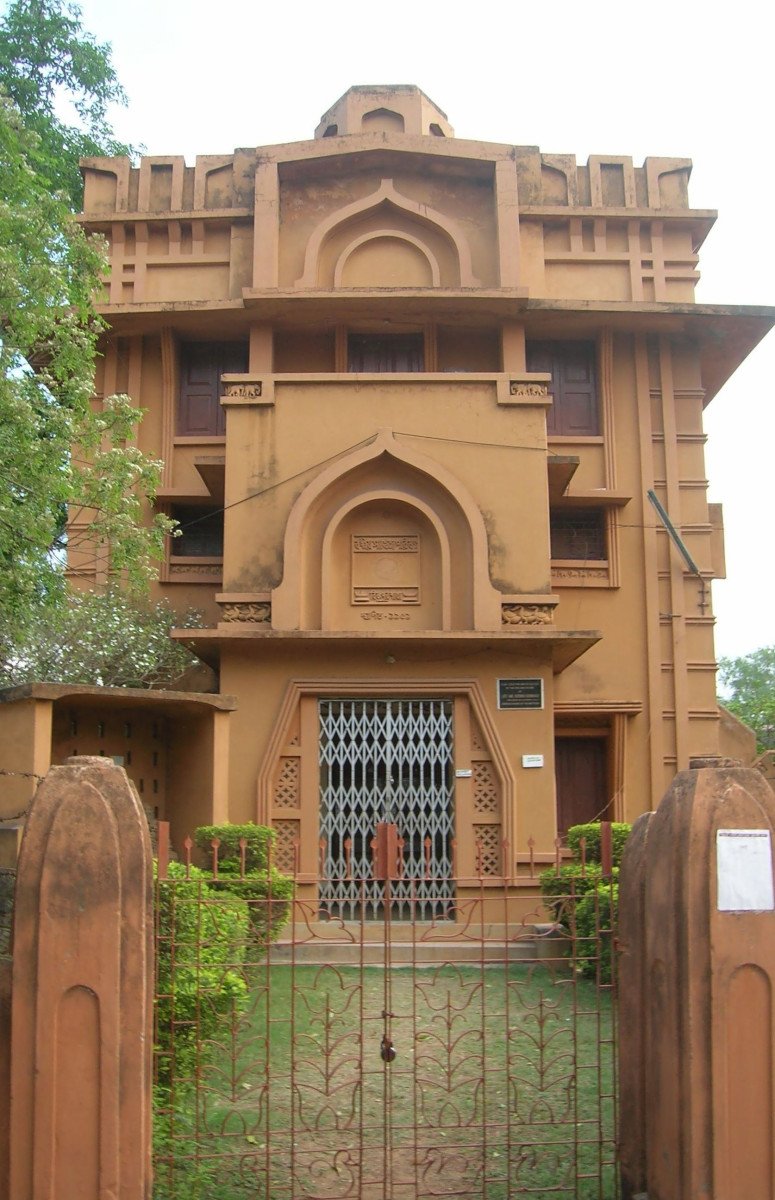
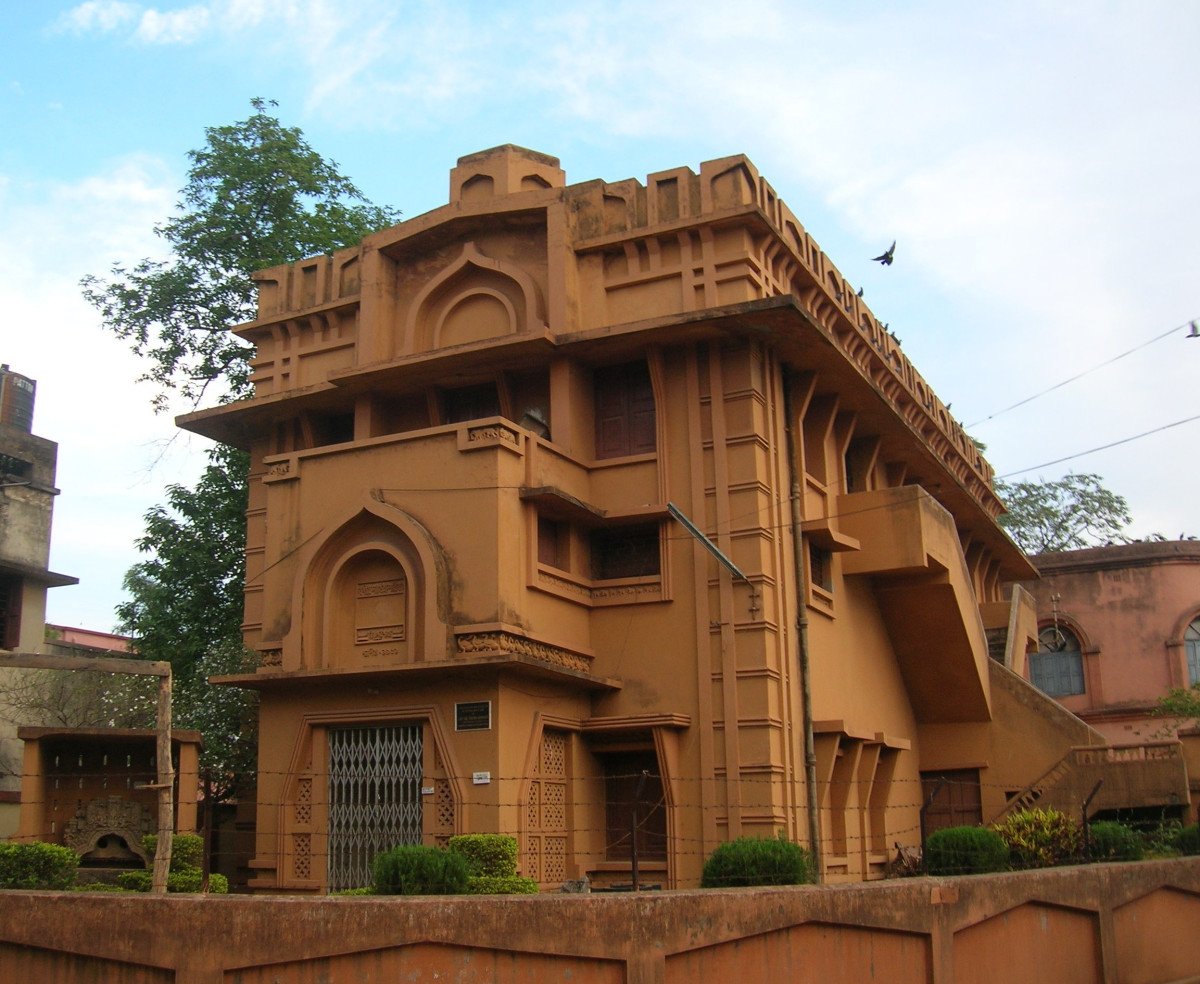
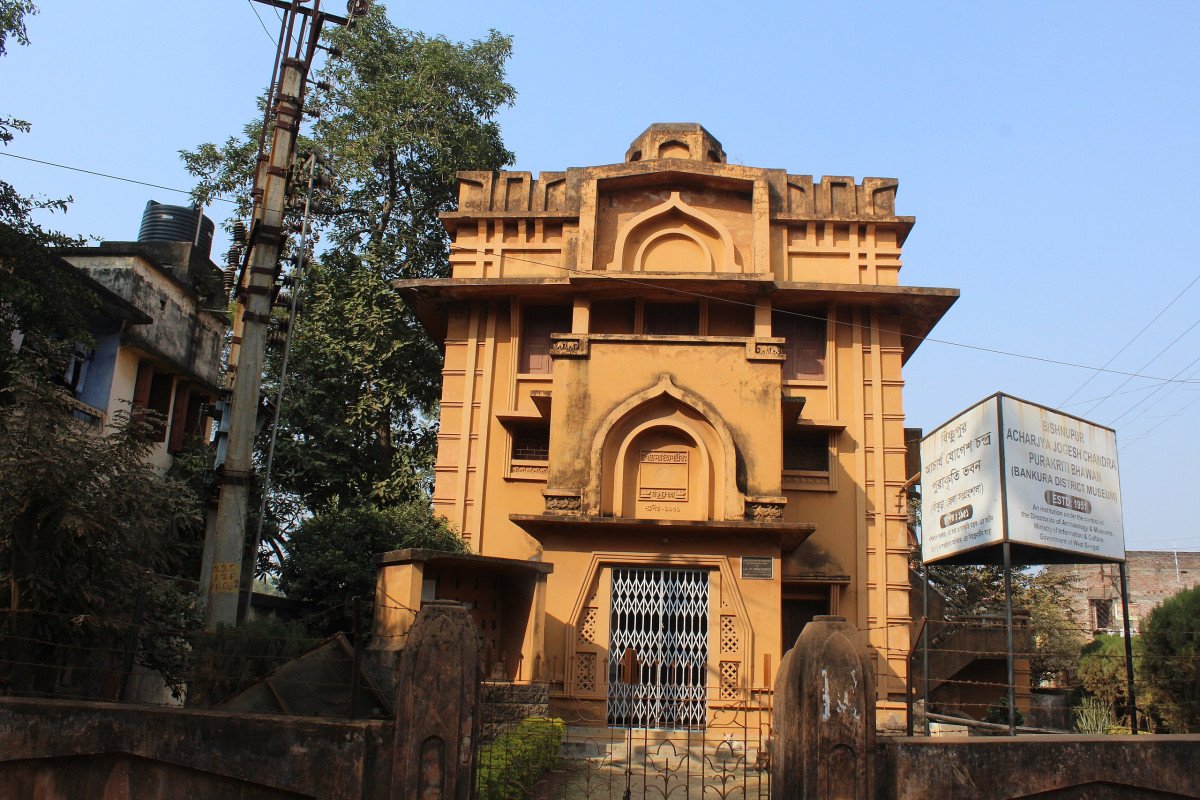
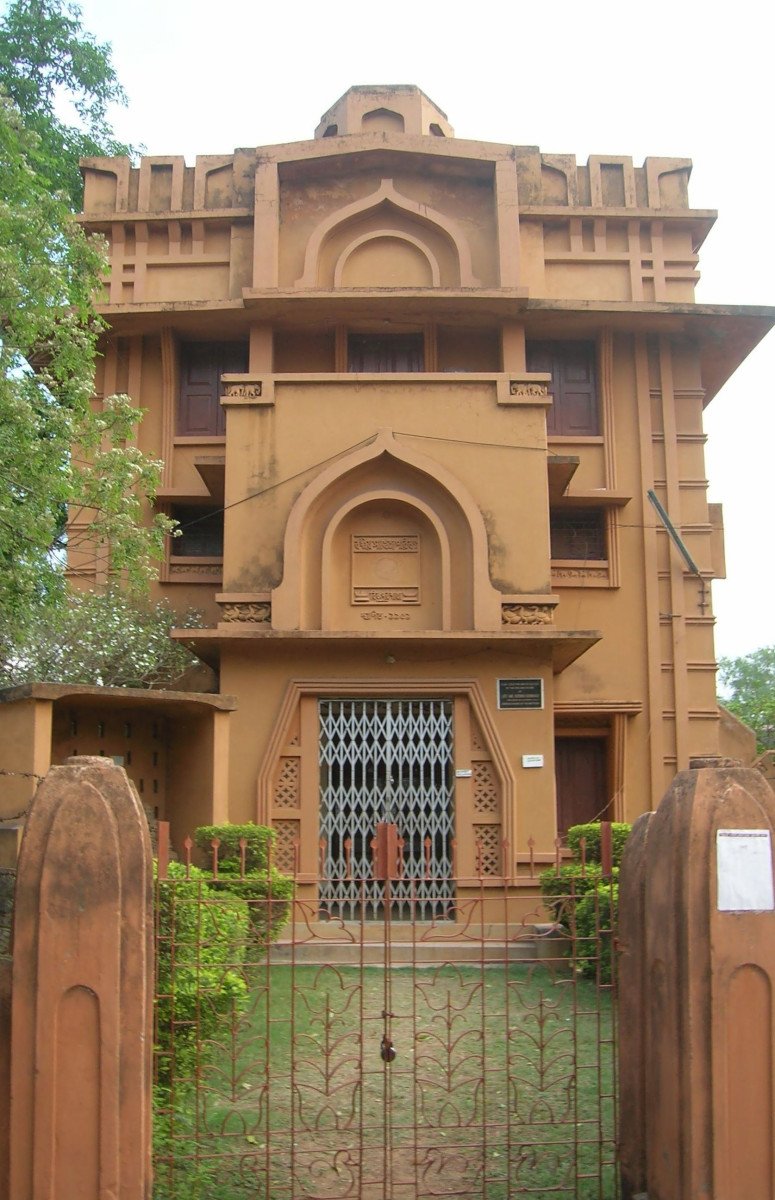
The Museum Facade and Garden: The yellow, double-storied facade of the museum, set against the green of the surrounding garden, makes for an appealing architectural shot. Take an exterior photograph to capture the institution's official look and its peaceful setting.
Thematic Gallery Views: If permitted, capture wide shots of the interior galleries, especially the Music Gallery, to showcase the ambiance and the range of instruments displayed, emphasizing the museum's role as a custodian of diverse heritage.Photo Gallery

Things To Do
-
Immersive Exploration of the Three Galleries: Dedicate specific time to each of the three main galleries: Sculpture, Terracotta, and Music. Start with the Sculpture Gallery to grasp the region's ancient history, move to the Terracotta Gallery to understand the Malla period's artistic zenith, and then finish with the Music Gallery to appreciate the unique cultural contribution of the Bishnupur Gharana. Do not rush the experience.
Study the Terracotta Art and Architecture: Focus on the terracotta exhibits, which provide context to the elaborate carvings seen on the temples outside. Look for the fine details on the plaques and the famous Bankura Horse and Terracotta Boat replica. Try to identify scenes from the Ramayana and Mahabharata on the displayed fragments, connecting them to the larger structures.
Read MoreImmersive Exploration of the Three Galleries: Dedicate specific time to each of the three main galleries: Sculpture, Terracotta, and Music. Start with the Sculpture Gallery to grasp the region's ancient history, move to the Terracotta Gallery to understand the Malla period's artistic zenith, and then finish with the Music Gallery to appreciate the unique cultural contribution of the Bishnupur Gharana. Do not rush the experience.
Study the Terracotta Art and Architecture: Focus on the terracotta exhibits, which provide context to the elaborate carvings seen on the temples outside. Look for the fine details on the plaques and the famous Bankura Horse and Terracotta Boat replica. Try to identify scenes from the Ramayana and Mahabharata on the displayed fragments, connecting them to the larger structures.
Research the Rare Manuscripts: Inquire with the museum staff about the rare manuscripts collection. While the original texts are preserved and may not be viewable, the museum often has photocopies or detailed descriptions. For scholars, this is an opportunity to research the literary and philosophical heritage of Mallabhum.
Photography of Exhibits (Check Rules): The diverse collection offers excellent photographic opportunities. Focus on close-up shots of the ancient stone sculptures to capture their wear and spiritual expression. Always ask the staff about the current rules for photography, especially with flash, to protect the fragile manuscripts and textiles.
Reflection in the Garden: Take a break in the museum's surrounding, well-manicured garden. This peaceful space is ideal for processing the vast amount of historical information you have absorbed and serves as a quiet contrast to the bustling town outside.
Educational Tours and Guide Engagement: If possible, join or inquire about a guided tour led by the museum staff. Their expertise can bring the exhibits, especially the music and sculpture collections, to life with detailed historical and cultural context that may not be obvious from the labels alone.
Purchase Local Souvenirs: Check if the museum has a small shop or a local craft cooperative nearby. This is often the best place to purchase authenticated local crafts, such as miniature terracotta horses or Baluchari Saree designs, supporting the traditional artisans.
Hotels
● Ankush Resorts
Address: Bishnupur, WB
Distance: 2.5 km
Details: Ankush Resorts is a well-established property offering a range of facilities for a comfortable stay. It features a restaurant, clean rooms, and adequa...
● Bishnupur River Side Resort
Address: Bishnupur, WB
Distance: 3.0 km
Details: Bishnupur River Side Resort is a premium choice for those seeking a refreshing escape. It features a beautiful swimming pool, a restaurant, and 24-hou...
● Golden Taste Hotel & Restaurant
Address: Bishnupur, WB
Distance: 1.0 km
Details: Golden Taste Hotel & Restaurant is a practical and budget-friendly choice. It is well-known for its restaurant which serves delicious local and region...
● Hotel Annapurna
Address: Professors Colony, Bishnupur, WB
Distance: 0.8 km
Details: Hotel Annapurna is a well-regarded 3-star property offering a blend of comfort and convenience. Guests can enjoy premium amenities including a refresh...
● Hotel Banalata
Address: Bishnupur, WB
Distance: 2.0 km
Details: Hotel Banalata is a reputable 3-star resort providing a relaxing experience. Facilities include an on-site restaurant, indoor games for recreation, an...
● Hotel Olivia and Resort
Address: Chowgan Heritage School Road, Bishnupur, WB
Distance: 1.5 km
Details: Hotel Olivia and Resort offers a serene atmosphere with budget-friendly rates. This property features comfortable rooms equipped with modern necessiti...
● Hotel Suryadeep
Address: Bishnupur, WB
Distance: 1.3 km
Details: Hotel Suryadeep is a modern hotel offering elegantly designed rooms including various standard and deluxe options. The property features an on-site re...
● Monalisa Lodge
Address: Bus Stand Road, Bishnupur, WB
Distance: 1.2 km
Details: Monalisa Lodge provides budget-friendly accommodation located conveniently near the main bus stand. It features basic facilities such as a functional ...
● New Mukherjee Lodge
Address: Bishnupur, WB
Distance: 0.9 km
Details: New Mukherjee Lodge is a charming mid-range stay known for its warm hospitality and clean environment. Guests enjoy access to an on-site restaurant, 2...
● Resort Jorbangla
Address: Bishnupur, WB
Distance: 1.8 km
Details: Resort Jorbangla offers a peaceful stay near the iconic historical attractions of Bishnupur. It provides clean and spacious rooms with basic facilitie...
Show AllRestaurants
● Bawarchi
Address: 7th Lane, Mayra Pukur, Bishnupur, Bankura
Distance: 0.8 KM
Details: Bawarchi is a well-established dining destination in Bishnupur, offering a sophisticated dining experience with a focus on rich, aromatic gravies. Kno...
Food List: Special Chicken Biryani, Chicken Tandoori, Mutton...
● Cha Coffee O Kobitai
Address: Dalmadal Para, Bishnupur, Bankura
Distance: 0.6 KM
Details: Cha Coffee O Kobitai is a unique, culture-centric cafe that serves as a hub for intellectuals, tourists, and locals alike. The name translates to "Tea...
Food List: Masala Tea, Singara, Chicken Sandwich, Vegetable ...
● Hotel Annapurna Restaurant
Address: Kabiraj Para, Bishnupur, Bankura
Distance: 0.9 KM
Details: Hotel Annapurna Restaurant is famous for its "Thali" system, which offers a comprehensive and affordable way to taste multiple Bengali dishes in one s...
Food List: Veg Thali, Dal, Bhat, Alu Bhaja, Begun Bhaja, Mix...
● Hotel Sneha
Address: Boulapara, Bishnupur, Bankura
Distance: 0.4 KM
Details: Hotel Sneha serves as a convenient and hospitable dining option for those exploring the heritage trail of Bishnupur. The restaurant focuses on serving...
Food List: Egg Curry, Steamed Rice, Aloo Dum, Dal Fry, Mixed...
● Hungry Cafe and Restaurant
Address: Near Anuvab, Poramathi Hath Road, Bishnupur, Bankura
Distance: 0.5 KM
Details: Hungry Cafe and Restaurant is a popular local eatery known for its vibrant atmosphere and diverse menu. Visitors often praise the establishment for it...
Food List: Mutton Kosha, Luchi, Veg Fried Rice, Chili Chicke...
Show AllInformation
-
Why Famous:
Preservation of Mallabhum Culture: The museum is the sole district museum in Bankura dedicated to art and archaeology, making it the definitive repository for the culture of the ancient Mallabhum kingdom. It is famous for preserving artifacts that span millennia, ...
Preservation of Mallabhum Culture: The museum is the sole district museum in Bankura dedicated to art and archaeology, making it the definitive repository for the culture of the ancient Mallabhum kingdom. It is famous for preserving artifacts that span millennia, from Mesolithic microliths to sculptures from the Pala and Gupta periods, providing a complete historical timeline of the region that complements the later Malla dynasty's temples.
Treasury of Rare Manuscripts: A key element of its fame is its extensive and rare collection of nearly 5,000 ancient manuscripts. These include important Vaishnavite texts, notably the 'Chaitanya Charitamrita', and practical texts on subjects like Ayurvedic medicine. This collection is vital for researchers and scholars studying the religious, literary, and scientific history of medieval Bengal, positioning the museum as a significant academic resource.
Showcase of Indigenous Art Forms: The museum is a champion of Bishnupur's unique art and craft traditions. It is particularly famous for its extensive Terracotta Gallery, which proudly displays the world-renowned Bankura Horse, Baluchari Sarees, and various terracotta plaques from temple ruins. Furthermore, the Music Gallery documents the history of the Bishnupur Gharanathe only school of Indian classical music originating from Bengalmaking it a nexus for both visual and performing arts heritage. -
Architecture:
Building Style and Layout: The museum is housed in a distinct, double-storied building, typically painted yellow, reflecting a mid-20th-century colonial or post-colonial institutional style, rather than the traditional terracotta architecture of the Malla era. Its design is...Building Style and Layout: The museum is housed in a distinct, double-storied building, typically painted yellow, reflecting a mid-20th-century colonial or post-colonial institutional style, rather than the traditional terracotta architecture of the Malla era. Its design is functional, built to house and display a large number of artifacts. The structure is well-defined, with the galleries arranged thematically to facilitate an organized visitor flow. A small but well-maintained garden surrounds the museum, enhancing its aesthetic appeal and providing a calm introduction to the historical setting.
Thematic Gallery Arrangement (Dimension and Space): The interior space is systematically divided into main galleries. The largest portion of the ground floor is dedicated to the Sculpture Gallery and the Music Gallery. The Sculpture Gallery displays heavier stone artifacts like the ancient sculptures (dating back to the 10th-12th century), requiring large, sturdy floor space. The Music Gallery showcases the musical instruments of the unique Bishnupur Gharana of Hindustani classical music. The first floor is primarily dedicated to the Terracotta Gallery, which displays lighter, intricate artifacts such as terracotta plaques, replicas, and pottery. The dimensions of the rooms are generally spacious, allowing for easy movement and close inspection of the exhibits.
The Facade and Entry: The entrance often features a decorative element, such as a large terracotta boat replica, which immediately reminds visitors that Bishnupur is synonymous with this indigenous art form. The institutional architecture of the building contrasts sharply with the nearby ancient terracotta temples, offering a modern space for the preservation of antique art, serving as a symbolic link between different eras. -
How To Reach:
By Air: The nearest major airport is Netaji Subhas Chandra Bose International Airport (CCU) in Kolkata (approx. 150-160 KMS). From Kolkata, travelers can take a train or bus to Bishnupur. Once in Bishnupur, the museum is a short ride by local transport.By Air: The nearest major airport is Netaji Subhas Chandra Bose International Airport (CCU) in Kolkata (approx. 150-160 KMS). From Kolkata, travelers can take a train or bus to Bishnupur. Once in Bishnupur, the museum is a short ride by local transport.
By Train: Bishnupur Railway Station (VSU) is the nearest railhead, with regular connectivity from Kolkata (Howrah/Shalimar). From the station, the museum is located in the Dalmadal Para area, approximately 1. 5 KMS away.
By Road: The museum is located in the main part of Bishnupur and is easily accessible by road from Bankura (35 KMS) and Kolkata (approx. 4-5 hours drive). It's close to the Lalbandh area and the Ramananda College More.
By Local Transport: All local transport options, primarily Toto (e-rickshaws) and cycle-rickshaws, know the museum by its full name or simply as the Bishnupur Museum. A ride from any major point in the city (station, bus stand, or major temple) is quick and affordable. -
Weather and Best Time to Visit:
Different Types of Seasons: The most pleasant time to visit the museum is during the Winter Season (October to March), when the climate is cool. The Monsoon (June to September) is also a good time as the museum is an indoor attraction, providing shelter from the rain, and t...Different Types of Seasons: The most pleasant time to visit the museum is during the Winter Season (October to March), when the climate is cool. The Monsoon (June to September) is also a good time as the museum is an indoor attraction, providing shelter from the rain, and the low season may mean fewer crowds.
Different Parts of the Day: The Acharya Jogesh Chandra Museum is perfectly suited for a Midday Visit (between 12 PM and 3 PM). Since the outdoor temple sites of Bishnupur are best visited in the early morning and late afternoon to avoid the heat, a visit to the air-conditioned or cooler museum in the middle of the day serves as a relaxing, informative break. -
Near Tourist Places:
Other Place Name Distance (KMS) Category Dalmadal Cannon Approx. 0. 5 KMS Military Heritage Jor Bangla Temple Approx. 1 KMS Terracotta Temple Chhinnamasta Temple Approx. 0. 8 KMS Temple Lalbandh (Lake) Approx. 1 KMS Natural/Historical Rasmancha Approx. 1. 5 KMS Terracotta Temple Madanmohan Temple Approx. 1. 5 KMS Terracotta Temple Shyam Rai Temple (Pancharatna Temple) Approx. 2 KMS Terracotta Temple Nutan Mahal Approx. 2 KMS Historical Building Pathar Darwaja (Gateway) Approx. 2 KMS Fortification Malleswar Temple Approx. 2. 5 KMS Terracotta Temple
Tourism Tips
-
Health & Safety: The museum is an indoor site, so heat is less of a concern. Be respectful of the exhibits; do not touch the artifacts, especially the manuscripts and textiles, to ensure their preservation. Follow the instructions of the museum staff at all times.
<...Health & Safety: The museum is an indoor site, so heat is less of a concern. Be respectful of the exhibits; do not touch the artifacts, especially the manuscripts and textiles, to ensure their preservation. Follow the instructions of the museum staff at all times.
Packing: Carry a notebook and pen for taking notes, especially for the manuscript and music galleries. A good camera is recommended (check for photo fees). Leave large bags, backpacks, and food/drinks at the security counter, as they are usually not allowed inside the galleries.
Accommodation: The museum's central location in Bishnupur means that many local hotels and lodges are within a short distance. Staying near the town center provides easy access to the museum and the major temple complexes.
Other Different Topics:
Academic Focus: If you are a student or researcher, mention your purpose at the ticket counter; you might get access to special collections (with prior permission).
Combined Itinerary: Plan to visit the nearby Dalmadal Cannon and Chhinnamasta Temple before or after your museum visit, as they are all clustered together in a manageable zone of Bishnupur.
Reviews
FAQs
Bishnupur Itineray And Cost:-
Acharya Jogesh Chandra Museum Tourism:-
Information about New and Updated Locations() of West Bengal Has Been Added :-
Card subtitle
Note:-
Information provided here in good Faith and for reference only.
Near Places
Acharya Jogesh Chandra Museum
Some quick example text to build on the card title and make up the bulk of the card's content.
Go somewhere
Big Stone Gateway
Some quick example text to build on the card title and make up the bulk of the card's content.
Go somewhere
Bishnupur Mela Ground
Some quick example text to build on the card title and make up the bulk of the card's content.
Go somewhere
Bishnupur Rajbari
Some quick example text to build on the card title and make up the bulk of the card's content.
Go somewhere
Chhinnamasta Temple
Some quick example text to build on the card title and make up the bulk of the card's content.
Go somewhere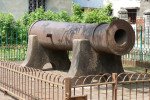
Dalmadal Cannon
Some quick example text to build on the card title and make up the bulk of the card's content.
Go somewhere
Garh Darwaja
Some quick example text to build on the card title and make up the bulk of the card's content.
Go somewhere
Gokul Chand Temple
Some quick example text to build on the card title and make up the bulk of the card's content.
Go somewhere
Hadal-Narayanpur
Some quick example text to build on the card title and make up the bulk of the card's content.
Go somewhere
Jhilimili & Sutan Forest
Some quick example text to build on the card title and make up the bulk of the card's content.
Go somewhere
Jor Bangla Temple
Some quick example text to build on the card title and make up the bulk of the card's content.
Go somewhere
Jor Mandir Complex
Some quick example text to build on the card title and make up the bulk of the card's content.
Go somewhere
Jorbangla Temple
Some quick example text to build on the card title and make up the bulk of the card's content.
Go somewhere
Joypur Forest
Some quick example text to build on the card title and make up the bulk of the card's content.
Go somewhere
Kalachand Temple
Some quick example text to build on the card title and make up the bulk of the card's content.
Go somewhere
Kamarpukur
Some quick example text to build on the card title and make up the bulk of the card's content.
Go somewherein Other Cities