Dalmadal Cannon
General information
-
Ideal Duration:
30 minutes to 1 hourPlace Type:
Historical, Military HeritageEntry Fees:
Free Entry Status: The Dalmadal Cannon is officially classified as a non-ticketed monument under the protection of the Archaeological Survey of India (ASI). There is no separate entry fee to visit and view the cannon. This accessibility is a major benefit for budget travel...Free Entry Status: The Dalmadal Cannon is officially classified as a non-ticketed monument under the protection of the Archaeological Survey of India (ASI). There is no separate entry fee to visit and view the cannon. This accessibility is a major benefit for budget travelers and encourages spontaneous visits.
Photography and Other Charges: While there is no charge for personal photography using mobile phones or standard cameras, visitors should always be aware of potential rules. Commercial photography or videography might require special permits and fees from the ASI, though this is rarely an issue for casual tourists.
Cost-Saving Context: While the cannon itself is free, many of the nearby terracotta temples, such as the Rasmancha and Jor Bangla Temple, are ticketed sites managed by the ASI. The ticket purchased for these monuments is typically a combined ticket valid for most of the major ASI-protected temples in Bishnupur. Therefore, visiting the Dalmadal Cannon can be done at no extra cost, making it a great value historical stop on the heritage trail.Timing:
Regular Timings (Open Air Site): As the Dalmadal Cannon is an outdoor, open-air historical monument mounted on a platform, it is generally accessible to the public from Sunrise to Sunset. There are typically no locked gates or restrictive timings. However, for a proper sig...Regular Timings (Open Air Site): As the Dalmadal Cannon is an outdoor, open-air historical monument mounted on a platform, it is generally accessible to the public from Sunrise to Sunset. There are typically no locked gates or restrictive timings. However, for a proper sightseeing experience, it is best to visit during daylight hours.
Ideal Visit Time (Best Light and Comfort): The best time to visit the cannon is during the early morning (around 8:00 AM to 10:00 AM) or late afternoon (around 4:00 PM to 6:00 PM). The light during these times is softer, which is excellent for photography and avoids the harsh glare and heat of the midday sun, especially during the Summer and Pre-Monsoon months.
Accessibility and Safety Timings: While technically open 24/7, for reasons of personal safety and ease of access via local transport, visitors are advised to stick to the hours between 7:00 AM and 7:00 PM. This ensures that local transport (like the Toto/Auto-rickshaws) is readily available and the area is sufficiently active.Special Events:
Bishnupur Mela (Annual Fair): While the cannon itself does not host a unique religious festival, it plays a historical backdrop role during the annual Bishnupur Mela, typically held around the last week of December to the first week of January. This fair, associated with th...Bishnupur Mela (Annual Fair): While the cannon itself does not host a unique religious festival, it plays a historical backdrop role during the annual Bishnupur Mela, typically held around the last week of December to the first week of January. This fair, associated with the Rasmancha and the heritage of the town, draws attention to all of Bishnupur's historical assets. During this time, the area sees an increased number of cultural performances and historical walks, where the story of the Dalmadal Cannon is a prominent feature, often narrated with great pride. This period is the best time to hear the local oral histories and legends performed live.
Historical Walks and Heritage Programs: Occasionally, local heritage groups or the tourism department might organize special guided historical walks focusing on the military history of Bishnupur. These walks often begin or focus heavily on the Dalmadal Cannon, providing in-depth analysis of the Malla-Maratha wars and the cannon's tactical importance. These programs, which are not fixed annual events but occur sporadically, offer a specialist's view, detailing the logistics of its firing and maintenance.Best Photo Spots:
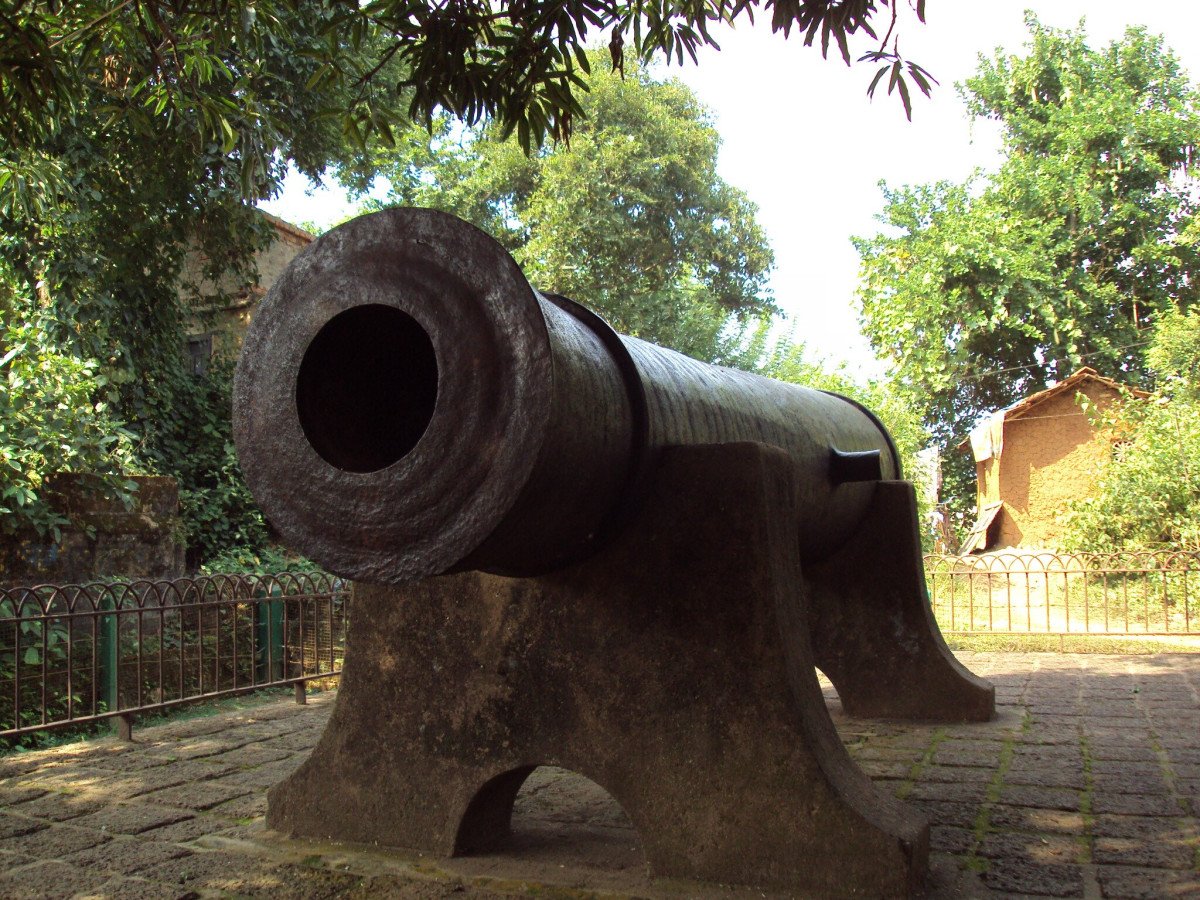
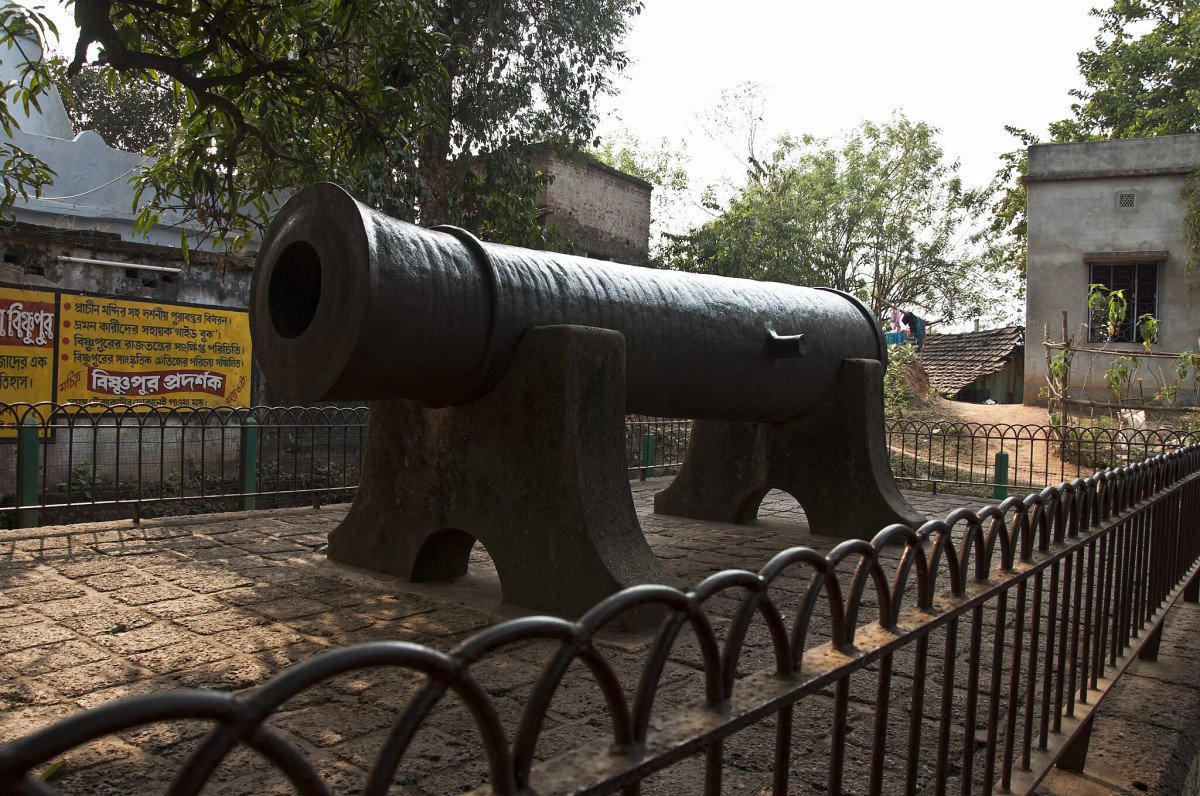
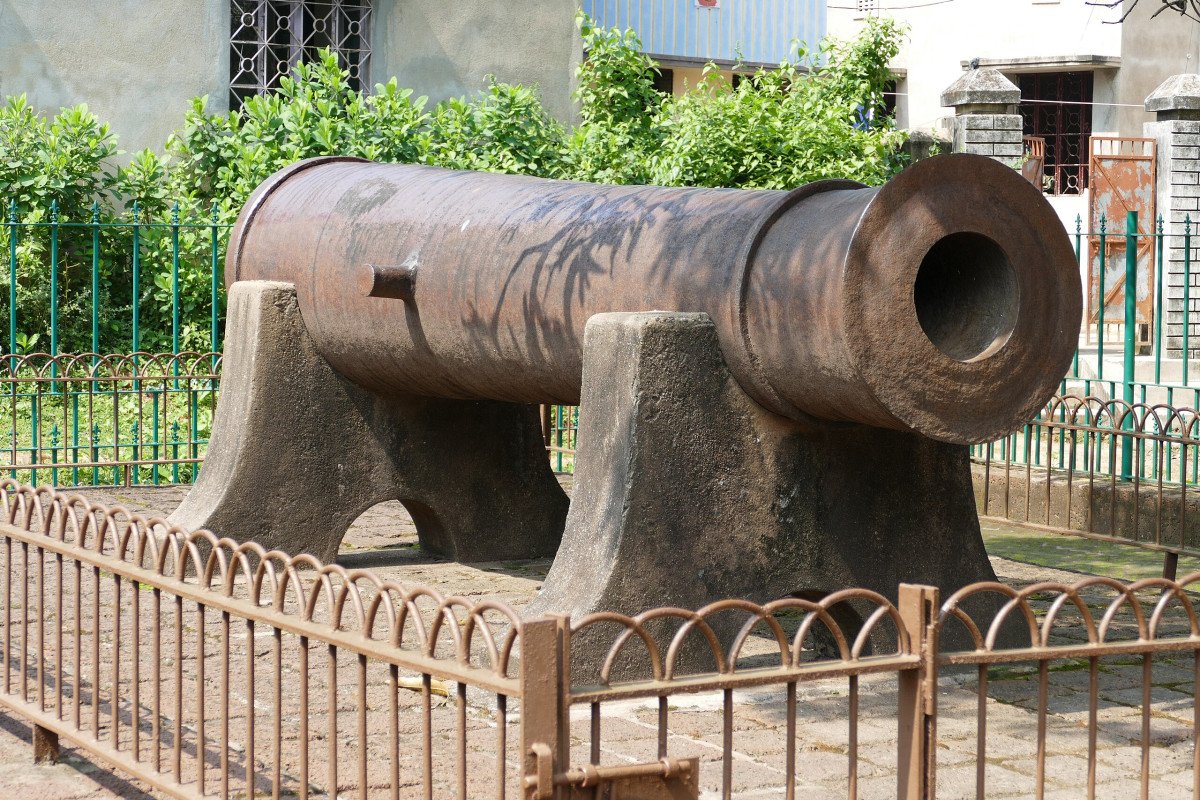
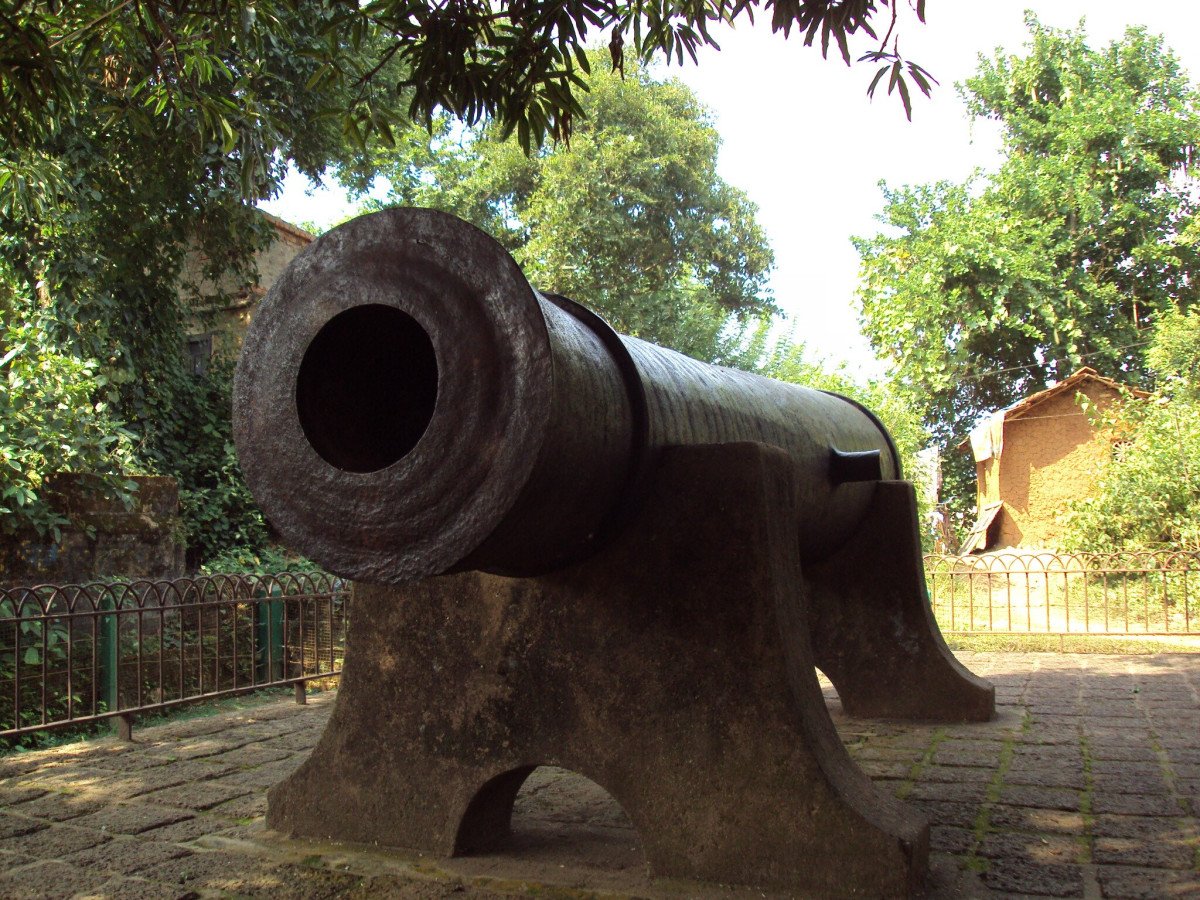
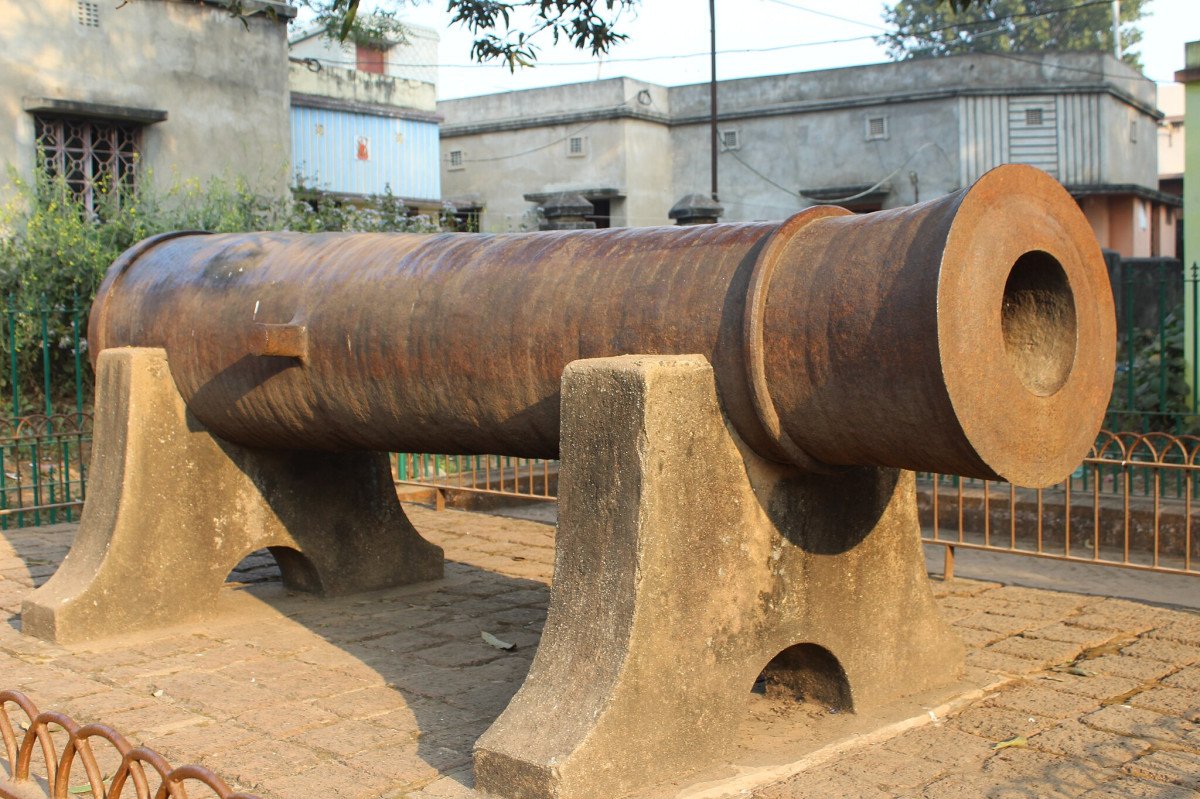
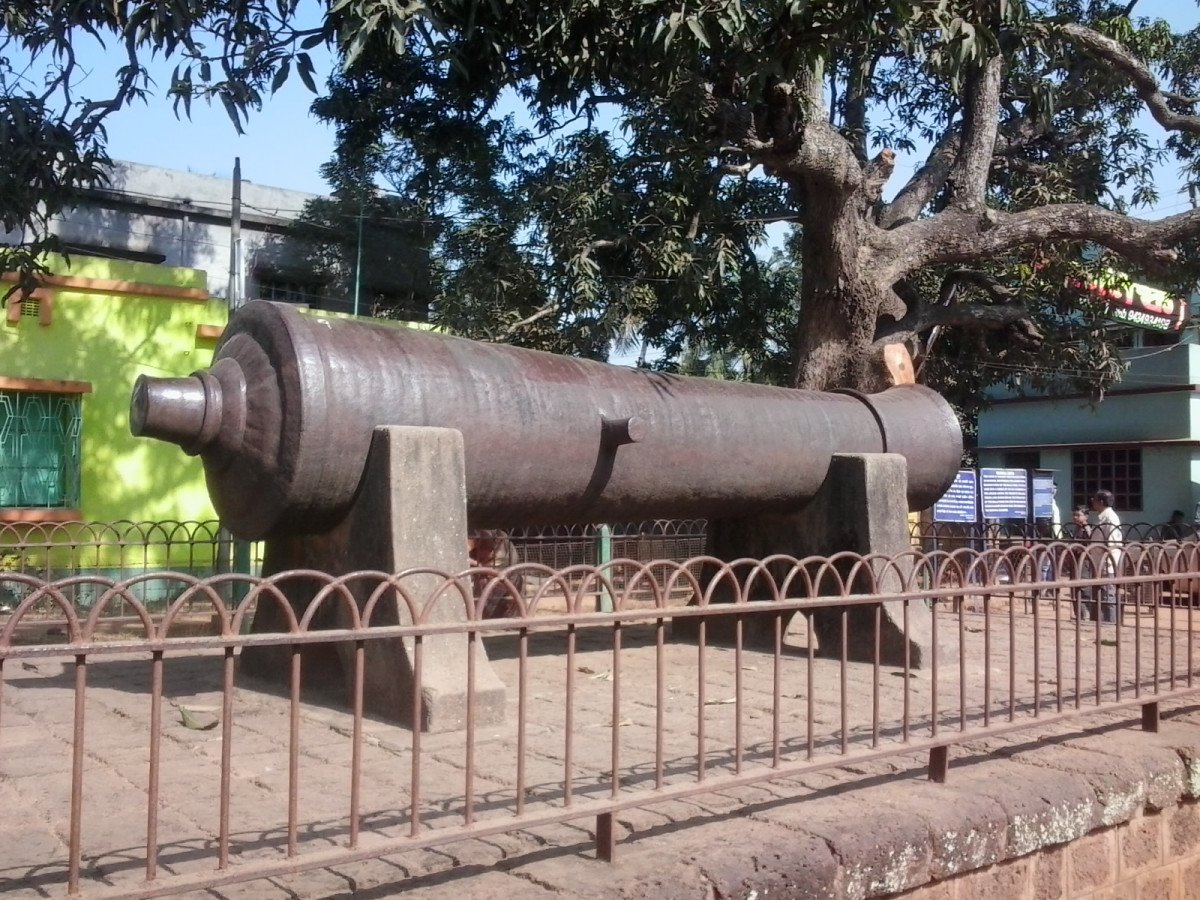
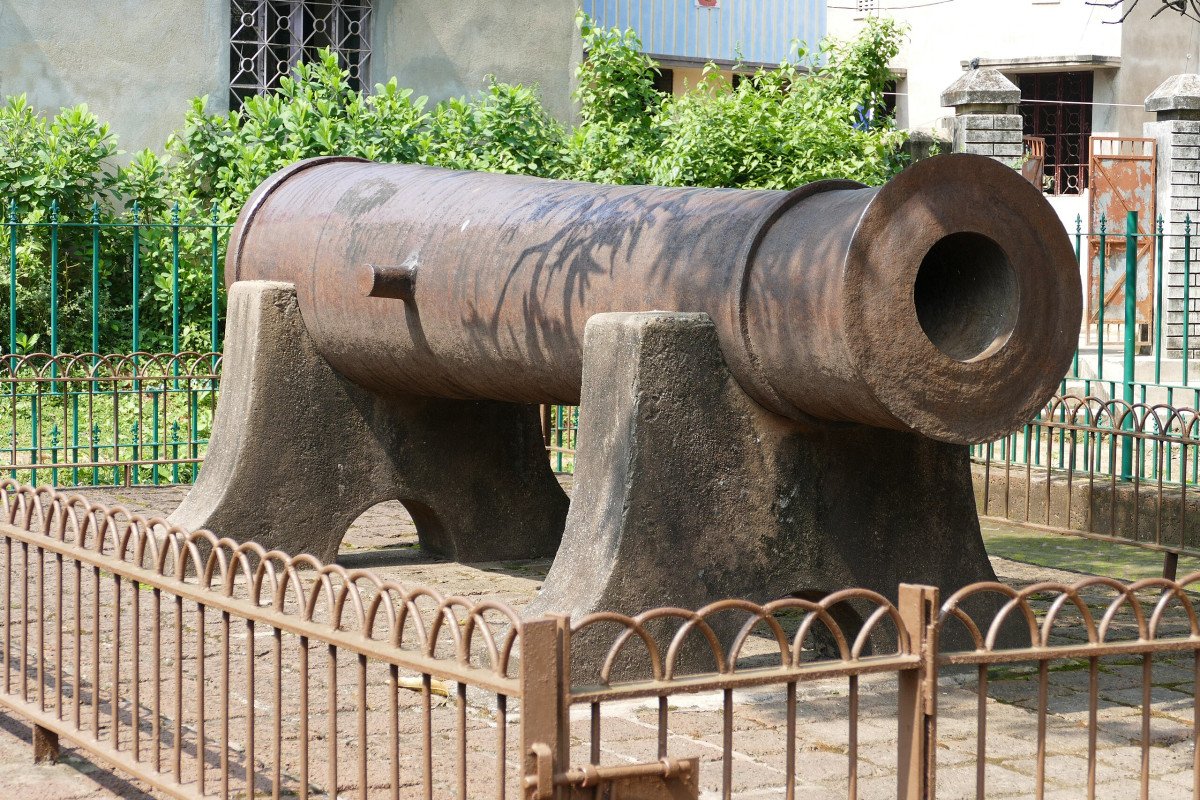
Head-on View from a Low Angle: For a powerful photograph, stand directly in front of the cannon and take the picture from a slightly low angle. This perspective emphasizes its enormous scale and aggressive, imposing barrel, making the weapon appear even larger and more domi...Head-on View from a Low Angle: For a powerful photograph, stand directly in front of the cannon and take the picture from a slightly low angle. This perspective emphasizes its enormous scale and aggressive, imposing barrel, making the weapon appear even larger and more dominant on its masonry platform. This is the classic "power shot. "
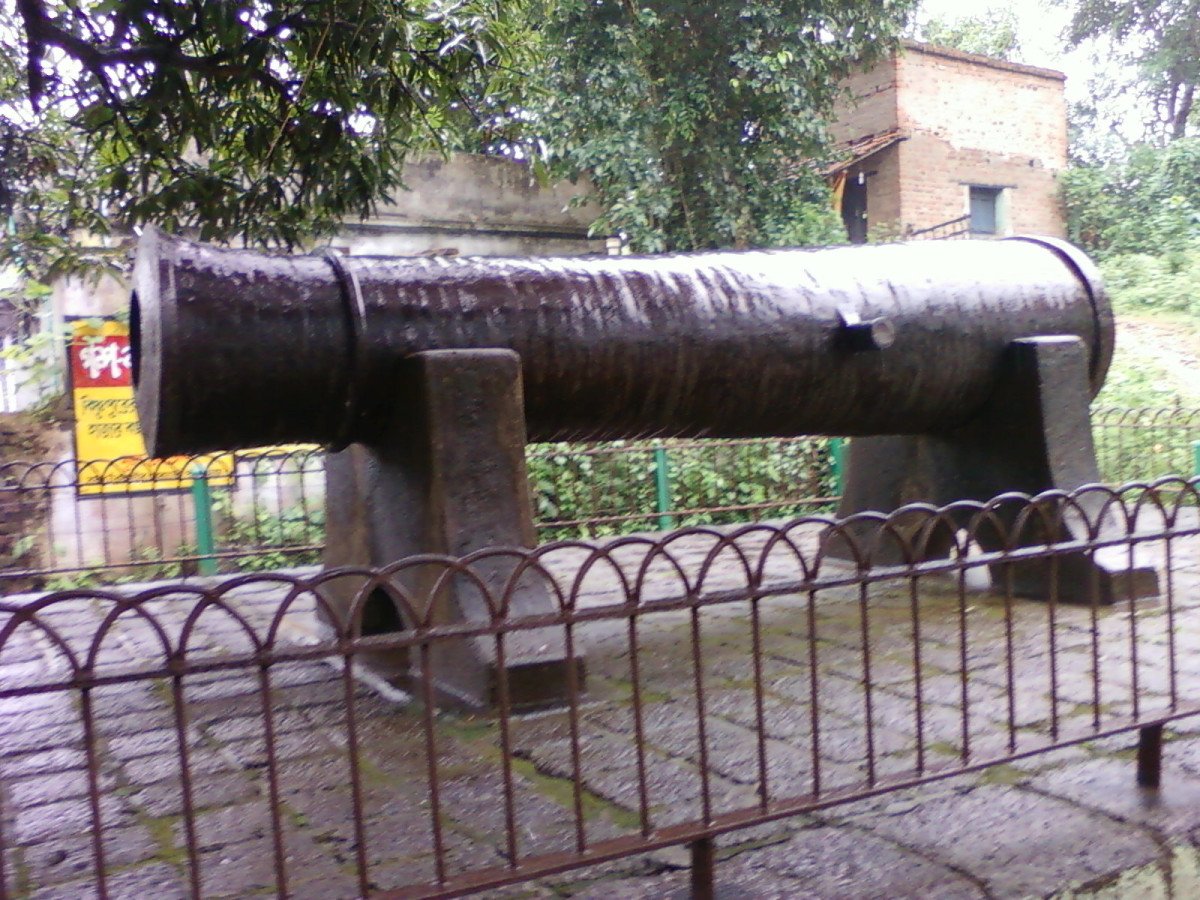
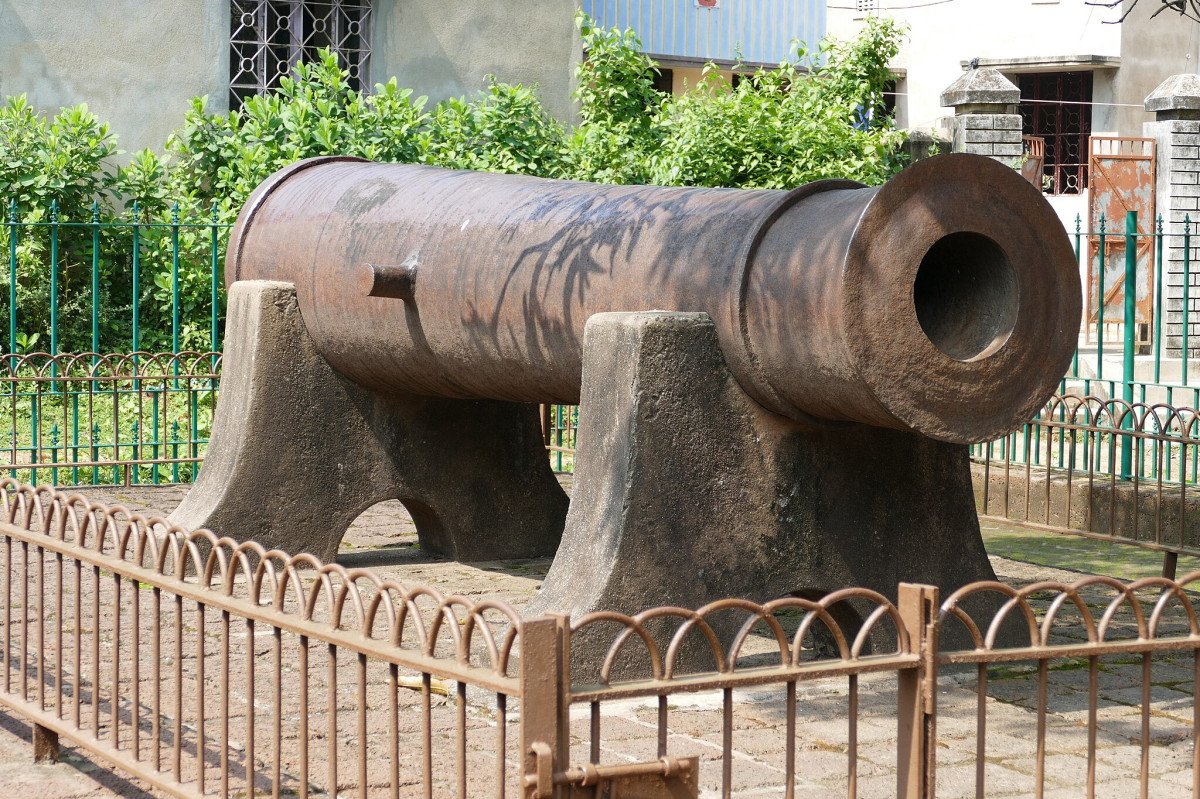
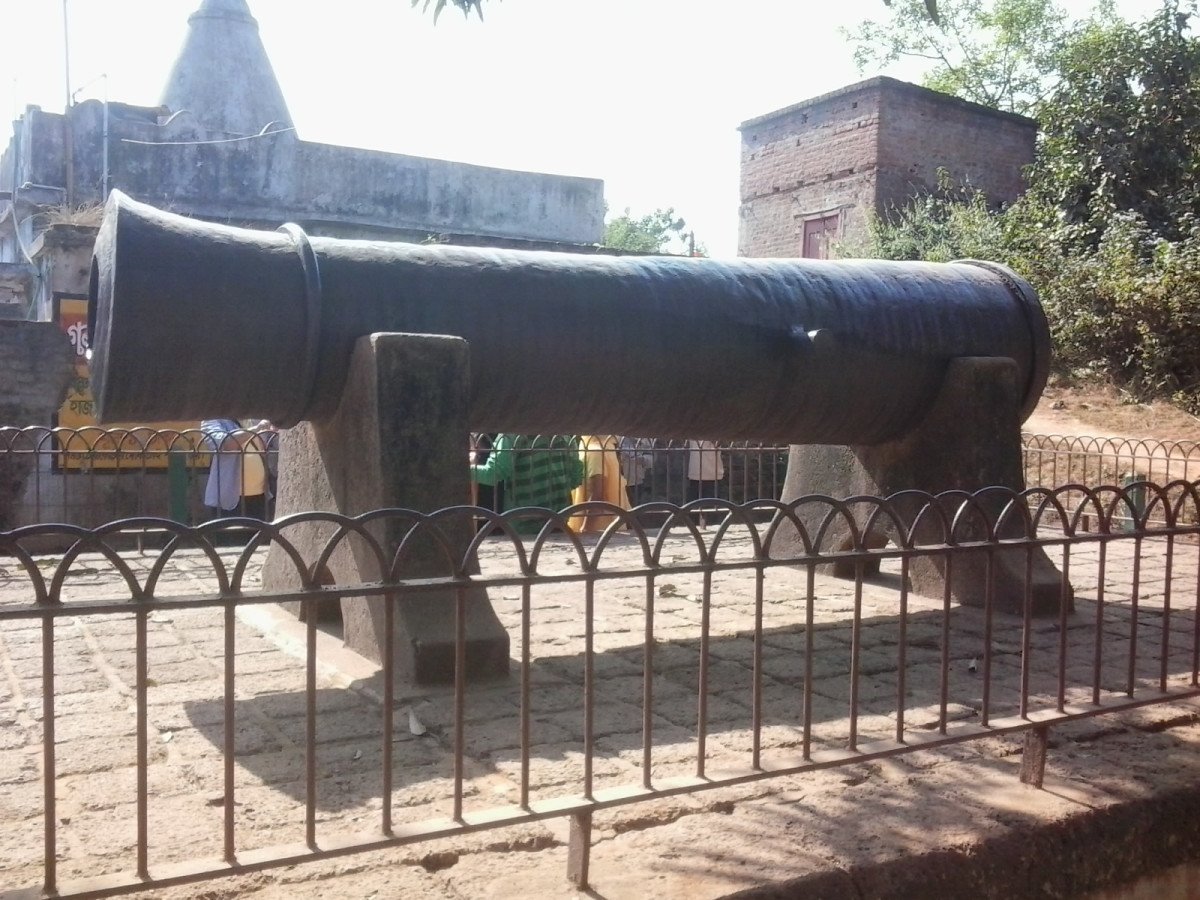
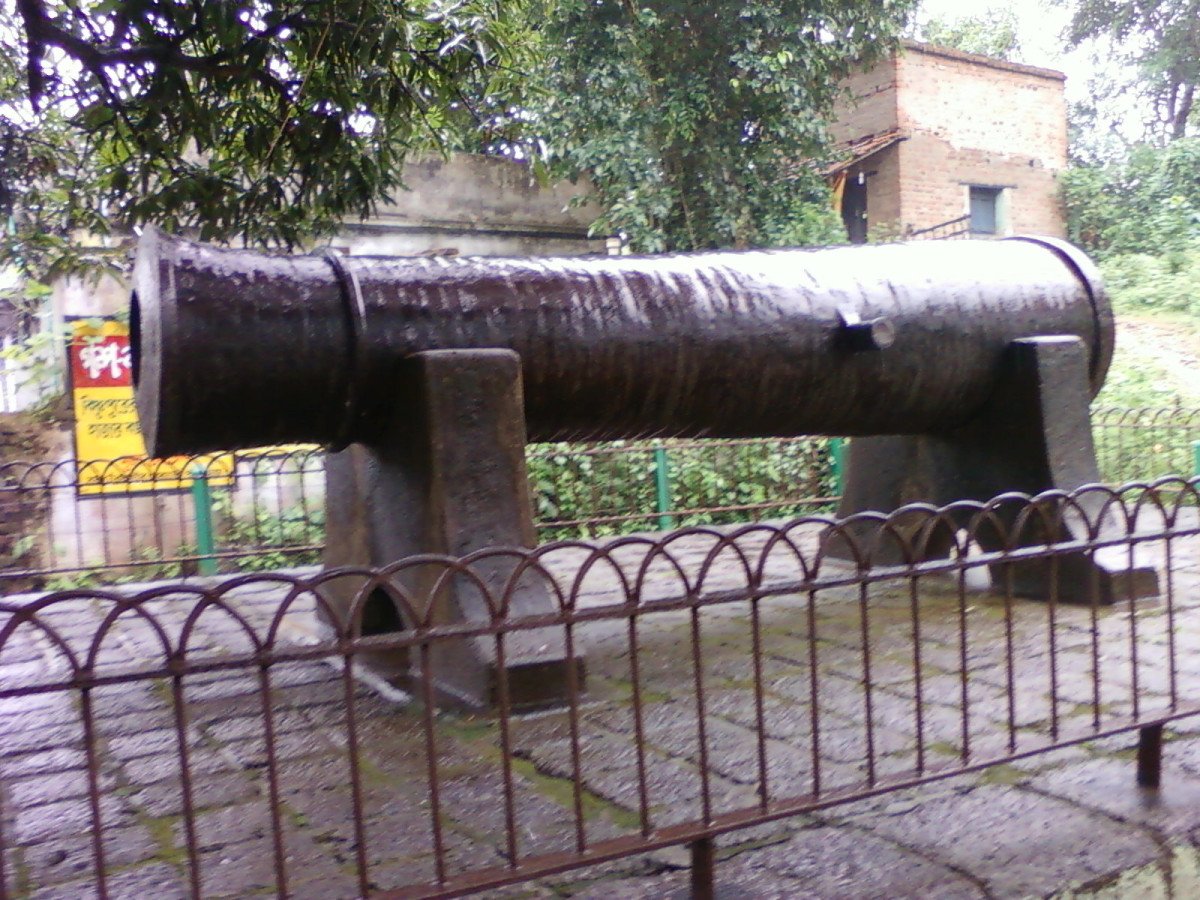
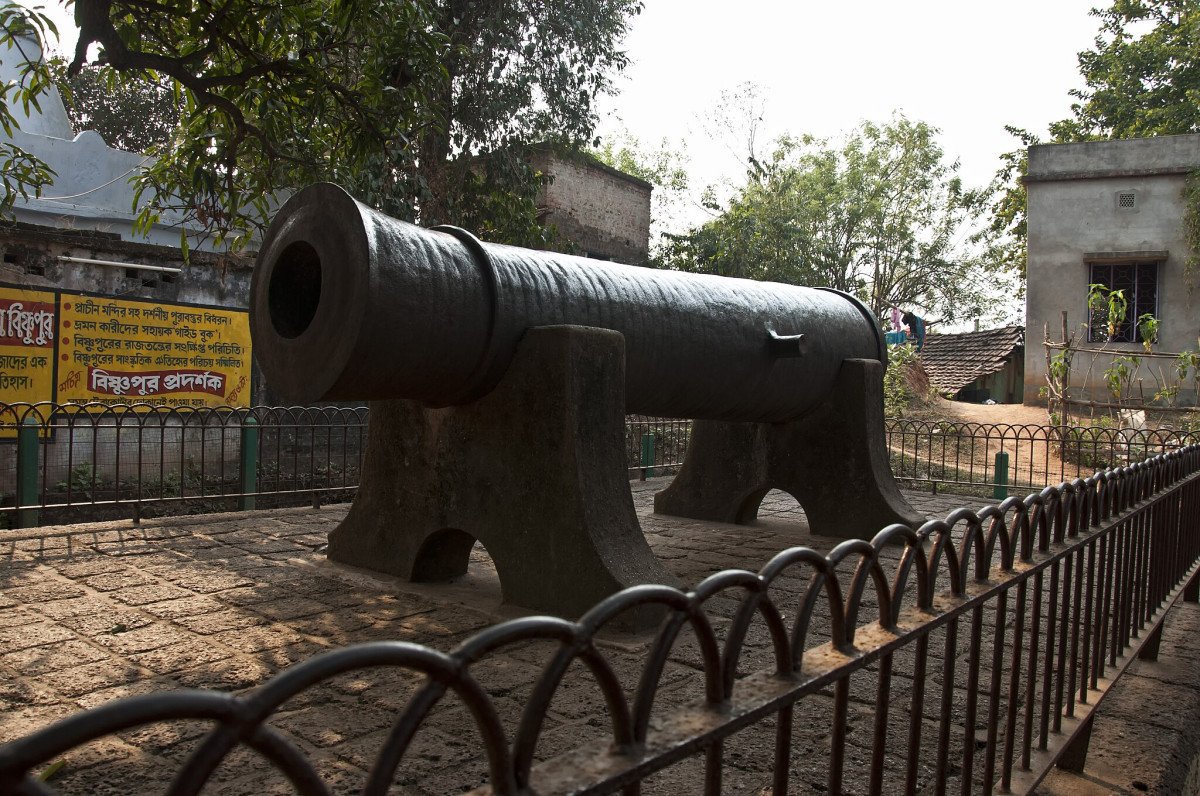
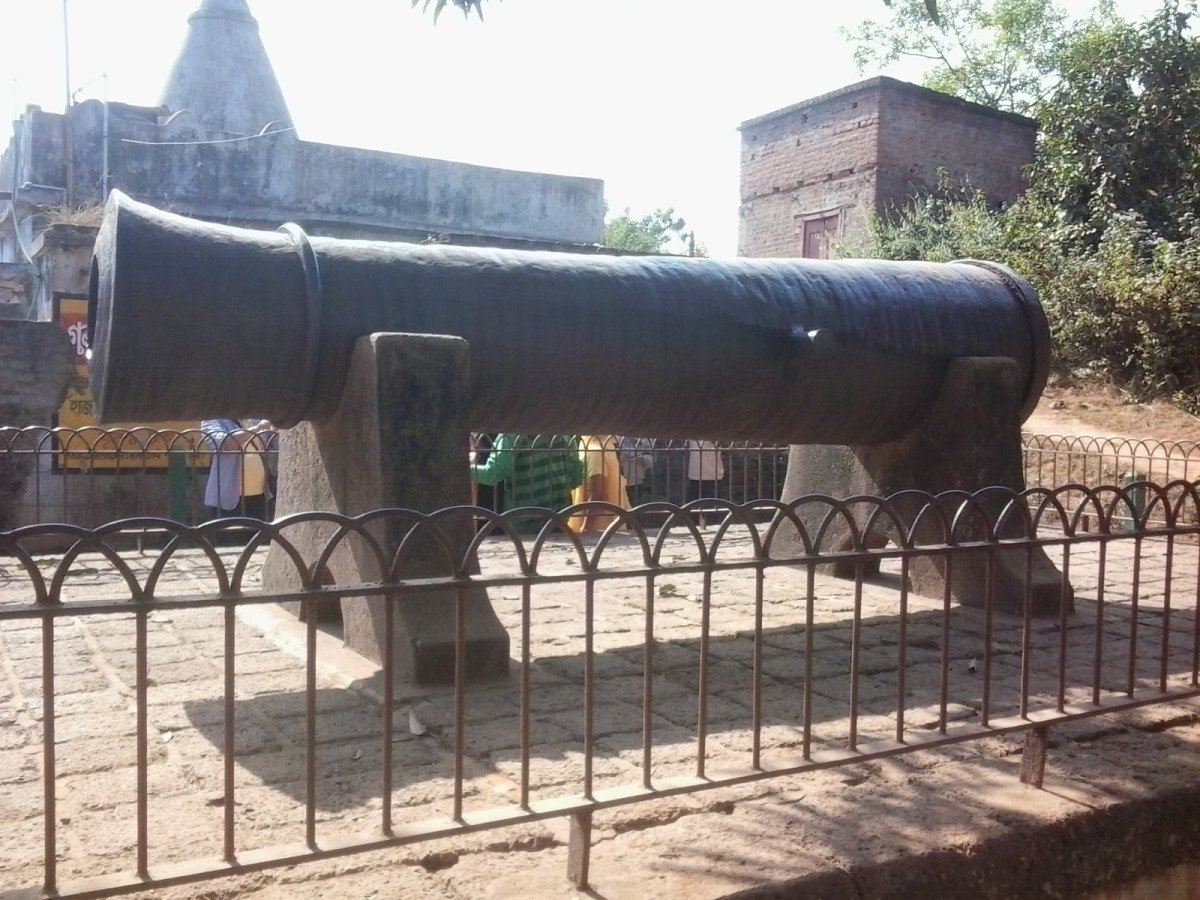
Side View for Dimensionality: A photo taken from the side, capturing its full length (3. 8 meters), is ideal for showcasing its construction details. This angle clearly reveals the cylindrical shape and the subtle segmentation of the 63 iron rings. Include a person standing next to the cannon in the frame to give a clear sense of the relative size and scale.
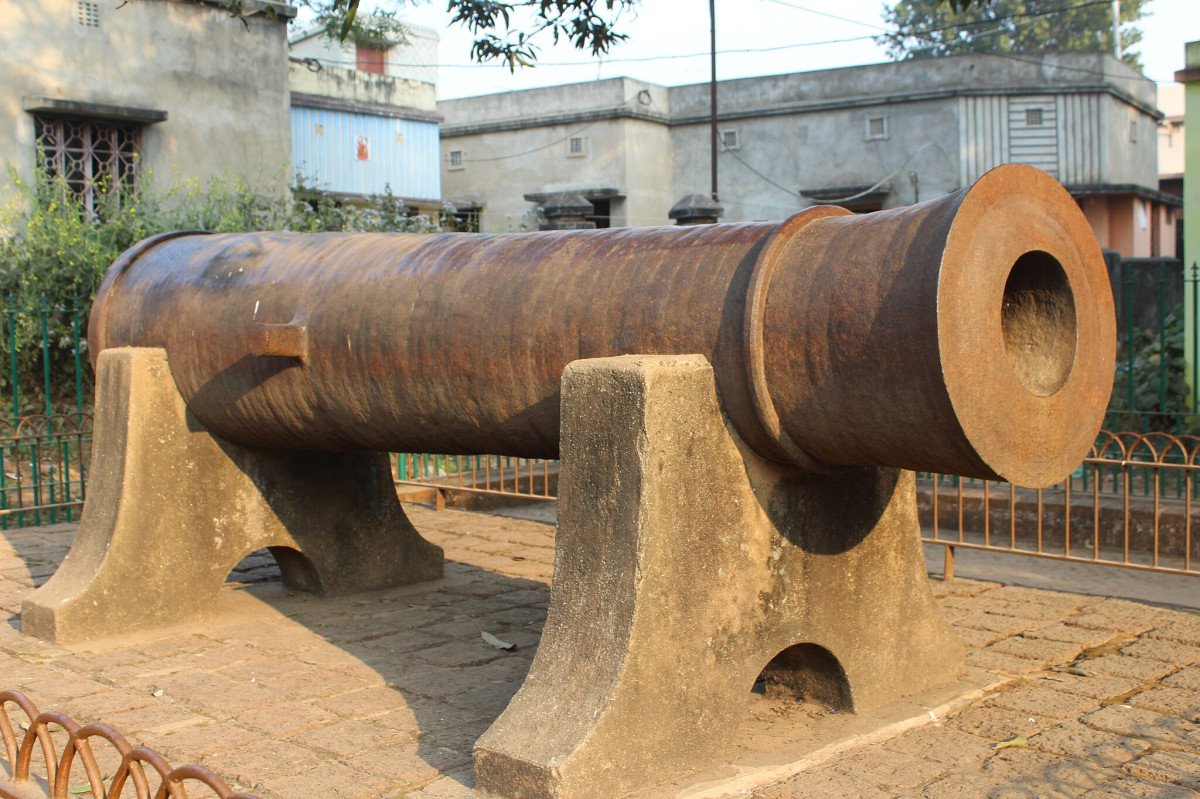
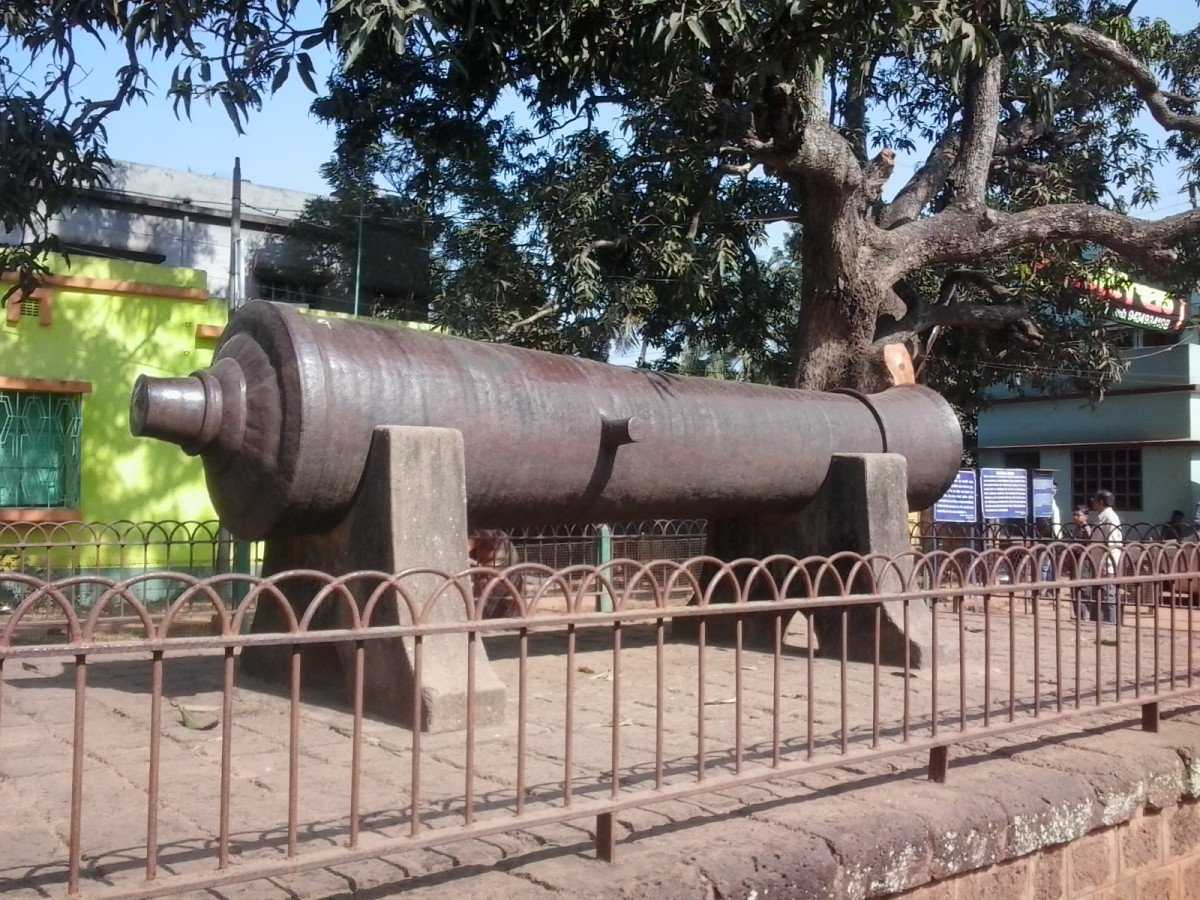
Details of the Ranjakghar and Breech: Focus on close-up shots of the rear (breech) of the cannon. The aperture for the gunpowder and the small, square Ranjakghar groove are key historical features. These detail shots highlight the engineering intricacies and the functional parts of the artifact, offering a more technical photographic subject.
Framing with the Background: The cannon is often situated in a peaceful, tree-lined area. Use the surrounding trees or the historical brickwork of the platform to frame the cannon. Shooting in the soft, golden light of the early morning or late afternoon (Ideal Visit Time) can enhance the texture of the iron and create a dramatic, historical atmosphere.Photo Gallery
Things To Do
-
Study the Metallurgy and Construction: Visitors should dedicate time to closely examine the cannon's structure. Focus on the visible rings that make up the barrel, a key architectural element. Try to imagine the massive effort and ingenious technique required by Jagannath Karmakar to forge and fit these 63 rings together without modern machinery. This is a practical study of 18th-century military engineering.
Engage with the Legend of Lord Madan Mohan: Take a moment to internalize the famous legend. Stand beside the cannon and imagine the scene in 1742the Maratha attack and the divine intervention of Lord Madan Mohan. This imaginative exercise connects the physical artifact to the spiritual and cultural heart of Bishnupur, a Vaishnavite center. You can also talk to local guides to hear their version of the story.Study the Metallurgy and Construction: Visitors should dedicate time to closely examine the cannon's structure. Focus on the visible rings that make up the barrel, a key architectural element. Try to imagine the massive effort and ingenious technique required by Jagannath Karmakar to forge and fit these 63 rings together without modern machinery. This is a practical study of 18th-century military engineering.
Engage with the Legend of Lord Madan Mohan: Take a moment to internalize the famous legend. Stand beside the cannon and imagine the scene in 1742the Maratha attack and the divine intervention of Lord Madan Mohan. This imaginative exercise connects the physical artifact to the spiritual and cultural heart of Bishnupur, a Vaishnavite center. You can also talk to local guides to hear their version of the story.
Photography and Scale Comparison: The cannon's sheer size makes for dramatic photography. Capture wide shots to emphasize its length and heavy build. For a fun photo opportunity, stand next to it to visually convey the enormous scale of the weapon. The contrast between the dark iron and the typical bright green foliage often surrounding it makes for a great composition.
Explore the Immediate Vicinity: The cannon is located close to other key heritage sites. After visiting, you should explore the nearby temples like the Jor Bangla Temple and the Madanmohan Temple, or the Acharya Jogesh Chandra Museum. This integrated approach helps to understand the historical, religious, and artistic context of the Malla dynasty as a whole.
Meditation on War and Peace: The cannon is a powerful symbol of war and defense. Spend a quiet moment reflecting on the history of conflict and the eventual peace that followed the Malla kings' reign. It offers a counterpoint to the town's numerous, beautiful temples, which represent devotion and art.
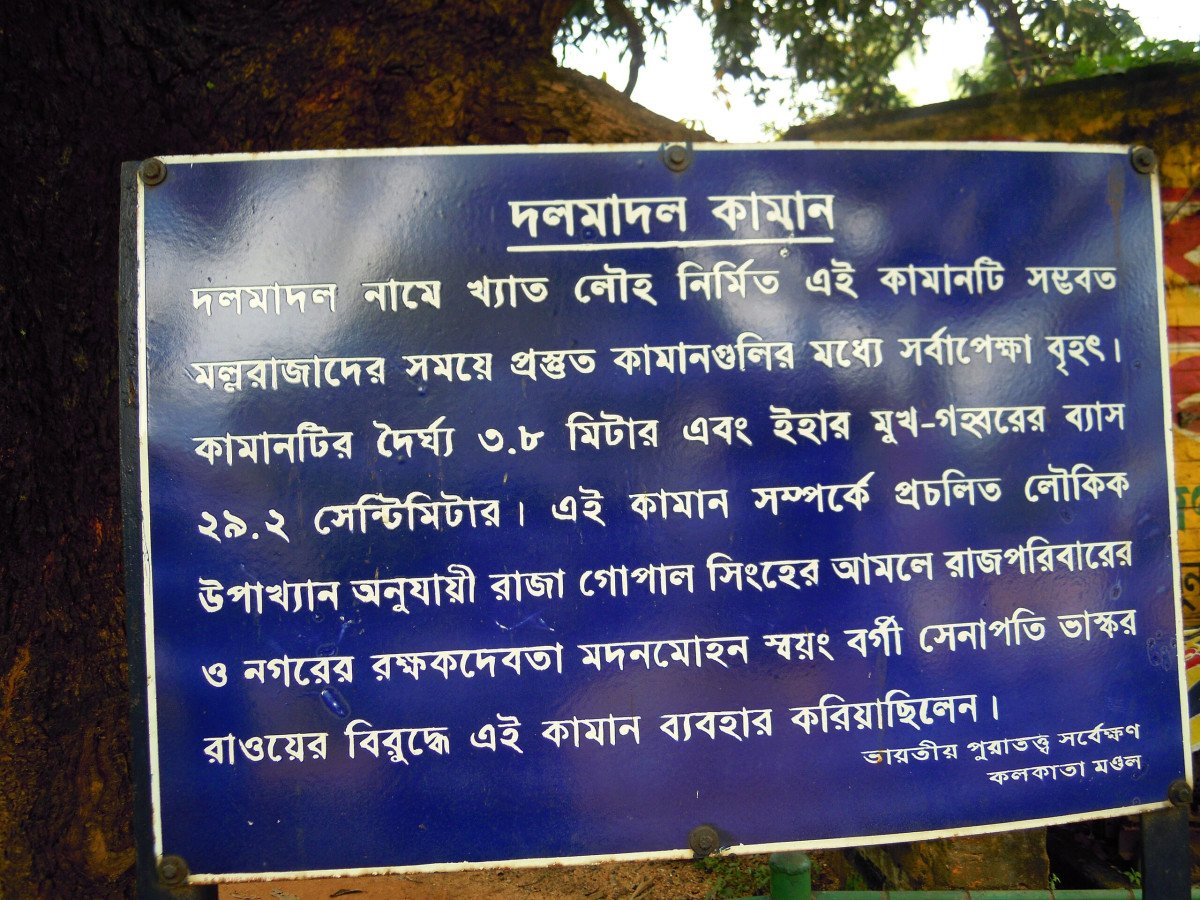
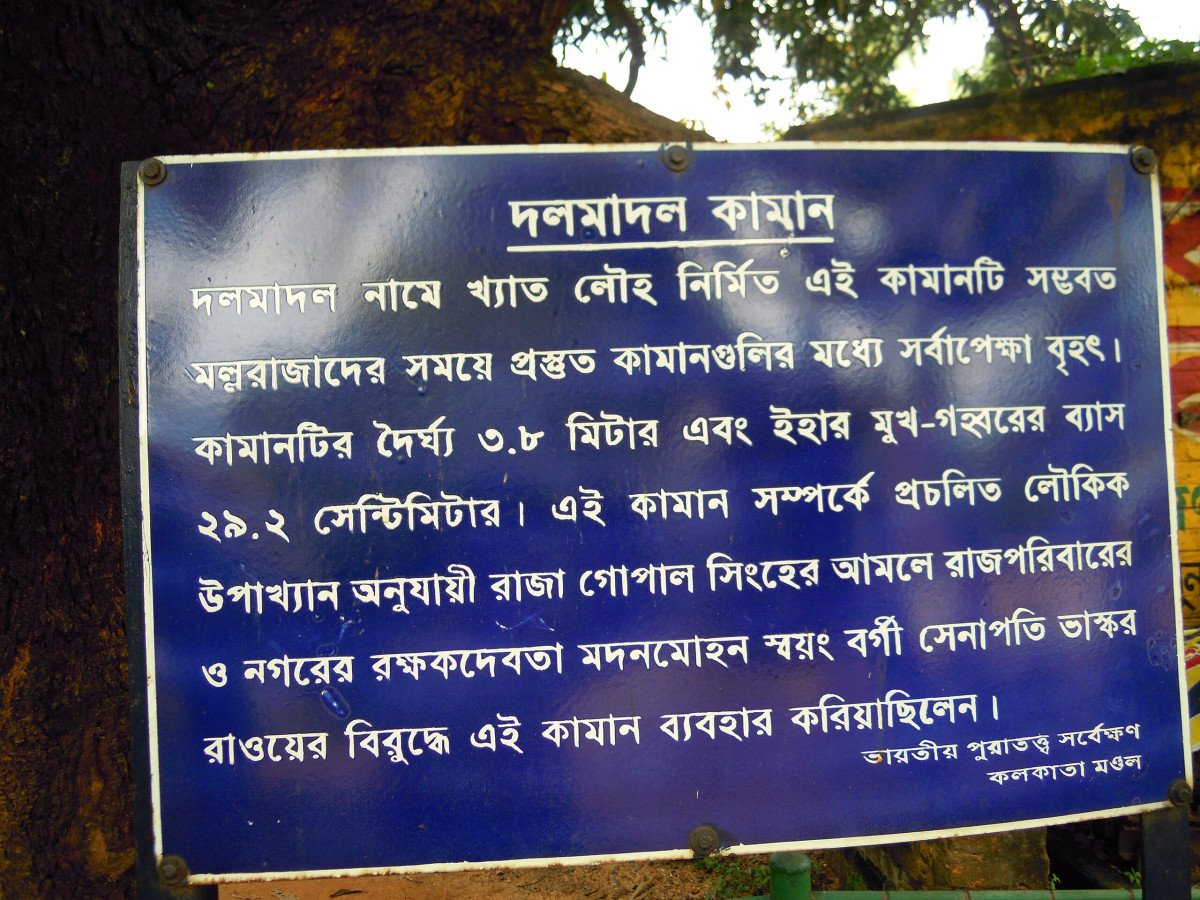
Read the ASI Plaque: Look for the information plaque provided by the Archaeological Survey of India. The plaque contains official historical data, including the construction date and the king who commissioned it. Reading this provides authenticated facts to complement the local legends and enhances the educational value of the visit.
Sketching and Journaling: For artists and writers, the cannon is an excellent subject. Its stark, simple form contrasts with the intricate terracotta of the temples. Spend some time sketching its shape and platform, or journaling your thoughts on its historical significance.
Restaurants
● Bfc Cafe
Address: Dalmadal Road, Bishnupur, West Bengal 722122
Distance: 0.08 KM
Details: Bfc Cafe is a trendy casual cafe close to Dalmadal Cannon in Bishnupur, frequented by youth and visitors in November. It serves refreshing cold bevera...
Food List: Chicken Burger', 'Grilled Sandwich', 'French Fries...
● Fire & Ice - The Restro Cafe
Address: Near Dalmadal Area, Bishnupur, West Bengal 722122
Distance: 0.4 KM
Details: Fire & Ice - The Restro Cafe is a romantic dining spot in Bishnupur popular with couples in December. It stands out for stunning food presentation, It...
Food List: Veg Pizza', 'Garlic Bread', 'White Sauce Pasta', '...
● Haji Biriyani House
Address: College Road, Bishnupur, West Bengal 722122
Distance: 0.65 KM
Details: Haji Biriyani House is the premier destination for Biryani enthusiasts in Bishnupur during Durga Puja in October. The kitchen prepares Mughlai dishes ...
Food List: Mutton Biryani', 'Chicken Chaap', 'Firni', 'Rumali...
● Hotel Annapurna Restaurant
Address: Kabiraj Para, Bishnupur, West Bengal 722122
Distance: 0.5 KM
Details: Hotel Annapurna Restaurant is a famous traditional eatery near Dalmadal Cannon in Bishnupur, packed during October. It specializes in authentic Bengal...
Food List: Bengali Special Thali', 'Chingri Malai Curry', 'Al...
● Hotel Sneha
Address: College Road, Bishnupur, West Bengal 722122
Distance: 0.6 KM
Details: Hotel Sneha offers a peaceful dining atmosphere in Bishnupur for heritage lovers touring in November. It is celebrated for delicious fish curries and ...
Food List: Fish Kalia', 'Steamed Rice', 'Katla Machher Jhol',...
Show AllInformation
-
Why Famous:
Military Engineering Marvel: The Dalmadal Cannon is famous as one of the largest and most impressive pieces of indigenous military hardware from the Malla period. Its construction method, using 63 interconnected iron rings, is a significant technical achievement f...
Military Engineering Marvel: The Dalmadal Cannon is famous as one of the largest and most impressive pieces of indigenous military hardware from the Malla period. Its construction method, using 63 interconnected iron rings, is a significant technical achievement for the time, highlighting the sophisticated iron casting and forging techniques of the 18th-century Bengal region. It stands as a rare surviving specimen of the Malla army's artillery.
The Legend of Lord Madan Mohan: A central reason for its fame is the powerful local legend. It is widely believed that when the Maratha forces were about to conquer Bishnupur, the Malla's tutelary deity, Lord Madan Mohan (an incarnation of Krishna), personally took command and fired the cannon, causing the enemy to retreat in panic. This myth elevates the cannon from a mere weapon to a symbol of divine protection and faith for the local community, making it a place of both historical and spiritual importance.
Symbol of Malla Dynasty's Bravery: The cannon represents the bravery, strategic acumen, and independent spirit of the Malla rulers, particularly Raja Gopal Singha, who commissioned it. The name "Destroyer of the Enemy" perfectly encapsulates its significance as the primary defensive artillery piece used to defend the capital of Mallabhum against external aggressors like the Marathas. It serves as a proud reminder of the kingdom's glorious past and resilience. -
Architecture:
Material and Construction Technique: The Dalmadal Cannon is a testament to the advanced metalworking skills of the Malla artisans. It is primarily made of iron, utilizing a unique construction method where the body of the cannon was formed by connecting 63 separate iron rin...Material and Construction Technique: The Dalmadal Cannon is a testament to the advanced metalworking skills of the Malla artisans. It is primarily made of iron, utilizing a unique construction method where the body of the cannon was formed by connecting 63 separate iron rings or hoops together. This distinctive technique, employed by the blacksmith Jagannath Karmakar, gave the cannon an exceptionally sturdy and reportedly rust-proof finish, allowing it to withstand the elements for centuries. This construction method distinguishes it from typical cast iron cannons of the era.
Dimensions and Scale: The cannon is truly colossal, a characteristic that made it a powerful deterrent in its time. Its total length measures approximately 3. 8 meters (12 feet). The sheer mass of the cannon is impressive, weighing around 296 maunds, which is equivalent to nearly 12 metric tonnes or 11,840 kg. The cannon has varying circumferences along its length: it measures about 6 feet 10 inches at the middle and front, and a broader 8 feet 3. 5 inches at the rear or breech end. The barrel diameter, which is the bore for the cannonball, is about 28. 5 cm (285 mm). It is mounted on a sturdy, permanent masonry platform, which acts as its carriage, indicating it was intended for fixed defensive use rather than battlefield maneuverability.
Design Features (Ranjakghar and Mounting): The design includes an opening at the upper rear section for inserting the gunpowder charge. A crucial feature is the small, square groove called the Ranjakghar, which was the ignition point for the cannon, where gunpowder was filled and ignited to fire the projectile. Two large, six-foot-long iron sticks, approximately four feet in circumference, were fitted to the middle section of the cannon to connect it to its two iron wheels (now absent or replaced by the masonry platform), suggesting it may have been mobile at some point or that the sticks were part of a mechanism for adjusting its aim. -
How To Reach:
By Air: The nearest major airport is Netaji Subhas Chandra Bose International Airport (CCU) in Kolkata, located approximately 150-160 KMS from Bishnupur.
From the airport, one has two main options: take a taxi directly to Bishnupur (a drive ...By Air: The nearest major airport is Netaji Subhas Chandra Bose International Airport (CCU) in Kolkata, located approximately 150-160 KMS from Bishnupur.
From the airport, one has two main options: take a taxi directly to Bishnupur (a drive of about 4-5 hours) or travel to Howrah or Shalimar railway stations to catch a direct train to Bishnupur.
By Train: Bishnupur Railway Station (VSU) is a well-connected station on the South Eastern Railway line. Direct trains like the Rupasi Bangla Express or local passenger trains run regularly from Howrah and Shalimar stations in Kolkata. The journey takes about 4 to 5 hours. From the railway station, the Dalmadal Cannon is a short ride (about 1-2 KMS) using local transport.
By Road: Bishnupur is well-connected by road from Kolkata (NH19/NH16 via Arambagh or through Durgapur), with the drive taking approximately 4-5 hours. Government and private buses operate regular services from Kolkata (e. g. , from Esplanade) and other major towns like Durgapur and Bankura. Once in Bishnupur, follow the main heritage trail, as the cannon is a prominent landmark.
By Local Transport: The Dalmadal Cannon is easily reached using Toto (electric auto-rickshaws) or cycle-rickshaws, which are the main modes of local transport in Bishnupur. Since it is centrally located, all local drivers are familiar with the site. A ride from the railway or bus station should take only 5-10 minutes. It is often the first or second stop on the standard full-day local sightseeing tour. -
Weather and Best Time to Visit:
Different Types of Seasons: The absolute best time to visit the Dalmadal Cannon and Bishnupur as a whole is during the Winter Season, from October to March. The weather is cool and pleasant, with temperatures ranging from 9C to 25C, making all-day outdoor sightseeing comfor...Different Types of Seasons: The absolute best time to visit the Dalmadal Cannon and Bishnupur as a whole is during the Winter Season, from October to March. The weather is cool and pleasant, with temperatures ranging from 9C to 25C, making all-day outdoor sightseeing comfortable. The post-monsoon period (October-November) is also excellent, with clear skies and lush greenery. The Summer Season (April to June) should be avoided due to extreme heat (up to 45C), while the Monsoon Season (June to September) brings heavy rain that can disrupt travel, though the wet weather can make the surrounding area appear very green.
Different Parts of the Day: The ideal part of the day to visit is the Early Morning (before 10 AM) or the Late Afternoon (after 4 PM). This avoids the scorching sun, which is especially important as the cannon is an open-air site without much shade. Morning and afternoon light also provide the best conditions for photography, highlighting the texture and scale of the iron cannon. Midday is best spent indoors at the Acharya Jogesh Chandra Museum or taking a lunch break. -
Near Tourist Places:
Other Place Name Distance (KMS) Category Jor Bangla Temple < 0. 5 KMS Terracotta Temple Madanmohan Temple Approx. 1 KMS Terracotta Temple Acharya Jogesh Chandra Museum Approx. 0. 5 KMS Museum Rasmancha Approx. 1 KMS Terracotta Temple Lalbandh (Lake) Approx. 1. 5 KMS Natural/Historical Chhinnamasta Temple Approx. 0. 5 KMS Temple Shyam Rai Temple (Pancharatna Temple) Approx. 1. 5 KMS Terracotta Temple Pathar Darwaja (Gateway) Approx. 1. 5 KMS Fortification Nutan Mahal Approx. 1. 5 KMS Historical Building Malleswar Temple Approx. 2 KMS Terracotta Temple
Tourism Tips
-
Health & Safety: Always carry a water bottle, especially if visiting outside of the peak Winter season. Use sunscreen and wear a hat to protect against the sun, as the site offers minimal shade. While the location is generally safe, be mindful of your belongings in crowded...Health & Safety: Always carry a water bottle, especially if visiting outside of the peak Winter season. Use sunscreen and wear a hat to protect against the sun, as the site offers minimal shade. While the location is generally safe, be mindful of your belongings in crowded periods, such as during the Bishnupur Mela.
Packing: Wear comfortable walking shoes, as you will be visiting many heritage sites throughout the day. Light, breathable cotton clothing is best for warm and humid weather. A camera is essential for capturing the cannon and the nearby temples. Carry a small notebook to jot down the historical facts and local legends you learn.
Accommodation: Bishnupur offers a range of accommodation options, from budget hotels and guest houses to a few mid-range resorts. It is highly recommended to book your stay in advance, particularly if traveling during the peak season (October to March) or the Bishnupur Mela (December-January).
Other Different Topics:
Guided Tours: Consider hiring a local government-approved guide in Bishnupur. They can provide a wealth of information about the cannon's history, the technical details of its construction, and the famous Lord Madan Mohan legend, significantly enriching your visit.
Local Transport: Negotiate the price with the Toto/Auto-rickshaw drivers before starting your full-day sightseeing tour, which typically includes the Dalmadal Cannon.
Reviews
FAQs
Ans:- A visit usually takes about 15 to 20 minutes. You can read the information plaque provided by the ASI, take photos, and admire the craftsmanship. Since it is located next to the Chhinamasta Temple, most tourists spend about 45 minutes in total for both these attractions before moving on to the Rajbari.Ans:- According to local folklore, when the Maratha army attacked Bishnupur, King Gopal Singha was busy in prayer. It is believed that the tutelary deity, Lord Madan Mohan himself, came out of the temple and fired the Dalmadal Cannon to drive away the invaders. This legend is deeply ingrained in the culture and faith of the people of Bishnupur.Ans:- It is located on a raised masonry plinth in the Dalmadal Para area, near the Bishnupur Rajbari and the Chhinamasta Temple. It is easily accessible by road and is a standard stop for any tourist visiting the historical sites of Bishnupur. The area around it is open and provides a clear view of the weapon.Ans:- Like most sites in Bishnupur, the best time to visit is during the cooler months from October to March. Visiting during the daytime allows you to see the fine hammer marks and the joining of the 63 iron rings. It is also quite impressive to see it lit up during the evening during festive seasons like the Bishnupur Mela.Ans:- No, there is no entry fee to visit the Dalmadal Cannon. It is a centrally protected monument under the Archaeological Survey of India (ASI) and is open to the public for free. You can walk right up to the enclosure to see the intricate details of its construction and the massive iron rings.Ans:- The cannon has a small square groove called the "Ranjakghar" on its upper rear section. This was filled with gunpowder and ignited to fire the main charge inside the barrel. It also had two iron sticks or axles in the middle, which were originally connected to massive wheels to allow for positioning and movement during a battle.Ans:- The cannon is about 3.8 meters (12.5 feet) long and weighs nearly 12 tons (approximately 296 maunds). It has a large bore with a diameter of about 11 inches. The body of the cannon is made of 63 iron rings welded together so perfectly that the joints are barely visible, showcasing the advanced metallurgy of that era.Ans:- The cannon is kept within a fenced enclosure to protect it from damage and vandalism. While you can get very close and see it clearly, visitors are generally not allowed to touch or climb on the cannon. This is to ensure that the ancient metal and its unique surface are preserved for future generations.Ans:- The cannon was commissioned by Malla King Gopal Singha in 1742. It was forged by a local blacksmith named Jagannath Karmakar. The cost of building this massive weapon was approximately 1.25 lakh rupees at the time, which was a staggering amount. It was designed to be a state-of-the-art defensive weapon for the kingdom.Ans:- The Dalmadal Cannon is a massive 18th-century iron cannon and one of the most famous historical artifacts in Bishnupur. It was built by the Malla kings to protect the city from Maratha invasions. Known for its incredible size and the fact that it has remained rust-free for centuries, it is a symbol of Malla military power.Ans:- While Dalmadal is the largest and most famous, there are a few smaller cannons and old military structures scattered around the Bishnupur fort area. However, none match the scale or the historical lore of Dalmadal. The nearby Garh Darwaja and the fortifications also provide a glimpse into the military setup of the Malla era.Ans:- Yes, the site is very accessible as it is located right next to the main road. The area around the cannon is paved and flat, making it easy for elderly visitors or those with limited mobility to view the monument without having to walk long distances or climb steep stairs. Rickshaws can drop you right at the gate.Bishnupur Itineray And Cost:-
Information about New and Updated Locations() of West Bengal Has Been Added :-
Card subtitle
Note:-
Information provided here in good Faith and for reference only.
Near Places
Acharya Jogesh Chandra Museum
Some quick example text to build on the card title and make up the bulk of the card's content.
Go somewhere
Big Stone Gateway
Some quick example text to build on the card title and make up the bulk of the card's content.
Go somewhere
Bishnupur Mela Ground
Some quick example text to build on the card title and make up the bulk of the card's content.
Go somewhere
Bishnupur Rajbari
Some quick example text to build on the card title and make up the bulk of the card's content.
Go somewhere
Chhinnamasta Temple
Some quick example text to build on the card title and make up the bulk of the card's content.
Go somewhere
Dalmadal Cannon
Some quick example text to build on the card title and make up the bulk of the card's content.
Go somewhere
Garh Darwaja
Some quick example text to build on the card title and make up the bulk of the card's content.
Go somewhere
Gokul Chand Temple
Some quick example text to build on the card title and make up the bulk of the card's content.
Go somewhere
Hadal-Narayanpur
Some quick example text to build on the card title and make up the bulk of the card's content.
Go somewhere
Jhilimili & Sutan Forest
Some quick example text to build on the card title and make up the bulk of the card's content.
Go somewhere
Jor Bangla Temple
Some quick example text to build on the card title and make up the bulk of the card's content.
Go somewhere
Jor Mandir Complex
Some quick example text to build on the card title and make up the bulk of the card's content.
Go somewhere
Jorbangla Temple
Some quick example text to build on the card title and make up the bulk of the card's content.
Go somewhere
Joypur Forest
Some quick example text to build on the card title and make up the bulk of the card's content.
Go somewhere
Kalachand Temple
Some quick example text to build on the card title and make up the bulk of the card's content.
Go somewhere
Kamarpukur
Some quick example text to build on the card title and make up the bulk of the card's content.
Go somewherein Other Cities