

Kullu
General information
-
Ideal Duration:
2 to 3 DaysPlace Type:
Hill Station / PilgrimageEntry Fees:
Temple Entry: Most temples in Kullu have no entry fee, though donations are welcomed for maintenance.
Great Himalayan National Park: Entry fee is approximately 50 INR for Indians and 200 INR for foreigners. ...Temple Entry: Most temples in Kullu have no entry fee, though donations are welcomed for maintenance.
Great Himalayan National Park: Entry fee is approximately 50 INR for Indians and 200 INR for foreigners.Timing:
Regular Timings: Most temples and markets are open from 9:00 AM to 7:00 PM throughout the week.
Ideal Visit Time: Early morning at 7:00 AM for temples and late afternoon at 4:00 PM for riverside walks. ...Regular Timings: Most temples and markets are open from 9:00 AM to 7:00 PM throughout the week.
Ideal Visit Time: Early morning at 7:00 AM for temples and late afternoon at 4:00 PM for riverside walks.Special Events:
Kullu Dussehra: Held in October, this festival sees the grand assembly of village deities at the Dhalpur Maidan. It is a vibrant display of local music, dance, and religious fervor that lasts for seven days.
Spring Festival: Celebrated in A...Kullu Dussehra: Held in October, this festival sees the grand assembly of village deities at the Dhalpur Maidan. It is a vibrant display of local music, dance, and religious fervor that lasts for seven days.
Spring Festival: Celebrated in April, also known as Pipal Jatra, marking the beginning of the sowing season.Best Photo Spots:
Bijli Mahadev Peak: Captures a 360-degree view of the surrounding mountain ranges and the confluence of rivers.
Beas River Banks: Ideal for long-exposure shots of the flowing water against the backdrop of pine-covered hills.Bijli Mahadev Peak: Captures a 360-degree view of the surrounding mountain ranges and the confluence of rivers.
Beas River Banks: Ideal for long-exposure shots of the flowing water against the backdrop of pine-covered hills.
Dhalpur Maidan during Dussehra: Perfect for capturing the colorful processions and traditional folk dances of the region.Photo Gallery
Things To Do
 The Nicholas Roerich Art Gallery, located in the historic village of Naggar, is a unique cultural bridge between Russia and India. It was once the residence of the world-renowned Russian painter, philosopher, and explorer Nicholas Roerich, who settled here in the early 20th century. The gallery is housed in a beautiful heritage building that exudes an old-world charm, surrounded by towering deodar trees and overlooking the magnificent Kullu Valley. Nicholas Roerich was deeply inspired by the Himalayas, and his paintings, many of which are displayed here, capture the ethereal beauty of the snow-capped peaks and the spiritual essence of the mountains. The gallery also showcases the works of his son, Svetoslav Roerich, and maintains the private living quarters of the family, preserved just as they were decades ago. Visitors can see the artist's personal belongings, rare photographs, and a collection of artifacts gathered during his expeditions across Central Asia. The atmosphere is one of profound peace and creative inspiration, making it a "must-visit" for art lovers and history enthusiasts. The estate also houses the Urusvati Himalayan Research Institute, which Nicholas founded to study the folk medicine, linguistics, and archaeology of the region. A walk through the gallery is not just an art tour but a journey into the mind of a man who believed in the "Culture of Peace." The gardens are impeccably maintained, featuring rare Himalayan plants and offering a 180-degree view of the valley. The connection to the Indian film industry is also notable, as Svetoslav Roerich was married to the famous Indian actress Devika Rani, and her influence is also felt in the museum's history. This place stands as a testament to the universal language of art and the deep-seated spiritual connection that many global thinkers have found in the heart of the Himalayas.
Jalori Pass is a high-altitude mountain pass situated at an elevation of 3,120 meters (10,236 feet). It serves as a vital link between the Kullu and Shimla districts. The pass is famous for its "no-man's land" feel and its extremely steep and narrow road, which is often cited as one of the most dangerous yet scenic routes in India. The top of the pass offers a 360-degree view of the snow-capped Himalayan ranges including the Pir Panjal and Dhauladhar peaks. It is the starting point for several famous treks, most notably to Serolsar Lake and Raghupur Fort. Unlike the commercialized Rohtang Pass, Jalori remains pristine and quiet, attracting trekkers, bikers, and nature lovers who want to escape the crowds. The area is covered in thick forests of oak and rhododendron, which turn bright red in the spring. A small temple dedicated to Mahakali sits at the summit, where travelers stop to pay their respects.
The Nicholas Roerich Art Gallery, located in the historic village of Naggar, is a unique cultural bridge between Russia and India. It was once the residence of the world-renowned Russian painter, philosopher, and explorer Nicholas Roerich, who settled here in the early 20th century. The gallery is housed in a beautiful heritage building that exudes an old-world charm, surrounded by towering deodar trees and overlooking the magnificent Kullu Valley. Nicholas Roerich was deeply inspired by the Himalayas, and his paintings, many of which are displayed here, capture the ethereal beauty of the snow-capped peaks and the spiritual essence of the mountains. The gallery also showcases the works of his son, Svetoslav Roerich, and maintains the private living quarters of the family, preserved just as they were decades ago. Visitors can see the artist's personal belongings, rare photographs, and a collection of artifacts gathered during his expeditions across Central Asia. The atmosphere is one of profound peace and creative inspiration, making it a "must-visit" for art lovers and history enthusiasts. The estate also houses the Urusvati Himalayan Research Institute, which Nicholas founded to study the folk medicine, linguistics, and archaeology of the region. A walk through the gallery is not just an art tour but a journey into the mind of a man who believed in the "Culture of Peace." The gardens are impeccably maintained, featuring rare Himalayan plants and offering a 180-degree view of the valley. The connection to the Indian film industry is also notable, as Svetoslav Roerich was married to the famous Indian actress Devika Rani, and her influence is also felt in the museum's history. This place stands as a testament to the universal language of art and the deep-seated spiritual connection that many global thinkers have found in the heart of the Himalayas.
Jalori Pass is a high-altitude mountain pass situated at an elevation of 3,120 meters (10,236 feet). It serves as a vital link between the Kullu and Shimla districts. The pass is famous for its "no-man's land" feel and its extremely steep and narrow road, which is often cited as one of the most dangerous yet scenic routes in India. The top of the pass offers a 360-degree view of the snow-capped Himalayan ranges including the Pir Panjal and Dhauladhar peaks. It is the starting point for several famous treks, most notably to Serolsar Lake and Raghupur Fort. Unlike the commercialized Rohtang Pass, Jalori remains pristine and quiet, attracting trekkers, bikers, and nature lovers who want to escape the crowds. The area is covered in thick forests of oak and rhododendron, which turn bright red in the spring. A small temple dedicated to Mahakali sits at the summit, where travelers stop to pay their respects.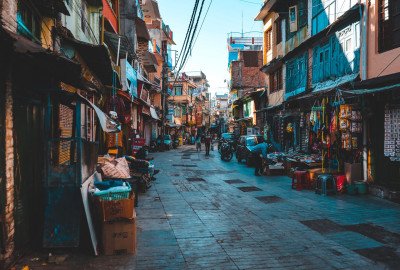 Akhara Bazaar is the primary shopping hub of Kullu, serving as a vibrant epicenter for local trade and culture. It is famously known for its vast collection of traditional Himachali handlooms, particularly the world-renowned Kullu shawls. The bazaar is a bustling strip where the aroma of local street food mingles with the sight of colorful woolens. For travelers, it offers an authentic glimpse into the daily lives of the local Pahari people. You can find everything from intricately designed caps and jackets to Tibetan artifacts and silver jewelry. The market is not just a commercial zone but a cultural experience where the traditional craftsmanship of the Himalayas is on full display. Visitors often spend hours navigating the narrow lanes, discovering small shops that have been run by the same families for generations. It is the best place to buy souvenirs that truly represent the spirit of Himachal Pradesh.
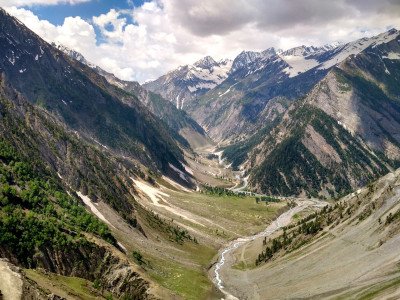 Tirthan Valley is often referred to as Himachal's best-kept secret. It is a land of untouched natural beauty, located at an altitude of 1600 meters along the crystal-clear Tirthan River. Unlike the more crowded tourist destinations like Manali, Tirthan offers a serene and eco-friendly environment that is perfect for those who want to reconnect with nature. The valley is the gateway to the Great Himalayan National Park (GHNP), a UNESCO World Heritage Site known for its incredible biodiversity. The river itself is famous for being a primary habitat for Brown and Rainbow Trout, making the valley a world-class destination for angling and fishing. The landscape is a lush green tapestry of pine and cedar forests, apple orchards, and small hamlets where time seems to have stood still. The local people are deeply committed to conservation, and the valley is one of the few places where eco-tourism is practiced in its truest sense. There are no large hotels or malls here; instead, you will find cozy wooden homestays and riverside camps that offer a personalized experience. The sounds of the gushing river and the chirping of rare Himalayan birds create a meditative atmosphere that is hard to find elsewhere. Visitors can spend their days trekking to hidden waterfalls, exploring ancient wooden towers like Chehni Kothi, or simply sitting by the river with a book. The valley is also a paradise for birdwatchers, as it is home to the endangered Western Tragopan and the colorful Monals. Every turn in the road reveals a new view of the snow-clad peaks in the distance. The air is so fresh that it feels like a tonic for the soul. Whether you are an adventure enthusiast looking to trek through the dense jungles of GHNP or a couple looking for a romantic and quiet getaway, Tirthan Valley provides an experience that is both rejuvenating and authentic. It is a place where you can truly escape the chaos of urban life and live in harmony with the mountains.
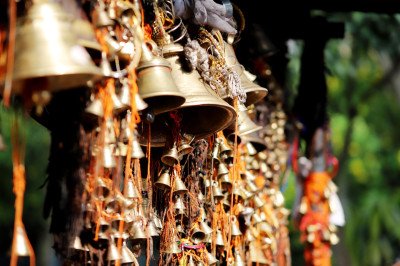 Maha Devi Tirth Temple, also popularly known as the Vaishno Devi Mandir of Kullu, is a magnificent spiritual complex situated on the banks of the Beas River. Established in 1966 by Swami Sewak Das Ji, the temple was born out of a divine vision to replicate the sanctity of the original Vaishno Devi shrine in Jammu. The temple is not just a place of worship but a center for selfless service, housing a dispensary, a library, and a large dining hall that serves free food (Bhandara) to thousands of devotees daily. The shrine is unique because it features a narrow, cave-like passage that pilgrims must crawl through to reach the main sanctum, symbolizing the spiritual journey of rebirth and humility. Surrounded by apple orchards and the towering Himalayan ranges, the temple provides a tranquil atmosphere for meditation and prayer. It is dedicated to Goddess Parvati in her various forms, including Maha Kali, Maha Lakshmi, and Maha Saraswati. The complex has grown significantly over the decades, now including multiple levels that offer breathtaking views of the river valley. It serves as a beacon of peace for travelers moving between Kullu and Manali, offering a moment of spiritual pause amidst their journey. The foundation's philosophy is rooted in "Nishkaam Karma" or selfless service, which is evident in the warm hospitality extended to every visitor regardless of their background.
Dechen Choekhor Mahavihara is a magnificent Tibetan Buddhist monastery located on a hilltop overlooking the Kullu valley. It is one of the most important centers for the Drukpa Kagyu lineage of Tibetan Buddhism. The name 'Dechen Choekhor' translates to 'Abode of Great Bliss'. The monastery is a relatively recent but architecturally grand addition to the valley, offering a peaceful retreat from the more crowded tourist spots. It serves as a residential school for young monks and a center for meditation. The main prayer hall is adorned with massive, colorful statues of Buddha and various Bodhisattvas. The walls are covered in intricate Thangka paintings and murals that depict the life of Buddha and various Buddhist deities. The monastery's location provides a panoramic view of the Beas River and the surrounding apple orchards. It is known for its serene atmosphere, where the only sounds are the rhythmic chanting of monks and the tinkling of prayer wheels.
The Raghunath Temple is the most significant religious landmark in the Kullu Valley, dedicated to Lord Raghunath (an incarnation of Lord Rama). Built in 1660 by Raja Jagat Singh, the then ruler of Kullu, the temple holds a fascinating history rooted in penance and devotion. Legend has it that the King, seeking to atone for a great sin involving a Brahmin's death, sent a priest to Ayodhya to bring back the idol of Lord Rama. The idol was established here, and the King subsequently dedicated his entire kingdom to the deity, ruling only as his regent. This act transformed the cultural landscape of the region, making Lord Raghunath the presiding deity of the entire valley. The temple is located on a hilltop in Sultanpur, providing a serene and spiritual atmosphere overlooking the town. It is the epicenter of the world-famous Kullu Dussehra festival, where hundreds of local deities from across the valley come to pay their respects to Raghunath Ji. The temple complex is a hub of traditional Vedic rituals and Pahadi customs, blending seamlessly to create a unique religious identity. Pilgrims visit throughout the year to seek blessings for peace and prosperity. The interior of the temple is modest but deeply evocative, housing the ancient idol and various other sacred relics. The surrounding gardens and the quiet paths leading to the temple offer a meditative experience, away from the commercial noise of the main market. For history buffs and spiritual seekers alike, the Raghunath Temple serves as a window into the 17th-century heritage of the Himalayan kingdoms. The temple's significance extends beyond religion; it is a symbol of the unity and collective faith of the people of Kullu, who believe that the deity protects the valley from all calamities and brings seasonal harmony.Show All
The Great Himalayan National Park (GHNP) is a world-renowned conservation area established in 1984. It was declared a UNESCO World Heritage Site in 2014 for its outstanding biodiversity and ecological importance. Covering an area of 1,171 square kilometers, the park spans altitudes from 1,500 to 6,000 meters. It is home to several rare and endangered species, including the elusive Snow Leopard, the Himalayan Brown Bear, and the Western Tragopan. The park is divided into four major valleys: Tirthan, Sainj, Jiwa Nal, and Parvati. The landscape is a breathtaking mix of alpine meadows, dense deodar forests, and glacial peaks. For adventure seekers, GHNP offers some of the most challenging and rewarding trekking routes in India. It serves as a vital watershed for the region, feeding the Beas and Sutlej river systems.
Maha Devi Tirth Temple, also popularly known as the Vaishno Devi Mandir of Kullu, is a magnificent spiritual complex situated on the banks of the Beas River. Established in 1966 by Swami Sewak Das Ji, the temple was born out of a divine vision to replicate the sanctity of the original Vaishno Devi shrine in Jammu. The temple is not just a place of worship but a center for selfless service, housing a dispensary, a library, and a large dining hall that serves free food (Bhandara) to thousands of devotees daily. The shrine is unique because it features a narrow, cave-like passage that pilgrims must crawl through to reach the main sanctum, symbolizing the spiritual journey of rebirth and humility. Surrounded by apple orchards and the towering Himalayan ranges, the temple provides a tranquil atmosphere for meditation and prayer. It is dedicated to Goddess Parvati in her various forms, including Maha Kali, Maha Lakshmi, and Maha Saraswati. The complex has grown significantly over the decades, now including multiple levels that offer breathtaking views of the river valley. It serves as a beacon of peace for travelers moving between Kullu and Manali, offering a moment of spiritual pause amidst their journey. The foundation's philosophy is rooted in "Nishkaam Karma" or selfless service, which is evident in the warm hospitality extended to every visitor regardless of their background.
Dechen Choekhor Mahavihara is a magnificent Tibetan Buddhist monastery located on a hilltop overlooking the Kullu valley. It is one of the most important centers for the Drukpa Kagyu lineage of Tibetan Buddhism. The name 'Dechen Choekhor' translates to 'Abode of Great Bliss'. The monastery is a relatively recent but architecturally grand addition to the valley, offering a peaceful retreat from the more crowded tourist spots. It serves as a residential school for young monks and a center for meditation. The main prayer hall is adorned with massive, colorful statues of Buddha and various Bodhisattvas. The walls are covered in intricate Thangka paintings and murals that depict the life of Buddha and various Buddhist deities. The monastery's location provides a panoramic view of the Beas River and the surrounding apple orchards. It is known for its serene atmosphere, where the only sounds are the rhythmic chanting of monks and the tinkling of prayer wheels.
The Raghunath Temple is the most significant religious landmark in the Kullu Valley, dedicated to Lord Raghunath (an incarnation of Lord Rama). Built in 1660 by Raja Jagat Singh, the then ruler of Kullu, the temple holds a fascinating history rooted in penance and devotion. Legend has it that the King, seeking to atone for a great sin involving a Brahmin's death, sent a priest to Ayodhya to bring back the idol of Lord Rama. The idol was established here, and the King subsequently dedicated his entire kingdom to the deity, ruling only as his regent. This act transformed the cultural landscape of the region, making Lord Raghunath the presiding deity of the entire valley. The temple is located on a hilltop in Sultanpur, providing a serene and spiritual atmosphere overlooking the town. It is the epicenter of the world-famous Kullu Dussehra festival, where hundreds of local deities from across the valley come to pay their respects to Raghunath Ji. The temple complex is a hub of traditional Vedic rituals and Pahadi customs, blending seamlessly to create a unique religious identity. Pilgrims visit throughout the year to seek blessings for peace and prosperity. The interior of the temple is modest but deeply evocative, housing the ancient idol and various other sacred relics. The surrounding gardens and the quiet paths leading to the temple offer a meditative experience, away from the commercial noise of the main market. For history buffs and spiritual seekers alike, the Raghunath Temple serves as a window into the 17th-century heritage of the Himalayan kingdoms. The temple's significance extends beyond religion; it is a symbol of the unity and collective faith of the people of Kullu, who believe that the deity protects the valley from all calamities and brings seasonal harmony.Show All
The Great Himalayan National Park (GHNP) is a world-renowned conservation area established in 1984. It was declared a UNESCO World Heritage Site in 2014 for its outstanding biodiversity and ecological importance. Covering an area of 1,171 square kilometers, the park spans altitudes from 1,500 to 6,000 meters. It is home to several rare and endangered species, including the elusive Snow Leopard, the Himalayan Brown Bear, and the Western Tragopan. The park is divided into four major valleys: Tirthan, Sainj, Jiwa Nal, and Parvati. The landscape is a breathtaking mix of alpine meadows, dense deodar forests, and glacial peaks. For adventure seekers, GHNP offers some of the most challenging and rewarding trekking routes in India. It serves as a vital watershed for the region, feeding the Beas and Sutlej river systems.Information
-
Why Famous:
International Dussehra: Kullu is famous for its unique week-long Dussehra festival, which begins when the celebrations end in the rest of India. Thousands of people gather to witness the arrival of over 200 local deities in decorated palanquins.International Dussehra: Kullu is famous for its unique week-long Dussehra festival, which begins when the celebrations end in the rest of India. Thousands of people gather to witness the arrival of over 200 local deities in decorated palanquins.
Handicraft Industry: The town is a global hub for the Kullu Shawl industry, characterized by geometric patterns and vibrant colors. These shawls are protected under Geographical Indication (GI) status, ensuring their authenticity and quality. -
Architecture:
Pagoda and Pyramidal Style: The architecture in Kullu predominantly features the Kath-Kuni style, utilizing alternating layers of wood and stone. The Raghunath Temple showcases a mix of Pyramidal and Himachali styles, standing roughly 15 meters tall with intricate carvings....Pagoda and Pyramidal Style: The architecture in Kullu predominantly features the Kath-Kuni style, utilizing alternating layers of wood and stone. The Raghunath Temple showcases a mix of Pyramidal and Himachali styles, standing roughly 15 meters tall with intricate carvings. The wooden balconies and sloping slate roofs are designed to withstand heavy snowfall while providing natural insulation.
Temple Dimensions: Many local shrines are built on raised stone platforms measuring approximately 10 by 10 meters. The wood used is typically cedar (Deodar), known for its durability and aromatic fragrance. The carvings often depict local folklore and floral patterns unique to the Himalayan region. -
How To Reach:
By Air: The nearest airport is Bhuntar Airport, located 10 KMS from Kullu, with regular flights from Delhi.
By Train: The closest broad-gauge station is Chandigarh (270 KMS), while the narrow-gauge station is Joginder Nagar (120 KMS).By Air: The nearest airport is Bhuntar Airport, located 10 KMS from Kullu, with regular flights from Delhi.
By Train: The closest broad-gauge station is Chandigarh (270 KMS), while the narrow-gauge station is Joginder Nagar (120 KMS).
By Road: Well-connected by HRTC and private buses from Delhi (500 KMS), Chandigarh, and Shimla.
By Local Transport: Taxis and auto-rickshaws are readily available for moving within the town and to nearby attractions. -
Weather and Best Time to Visit:
Summer Season: March to June offers pleasant weather with temperatures between 15°C and 25°C, ideal for sightseeing.
Winter Season: December to February is perfect for snow lovers, though temperatures can drop below 0°C.Summer Season: March to June offers pleasant weather with temperatures between 15°C and 25°C, ideal for sightseeing.
Winter Season: December to February is perfect for snow lovers, though temperatures can drop below 0°C.
Autumn Season: September to November is best for photography and witnessing the grand Dussehra celebrations. -
Near Tourist Places:
Manali (40 KMS), Kasol (37 KMS), Manikaran (41 KMS), Naggar (21 KMS), Bhuntar (10 KMS), Raisun (13 KMS), Shoja (68 KMS), Jibhi (65 KMS), Banjar (52 KMS), Malana (45 KMS).
Tourism Tips
-
Health and Safety: Always carry basic medicines for motion sickness as the mountain roads are winding. Stay hydrated and avoid drinking tap water; prefer bottled or filtered water available at guesthouses.
Packing Essentials: Even in summe...Health and Safety: Always carry basic medicines for motion sickness as the mountain roads are winding. Stay hydrated and avoid drinking tap water; prefer bottled or filtered water available at guesthouses.
Packing Essentials: Even in summer, carry a light jacket as evenings can be chilly. In winter, heavy woolens, gloves, and thermal wear are mandatory for the freezing temperatures.
Accommodation: Book your stay in advance during the Dussehra festival as the town gets extremely crowded. Options range from luxury resorts to budget-friendly riverside camps and traditional homestays.
Respect Local Customs: Do not touch the idols or temple walls without permission, as local traditions are very strict. Always ask for permission before taking photographs of the local people or their homes.
Reviews
FAQs
Kullu Itineray And Cost:-
Information about New and Updated Locations() of Himachal Pradesh Has Been Added :-
Card subtitle
Note:-
Information provided here in good Faith and for reference only.
All information and pictures will be updated soon, please keep visiting.
Near Places

Anandpur Sahib
Some quick example text to build on the card title and make up the bulk of the card's content.
Go somewhere
Bhuntar
Some quick example text to build on the card title and make up the bulk of the card's content.
Go somewhere
Bir Billing
Some quick example text to build on the card title and make up the bulk of the card's content.
Go somewhere
Chail
Some quick example text to build on the card title and make up the bulk of the card's content.
Go somewhere
Chamba
Some quick example text to build on the card title and make up the bulk of the card's content.
Go somewhere
Dalhousie
Some quick example text to build on the card title and make up the bulk of the card's content.
Go somewhere
Dharamshala
Some quick example text to build on the card title and make up the bulk of the card's content.
Go somewhere
Fagu
Some quick example text to build on the card title and make up the bulk of the card's content.
Go somewhere
Hamirpur
Some quick example text to build on the card title and make up the bulk of the card's content.
Go somewhere
Joginder Nagar
Some quick example text to build on the card title and make up the bulk of the card's content.
Go somewherein Other Cities