
...

Place To Visit And Things To Do In Kutch

Gujarat, India
Geography of Kutch: This is the largest district in India, known for its unique salt desert called the Great Rann of Kutch. During the monsoon, the area is submerged in water, but as it dries up, it leaves behind a sparkling white crust of salt. The region is bordered by the Arabian Sea on one side and the Thar Desert on the other, creating a diverse landscape. It is a land of extremes, with scorching summers and freezing winters, yet it remains one of the most culturally vibrant places in the country. History and Culture: The history of Kutch is deeply intertwined with the Indus Valley Civilization, as seen in the ruins of Dholavira. Over centuries, it has been a melting pot of various tribes and nomadic communities that migrated from Sindh, Rajasthan, and beyond. This has resulted in a rich tapestry of handicrafts, particularly embroidery, block printing, and pottery. The people of Kutch, known for their resilience, rebuilt the region spectacularly after the devastating earthquake in 2001. The Rann Utsav: This annual festival has put Kutch on the global tourism map, celebrating the art, music, and dance of the region. For four months, a temporary tent city is erected in the desert to host thousands of visitors from around the world. It provides a platform for local artisans to showcase their skills and for tourists to experience authentic Kutchi hospitality. The sight of the white desert under a full moon during the festival is considered one of the most beautiful experiences in India. Wildlife and Nature: Beyond the salt flats, Kutch is home to the Little Rann, which houses the endangered Indian Wild Ass in its sanctuary. The region also hosts migratory birds like flamingos, which arrive in thousands at the "Flamingo City" during the breeding season. The Banni grasslands provide a unique ecosystem for desert foxes, wolves, and various species of eagles. Nature enthusiasts can explore the rugged terrain of Kalo Dungar, the highest point in Kutch, which offers a panoramic view of the vast salt plains.

Things To Do

Card image cap
Anjar

@@ Anjar (Jesal Toral Samadhi) Details: This sacred site in Anjar commemorates the legendary lives of Jesal Jadeja, a notorious dacoit, and Sati Toral...

@@ Anjar (Jesal Toral Samadhi) Details: This sacred site in Anjar commemorates the legendary lives of Jesal Jadeja, a notorious dacoit, and Sati Toral, a queen whose spiritual influence transformed him into a saint. The story is a cornerstone of Kutchi folklore, symbolizing the power of devotion and the possibility of human redemption. Visitors flock here to pay respects at the adjacent tombs, which according to local myth, move closer to each other every year. The atmosphere is thick with reverence, as pilgrims sing bhajans and recount the miracles of the duo. Beyond the spiritual aspect, the site serves as a cultural hub for the town of Anjar, reflecting the deep-rooted values of the Rabari and Jadeja communities. The surrounding area is filled with narrow lanes and small shops selling traditional items, giving a glimpse into the authentic lifestyle of rural Kutch. It is a place where history, myth, and faith converge beautifully.
Card image cap
Bhadreshwar Jain Temple

@@ Bhadreshwar Jain Temple Details: Also known as Vasai Jain Temple, this is one of the oldest and most significant Jain pilgrimage sites in India, wi...
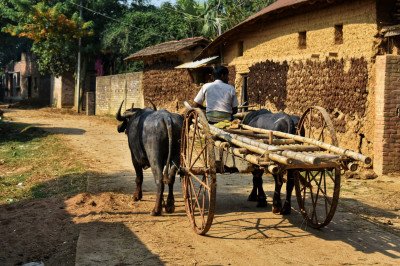
@@ Bhadreshwar Jain Temple Details: Also known as Vasai Jain Temple, this is one of the oldest and most significant Jain pilgrimage sites in India, with roots dating back over 2,500 years. The temple complex is a stunning sanctuary of peace, constructed almost entirely of glistening white marble. It was historically renovated by the legendary merchant Jagdusha in the 13th century to provide relief during a severe famine. The main shrine is dedicated to Lord Ajitnath, the second Tirthankara, and is surrounded by a vast courtyard and numerous smaller shrines. Despite being severely damaged in the 2001 earthquake, the temple has been meticulously restored to its former glory by skilled artisans. The site is not just a religious landmark but a testament to the resilience of Kutchi heritage. The silence of the temple, interrupted only by the chirping of birds and the soft chants of monks, offers a meditative experience unlike any other. It remains a vital center for the Jain community, attracting scholars and devotees from across the globe.
Card image cap
Bhujodi Village

@@ Bhujodi Village Details: Bhujodi is a world-renowned artisan village that serves as the heart of Kutch's textile heritage. Inhabited primarily by t...

@@ Bhujodi Village Details: Bhujodi is a world-renowned artisan village that serves as the heart of Kutch's textile heritage. Inhabited primarily by the Vankar community, every home here is a mini-factory where traditional handloom weaving has been practiced for centuries. As you walk through the village, the rhythmic sound of wooden looms provides a constant soundtrack. The artisans here are masters of intricate shawl making, using wool and cotton to create motifs that reflect the desert landscape. Bhujodi is not just a place to buy goods; it is an immersive cultural experience where visitors can sit with National Award-winning weavers and understand the complex process of natural dyeing and thread spinning. The village has successfully blended traditional skills with modern designs, making it a favorite for international designers and textile enthusiasts. The warmth of the local people and their pride in their craft make every visit memorable. It is a shining example of sustainable, community-led tourism in rural India.
Card image cap
Chhari Dhand Bird Sanctuary

@@ Chhari Dhand Bird Sanctuary Details: Chhari Dhand is a shallow wetland located on the edge of the arid Banni grasslands and the marshy salt flats o...

@@ Chhari Dhand Bird Sanctuary Details: Chhari Dhand is a shallow wetland located on the edge of the arid Banni grasslands and the marshy salt flats of the Rann of Kutch. In the local language, 'Chhari' means salty and 'Dhand' means a shallow lake. This seasonal desert wetland is a paradise for ornithologists and nature lovers, attracting over 200 species of migratory birds every winter. It is home to thousands of Flamingos, Common Cranes, and Great White Pelicans that travel from as far as Siberia and Europe. The ecosystem is unique, as it depends entirely on the monsoon rains to fill the basin. When full, it covers a vast area, providing a stark, beautiful contrast to the surrounding desert. The sanctuary is also a habitat for endangered species like the Dalmatian Pelican and the Oriental Darter. Beyond birds, one can often spot desert foxes, wolves, and Chinkaras in the surrounding grasslands. It is one of the most serene and untouched parts of Kutch, offering a raw experience of nature away from the tourist crowds.
Card image cap
Dhinodhar Hill

@@ Dhinodhar Hill Details: Dhinodhar Hill is an ancient, inactive volcano that rises dramatically from the plains of Kutch, reaching a height of about...

@@ Dhinodhar Hill Details: Dhinodhar Hill is an ancient, inactive volcano that rises dramatically from the plains of Kutch, reaching a height of about 386 meters. It is a site of great spiritual and geological importance. At the summit sits a shrine dedicated to Saint Dhoramnath, who is said to have performed a rigorous 12-year penance by standing on his head. Legend has it that when he finally opened his eyes, his gaze was so powerful it split the hill and created the Rann of Kutch. Today, the hill serves as a pilgrimage site for the Kanphata (split-ear) monastic order and the Brahma-Kshatriya community. The climb to the top involves ascending nearly 1,000 stone steps, offering a rewarding trekking experience. From the peak, the panoramic view of the Great Rann and the Chhari Dhand wetlands is breathtaking, especially on a clear day. The hill is also home to diverse flora and fauna, including rare herbs and desert wildlife. At the foot of the hill lies the Than Monastery, a beautiful 16th-century complex with ancient frescoes and a peaceful courtyard.
Card image cap
Great Rann of Kutch

The Great Rann of Kutch is a massive seasonal salt marsh located in the Thar Desert of the Kutch district. This geographical marvel spans over 7,500 ...

The Great Rann of Kutch is a massive seasonal salt marsh located in the Thar Desert of the Kutch district. This geographical marvel spans over 7,500 square kilometers and is renowned globally as one of the largest salt deserts in the world. During the monsoon season, the entire area is submerged in water, which eventually evaporates by October and November, leaving behind a thick crust of dazzling white salt. This white expanse creates a surreal, moon-like landscape that stretches to the horizon. The desert is a significant part of the Kutch Biosphere Reserve and serves as a vital ecological zone for various flora and fauna. Historically, the Rann was once a navigable part of the Arabian Sea, but tectonic shifts and river silting transformed it into the marshy salt flat we see today. The culture surrounding the Rann is incredibly rich, with local communities like the Rabaris and Meghwals inhabiting the surrounding villages. These communities are famous for their intricate hand embroidery, mirror work, and vibrant traditional attire. Tourism in the Rann skyrocketed with the introduction of the Rann Utsav, a grand festival celebrating the region's heritage. Visitors from across the globe flock here to witness the salt flats glowing under the light of the full moon. The silence of the desert, combined with the reflection of the sky on the white surface, provides a meditative and spiritual experience for travelers. It is also a site of strategic importance, being situated very close to the international border between India and Pakistan. The sheer scale of the desert makes one feel humble, offering a perspective on the vastness of nature. Whether you visit during the day when the sun makes the salt sparkle like diamonds, or at night when it turns into a silvery wonderland, the Great Rann of Kutch remains an unforgettable destination that defines the spirit of Gujarat tourism. The region also plays a crucial role in salt production for India, contributing significantly to the national economy through traditional and modern harvesting methods.
Card image cap
Hajipir Dargah

Hajipir Dargah is a sacred shrine dedicated to the Muslim saint Hajipir, who is revered by both Hindus and Muslims across the Kutch region and beyond...

Hajipir Dargah is a sacred shrine dedicated to the Muslim saint Hajipir, who is revered by both Hindus and Muslims across the Kutch region and beyond. According to local legend, the saint came to this region from Persia and died while protecting cows from bandits, a noble act that earned him the respect of all communities. The Dargah is situated in the parched plains near the Indo-Pak border and serves as a beacon of faith for thousands of devotees. Unlike many other religious sites, the Hajipir shrine is unique because it symbolizes a blend of Sufi traditions and local folk legends. The saint is often referred to as 'Zinda Pir' or the Living Saint. The atmosphere at the Dargah is one of extreme peace and simplicity. Pilgrims often walk miles across the desert to reach the shrine as an act of penance or devotion. The complex includes the main tomb of the saint and several smaller structures for prayer and rest. The surrounding landscape is barren and rugged, highlighting the spiritual significance of the shrine as an oasis of hope. Every year, a massive fair is held here, which is attended by people of all castes and creeds, showcasing the deep-rooted communal harmony of Gujarat. The shrine is not just a religious site but a cultural landmark where traditional Sufi music and local qawwalis can often be heard. The stories of the saint's miracles are passed down through generations, making it a living part of the region's oral history. Visiting the Dargah provides a deep insight into the spiritual fabric of the borderland communities of Kutch. The shrine is maintained by a local trust that ensures facilities for the thousands of pilgrims who visit daily. The simplicity of the white-washed structure against the brown desert backdrop makes for a striking and humble sight, reminding visitors of the saint's own simple life.
Card image cap
Indian Wild Ass Sanctuary

The Indian Wild Ass Sanctuary, also known as the Little Rann of Kutch (LRK) Wildlife Sanctuary, is the only place on earth where the Indian Wild Ass,...

The Indian Wild Ass Sanctuary, also known as the Little Rann of Kutch (LRK) Wildlife Sanctuary, is the only place on earth where the Indian Wild Ass, locally known as the Khur, can still be found in the wild. Established in 1972, this sanctuary covers an area of nearly 5,000 square kilometers, making it one of the largest wildlife reserves in India. The landscape is a unique combination of saline mudflats (the Rann) and grassy plateaus known as Bets. These Bets serve as the primary habitat for the Wild Ass and other wildlife during the monsoon when the rest of the Rann is flooded. The Khur is a magnificent creature, known for its incredible speed and stamina, capable of running at over 50 km/h for long distances. Apart from the Wild Ass, the sanctuary is home to a variety of other animals, including the Chinkara, Desert Fox, Nilgai, and the Blackbuck. It is also a paradise for bird watchers, especially during the winter months when thousands of migratory birds, including Greater Flamingos, Pelicans, and Cranes, descend upon the seasonal wetlands. The sanctuary's ecology is fragile and unique, being a mix of desert and sea influences. The salt-pan workers, known as Agariyas, also live within the periphery of the sanctuary, producing a significant portion of India's salt. This coexistence of wildlife and traditional industry is a fascinating aspect of the Little Rann. The vast, flat landscape creates stunning mirages during the hot afternoons, adding to the mystical feel of the place. Safari tours are the primary way to explore the sanctuary, usually conducted in open-top jeeps that can navigate the treacherous mudflats. The sanctuary is not just a place for wildlife enthusiasts but also for those interested in geology and photography, as the cracked earth of the dry Rann provides a dramatic backdrop. Conservation efforts here are crucial, as the Wild Ass is listed as a 'Near Threatened' species. Visiting the sanctuary offers a rare chance to see these untamable animals in their natural, harsh, yet beautiful environment.
Card image cap
Kalo Dungar

Kalo Dungar, which translates to "Black Hill," is the highest point in the Kutch district, standing at an elevation of 462 meters (1,516 feet) above ...

Kalo Dungar, which translates to "Black Hill," is the highest point in the Kutch district, standing at an elevation of 462 meters (1,516 feet) above sea level. This peak offers the most spectacular and comprehensive panoramic view of the Great Rann of Kutch, where the white desert meets the blue sky on the horizon. From the summit, the Rann looks like a massive inland sea, especially during the monsoon when it is filled with water. The hill is not just a geographical landmark but also a place of deep spiritual significance. It is home to a 400-year-old temple dedicated to Lord Dattatreya, an incarnation of the holy trinity (Brahma, Vishnu, and Shiva). According to local legend, Dattatreya stopped here and encountered a pack of hungry jackals; seeing their plight, he offered his body for them to eat, but his body miraculously regenerated. In memory of this, the temple priests have a tradition of feeding "Prasad" (cooked rice) to the wild jackals every day at noon and evening. Visitors can witness this unique ritual, as the jackals emerge from the scrub forest at the sound of the priest's call. The climb to the top involves a winding road that showcases the rugged volcanic landscape of the region. Near the hill, there is also a "Magnetic Hill" phenomenon where vehicles appear to move against gravity, which is a popular attraction for curious tourists. Being close to the Pakistan border, there is also a military post at the top, and on clear days, the international border and the India Bridge can be spotted through binoculars. The silence at the peak, broken only by the wind and the temple bells, provides a sense of peace that is hard to find elsewhere. It is a must-visit for anyone who wants to understand the sheer scale of the Kutch landscape. The hill serves as a sentinel over the vast salt plains, representing the rugged and resilient spirit of the people of Kutch.
Card image cap
Koteshwar Temple

Koteshwar Temple is an ancient and highly revered Shiva temple located on the extreme western tip of India, overlooking the Arabian Sea. It is the la...
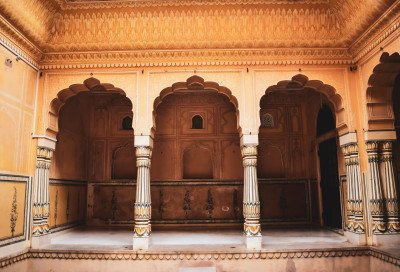
Koteshwar Temple is an ancient and highly revered Shiva temple located on the extreme western tip of India, overlooking the Arabian Sea. It is the last outpost of Indian territory before the international maritime border with Pakistan. The temple is mentioned in the Puranas and is linked to the epic Ramayana. According to legend, the demon king Ravana was carrying a powerful Shiva Lingam given to him by Lord Shiva. He was told not to place it on the ground, but he was tricked by the gods into doing so at this spot. To confuse Ravana, Lord Shiva created a crore (Koti) of identical Lingams, and Ravana, unable to pick the original, built a temple here—hence the name Koteshwar (Lord of a Crore). The current temple structure is a beautiful stone edifice built within a fortified wall that protects it from the lashing waves of the sea. The temple stands on a high sandstone mound, providing a commanding view of the ocean. On a clear night, the lights of Karachi in Pakistan can sometimes be seen shimmering across the water. The spiritual energy of the temple is palpable, with the constant sound of the waves providing a natural rhythm to the chants of the devotees. The temple is part of a larger religious circuit that includes the nearby Narayan Sarovar, one of the five holy lakes in Hinduism. The surrounding area is rugged and sparsely populated, adding to the sense of being at the edge of the world. For travelers, Koteshwar represents a unique blend of mythological depth, historical architecture, and strategic significance. It is a place where faith meets the sea, and where the boundary of a nation is guarded not just by soldiers but by ancient traditions. The temple has been renovated several times over the centuries, with the current structure reflecting the classic Gujarati temple architecture. Visiting Koteshwar is a humbling experience, offering a moment of reflection as you stand at the very edge of the Indian subcontinent, looking out into the vast, unending expanse of the Arabian Sea.
Card image cap
Lakhpat Fort & Gurudwara

@@The Deserted Grandeur of Lakhpat: Lakhpat Fort is a hauntingly beautiful "ghost town" located at the edge of the Rann. Once a thriving port where th...
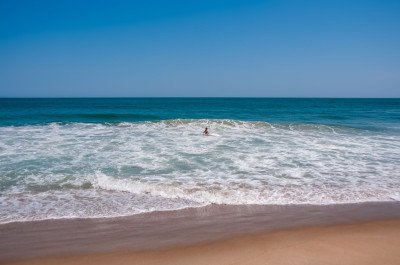
@@The Deserted Grandeur of Lakhpat: Lakhpat Fort is a hauntingly beautiful "ghost town" located at the edge of the Rann. Once a thriving port where the Indus River met the sea, it lost its glory after the 1819 earthquake shifted the river's course. Today, the massive 7-km long fort walls enclose a sparsely populated area filled with ruins of houses, temples, and dargahs. Inside lies the Lakhpat Gurudwara Sahib, a UNESCO-recognized site where Guru Nanak stayed during his journeys to Mecca. The silence here is profound, broken only by the wind and the distant call of the BSF guards. Walking through the ruins, you feel the weight of history and the suddenness with which nature can transform a millionaire’s city into a desert outpost. The view from the ramparts looking towards the Great Rann and the Kori Creek is surreal, especially at sunset when the landscape turns golden.
Card image cap
Mandvi Beach

@@Sun, Sand, and Shipbuilding: Mandvi Beach is one of Gujarat's most beautiful coastal stretches, known for its pristine white sand and azure waters. ...

@@Sun, Sand, and Shipbuilding: Mandvi Beach is one of Gujarat's most beautiful coastal stretches, known for its pristine white sand and azure waters. Historically, Mandvi was a prominent port of the Kutch state, and the town still maintains a 400-year-old tradition of handmade wooden shipbuilding. The beach is unique because of the massive windmills that line the shore, providing a futuristic contrast to the traditional camel rides. Nearby, the Vijay Vilas Palace adds a touch of royalty, having served as a summer retreat for the Maharaos of Kutch. The beach atmosphere is vibrant yet serene, offering a mix of water sports for thrill-seekers and quiet corners for those looking to relax. During low tide, the sea retreats significantly, allowing long walks on the wet sand where you can spot birds like flamingos and gulls.
Card image cap
Mata no Madh

@@The Spiritual Anchor: Mata no Madh is a sacred temple dedicated to Goddess Ashapura, the principle deity of the Kutch royalty and the people of the ...

@@The Spiritual Anchor: Mata no Madh is a sacred temple dedicated to Goddess Ashapura, the principle deity of the Kutch royalty and the people of the region. The temple is located in a small valley surrounded by hills, creating a natural amphitheater of devotion. For centuries, pilgrims have walked hundreds of kilometers on foot to reach this shrine, especially during the Navratri festival. The original 14th-century structure was damaged by earthquakes and rebuilt multiple times, showing the resilience of the local faith. The atmosphere is charged with the sound of temple bells and the chanting of 'Jai Mata Di.' Inside the sanctum, the idol of Ashapura Maa is unique, standing about 6 feet tall with seven pairs of eyes. The temple complex is not just a place of worship but a massive hub of charity, where thousands are fed daily in the communal kitchen.
Card image cap
Narayan Sarovar

@@The Holy Waters: Narayan Sarovar is one of the five sacred lakes (Panch-Sarovar) mentioned in Hindu scriptures, alongside Mansarovar and Pampa. It i...

@@The Holy Waters: Narayan Sarovar is one of the five sacred lakes (Panch-Sarovar) mentioned in Hindu scriptures, alongside Mansarovar and Pampa. It is a cluster of several temples located on the banks of a large lake near the Kori Creek. The site is a blend of extreme desert landscapes and deep spirituality. According to legend, Lord Vishnu appeared here in response to the prayers of sages, creating the lake with his toe. The temple complex was built in the 18th century by the Queen of Kutch and features shrines dedicated to Trikamraiji, Laxminarayan, and Adinarayan. Beyond its religious value, the surrounding area is a designated wildlife sanctuary, home to the endangered Chinkara (Indian Gazelle) and various migratory birds. The stark, arid beauty of the region, combined with the temple's white spires reflecting in the water, makes it a destination for both pilgrims and nature lovers.
Card image cap
Nirona Village

@@Artistry in the Arid Land: Nirona Village is a living museum of Kutchi handicrafts and is globally famous for being the home of Rogan Art. This anci...

@@Artistry in the Arid Land: Nirona Village is a living museum of Kutchi handicrafts and is globally famous for being the home of Rogan Art. This ancient technique of painting on fabric using castor oil and natural pigments is practiced only by one family in the world today. Walking through the narrow, dusty lanes of Nirona, you can see artisans at work on their porches, creating incredible designs with nothing but a metal rod and a dollop of colored paste. The village is also famous for its Copper Bell makers, who can tune a bell to a specific musical note using just a hammer, and Lacquer Work on wood. Nirona gained international fame when Prime Minister Modi gifted a Rogan painting to President Obama. A visit here is an intimate experience where you sit with the artists, watch their painstaking processes, and understand the soul of Kutch through its traditional crafts.
Card image cap
Pingleshwar Beach

Pingleshwar Beach is a serene and relatively untouched coastal paradise located in the Abdasa taluka of Kutch. This beach is famous for its golden sa...

Pingleshwar Beach is a serene and relatively untouched coastal paradise located in the Abdasa taluka of Kutch. This beach is famous for its golden sands and the calming sound of the Arabian Sea waves. Unlike the more crowded beaches of Mandvi, Pingleshwar offers a peaceful retreat for those looking to escape the hustle and bustle of city life. The beach is unique because it serves as a significant wetland where numerous migratory birds congregate, making it a haven for birdwatchers. The presence of massive wind turbines along the coastline adds a modern aesthetic to the natural beauty of the area. It is also home to the ancient Pingleshwar Mahadev Temple, which attracts many devotees throughout the year. The water here is shallow and crystal clear, making it safe for wading and enjoying the sea breeze. Visitors can spend hours walking along the vast stretch of sand without seeing another soul, providing a true sense of solitude. The local fishing community can often be seen at work, offering a glimpse into the traditional coastal lifestyle of Gujarat. :
Card image cap
Roha Fort

Roha Fort is a majestic yet hauntingly beautiful historical site perched atop a hill in the Nakhatrana region. Built in the 16th century, it served a...

Roha Fort is a majestic yet hauntingly beautiful historical site perched atop a hill in the Nakhatrana region. Built in the 16th century, it served as a powerful seat of the Jadeja Rajputs. The fort is famously known as Roha Sumari Fort due to the legend of 120 Sumari princesses who sacrificed their lives here. The fort complex once governed 52 villages, making it one of the wealthiest jagirs in Kutch. Today, the fort stands in ruins, partially destroyed by the 2001 Earthquake, but its crumbling walls still whisper stories of bravery and tragedy. The fort is situated 800 feet above sea level, offering a panoramic view of the surrounding Kutchhi landscape. It was also a place of inspiration for the famous Gujarati poet Kalapi, who spent time here amidst the peacocks and nature. The atmosphere at the fort is incredibly still and quiet, often visited by history enthusiasts and trekkers. Walking through the ruins, one can see the remains of the royal quarters, a temple, and deep wells that were once said to be filled with treasures. The climb to the top involves about a hundred stone steps, making it an accessible trek for most visitors. :
Card image cap
Shyamji Krishna Varma Memorial

The Shyamji Krishna Varma Memorial, also known as Kranti Teerth, is a grand tribute to one of India’s most influential freedom fighters. Born in Ma...

The Shyamji Krishna Varma Memorial, also known as Kranti Teerth, is a grand tribute to one of India’s most influential freedom fighters. Born in Mandvi in 1857, Shyamji Krishna Varma founded the India House in London, which became a hub for Indian revolutionaries like Savarkar and Hardayal. The memorial is a stunning replica of the original 65 Cromwell Avenue house in London. Spread over 52 acres, the complex was inaugurated in 2010 to honor his legacy. A deeply moving part of the memorial is the Urn Gallery, which houses the ashes of Shyamji and his wife Bhanumati. Their ashes were brought back from Geneva to India by the then Chief Minister Narendra Modi in 2003, fulfilling the patriot's last wish. The museum inside uses modern technology, paintings, and historical documents to narrate the story of the Indian independence movement abroad. The campus is beautifully landscaped with gardens and walkways, making it a peaceful place for reflection. It serves as an educational center for the younger generation to learn about the sacrifices made by those who lived far from their homeland but fought tirelessly for its freedom. :
Card image cap
Siyot Caves

The Siyot Caves are an extraordinary archaeological site dating back to the 1st Century AD. These rock-cut caves are believed to be part of the 80 mo...

The Siyot Caves are an extraordinary archaeological site dating back to the 1st Century AD. These rock-cut caves are believed to be part of the 80 monastic sites mentioned by the famous Chinese traveler Hiuen Tsang in his journals. The caves exhibit a fascinating blend of Buddhist and early Hindu architectural influences. The main cave features an east-facing sanctum and a path for circumambulation, which is typical of early temple structures. Archaeologists have discovered clay seals depicting the Buddha and inscriptions in Brahmi script at this site, confirming its significance as a Buddhist center. The caves are carved into a sandstone hill and are surrounded by the rugged, arid landscape of western Kutch. Despite their age, the carvings and structural integrity of the caves are remarkably well-preserved. This site is far off the beaten path, making it a "hidden gem" for those who love history and archaeology. Visiting Siyot feels like stepping back two thousand years into a time of silent meditation and ancient scholars. The surrounding area is also home to a crudely excavated stepwell, suggesting a well-established settlement in ancient times. :
Card image cap
Tera Fort

@@History of Tera Fort: This ancient structure is located in the historic village of Tera, which was once a major jagir of the Jadeja rulers in Kutch....

@@History of Tera Fort: This ancient structure is located in the historic village of Tera, which was once a major jagir of the Jadeja rulers in Kutch. Built during the reign of Deshalji I in the 18th Century, the fort served as a defensive stronghold for the local chiefs. The village itself is famous as the first Heritage Village of Gujarat, known for its interlinked water bodies. The fort witnessed a major conflict during the time of Maharao Lakhpatji, where modern artillery was used for the first time in the region's history. This battle led to significant damage to the structure, but its ruins still hold a regal charm today. The surrounding area is rich in wildlife, often spotting Chinkaras and Peacocks near the walls. Visitors come here to see the confluence of three manmade lakes: Chattasar, Sumerasar, and Chatasar. These lakes represent the traditional wisdom of water management in the arid land of Kutch. The fort remains a private property, yet its exterior and the nearby Darbar Gadh offer a glimpse into the royal lifestyle. Inside the village, one can find stunning Ramayana wall paintings and historic Jain temples. The local community still practices ancient crafts like Bandhani and Block Printing. The quiet atmosphere of Tera offers a stark contrast to the busy tourist hubs. It is a place where history, culture, and nature coexist in a fragile balance. Despite the ruins, the massive gates and stone walls stand as a testament to the Jadeja dynasty's power. Exploring the village feels like stepping back into the 1700s. The heritage status ensures that the traditional architecture is preserved for future generations to admire.
Card image cap
Vandemataram Memorial

@@The Spirit of Vandemataram: This memorial is a grand tribute to the heroes of the Indian Independence Movement, spread across 12 Acres. Created by t...

@@The Spirit of Vandemataram: This memorial is a grand tribute to the heroes of the Indian Independence Movement, spread across 12 Acres. Created by the Ashapura Foundation, the museum is uniquely designed to resemble the Indian Parliament House in New Delhi. It serves as an educational hub, using cutting-edge 4D Technology to narrate the history of India from 1600 to 1947. Each room in the museum represents a different chapter of the struggle, from the arrival of the East India Company to the final dawn of freedom. The life-size statues and realistic dioramas make the history feel alive for every visitor. It is not just a museum but a spiritual experience that evokes a deep sense of patriotism. The complex also houses the Hiralaxmi Craft Park, which supports local Kutchi artisans. Here, you can witness live demonstrations of weaving, pottery, and embroidery. The memorial is particularly famous for its massive statue of Bharat Mata, which stands as a symbol of national unity. In the evenings, the facade of the building is illuminated with a spectacular light and sound show. This show tells the story of the national song, Vande Mataram, and its impact on the freedom fighters. The well-manicured gardens and peaceful walkways make it a favorite for families and students alike. It bridges the gap between the past and the present, showing the cost of the freedom we enjoy today. The mission of the memorial is to ensure that the sacrifices of the "unsung heroes" are never forgotten. It is one of the most visited modern landmarks in Kutch. The blend of technology and history provides an immersive environment for learning. Whether you are a history buff or a casual traveler, this memorial leaves a lasting impression on your soul.
Card image cap
Vijay Vilas Palace

@@The Grandeur of Vijay Vilas: This majestic palace was built in 1929 by Maharao Shri Khengarji III as a summer residence for his son, Vijayarajji. Se...

@@The Grandeur of Vijay Vilas: This majestic palace was built in 1929 by Maharao Shri Khengarji III as a summer residence for his son, Vijayarajji. Set amidst 450 Acres of lush greenery and orchards, it is a stunning example of Indo-Saracenic architecture. The palace is constructed using red sandstone and features intricate carvings that reflect the artistic excellence of the Mistris of Kutch. It is situated near the coastal town of Mandvi, offering panoramic views of the Arabian Sea. The royal family of Kutch still resides in a portion of the palace, making it a living heritage site. Its beauty has attracted many Bollywood filmmakers, famously serving as the backdrop for the movie Hum Dil De Chuke Sanam. The palace has a private beach stretch of 2 KMS, which is a rare feature for any royal estate. The interiors are filled with hunting trophies, vintage photographs, and royal memorabilia. Visitors can climb to the terrace to enjoy the sea breeze and look at the magnificent domes and umbrellas. The surrounding sanctuary is home to wildlife like Blue Bulls and Jackals. The architecture is a fusion of Rajput, Mughal, and Victorian styles, creating a unique aesthetic. The sprawling gardens are dotted with water channels and marble fountains that keep the area cool. It represents the pinnacle of luxury and comfort designed for the royal elite. Walking through its corridors, one can feel the cooling effect of the traditional stone lattice work. The palace serves as a reminder of the maritime history and global connections of the Kutch state. It remains the most popular destination for those seeking a mix of royalty and coastal beauty. The sunset views from the palace balconies are considered the best in the region.
Show All

Note:-

Information provided here in good Faith and for reference only.

All information and pictures will be updated soon, please keep visiting.

Near Places

...
Ahmedabad

Some quick example text to build on the card title and make up the bulk of the card's content.

Go somewhere
...
Bhuj

Some quick example text to build on the card title and make up the bulk of the card's content.

Go somewhere
...
Chotila

Some quick example text to build on the card title and make up the bulk of the card's content.

Go somewhere
...
Dahod

Some quick example text to build on the card title and make up the bulk of the card's content.

Go somewhere
...
Dandi

Some quick example text to build on the card title and make up the bulk of the card's content.

Go somewhere
...
Kevadia

Some quick example text to build on the card title and make up the bulk of the card's content.

Go somewhere
...
Kutch

Some quick example text to build on the card title and make up the bulk of the card's content.

Go somewhere
...
Lothal

Some quick example text to build on the card title and make up the bulk of the card's content.

Go somewhere
...
Mandvi

Some quick example text to build on the card title and make up the bulk of the card's content.

Go somewhere
...
Modhera

Some quick example text to build on the card title and make up the bulk of the card's content.

Go somewhere
in Other Cities
