

Man Mandir Palace
General information
-
Ideal Duration:
1. 5 to 2 hoursPlace Type:
Palace/Monument/Fort ComplexEntry Fees:
Fort Entry Fee: The Man Mandir Palace is located inside the Gwalior Fort. Visitors must pay the fort's common entry ticket. The general fee is approximately INR 75 for Indian Nationals and INR 250 for Foreign Tourists. This ticket is typically valid for multiple monuments...Fort Entry Fee: The Man Mandir Palace is located inside the Gwalior Fort. Visitors must pay the fort's common entry ticket. The general fee is approximately INR 75 for Indian Nationals and INR 250 for Foreign Tourists. This ticket is typically valid for multiple monuments within the fort, including the Saas-Bahu Temples and Teli Ka Mandir.
Palace Specific Fee: There is No Separate Entry Fee for the Man Mandir Palace itself. The cost is covered by the overall fort ticket.
Light and Sound Show Fee: Attending the evening Light and Sound Show at the fort is a Separate Ticketed Event, with an additional fee (check current prices, typically INR 100-200 per person), which includes a narrated history of the fort and the palace.
Guide Fees: Hiring an official guide is an additional, optional expense. Guide fees are negotiated directly with the guide, typically ranging from INR 500 to INR 1500 depending on the language, knowledge, and duration of the tour within the complex.
Camera Fees: There are generally No Separate Camera Fees for still photography or videography at the palace or within the fort, though this is subject to change by the Archaeological Survey of India (ASI). :Timing:
Regular Timings: The Man Mandir Palace (inside the Gwalior Fort) is typically open daily from 9:00 AM to 5:00 PM. It follows the standard operating hours of the major fort monuments.
Ideal Visit Time: The single Best Time to Visit is during...Regular Timings: The Man Mandir Palace (inside the Gwalior Fort) is typically open daily from 9:00 AM to 5:00 PM. It follows the standard operating hours of the major fort monuments.
Ideal Visit Time: The single Best Time to Visit is during the Early Morning immediately after opening (around 9:00 AM) to avoid the heavy tourist rush and the extreme midday heat. The morning light also perfectly illuminates the palace's colorful façade. Another ideal time is the late afternoon around 4:00 PM to catch the soft evening light.
Light and Sound Show Timings: The Light and Sound Show is a separate, evening activity, held after sunset. Timings vary seasonally (e. g. , around 6:30 PM or 7:30 PM) and are available in both Hindi and English.
Closed Days: The palace and fort are generally open Seven Days a Week, but visitors should confirm hours during major festivals or public holidays, as they can occasionally change.
Seasonal Recommendation: October to March is the comfortable season. Summer visits require careful planning to avoid the peak sun. :Special Events:
Tansen Samaroh (Annual Event Relevance): While the Man Mandir Palace does not host the event, it is part of the Gwalior Fort complex, which is a major focus during the annual Tansen Samaroh (Music Festival) held in November or December. The palace's history of royal patrona...Tansen Samaroh (Annual Event Relevance): While the Man Mandir Palace does not host the event, it is part of the Gwalior Fort complex, which is a major focus during the annual Tansen Samaroh (Music Festival) held in November or December. The palace's history of royal patronage for music sets the stage for the festival.
Gwalior Fort Festivals: The Gwalior Fort complex, which houses the palace, hosts major cultural events like the 'Gwalior Carnival' or other state-sponsored heritage festivals, often featuring music, dance, and historical reenactments. The palace, as a major monument, becomes a key attraction during these periods.
Anniversary of Raja Man Singh Tomar: On the birth or death anniversary of Raja Man Singh Tomar, local history and culture groups often hold commemorative events, lectures, or small ceremonies near the palace, celebrating his legacy as a patron of art and culture.
Dussehra Celebrations: Due to its association with royalty, the palace, or the fort grounds near it, sometimes features minor processions or local cultural performances during the Dussehra festival, acknowledging the fort's long history as a seat of power. :Best Photo Spots:
The Vibrant Tiled Facade: The primary photo spot is the northern facade of the palace. Focus on capturing the surviving patches of the multi-colored glazed tiles (blue, yellow, green) and the carved animal friezes (especially the famous ducks and elephants). Use a polarize...The Vibrant Tiled Facade: The primary photo spot is the northern facade of the palace. Focus on capturing the surviving patches of the multi-colored glazed tiles (blue, yellow, green) and the carved animal friezes (especially the famous ducks and elephants). Use a polarizer filter for maximum color pop.
Framing the Fort from a Jharokha: Step onto one of the many carved stone balconies (Jharokhas) and use the intricate stonework to frame a shot of the interior fort complex, or a view of the city below, contrasting the palace's detail with the fort's vastness.
The Inner Courtyard Symmetry: Stand in the center of the main courtyard to capture the symmetry of the four-storeyed structure and the intricate arrangement of windows and columned porticoes, emphasizing the palace's harmonious internal design.
The Bhool Bhulaiya Entry: The entrance to the underground chambers is a great photo spot, offering a dramatic contrast between the bright light outside and the dark, mysterious tunnel leading to the Bhool Bhulaiya. This is an excellent spot for black and white photos emphasizing texture.
Details of the Hindu Carvings: Capture close-up shots of the surviving detailed Hindu mythological carvings and friezes, many of which were left undamaged. These are often found high up on the supporting brackets and pillars.
View from the Topmost Terrace: The views from the top-most level (if accessible) offer a commanding, panoramic shot of the other monuments within the fort, such as the Saas-Bahu Temples and the Teli Ka Mandir, placing the palace in its historical context. :Photo Gallery
Things To Do
-
Guided Tour of Royal Chambers: Hire a local guide to navigate the complex history of the above-ground chambers, including the main audience halls and the exquisitely decorated exterior facade. Focus on identifying the surviving colored tiles and the carved animal friezes that make the palace famous.
Descent into the Bhool Bhulaiya: The most famous activity is descending into the dark, two-storeyed underground chambers, the 'Bhool Bhulaiya' (Labyrinth). Experience the contrast in temperature and light. Look for the ancient communication pipes and reflect on the palace's dual use as a cool summer retreat and a high-security prison.
Study the Carved Friezes: Spend time admiring the detailed stone carvings on the balconies (Jharokhas), friezes, and column brackets. These carvings often depict Hin...Guided Tour of Royal Chambers: Hire a local guide to navigate the complex history of the above-ground chambers, including the main audience halls and the exquisitely decorated exterior facade. Focus on identifying the surviving colored tiles and the carved animal friezes that make the palace famous.
Descent into the Bhool Bhulaiya: The most famous activity is descending into the dark, two-storeyed underground chambers, the 'Bhool Bhulaiya' (Labyrinth). Experience the contrast in temperature and light. Look for the ancient communication pipes and reflect on the palace's dual use as a cool summer retreat and a high-security prison.
Study the Carved Friezes: Spend time admiring the detailed stone carvings on the balconies (Jharokhas), friezes, and column brackets. These carvings often depict Hindu mythological figures, animals, and floral patterns, showcasing the Rajput aesthetic at its peak.
Visit Queen Mrignayani's Chambers: Locate the specific rooms traditionally designated as Queen Mrignayani's quarters to connect with the palace's romantic history. These areas are believed to be the most elaborately decorated, reflecting her importance to Raja Man Singh.
Capture the Facade's Color: The multi-colored, tiled facade is an excellent subject for photography. Capture the interplay of light and shadow on the surviving blue and yellow tiles, which are rare examples of pre-Mughal architectural color use.
Fort Trail Integration: Since it is inside the Gwalior Fort, combine your visit with the nearby Teli Ka Mandir, Saas-Bahu Temples, and the Jain rock-cut sculptures. The palace is an integral part of the larger fort's historical circuit.
Attend the Light and Sound Show: If time permits, attend the evening Light and Sound show at the fort. The palace's history is often highlighted in the narration, providing a dramatic, auditory recap of its significance. :
Information
-
Why Famous:
Architectural Masterpiece: The palace is one of the last and finest examples of pre-Mughal Hindu architecture, famous for its pioneering use of colorful glazed tiles on its exterior facade, earning it the name Chit Mandir (Painted Palace). This innovation set it apart from ...Architectural Masterpiece: The palace is one of the last and finest examples of pre-Mughal Hindu architecture, famous for its pioneering use of colorful glazed tiles on its exterior facade, earning it the name Chit Mandir (Painted Palace). This innovation set it apart from contemporary structures.
Royal and Political Center: It was the personal residence of Raja Man Singh Tomar and his beloved queen, Mrignayani, symbolizing a golden age of art and culture in Gwalior. Its chambers were the seat of power for the Tomar dynasty.
The Bhool Bhulaiya: The ingenious underground section, the 'Bhool Bhulaiya' (Labyrinth), is famous for its intricate, cool design, which served as a summer retreat and, infamously, as a high-security prison for important hostages, including a brother of Emperor Aurangzeb, adding a layer of dramatic historical fame. : -
Architecture:
Palace Plan and Color: The palace is a classic example of Hindu architecture with an emphasis on color and detail. It is a four-storeyed structure, two floors above ground and two below. The exterior is famed for its vibrant decoration, originally featuring a mosaic of bri...Palace Plan and Color: The palace is a classic example of Hindu architecture with an emphasis on color and detail. It is a four-storeyed structure, two floors above ground and two below. The exterior is famed for its vibrant decoration, originally featuring a mosaic of brightly colored glazed tiles (blue, green, and yellow) depicting motifs of ducks, elephants, and banana trees.
Underground Chambers (Bhool Bhulaiya): The lower two floors are underground, a brilliant architectural response to the extreme heat. These chambers include circular columned halls and rooms, some linked by hollow pipes—an early communication system—and also served as prison cells during later periods.
Dimension and Layout: The main courtyard is a spacious central area. The palace complex has two storeys above the courtyard. The intricate, carved friezes and brackets supporting the balconies (jharokhas) are a highlight, featuring detailed figural sculpture and floral designs, showcasing the skilled craftsmanship of the Tomar era architects. : -
How To Reach:
By Air: The nearest airport is Gwalior Airport (GWL), which is approximately 10-12 KMS from the Gwalior Fort area. The airport has good connectivity to major metropolitan centers such as Delhi, Mumbai, and Bangalore. From the airport, taxis and private cabs are readily ava...By Air: The nearest airport is Gwalior Airport (GWL), which is approximately 10-12 KMS from the Gwalior Fort area. The airport has good connectivity to major metropolitan centers such as Delhi, Mumbai, and Bangalore. From the airport, taxis and private cabs are readily available. The drive to the fort gate takes about 30 minutes.
By Train: Gwalior Junction Railway Station (GWL) is a key railway station with exceptional connectivity. The station is roughly 4-5 KMS from the fort's main gates. From the station, the fort is easily accessible by auto-rickshaw or taxi, which takes about 15-20 minutes.
By Road (Bus/Car): Gwalior is strategically located on major national highways (NH44/46) and is well-connected to cities like Agra, Delhi, and Jhansi. The city bus stand offers inter-state and intra-state services. For private vehicles, there is a motorable road (the Sithole Ghati is one option) that goes up to the top of the fort plateau where the palace is located. Parking facilities are available near the monuments on top, but it is limited.
By Local Transport (Auto/Taxi): Auto-rickshaws and app-based taxis are the most convenient way to reach the fort's main entrance or the road up to the top. Auto-rickshaws will generally drop you at the base, or the fort's main gate, from where you can walk or hire a local shared cab (or take your private vehicle) up the steep hill to the Man Mandir Palace area. : -
Weather and Best Time to Visit:
Winter Season (October to March): This is the Best Time to Visit Gwalior and the fort. The weather is cool, dry, and highly comfortable, with temperatures suitable for the significant amount of walking and climbing required to explore the palace and the entire fort complex....Winter Season (October to March): This is the Best Time to Visit Gwalior and the fort. The weather is cool, dry, and highly comfortable, with temperatures suitable for the significant amount of walking and climbing required to explore the palace and the entire fort complex.
Summer Season (April to June): Summer is extremely hot. While the palace has cool, underground chambers (Bhool Bhulaiya), the above-ground walking on the fort's high plateau is difficult due to the scorching sun and temperatures over 40°C. Only recommended for very heat-tolerant visitors.
Monsoon Season (July to September): Monsoon brings high humidity and sporadic heavy rains. The stone structures can be slippery, but the rain washes the fort, making the green ramparts vibrant and the atmosphere romantic. It's a moderately good time to visit, but check the forecast daily. Early Morning (9:00 AM to 11:00 AM) The single Best Part of the Day to visit. You avoid crowds, the light is excellent for the tiled facade, and the temperatures are cooler, making the long exploration more enjoyable. Late Afternoon/Evening (4:00 PM to 5:00 PM) A good second choice to catch the golden light on the exterior before the fort closes. Stay longer to attend the evening Light and Sound Show. : -
Near Tourist Places:
Nearby Places for Man Mandir Palace: Saas-Bahu Temples (0. 5 KMS, inside Fort), Teli Ka Mandir (0. 8 KMS, inside Fort), Jahangir Mahal (0. 2 KMS, inside Fort), Scindia School (0. 5 KMS, inside Fort), Gopachal Parvat (Jain Sculptures, 1. 5 KMS), Gwalior Fort Light and Sound Show Venue (0. 5 KMS), Gujari Mahal Archaeological Museum (3. 5 KMS, outside Fort), Jai Vilas Palace and Museum (5. 0 KMS), Tansen's Tomb (4. 5 KMS), Phool Bagh (4. 0 KMS). :
Tourism Tips
-
Health & Safety: The fort complex is large and requires a significant amount of walking on uneven, stone-paved paths and up steep staircases. Wear sturdy, comfortable walking shoes. Carry enough water, especially during hot days. Stay clear of the edges of the ramparts an...Health & Safety: The fort complex is large and requires a significant amount of walking on uneven, stone-paved paths and up steep staircases. Wear sturdy, comfortable walking shoes. Carry enough water, especially during hot days. Stay clear of the edges of the ramparts and the cliff faces. The underground Bhool Bhulaiya is dark; use your phone's flashlight and watch your step for bats and uneven floors.
Packing Essentials: Wear light, breathable clothing in Summer and layers in Winter. A hat, sunglasses, and high-SPF sunscreen are essential. Carry your entry ticket safely, as it may be checked at multiple points. A small backpack for water and essentials is recommended.
Accommodation: Most visitors stay in the city center or Lashkar area, which offers the best range of hotels. Book accommodation in the cooler months (October to March) well in advance.
Hiring a Guide: It is highly recommended to hire an official guide at the fort entrance. The palace's history and architectural details, especially the significance of the Bhool Bhulaiya and the intricate carvings, are easily missed without expert narration.
Photography: Carry a camera with a good zoom lens for capturing the high-up carvings on the exterior facade. Wide-angle is useful for the expansive courtyards. Flash should be avoided in dark areas.
Water and Refreshments: Limited food and water stalls are available inside the fort complex, but it is best to carry your own sufficient water supply. :
Reviews
FAQs
Gwalior Itineray And Cost:-
Man Mandir Palace Tourism:-
Other Places In Gwalior :-
Other States In India :-
Information about New and Updated Locations() of Madhya Pradesh Has Been Added :-
Card subtitle
Note:-
Information provided here in good Faith and for reference only.
Near Places

Assi Khamba Ki Bawadi
Some quick example text to build on the card title and make up the bulk of the card's content.
Go somewhere
Bhadawana Waterfall
Some quick example text to build on the card title and make up the bulk of the card's content.
Go somewhere
Captain Roop Singh Stadium
Some quick example text to build on the card title and make up the bulk of the card's content.
Go somewhere
Durbar Hall
Some quick example text to build on the card title and make up the bulk of the card's content.
Go somewhere
Gopachal Parvat
Some quick example text to build on the card title and make up the bulk of the card's content.
Go somewhere
Gopachal Parvat Jain Sculptures
Some quick example text to build on the card title and make up the bulk of the card's content.
Go somewhere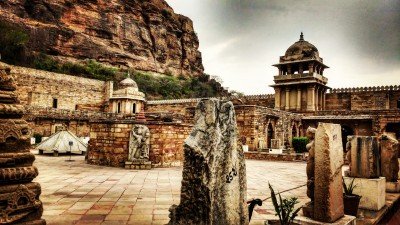
Gujari Mahal Archaeological Museum
Some quick example text to build on the card title and make up the bulk of the card's content.
Go somewhere
Gurudwara Data Bandi Chhod
Some quick example text to build on the card title and make up the bulk of the card's content.
Go somewhere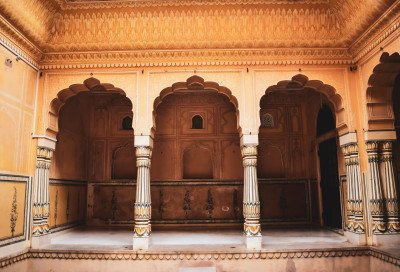
Gwalior Fort
Some quick example text to build on the card title and make up the bulk of the card's content.
Go somewhere
Gwalior Safari
Some quick example text to build on the card title and make up the bulk of the card's content.
Go somewhere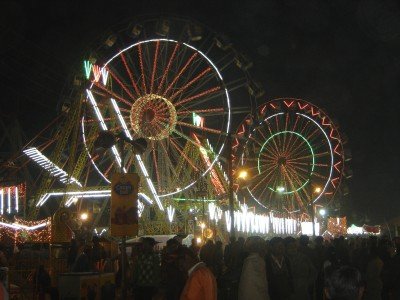
Gwalior Trade Fair Ground
Some quick example text to build on the card title and make up the bulk of the card's content.
Go somewhere
Hazira Chowk
Some quick example text to build on the card title and make up the bulk of the card's content.
Go somewhere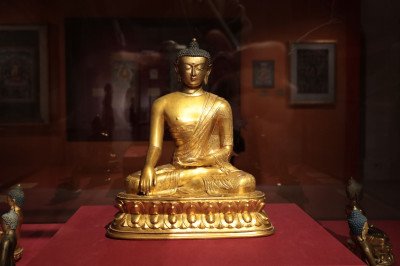
Jai Vilas Palace & Museum
Some quick example text to build on the card title and make up the bulk of the card's content.
Go somewhere
Jiyaji Chowk Bazaar
Some quick example text to build on the card title and make up the bulk of the card's content.
Go somewhere
Ladhedi Gate
Some quick example text to build on the card title and make up the bulk of the card's content.
Go somewhere
Lashkar City Area
Some quick example text to build on the card title and make up the bulk of the card's content.
Go somewherein Other Cities