

Mangkhaia Lung
General information
-
Ideal Duration:
1 Hour:Place Type:
Historical and Cultural Landmark:Entry Fees:
Significance of Zero Fee: Currently, there are no official entry fees levied for visiting the Mangkhaia Lung monument. This is typical for many historical monoliths and open-air heritage sites in Mizoram, which are often maintained by local community bodies rather than comm...Significance of Zero Fee: Currently, there are no official entry fees levied for visiting the Mangkhaia Lung monument. This is typical for many historical monoliths and open-air heritage sites in Mizoram, which are often maintained by local community bodies rather than commercial tourism agencies. The absence of a fee signifies its public, historical, and cultural importance to the Mizo people, ensuring accessibility for locals and travelers alike to connect with their heritage.
Donations and Local Support: While entry is free, visitors are often encouraged to make a small, voluntary donation to the local community committee or the village council, who are responsible for the preservation and upkeep of the monument and its surroundings. These contributions are vital for maintaining the site's cleanliness, the access pathways, and preventing degradation of the carvings. This is an important way to respectfully support local efforts.
Photography Charges Policy: There are no specific charges for photography, including the use of high-end professional equipment or video cameras. However, out of respect for the historical and cultural significance, visitors are requested to conduct any commercial filming or large photo shoots only after obtaining necessary permissions from the local village council, which may involve a nominal fee. This policy ensures the dignity of the historical monument is maintained.Timing:
Regular Timings: The site is an open-air historical monument, so technically it is accessible 24 hours a day. However, for safety and practical purposes, the Regular Timings for a visitor are generally considered to be from 8:00 AM to 5:00 PM local time. Visiting during da...Regular Timings: The site is an open-air historical monument, so technically it is accessible 24 hours a day. However, for safety and practical purposes, the Regular Timings for a visitor are generally considered to be from 8:00 AM to 5:00 PM local time. Visiting during daylight hours ensures good visibility of the carvings and the surrounding area.
Ideal Visit Time: The Ideal Visit Time is during the Golden Hour right after sunrise (around 6:00 AM to 7:30 AM) or the late afternoon (around 3:30 PM to 5:00 PM). The softer, angled light during these times enhances the carvings' visibility, creating dramatic shadows and providing cooler temperatures for exploration. The period from October to March offers the most pleasant weather for a visit.
Maintenance and Preservation Schedule: Be aware that local community members or archaeological teams may occasionally perform maintenance, conservation, or cleaning work, often on weekday mornings. While such work doesn't close the site, it might restrict movement or photography for a short period. It is best to check with a local guide beforehand.Special Events:
The Ralte Clan Annual Gathering: While not a massive public festival like Chapchar Kut, the Mangkhaia Lung site sometimes hosts smaller, annual gatherings of the Ralte clan descendants or local historical societies. These events, usually low-key and not widely publicized, f...The Ralte Clan Annual Gathering: While not a massive public festival like Chapchar Kut, the Mangkhaia Lung site sometimes hosts smaller, annual gatherings of the Ralte clan descendants or local historical societies. These events, usually low-key and not widely publicized, focus on retelling the chief's history, performing traditional songs (hleih or hla), and offering small tributes. These are typically held in the early part of the year, possibly around January or February. The events serve to keep the memory and legacy of Mangkhaia alive for future generations.
Mizo History Day Ceremonies: The local administration or school authorities occasionally use the monument as a backdrop for Mizo History Day or heritage-focused educational tours and small ceremonies. These special events involve local school children reciting historical poems, guides explaining the carvings, and local dignitaries paying respects. These informative gatherings, often held on a small scale, provide the best opportunity for a visitor to gain deep, guided historical context directly from the source and should be inquired about locally.Best Photo Spots:
The Wide-Angle Valley Panorama: The immediate area in front of the monolith provides a stellar viewpoint. The height of the Mangkhaia Lung and its position on a slight slope allows for an expansive wide-angle shot that frames the ancient stone in the foreground with the spr...The Wide-Angle Valley Panorama: The immediate area in front of the monolith provides a stellar viewpoint. The height of the Mangkhaia Lung and its position on a slight slope allows for an expansive wide-angle shot that frames the ancient stone in the foreground with the sprawling Champhai Valley and the distant Myanmar hills in the background. This juxtaposition of history and nature is a Best Photo Spot. The best time is the Golden Hour just after sunrise.
Carving Close-ups and Texture: Focus on the individual carvings of the human figures, the Mithun, and the abstract patterns. Use a macro lens or phone camera zoom to capture the texture and patina of the aged stone, highlighting the raw, primitive artistry of the bas-relief. The best light for this is direct midday sun, which creates deep, defining shadows on the carvings.
Silhouetted Majesty at Dusk: Position yourself so the monolith is framed against the setting sun in the late afternoon. The stone's towering Dimension creates a dramatic silhouette, symbolizing the enduring spirit of the chief. This is a powerful, artistic shot. The colors of the sunset behind the Ralte Chief's stone offer a memorable composition.Photo Gallery
Things To Do
-
Exploring the Monolith's Details: Spend time meticulously examining the intricate bas-relief carvings on the main stone. Try to interpret the meaning of the various human and animal figures. Count the carved figures and research local sources to understand what each one represents in terms of the chief's victories or status. This close study allows for a deeper appreciation of the Mizo art form.
Historical Photography Session: Use the dramatic size and shape of the Mangkhaia Lung as a central subject for your photography. Experiment with different angles to emphasize its height and antiquity, especially by placing a person next to it for scale. The raw, unpolished stone provides excellent texture for black and white photography. Best Photo Spots near the stone are on the higher ground slightly behind it, where you can frame...Exploring the Monolith's Details: Spend time meticulously examining the intricate bas-relief carvings on the main stone. Try to interpret the meaning of the various human and animal figures. Count the carved figures and research local sources to understand what each one represents in terms of the chief's victories or status. This close study allows for a deeper appreciation of the Mizo art form.
Historical Photography Session: Use the dramatic size and shape of the Mangkhaia Lung as a central subject for your photography. Experiment with different angles to emphasize its height and antiquity, especially by placing a person next to it for scale. The raw, unpolished stone provides excellent texture for black and white photography. Best Photo Spots near the stone are on the higher ground slightly behind it, where you can frame the stone with the valley floor in the distance.
Cultural Interaction: If possible, engage in a conversation with the local community members or a local guide from Zotlang about the stone's history. Ask about the traditional festivals like Khuangchawi and how the stone relates to their current community life. Learning the Mizo names for the carvings and the chief adds an authentic layer to your visit. This is best done through a respectful, locally arranged cultural tour.
Short Nature Walk: Take a gentle, short walk in the surrounding area, which is typically tranquil and well-maintained. The atmosphere is peaceful and allows you to reflect on the history. Look for native flora and the type of stone used in the monolith. The immediate vicinity provides great air quality and a brief respite from the town's bustle.
Sketching and Drawing: Bring a sketchbook and capture the lungdawh's imposing form. Drawing the monument helps you focus on its architectural shape and the details of the carvings, offering a focused and therapeutic way to appreciate its history. Find a shaded spot slightly away from the stone for the best perspective.
Visit Zotlang Village: Combine the visit with a respectful stroll through the nearby Zotlang East neighborhood. Observe the local homes, the community life, and the unique architecture of the modern Mizo houses. This provides context on the historical monument's setting within a vibrant, living community, connecting the past with the present.
Meditation and Reflection: The peaceful, elevated location makes it ideal for a few moments of quiet contemplation. Reflect on the cycles of life, death, and honor represented by the monument. The panoramic views of the hills and the valley enhance this reflective experience. It's a great spot to simply sit and absorb the centuries of history embedded in the land.
Information
-
Why Famous:
The Legacy of Mangkhaia: It is most famous for being one of the largest and most well-preserved historical memorial stones, or lungdawh, in the Champhai region, dating back to the pre-colonial era of the 18th century. Its fame stems from its direct connection to Chief Mangk...The Legacy of Mangkhaia: It is most famous for being one of the largest and most well-preserved historical memorial stones, or lungdawh, in the Champhai region, dating back to the pre-colonial era of the 18th century. Its fame stems from its direct connection to Chief Mangkhaia and the Ralte tribe's history. This historical record, carved in stone, offers invaluable insights into the social hierarchy, religious beliefs, and ceremonial practices, such as the Khuangchawi feast, which were central to the Mizo culture. The monument is a rare surviving example of monumental art from that period.
Symbol of Mizo Identity: The stone is a powerful symbol of Mizo resilience, valor, and ancient customs. It represents the tradition of honoring the deceased based on their achievements in war and hunting, a defining aspect of traditional Mizo society. Its location near the modern town highlights the continuity of history. Its fame is amplified by its inclusion in local folk histories and school curricula, making it a foundational element of regional identity. It's a key spot for researchers and ethnographers.
Carved Narratives: The detailed carvings of human figures and animals set it apart. These images are celebrated for their artistic and historical value, serving as a unique pictorial script that narrates the life and status of the chief. The monument's enduring presence on a hillside overlooking the valley solidifies its fame as a silent witness to centuries of local life and change. Its prominent place in Champhai tourism draws visitors seeking authentic cultural experiences and historical depth, far surpassing that of many other local monuments. -
Architecture:
Monolithic Structure and Engravings: The structure is a single, towering monolith made of natural stone, which has been skillfully shaped and erected. Its Dimension is notable, standing approximately 5 meters (about 16 feet) high, though its width and depth vary along its l...Monolithic Structure and Engravings: The structure is a single, towering monolith made of natural stone, which has been skillfully shaped and erected. Its Dimension is notable, standing approximately 5 meters (about 16 feet) high, though its width and depth vary along its length, creating an imposing presence. The entire surface is covered in intricate bas-relief carvings.
Carving Style and Theme: The primary artistic style is simple and tribal, focusing on clear, symbolic representations rather than detailed realism. The carvings include a series of stylized human figures, widely interpreted as "guardians of the dead" or representations of the chief's successful headhunts. Additionally, smaller stones nearby feature engravings of animals, most prominently the Mithun (a large bovine), which symbolizes wealth and prosperity, and other hunted game like deer or boars. The placement of the stone in an open area suggests a former ceremonial ground. The crude but powerful artistry reflects a pre-literate society's method of monumental record-keeping, serving as a permanent historical marker. The stone's natural material, likely sourced locally, ties the monument deeply to the Champhai Valley's geography. The sheer effort of working and positioning such a massive stone without modern machinery speaks volumes about the Mizo engineering skills of the past. -
How To Reach:
By Air: The nearest major airport is Lengpui Airport (AJL) near Aizawl, located approximately 185 KMS from Champhai. From AJL, visitors can hire a direct taxi or take a state transport bus to Champhai, which is a journey of about 6 to 8 hours due to the hilly terrain. Dire...By Air: The nearest major airport is Lengpui Airport (AJL) near Aizawl, located approximately 185 KMS from Champhai. From AJL, visitors can hire a direct taxi or take a state transport bus to Champhai, which is a journey of about 6 to 8 hours due to the hilly terrain. Direct chartered helicopter services are sometimes available to Champhai Helipad, offering a faster, though more expensive, option.
By Train: Mizoram currently has no major railway stations. The nearest major railhead is Silchar Railway Station (SCL) in Assam, located about 352 KMS from Champhai. From Silchar, one must take a taxi or a shared vehicle for the long road journey to Champhai, which can take 10 to 12 hours or more, often requiring an overnight stay en route. Silchar is well-connected to major Indian cities.
By Road: Champhai is well-connected to Aizawl by the National Highway NH-102B (formerly part of NH-54). The drive is scenic but winding. State-run buses and private sumos/shared taxis run daily between Aizawl and Champhai (188 KMS). The Mangkhaia Lung is located in Zotlang East, just off the main road leading through the town, making it an easy drive from the center. Self-driving is possible but requires experience with mountain roads.
By Local Transport: Once in Champhai town, the site is easily reached by hiring a local taxi or, more commonly, a two-wheeler taxi (local bike taxi), from the main market area. The distance is short (about 3 KMS), and the local drivers know the monument's location well. A short, energetic walk from the town center is also feasible for fit visitors. -
Weather and Best Time to Visit:
Seasonality - Post-Monsoon (October to March): This is the Best Time to Visit. The weather is cool, dry, and highly pleasant, with average temperatures ranging from 10°C to 20°C. The skies are clear, offering the most spectacular, unobstructed views of the Champhai Valle...Seasonality - Post-Monsoon (October to March): This is the Best Time to Visit. The weather is cool, dry, and highly pleasant, with average temperatures ranging from 10°C to 20°C. The skies are clear, offering the most spectacular, unobstructed views of the Champhai Valley and the distant hills, which is crucial for appreciating the monolith's setting. This period is perfect for extended photography and comfortable historical exploration.
Seasonality - Summer (April to May): The summer months are warm but bearable, with temperatures between 15°C and 25°C. It is a good time to visit, though the heat around midday can be intense. The landscape is lush green, providing a beautiful backdrop, but occasional pre-monsoon showers can occur.
Seasonality - Monsoon (June to September): This is the Least Ideal time. Heavy rainfall causes muddy paths, poor visibility, and increases the risk of road blockages on the way to Champhai. While the site itself is still accessible, the visitor experience is often hampered by the weather.
Time of Day - Early Morning (Sunrise): The Best Time of Day is immediately after sunrise (around 6:00 AM) for a serene experience. The light is soft, the temperature is cool, and the monolith is often deserted. This allows for quiet reflection and the best quality photography due to the low angle of the sun defining the carvings.
Time of Day - Late Afternoon (Golden Hour): The time before sunset (3:30 PM to 5:00 PM) is also excellent. The dramatic golden light casts long shadows, enhancing the monument's rugged texture and creating a beautiful atmosphere. -
Near Tourist Places:
R Lalzinga Point (approx. 1 KM) Offers panoramic views. Champhai Valley viewpoint (approx. 2 KM) Famous for rice fields.
Zotlang neighborhood (immediate vicinity): Local life and homes. Mura Puk (approx.
10 KMS): Historical caves. Champhai District Park (approx. 3 KM) Recreational space. Kula Khiangte Lungdawh (approx. 2. 5 KM) Another significant monolith. Joy of Champhai (approx. 3. 5 KM) Local community spot. Bethel Veng (approx. 4 KM) Uphill locality with views. Sikpui Lung (approx. 5 KM) Historical stone platform. Neihtu Lung (distance varies, approx.
5 KM from center): Another historical site.
Tourism Tips
-
Health & safety: Always carry a small first-aid kit with basic pain relievers and antiseptic. The site is open-air, so wear a hat and use sunscreen, even in winter, as the sun at this altitude can be strong. Be cautious of uneven footing on the slopes leading up to the sto...Health & safety: Always carry a small first-aid kit with basic pain relievers and antiseptic. The site is open-air, so wear a hat and use sunscreen, even in winter, as the sun at this altitude can be strong. Be cautious of uneven footing on the slopes leading up to the stone. Carry adequate drinking water, especially during the day.
Packing: Pack light, comfortable clothes and study walking shoes, even though the walk is short. Due to the cool evenings in winter (October to March), a light jacket or shawl is essential. For photography, a wide-angle lens is recommended to capture the full scope of the monolith and its backdrop. Bring a quality insect repellent if visiting during the warmer, pre-monsoon months.
Accommodation: Book your accommodation in Champhai town center well in advance, especially during the peak season (November to February). Tourist lodges, budget hotels, and local homestays are available. Homestays offer a rich cultural experience and often better local food.
Other Different Topics heading:
Respect Local Customs: Remember this is a site of historical and cultural reverence. Dress modestly and speak softly.
Local Cuisine: Try the local Mizo dishes like Bai (vegetable stew) and different preparations of smoked pork (Vawksa) in the eateries of Zotlang or Champhai town.
Permits: Ensure you have your Inner Line Permit (ILP) if you are an Indian citizen from outside Mizoram, or the appropriate restricted area permit for foreigners, before entering the state.
Reviews
FAQs
Champhai Itineray And Cost:-
Other Places In Champhai :-
Other States In India :-
Information about New and Updated Locations() of Mizoram Has Been Added :-
Card subtitle
Note:-
Information provided here in good Faith and for reference only.
Near Places

Bethel Veng
Some quick example text to build on the card title and make up the bulk of the card's content.
Go somewhere
Cfl Hmingthanga Monument
Some quick example text to build on the card title and make up the bulk of the card's content.
Go somewhere
Champhai District Park
Some quick example text to build on the card title and make up the bulk of the card's content.
Go somewhere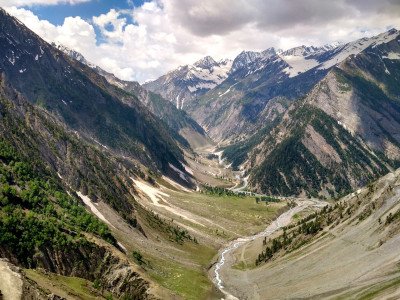
Champhai Valley
Some quick example text to build on the card title and make up the bulk of the card's content.
Go somewhere
Fiara Tui
Some quick example text to build on the card title and make up the bulk of the card's content.
Go somewhere
Hlakungpui Mual
Some quick example text to build on the card title and make up the bulk of the card's content.
Go somewhere
Kawtchhuah Ropui
Some quick example text to build on the card title and make up the bulk of the card's content.
Go somewhere
Khawbung Village
Some quick example text to build on the card title and make up the bulk of the card's content.
Go somewhere
Khawhai Village
Some quick example text to build on the card title and make up the bulk of the card's content.
Go somewhere
Kungawrhi Puk
Some quick example text to build on the card title and make up the bulk of the card's content.
Go somewhere
Lamsial Puk
Some quick example text to build on the card title and make up the bulk of the card's content.
Go somewhere
Lianchhiari Lunglen Tlang
Some quick example text to build on the card title and make up the bulk of the card's content.
Go somewhere
Lungvar
Some quick example text to build on the card title and make up the bulk of the card's content.
Go somewhere
Mangkhaia Lung
Some quick example text to build on the card title and make up the bulk of the card's content.
Go somewhere
Mangkhaia Lung Monolith
Some quick example text to build on the card title and make up the bulk of the card's content.
Go somewhere
Melbuk Village
Some quick example text to build on the card title and make up the bulk of the card's content.
Go somewherein Other Cities