Mani Bhavan Gandhi Sangrahalaya
General information
-
Ideal Duration:
1. 5 to 2 hours (for a thorough tour and reading the exhibits).Place Type:
Museum / Historical SiteEntry Fees:
General Admission: Entry to the Mani Bhavan Gandhi Sangrahalaya is typically free for all visitors. This reflects the philosophy of making Gandhi's life and work accessible to everyone, ensuring that all citizens and international visitors can learn about the history of the...General Admission: Entry to the Mani Bhavan Gandhi Sangrahalaya is typically free for all visitors. This reflects the philosophy of making Gandhi's life and work accessible to everyone, ensuring that all citizens and international visitors can learn about the history of the freedom struggle without a financial barrier. The museum is a not-for-profit historical preservation site.
Library and Research Access: Access to the extensive library and archival material is also generally free or available at a very nominal fee for researchers and students, encouraging academic engagement with Gandhian studies. Any donations are voluntary and welcomed to support the maintenance of the collection.
Book and Souvenir Shop: There are fees associated with purchasing books, copies of Gandhi's writings, and any souvenirs from the small shop. These sales help generate a small income for the maintenance and upkeep of the museum, but they are optional for the visitor.
Voluntary Donations: The museum relies heavily on voluntary donations from visitors to maintain the historical structure, preserve the archives, and fund its educational programs. Donation boxes are usually available near the entrance, allowing visitors to contribute as they see fit.Timing:
Regular Timings (Daily Schedule): The Mani Bhavan Gandhi Sangrahalaya is typically open every day of the week, including weekends and most public holidays. The regular timings are usually from around 9:30 AM to 5:30 PM. Visitors should check the official website or call ah...Regular Timings (Daily Schedule): The Mani Bhavan Gandhi Sangrahalaya is typically open every day of the week, including weekends and most public holidays. The regular timings are usually from around 9:30 AM to 5:30 PM. Visitors should check the official website or call ahead for any temporary changes, particularly around national holidays like October 2nd or January 26th.
Ideal Visit Time (Peaceful Exploration): The ideal visit time is during the early hours of the day, shortly after opening (e. g. , 10:00 AM). Being among the first visitors allows for a quieter, more personal experience, enabling deeper reading of the exhibits and undisturbed reflection in Gandhi's room. Since it is not as crowded as religious sites, weekdays are always preferable over weekends.
Worst Time:
Post-Lunch Rush: The museum can experience a slight influx of small tour groups and students right after the lunch hour (around 2:00 PM to 4:00 PM). This is the time when the spaces might feel a little more congested, making the viewing of the photo gallery and reading of the captions slightly more challenging.Special Events:
Gandhi Jayanti (October 2nd): The most significant special event is the celebration of Mahatma Gandhi's birth anniversary on October 2nd. The day is marked by special prayer meetings (Sarva Dharma Prarthana Sabha), peace marches, and commemorative functions. The atmosphere...Gandhi Jayanti (October 2nd): The most significant special event is the celebration of Mahatma Gandhi's birth anniversary on October 2nd. The day is marked by special prayer meetings (Sarva Dharma Prarthana Sabha), peace marches, and commemorative functions. The atmosphere is solemn and respectful, attracting peace activists, students, and dignitaries who gather to pay tribute to the Father of the Nation, often featuring speeches on Gandhian values.
Commemoration of Important Arrests and Departures: Mani Bhavan holds smaller, but historically significant, commemorative events marking the anniversaries of key moments in Gandhi's time there, such as the date of his arrest in 1932 or the launch of a major movement. These events often involve specific readings of historical texts, providing a deep historical context to the physical space of the museum and attracting serious historians and researchers.
Annual Memorial Lectures: The Mani Bhavan Trust often organizes annual memorial lectures or seminars focused on current political and social issues through the lens of Gandhian philosophy. These intellectual events feature prominent national and international speakers and contribute to the center's reputation as an active hub for promoting non-violent thought.Best Photo Spots:
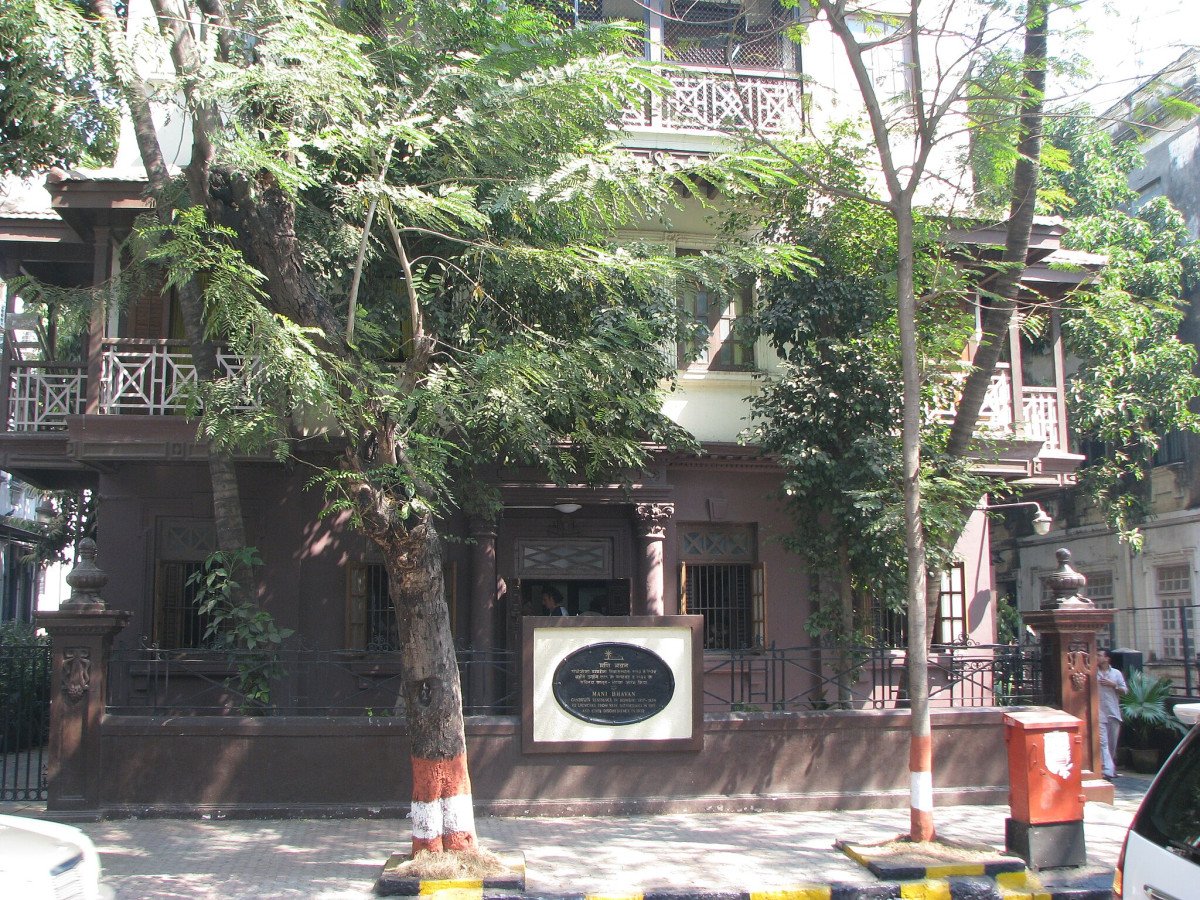
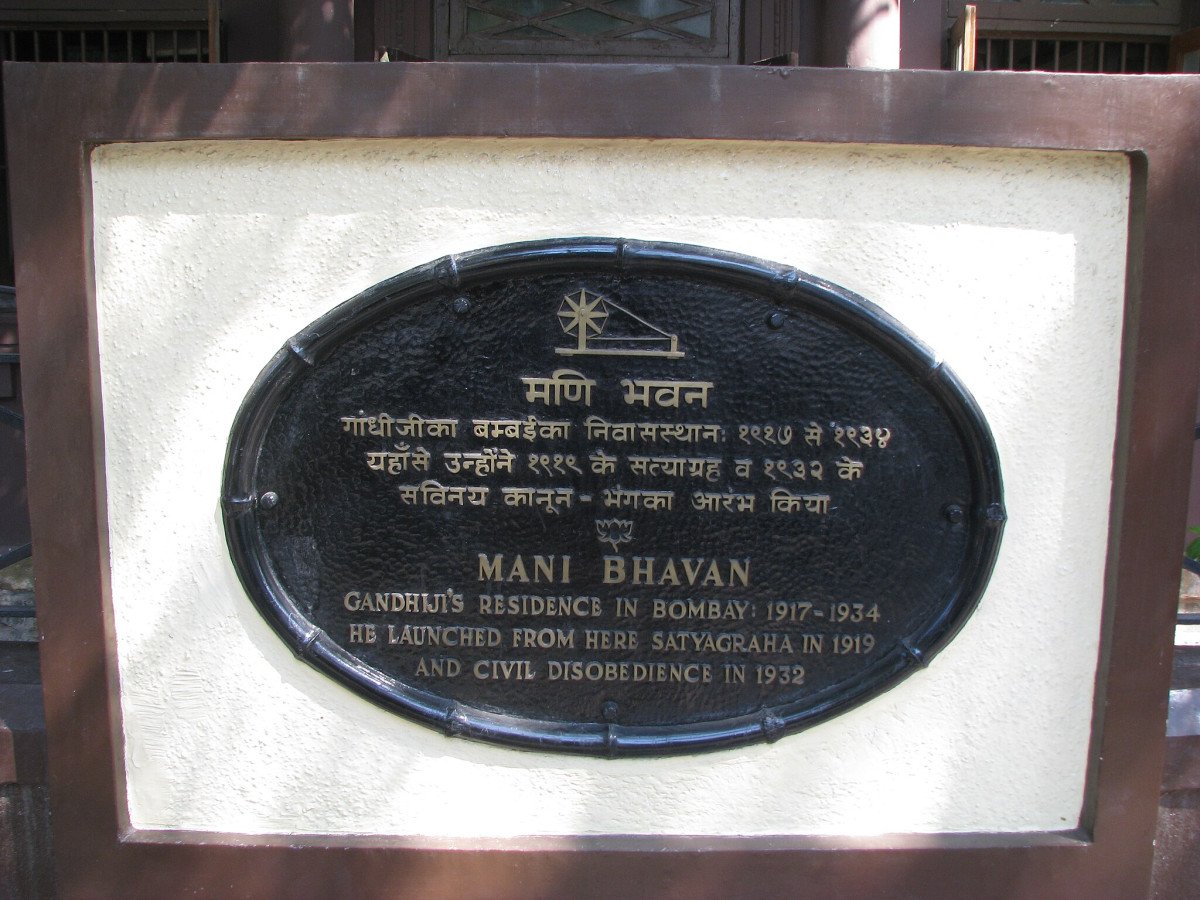
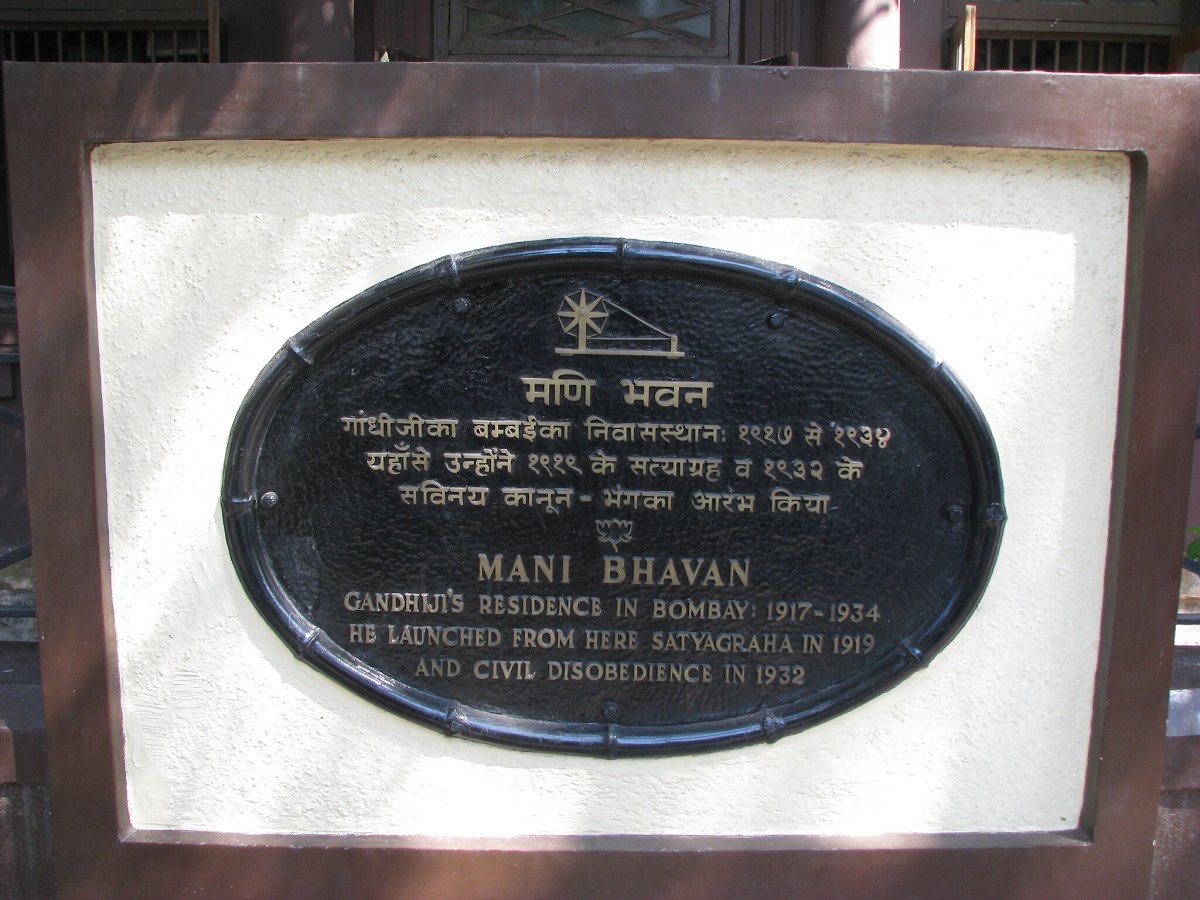
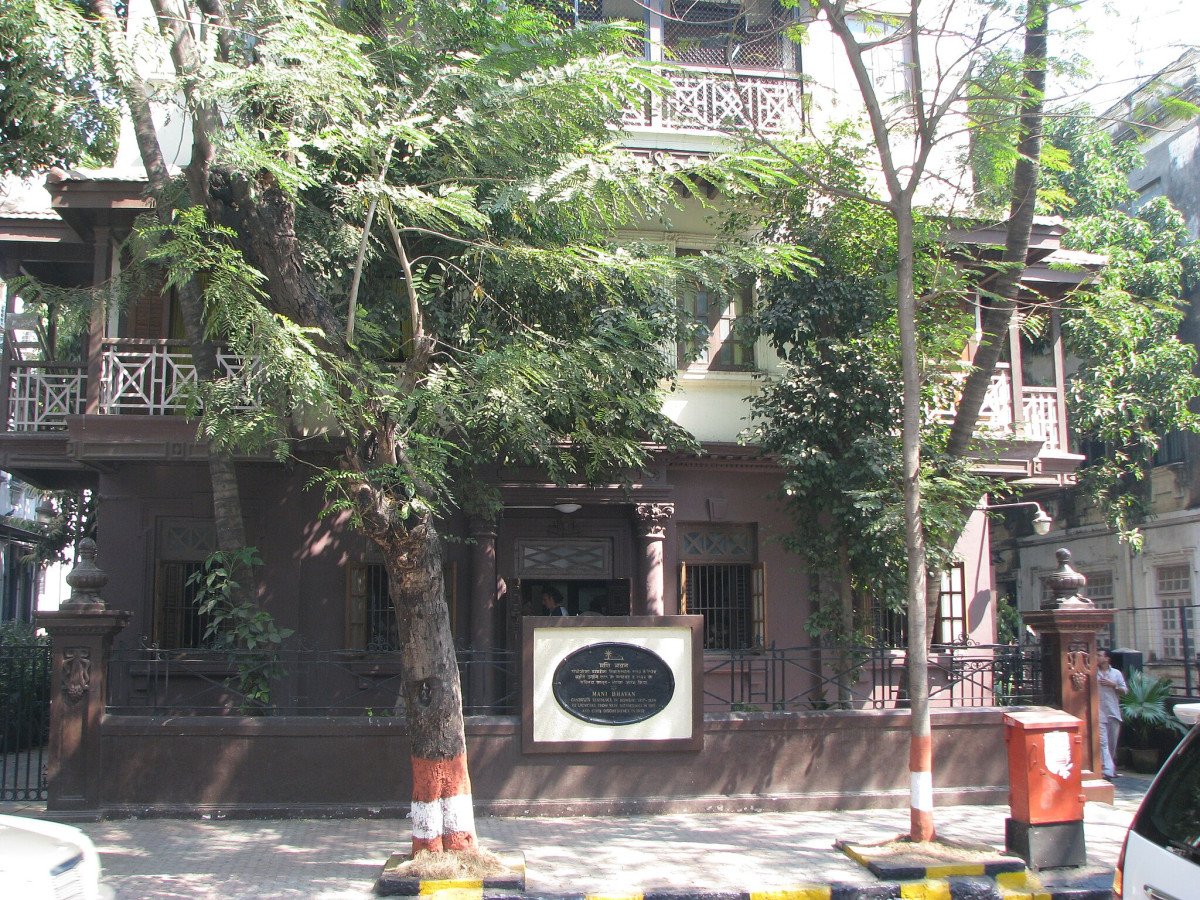
The Front Facade and Signboard (The Establishing Shot): The most essential photo spot is the front of the simple, modest building, capturing the main entrance and the historical Mani Bhavan Gandhi Sangrahalaya signboard. This shot establishes the historical context and the humble architecture of th...The Front Facade and Signboard (The Establishing Shot): The most essential photo spot is the front of the simple, modest building, capturing the main entrance and the historical Mani Bhavan Gandhi Sangrahalaya signboard. This shot establishes the historical context and the humble architecture of the place, often framed by the surrounding greenery.
Gandhi's Preserved Room Window: A poignant and evocative shot can be taken of the window of Gandhi's preserved room on the second floor. Framing the window from the outside, perhaps capturing the simple wooden balcony or the quiet street, symbolizes the view that the Mahatma had, offering a quiet contrast between the inner life of reflection and the outer world of political struggle.
The Iconic Spinning Wheel (Charkha): While photography inside the darshan room is often restricted to no-flash, a respectful close-up (if permitted) of the preserved spinning wheel and the simple cot on the second floor is highly symbolic. The charkha represents Swadeshi and self-reliance, making it a powerful visual element representing his philosophy.
The Courtyard Statue: The small, tree-shaded courtyard often features a bust or a simple statue of Mahatma Gandhi. This provides a quieter, more artistic photo opportunity, capturing the statue bathed in natural light, surrounded by the tranquility that pervades the space.Photo Gallery
Things To Do
-
Explore the Photo Gallery (Visual History): Dedicate ample time to the photo exhibition on the first floor. The gallery is arranged chronologically, detailing every major phase of Gandhi's life—from his time as a young lawyer in South Africa and the development of his non-violent philosophy to his leadership of the freedom struggle and his final days. Read the captions carefully to understand the context and the historical significance of each event. This is the heart of the museum's educational offering. Visit Gandhi's Preserved Room (Personal Connection): Go up to the second floor to see the room where Mahatma Gandhi stayed. The room is preserved exactly as he left it, complete with his simple bed, the legendary spinning wheel (charkha), and his writing table. This is a moment for quiet reflection, allowing a personal connection to the humility and asce...
Information
-
Why Famous:
Gandhi's Mumbai Headquarters: Mani Bhavan is most famous for being the nerve center of Mahatma Gandhi's political activities in Mumbai between 1917 and 1934. It was the place where he lived for extended periods and orchestrated some of the most significant mass movements, i...Gandhi's Mumbai Headquarters: Mani Bhavan is most famous for being the nerve center of Mahatma Gandhi's political activities in Mumbai between 1917 and 1934. It was the place where he lived for extended periods and orchestrated some of the most significant mass movements, including the start of the Non-Cooperation Movement and the Satyagraha against the Rowlatt Act. Its historical role as a command post for India's independence struggle makes it internationally famous.
The Birthplace of Ideas: It was at this location that Gandhi began his association with the common spinning wheel (charkha), a symbol that later became central to India's self-reliance movement (Swadeshi). The preservation of his actual room, with his few belongings, offers an unparalleled personal connection to the leader and the simple lifestyle he championed, drawing scholars and admirers globally.
A Comprehensive Photographic Chronicle: The museum contains one of the finest and most detailed photographic exhibitions of Gandhi's life. The chronological photo gallery, meticulously curated, offers a visual narrative of his journey, from his youth in South Africa to his eventual assassination, serving as a powerful educational tool and a key reason for its fame. -
Architecture:
Colonial Residential Style: Mani Bhavan is a typical example of an early 20th-century residential structure in Mumbai, built in a style common to the upper-middle-class homes of the time. The building is a simple, two-storied stone structure with a small courtyard in the fr...Colonial Residential Style: Mani Bhavan is a typical example of an early 20th-century residential structure in Mumbai, built in a style common to the upper-middle-class homes of the time. The building is a simple, two-storied stone structure with a small courtyard in the front. Its architecture is notable for its functional simplicity, lacking the ornate grandeur of many other historical sites in the city. The emphasis is on utility and modesty, reflecting Gandhi's own lifestyle.
Dimensions and Layout: The building features a narrow, rectangular layout. The Library is on the ground floor, occupying the main hall, designed to hold a substantial collection of books and archival material. The upper floors, accessible by a simple wooden staircase, contain the preserved room and the photo gallery. Gandhi's preserved room on the second floor is small, measuring approximately 10 feet by 12 feet, showcasing the spartan conditions in which he lived. The highlight is the open terrace, which provided a space for reflection and public address, overlooking the quiet residential street. The architecture is a study in purposeful constraint, letting the history within speak louder than the structure itself. -
How To Reach:
By Air (For Domestic and International Travelers): The nearest airport is Chhatrapati Shivaji Maharaj International Airport (BOM), approximately 20-22 KMS away. From the airport, taking a taxi or app-based cab (like Uber or Ola) is the most direct method. The journey will ... -
Near Tourist Places:
1.
Chowpatty Beach: (Approx. 2 KMS) 2.
Babulnath Temple: (Approx. 1. 5 KMS) 3.
Hanging Gardens (Pherozeshah Mehta Gardens): (Approx. 2 KMS) 4.
Kamala Nehru Park: (Approx. 2. 5 KMS) 5.
Marine Drive (The Queen's Necklace): (Approx. 3 KMS) 6.
Taraporewala Aquarium: (Approx. 4 KMS) 7.
Gateway of India: (Approx. 7 KMS) 8.
Chhatrapati Shivaji Maharaj Terminus (CSMT): (Approx. 6 KMS) 9.
Jehangir Art Gallery: (Approx. 7 KMS) 10.
Wankhede Stadium: (Approx. 5 KMS)
Tourism Tips
-
Health & Safety:
Quiet Reflection: Mani Bhavan is generally a very safe and secure site. The main Health & Safety tip is to be mindful of the staircase, which is old and can be slightly steep. The atmosphere demands respect, so keep noise l...
Reviews
Mani Bhavan Gandhi Sangrahalaya Tourism:-
Information about New and Updated Locations(608+) of Maharashtra Has Been Added :-
Card subtitle
Note:-
Information provided here in good Faith and for reference only.
All information and pictures will be updated soon, please keep visiting.
Near Places
Bandra Fort
Some quick example text to build on the card title and make up the bulk of the card's content.
Go somewhere
Bandra-Worli Sea Link
Some quick example text to build on the card title and make up the bulk of the card's content.
Go somewhere
Chhatrapati Shivaji Maharaj Vastu Sangrahalaya
Some quick example text to build on the card title and make up the bulk of the card's content.
Go somewhere
Chhatrapati Shivaji Terminus
Some quick example text to build on the card title and make up the bulk of the card's content.
Go somewhere
Colaba Causeway
Some quick example text to build on the card title and make up the bulk of the card's content.
Go somewhere
Dhobi Ghat
Some quick example text to build on the card title and make up the bulk of the card's content.
Go somewhere
Elephanta Caves
Some quick example text to build on the card title and make up the bulk of the card's content.
Go somewhere
EsselWorld
Some quick example text to build on the card title and make up the bulk of the card's content.
Go somewhere
Film City
Some quick example text to build on the card title and make up the bulk of the card's content.
Go somewhere
Flora Fountain
Some quick example text to build on the card title and make up the bulk of the card's content.
Go somewherein Other Cities